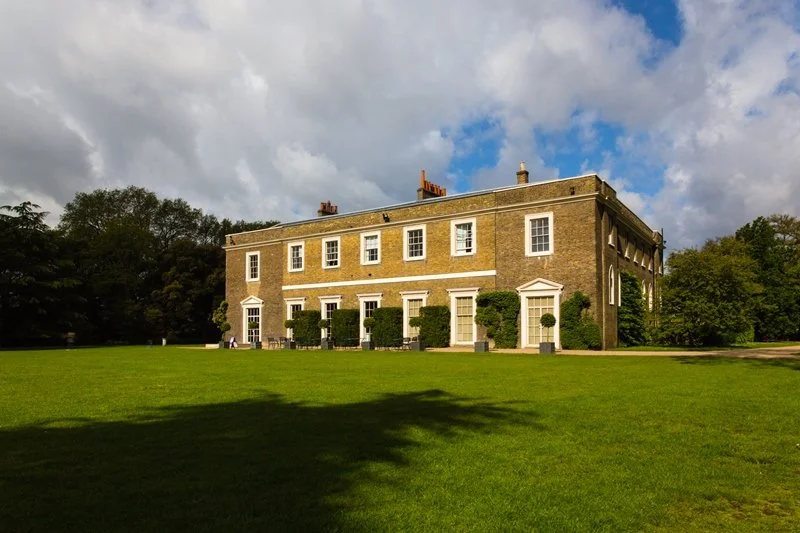
Volunteer Garden Party 2016

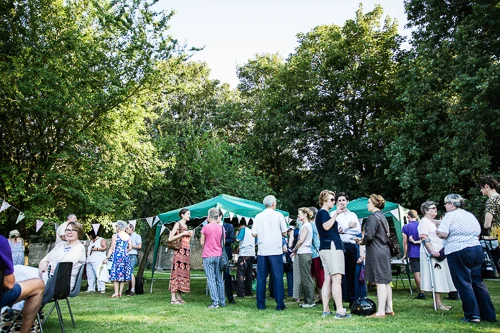
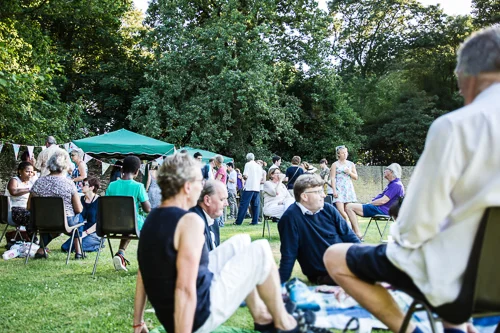
On 19th of July, volunteers gathered in the walled garden for a lively meet and greet! The weather was more than agreeable, and the summer sun danced across the bountiful gardens. Volunteers of all ages, and all sectors, enjoyed light nibbles and summery cocktails. 
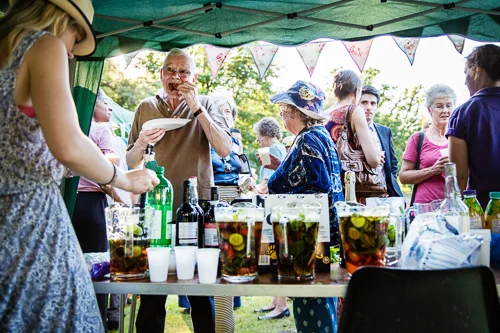
It was a delightful evening, as some caught up with old friends, while others reached out to new acquaintances. 
Vol Party_-1.jpg

It was important to the Palace to recognize several volunteers for their exceptional service and dedication. Though not all in attendance, they were acknowledged, and are again here. A big thank you to, Keith Mallinson, Penny Medley, Jane Bowden-Dan, Cerys Williams, Barry Leach and Pauline Littlejohn for five years of volunteering; Debbie Dodici for seven years; Caroline D'Arcy for nine years; Myrtle Inniss and Sharon Shaw for ten years; Patricia Beamont-Nesbit, Vienne Worlock and Angela Wilkes for fifteen years; and John Sear for an exceptional twenty years of volunteering. 
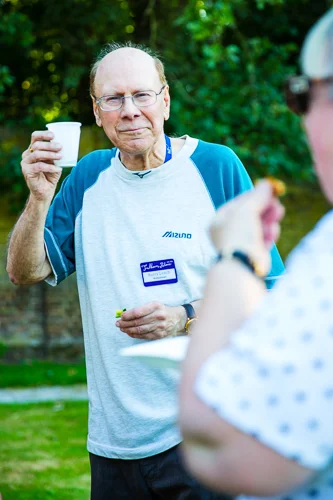
The evening commenced with a light quiz on Fulham Palace history. Everyone got into teams, and gave their best effort. Congratulations to the winners!!
Having lived in the Fulham area for the past three years, I have so enjoyed visiting Fulham Palace. So much in fact, that I have decided to become a volunteer! In addition to the strong leaders running the palace, the volunteers are a large part of what makes it so great and so successful. The party was such a lovely setting to meet some of you, and I'm looking forward to meeting the rest of you around the grounds.

A special thanks to Kajsa Kax, who took photographs during the evening. All Kajsa's images will be uploaded to the image gallery on the portal. 

- Emily Lawson
Remembering the Somme

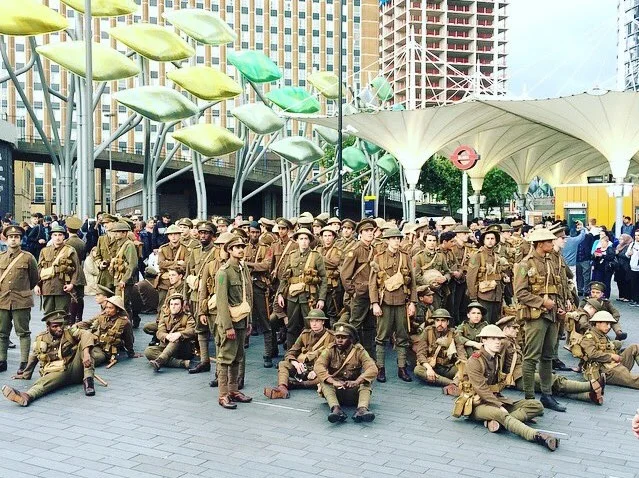
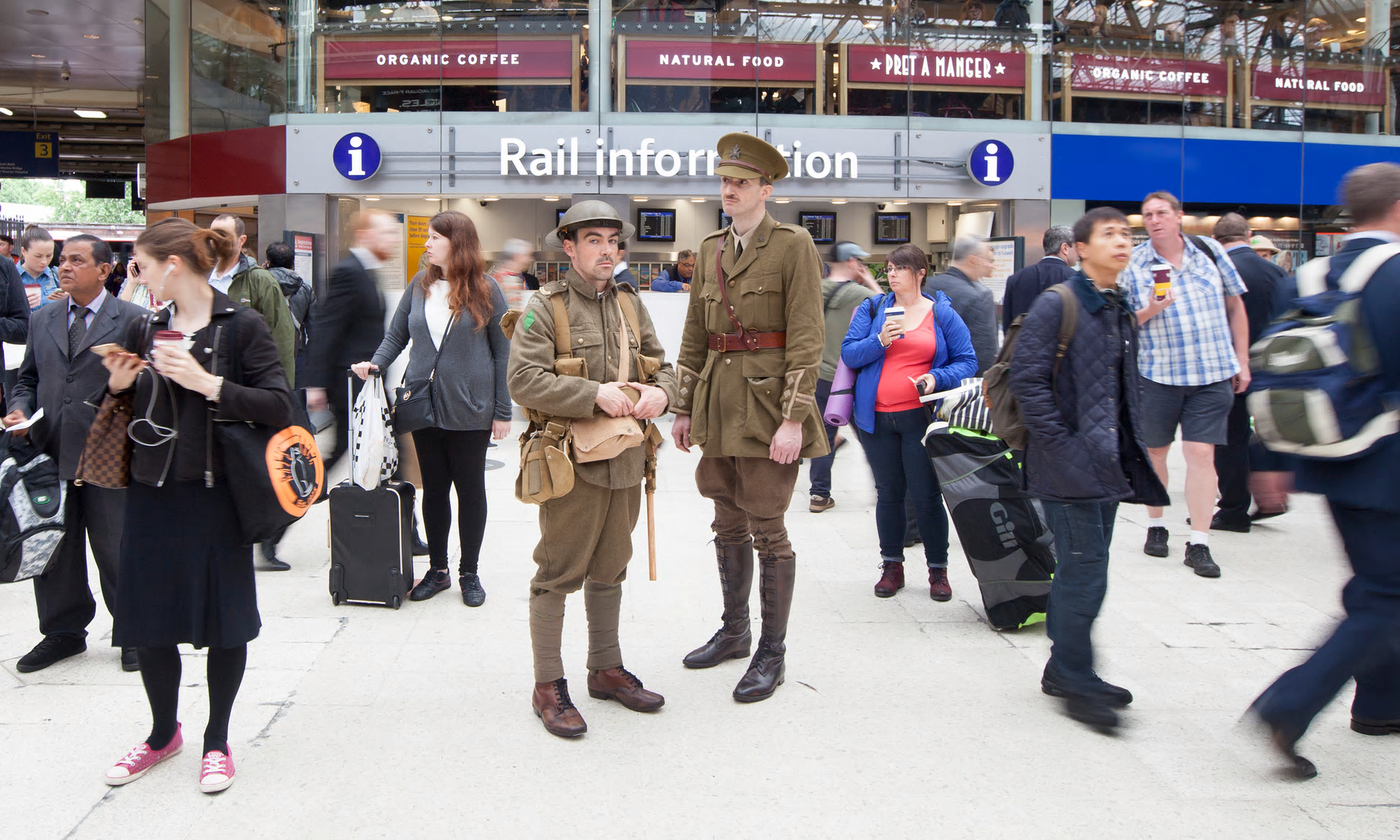
On Friday morning thousands of people throughout the UK were surprised by the ghostly sight of World War One soldiers, as they made their morning commute.

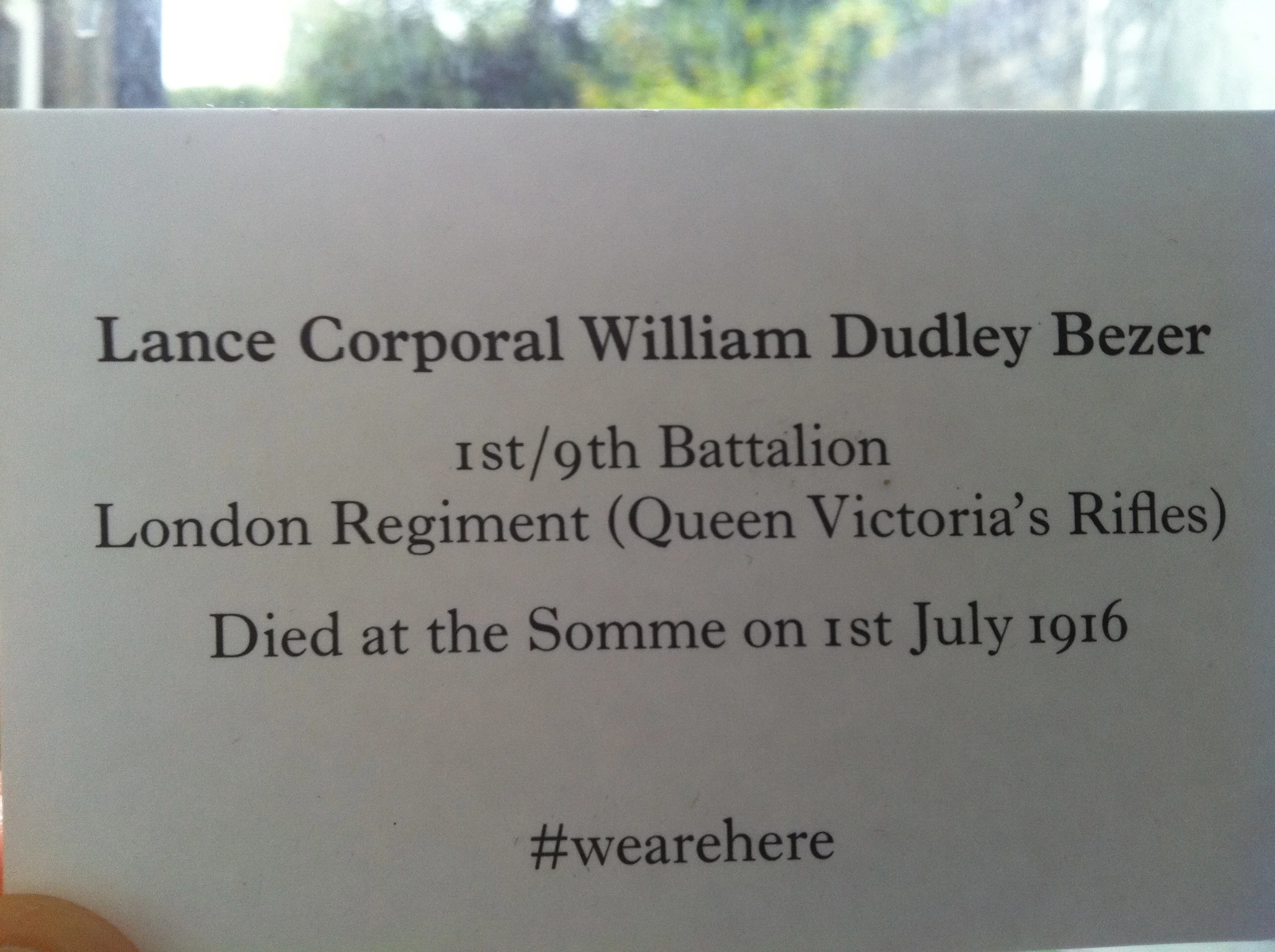
The soldiers made for an eerie sight. Sometimes seen waiting, sometimes walking. Often caught through the corner of the eye before vanishing. If approached by members of the public, the soldiers simply handed out a card with the name of a soldier they were representing.

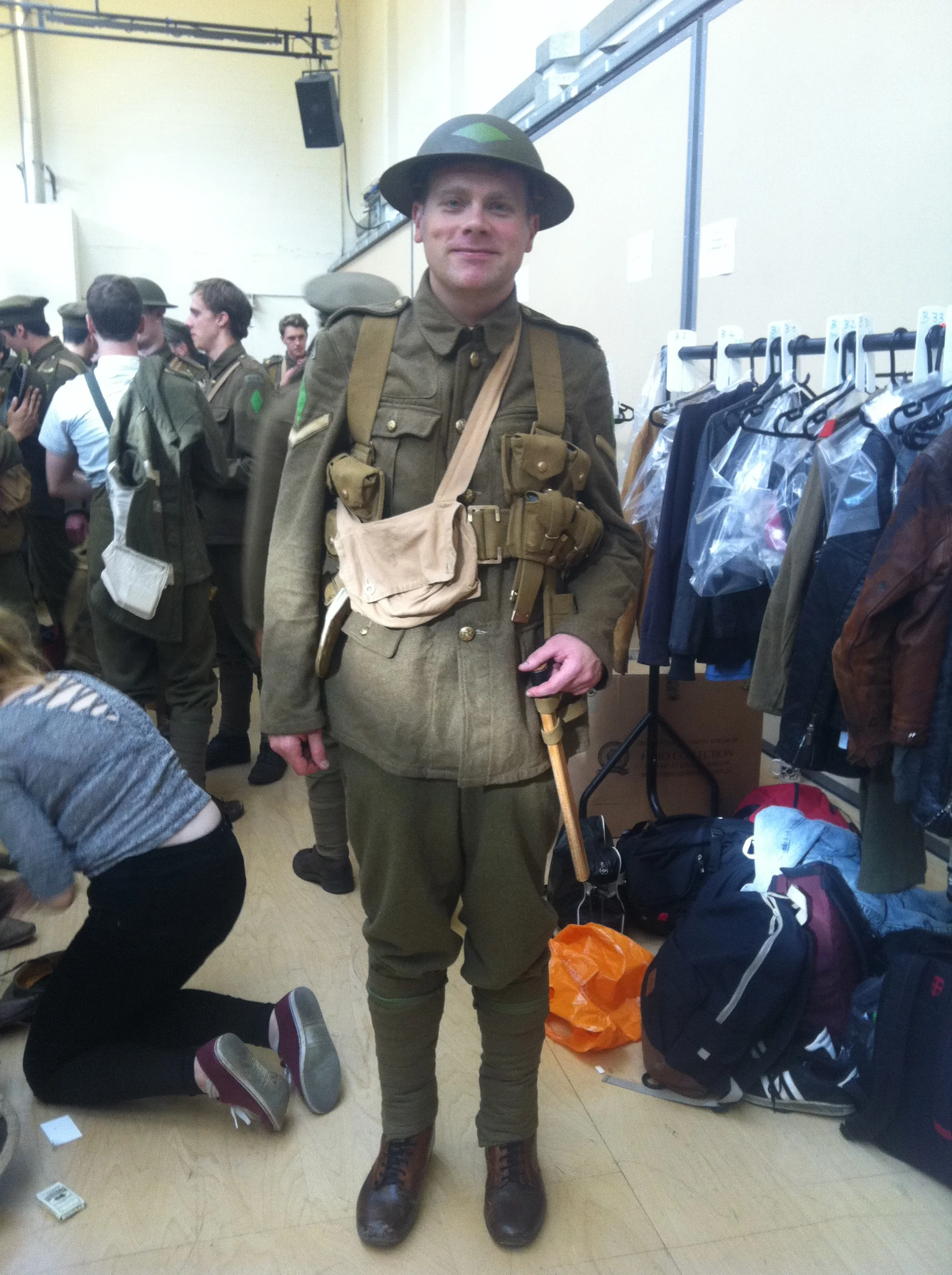
I was proud to be among 1400 men taking part in what was a living memorial to all who fought and died in that dreadful conflict. We Are Here was named for the song sung by soldiers on their ways to the trenches, and was a piece of artwork created by Jeremy Deller and the Royal National Theatre.

Somme3.JPG

I was representing Lance Corporal William Dudley Bezer, a volunteer recruit of the London regiment to which Bishop of London Winnington-Ingram was chaplain. A South Londoner, William was just 31 years old and had been married for less than a year to his wife Agnes when he died on the first day of the Somme. A story repeated tens of thousands of times over on that first fateful day.

My day took in Waterloo, Liverpool Street, Fenchurch Street, London Bridge, The Tower of London and even Basildon as we weaved our way through alleys and streets, before a finale to surprised shoppers at Stratford. It was a memorable day for many reasons, not least the emotional response from members of the public.

I hope it was a fitting tribute to the courage and stoicism of the many who gave their lives for the peace we now take for granted.

Steve Lee


Fulham Palace and the Great War

Today is the centenary of the Battle of the Somme. On 1st July 1916 the British army suffered its greatest loss in a single day, taking nearly 60,000 casualties.

Before the battle closed on the 18th November 1916 more than a million soldiers had been killed, making it probably the bloodiest battle in human history. There was hardly a family in Britain or the Commonwealth that escaped losing someone. Many families connected with the Palace lost loved ones. Casualties included William Burley, the son of the incumbent Bishop’s chauffeur. His name can be found inscribed on a war memorial in Fulham Library.

As we commemorate this sad day in British and World history, I thought it fitting to consider Fulham and the Bishop of London's Palace's role in the war effort.

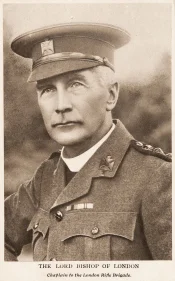
During the First World War, then Bishop Winnington-Ingram became a chaplain to the London Rifle Brigade. He was called “the most successful recruiting officer in the country.”  He spent two weeks at the Western Front in 1915, staying with Field Marshal French, addressing troops at Ypres, and visiting the London Rifle Brigade. He went out with his car, which the troops nicknamed ‘Fulham Palace’.

Bishop Winnington-Ingram

Bishop Winnington-Ingram

Several clergymen who were to become Bishops of London served in the war as army chaplains, including Henry Montgomery-Campbell, who was awarded the Military Cross for bravery at Gallipoli.

On the home front, the Bishop’s Meadow became an army training ground. These then became allotments in 1916, to feed the people of Fulham. This reduced the Palace gardens from 36 acres to 13. Part of the allotments remain today.

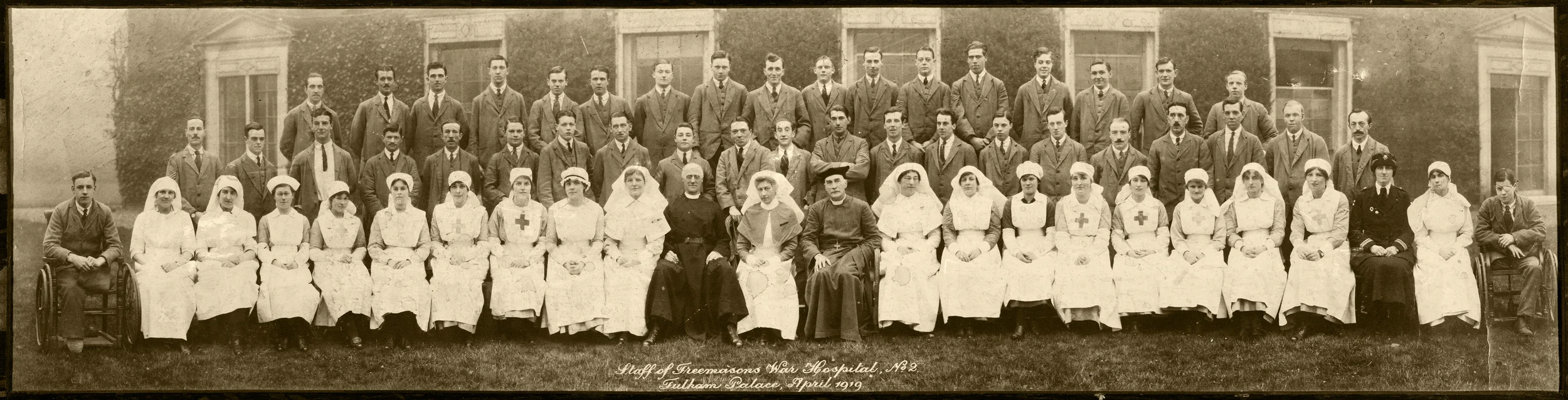
The Palace itself became a hospital in 1917, run by the Red Cross.

From an autograph album, which belonged to Sister Mary Latchmore, one of the nurses at the hospital. It includes photographs of the patients, the nurses and some of the Palace rooms when in use as a hospital.

From an autograph album, which belonged to Sister Mary Latchmore, one of the nurses at the hospital. It includes photographs of the patients, the nurses and some of the Palace rooms when in use as a hospital.

It became a refuge for over a hundred shell shocked soldiers.

From an autograph album, which belonged to Sister Mary Latchmore, one of the nurses at the hospital. It includes photographs of the patients, the nurses and some of the Palace rooms when in use as a hospital.

From an autograph album, which belonged to Sister Mary Latchmore, one of the nurses at the hospital. It includes photographs of the patients, the nurses and some of the Palace rooms when in use as a hospital.

The Porteus Library and Drawing Room became wards and the more mobile patients assisted in the garden. It closed in 1919.

The Borough of Fulham also played its role in the war effort. The Fulham Potteries made rum jars that were sent to the front. These would have been a common site in the trenches. Men were given a tot of rum after 'stand-to' and often before 'going over the top'. 3,000 Belgian refugees made the Empress Hall, Earls Court their home for the duration. Nearby Shepherd's Bush Market was set up by returning soldiers. 

Fulham Workhouse became a military hospital and treated over a thousand men seriously injured during the Battle of the Somme.

One of the greatest civilian tragedies of the war occurred at Blake's Munitions factory, Wood Lane, when an explosion led to the deaths of thirteen men and women. A memorial cross bearing their names can be found at Margravine Cemetery.

Let us take a moment today to consider their sacrifice.


FOLD Festival Review

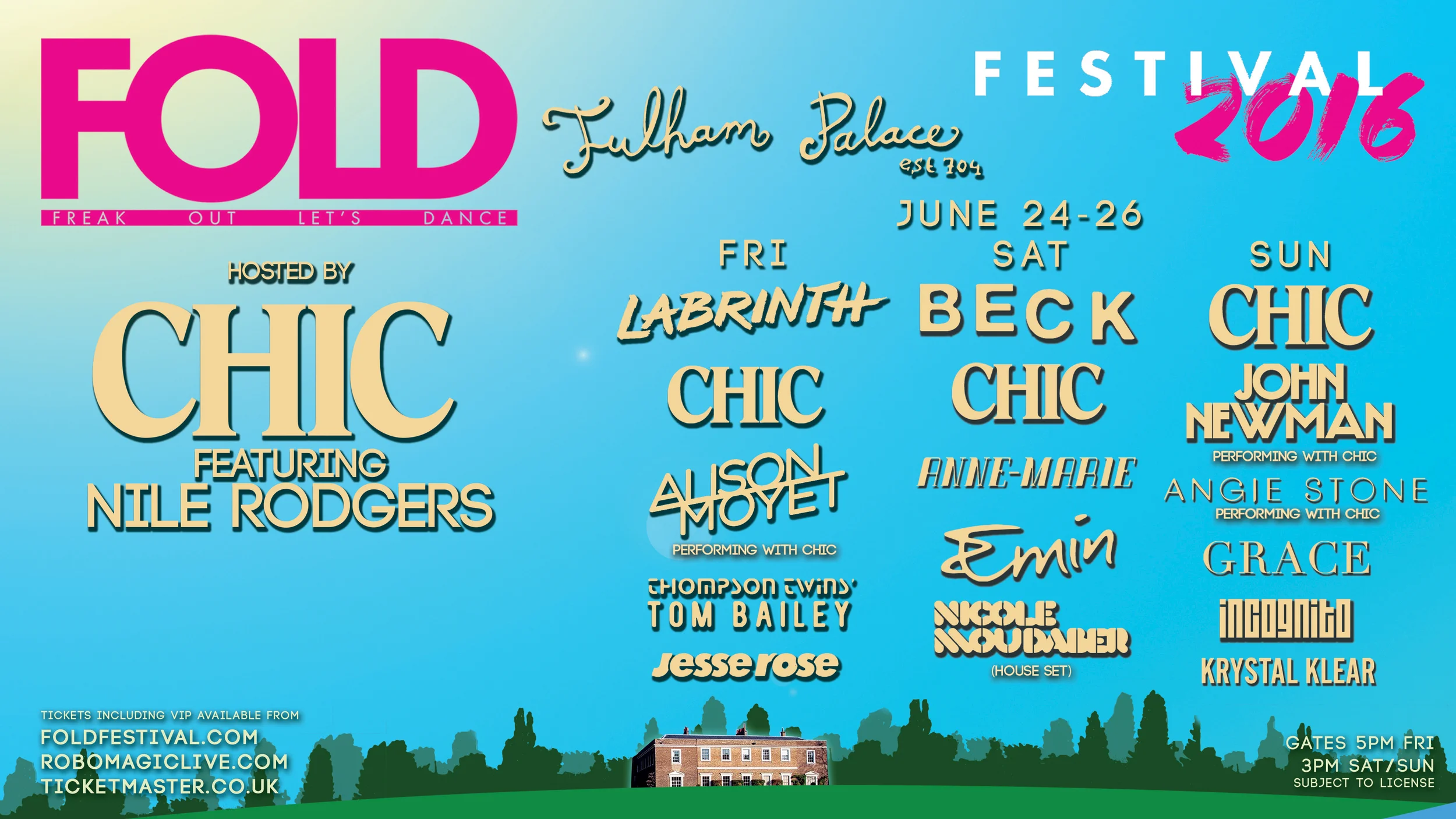
On Saturday I took advantage of the volunteer offer for tickets to Nile Rodger's inaugural FOLD Festival at Fulham Palace. This was quite a coup for the Palace. For those of you who haven't heard of the legendary musician/producer and his band Chic, you've undoubtedly heard his music. He's worked with a stellar cast of artists such as Luther Vandross and Mick Jagger. He's written songs like Le Freak, Good Times, We Are Family, and produced album's for artists like Duran Duran and David Bowie. One of his three sets of the evening was a tribute to Bowie. Rodgers sang Let's Dance, and we did.

FOLD Festival Line Up

The Palace Green made for one of the most intimate festival experiences I've ever had. With such a bucolic setting, the general mood of the evening among the audience was laid back. Staff were friendly and professional. I was initially worried by the festival being cashless. I'm a self-confessed luddite. Guests had to pre-load a card with cash to pay for drinks and food. However after briefly queuing to put money on the card, I found it made the rest of the evening run much smoother. Queues for food and drinks was made much quicker. At the end of the evening it took barely a minute to have my remaining money returned.

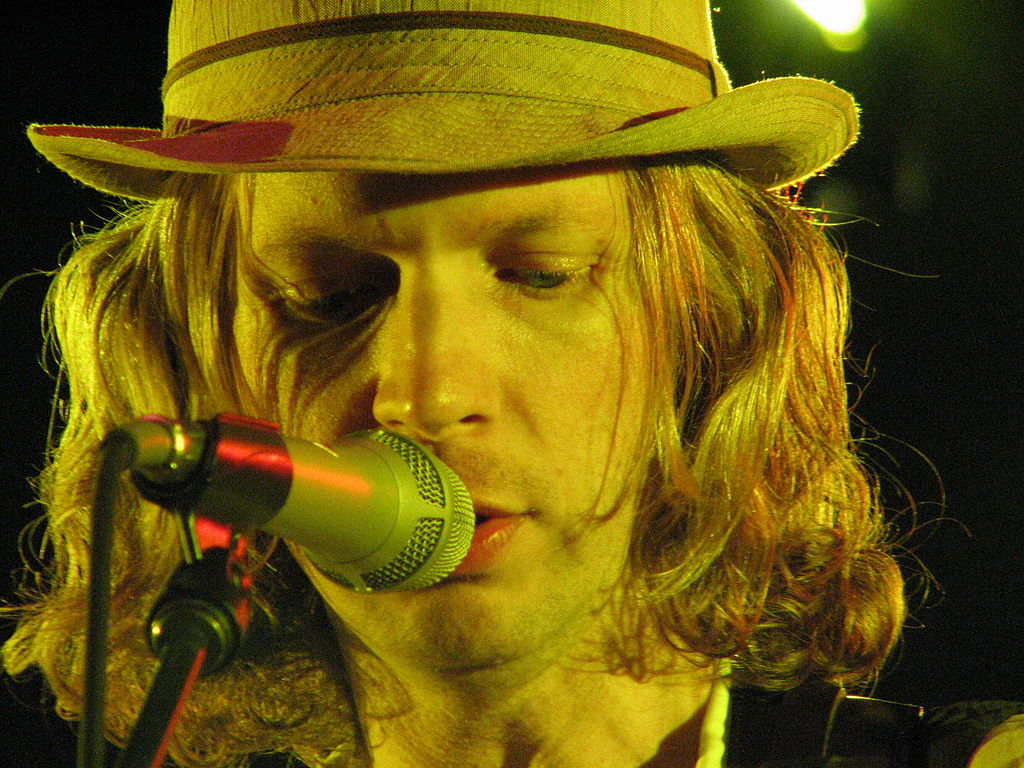
Headlining the night was the artist Beck purveyor of folk funk Americana. You can tell I'm struggling to pigeon hole him as a performer. His music can be quite melancholy and whimsical. However he was determined to make the evening as upbeat as possible. Out went songs from his heart breaking (and my favourite album) Sea Change and the night was instead rounded off with hits like Loser and S*x Laws. 

Beck

We had so much fun that we sincerely hope there are many more concerts at the Palace. If you saw any of the acts at FOLD 2016 please feel free to comment below.

Steve Lee

Volunteer Survey 2016

The Fulham Palace 2016 Volunteer Survey is now live.

We would greatly appreciate you taking the time to complete it. As active volunteers this is a great way of giving our feedback. We can have a direct say in improving conditions and services at the Palace. It should take less than ten minutes to complete.

Find the survey here: https://www.surveymonkey.co.uk/r/C8LLPXV

If you have limited access to a computer, you are welcome to arrange to use one of the computers in the learning centre. Email Rachel.Bray@fulhampalace.org or pop in at your convenience. If the glass doors are locked, ring the doorbell.

Thank you

Steve Lee

Communications Assitant Explores the Foreshore at Fulham

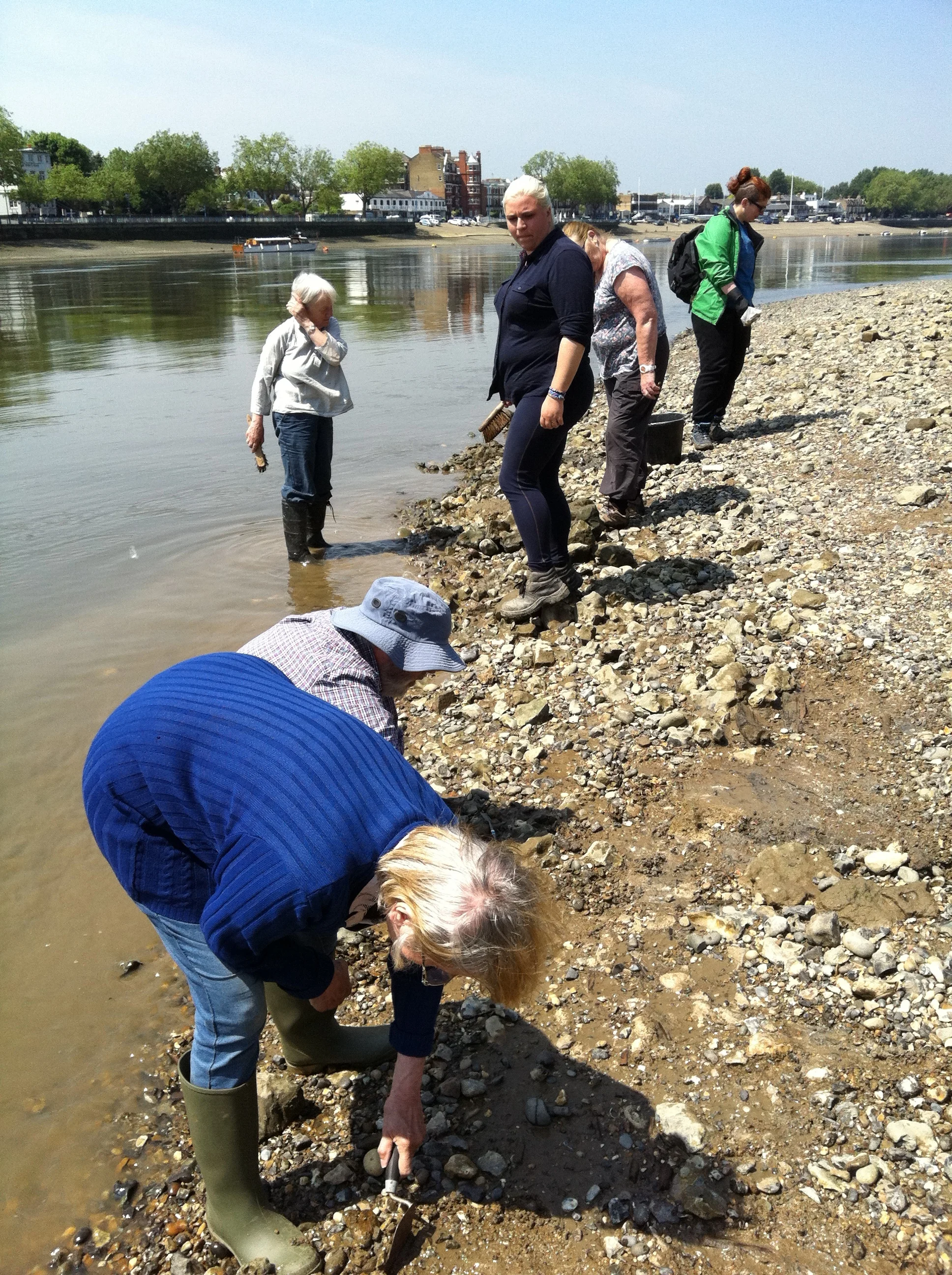
As well as my duties with the communications team at Fulham Palace, I have also been moonlighting as a volunteer FROG with Thames Discovery Programme. FROG stands for Foreshore Recording and Observation Group, a crack team of passionate amateur archaeologists who are responsible for recording finds of historical importance along the length of the Thames.

After my training in Greenwich in April it was time at last to be unleashed onto the river. Thursday 9 June was my first session with veteran FROGs and I have to say how welcoming and friendly I found the group which includes our very own Julia Mahon. They were kind to a newbie, taking me under their wings and showing me the ropes.

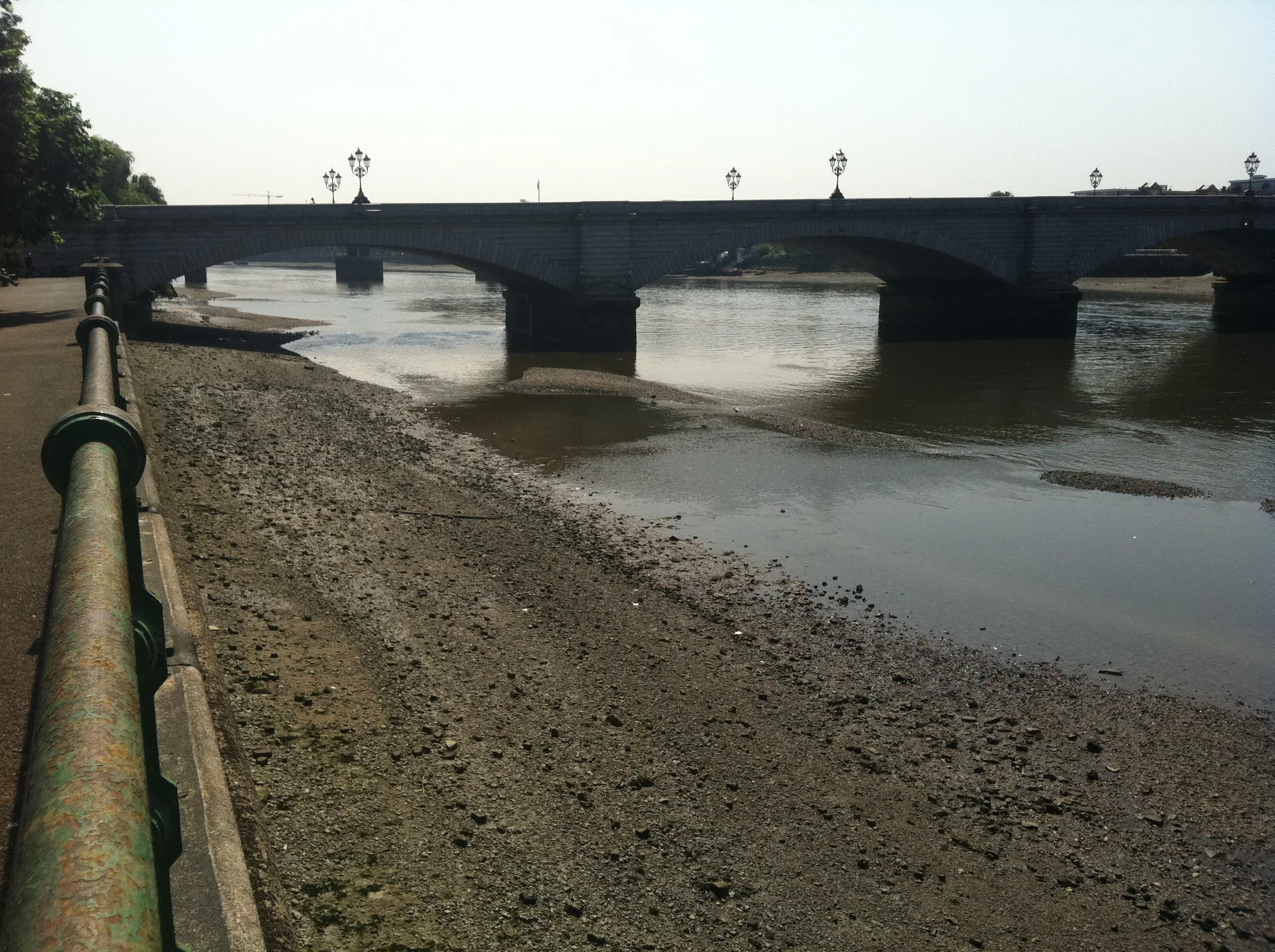
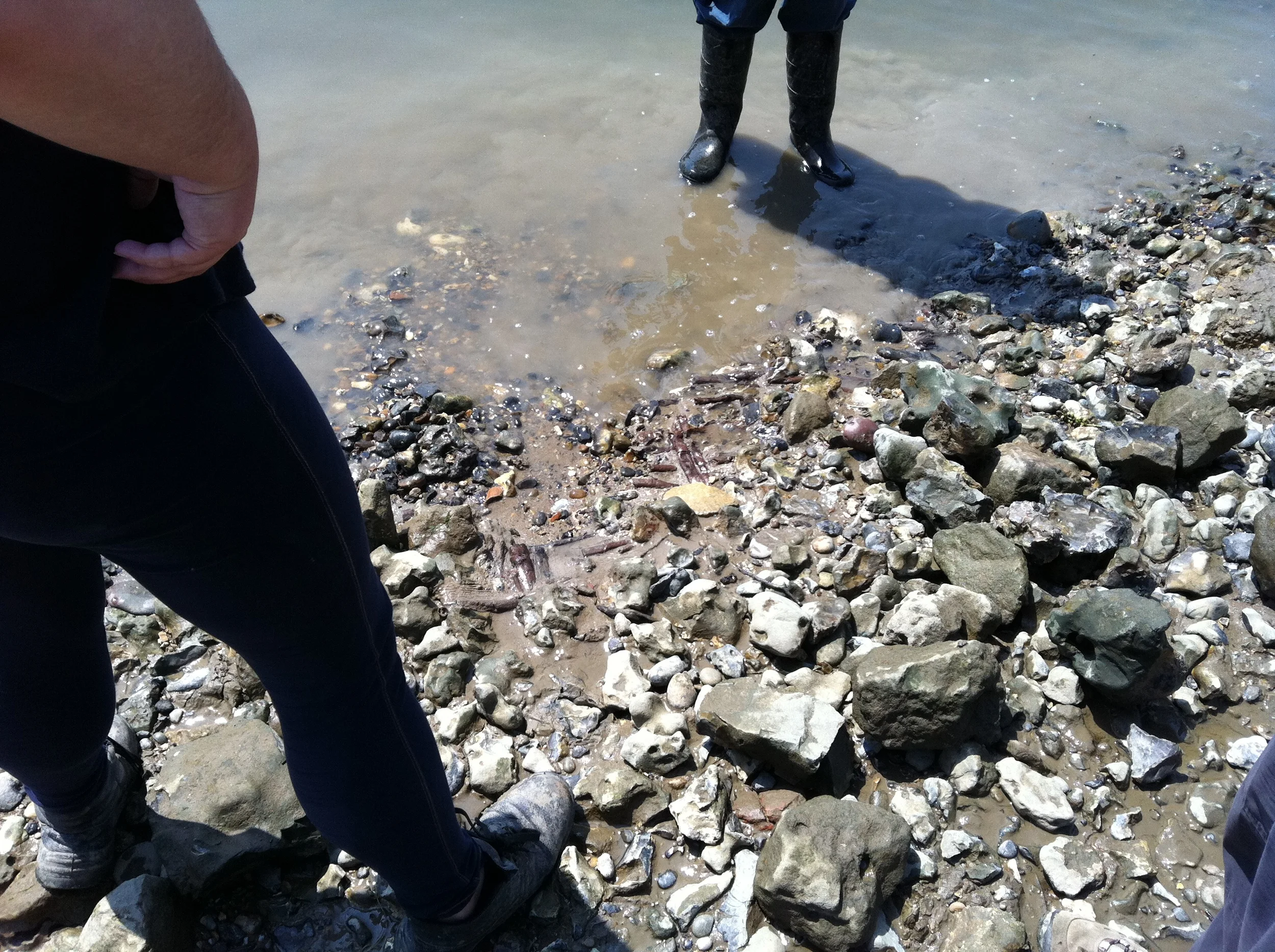
Thames Foreshore at Fulham

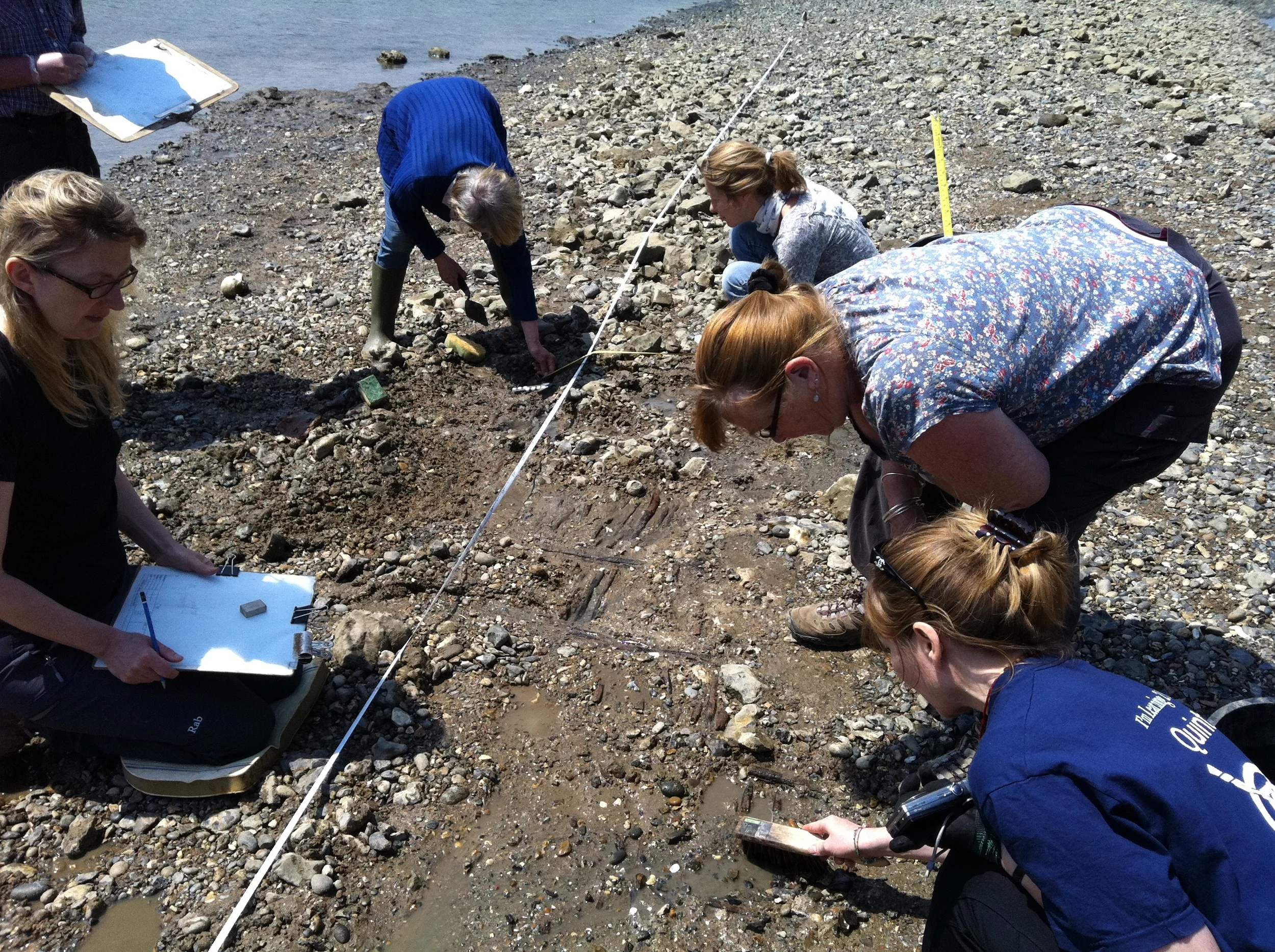
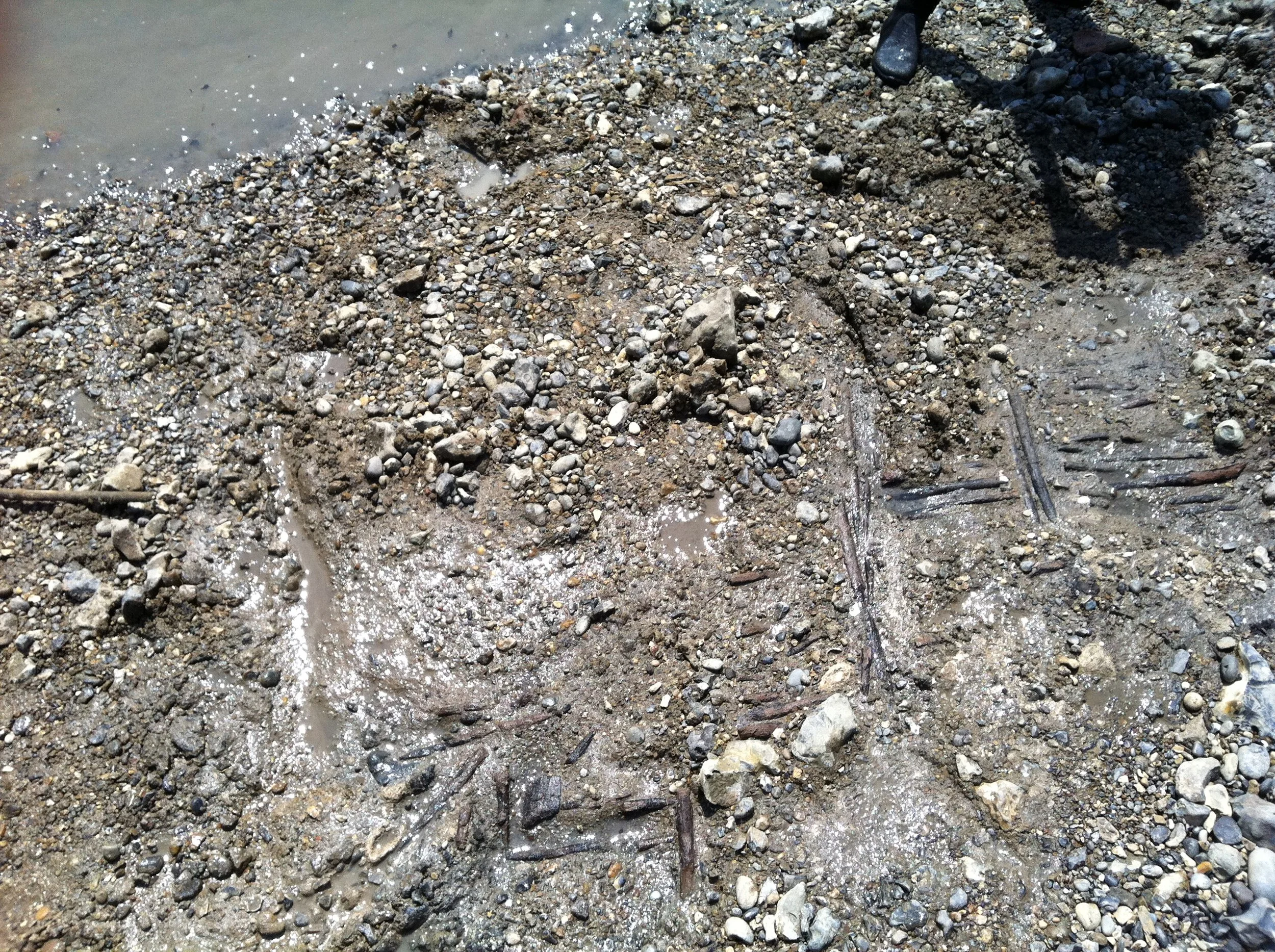
Our main task was to clean and then record any changes to a 7th century fish trap or Wattle, that was discovered on the foreshore near Fulham Palace last year (Do read Julia's excellent blog post).

After introductions we waited to head down to the foreshore. And we waited. And we waited some more. First of all its important to know the tide times. These are not always entirely accurate. The day before had seen torrential rain and the river was higher than we had expected. Much higher. To make matters worse there is a sewage outflow on the Putney side which releases effluent into the river at these times. Whoever said the life of the archaeologist was glamorous?

Low Tide?

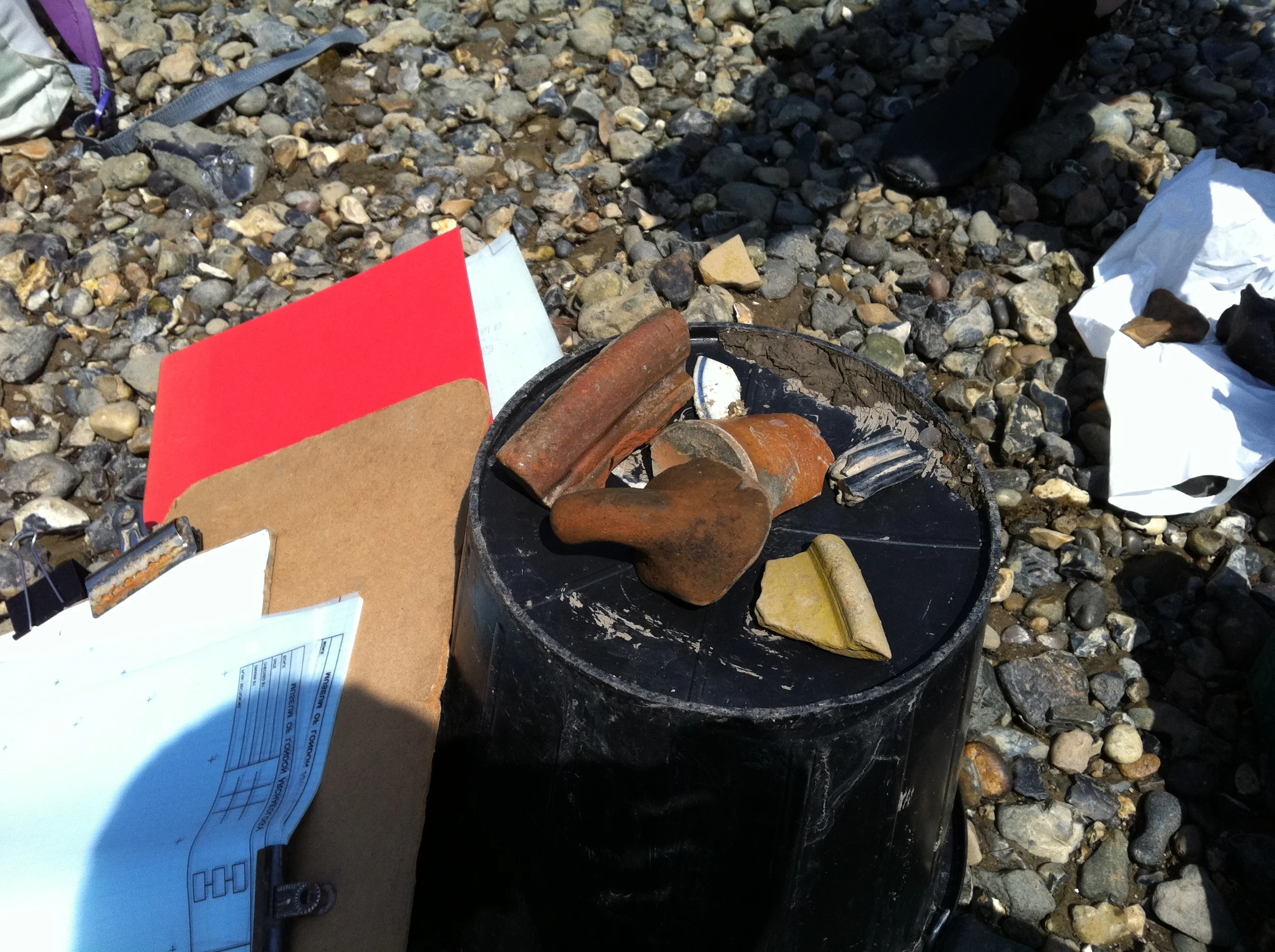
We used the free time to mudlark, named for the age old profession of men and women, and quite often children who would search the river foreshore for anything of value that could be salvaged. I managed a small haul of mainly Victorian pottery (Fulham was famous for its potteries) and some prehistoric flint.

Mudlarking Finds

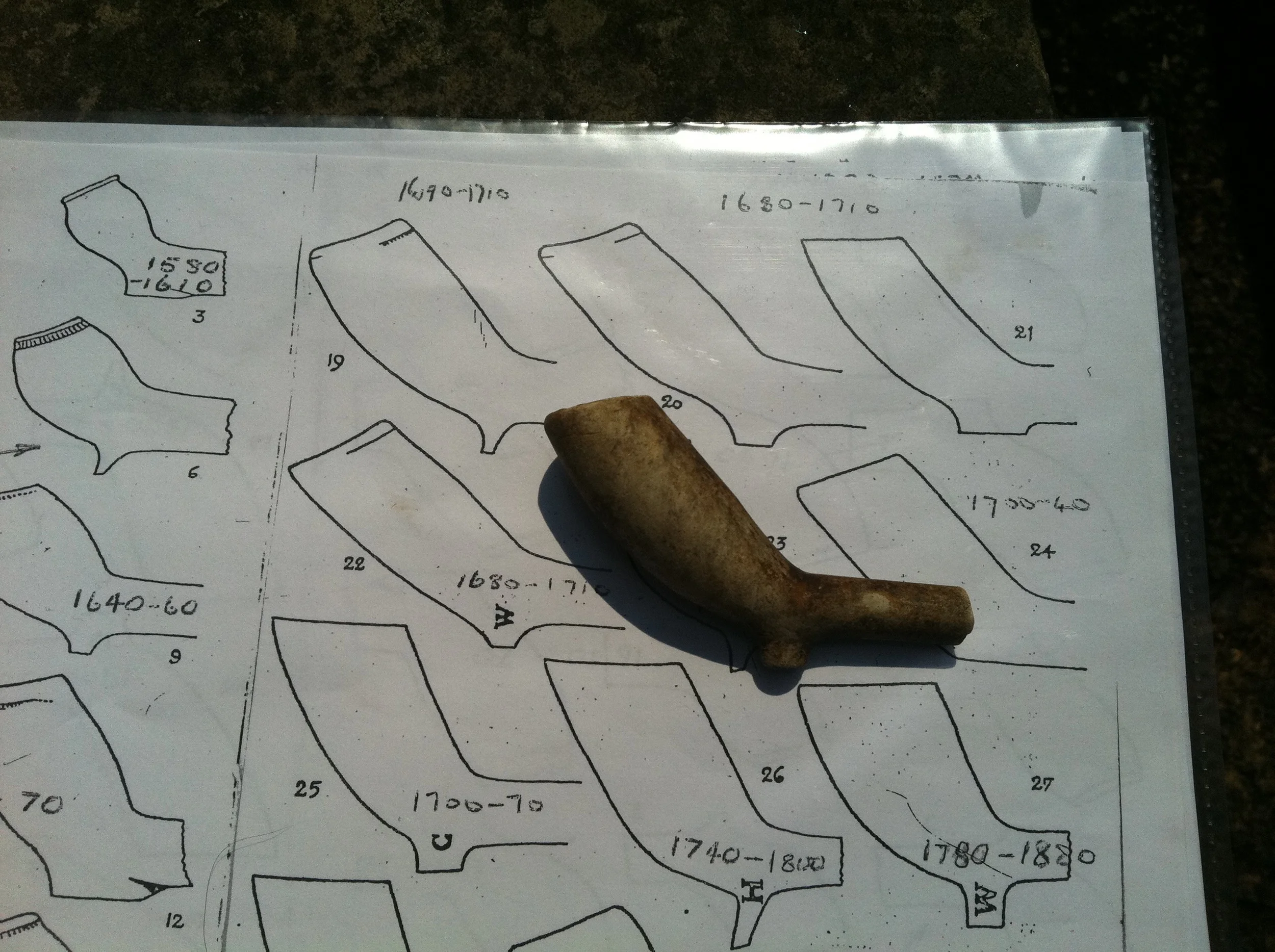
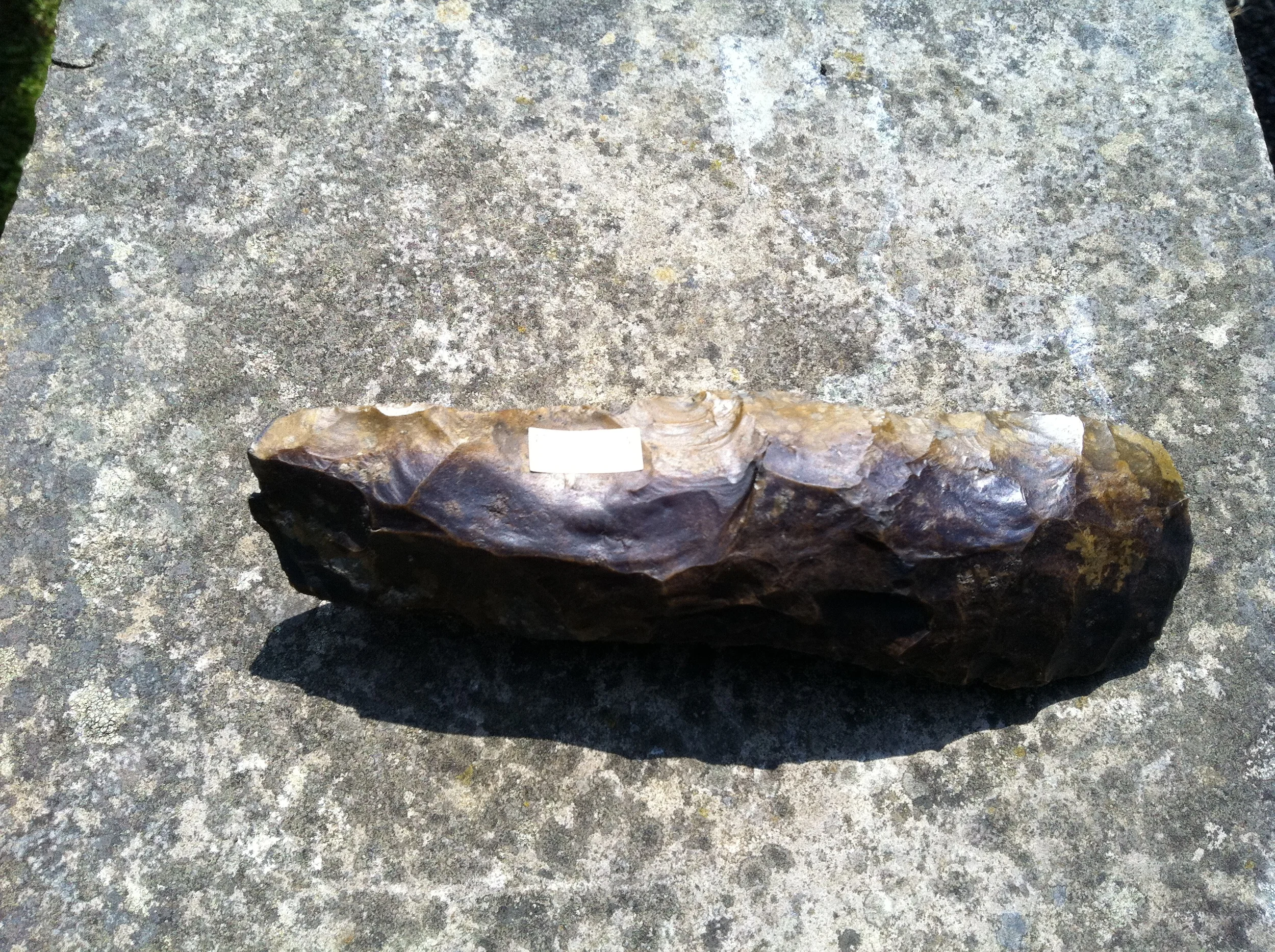
A veteran FROG was kind enough to bring in some previous finds for me to see which included a 17th century clay pipe and a neolithic axe-head all found on the foreshore within metres of the palace.

Clay Pipe
Neolithic Flint 4500-2000 BC

After a wait of almost an hour we were finally able to get to the archaeology. I must say it was truly breathtaking to see something so old and hand made. I felt a real connection with the people who lived at Fulham, our ancestors, in what seems such a far off time. It was like a hand reaching across the centuries. We could see the trap was used to feed them and their families. The trap had been amazingly well preserved for over a thousand years by being trapped in the anaerobic environment of the river mud. We could also make out a line of peat that would have made up the ancient vegetation on the edge of the river.

The Fulham FROG team

We got to work measuring and recording what we could.

The Thames finally reveals the Wattle

What I found shocking was how much the trap had eroded over the last year. It was literally crumbling in our hands. The foreshore is being eroded at an ever increasing rate, mostly due to increased river usage. I'll never look at the Thames Clippers in the same light. This small, but incredible link to our local history will soon be gone and I realised how vital it was that we should record its presence. It felt like we were documenting the very lives of the people who used it.

The Wattle or Early Saxon Fish Trap

If you would like to be kept informed and even get involved with volunteer archaeology and learning events at Fulham Palace please do contact volunteer@fulhampalace.org .

An important note about River Etiquette and Hygiene.

It's important never to visit the foreshore alone. Always go with someone, preferably an insured and well trained group such as a qualified tour guide. Take a mobile phone. Also as we heard earlier although the river is now one of the cleanest in Europe, sewage is still regularly pumped into the river. There is a small risk of contracting Weil's disease from rat's urine. so as well as wellies, always wear gloves. Never eat or smoke on the foreshore and make sure you thoroughly wash your hands at the first opportunity. Never dig on the foreshore. Wherever you are remember someone owns the land, so be respectful. It is also important to register any significant finds with the Portable Antiquities Scheme. 

My personal advice would also be to wear sunscreen and a hat in hot weather, and take some plastic bags for any mudlarking finds you may find.

Steve Lee

Bee Keeping Workshop

On Sunday June 12, our volunteer beekeepers Cerys, Sarah, Matthew and Jacky held a workshop at the Education Centre to discuss the ins and outs of beekeeping at the Palace.

They talked about the history of bees at Fulham Palace and why they've been reintroduced.  They explained what goes on in the hive, what goes into looking after them and how honey gets from the hive to the jar.

The guests were then invited to watch the bees in action in the observation hive and to have a taste of the honey from last year's crop.

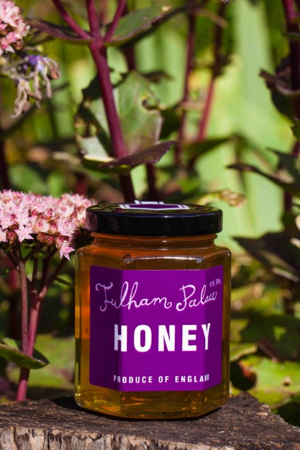
If you missed the workshop an 8oz jar of Fulham Palace honey is available to buy from the Museum Shop.  Please click here for the Shop’s opening times.

If you would like to get involved with bee keeping at the Palace please do get in contact with Jacky and the other apiary volunteers on volunteer@fulhampalace.org