Bishops

Fulham Palace Meadows Allotments

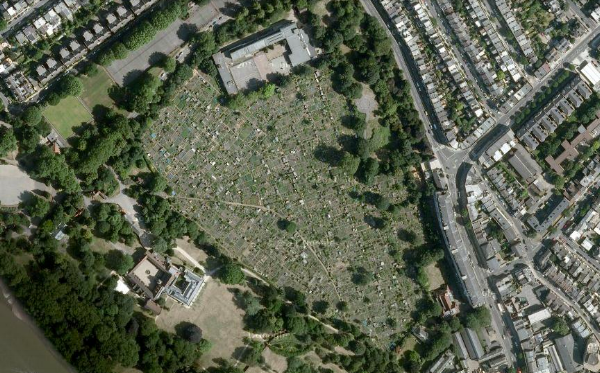
An aerial shot showing the large area occupied by Fulham Palace Meadows Allotments to the north of the Palace.

An aerial shot showing the large area occupied by Fulham Palace Meadows Allotments to the north of the Palace.

If you peer through the hedge to the north of the main lawn you will see an expanse of allotments, these are on land that was originally part of the Fulham Palace estate.  These allotments have become highly sought-after, and have featured in many articles on the joys and benefits of urban gardening, there is a long waiting list but if you are interested to find out more there is a link at the end of the blog.

The Early History

The allotments are on land that was previously called The Warren – this was farmland owned by the Palace where animals were raised and crops were grown, the Home Farm at the Palace was quite a big enterprise and in the 19th century it is recorded that 28 people were involved in haymaking on this land.  At this time Fulham was a rural area with market gardens and farms surrounding the Palace. The Palace gardens were world famous thanks to the keen horticultural interests of several of the Bishops, one notable one, Henry Compton, Bishop from 1675-1713, arranged for rare plants to be shipped back to him from the colonies of Anglican settlers he was responsible for in North America, India and Africa. The fame of the Fulham Palace gardens may be what attracted other gardeners to the area.
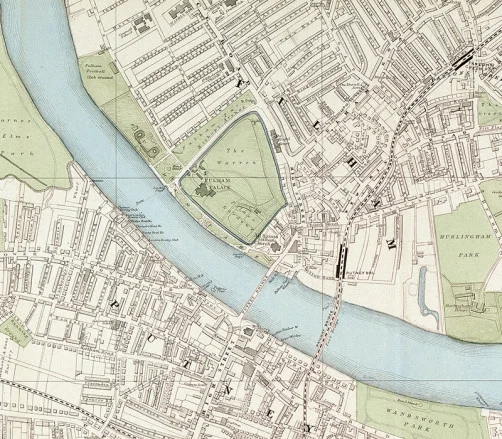
The area called The Warren is clearly marked on this early map.

The area called The Warren is clearly marked on this early map.

The land for the allotments was given by Bishop Winnington-Ingram to the people of Fulham as part of an early 'Dig for Victory' campaign during WWI in 1916. After the War, the allotment-holders were reluctant to return the land to the Palace and Bishop Winnington-Ingram agreed that they could retain the land, subject to a doubling of the rent from 5 to 10 shillings. The Bishop claimed to be the only landlord in the country who had increased the rent by 100% to the tune of “For he’s a jolly good fellow”.
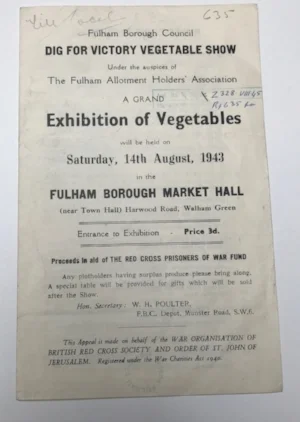
Growing vegetables was emphasised and encouraged during World War II reflecting the original intentions of Bishop Winnington-Ingram.

Growing vegetables was emphasised and encouraged during World War II reflecting the original intentions of Bishop Winnington-Ingram.


Instead of money changing hands the allotment holders could pay their rent in produce. This produce was stored in the Palace’s Tithe Barn, built in 1654 but sadly damaged in the World War II and demolished in 1953, the Head Gardener’s house was built on the site.

The Fulham Palace Meadows Allotment Association (FPMAA) was set up to administer the allotments, with the incumbent Bishop as President until 1972.
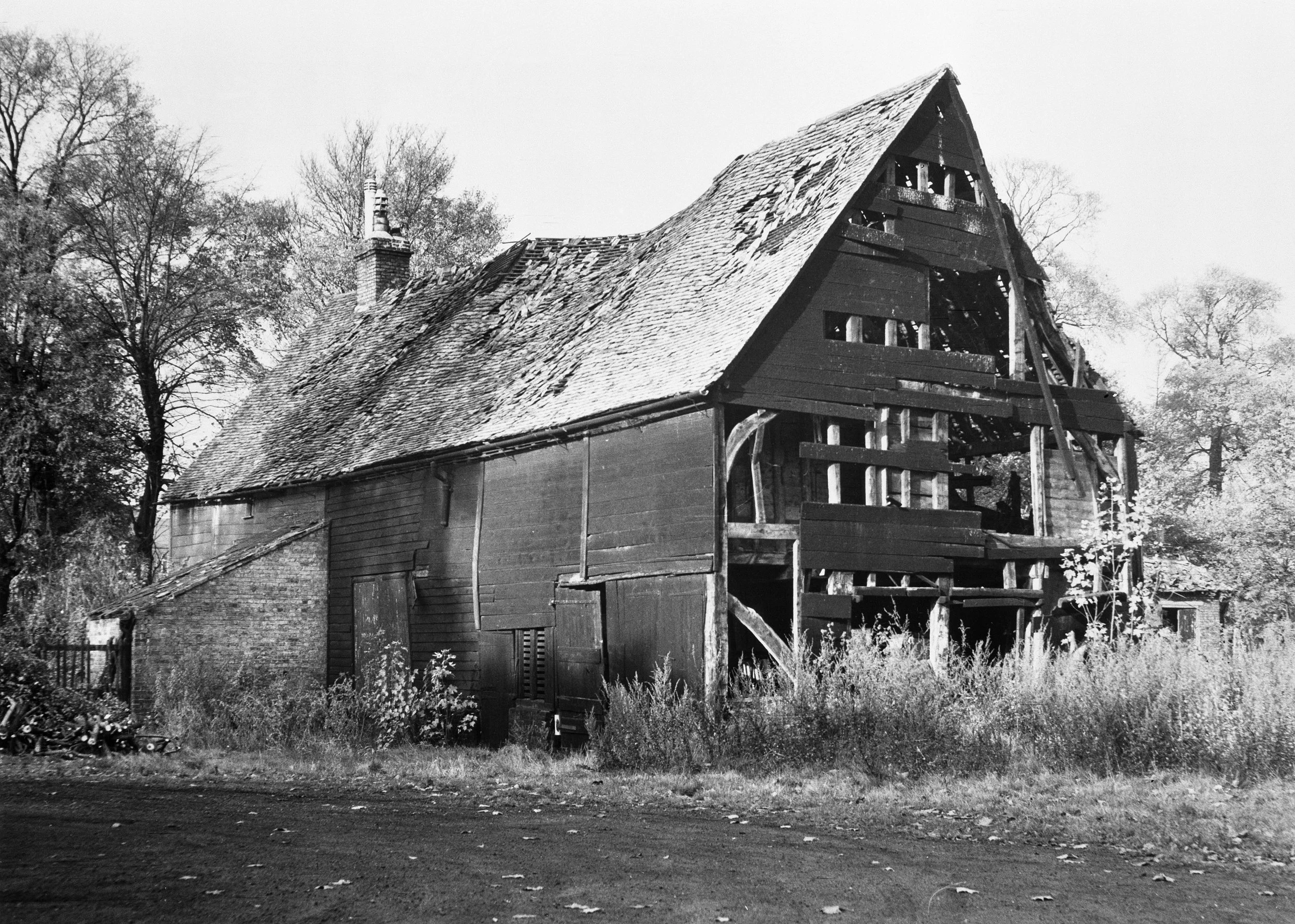
Fulham Palace 17th century tithe barn, badly damaged in World War II and demolished in 1953

Fulham Palace 17th century tithe barn, badly damaged in World War II and demolished in 1953

The Allotments today

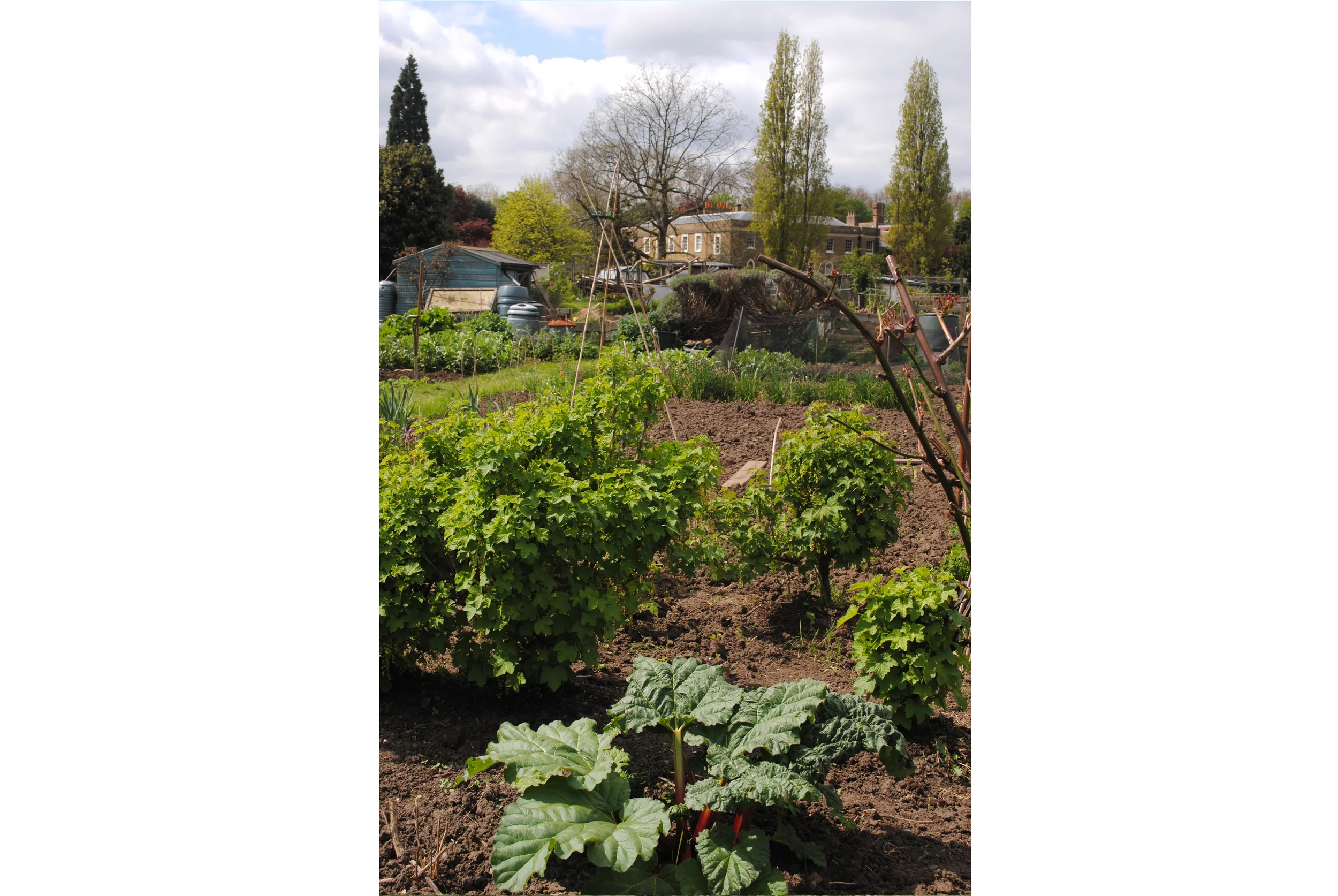
Today there are 406 individual allotments and a huge cross-section of local residents enjoy the pleasure of gardening in this unique space. Each plot is 30m x 8m (5 rods), this is half the national average size for an allotment, Bishop Winnington-Ingram wanted to give as many people as possible the opportunity to work an allotment. Originally allotments were allocated to men only, with the first female plot holder arriving in 1970.

The allotments are sited on land that has been inhabited for centuries, with evidence of human settlement dating back 2,000 years. Because of the historical importance of the site, allotment owners are not allowed to dig below a certain depth and there are restrictions on growing trees.

There are extensive rules and regulations governing the use of the allotments and harking back to the original purpose of the allotments one states that, “The plots are for the cultivation of vegetables, fruit (but not brambles) and herbs/ flowers. A minimum of 80% of the entire plot must be under cultivation and a minimum of 50% of the entire plot must be used for growing vegetables.”

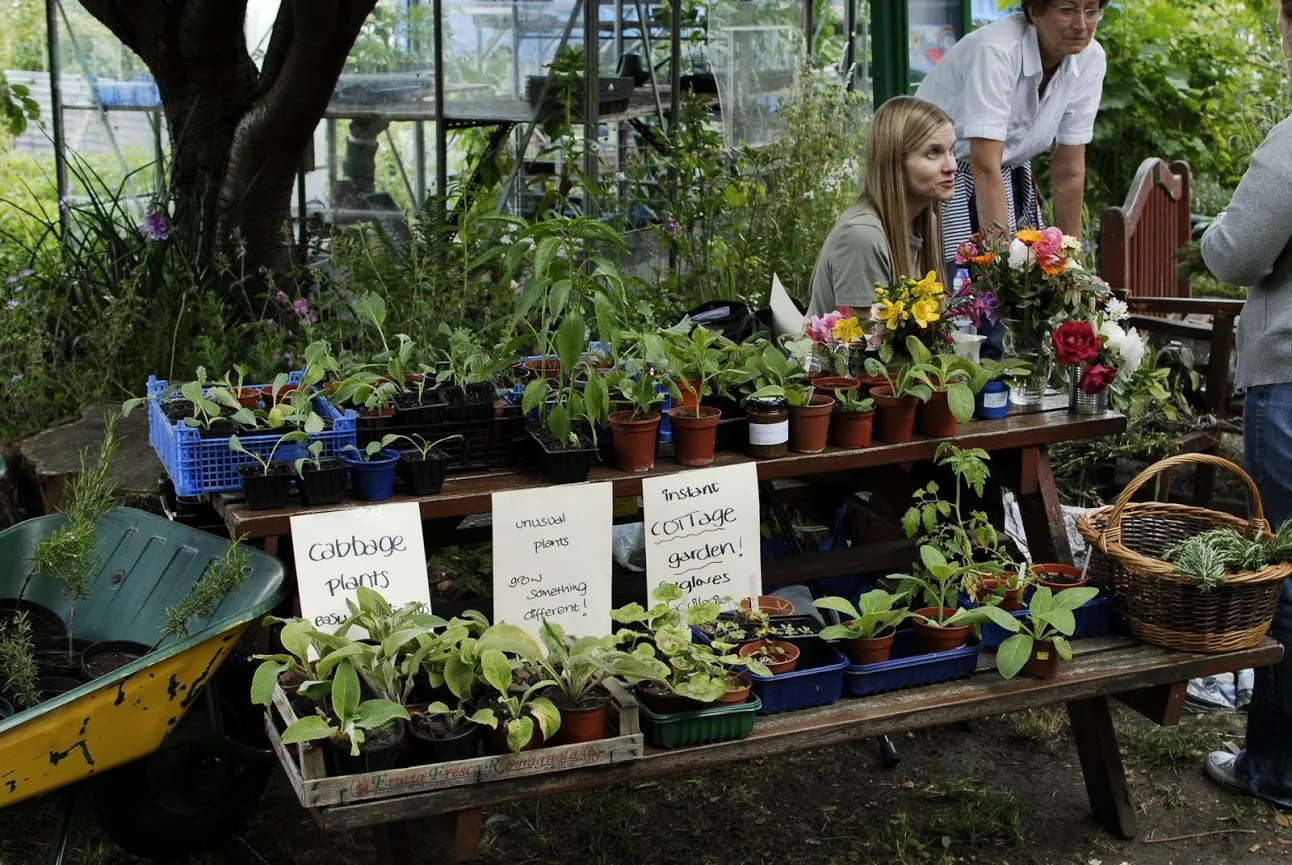
The Fulham Palace Meadows Allotment Association is now a very lively and active association, a shop is run at the allotments at the weekend and a numerous social events are arranged.

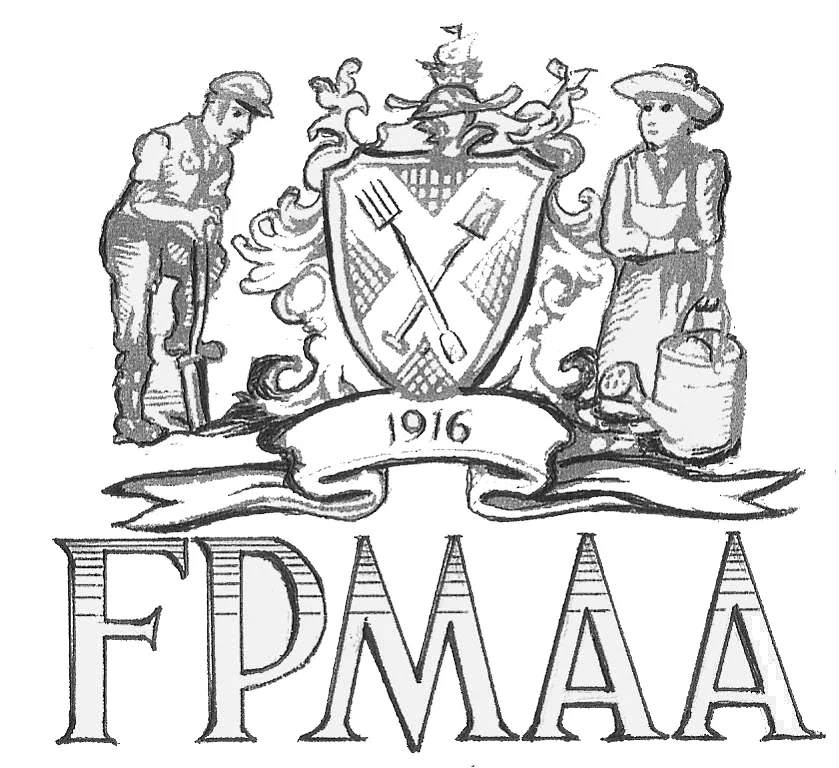
In celebration and recognition of their Centenary Year, the logo for Fulham Palace Meadows Allotment Association was redesigned by Plot Holder Jon Bartell, a local artist (see below).

If you are interested in finding out more about the allotments follow the link to visit their website.
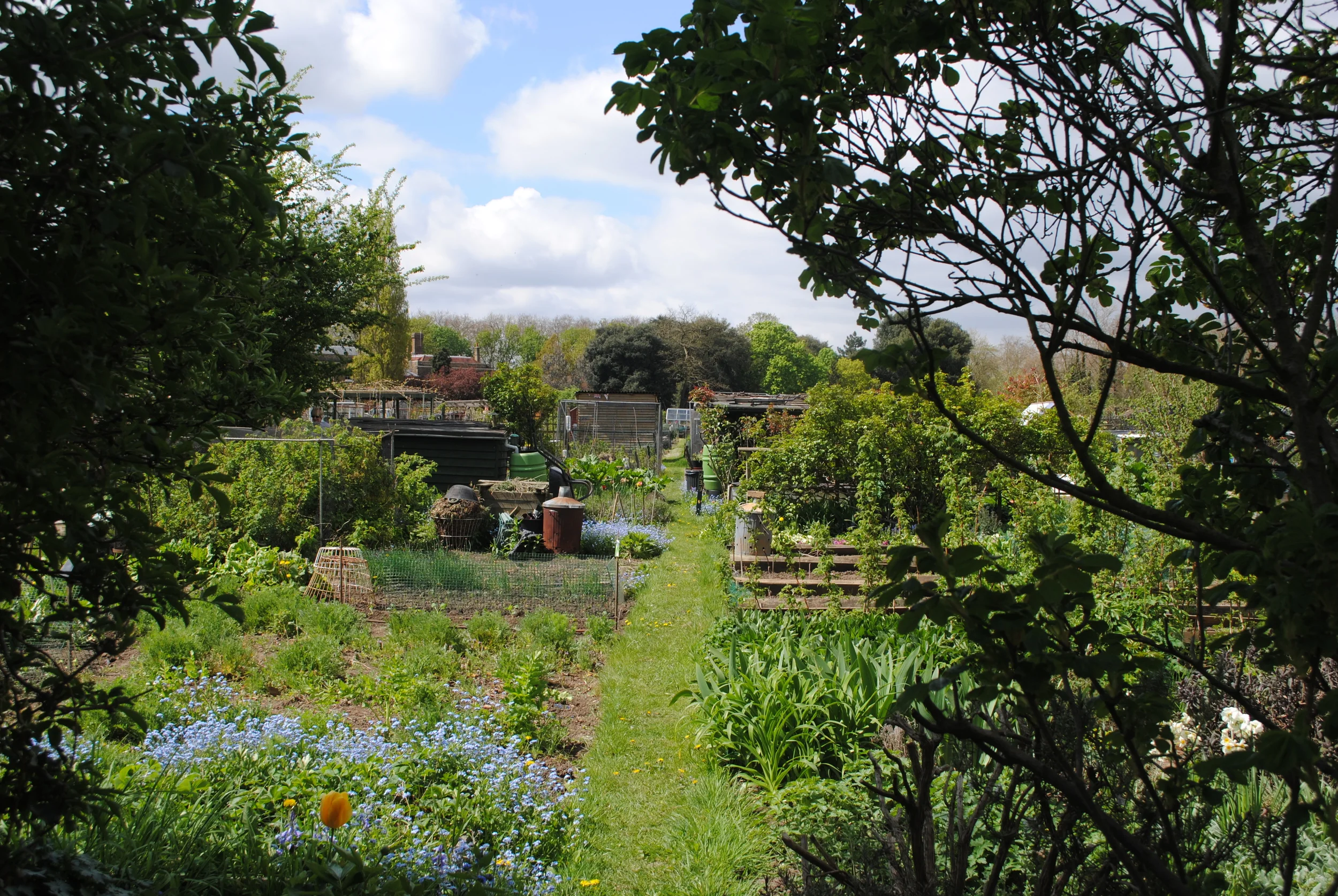
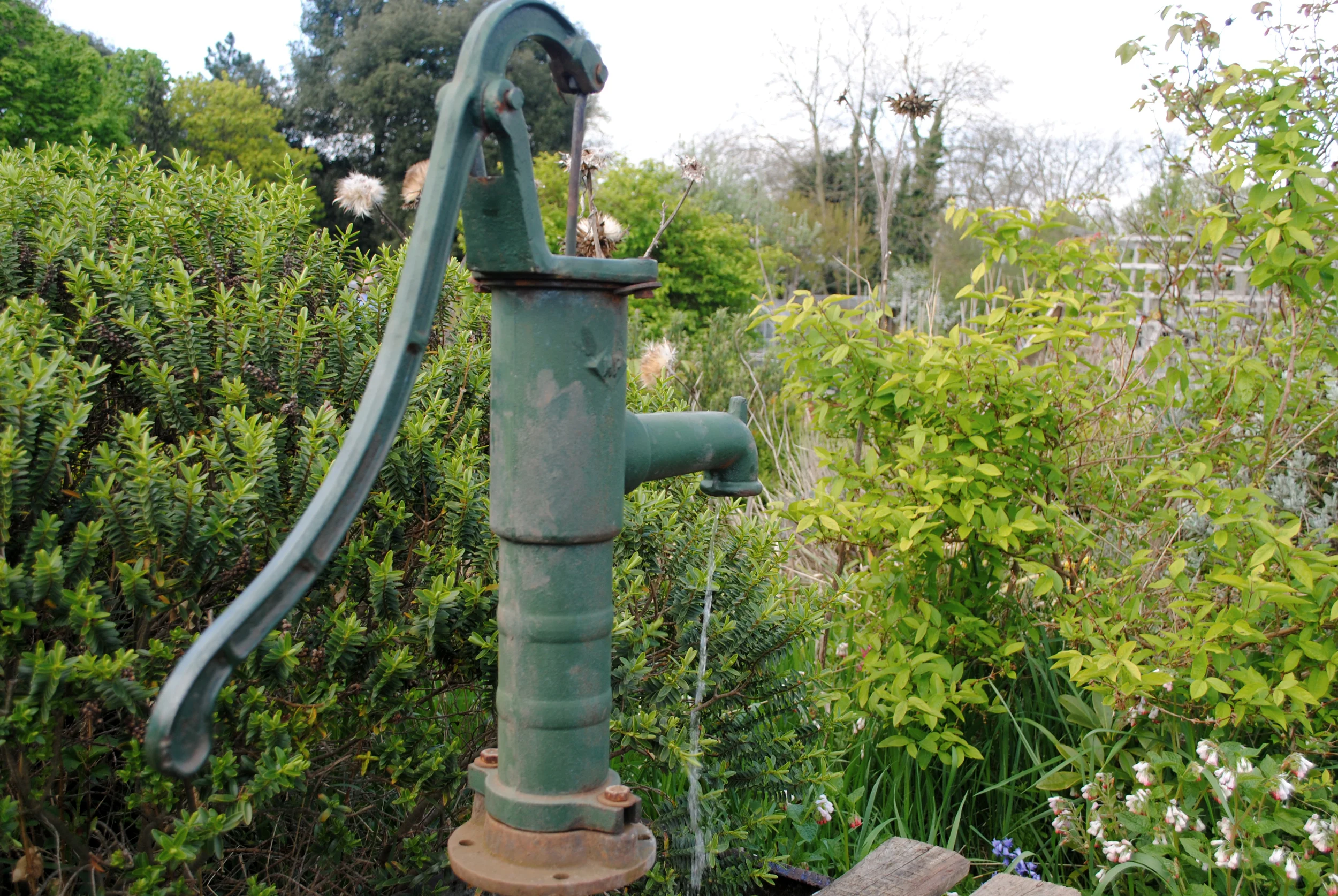
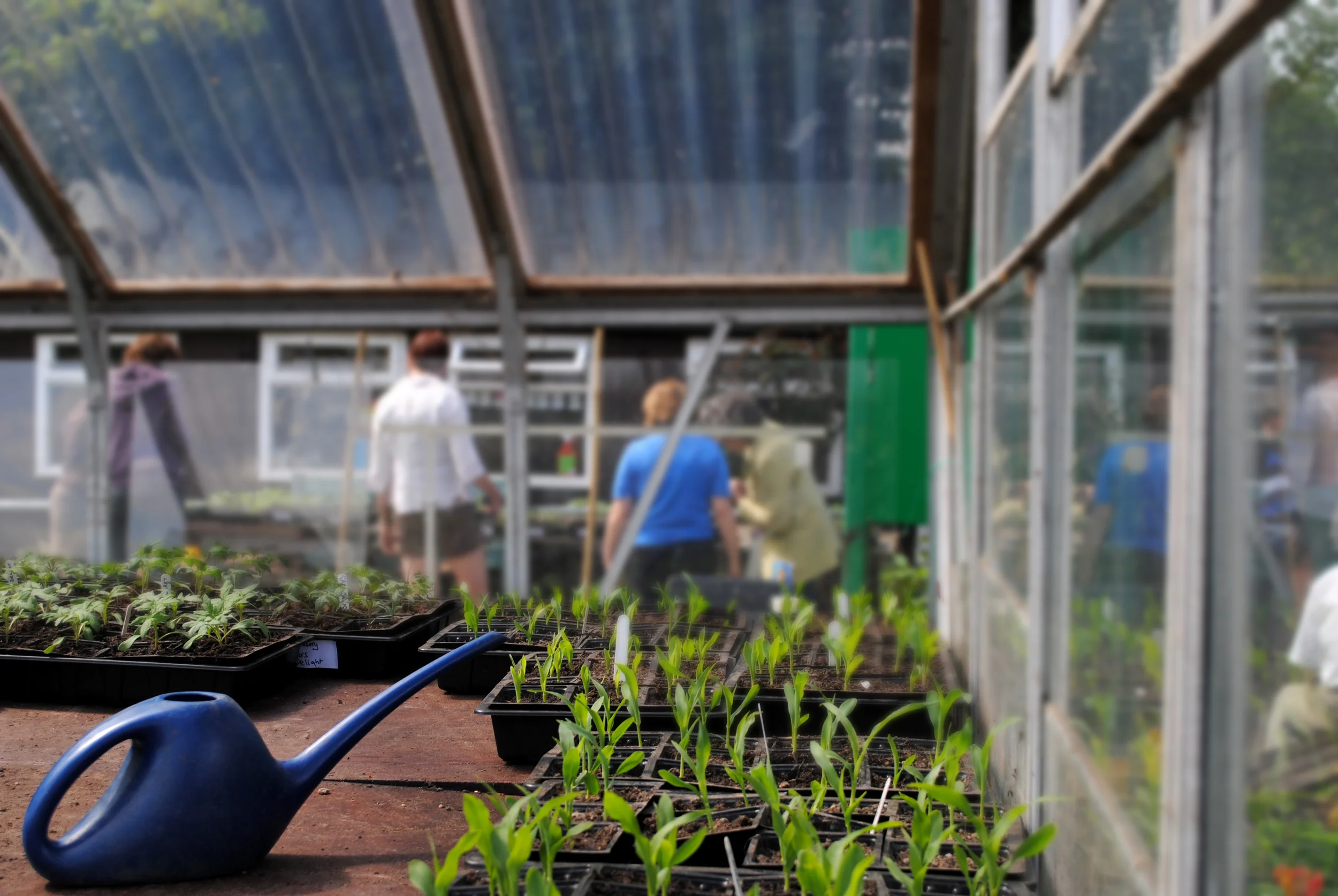
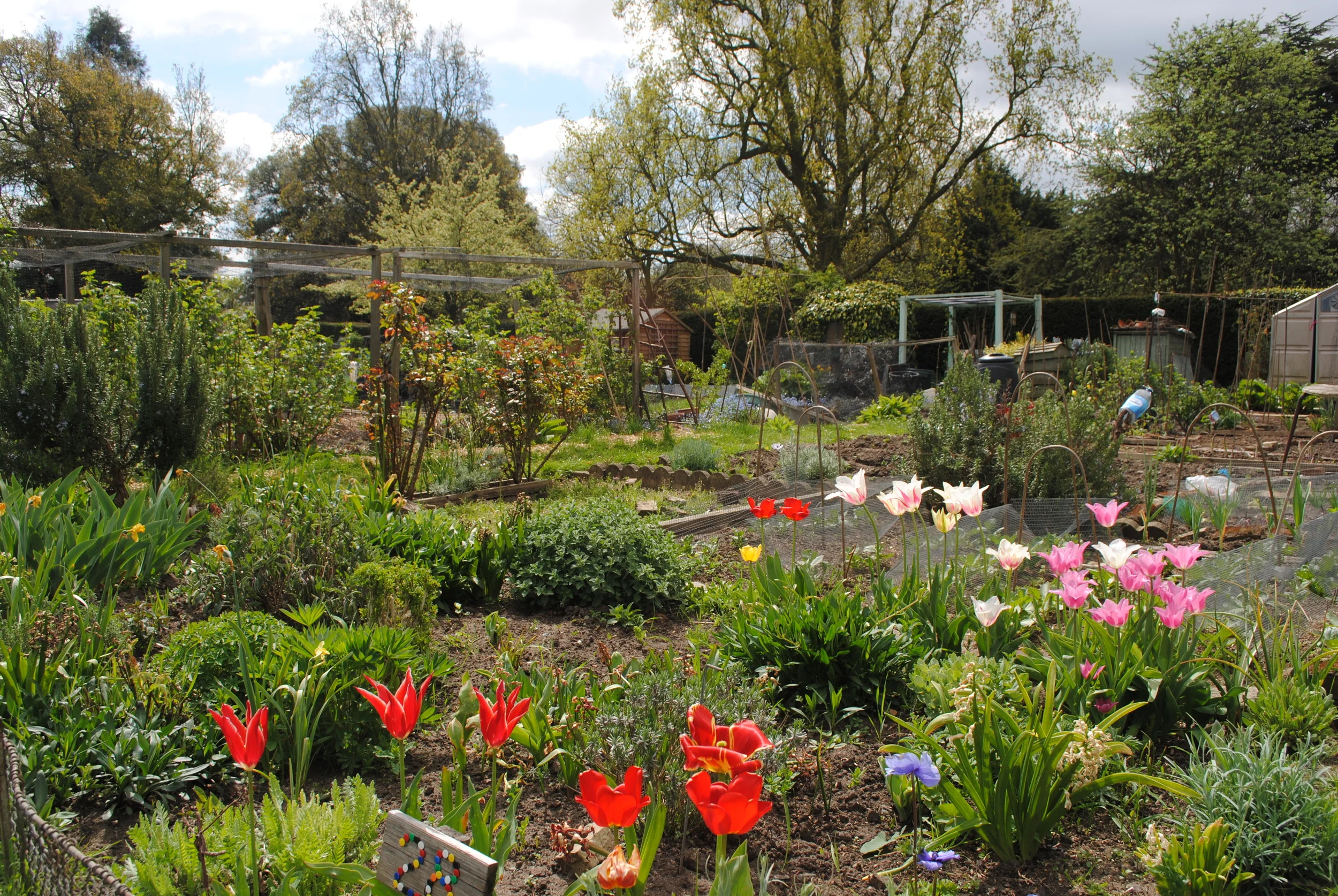
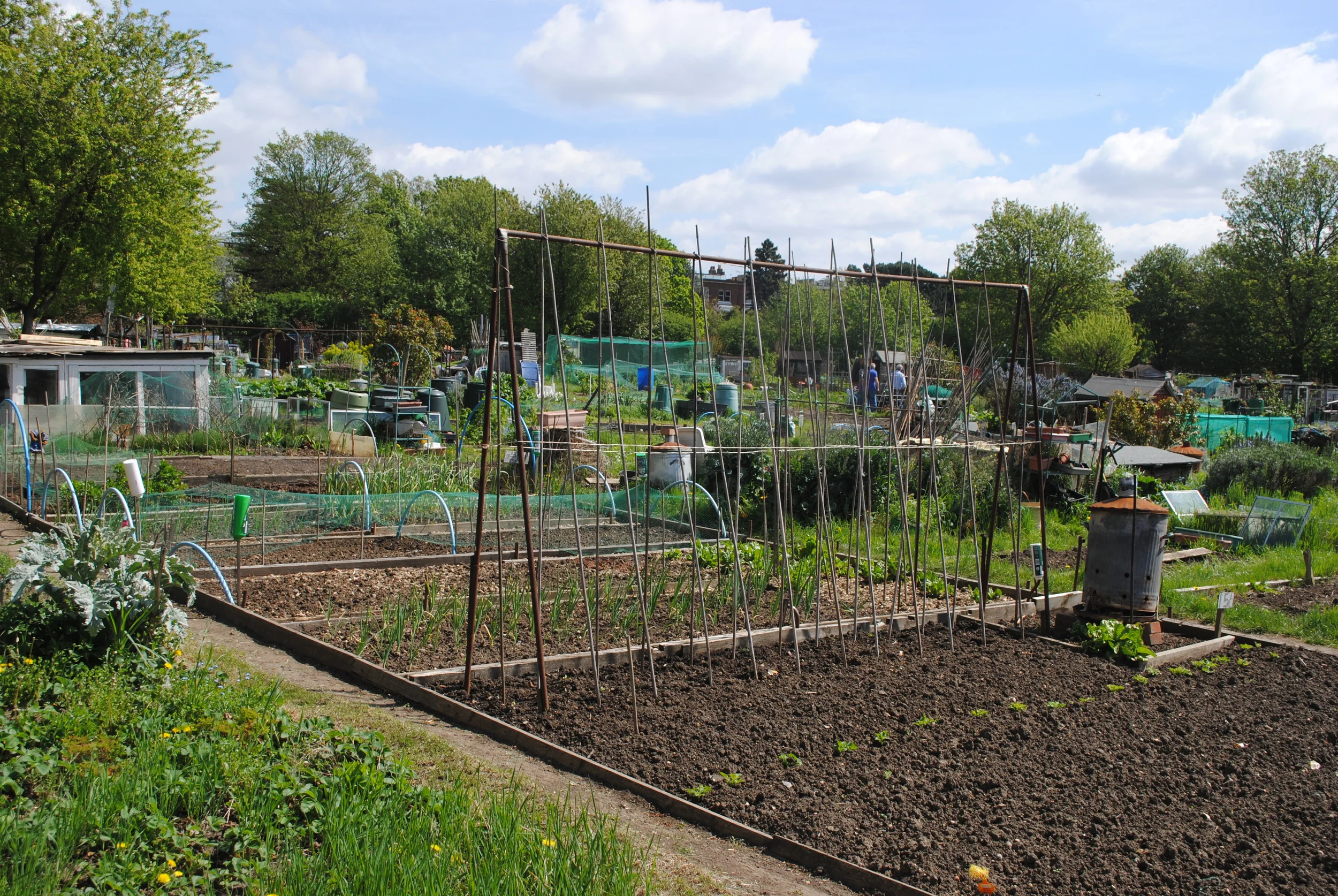
The allotments today, a wonderful diversity of vegetables, fruit and flowers are now grown.
 

Remembering the Somme

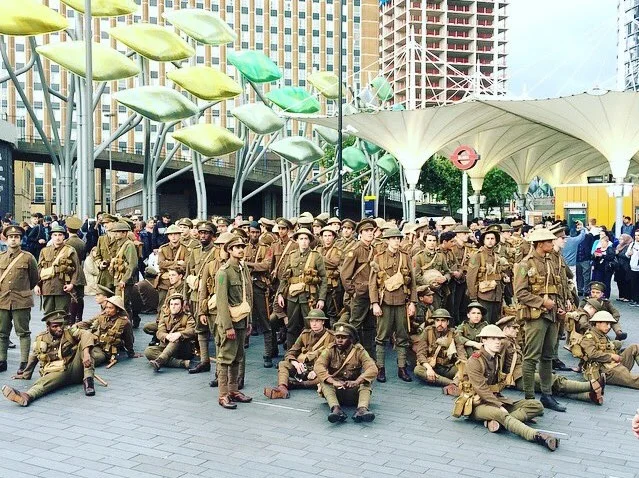
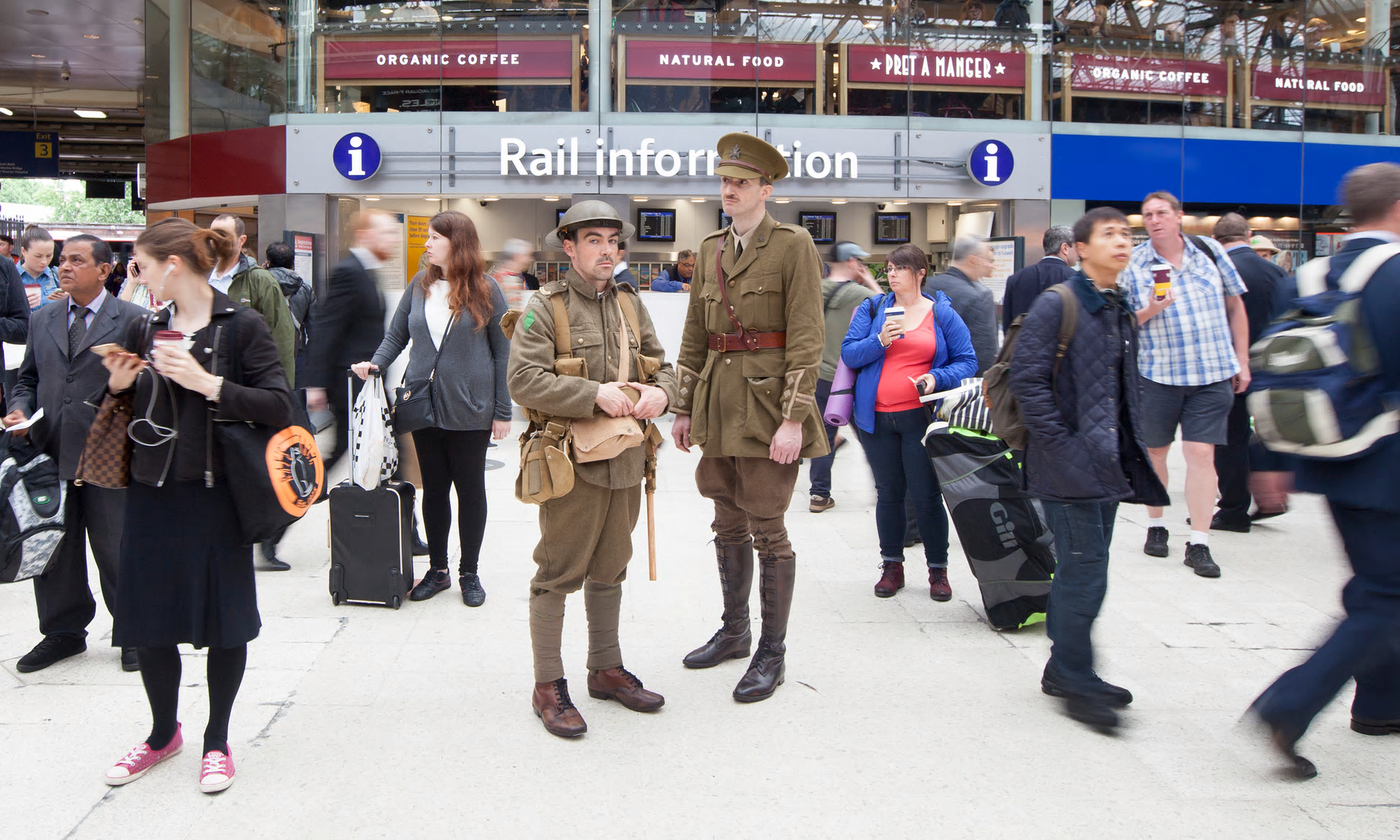
On Friday morning thousands of people throughout the UK were surprised by the ghostly sight of World War One soldiers, as they made their morning commute.

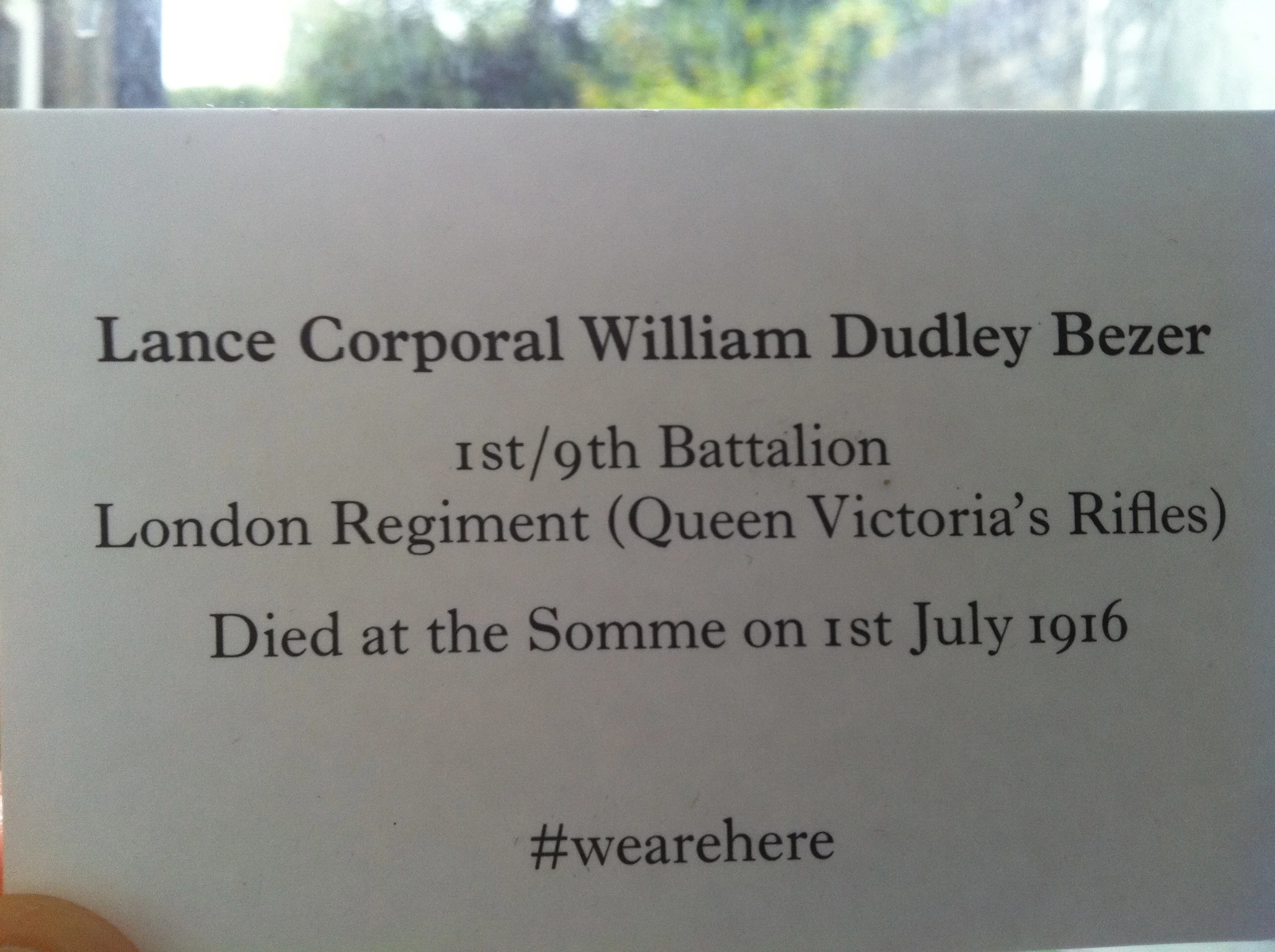
The soldiers made for an eerie sight. Sometimes seen waiting, sometimes walking. Often caught through the corner of the eye before vanishing. If approached by members of the public, the soldiers simply handed out a card with the name of a soldier they were representing.

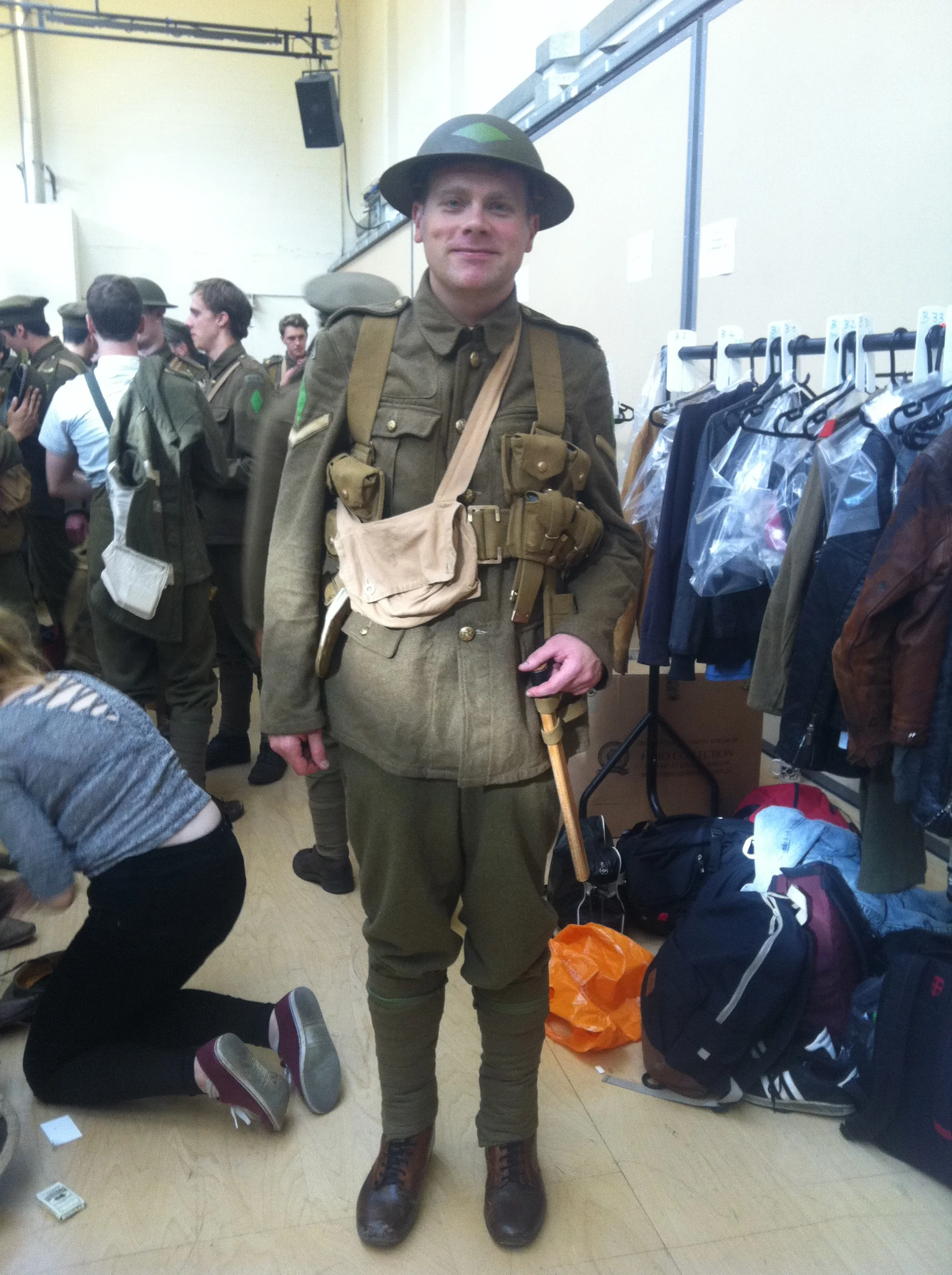
I was proud to be among 1400 men taking part in what was a living memorial to all who fought and died in that dreadful conflict. We Are Here was named for the song sung by soldiers on their ways to the trenches, and was a piece of artwork created by Jeremy Deller and the Royal National Theatre.

Somme3.JPG

I was representing Lance Corporal William Dudley Bezer, a volunteer recruit of the London regiment to which Bishop of London Winnington-Ingram was chaplain. A South Londoner, William was just 31 years old and had been married for less than a year to his wife Agnes when he died on the first day of the Somme. A story repeated tens of thousands of times over on that first fateful day.

My day took in Waterloo, Liverpool Street, Fenchurch Street, London Bridge, The Tower of London and even Basildon as we weaved our way through alleys and streets, before a finale to surprised shoppers at Stratford. It was a memorable day for many reasons, not least the emotional response from members of the public.

I hope it was a fitting tribute to the courage and stoicism of the many who gave their lives for the peace we now take for granted.

Steve Lee


Mrs Creighton: “a woman of strong personality”

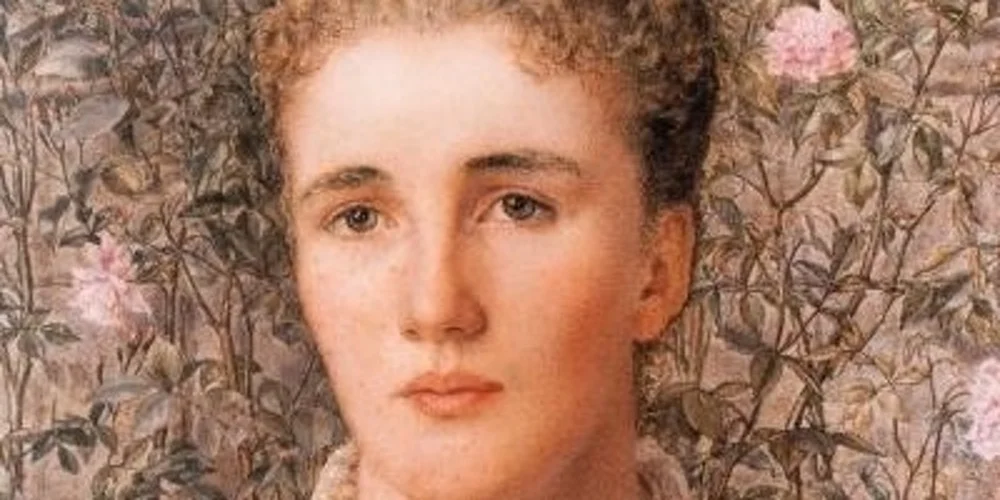
Mrs Creighton

Mrs Creighton

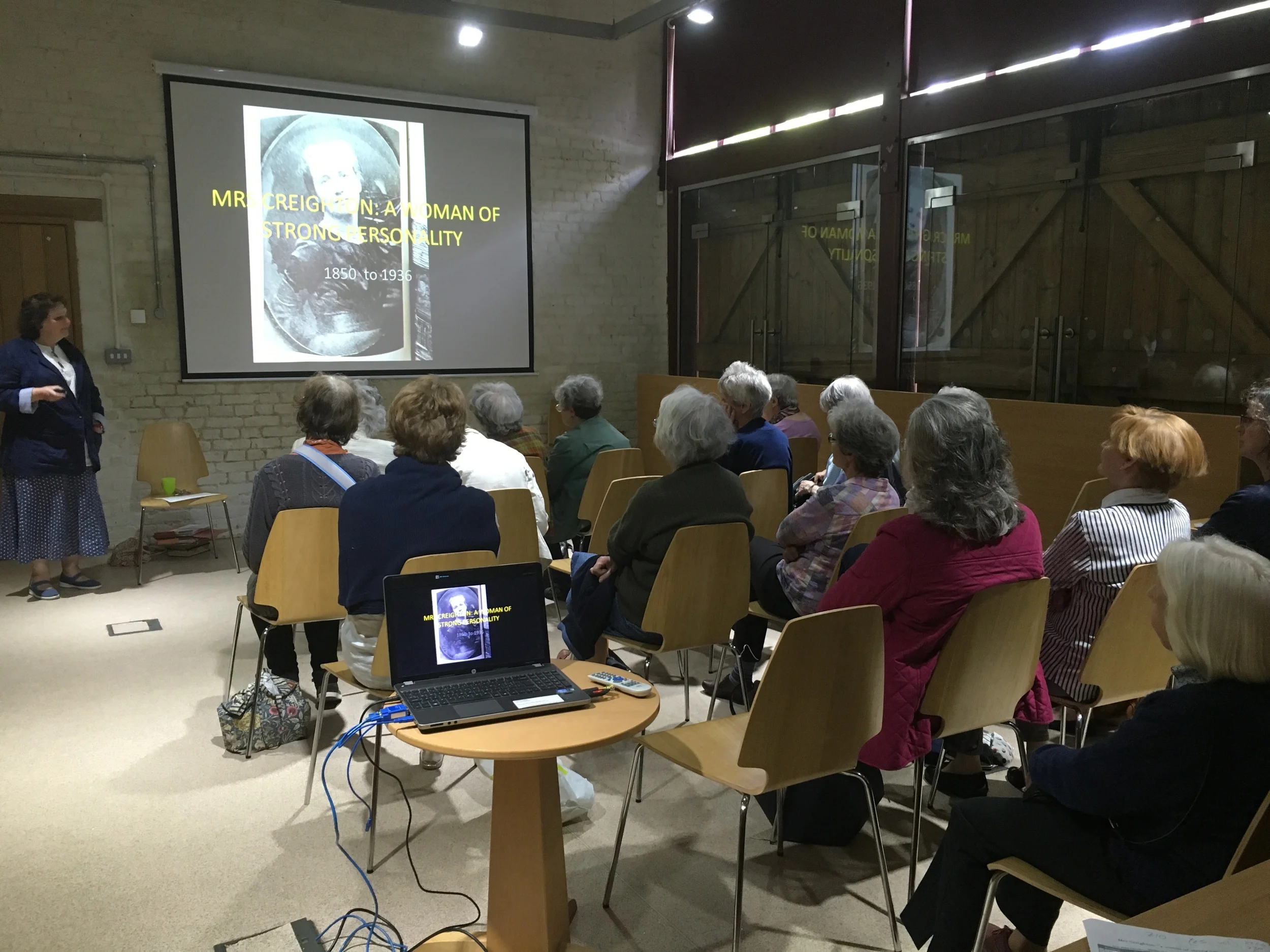
Fulham Palace Curator Miranda Poliakoff gave an illustrated talk about Mrs Louise Creighton, wife of Bishop Mandell Creighton (Bishop of London, 1897-1901) on Monday, 16 May 2016, in the Jessie Mylne Education Centre.  I was joined by about 20 others – all women, which was appropriate.  Miranda explored the life of Mrs Creighton at Fulham Palace, and elsewhere, eighty years after her death.  I now realise that she was a remarkable woman, in her own right.

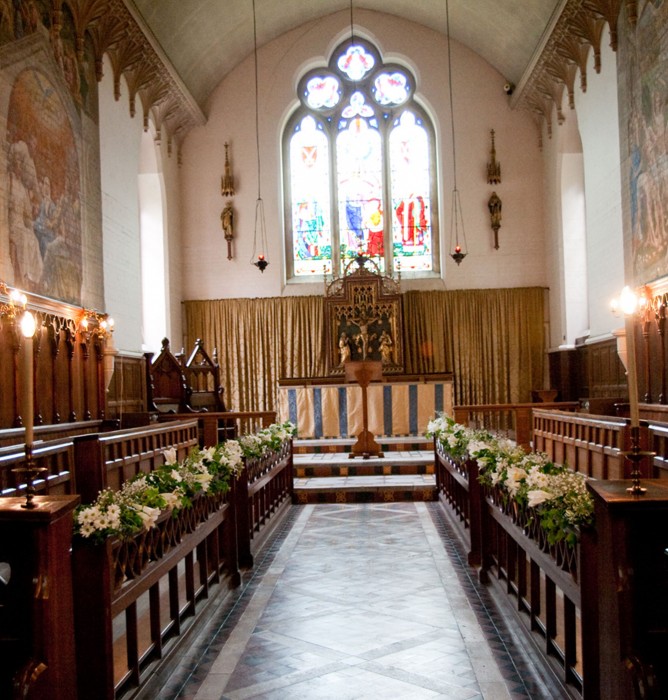
A local history interest article in this month’s issue of the Fulham Residents’ Journal had described the editor’s interview with Miranda, and invited readers to “find out more about this admirable woman” at the talk.  Also, as a Volunteer Guide at Fulham Palace with an interest in architecture, I had come to admire the Chapel designed by William Butterfield in 1866-67 for Bishop Tait in the Tudor revival style.  Butterfield’s original Victorian-gothic interior had used “a full orchestra of coloured bricks, marbles and encaustic tiles”.  But Mrs Creighton on arriving at Fulham in early 1897 declared “nothing can make that Chapel beautiful”.

inside the Chapel

inside the Chapel

Very quickly, Bishop and Mrs Creighton (they were very much a team) displayed their different taste and camouflaged the Chapel’s east wall and the original 'reredos', a mosaic depicting the Adoration of the Magi, with a curtain.  In front, they placed the present altarpiece of the Crucifixion, which they had bought in Oberammergau, Germany.

The original mosaic, now uncovered and placed on the west wall – at the opposite end of the Chapel, was designed by Butterfield (his first use of the medium) and made by Salviati of Venice.  Incidentally, Salviati glass mosaics also adorn the Albert Memorial any many other Victorian monuments.  I had not forgiven Mrs Creighton for her artistic ‘camouflaging’, and also for being a fervent temperance campaigner around Fulham!

Education Centre

Education Centre

However, Miranda’s talk made my views more nuanced.  Louise von Glehn, the 10th of 12 children, was born in 1850 and grew up in Sydenham.  Her frugal father – in trade – was an immigrant from the Baltic.  Louise lacked formal schooling, but she started a self-help essay group, and in her late teens took an early University of London course for women.  Invited to visit Oxford in 1871, the story goes that she daringly wore a bright yellow scarf, which Mandell Creighton spotted.  They were engaged within three weeks.

Rev. Creighton was a notable scholar – an ecclesiastical editor and historian, but his wife was not to be outdone.  Each of them published over 20 books. After Rev. Creighton was appointed to a living in Northumberland, his wife initially found life in the remote vicarage difficult.  But in time, she showed her frugal, practical and energetic side and came to relish gardening, and long walks.  The couple had seven children.

Mandell Creighton became Bishop of Peterborough before taking on the role of Bishop of London.  The family moved into Fulham Palace in deep snow.  Mrs Creighton managed to run the Bishop’s household, bring up the children, and re-launch the Women’s Diocesan Association in 1897.

Her husband died suddenly in 1901, aged only 57, but by 1904 Mrs Creighton had published her two-volume Life and Letters of Bishop Mandell Creighton, Sometime Bishop of London, a copy of which is in the Fulham Palace Library.  Despite her loss, Mrs Creighton remained a champion for women workers, and women’s education.  Although she had been against women’s suffrage (as the Bishop of London’s wife, she had to be cautious, as Miranda explained) in 1906 she changed her mind and publically supported votes for women.

Finally, Maya Donelan MBE of both the Fulham and Victorian Societies, who was in Miranda’s audience, told us about Bishop Creighton House on Lillie Road, which was founded by Mrs Creighton in memory of her late husband, and is still a Community Centre today. I had enjoyed an informative and interesting talk: thank you.

Jane Bowden-Dan

18 May 2016

Medicine and the Bishop in Medieval England

I enjoyed last Thursday evening's talk by Dr Katherine Harvey, as did my guest, who has just started her Diploma Course in the History of Medicine with the Worshipful Society of Apothecaries in Blackfriars. We both found the beautifully-illustrated talk most informative.

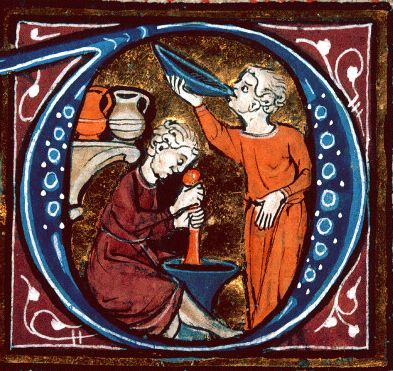
Katherine has a PhD from King's College London, and since last year, has been a Wellcome Trust Research Fellow at Birkbeck College. Her project is Medicine and the Bishop in Medieval England, c.1100-c.1400, and when speaking to us at Fulham Palace (a home of the Bishop of London for at least 800 years) she aptly focused on the Bishop as patient. I was expecting to hear that there were tensions between medical and Christian religious understandings of health and well-being in late medieval England. But, instead we learnt that the Bishop embraced medical ideas based on the ancient Greek system of the four humours, originally devised by Hippocrates and Galen. A patient's four humours had to be kept in balance. Accordingly, Bishop readily employed the 'art' of the Barber Surgeons to be bled at the right season and time of, for example, the lunar cycle.

Medieval medicine was as much about prevention as cure, and it was thought that an individual's health was greatly influenced by six 'non-natural' factors, which included air, travel and emotions. Bishops were aware of the dangers of travel, which would be required of them as members of the educated elite who were often also Lord Chancellors or Ambassadors of State. The stress of being a Bishop would need to be reduced by a relaxing regimen...

Life in the Middle Ages - at least for senior cleric - was not as unhygienic as we might have imagined! However, we also learn that some Bishops feared being poisoned, and we saw a picture of an exquisite table ornament used by Bishop Robert de Sigillo to counter this danger. It was a so-called 'serpents' tongue tree', in fact made of polished sharks' teeth. This intrigued me and other Fulham Palace Guides, who well know that the ornamental did not prevent Bishop de Sigillo being arrested in 1141 at Fulham Palace, and held for ransom!

Thanks are due to Dr Harvey for a fascinating talk.


Jane Bowden-Dan

Volunteer Museum Steward and Historical Tour Guide


Next talk will be today Wednesday, 23 September at 7pm. The Great Encourager: Bishop Compton and his Garden at Fulham Palace. Click here to book.

Historical Tours

Do you know which plant Bishop Compton imported from Virginia and where it was grown for the first time in Europe? Have you heard how the Victorian chapel was bombed during  World War II? And what about the Neolithic, Iron Age and Roman settlers that archaeologists have found evidence of at Fulham Palace?

These are just some of the amazing insights you will receive as part of the Historical Tours at Fulham Palace, delivered by excellent volunteer guides. History tours generally start at 2pm in the Museum and (lucky for you) are free for volunteers, isn't that great?

In under an hour and a half you will learn loads about the cultural and historical importance of the Palace and find out all its secrets. What better way to enrich your experience as part of the volunteer team? Enthusiastic and well-prepared guides will share all the information with you in an enjoyable and relaxing way.

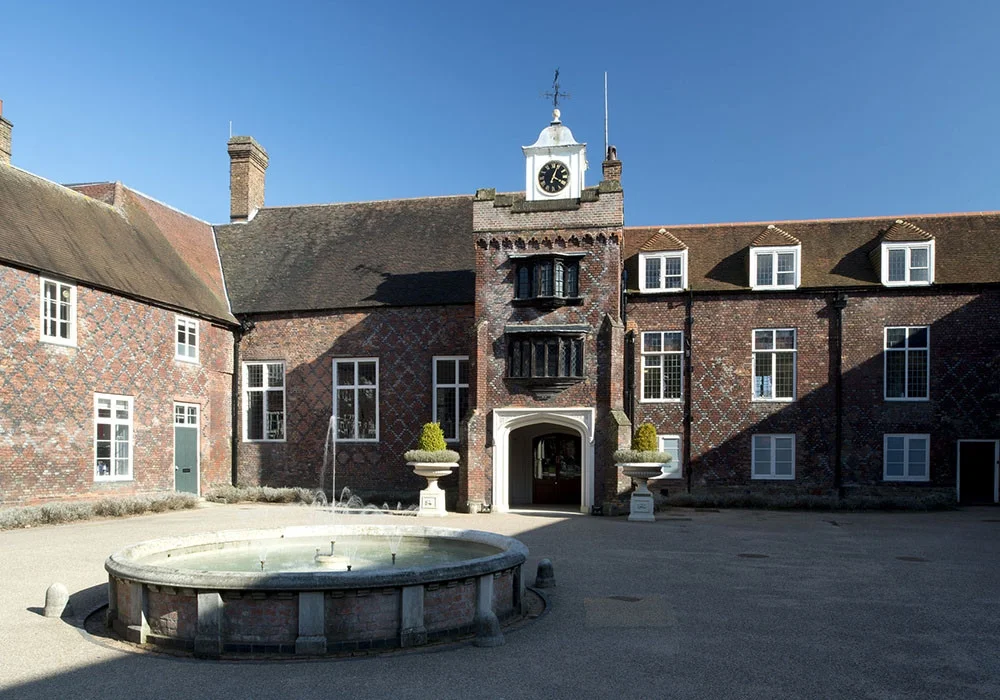
Each tour is individual to your guide, but the tour I attended began with us examining the model of the Palace displayed in the Museum, then discovering the Tudor brick pattern on the walls in the West Courtyard. Walking around the building we were able to travel through five centuries of history and architecture, while inside the oldest part of the building, the Great Hall, we were shown some pictures of the timber roof from about 1495. I was able to lose myself in the different rooms and corridors and enjoy the interiors imagining how bishops, their families and guests would have lived in this hidden palace. The last stop, before going back to the Museum, we visited the Victorian chapel restored in 1950 after being bombing during World War II.

I highly recommend these historical tours to familiarise yourself with the Palace and its history to support your volunteer experience. You can find upcoming dates in the "What's on" booklet.

By the way, magnolia was one of the species Bishop Compton imported from the other side of the Atlantic, grown here at the Palace.


Marlen Armendariz

Volunteer Communication Assistant

The Badges of the Bishops of London

In 2005 during the first phase of the Heritage Lottery Funding, when the Palace was entirely wrapped up in scaffolding and covered with a false roof, all the moveable objects had been packed up and were being stored in various locations across London, or were stacked high in the Great Hall.

We all, staff and volunteers, moved into temporary accommodation in Coachman’s Lodge. There was still a skeleton education service, camping out, with basic artefacts and costumes in the Museum and the Chapel. Our usual activities were on hold, sewing bee and embroidery sessions suspended. We were all in need of something creative to do.

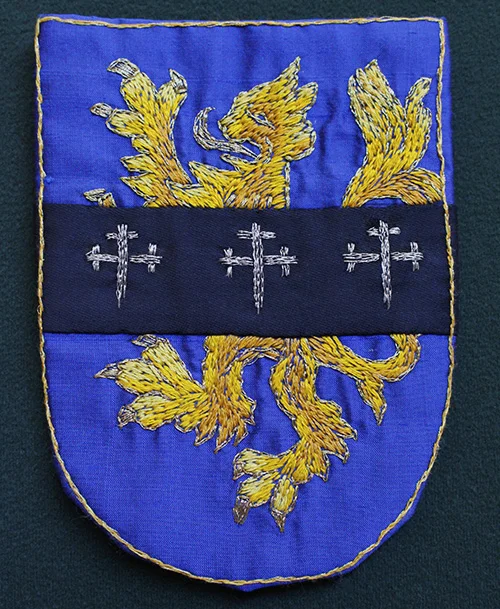
Our education officer Jenny Kershaw came up with the brilliant idea of embroidering all the Bishops’ Badges dating back to the Norman Conquest. The project built on the skills developed from the historic embroidery sessions which Jenny had been running at the Palace for several years. It served as a way of keeping an enthusiastic group together, whilst also creating  a permanent memorial to the past history of the Palace.

It was decided that all the badges should be of a uniform size and the colours to be used as they were shown on archive portrayal of the badges. The stitches were left to the individual embroiderers own creativity. Soon practically everybody involved with the Palace was taking part and keeping track of who was doing what badge, which were already finished and whether any had been left out became a major logistic operation.

Towards the end of phase one, Bishop Howley’s Dining Room, part of the Museum, was closed for renovation and a false wall leading to the Porteus Library was installed, prior to the formal reopening of the Palace after its refurbishment. It was the perfect place to display the badges. Suitable frames had to be found, the badges mounted, the names of all the individual embroiderers acknowledged and Peter Trott came into his own, expertly hanging them. The exhibition was one of the highlights of the reopening of the Palace on 9th November 2006 when Jenny was able to show the present Bishop of London the badges and present him with an embroidery of his own badge. The exhibition ran until 17th December to great acclaim.

With the reopening of the Museum most of the badges were put into storage, although some are still on display in the Porteus Library.  Putting them on line is a way of remembering the camaraderie of the embroiderers at an exciting time for the Palace. The embroideries are a permanent memorial from the twenty first century to all the post Conquest bishops.

Click here to view the Bishop's Badges in our new online gallery.

Esther Dean
Sewing Bee, Tour Guide, Collections Assistant Volunteer

Portrait of a Bishop

Frederick Temple - Bishop of London 1885-1896

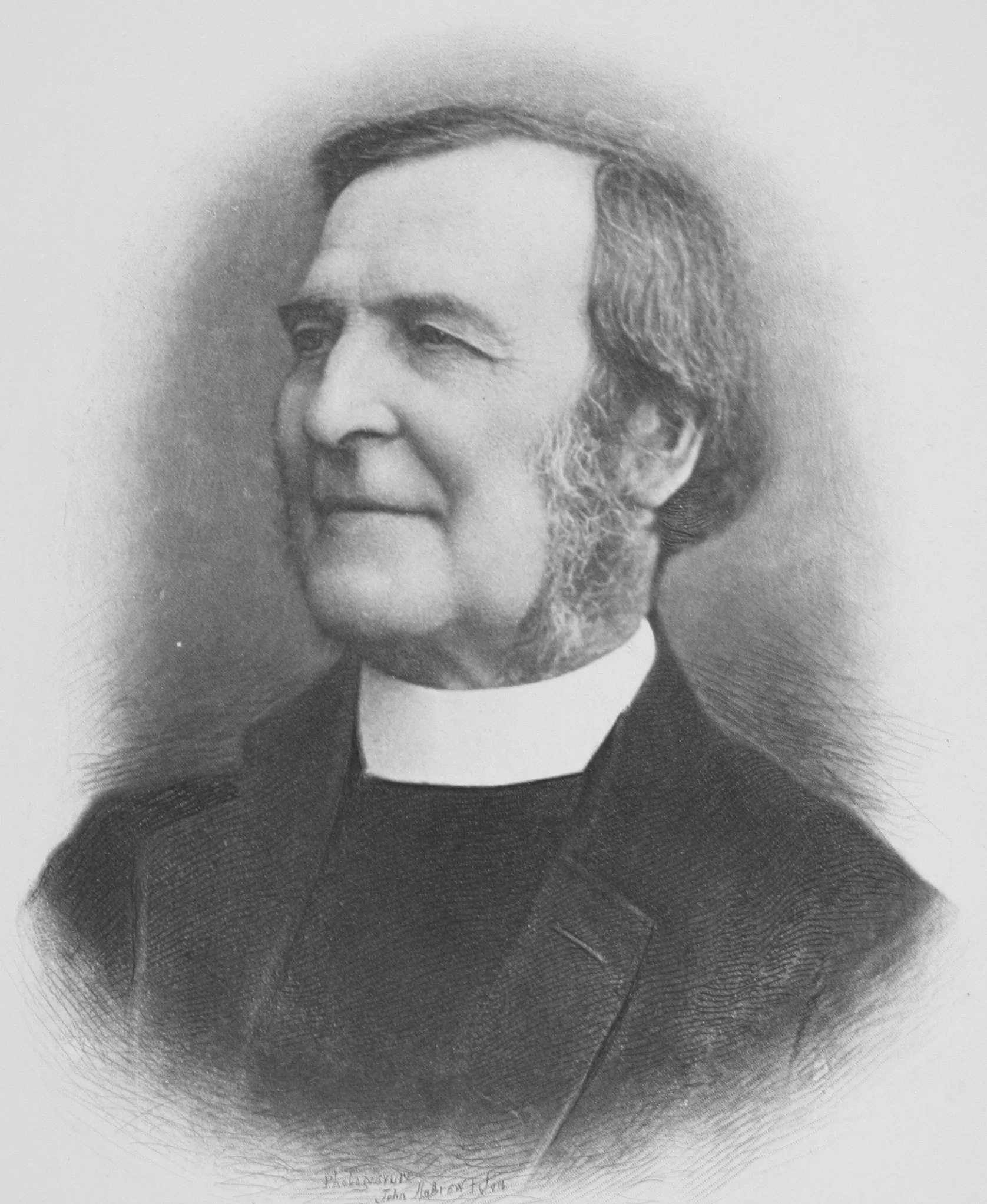
Frederick Temple was born on the Greek island of Santa Maura in 1821 and grew up in Devon. His family was not rich and he knew early on that he would have to earn his own living. He took the first step by winning a Blundell scholarship to Balliol College Oxford. He was elected a fellow at Balliol after achieving a double first and four years later was ordained. 

The following years he held various positions including a school-inspectorship (his travelling desk is on display in the Museum) and Chaplain-in-Ordinary to Queen Victoria. In 1885 he was appointed Bishop of London and although many of his clergy criticised him for enforcing unbearable standards of accuracy, diligence and preaching efficiency, he won the hearts of many through his devotion to his work and passion for the good of the people. During his time at Fulham Palace he gave up the West Meadow to enlarge the proposed Bishop’s Park, the Bishop’s Meadow had already been given by Bishop Jackson in 1883. The new park eventually opened in 1893.

Temple worked long days, fourteen or fifteen hours, and under the strain he was rapidly going blind. Towards the end of his bishopric in London he offered to resign due to his growing blindness but was urged to reconsider. He held his position until 1896 when, upon the death of Edward White Benson, he accepted the see of Canterbury. Temple died in 1902 and is buried in Canterbury Cathedral.  William Temple, his second son, became Archbishop of Canterbury in 1942.  So far they are the only father and son to have achieved this.