
The Badges of the Bishops
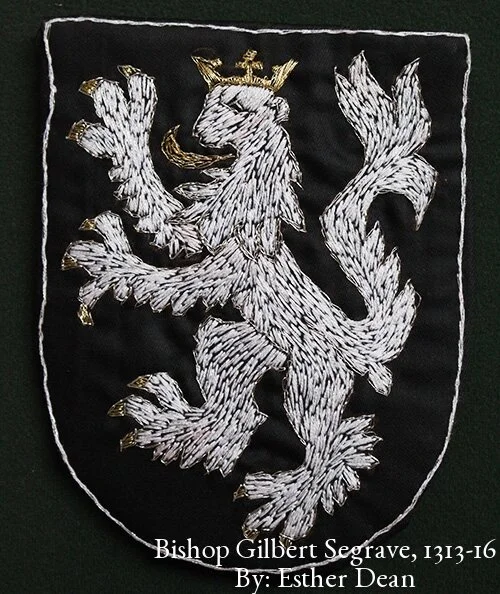
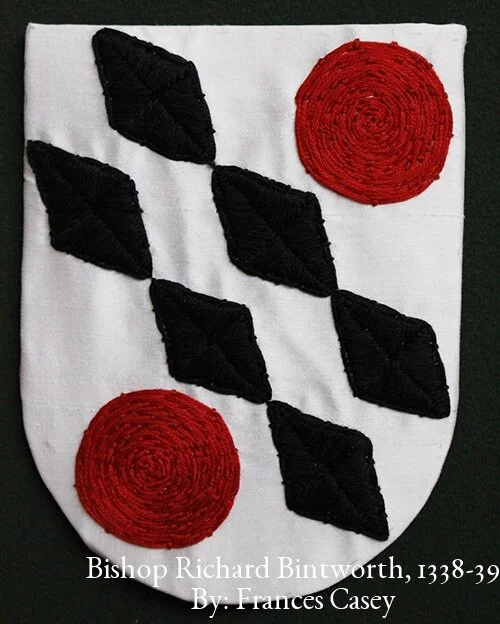
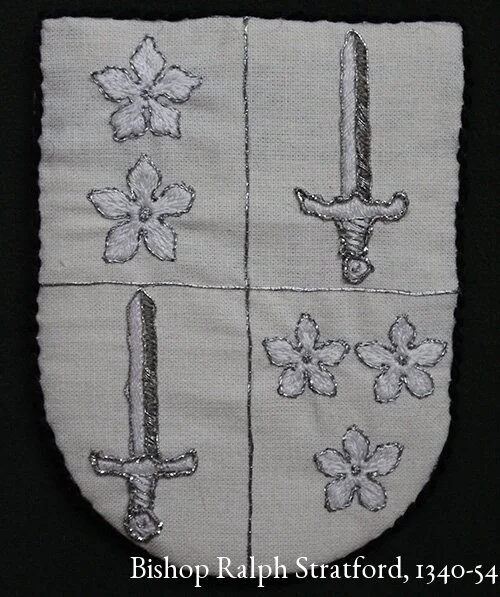
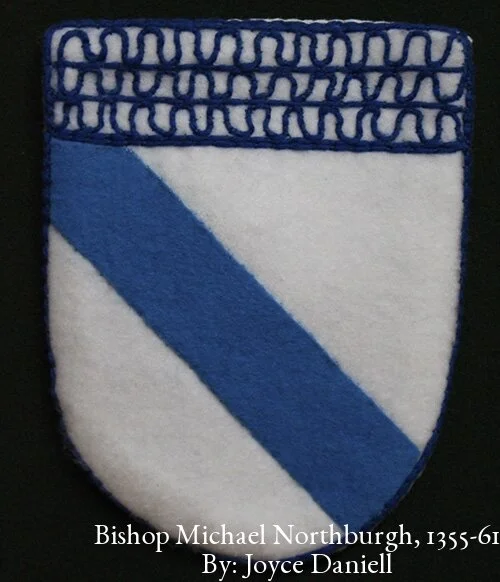
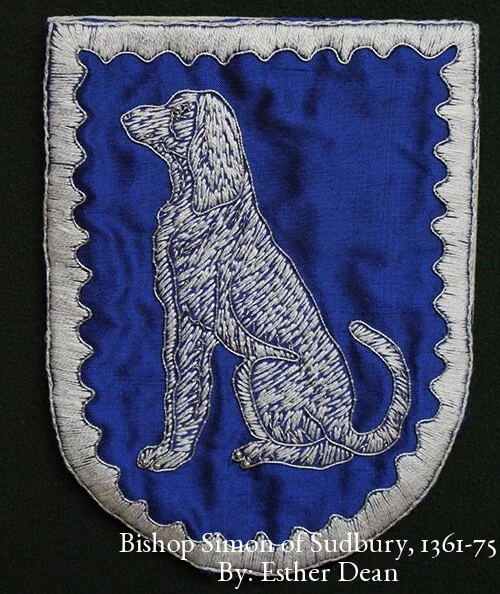
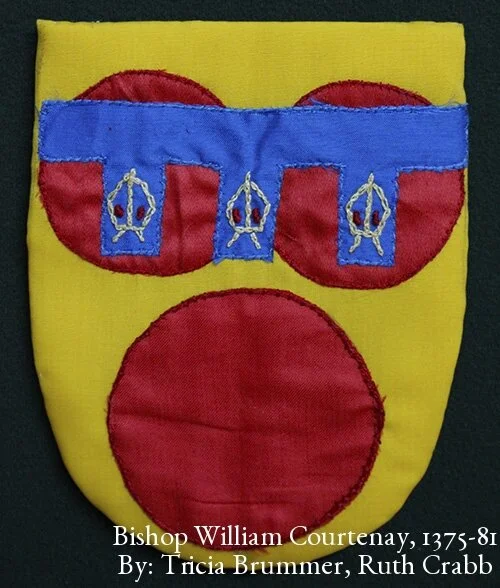
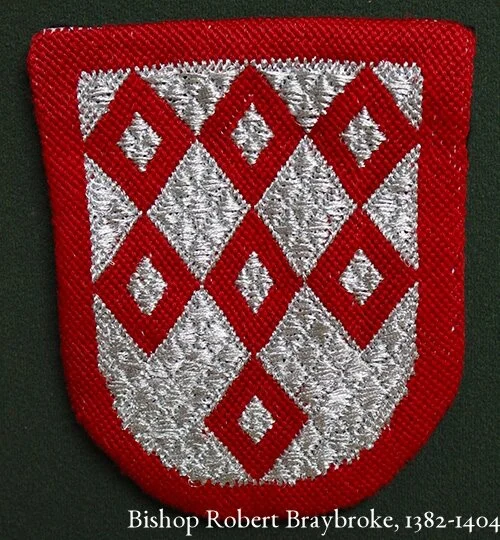
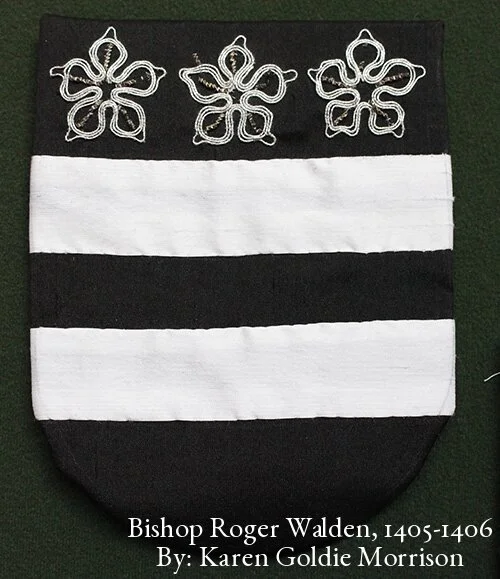
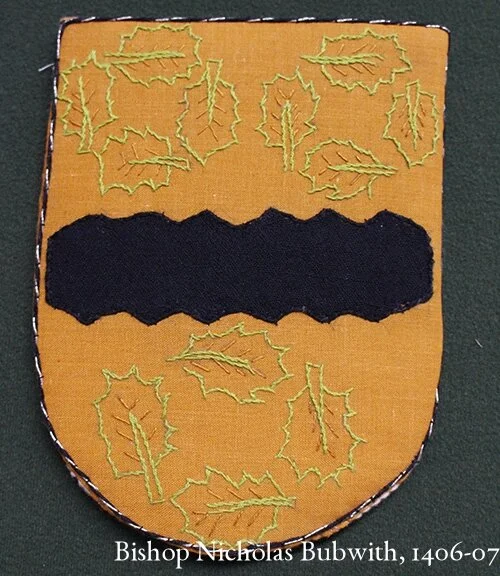
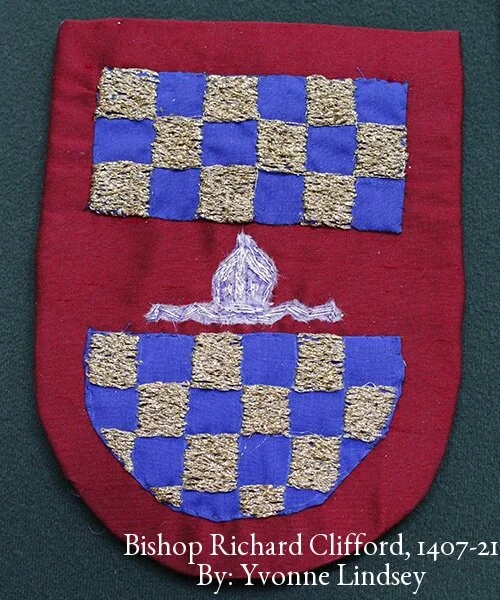
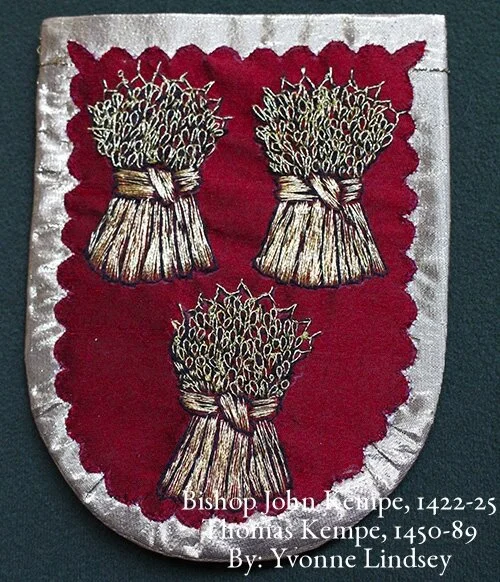
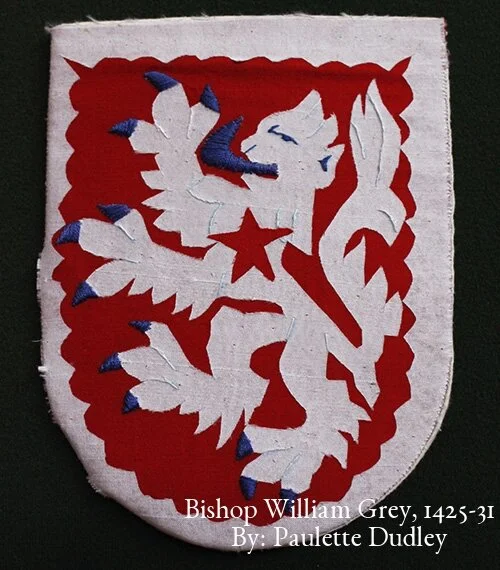
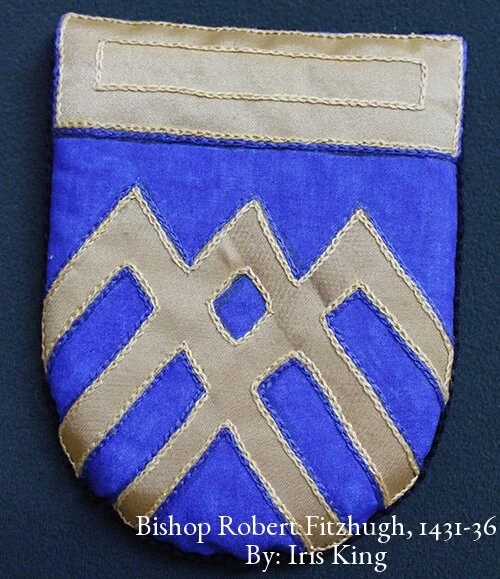
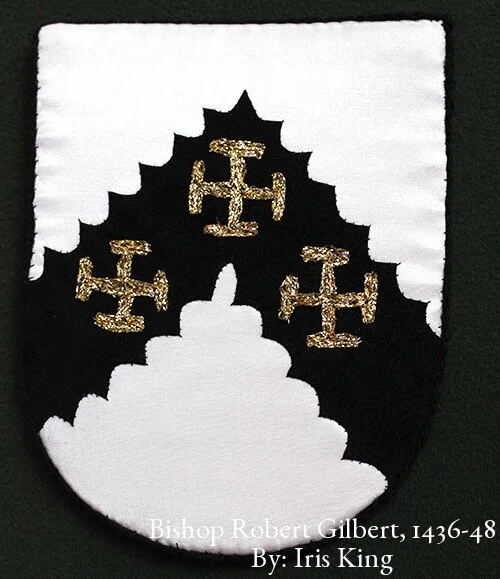
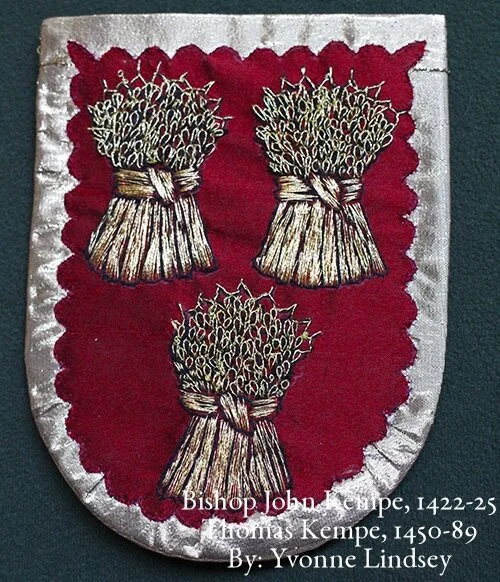
Intricately embroidered by the Palace Sewing Bee, these badges help tell the story of the Palace. Every Bishop made their mark on the site, and on history, in their own way (as seen by the many redesigns of the architecture!). Beginning with the Modern Period, scroll on to view the emblems the Bishops used as their personal marker through the eras of the Victorians, Edwardians, Georgians, Stuarts, Tudors and the Medieval Bishops of the Late and High Middle Ages.
Tap or click on the left and right arrows to the side of the image banners to scroll through.
The Modern Period
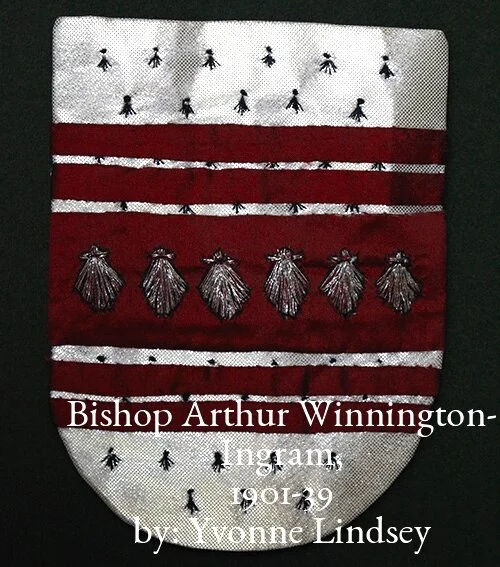
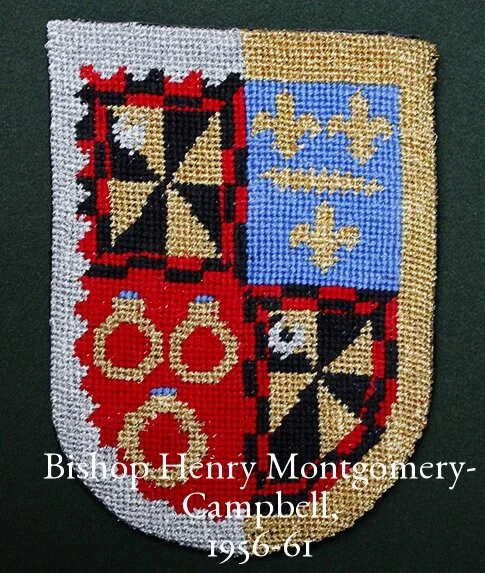
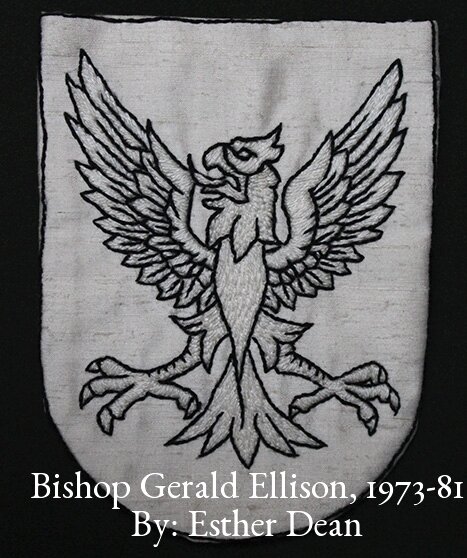
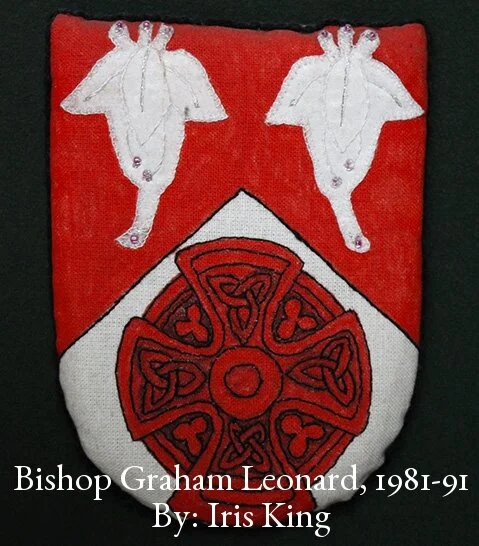
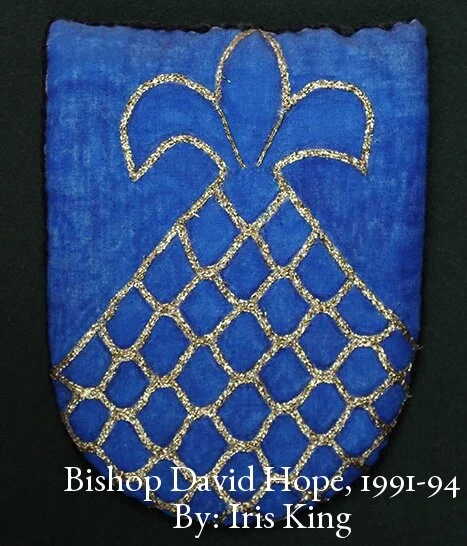
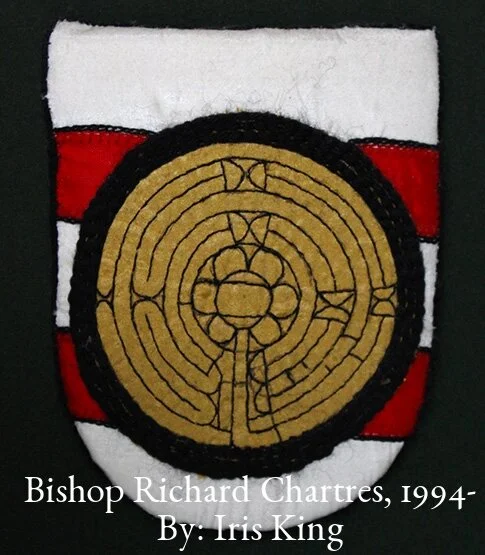
The Modern Period of the Palace begins with Bishop Winnington-Ingram (1901 - 39), whose cope stands in the permanent exhibition. Winnington-Ingram is known for his enthusiasm for World War I, fervently recruiting new soldiers. The land for the allotments adjacent to the present-day Palace was given by the Bishop during the 'Dig for Victory' campaign. The Palace served as a hospital for the Freemasons from 1918-1919. The beautiful gardens aided the mental recovery of injured soldiers. Learn more about the hospital here. Winnington-Ingram is also remembered for draining and filling the moat that surrounded the site. The 1.4km moat meant that Fulham Palace was the largest domestic moated site in medieval England.
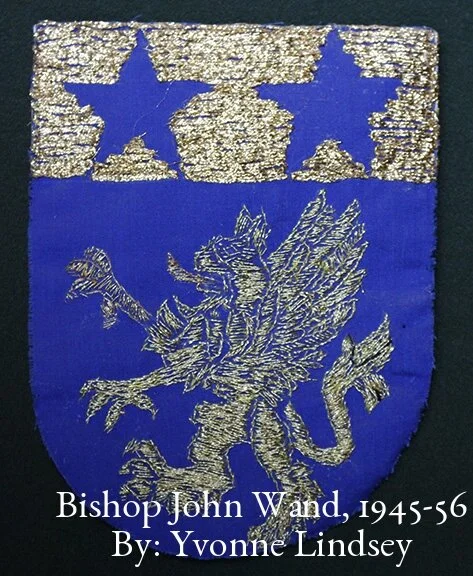
Another change to the site came from the later Bishop Wand (1945- 56). Wand ordered alterations and additions to the Tait Chapel in the 1950s after damage from World War II, including commissioning the Scottish architect Sir John Ninian Comper to design a stained glass window. Bishop Campbell was known for his biting wit and quotability, often by The Times.
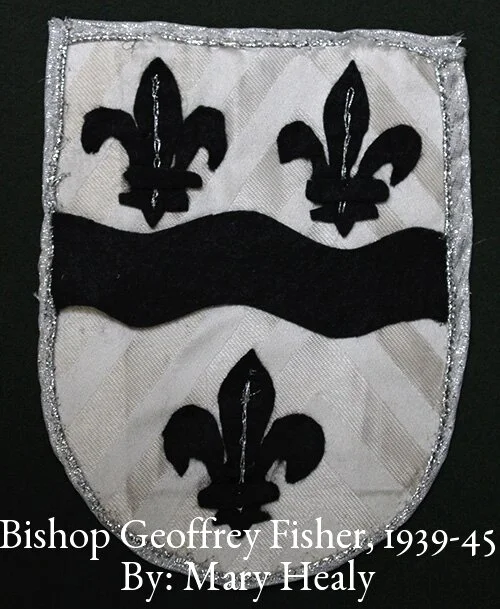
During the Second World War, members of the Women’s Auxiliary Air Force (WAAF) were stationed at Fulham Palace. They looked after the barrage balloon that was positioned over the site to deter enemy planes. Bishop Fisher was at the Palace during this time and focused on keeping the diocese functioning through the Blitz. History remembers Fisher for his organisational skills, which he used to overhaul the administration of the Church and strengthen international relations with other Anglical churches.
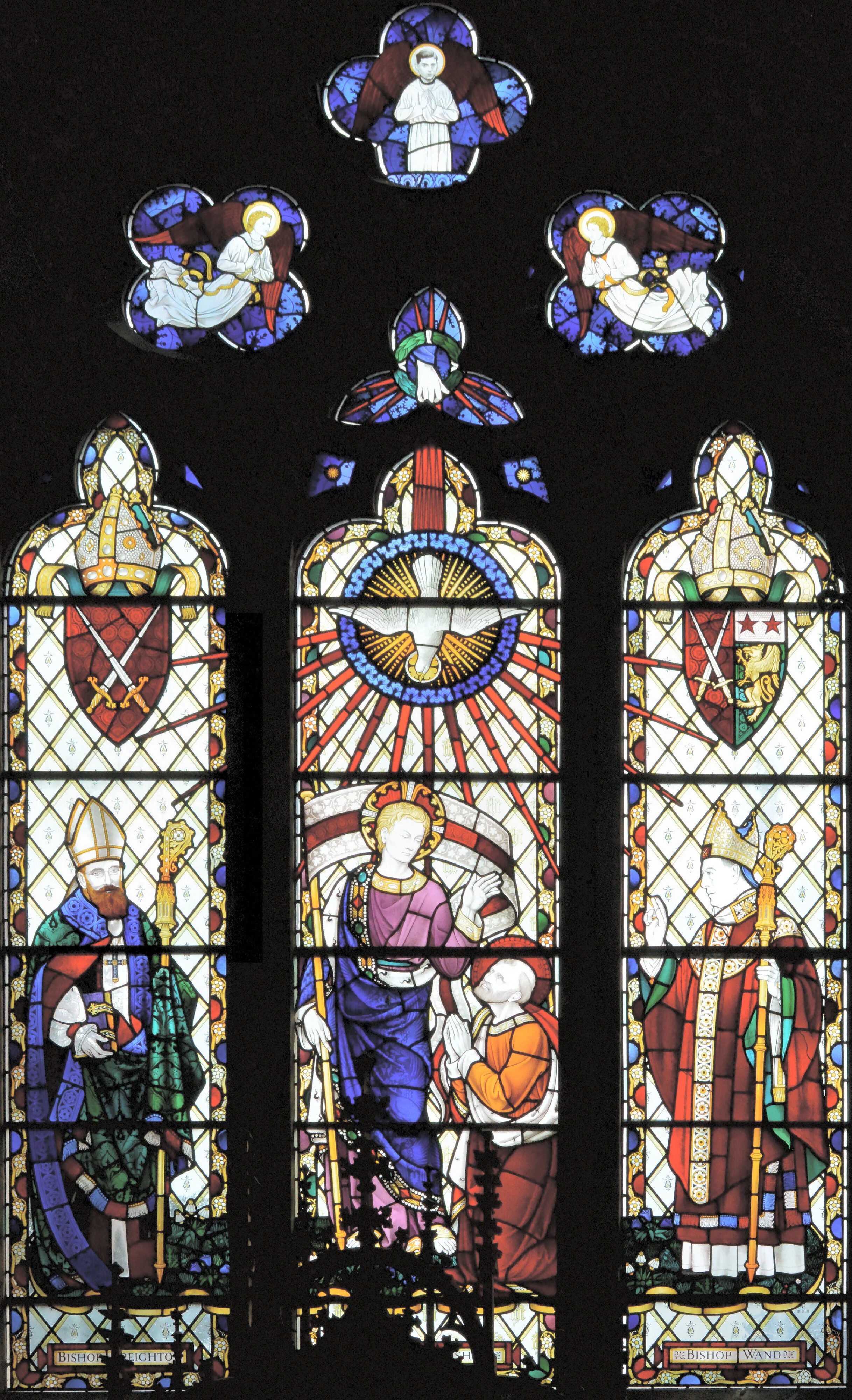
The stained glass window in the Chapel, designed by Ninian Comper. Bishops Creighton (1896 - 1901) and Wand (1945 - 56) are depicted on the left and right, respectively.
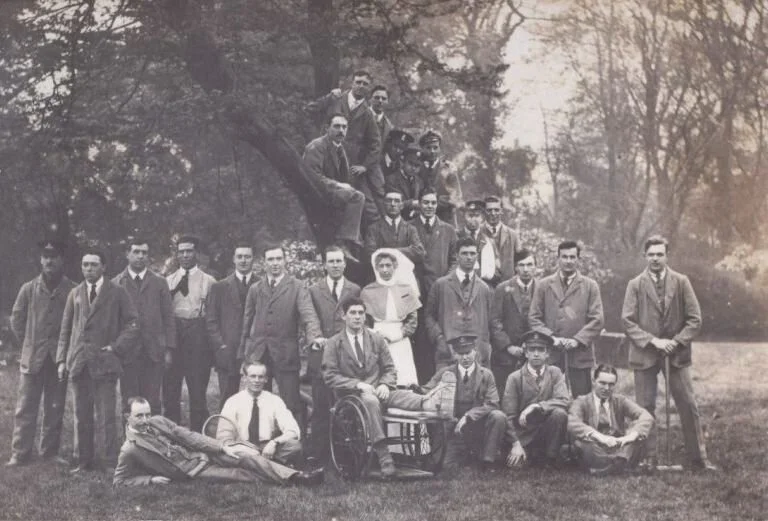
A photograph from Sister Latchmore’s scrapbook of the Palace when in use as a hospital.
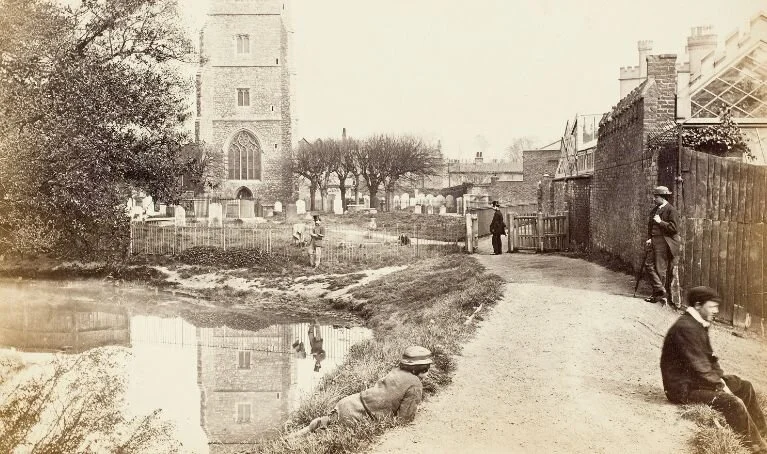
The original moat around the Palace grounds.
The Victorian Era
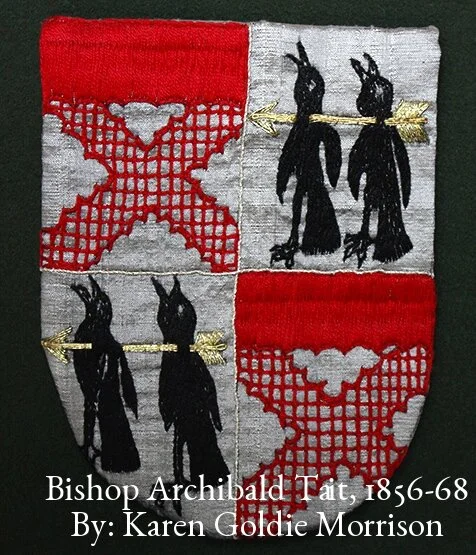
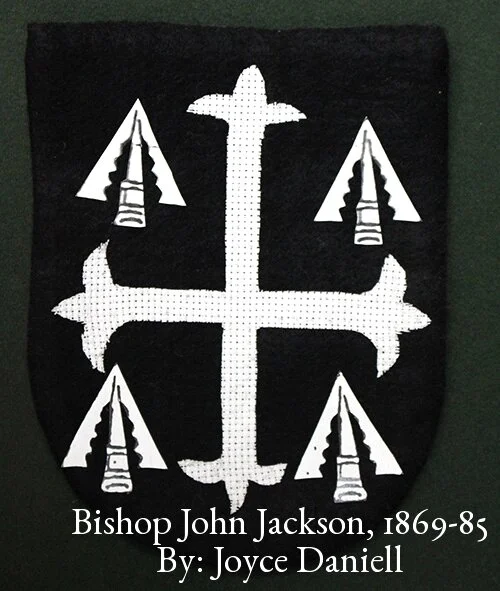
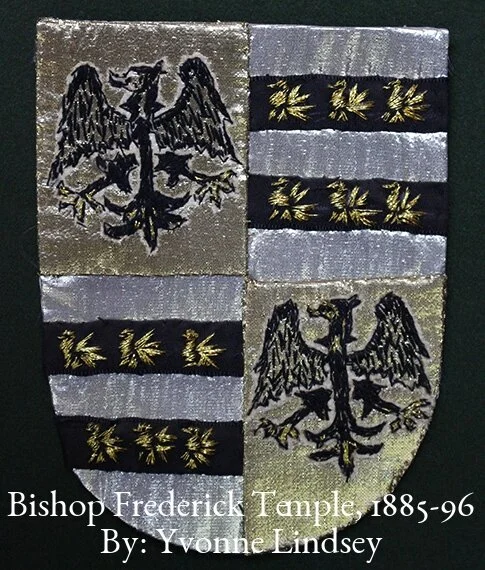
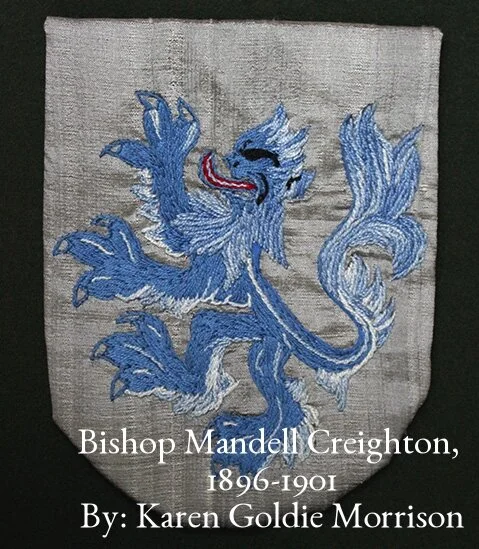
In the Victorian era (1837 - 1901) Bishop Tait (1856 - 68) is remembered for moderating the tension and seeking reconciliation in the Church during the Oxford Movement. His mark on the Palace is seen with the Chapel which he commissioned William Butterfield to design in 1866-7, costing a grand sum of £1869. In Bishop Temple’s time, in 1893, Bishop’s Park opened to the public.
Bishop Creighton is well remembered at a personal level. An accomplished scholar himself, he was interested in the education of children. He married the author and women’s suffrage activist Louise Creighton. There are letters between the Bishop and Louise in the Palace archive that reveal the private life of the couple and life at the Palace during the late Victorian era. See them here.
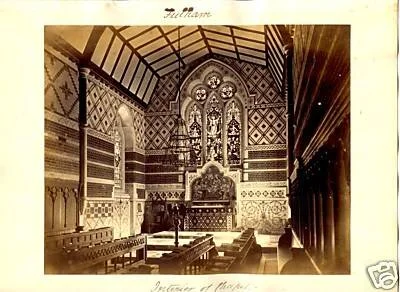
The Tait Chapel
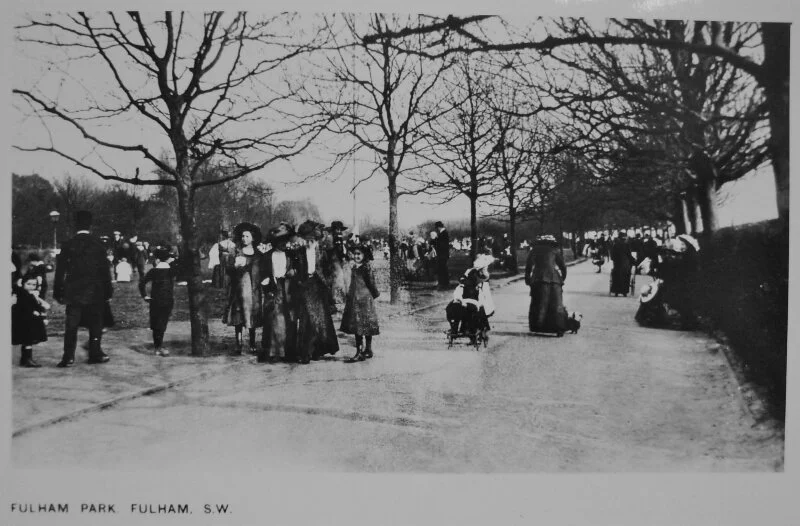
Postcards of Bishop’s Park from the early 1900s. (The park’s name was changed to Fulham Park in 1902 and then back to Bishops Park in 1906). Photo and information from London Borough of Hammersmith and Fulham Library and Archives, at https://lbhflibraries.wordpress.com/2015/03/10/bishops-park-the-early-history/
The Georgian Period
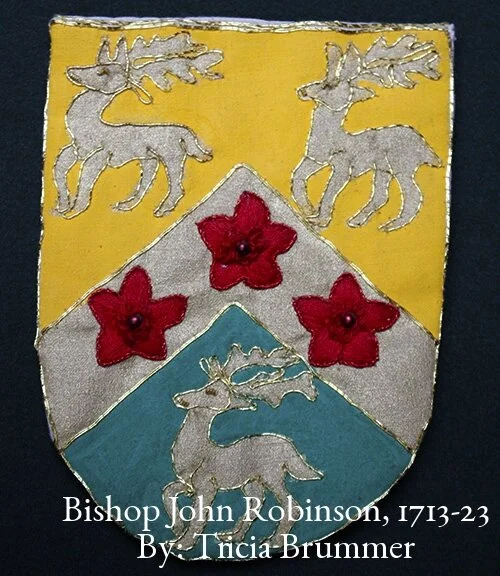
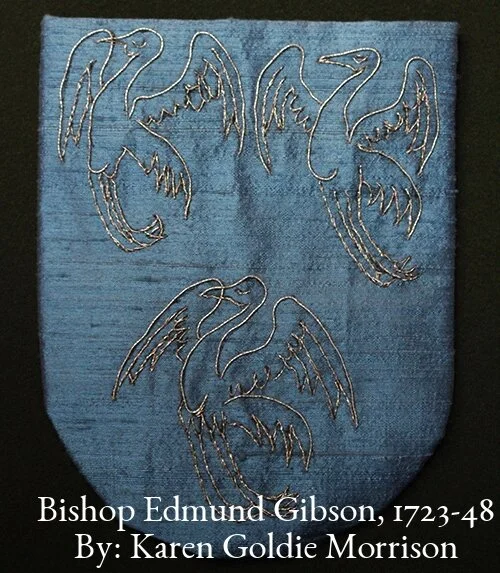
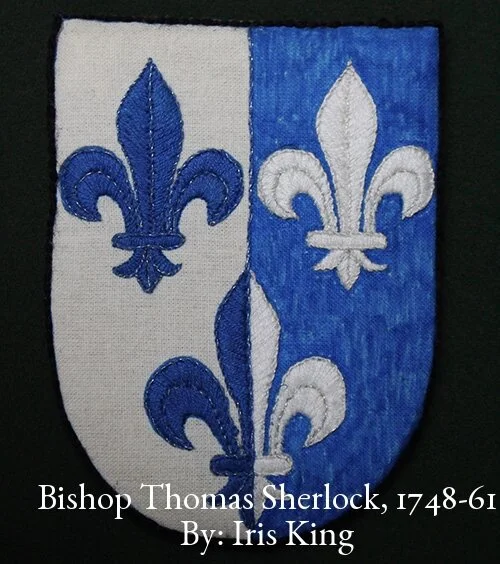
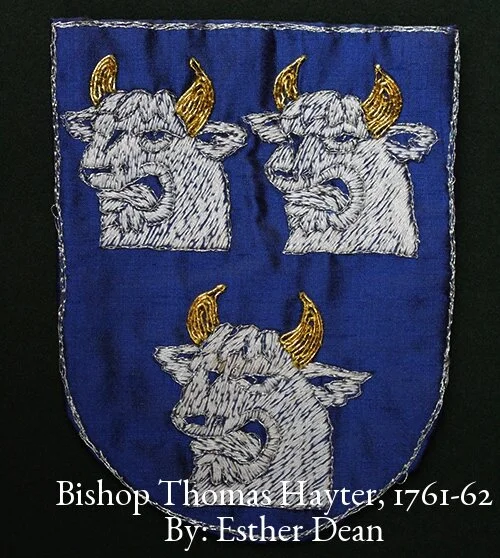
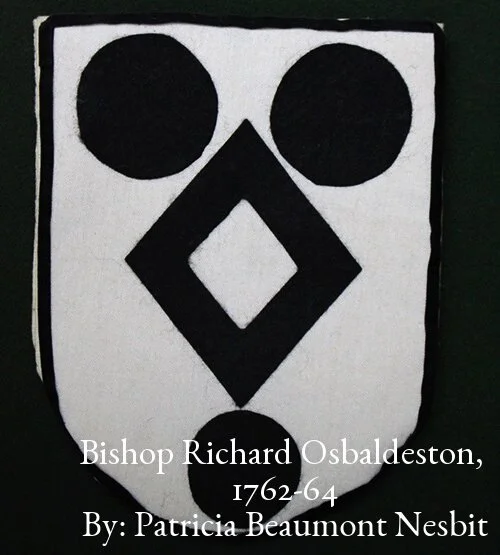
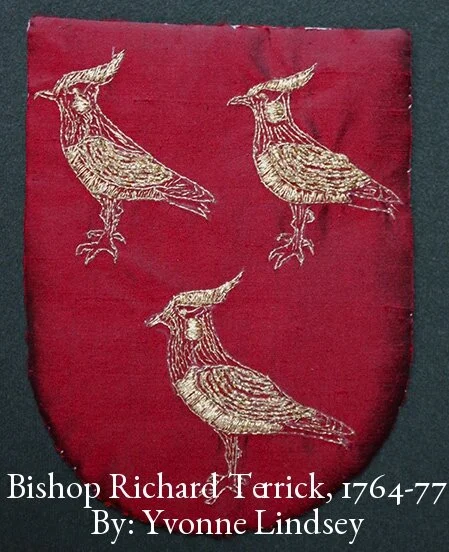
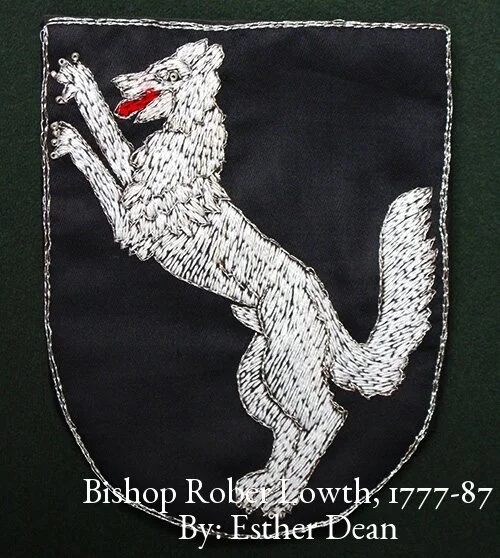
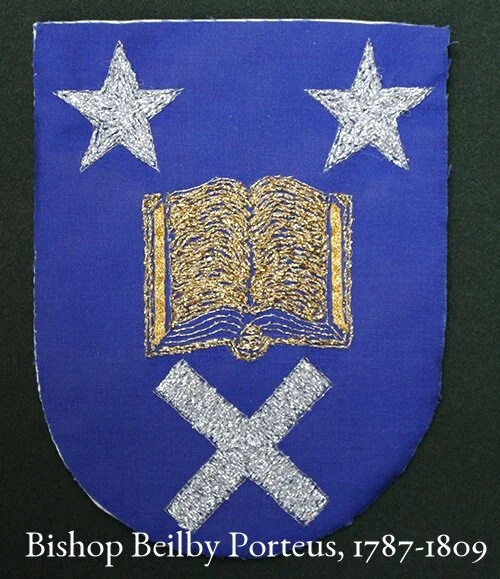
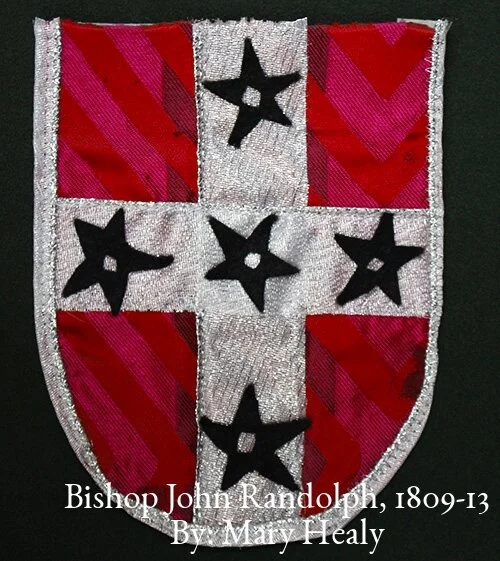
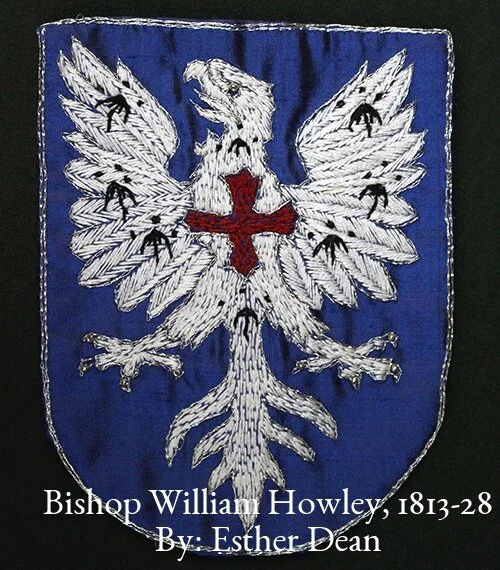
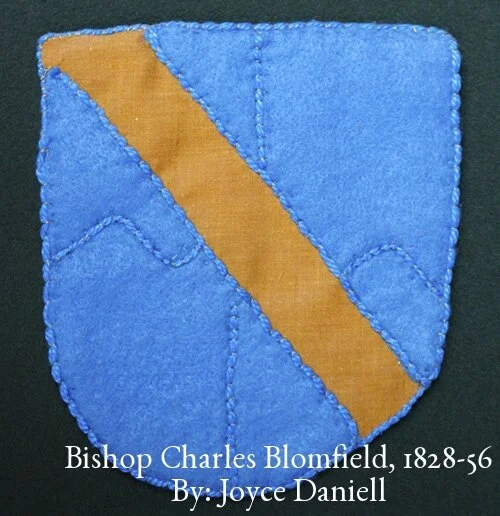
The Georgian Period saw a lot of remodelling to the Palace grounds by the passing Bishops. Bishop Terrick (1764 -77) remodelled the house in the Gothic Revival style, adding crenellation along the top of the building. He also relandscaped the garden and created the walled garden. Bishop Sherlock (1748 - 61) is responsible for the elaborate Rococo dining room with its ornate ceiling, while Bishop Howley (1813 - 28) remodelled Terrick’s designs for the more symmetrical, proportion-focused Georgian architectural style.
The Stuart Period
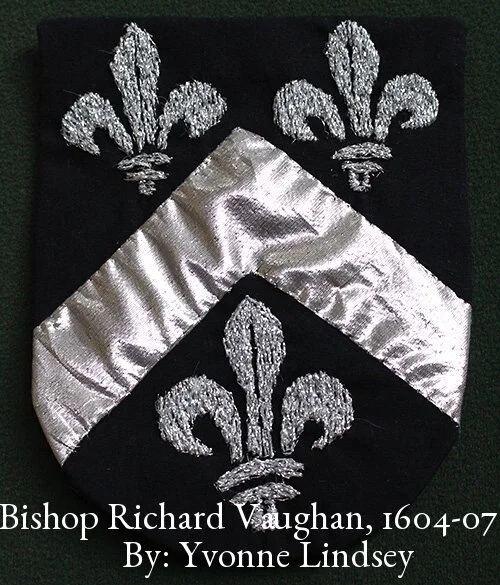
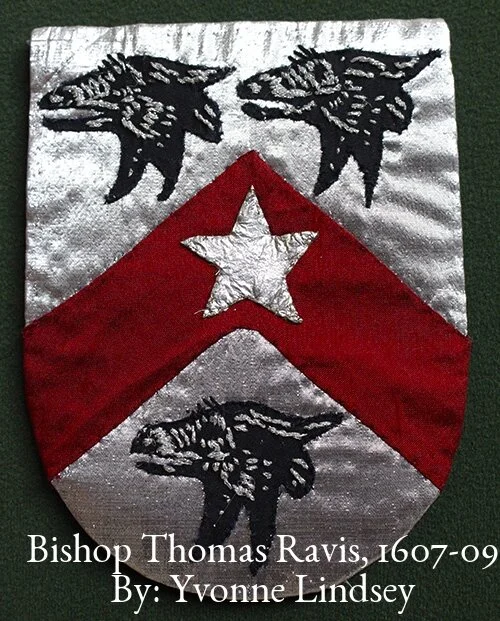
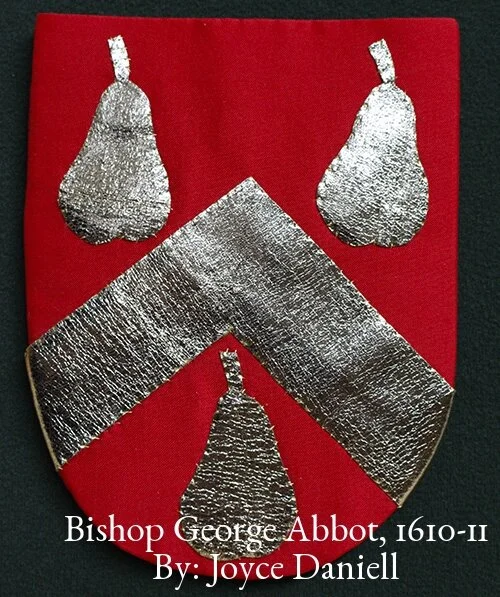
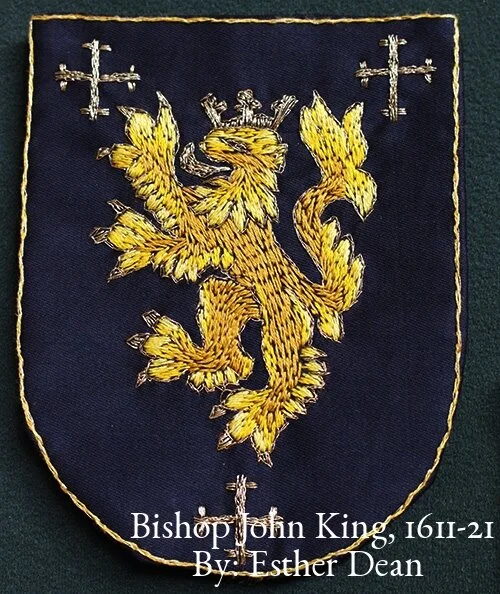
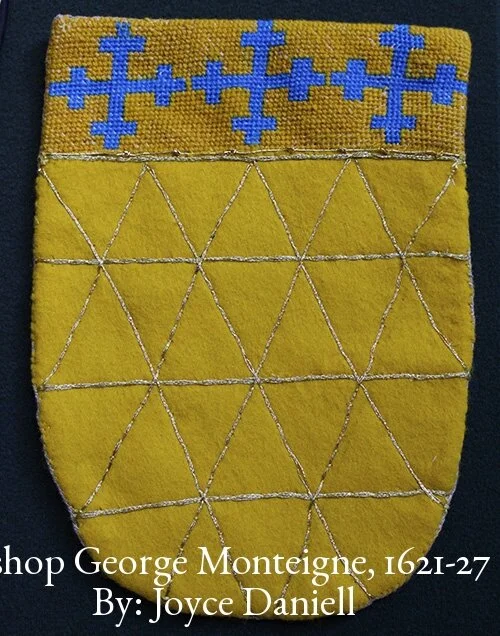
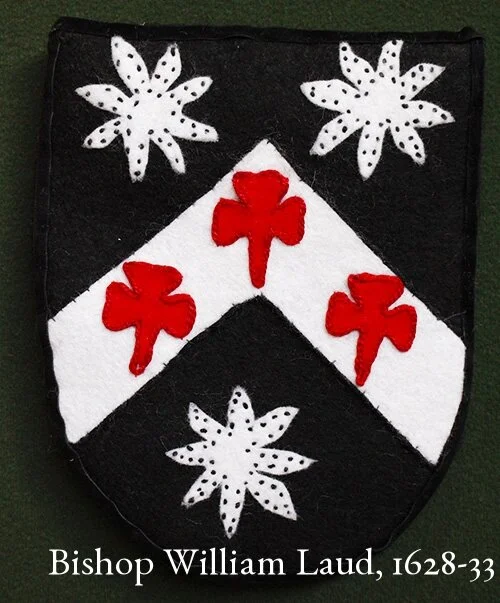
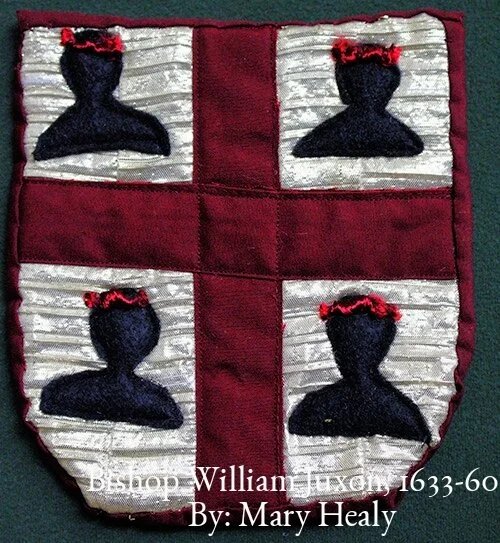
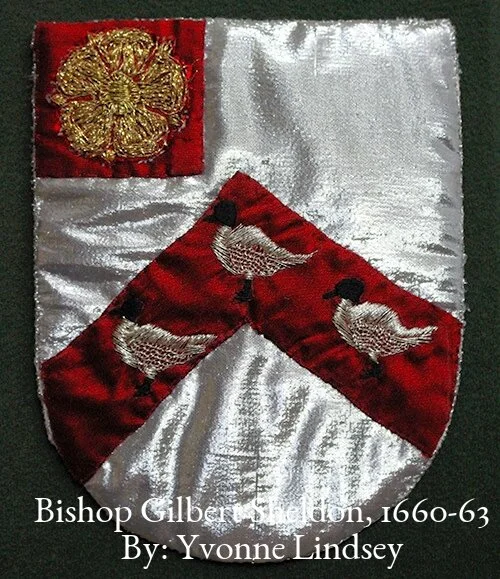
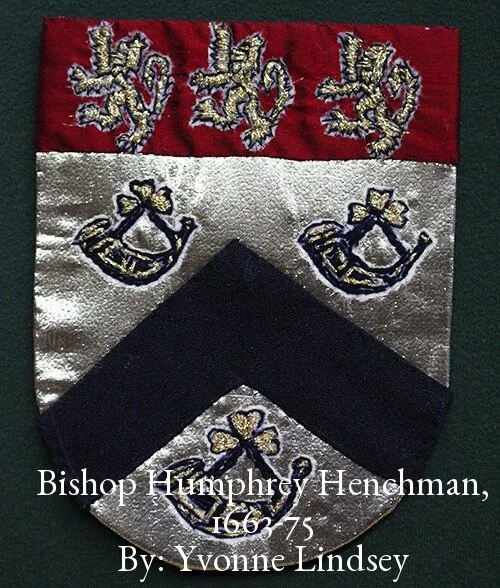
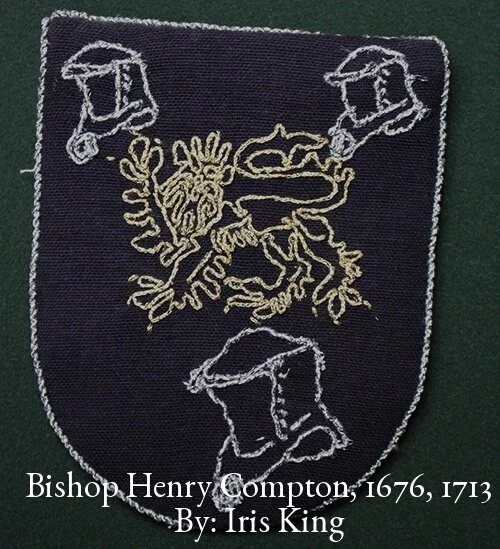
1603 to 1714 encompassed the Stuart period, an interesting time for the Palace. Bishop Juxon (1633 - 60) was titled Lord High Treasurer by Charles I and was consulted by the King many times. Despite their relationship, Juxon lived undisturbed in Fulham. He was selected to give Charles I his last rites before his execution.
Bishop Compton (1675 - 1713) is known for being a devout Protestant who clashed with the Roman Catholic James II. We remember him for being an avid collector of plants and for introducing many species to England for the first time, including ‘Dutchman’s breeches’ (Dicentra cucullaria) and magnolia (Magnolia virginiana). Few later Bishops shared his passion for botanical horticulture and many species were destroyed or sold. Read more about Compton here.
The Tudor Age
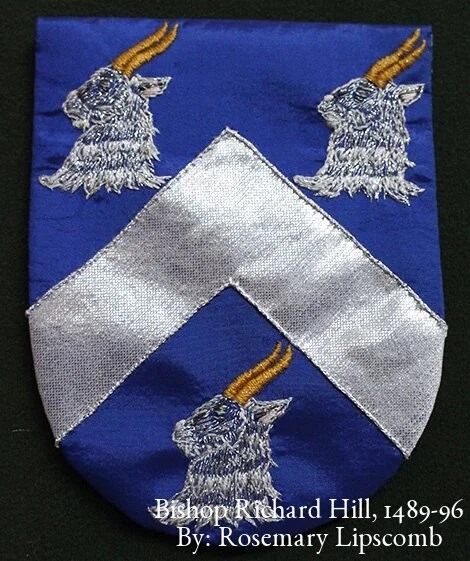
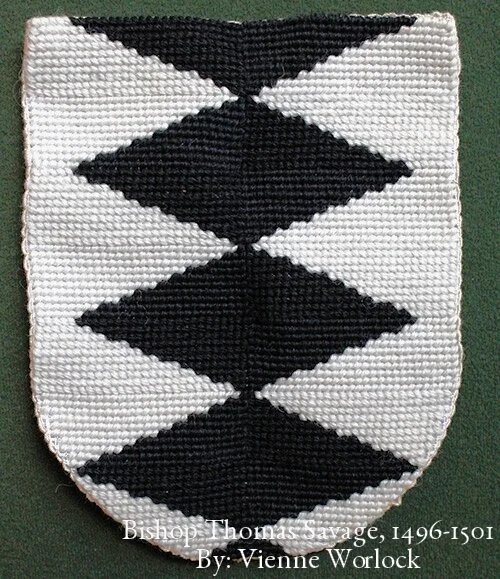
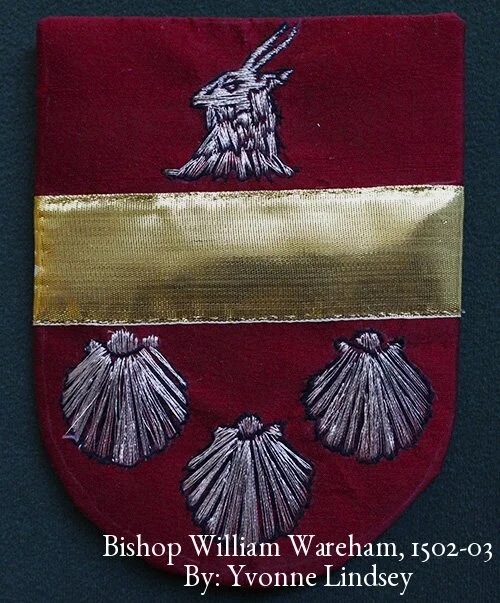
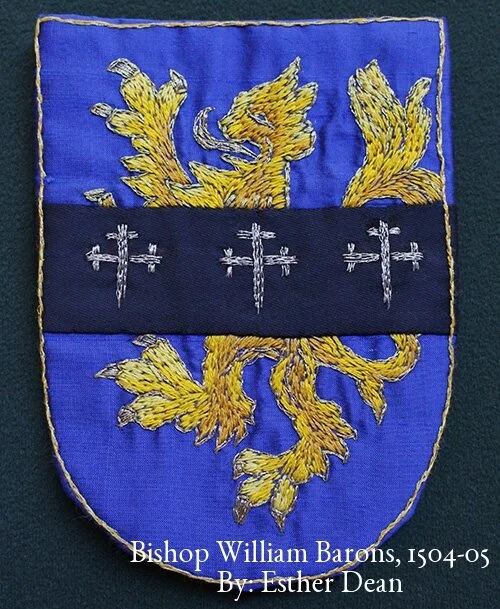
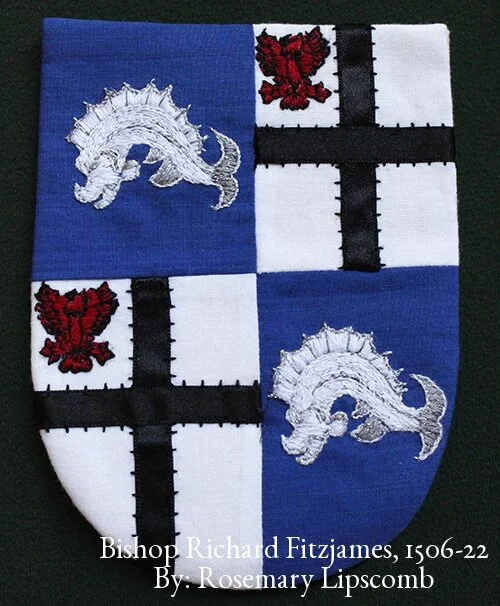
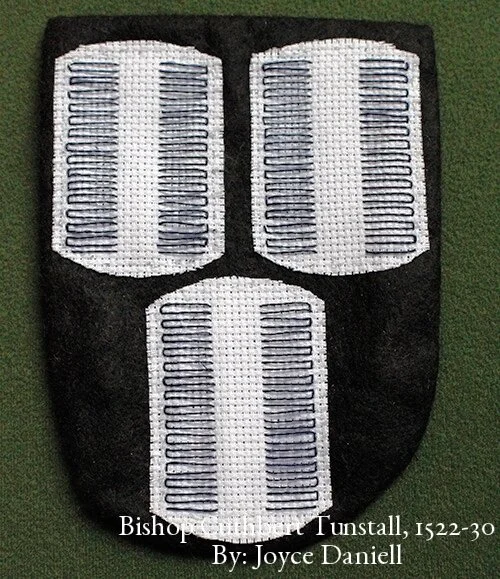
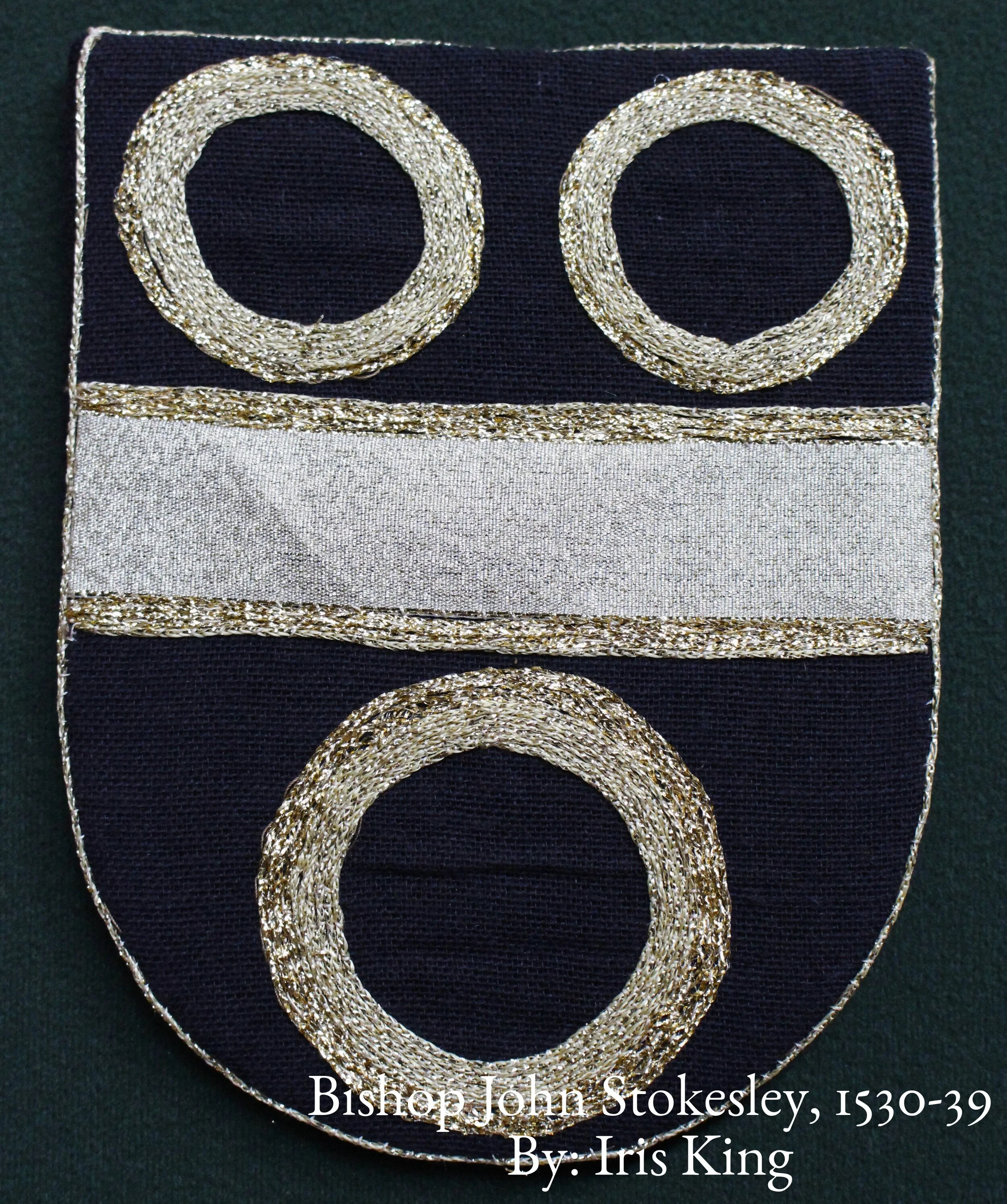
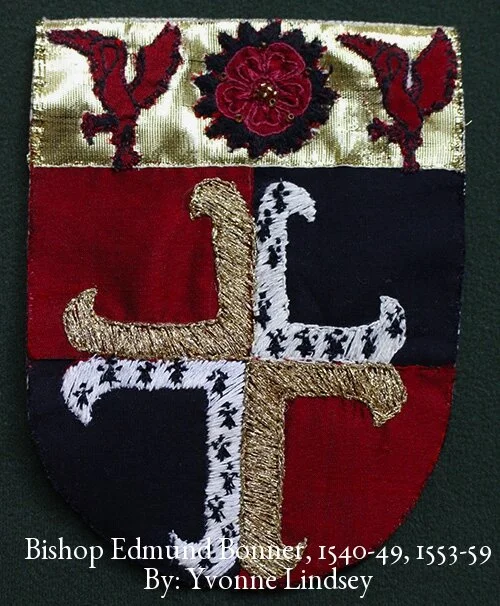
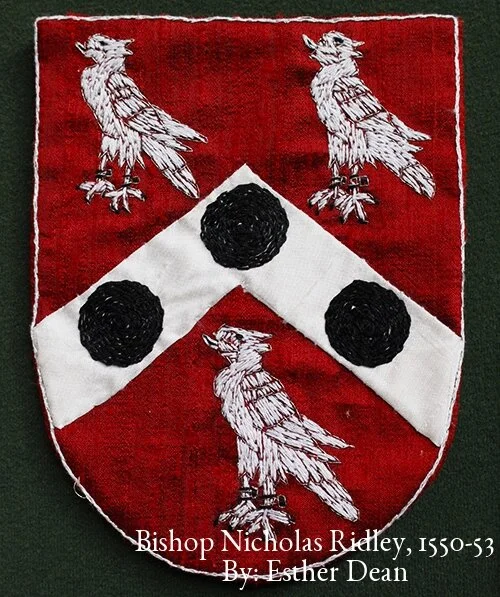
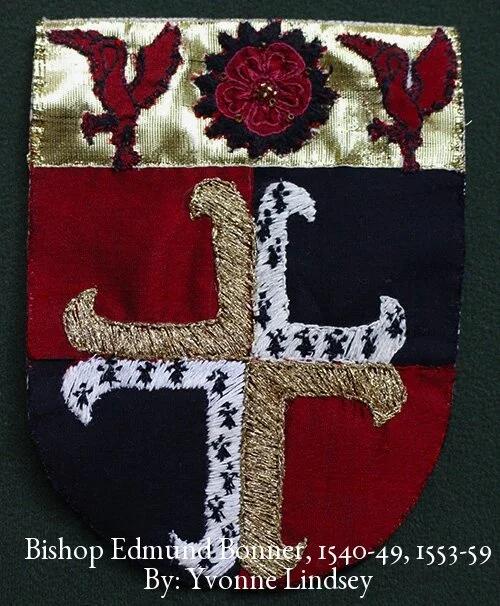
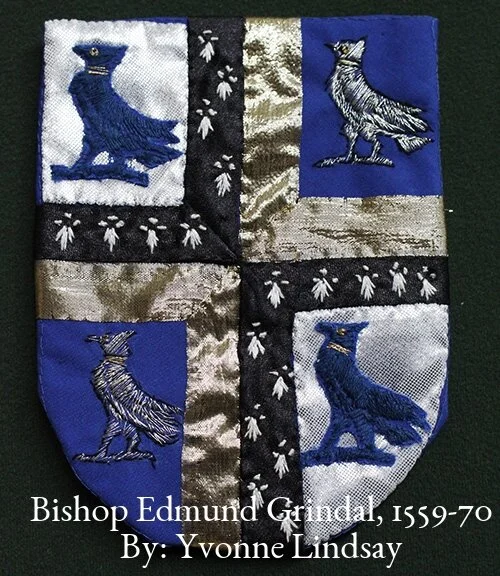
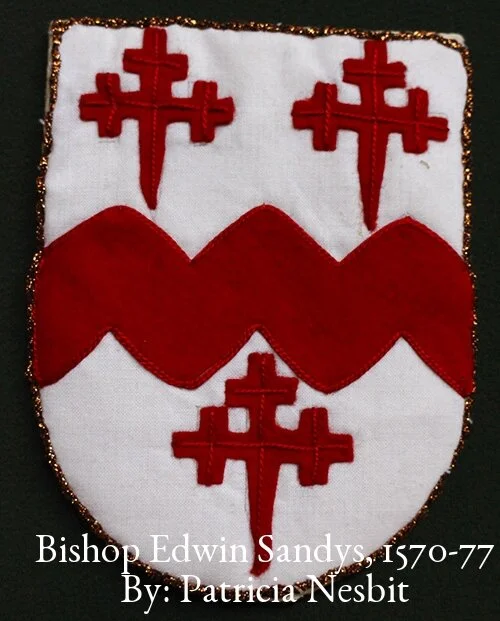
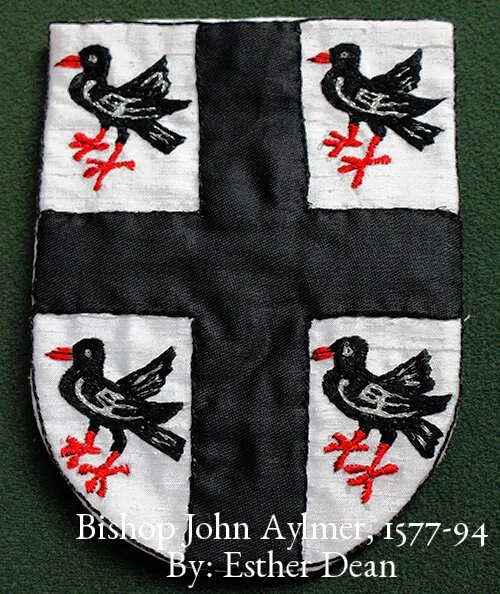
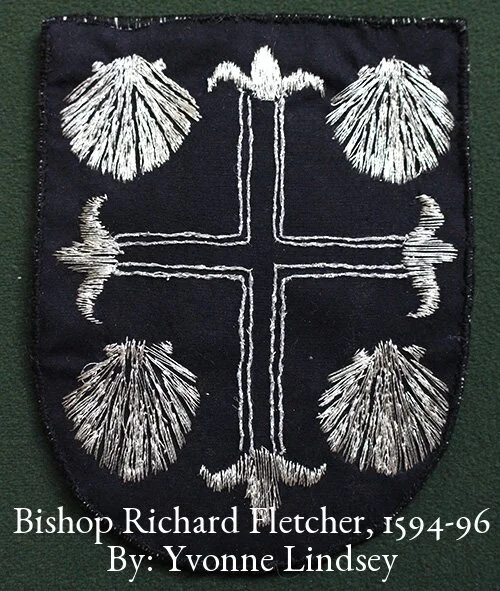
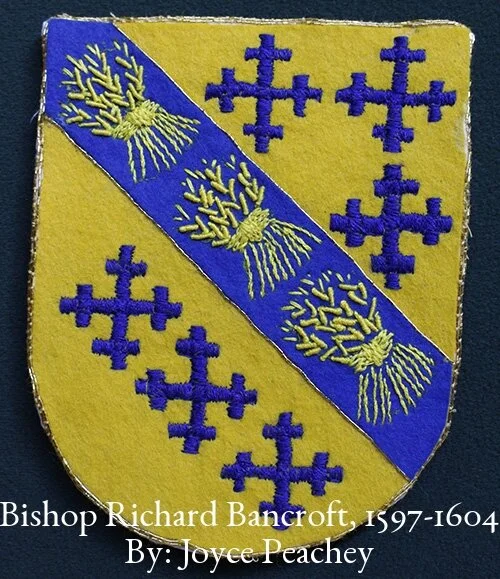
The Tudor Courtyard and the Great Hall are likely the biggest markers of this period at the Palace. The Palace became a family home during the English Reformation, when the Church of England clergy were granted the right to marry. Bishop Sandys (1570 - 77) was the first to bring his spouse to the Palace in 1570. Sandys was a close friend of his predecessor Bishop Grindal (1559 - 70), stating that they had lived "familiarly" and "as brothers" as they grew up as neighbours in St Bees, Cumbria. Grindal was admired by the Puritans, especially during the tenure of Laud (1628 -33) under whom they experienced persecution.
Bishop Ridley (1550 - 53) hotly debated the correct use of clerical vestments with John Hooper, Bishop of Gloucester, and wider issues of ecclesiastical identity. Both historical figures had supported Lady Jane Grey’s claim to the throne and were consequently burned at the stake for heresy. Queen Mary’s rule saw further violence at the Palace - Protestants were tortured in the Great Hall under Bishop Bonner’s second tenure (1553 - 59).
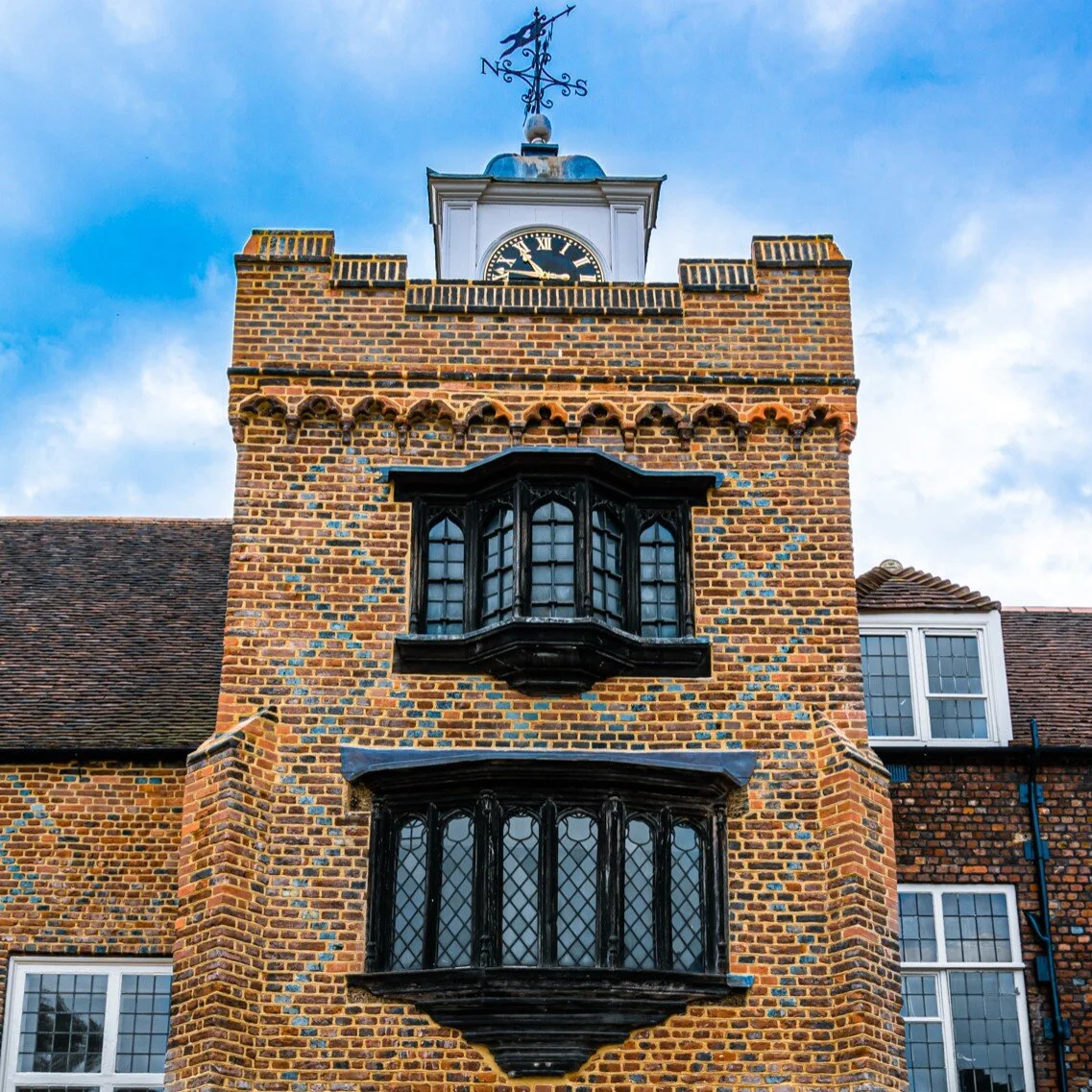
Tudor architecture. Photo by Jamie White.
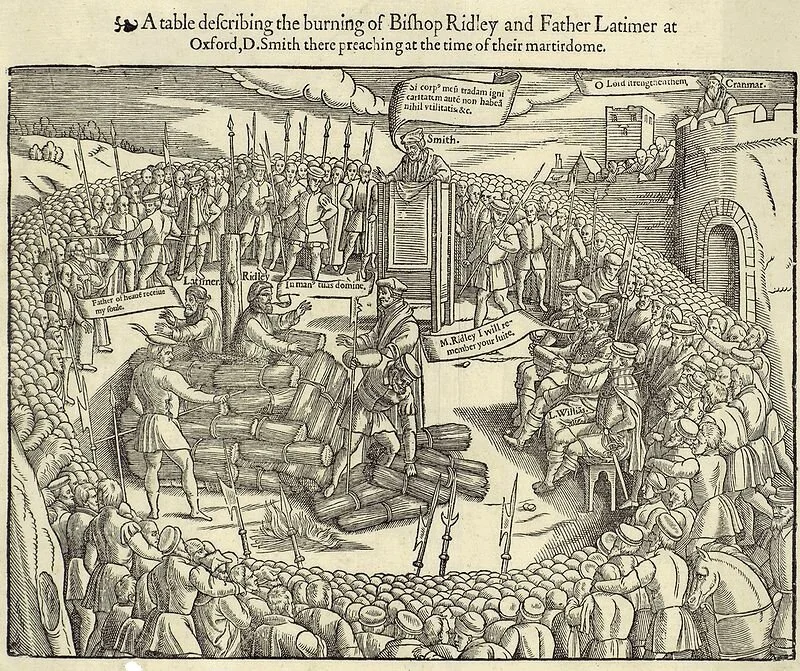
Bishop Nicholas Ridley and Hugh Latimer martyred by being burnt at the stake. John Foxe's book of martyrs. 1563 edition.
The Medieval Period (Late)
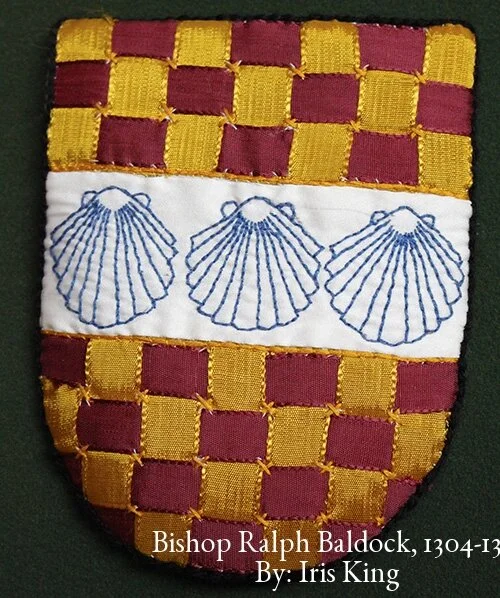
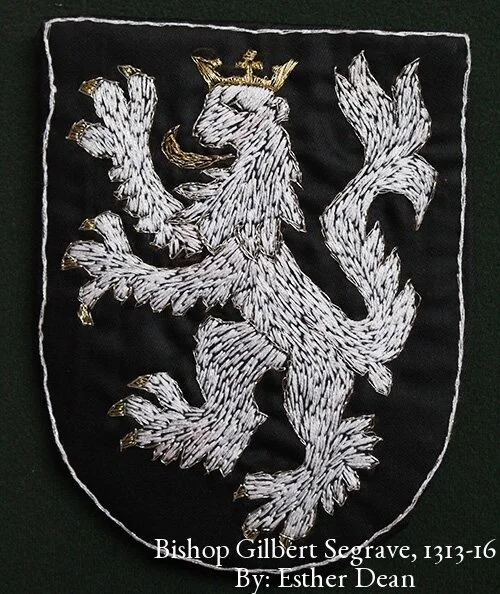
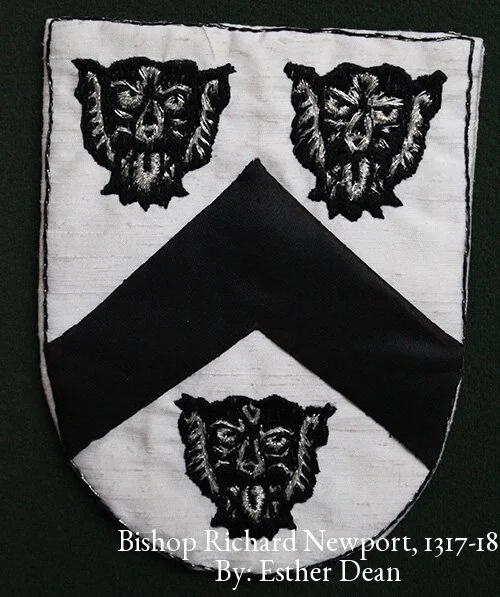
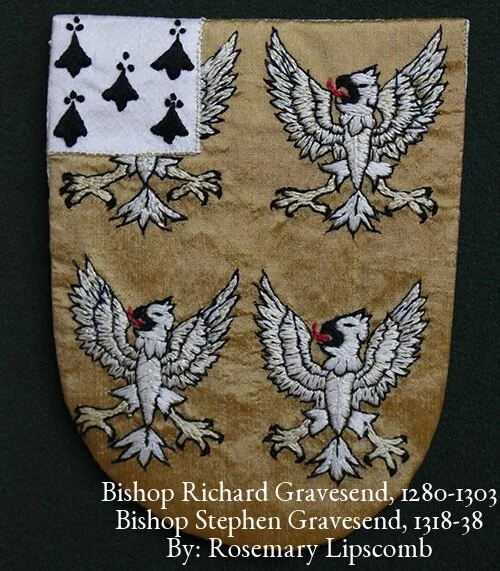
The Medieval Period (High)
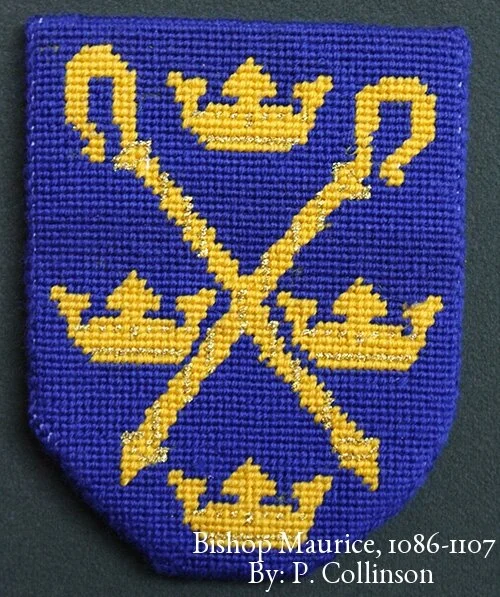
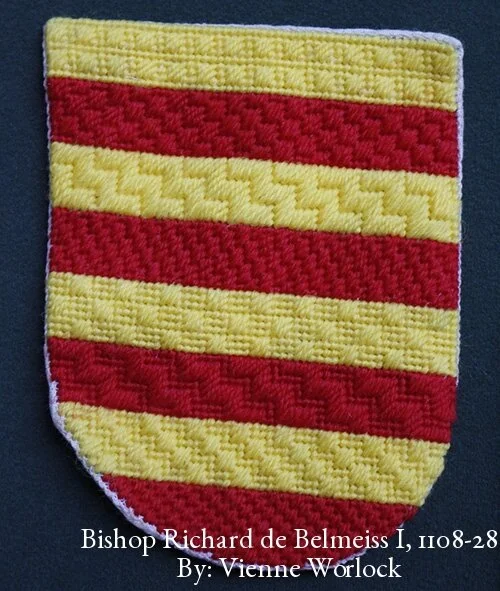
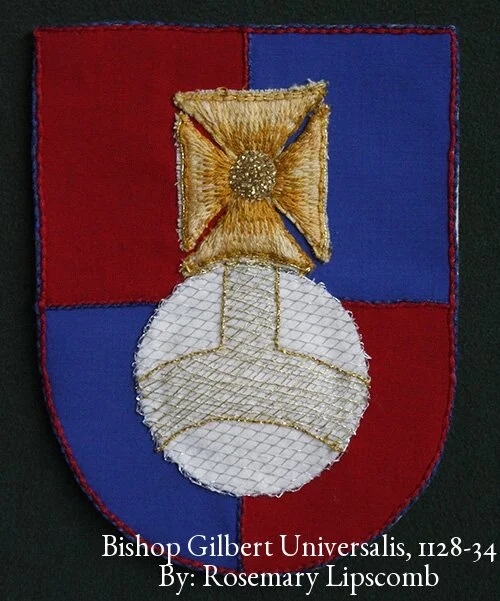
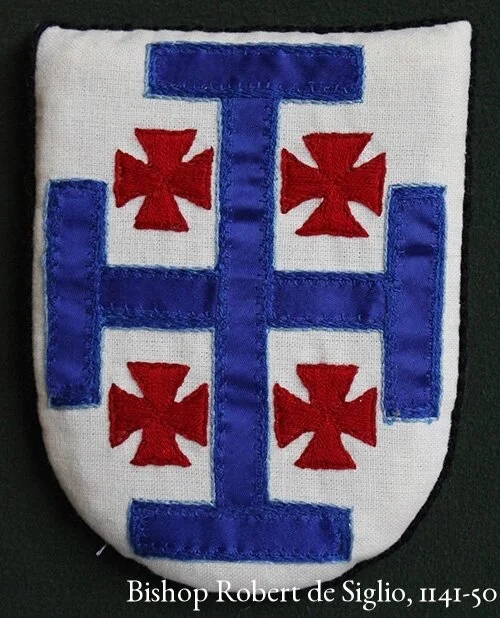
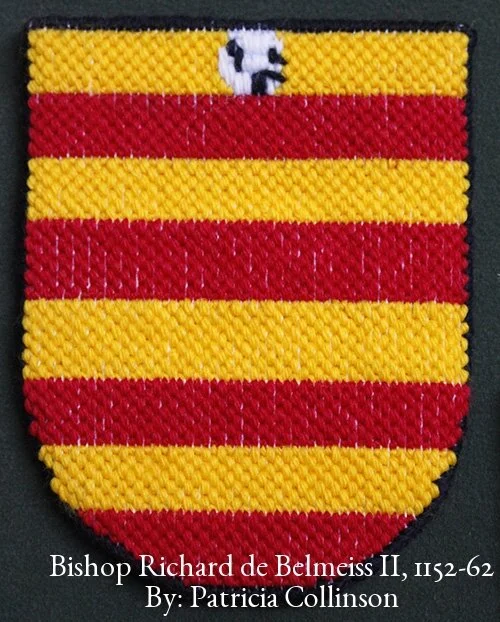
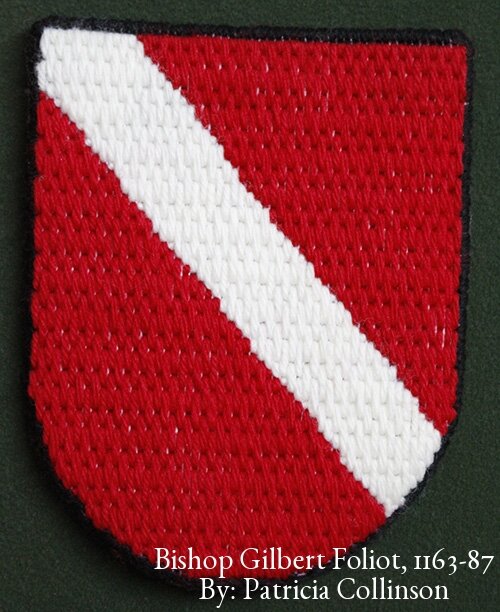
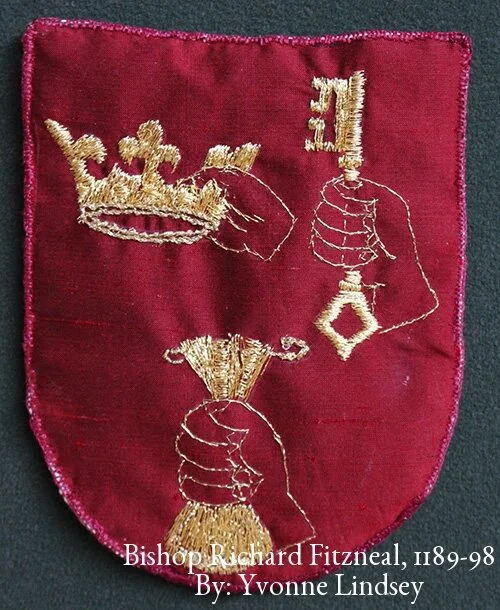
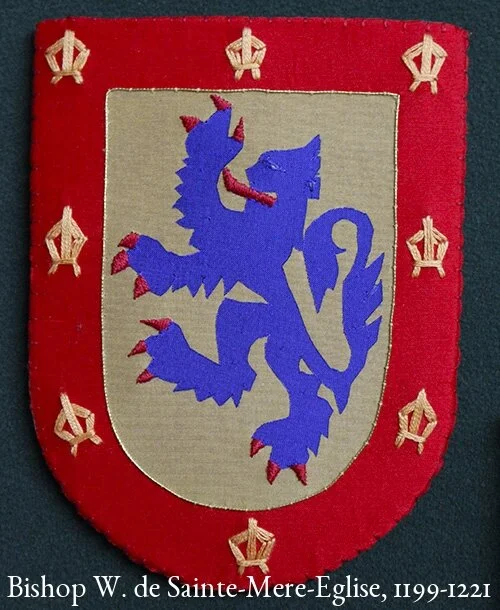
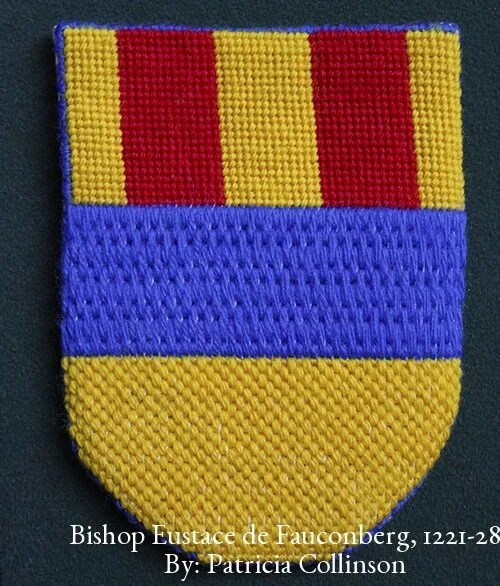
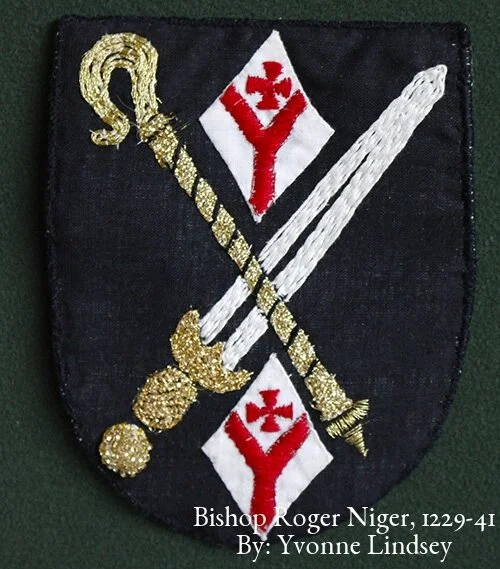
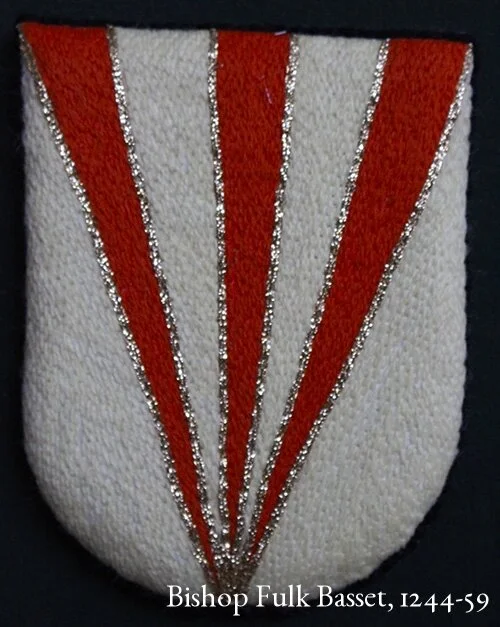
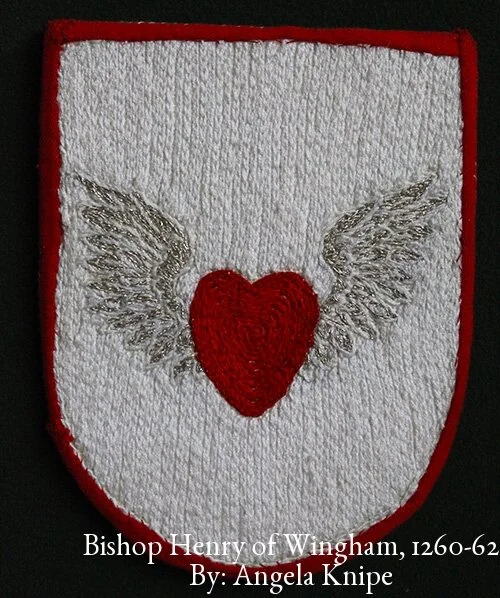
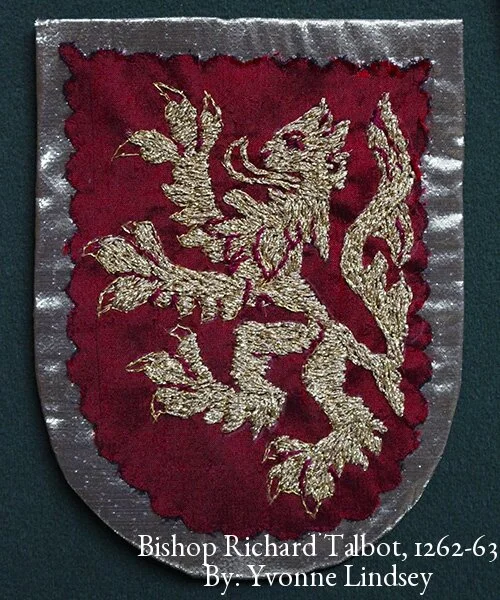
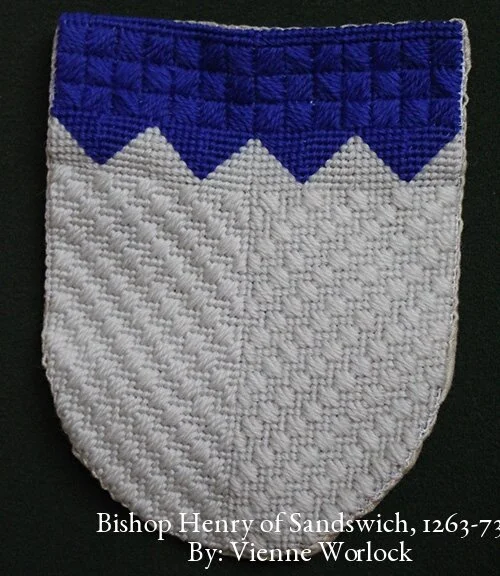
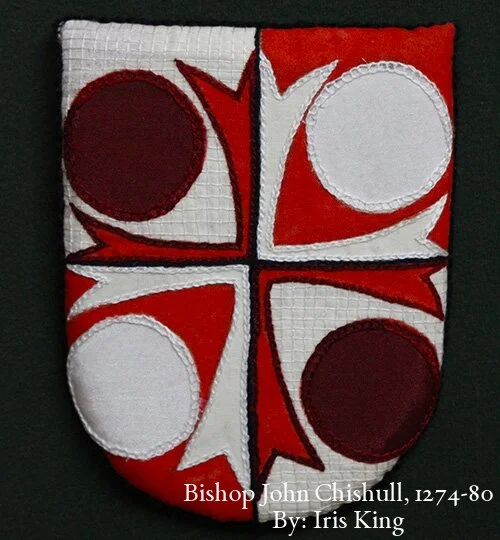
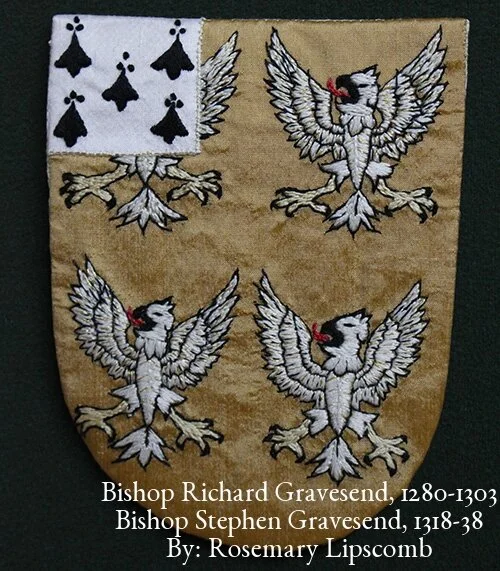
Bishops of London have been residing at the site since AD 704, when Bishop Waldhere acquired the Manor of Fulham. It was a much vaster estate at this time, encompassing most of Hammersmith and Fulham, Acton, Ealing and Finchley. The site became known as Fulham Palace to match the nickname for bishops as ‘Princes of the Church’. The original manor house was abandoned during the mid-13th century. The current foundations began to be built shortly after. The earliest evidence of medieval life at the Palace was a hearth which probably was a part of the Saxo-Norman Manor. The first historical reference to a Bishop of London residing at Fulham Palace was Robert de Sigeollo (1141 - 50) who was held captive at the site during the Anarchy of 1135 - 53.
A huge thank you to the Sewing Bee for creating these wonderful badges and to Naomi Jennings O’Toole for the engaging Bishops research and webpage design!