
Heritage and Engagement placement Makenna shares her thoughts on the Palace and its importance.
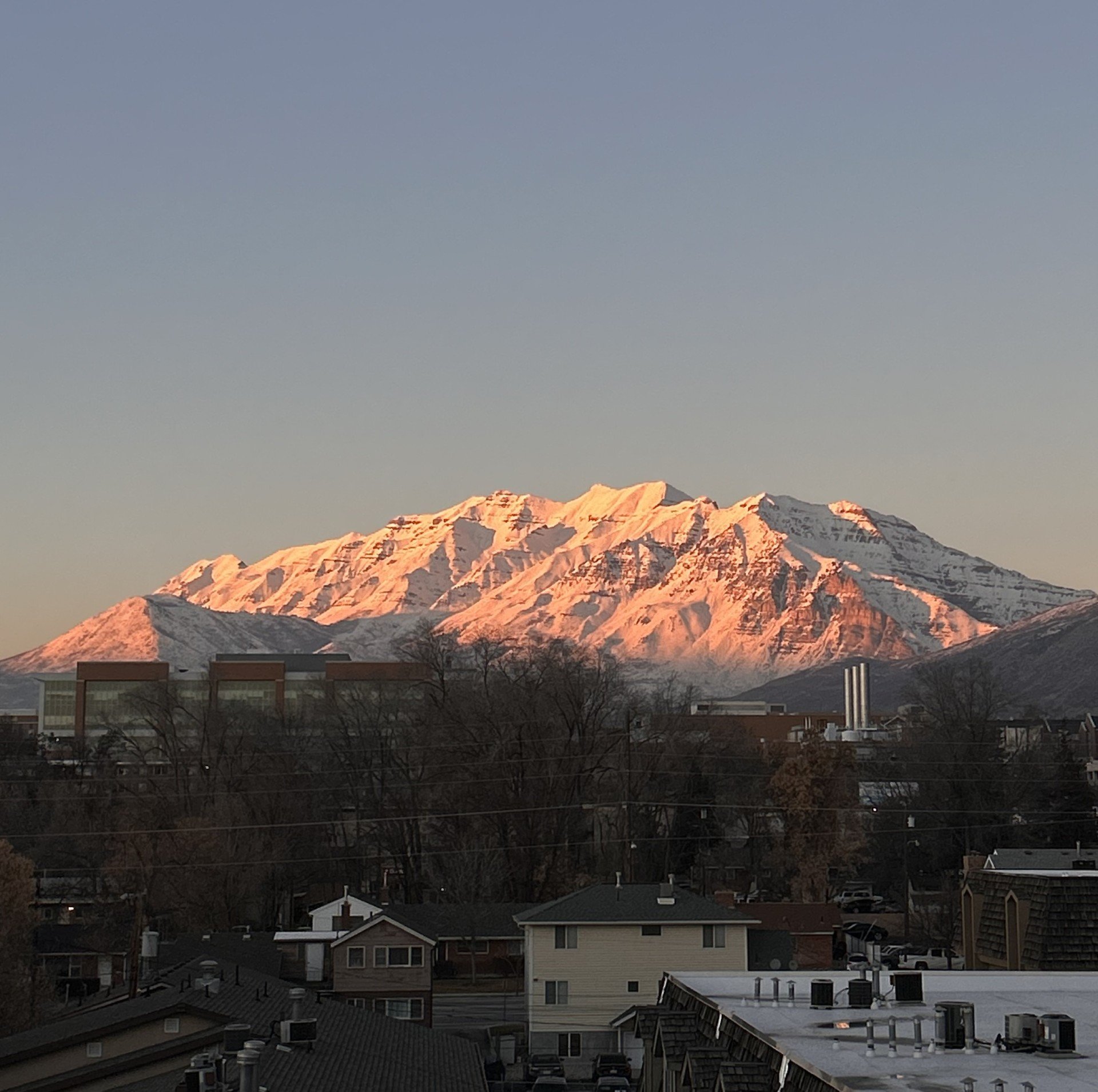
Mount Timpanogos in Utah
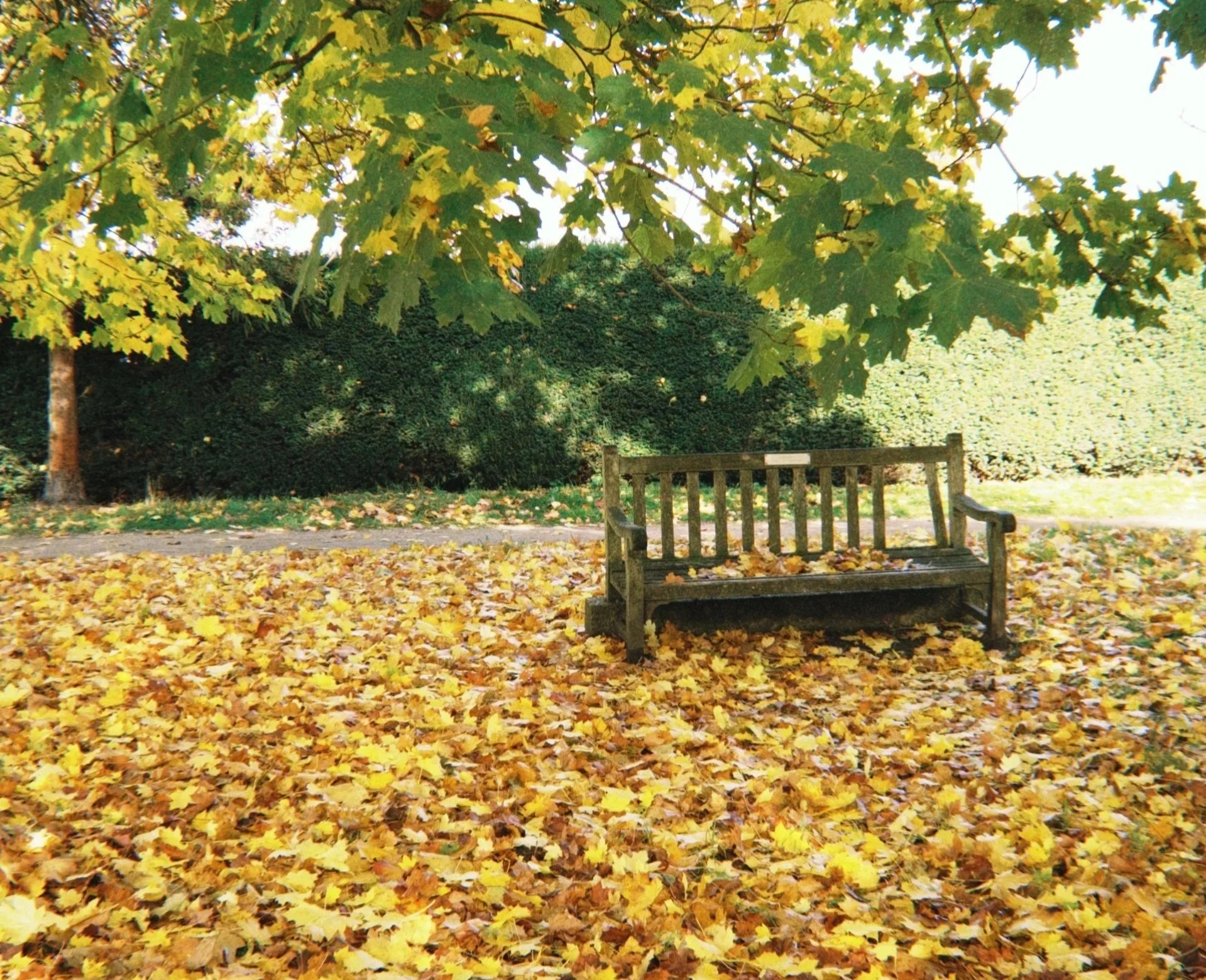
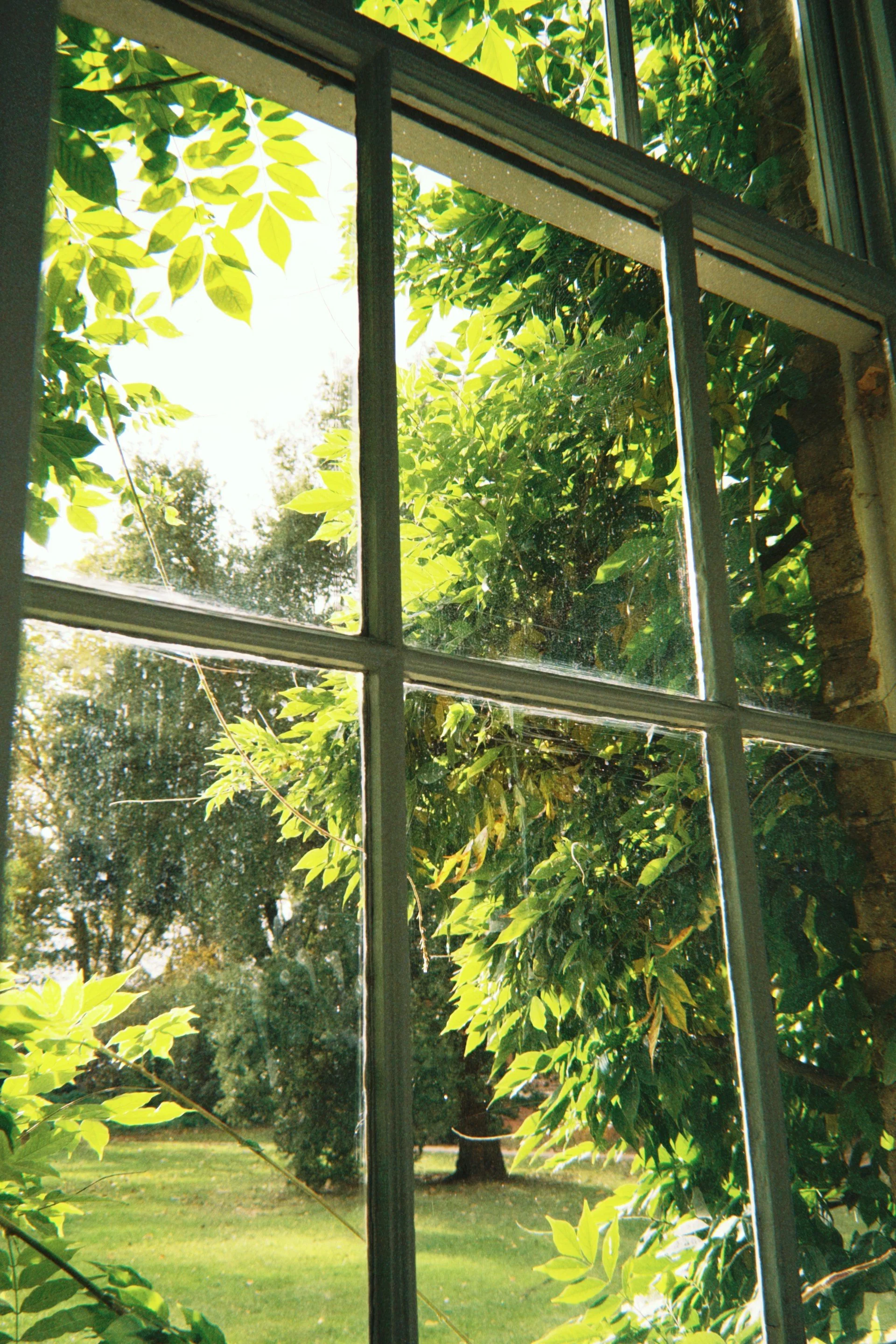
We're slowly but surely moving through the seasons! Most of the leaves have fallen and some flurries of snow have been rolling through. I have only been here since September, but I have seen this first-hand where I come from in Utah, where the mountains outside the window turn from green to bright orange, red and yellow, and then back to brown before receiving a dusting (and later a dumping) of snow as we move toward the end of the year. But, as Katherine noted so well in her blog, one of the greatest joys has been witnessing the passing of each season in a location as beautiful as Fulham Palace. I feel very lucky to have done my placement/internship in a place that I feel is equally as beautiful as my home, albeit a completely different landscape than what I am used to! All of the changing colours and new beginnings have made me ponder on the Palace, specifically because so many aspects and features of it are significantly older than the United States, I have found myself wondering about how the Palace was able to sustain and survive throughout all of the changes and eras it has witnessed.
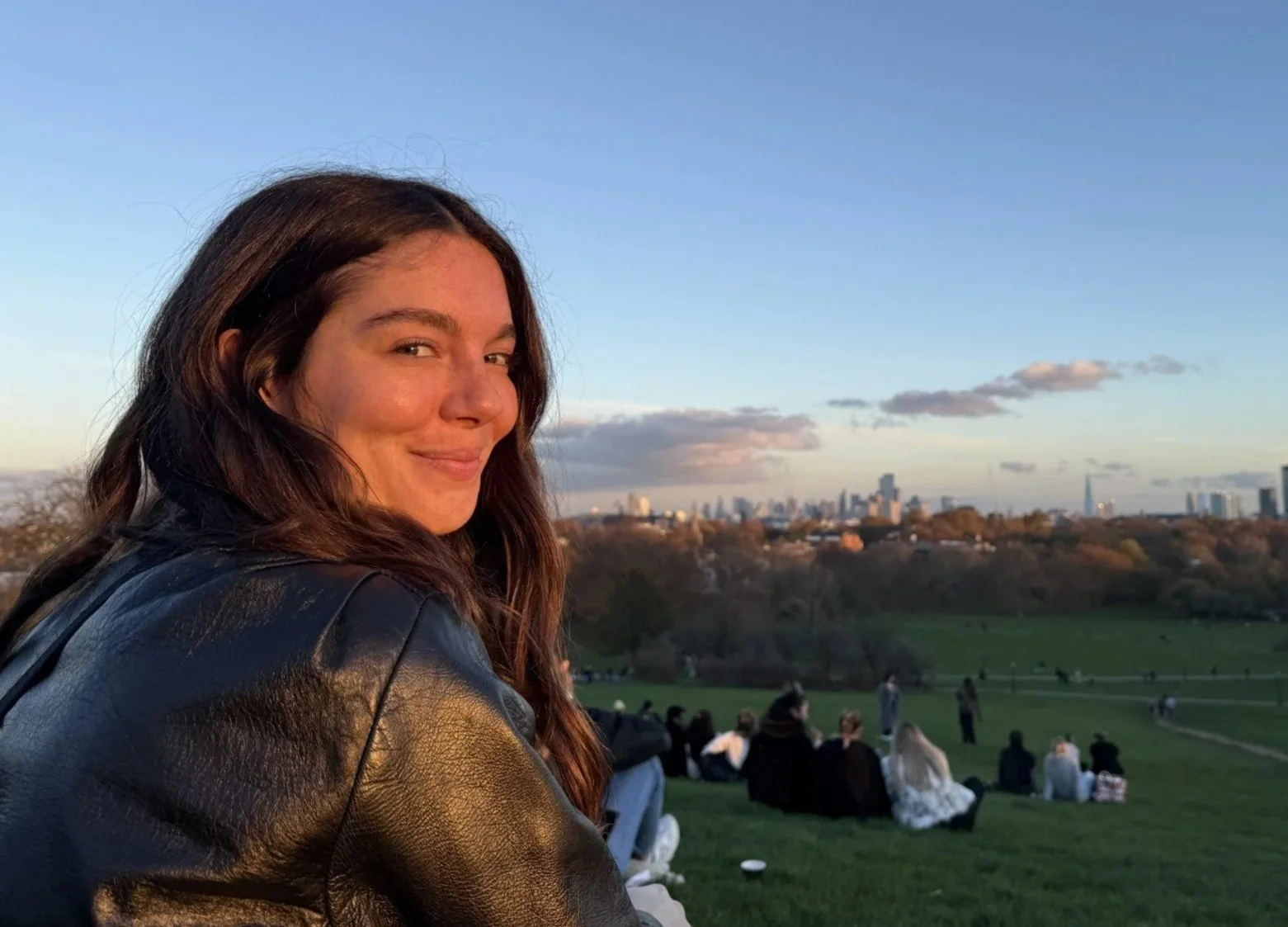
A quick introduction: My name is, and like I said earlier, I am from Utah in the states. I'm a uni student at a university, also in Utah, where I am studying the humanities as well as tourism, so being here at the Palace has been a perfect fit! I'm not a total stranger to the UK: my grandmother was born and raised in Kent, my mom was born in Scotland, and my dad lived for a couple years in the UK, too, so I have felt very much at home here, but especially thanks to all of you, I have felt even more welcome!
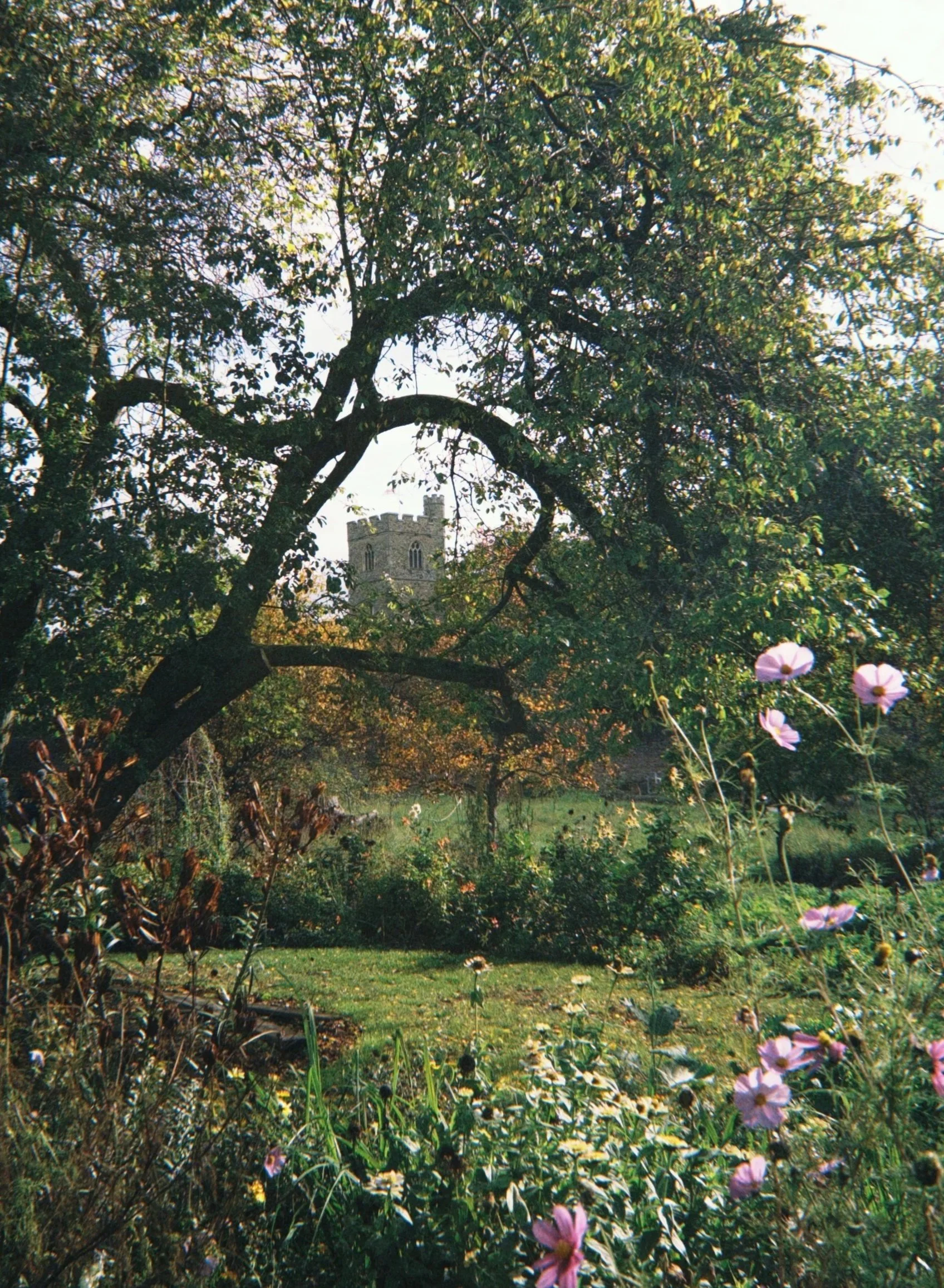
A view of All Saints from the Walled garden, one of my favorite spots at the Palace.
In my placement at the Palace, I get to rotate around to different areas. I love helping to support the volunteer program, seeing and aiding in the education sessions (they're amazing), and chatting with guests in the front of house as well. Luckily, through those rotations, I have discovered why the Palace has lasted so long and has had such a persistent influence on the surrounding area. It has adapted, it has been supported, and it will continue to do so.
When I first got to the Palace, there was so much history to learn, so it was quite the adjustment (a 1300 year adjustment!). In fact, going through my rotations required a fair bit of adaptation on my part to be able to stay on my feet and be as helpful as possible. That was the key: adaptability. In my learning about the Palace & the estate, I noted that the Bishops moved things around and "edited" the Palace according to their wants and needs. This meant that the chapel moved several times, the library was also in different places, or even didn't exist altogether. Even the Palace itself is a conglomeration of different architectural styles. The Bishops themselves also had to adjust to things that were happening in the country, the diocese, and even the role itself as there was added responsibility.
All of this constant change reminded me of something called liminal spaces. These are places where things are constantly shifting and nothing stands still except for the building. Think airports, malls or art classrooms. These spaces consist of persistent change, with everyone going every which way. Airports are just vessels in which people get to different destinations, but there's little about them (other than the building) that is permanent. Fulham Palace sometimes has so many guests and school groups coming in that it almost feel like an airport, making it a liminal space at times. In fact, museums in general could probably classify as liminal spaces, but I would argue that Fulham Palace is unique because of the building’s capacity to morph alongside those changes. Of course, it is a protected building now, and the changes that will happen in the future are mostly related to repairs or maintenance, but even still, this adaptation has been a key factor as to the Palace has survived and stayed relevant for so long. It is a living and breathing entity that has withstood immense amounts of time, which has moulded and physically altered the Palace in a number of ways.
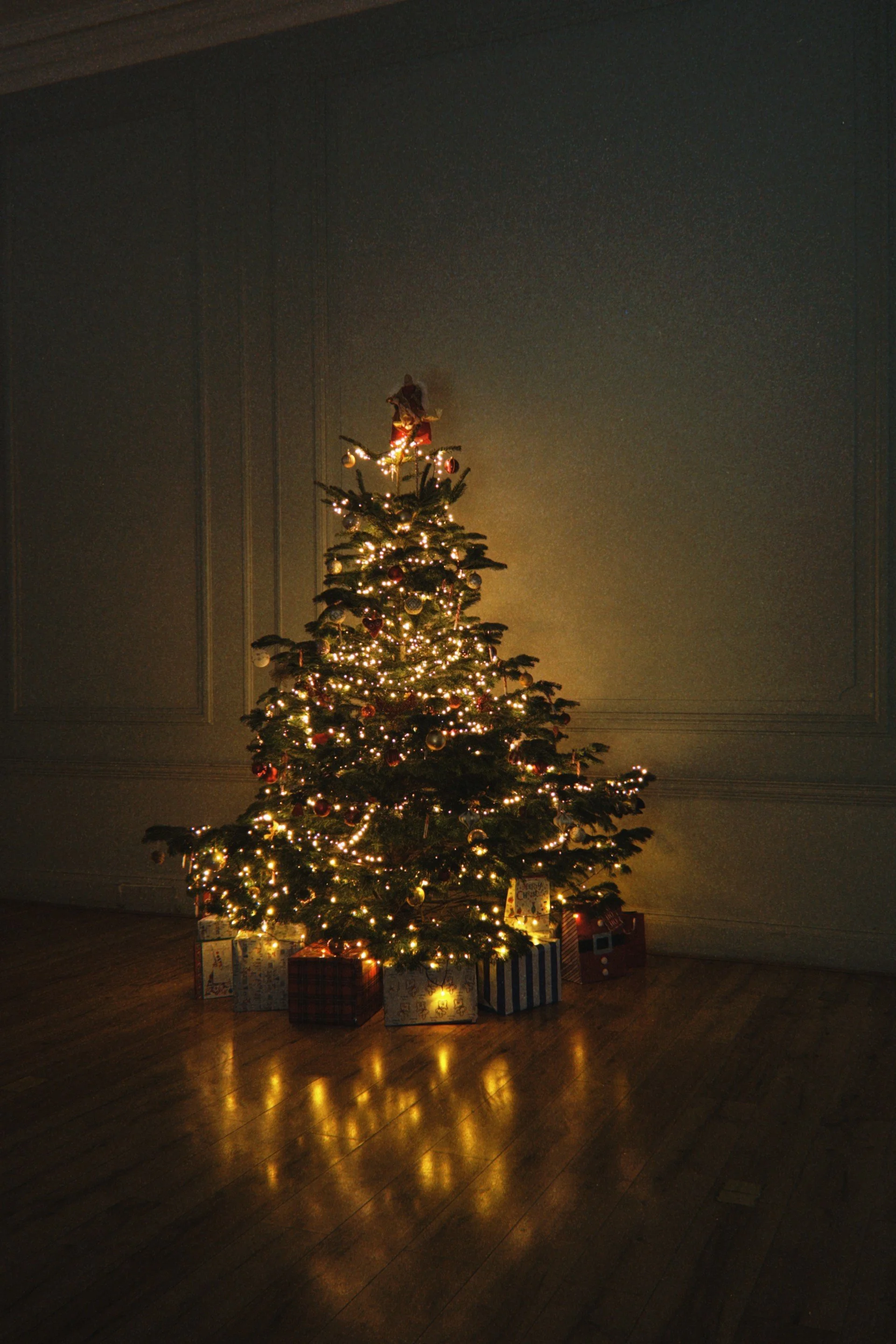
Happy Christmas!
While the Palace is unique in this way, I know you must be thinking, "I come for my shift and nothing really does seem to change. We've done the same thing for years." I would partially agree with you. I frequently follow the same routines when I help in my rotations. I see many of the same volunteers and I see some visitors that frequent the cafe often. There's also annual events like Apple day and the Christmas markets that are yearly staples. However, because the guests are never the same and because the world continues to change, along with the community in Fulham & Hammersmith, I would note that the Palace actually changes a lot. You are, in fact, a part of that change! Fulham Palace has withstood countless issues, events and eras, but it didn't do it by adaptation alone. It was substantially supported by so many people! Those that lived, visited, and ran the Palace had stewardship over its survival. That is still the case! In fact, I think that responsibility is even more important now, as Fulham Palace is still very much a part of the history that is continuing to be written about the Thames, about modern history, about education, about Greater London, about the Church, about England, and frankly, about the world as well. It has taught and will continue to teach and inspire so many people, as long as we continue our stewardship of it.
Ultimately, thank you for letting me be a part of it! I have so greatly loved my time here, as well as everyone I have met. Also, thank you for being a part of the Palace. It needs its stewards. Happy holidays, here’s to many more years of the Palace!!