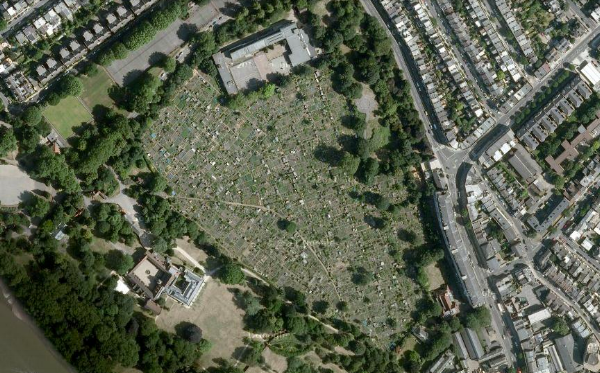
An aerial shot showing the large area occupied by Fulham Palace Meadows Allotments to the north of the Palace.
If you peer through the hedge to the north of the main lawn you will see an expanse of allotments, these are on land that was originally part of the Fulham Palace estate. These allotments have become highly sought-after, and have featured in many articles on the joys and benefits of urban gardening, there is a long waiting list but if you are interested to find out more there is a link at the end of the blog.
The Early History
The allotments are on land that was previously called The Warren – this was farmland owned by the Palace where animals were raised and crops were grown, the Home Farm at the Palace was quite a big enterprise and in the 19th century it is recorded that 28 people were involved in haymaking on this land. At this time Fulham was a rural area with market gardens and farms surrounding the Palace. The Palace gardens were world famous thanks to the keen horticultural interests of several of the Bishops, one notable one, Henry Compton, Bishop from 1675-1713, arranged for rare plants to be shipped back to him from the colonies of Anglican settlers he was responsible for in North America, India and Africa. The fame of the Fulham Palace gardens may be what attracted other gardeners to the area.
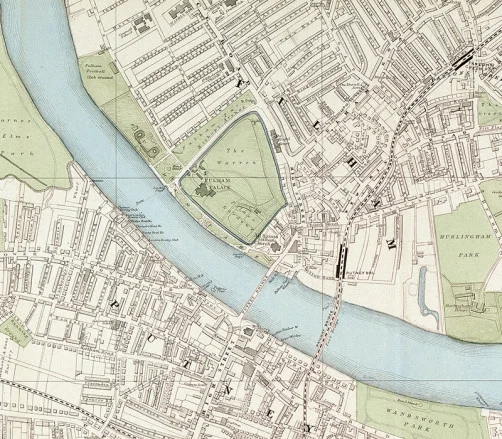
The area called The Warren is clearly marked on this early map.
The land for the allotments was given by Bishop Winnington-Ingram to the people of Fulham as part of an early 'Dig for Victory' campaign during WWI in 1916. After the War, the allotment-holders were reluctant to return the land to the Palace and Bishop Winnington-Ingram agreed that they could retain the land, subject to a doubling of the rent from 5 to 10 shillings. The Bishop claimed to be the only landlord in the country who had increased the rent by 100% to the tune of “For he’s a jolly good fellow”.
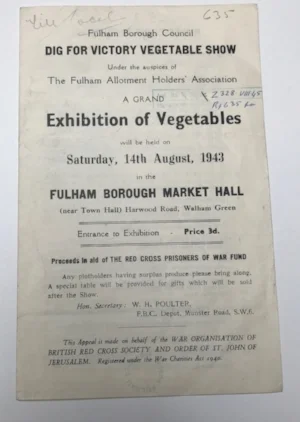
Growing vegetables was emphasised and encouraged during World War II reflecting the original intentions of Bishop Winnington-Ingram.
Instead of money changing hands the allotment holders could pay their rent in produce. This produce was stored in the Palace’s Tithe Barn, built in 1654 but sadly damaged in the World War II and demolished in 1953, the Head Gardener’s house was built on the site.
The Fulham Palace Meadows Allotment Association (FPMAA) was set up to administer the allotments, with the incumbent Bishop as President until 1972.
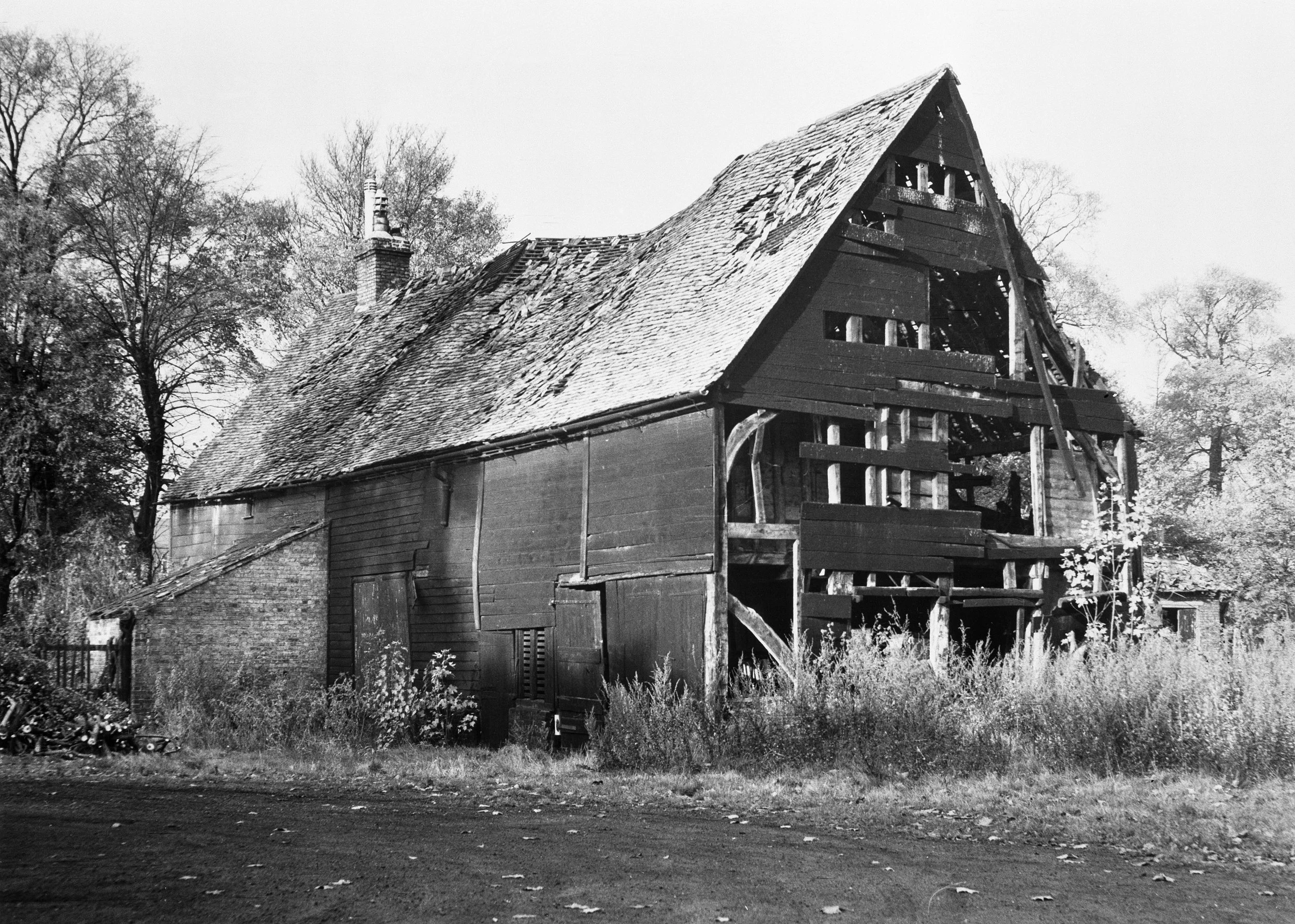
Fulham Palace 17th century tithe barn, badly damaged in World War II and demolished in 1953
The Allotments today
Today there are 406 individual allotments and a huge cross-section of local residents enjoy the pleasure of gardening in this unique space. Each plot is 30m x 8m (5 rods), this is half the national average size for an allotment, Bishop Winnington-Ingram wanted to give as many people as possible the opportunity to work an allotment. Originally allotments were allocated to men only, with the first female plot holder arriving in 1970.
The allotments are sited on land that has been inhabited for centuries, with evidence of human settlement dating back 2,000 years. Because of the historical importance of the site, allotment owners are not allowed to dig below a certain depth and there are restrictions on growing trees.
There are extensive rules and regulations governing the use of the allotments and harking back to the original purpose of the allotments one states that, “The plots are for the cultivation of vegetables, fruit (but not brambles) and herbs/ flowers. A minimum of 80% of the entire plot must be under cultivation and a minimum of 50% of the entire plot must be used for growing vegetables.”
The Fulham Palace Meadows Allotment Association is now a very lively and active association, a shop is run at the allotments at the weekend and a numerous social events are arranged.
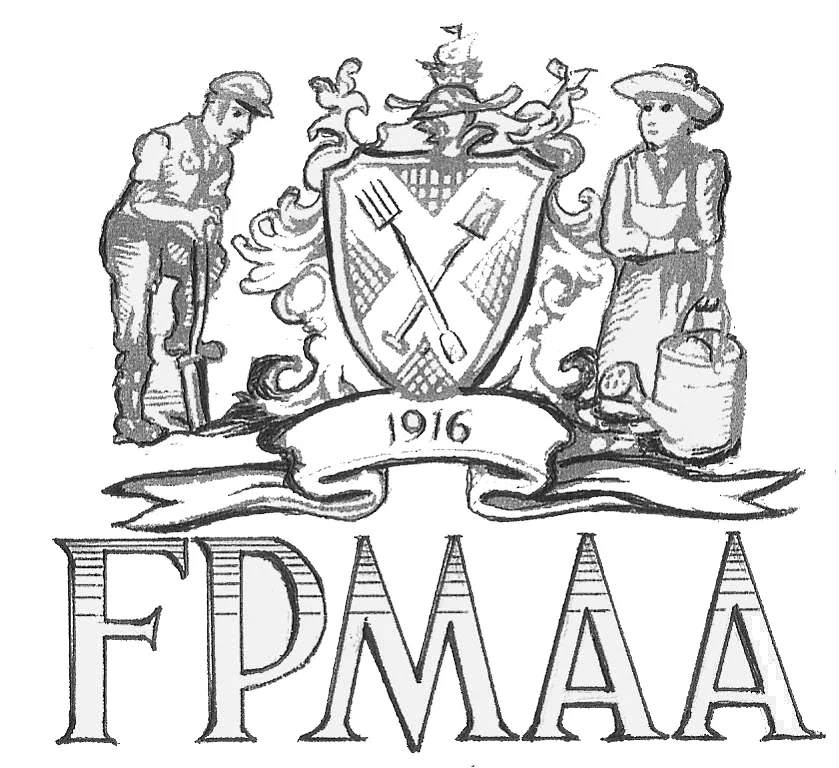
In celebration and recognition of their Centenary Year, the logo for Fulham Palace Meadows Allotment Association was redesigned by Plot Holder Jon Bartell, a local artist (see below).
If you are interested in finding out more about the allotments follow the link to visit their website.
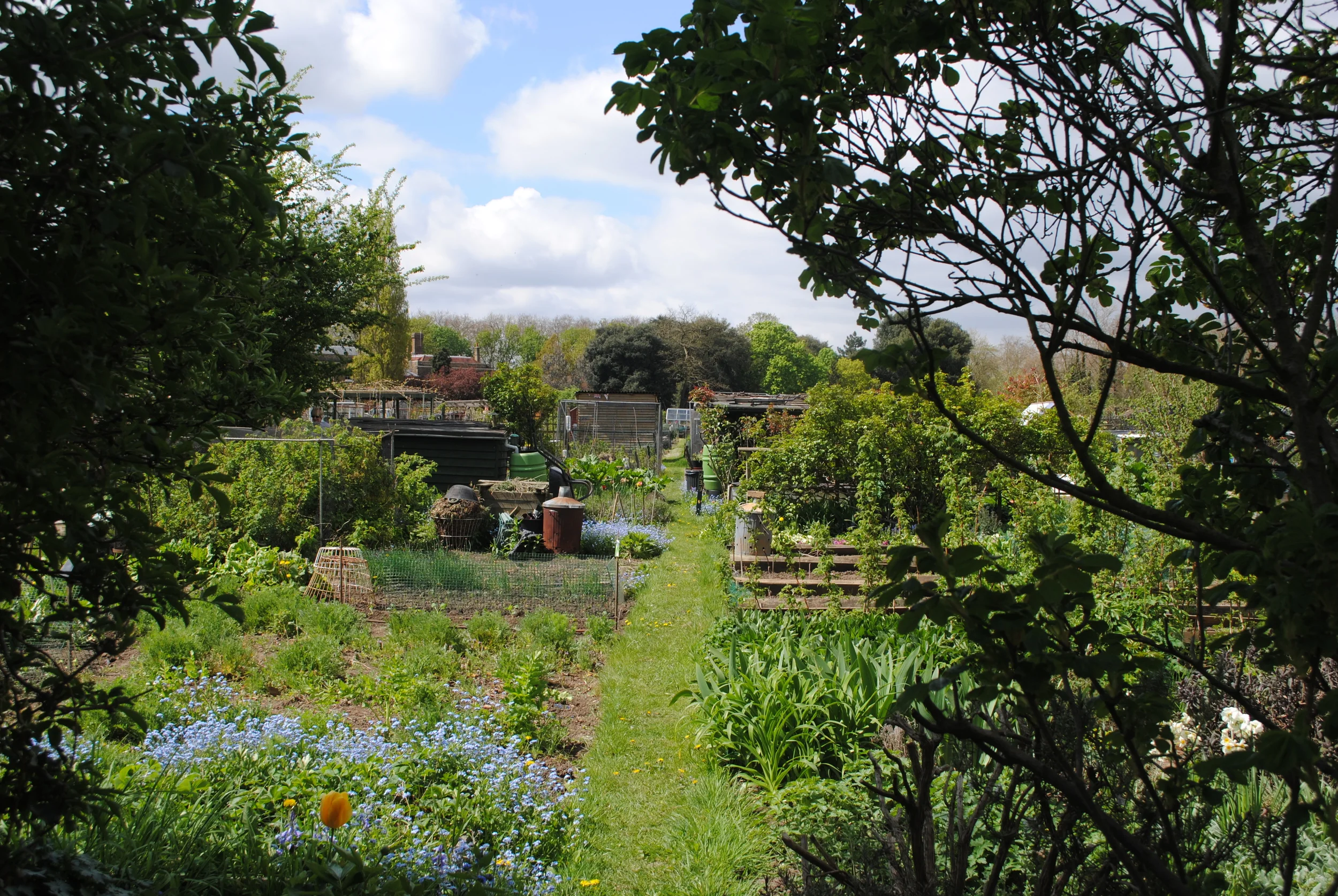
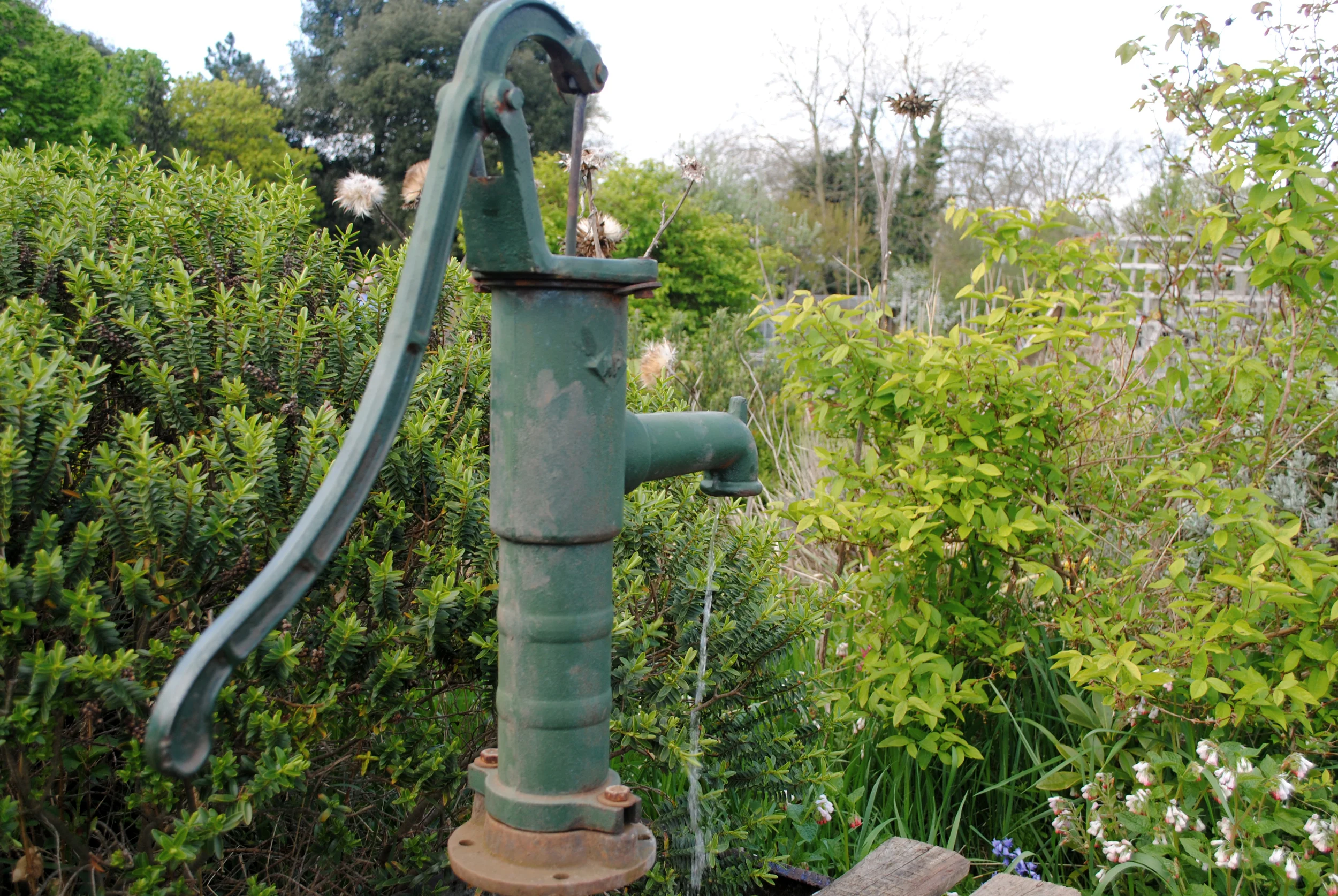
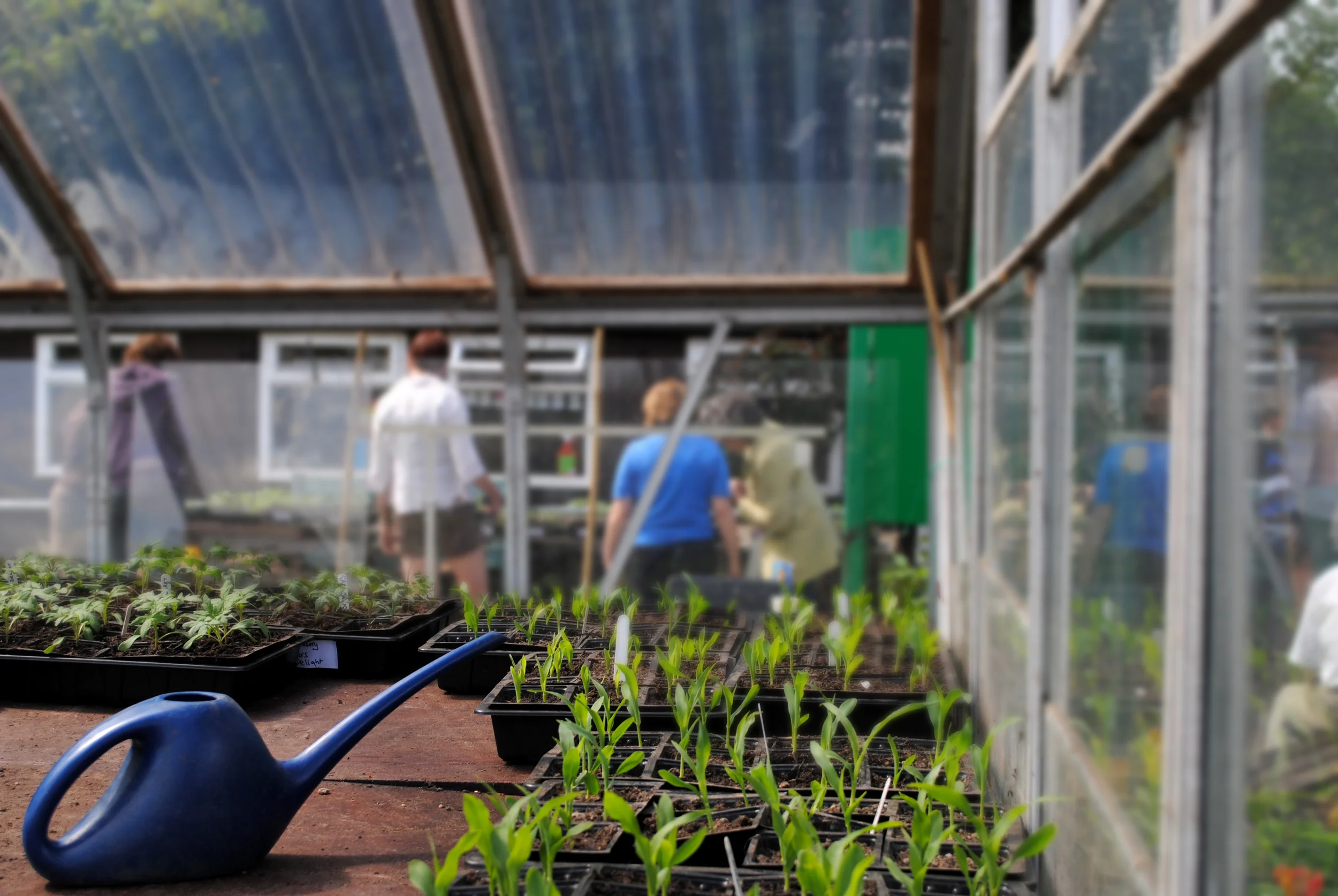
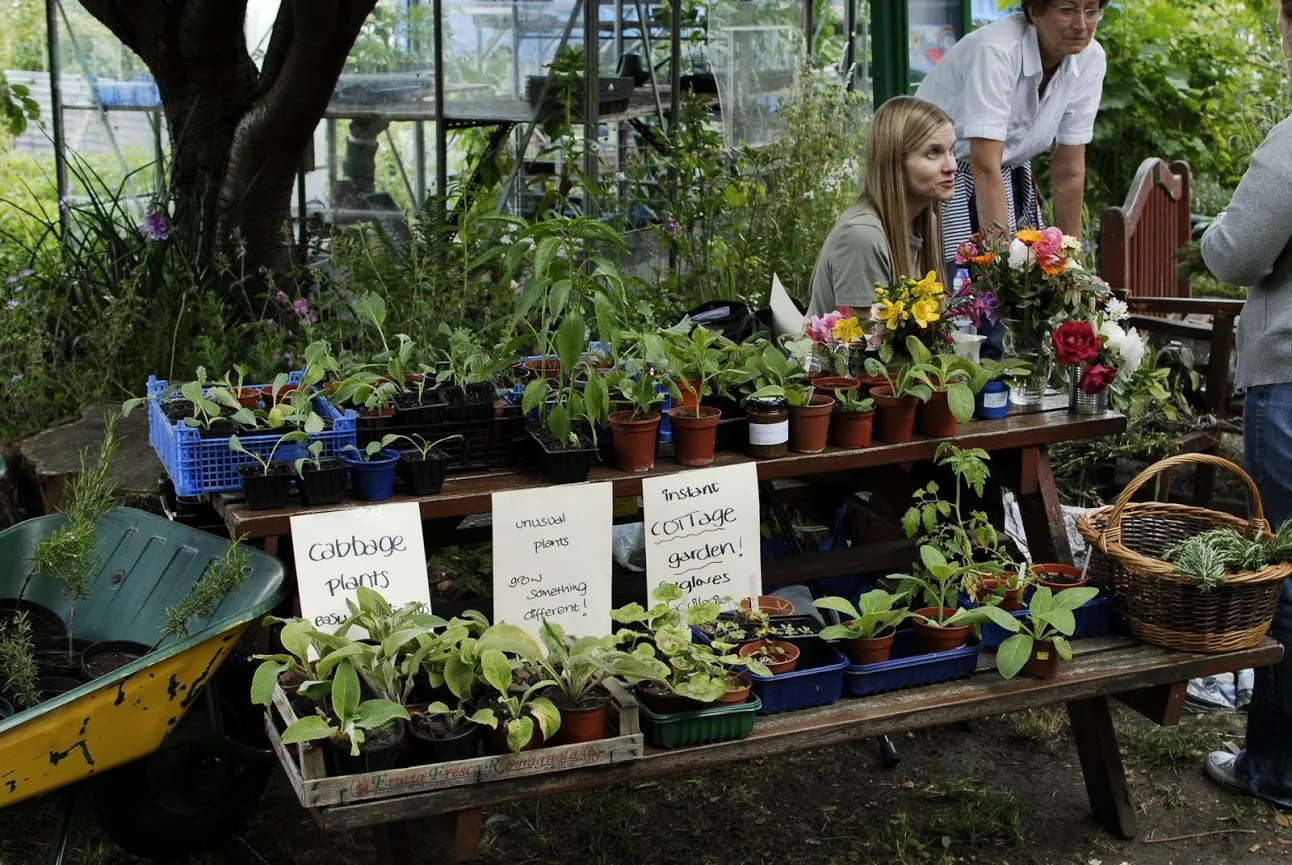
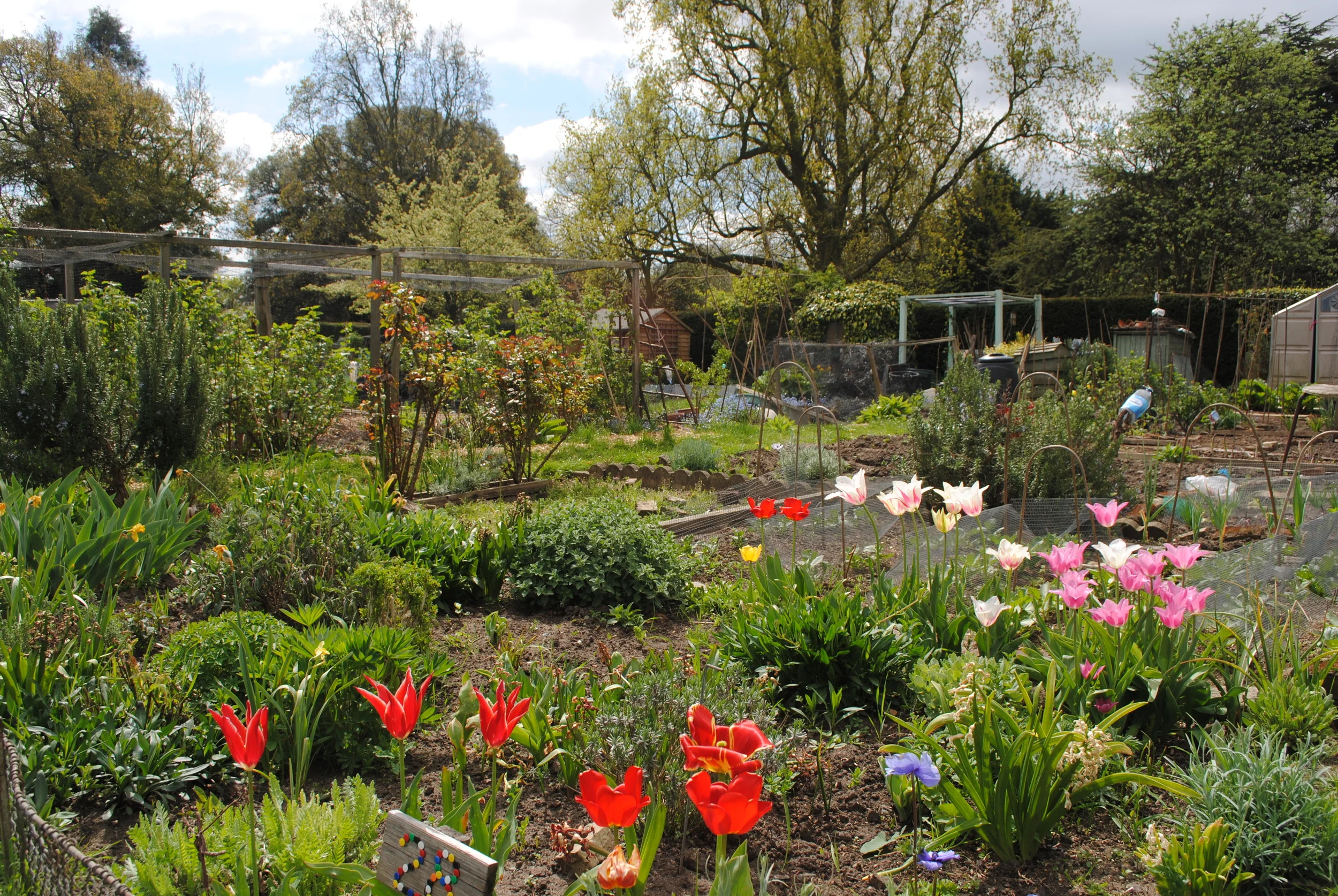
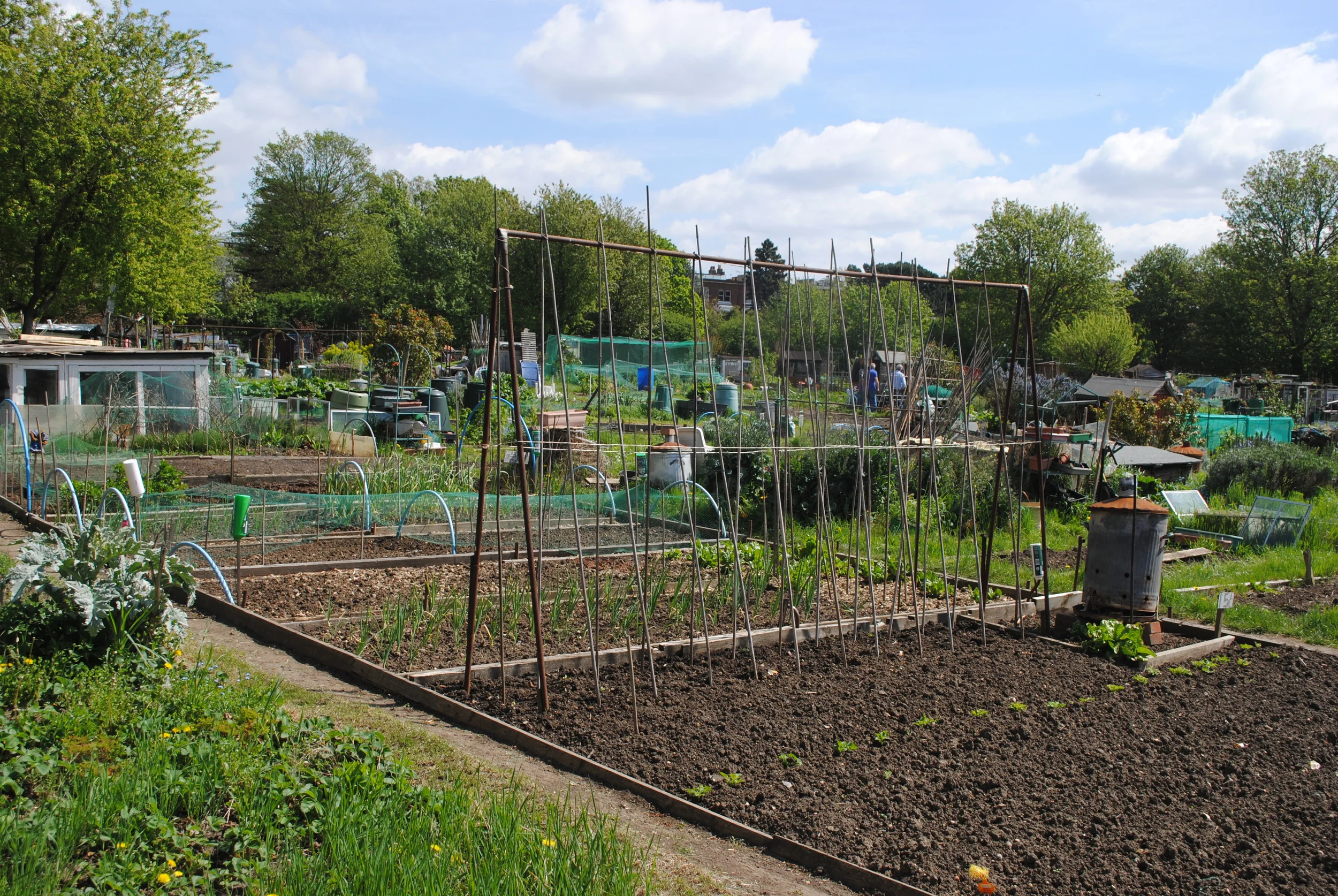
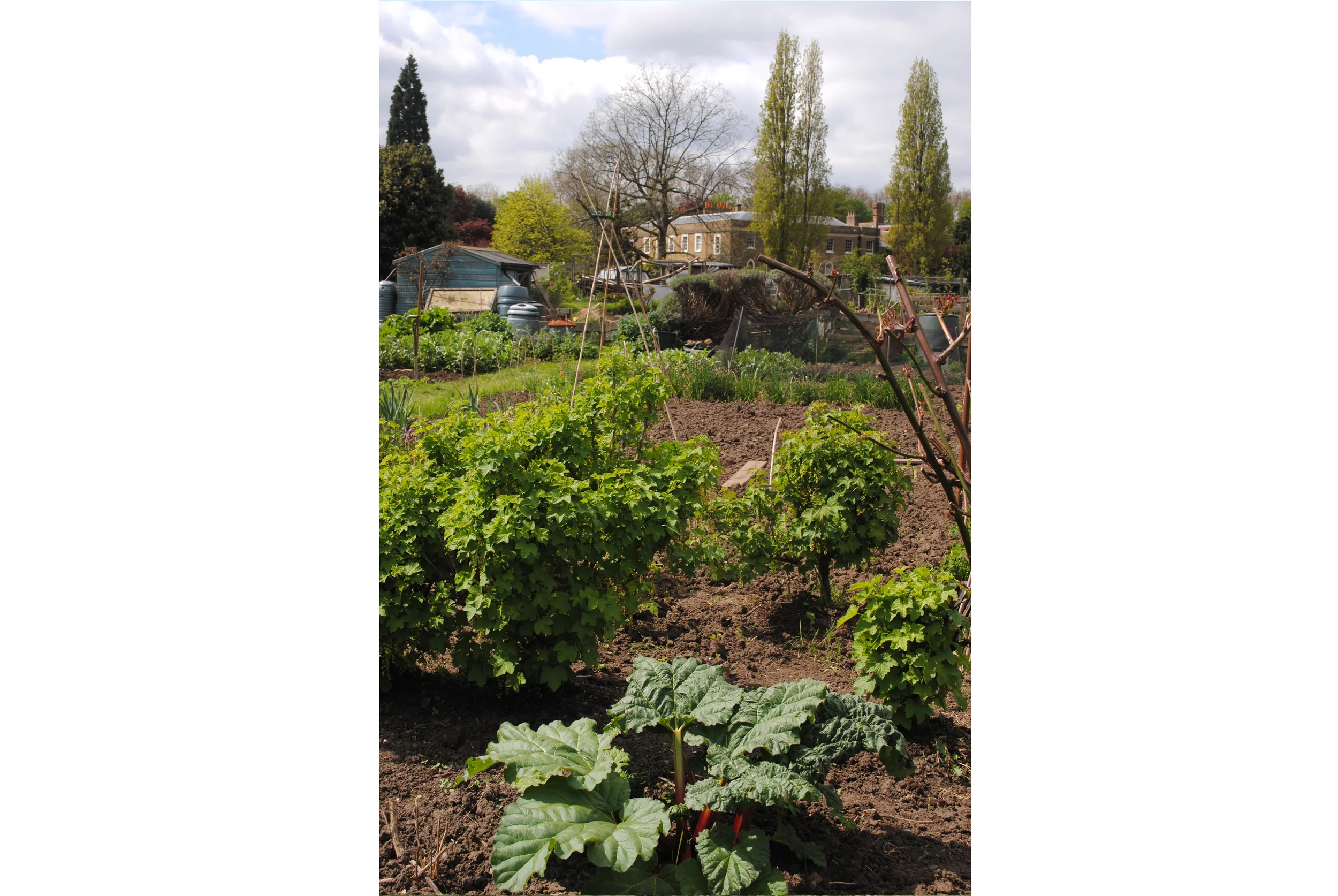
The allotments today, a wonderful diversity of vegetables, fruit and flowers are now grown.