
Do you know which plant Bishop Compton imported from Virginia and where it was grown for the first time in Europe? Have you heard how the Victorian chapel was bombed during World War II? And what about the Neolithic, Iron Age and Roman settlers that archaeologists have found evidence of at Fulham Palace?
These are just some of the amazing insights you will receive as part of the Historical Tours at Fulham Palace, delivered by excellent volunteer guides. History tours generally start at 2pm in the Museum and (lucky for you) are free for volunteers, isn't that great?
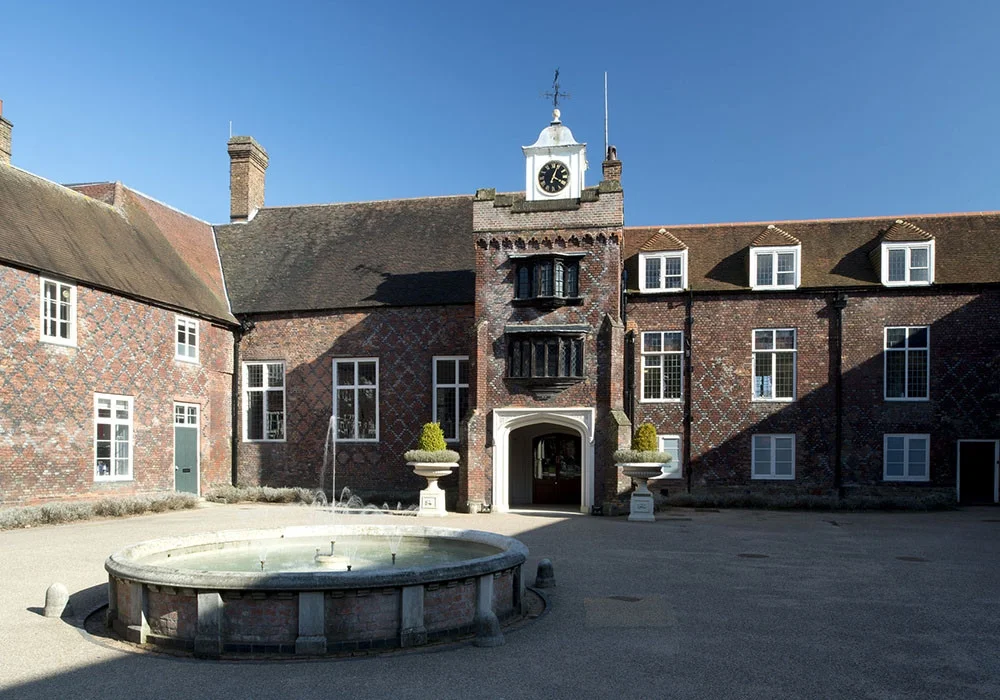
In under an hour and a half you will learn loads about the cultural and historical importance of the Palace and find out all its secrets. What better way to enrich your experience as part of the volunteer team? Enthusiastic and well-prepared guides will share all the information with you in an enjoyable and relaxing way.
Each tour is individual to your guide, but the tour I attended began with us examining the model of the Palace displayed in the Museum, then discovering the Tudor brick pattern on the walls in the West Courtyard. Walking around the building we were able to travel through five centuries of history and architecture, while inside the oldest part of the building, the Great Hall, we were shown some pictures of the timber roof from about 1495. I was able to lose myself in the different rooms and corridors and enjoy the interiors imagining how bishops, their families and guests would have lived in this hidden palace. The last stop, before going back to the Museum, we visited the Victorian chapel restored in 1950 after being bombing during World War II.
I highly recommend these historical tours to familiarise yourself with the Palace and its history to support your volunteer experience. You can find upcoming dates in the "What's on" booklet.
By the way, magnolia was one of the species Bishop Compton imported from the other side of the Atlantic, grown here at the Palace.
Marlen Armendariz
Volunteer Communication Assistant