
Mrs Creighton
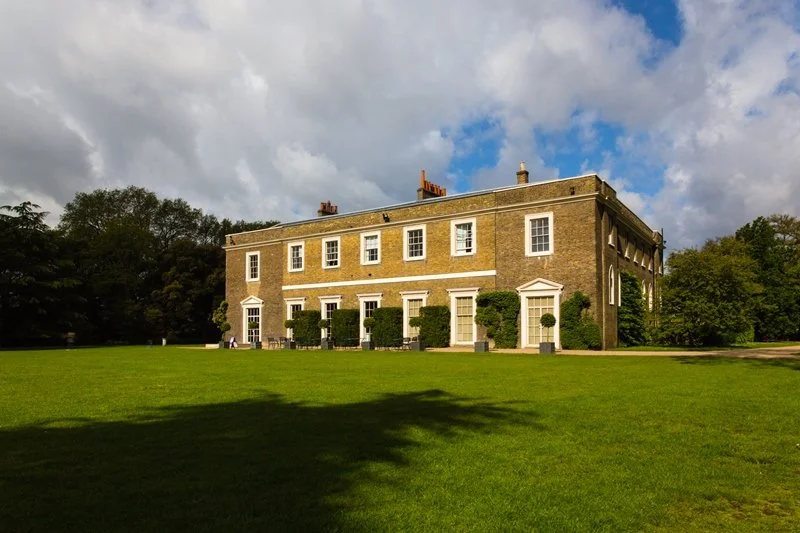
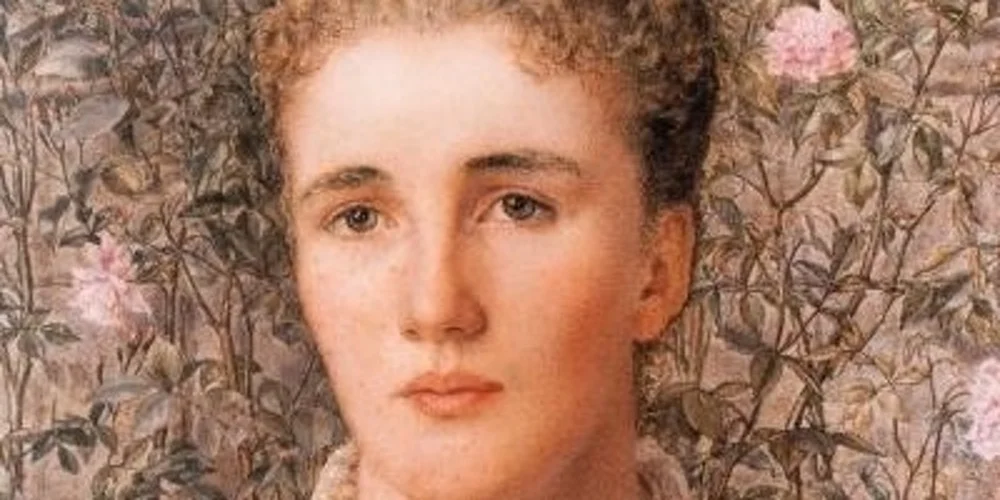
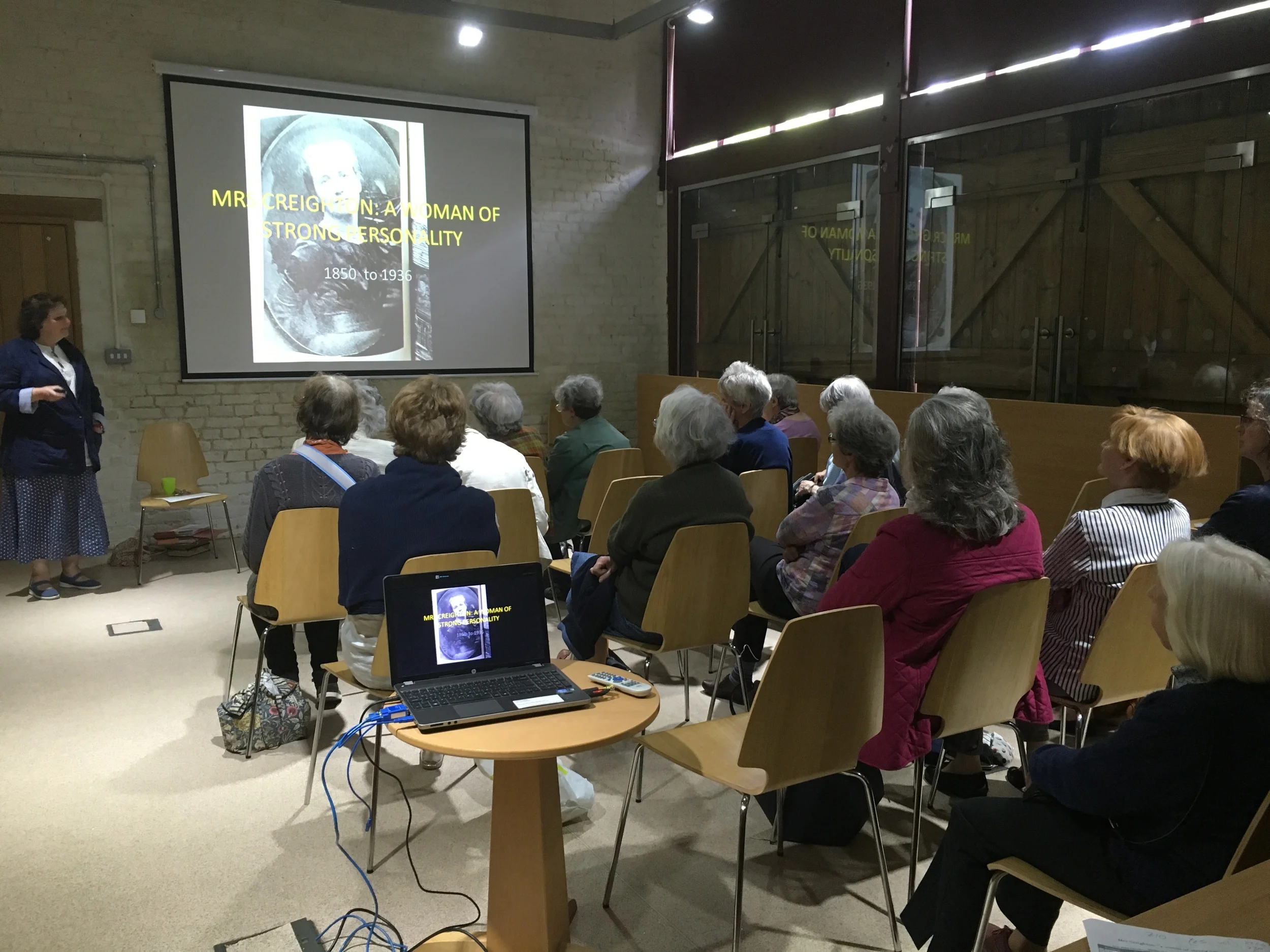
Fulham Palace Curator Miranda Poliakoff gave an illustrated talk about Mrs Louise Creighton, wife of Bishop Mandell Creighton (Bishop of London, 1897-1901) on Monday, 16 May 2016, in the Jessie Mylne Education Centre. I was joined by about 20 others – all women, which was appropriate. Miranda explored the life of Mrs Creighton at Fulham Palace, and elsewhere, eighty years after her death. I now realise that she was a remarkable woman, in her own right.
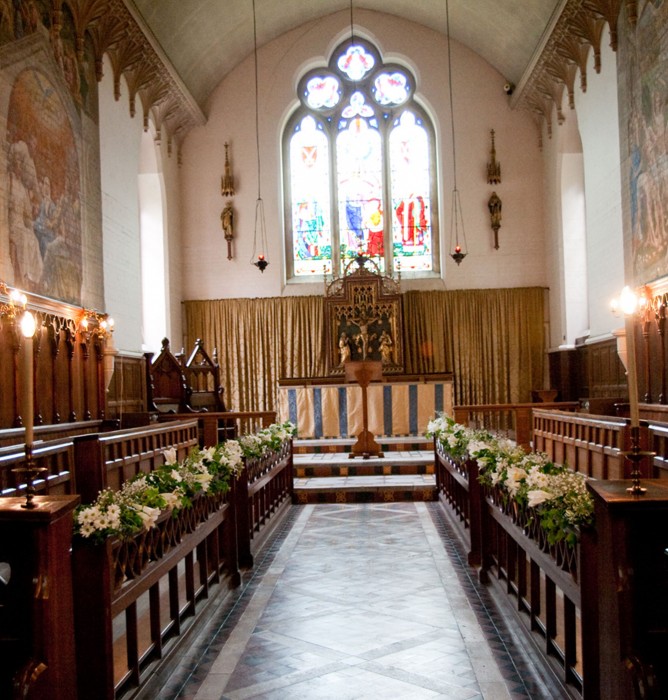
A local history interest article in this month’s issue of the Fulham Residents’ Journal had described the editor’s interview with Miranda, and invited readers to “find out more about this admirable woman” at the talk. Also, as a Volunteer Guide at Fulham Palace with an interest in architecture, I had come to admire the Chapel designed by William Butterfield in 1866-67 for Bishop Tait in the Tudor revival style. Butterfield’s original Victorian-gothic interior had used “a full orchestra of coloured bricks, marbles and encaustic tiles”. But Mrs Creighton on arriving at Fulham in early 1897 declared “nothing can make that Chapel beautiful”.
inside the Chapel
Very quickly, Bishop and Mrs Creighton (they were very much a team) displayed their different taste and camouflaged the Chapel’s east wall and the original 'reredos', a mosaic depicting the Adoration of the Magi, with a curtain. In front, they placed the present altarpiece of the Crucifixion, which they had bought in Oberammergau, Germany.
The original mosaic, now uncovered and placed on the west wall – at the opposite end of the Chapel, was designed by Butterfield (his first use of the medium) and made by Salviati of Venice. Incidentally, Salviati glass mosaics also adorn the Albert Memorial any many other Victorian monuments. I had not forgiven Mrs Creighton for her artistic ‘camouflaging’, and also for being a fervent temperance campaigner around Fulham!
Education Centre
However, Miranda’s talk made my views more nuanced. Louise von Glehn, the 10th of 12 children, was born in 1850 and grew up in Sydenham. Her frugal father – in trade – was an immigrant from the Baltic. Louise lacked formal schooling, but she started a self-help essay group, and in her late teens took an early University of London course for women. Invited to visit Oxford in 1871, the story goes that she daringly wore a bright yellow scarf, which Mandell Creighton spotted. They were engaged within three weeks.
Rev. Creighton was a notable scholar – an ecclesiastical editor and historian, but his wife was not to be outdone. Each of them published over 20 books. After Rev. Creighton was appointed to a living in Northumberland, his wife initially found life in the remote vicarage difficult. But in time, she showed her frugal, practical and energetic side and came to relish gardening, and long walks. The couple had seven children.
Mandell Creighton became Bishop of Peterborough before taking on the role of Bishop of London. The family moved into Fulham Palace in deep snow. Mrs Creighton managed to run the Bishop’s household, bring up the children, and re-launch the Women’s Diocesan Association in 1897.
Her husband died suddenly in 1901, aged only 57, but by 1904 Mrs Creighton had published her two-volume Life and Letters of Bishop Mandell Creighton, Sometime Bishop of London, a copy of which is in the Fulham Palace Library. Despite her loss, Mrs Creighton remained a champion for women workers, and women’s education. Although she had been against women’s suffrage (as the Bishop of London’s wife, she had to be cautious, as Miranda explained) in 1906 she changed her mind and publically supported votes for women.
Finally, Maya Donelan MBE of both the Fulham and Victorian Societies, who was in Miranda’s audience, told us about Bishop Creighton House on Lillie Road, which was founded by Mrs Creighton in memory of her late husband, and is still a Community Centre today. I had enjoyed an informative and interesting talk: thank you.
Jane Bowden-Dan
18 May 2016