Celebrating Fulham Palace Volunteers

In this post, we want to celebrate our wonderful volunteers. 

Our dedicated team of volunteers are the backbone of the Palace. The hours you put in are invaluable to running the Palace and has helped the site grow from the original stages of the restoration project to the educational and inspiring site it is today. Our vision is to become one of the UK’s best loved and most inspiring historic houses and gardens. Thank you for helping us get there.

The Volunteering Award at the Museums and Heritage Awards

The Museums and Heritage Awards give museums across the UK a chance to submit their volunteer staff for some well-deserved recognition and appreciation. We nominated both a team and an individual; the Front of House volunteers and Sarah Nicholl-Carne. It was incredibly competitive and, unfortunately, neither entries were successful this year. 

However, we did receive a lovely Certificate of Appreciation which, in their words, is ‘a thank you on behalf of the museums and heritage sector for the incredible contribution that volunteers make’ for both Sarah and the front of house volunteers.

The Front of House Volunteers

Through the major restoration project, the Front of House team have hit the ground running with every change and adaptation. 
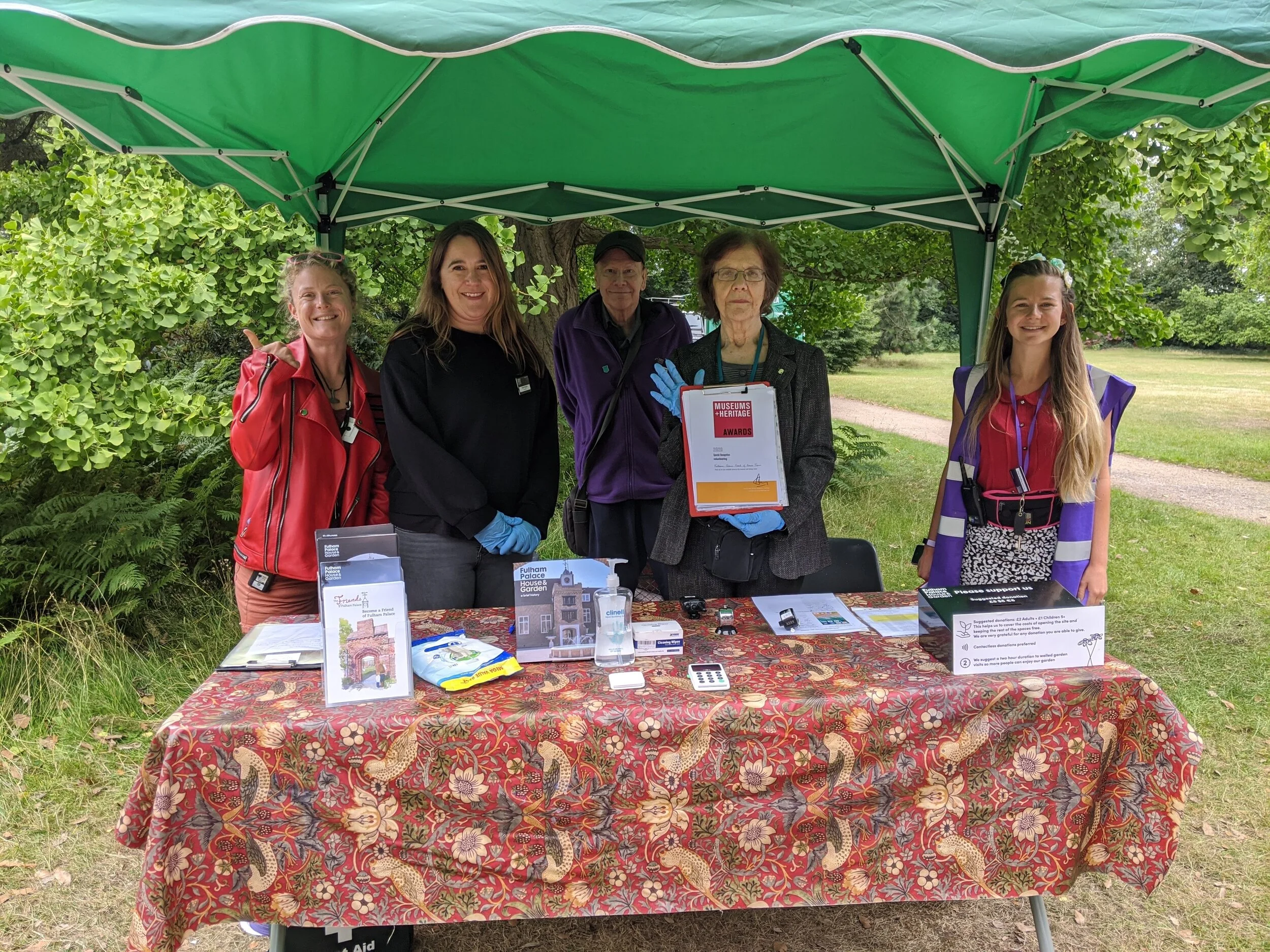
A few of the Front of House Team receiving their certificate.

A few of the Front of House Team receiving their certificate.

When the Palace first relaunched in May of 2019, there were two volunteer teams - museum stewards who worked in the historic rooms and visitor reception assistants worked on the front desk. These distinct teams had separate line managers, remits and expectations. 

The project brought significant changes - a new museum space in a different location with a new visitor route, a new front of house and retail staff structure, new interpretation and a complete Trust rebranding. With changes so wide-ranging, we were conscious of their impact on our visitor-facing volunteers, who represented all changes to the public. 

The shifts also became longer, the number of daily shifts doubled from 5 to 10 and were available every day rather than just 5 days. 

It is incredible how much our Front of House volunteers adapted to each change with enthusiasm! The team has genuinely supported each other and nurtured new volunteers, especially demonstrating an aptitude at encouraging volunteers with additional support needs. The team of 63 volunteers embraced training opportunities, such as storytelling, and quickly absorbed information in the newly interpreted spaces.

Visitor experience has been positively impacted by the strength of the team. In surveys, the Good/Very Good satisfaction rate has grown from 93% to 96% (from 2018/19 to 2019/20). Visitors rating their visit as ‘Excellent’ has risen a huge 11% (from 56% in 2018/19 to 67% in 2019/20).

While the Palace itself is enhanced, it is the excellent individuals who leave a lasting impression. As a visitor so sincerely put it ‘the love which had been given by all the volunteers and staff to bring the Palace alive again’ (Oct 2019).

Sarah Nicholl-Carne

Sarah had the idea to produce homemade Fulham Palace chutneys. Sarah led on this initiative, researching the processes required to make and sell produce, rules and regulations on labelling, hygiene, and so on. They were very complicated but she persisted nonetheless, not even fazed by having the council check her kitchen.
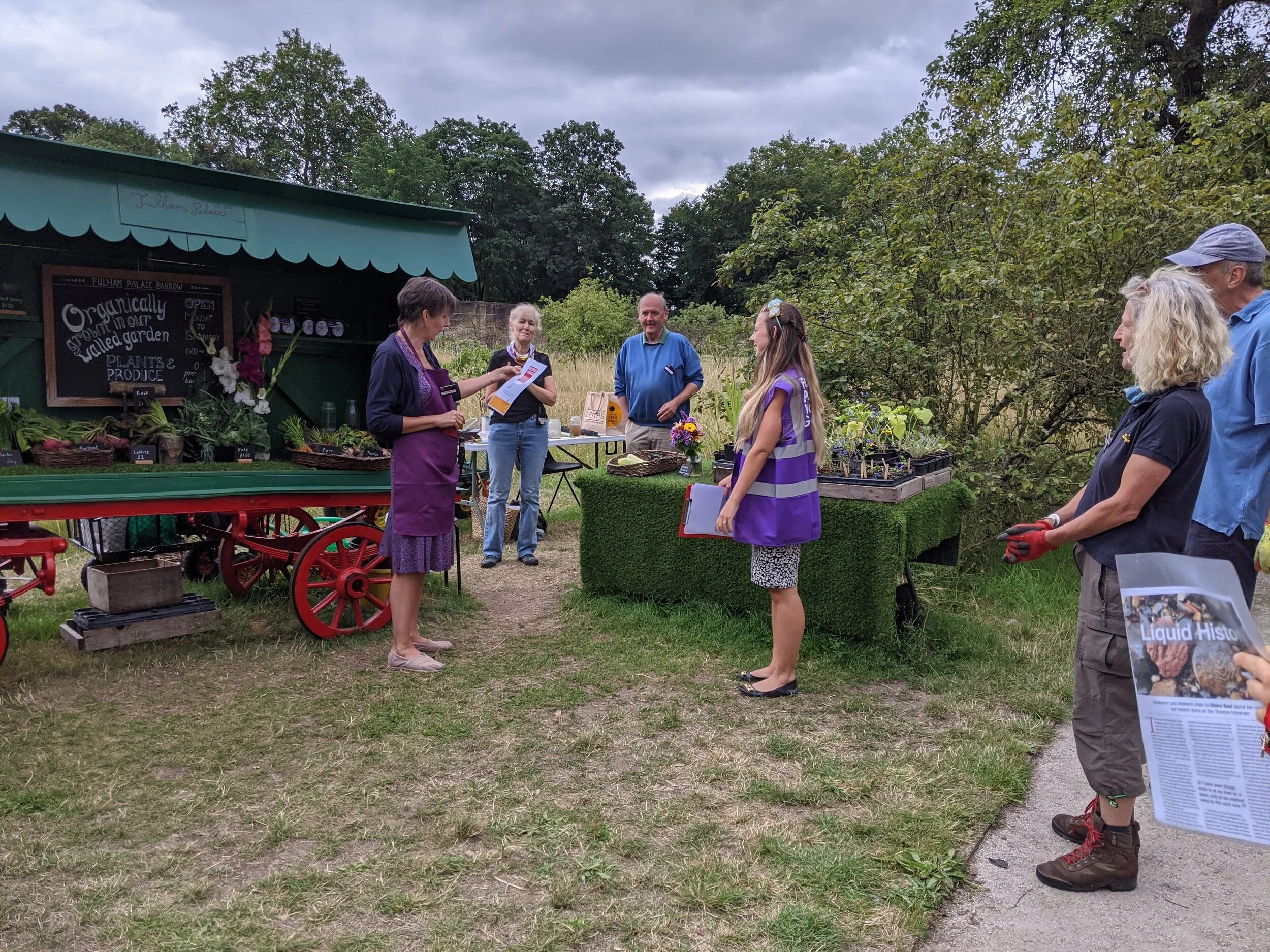
Sarah recieving her certificate.
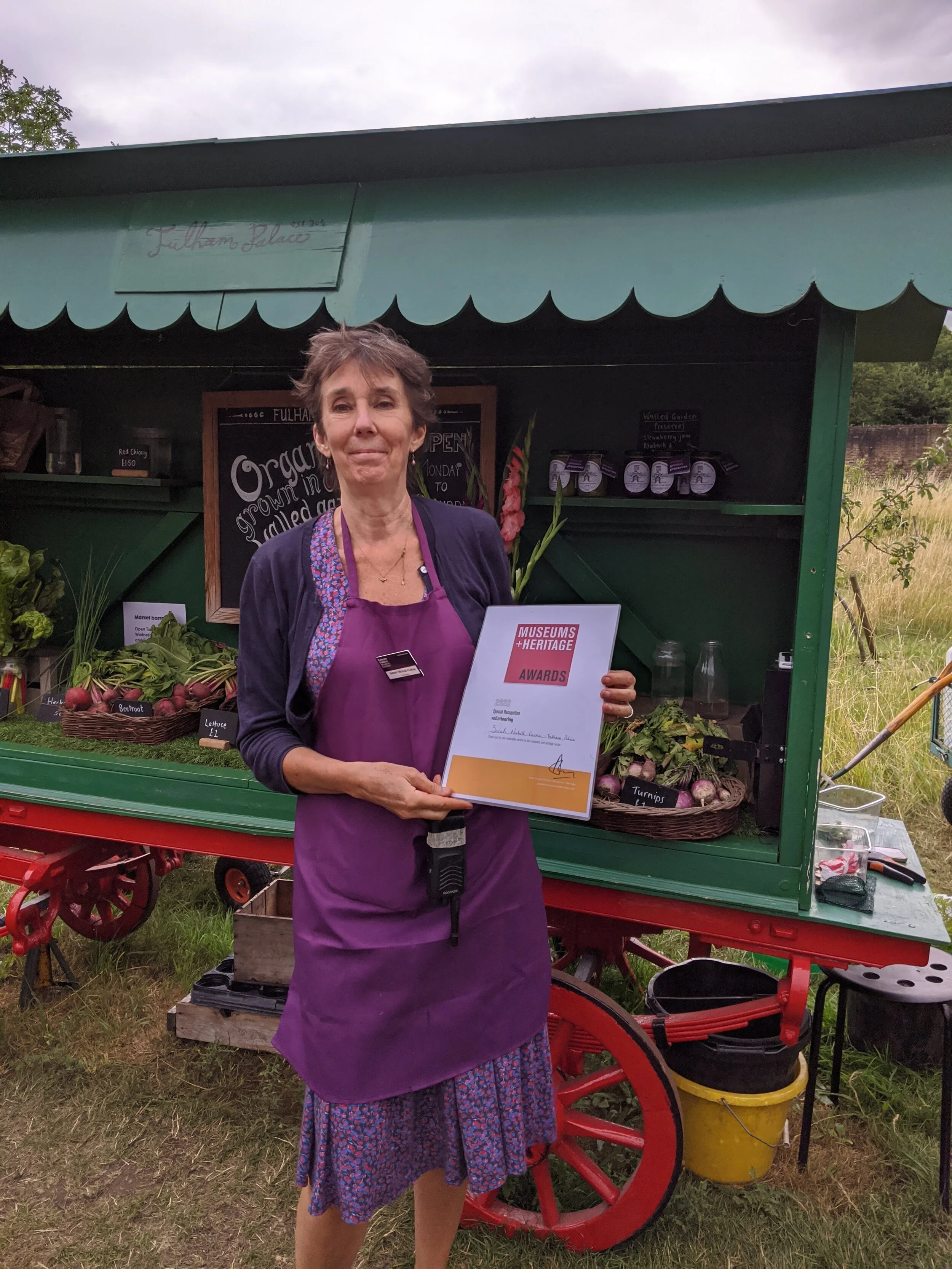
Sarah recieving her certificate.

Smiley Sarah Nicholl-Carne

Smiley Sarah Nicholl-Carne

The first jars were rhubarb and ginger jam. As the garden has grown and creates more produce, the variety of spreads and preserves has increased - blackberry jam, crabapple jelly, spicy tomato, green tomato, beetroot and orange chutney. In autumn, there is a range of different flavoured apple chutneys and quince jam, made with lemon or cinnamon. And - for Christmas -  delicious spiced pickled pears.
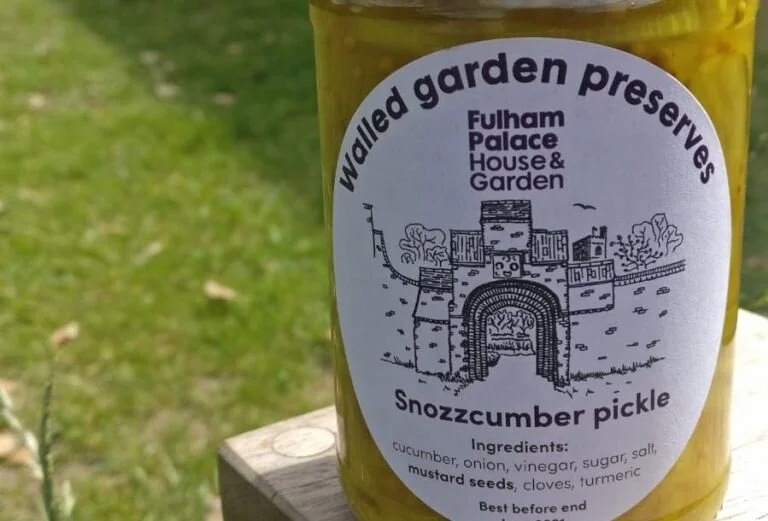
Snozzcumber Pickle is a favourite with visitors!

Snozzcumber Pickle is a favourite with visitors!

Sarah is involved in every aspect of their creation, from harvest to jarring up. From May to December 2019, the chutneys brought in £1,300. Delicious and a token of the Palace, they always sell out. They have played a huge part in supporting the Trust’s aim of becoming financially self-sufficient. In 2019, as demand grew, Sarah trained another volunteer to produce preserves alongside her to ensure the project’s sustainability.

Sarah is a team player and has been part of the close-knit beekeeper team since we installed hives in 2013. She has kept the spirits of this team up through difficult times - including swarms and a lost queen. Like the chutneys, the award-winning honey, which Sarah helps harvest and process, sold out in 2019.
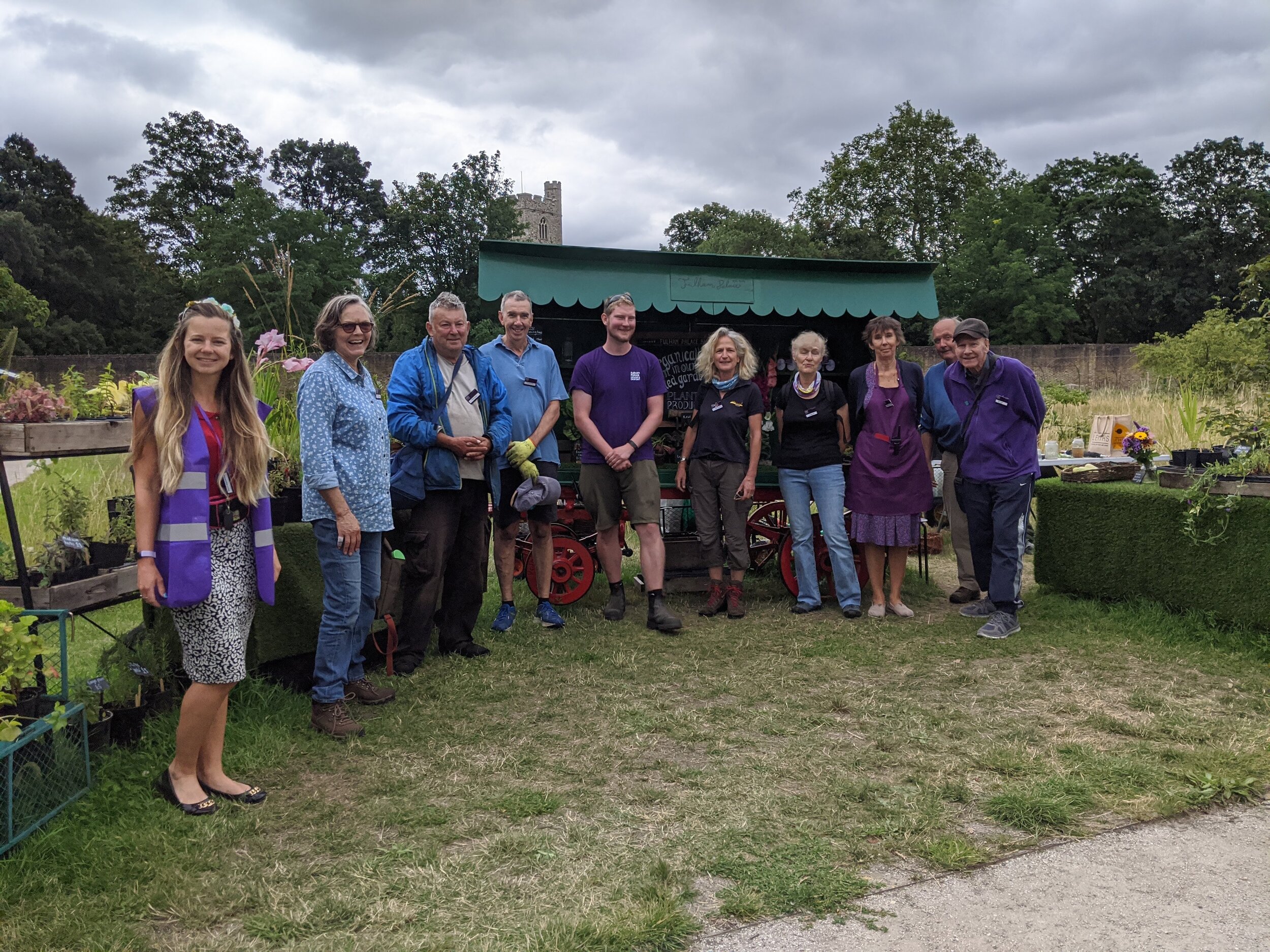
Sarah alongside fellow garden and front of house volunteers

Sarah alongside fellow garden and front of house volunteers

To the Front of House Volunteers, Sarah, and the entire volunteer team who work selflessly across the Palace, we want to say a massive

Yes, the Gif is Edmund inspired.
Ask an Archaeologist Day

#AskAnArchaeologist

From 11-19 July, the Council for British Archaeology ran its 29th Festival of Archaeology. This year, due to COVID-19, it was a rather digital affair! We got involved with #AskAnArchaeologist day on Twitter and our very own community archaeologist Alexis Haslam answered your archaeological questions.

Here is the Q&A session:

Julie via Twitter: Alexis, my favourite exhibits in the museum are the Tudor pins - but how on earth do you find something so small when you’re digging?

Alexis: Great question! We use a metal detector. At Fulham Palace, we have to have a license to do this as it is a Scheduled Ancient Monument. Keen eyes work, too. The pins are copper so they appear green in the ground. The Young Archaeologists (YAC) are very good at spotting the smallest items!

Jamie via email: What's the oldest thing found at Fulham Palace?

Alexis: Definitely the Late Mesolithic to Early Neolithic struck flint. This dates to around 4,000 BC (or BCE as they say now). We have recovered nearly 2,000 prehistoric flints from Fulham Palace, which makes it one of the largest assemblages from the London region. It was clearly a very significant place at this time!

Jamie via email: What's the most unusual thing found at Fulham Palace?

Alexis: I have to say it is a fragment of a human skull found in a 19th century cesspit in the area where the external toilet block is now. Human bones are fairly common in the archaeological record, but this is the only one found in the Palace grounds - burials took place at All Saints, of course. Why this piece of skull ended up here is odd! Perhaps it was a curio or a fragment that got collected from the All Saints cemetery? It certainly proves that 19th century churchyards were messy affairs!

Jamie via email: What is the most amusing thing found at Fulham Palace?

Alexis: It has to be the condom tin recovered from beneath the floorboards in the main building! A very odd find from a Bishop's Palace! Actually, thinking about it, who did the tin belong to? Was it one of the soldiers when the Palace was used as a hospital? That has sent me down a rabbit hole and the history of condoms (and probably done some terrible things to my search history / cookies).

Alison via Facebook: Has anyone ever attempted to excavate the possible Roman remains near the walled garden? Are there any plans to do so?

Alexis: That's a good 'un! Unfortunately, because it’s a Scheduled Ancient Monument we have to have permission from Historic England before we dig and preservation in situ - or leaving it alone - is usually the preferred option. Plus archaeology costs money! We have excavated at this end of the site, and the pottery, coins and building materials recovered definitely indicate a very late Roman domestic settlement (350-400 AD). Maybe a villa. I personally think it’s in the All Saints grounds. We have found Roman ditches and pits, which probably relate to field systems. I find the late Roman period really interesting and Fulham Palace fits in with numerous theories about what was going on in Britain at the time.

Barbara via Twitter: what is your favourite archaeological find?

Alexis: That's a really good one. I've worked on some great excavations. The “Prittlewell Prince” in Essex was a once in a lifetime discovery and amazing to work on. I worked at Shadwell too when PCA found the Roman bathhouse which was an amazing thing to find. At Fulham Palace, I have to say I love the teetotum that Simon Butt found in the dovecote dig, especially as the term 'Fullams' relates to playing with loaded dice!

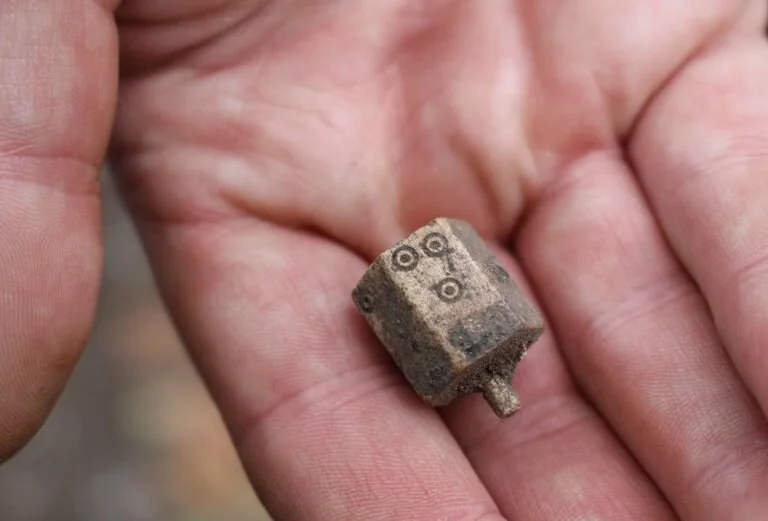
A six-sided Tudor teetotum made from antler between 1480 and 1550. Teetotums were spinning tops used in gambling games. Discovered by volunteer archaeologist Simon Butt during our Dovecot Dig in 2017.

A six-sided Tudor teetotum made from antler between 1480 and 1550. Teetotums were spinning tops used in gambling games. Discovered by volunteer archaeologist Simon Butt during our Dovecot Dig in 2017.

Kelli via Twitter: How can kids get involved in archaeology?

Alexis: The first port of call would be to look at joining a Young Archaeologists Club (YAC) - run by the Council for British Archaeology. Getting kids interested in the past is really important. Through YAC more opportunities will become apparent as the CBA run occasional courses aimed at younger individuals. Getting kids involved in excavations can be tough due to health and safety issues, but there are opportunities and whenever we run a dig at Fulham Palace, YAC always play an important role.

See Becky's blog that she did for us on YAC!

Adreanna via Twitter: We know archaeologists take part in digs, but what else do you do as part of your job?

Alexis: Excavation is only one part of revealing the story of a site. There's research that goes on before excavation - writing Desk Based Assessments for example, and then an awful lot of research afterwards as the site has to be published and placed into context. So lots of reading, writing and data entry. Plus there are lots of specialists who have to look at the material recovered from an excavation in order to identify all the pottery, bones, flint, glass and clay pipes. We take soil samples so specialists can tell us about what the landscape was like and of course all those finds have to be washed, marked and archived. There's an awful lot of work that goes into a dig both before, during and after and on big projects it can take decades until they are published!

Adreanna via Twitter: What are parch marks and why are they important?

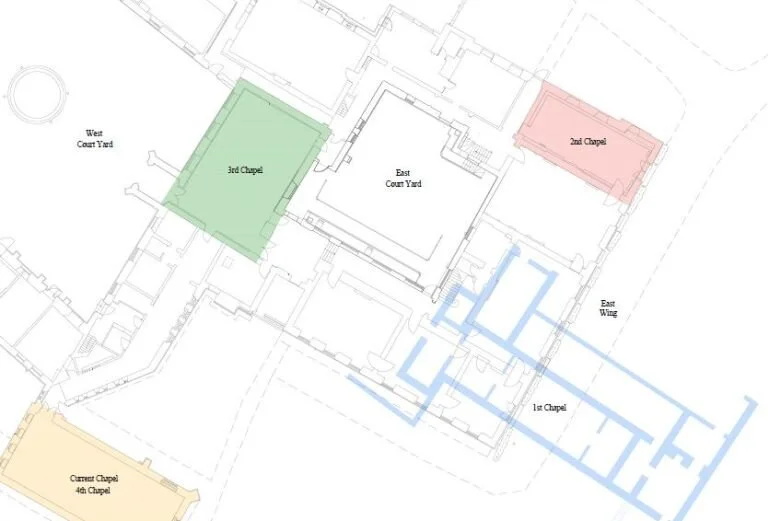
Alexis: These marks are caused when underlying structures inhibit the growth of grass, especially in hot weather. So the lines that appear on the north lawn are actually the footings of our 13th century chapel which was demolished in 1764. We know the chapel had a cellar, so the remains of the building are still down there. That's why we have to protect this area of the lawn so that the building, or what's left of it, isn't damaged. We don't have any drawings of the chapel so we don't know what it looks like. I'd love to excavate it one day.

A map of the former chapels of Fulham Palace – you can see where the first chapel is located directly under the café on the main lawn, where the parchmarks appear during dry summers!

A map of the former chapels of Fulham Palace – you can see where the first chapel is located directly under the café on the main lawn, where the parchmarks appear during dry summers!

Suzanne via Twitter: If you could excavate the Medieval chapel, what sorts of artefacts would you hope to find?

Alexis: The main thing I'd hope to find is some evidence of what it may have looked like and what it was built from- any elaborate stonework etc. Any other finds would be a bonus! It used to have a still room beneath it for making medicines. Any evidence for that would be fantastic!

Adreanna via Twitter: What is the most interesting part of Fulham Palace from an archaeologist perspective that the public doesn't get to see normally?

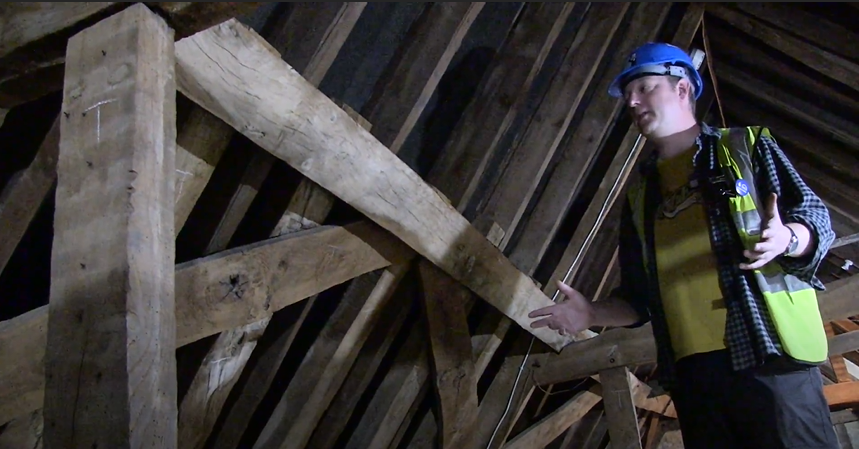
Alexis: I'd have to say the roof space. The Tudor timberwork is amazing and makes you realise how old the building truly is. Plus the daub walls give a real sense of what the inside of the building was once like. Great place to hide too!

You can watch Alexis explore the Tudor roof space here.

Alexis in the Tudor roof space above the Great Hall.

Alexis in the Tudor roof space above the Great Hall.

Adreanna via Twitter: How do you know if something is pottery, bone, or a rock?

Alexis: Umm, well if you're on site and you don't know what the object is a lot of archaeologists hit it with a trowel! That's the naughty answer (especially if it turns out to be an incendiary bomb!) Bone often looks kind of spongy on the inside, pottery you can usually tell by the surface / if there is a rim. There's a knack to identifying struck flint, but the most obvious struck flints are very clear.


Adreanna via Twitter: What is the youngest object you've found? Is there a point where it stops being archaeology and becomes just finding modern-day rubbish?

Alexis: That's an interesting question! There has been a lot of differing opinion on this, but I don't see why there has to be an end date. Archaeology involves the study of society and how it develops. There has certainly been reporting undertaken on defunct homeless shelters for instance as well as recording industrial structures and buildings. At Fulham Palace, we collected crisp packets which were dumped in the mid-1970s as the site was used for refuse disposal. This reflects a period of decline on the site and is just as relevant historically as the Palace's grand elements!

Here is a little video of Elowyn enthusing over our crisp packets in the museum.

Adreanna via Twitter: Was there anything that disappointed you about becoming an archaeologist that you didn't expect? i.e. expectation vs. reality?

Alexis: To that, I'd say there's a lot of issues in archaeology that have never truly been tackled. Poor pay, poor conditions and short term contracts are still massive problems and it is disappointing that this is very much so still the case. There has been very little advancement in this in the 20 years I have spent in the field. It takes a huge degree of passion to be an archaeologist, but there is only so much that people can take. I've seen an awful lot of highly talented archaeologists walk away from the job for this very reason. If it carries on like this there won't be any archaeologists left to excavate the sites as wages vs the cost of living become even more divergent. I'd like to see the powers that be in archaeology actually try and make a difference here.

A lot of other archaeologists also loved this question and answered similarly. A common theme was the low wages, lack of job security, and the intensely competitive nature of academia.

Oxfordshire Museums Resource Centre @OxonMRC replied: It wasn't a disappointment but expectation vs. reality... as a kid I thought all archaeologists excavated, in reality, there are so many specialisms within archaeology that even if you don't hold a trowel you are an archaeologist.


There you have it, plenty of food for thought there! For more information about #AskAnArchaeologist day, head to the links below:

If your archaeological appetite has been whetted, Alexis also recorded a tour of the Palace and garden as seen through an archaeological lens. Here's your chance to take a virtual tour of the interiors whilst our site remains closed, and learn about what years of excavations at Fulham Palace have revealed - and what remains a mystery!

Specimen of the Month - July 2020

Lady of the Night

July’s Specimen of the Month, this blog piece was kindly written by Sylvaine Vautel, garden volunteer.

Each month we feature two blogs by volunteers, one on an object in the Palace and another on a plant from the garden. There is no set format so please feel free to send in your ideas if you would like to contribute. It is an excellent way to learn more about the Palace and share what interests you with others!


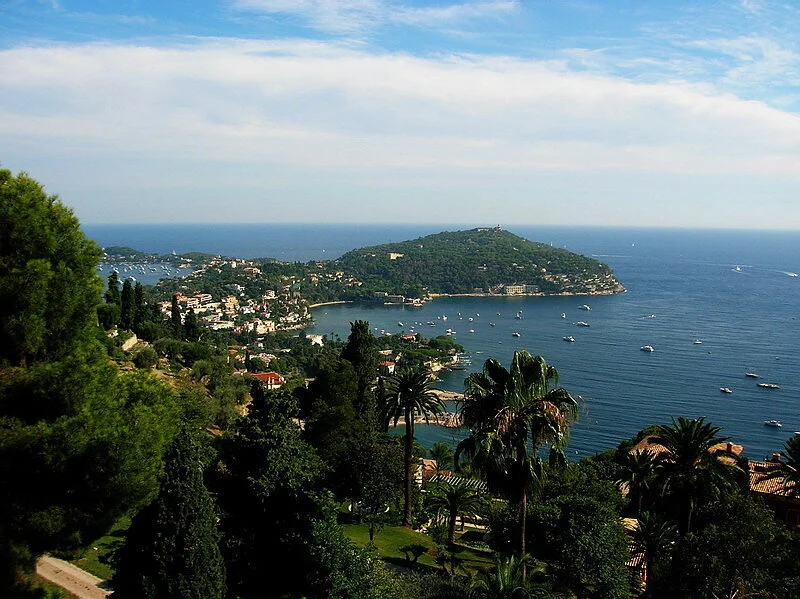
I will never forget our first encounter in Saint-Jean-Cap-Ferrat two years ago.

Saint-Jean-Cap-Ferrat is located in the Alpes-Maritimes department in southeastern France.Photo attribution : Kerschbaumer’s at English Wikipedia. 

Saint-Jean-Cap-Ferrat is located in the Alpes-Maritimes department in southeastern France.

Photo attribution : Kerschbaumer’s at English Wikipedia.

The Cap small nursery had just opened and was releasing sweet fragrances from the early morning watering.

The sun was already shining brightly in a deep blue sky, enhancing the boisterous colours of annual plants:

begonia, marigold, cosmos, geranium, zenia, petunia...

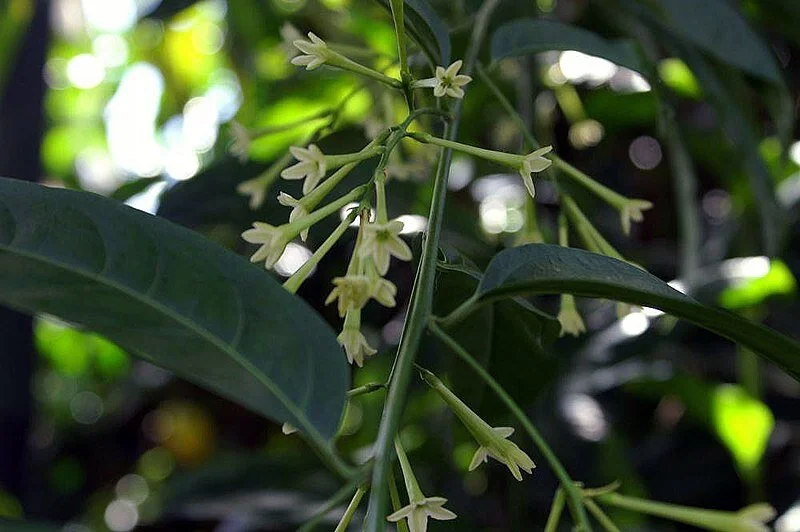
 I walked past them, wandering in the back of the nursery. Then I saw you. Your lovely, tiny, lime-green and white tubular flowers, grouped in clusters, contrasting with the dark-green lanceolate leaves.


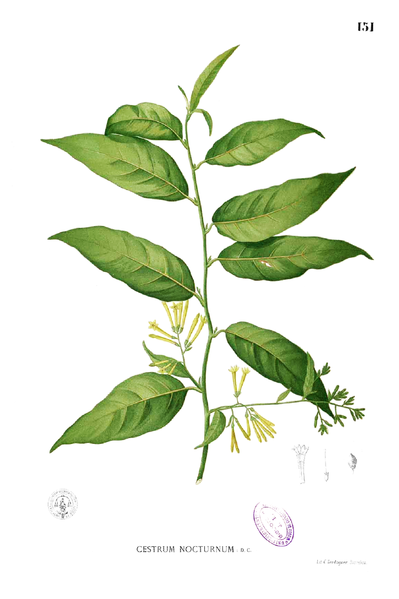
You were introduced to me as Cestrum nocturnum. Your ancestors grew up in the West Indies and came to our shores in the fifteenth century.

Cestrum nocturnum is also known as night-blooming jessamine, night-blooming jasmine, night-blooming cestrum, and raatrani. It is a species of Cestrum in the plant family Solanaceae (the potato family). Lady of the Night rarely blooms, only at night,…

Cestrum nocturnum is also known as night-blooming jessamine, night-blooming jasmine, night-blooming cestrum, and raatrani. It is a species of Cestrum in the plant family Solanaceae (the potato family). Lady of the Night rarely blooms, only at night, and its flowers wilt before dawn.

You like fertile, well-drained soil, a sheltered site and sunshine or partial shade. In these conditions, you will release an extraordinary night fragrance from June to October. Small berries follow. 

You will become an evergreen perennial. Half-hardy in coastal areas and most mild parts of the UK. But winters and frost will inhibit your spirit. You do well in conservatories and in greenhouses. To avoid root rot, your soil must become dry between watering. Your leaves and flowers are toxic if eaten, but you are the delight of bees and butterflies.

Photo Attribution:  David J. Stang, Wikimedia Commons.

Photo Attribution: David J. Stang, Wikimedia Commons.

I knew at once that we would be friends, that you will blossom  in Èze, in our clay-limestone soil. For decades, my family used to grow beautiful and rare carnations from Nice, until the Kenyan and Columbian competition became too harsh.

This is your second summer season with us, dearest Lady of the Night. Each scarlet sunset is a promising sign of your gorgeous, overwhelming evening presence.

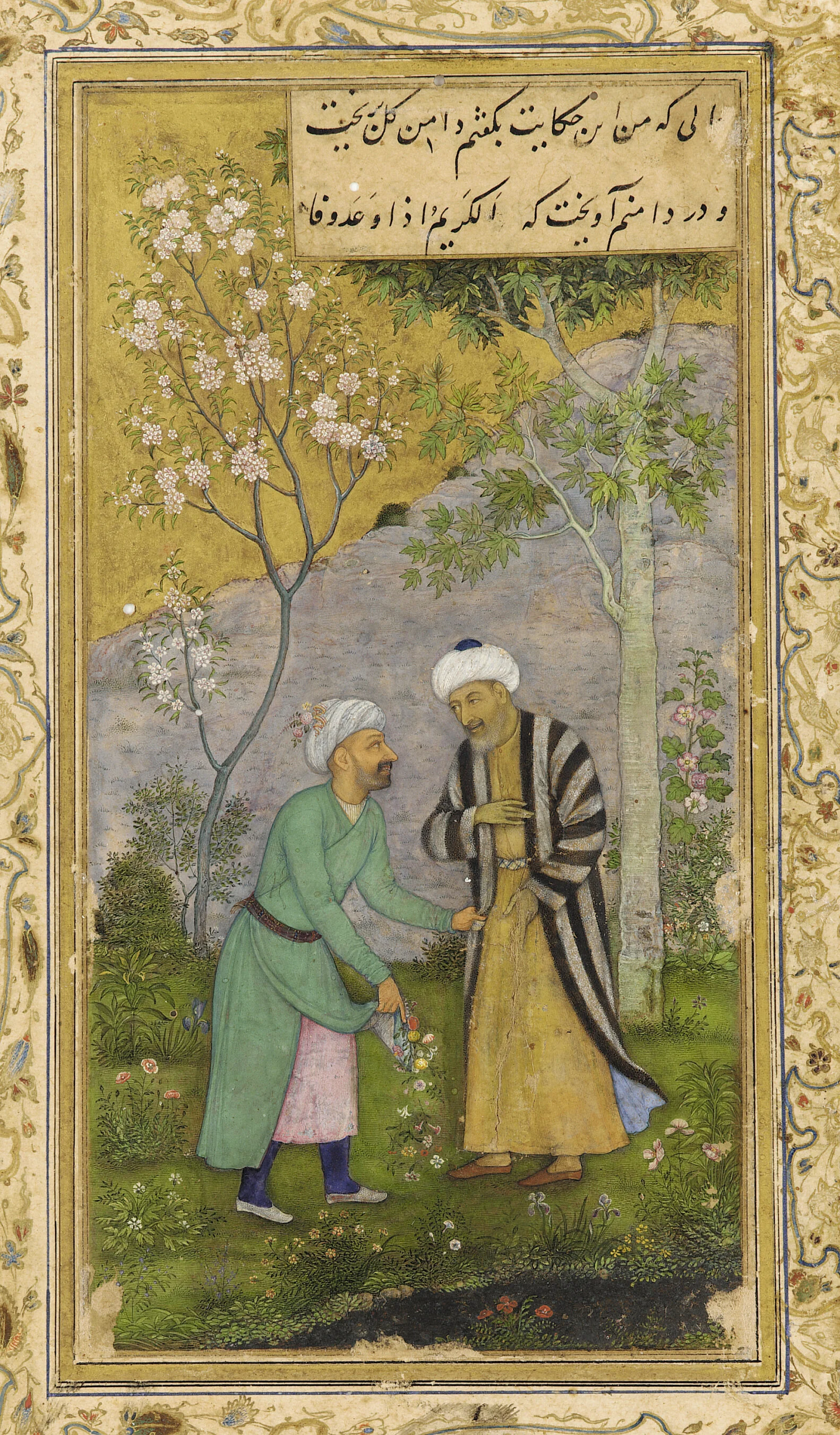
 The land breeze will soon fill our patio with a delicate scent of white flowers: jasmin, gardenia, tuberose and orange blossom. The fragrance reminds us of the precious Islamic gardens around our beloved Mediterranean sea. Gardens encapsulated by walls that create a small paradise. 

Shall your warm embrace mesmerise us for 1001 nights.

Flowers blooming in an Islamic walled garden. Jasmine and roses were often used to create fragrant, sensory environment for contemplation and rest.Attributed to Govardhan, ‘Sa'di in a Rose garden’, from a manuscript of the Gulistan (Rose garden) by …

Flowers blooming in an Islamic walled garden. Jasmine and roses were often used to create fragrant, sensory environment for contemplation and rest.

Attributed to Govardhan, ‘Sa'di in a Rose garden’, from a manuscript of the Gulistan (Rose garden) by Sa'di, opaque watercolor, ink and gold on paper, 25.4 x 33.9 cm, The Freer Gallery of Art, Washington DC.

Object of the Month - July 2020

Tree Tag No. 5351

July’s Object of the Month is kindly written by Esther Dean, tour guide, tree survey volunteer, costume assistant and sewing bee volunteer.

Each month we feature two blogs by volunteers, one on an object in the Palace and another on a plant from the garden. There is no set format so please feel free to send in your ideas if you would like to contribute. It is an excellent way to learn more about the Palace and share what interests you with others!


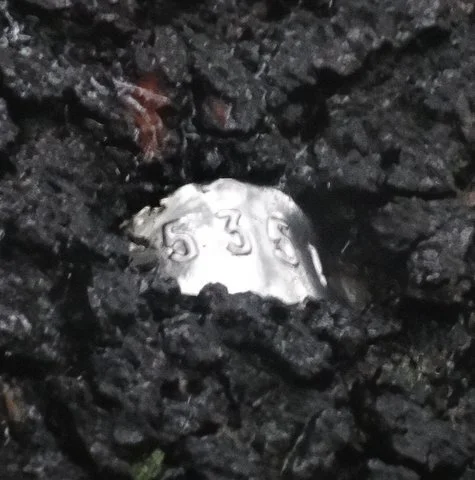
A close-up of the tag

A close-up of the tag

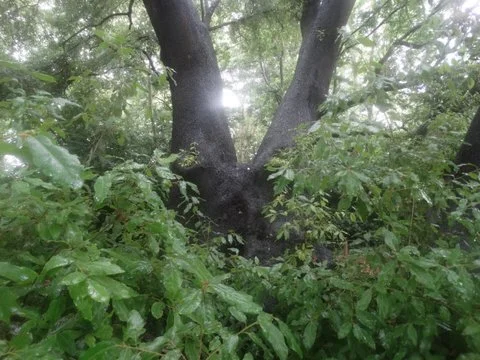
This object must be one of the smallest, most insignificant looking ever chosen. It is a small metal tag, barely a centimetre across, impressed with a number and embedded in the trunk of a tree. But it leads us to one of the oldest and most magnificent things at the Palace and its gardens. The number is 5351 and if you check this with the Palace tree survey you will find it listed as a Holm Oak, and that it is “a significant veteran tree, the oldest holm oak in the country”. It is now one of the Great Trees of London and surely the most beloved, grandest and most venerable tree in the garden.

The Holm Oak, taken through the rain last Thursday

The Holm Oak, taken through the rain last Thursday

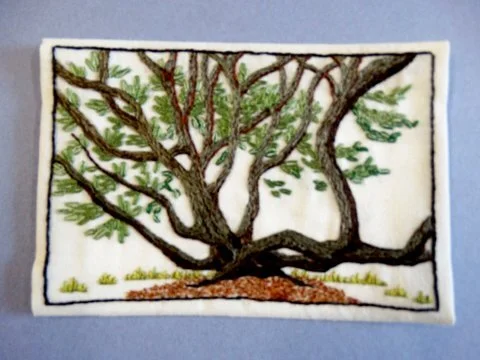
My embroidered impression of the Holm Oak

My embroidered impression of the Holm Oak

If you look carefully, you will find a numbered metal tag on every tree in the garden. There are getting on for a thousand listed in the 2016 tree survey. Every tree has been assigned a number, description, type, age and condition. However, the list is not static. Over the years, some trees have been lost. During the lockdown, No. 5119 -yellow wood, Cladrastis Lutea, found behind the cedar on the lawn - unfortunately fell over. It had been diseased for some time and there had been discussion about its future, but it chose its own time to leave us. Another that has left us is No. 5023 - gum cider, Eucalyptus Gunnii, found near the car park entrance. It too had been diseased and not looking very happy for some years. Over the past few years, a number of the self-sown sycamores in the beds running alongside Bishops Park have been removed to open up the views of the Palace from the park. Their trunks and branches have been used to create a wild play area for our young visitors.

However, all is not lost. There are now many exciting new plantings awaiting their tags. Notably, the Magnolia Virginians, which is now thriving and flowering in the newly created Compton Bed outside the walled garden; A fitting remembrance of our plant-loving Bishop. On the lawn by the children’s nursery site, you will find a recently planted young elm, Ulmus ‘New Horizon’. It is hoped that this newly developed strain of elm will be immune to the ravages of Dutch Elm Disease. It is a reminder that, in the past, the elm was the most abundant tree in the area. A few still remain in the wilderness between the allotments and the entrance to All Saints Church. There are many more new plantings of different trees all over the grounds.

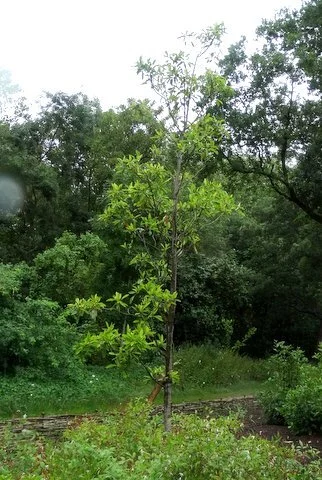
The newly planted Magnolia Virginiana

The newly planted Magnolia Virginiana

Should you have ventured to the outermost reaches of the gardens over the past few years, you may have come across a bedraggled trio emerging from the undergrowth, carrying clipboards, charts, binoculars and sticks. They are the intrepid volunteer tree surveying team of Fulham Palace, out in all weathers, to inspect and evaluate the condition of every tree in the Gardens. I can call them intrepid as I am one of them. We have been trained how to look at a tree from both far and near, from its base to its crown. Does it lean? Has it righted itself? Does it have any fungal growth? Are there any branches that look as if they might fall? Often we have to fight our way through brambles, nettles and undergrowth to get to the trees and then attempt to find the number tag. Trees are living, growing things and they have a habit of letting their bark grow over and eat up the tag. We record all this and then refer our findings back to Lucy. It is particularly important in the areas where children play that any dangers are evaluated. We were due to restart our surveying this spring but coronavirus has interrupted our labours. Let us hope that it will not be too long before we can restart our tag hunting again.

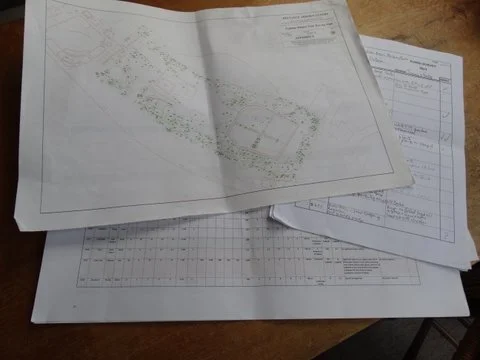
A collection of some of the tree surveyors charts

A collection of some of the tree surveyors charts

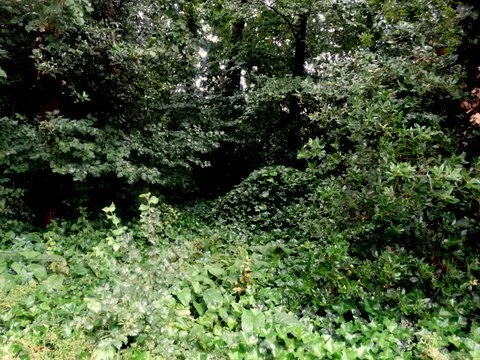
The undergrowth through which the tree surveyors have to make their way

The undergrowth through which the tree surveyors have to make their way

Future Foundations

Many thanks to Alexis Haslam, archaeologist, for writing this thought-provoking piece on time capsules,

and to his son Billy for his time capsule letter - see below!

With the grounds opening again at the end of the June, at Fulham Palace we are currently readying ourselves for a return to somewhat more structured operations and working conditions. There are, however, numerous national issues that remain unresolved such as the continued partial closure of many schools. On a personal level I have certainly found this a very trying circumstance, and with both myself and my wife Becky now working, attempting to entertain and educate our children whilst hitting deadlines has been tough and involved a great deal of time management. Throughout this pandemic there has been a lot of imaginative project creation at home, some of which has worked and some of which hasn’t. There has also been an awful lot of the children’s time spent slumped in front of the television, an occurrence I am sure all parents have experienced over the last few months and probably feel a bit guilty about. Still, once you accept that there isn’t much you can do, you may as well go with the flow. I have come to an irrational conclusion that Spongebob Squarepants is just as educational as Blue Planet.

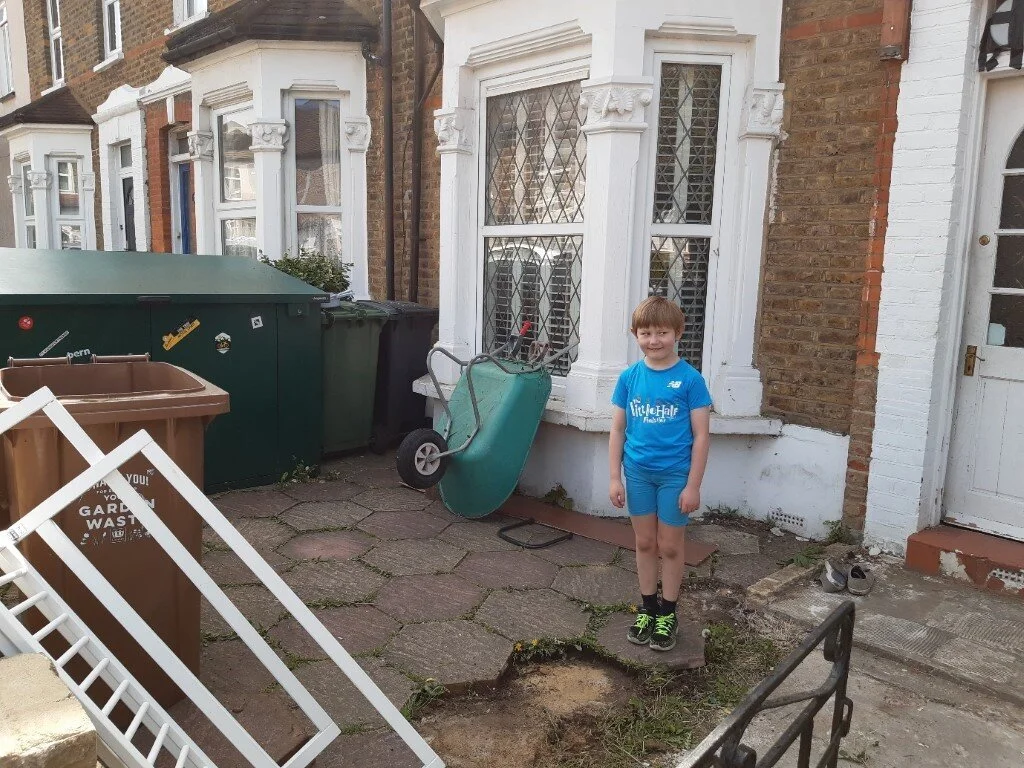
Anyway, one project that has been a success was dreamt up by Becky whilst she was on furlough. She had decided that this was an opportunity to sort out the front garden. I personally couldn’t see anything wrong with the state of it, but apparently it resembled something out of Steptoe and Son and gave the impression that we only occasionally washed our children, and even then just in the sink. So the old paving slabs were to be lifted, the front wall knocked down, a new path built and a Portuguese laurel hedge planted along with a new flower bed. Not too much work for a pair of archaeologists – at least the demolition part anyway. But how were we going to involve the kids with this?

This was when the idea of the time capsule cropped up.  

Something that regularly occurs in the archaeological record is what we term ‘structured deposition’. In the Iron Age and into the Roman period, this may be represented by animals or even parts of humans deposited within grain storage pits – essentially underground silos used to preserve seed corn for the following season. These have been interpreted as ‘offerings’ to the chthonic deities given up in order to secure a good harvest. We even have some evidence for special animal deposits at Fulham Palace (LINK https://www.fulhampalace.org/news/barking-mad-or-horsing-around/ )

In the Roman period, foundation deposits including dead human neonates and pottery vessels (sometimes deliberately ‘killed’) can often be found within beam slots – the bases of walls for upstanding buildings. In the early modern period, witching bottles to ward off evil spirits were sometimes placed beneath thresholds, which contain urine, hair, nail clippings and pins. Shoes, retrieved from walls within buildings, are understood to have served a similar ‘protective’ purpose. Even ‘dried’ cats turn up occasionally. I once found one in a building on Staines High Street. (LINK http://pcaarchaeology.blogspot.com/2017/01/here-kitty-kitty-ritual-mummification.html)

Into the 19th century, as any demolition crew member knows, plans of buildings and coins can often be found directly beneath Victorian foundation stones. If the building was opened by Queen Victoria you are probably quids in. If I ever get ridiculously short, I’m sure Bishop Tait left me a few goodies in the chapel…

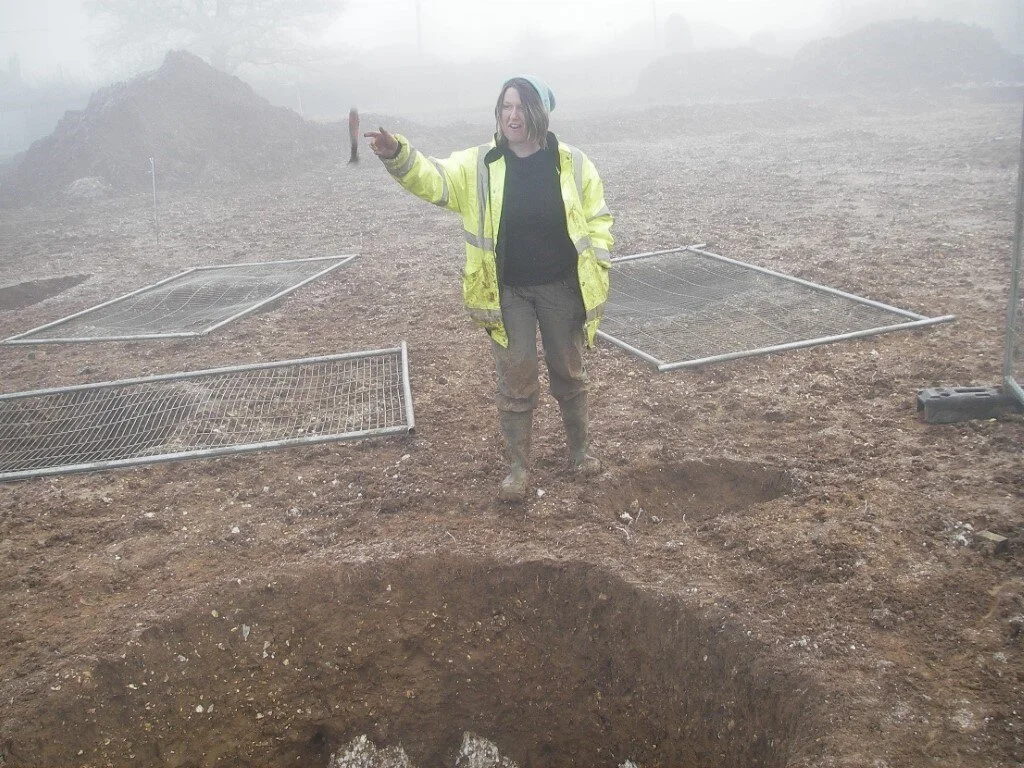
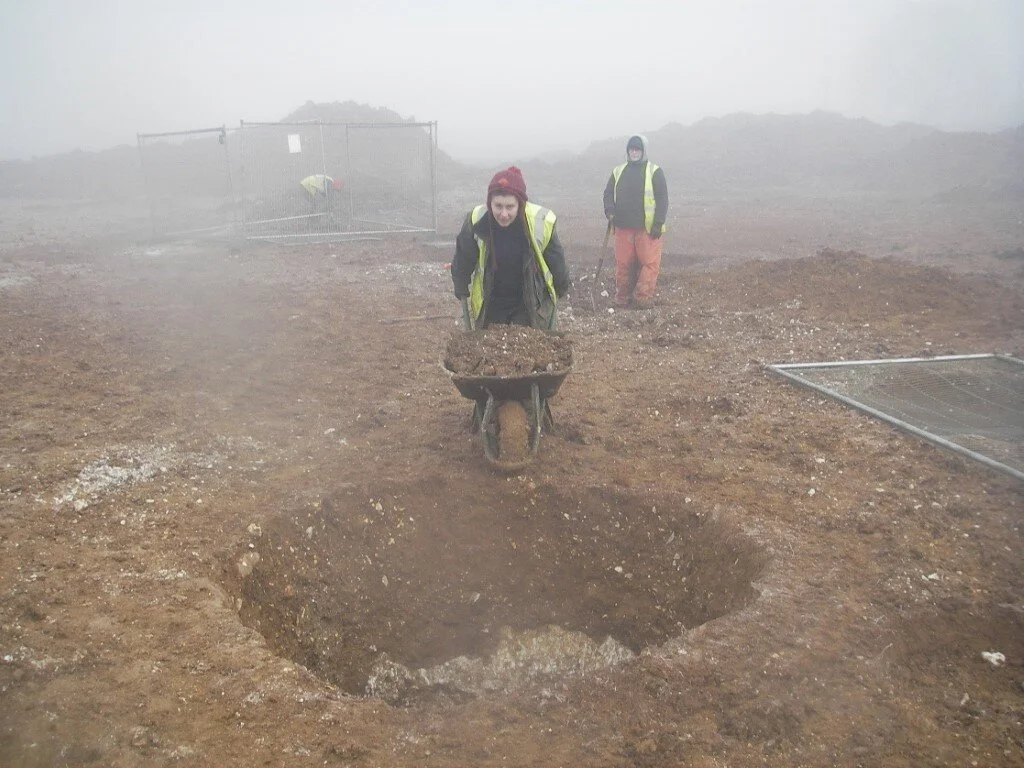
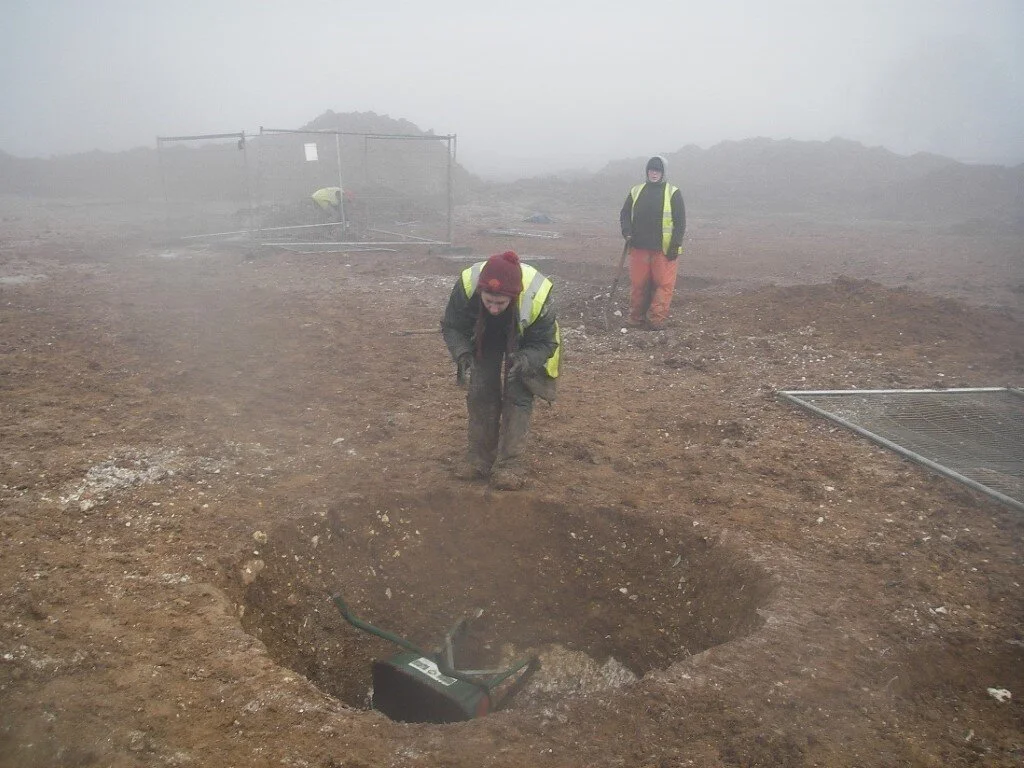
So the time capsule is simply a modern equivalent of the human desire to offer something. Either as a religious, spiritual or superstitious gesture, or simply to remind future generations of what life was like and that we existed. In the world of archaeology, it isn’t unusual for an archaeologist to cast a trowel into the depths below at the end of an excavation…

Becky casts her trowel into an Iron Age grain storage pit in Basingstoke.

Becky casts her trowel into an Iron Age grain storage pit in Basingstoke.

Clare Henshaw takes a run up…

Clare Henshaw takes a run up…

And accidentally deposits her wheelbarrow.

And accidentally deposits her wheelbarrow.

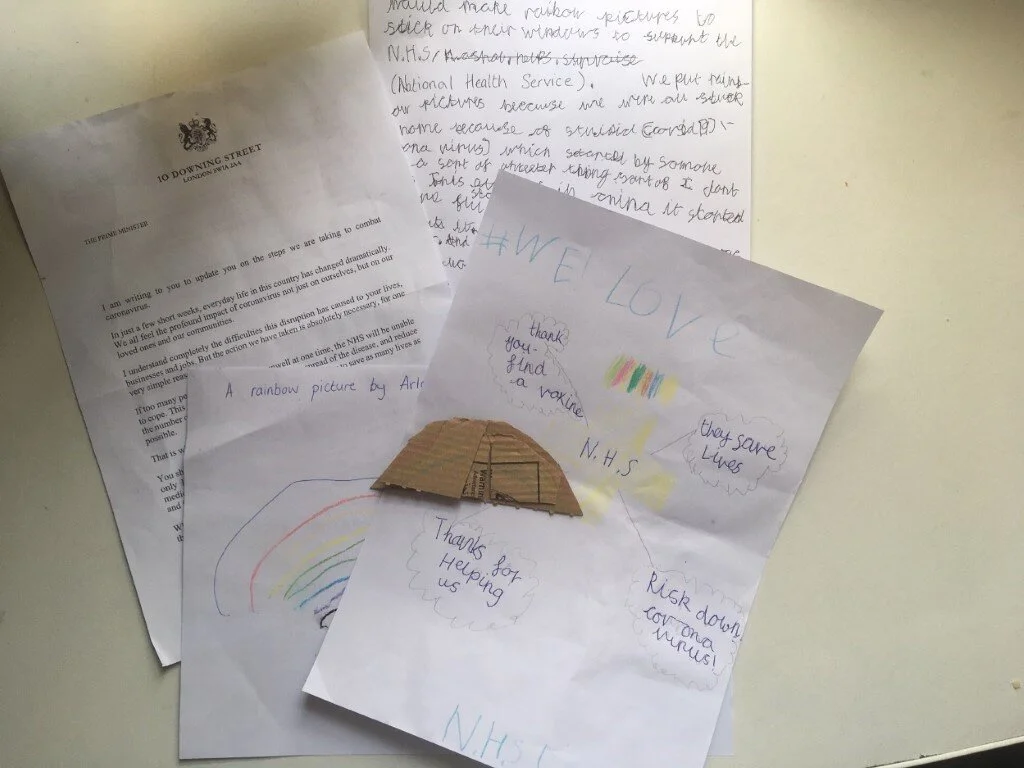
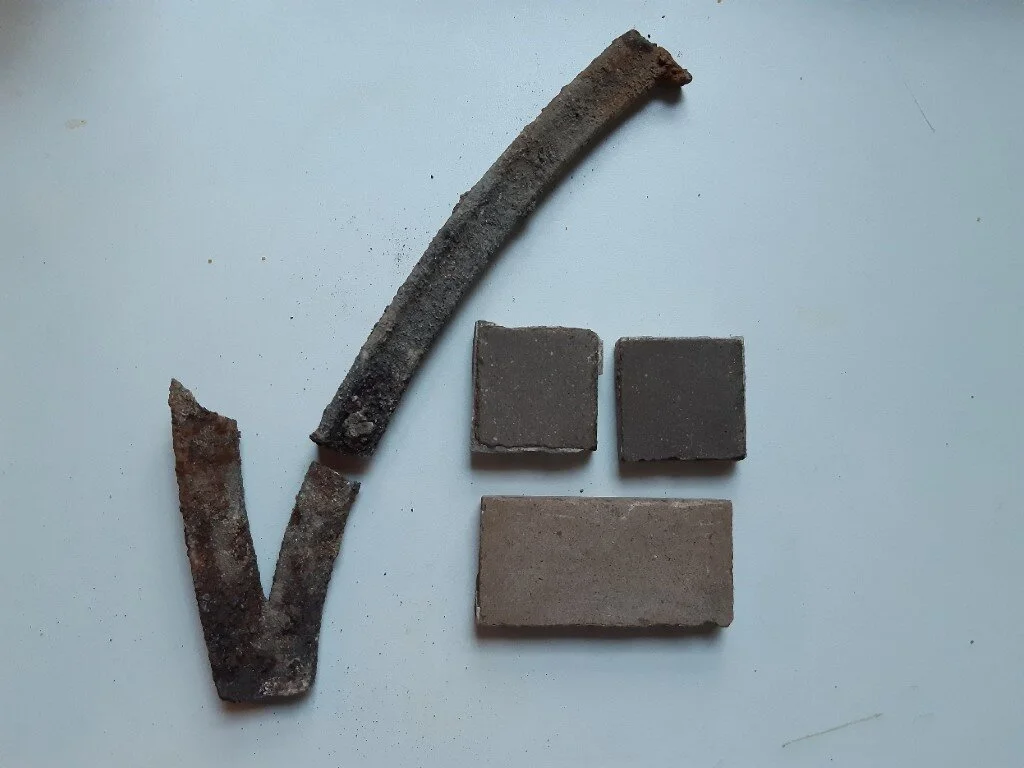
So we decided we would bury a Covid-19 time capsule beneath the new path. Our oldest, Billy, set to work writing about himself, life in lockdown and what he was missing. Our youngest, Arlo, drew some pictures. There was still digging for the path to be undertaken though, and in typical archaeological fashion we both found it impossible to do this in any other manner than layer by layer. We also recovered some finds, including fragments of the original railings and the original tile path – which then led Becky into an internet based tile frenzy as she tried to find similar colour patterns. These objects were also placed within the capsule, along with the letter we all received from Boris Johnson.

Letters from Billy, Arlo and Boris.

Letters from Billy, Arlo and Boris.

Railing fragments and original tiles from the path.

Railing fragments and original tiles from the path.

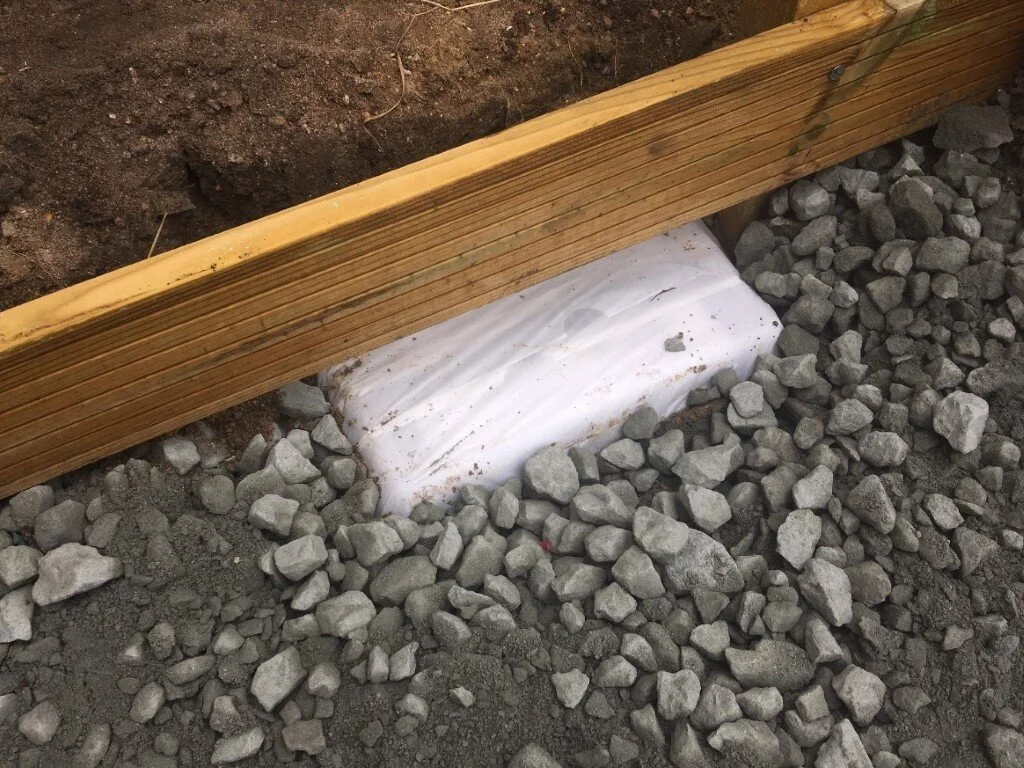
Now I once found a time capsule which had buried beneath a nursery in Bermondsey in about 1996. Sadly, it had not been sealed well and everything inside it was ruined apart from a Spice Girls CD – although in my opinion they ruined the CD by putting that dreck on it in the first place. Still, lesson learned and we bagged and sealed everything, put in silica gel and eventually enclosed the capsule with copious amounts of gaffer tape.

It has been placed beneath the path for future generations to find, and hopefully shed a bit of light on what life was like for an 8-year-old in lockdown. Not a lot of fun and a constant battle against what your parents believe is educational and beneficial to your wellbeing. Still, digging a hole is always fun, especially when you’re 8.

The Time Capsule in place.

The Time Capsule in place.


To The Future: a note from Billy Haslam, 2 June 2020.

20200704_104932.jpeg

Hello- I’m Billy Haslam, and I live in Catford. I like baseball (I support the Blue Jays), football (I support Charlton) and ice hockey (Toronto Maple Leafs). I like going to the BMX pump track on my bike at Beckenham Place Park, I have been doing that a lot for exercise in lockdown. I like to play on the PlayStation, until my Mum took it away (my brother was squabbling with me, but I don’t really care)! But to look on the bright side, it is good for me! You can’t spend all day on the computer. My cat is called Thunder, he is ginger and white and a little bit stupid but very friendly. He loves to sit on Daddy’s amplifier for his record player, which he is doing now!

This is what our house looks like now, but we are making the front garden look better. I enjoy playing with my friends, most of them live on my road. My best friend is Mack. I go to Sandhurst School, my teacher is Mrs Gordon. My other friends are Loic, Harry and Daniel. But we haven’t been allowed to play together for a while. Finally, on Thursday, we are going to the park with Mack and his sister Evie, who is my brother Arlo’s friend. I can’t go to school yet. I hope you enjoy our Covid-19 time capsule.

Me and my brother at the pump track (I'm wearing my dad's old BMX top from the 1980’s!)

Me and my brother at the pump track (I'm wearing my dad's old BMX top from the 1980’s!)

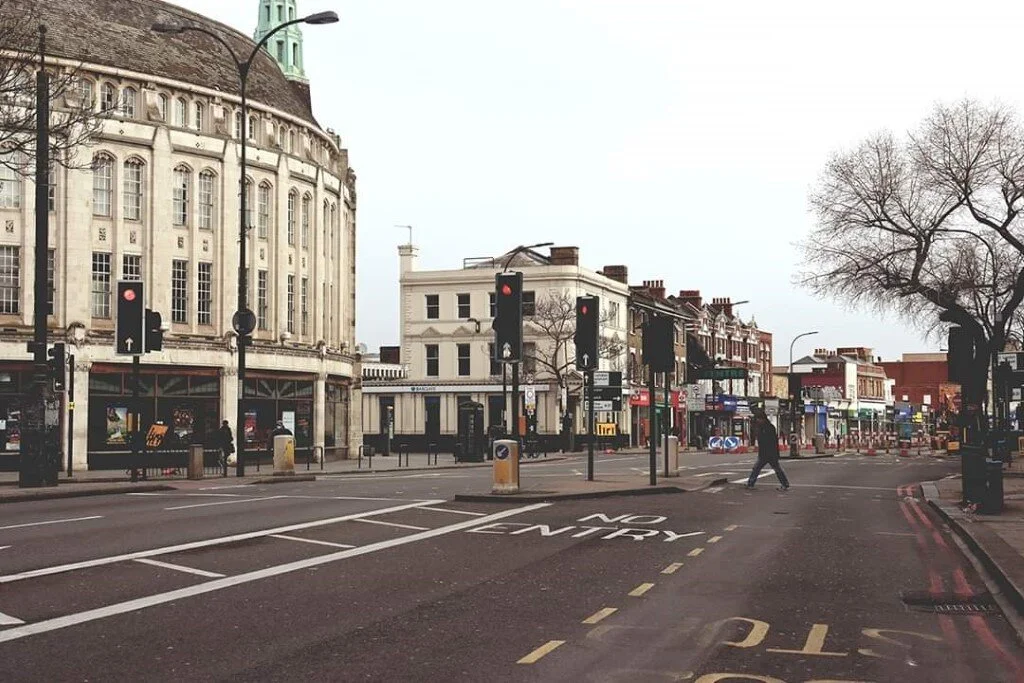
Catford was empty for ages. We had to stay inside.

Catford was empty for ages. We had to stay inside.

Empty streets.

Empty streets.

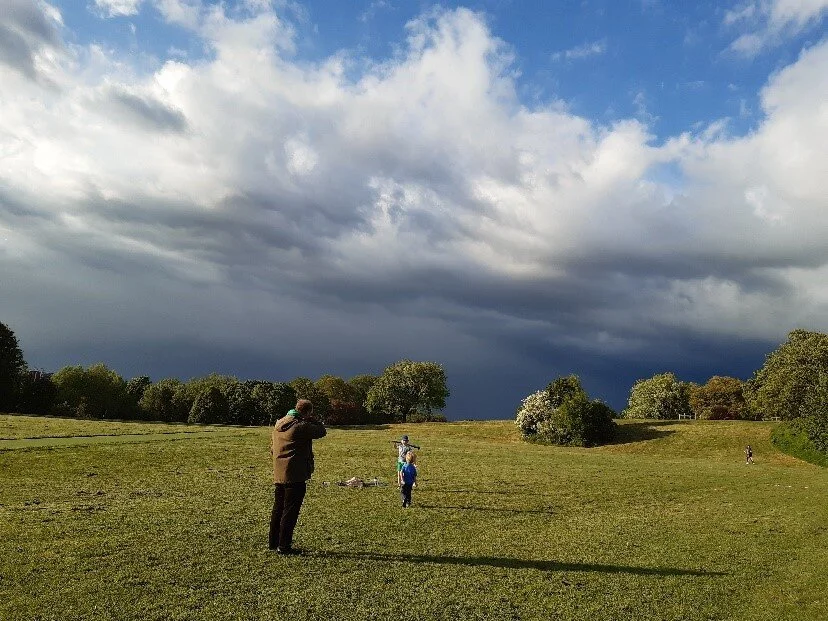
Billy, Dad and Arlo in MountsfieldPark. That was really empty too! We were allowed to go out for one hour each day for exercise.

Billy, Dad and Arlo in MountsfieldPark. That was really empty too! We were allowed to go out for one hour each day for exercise.

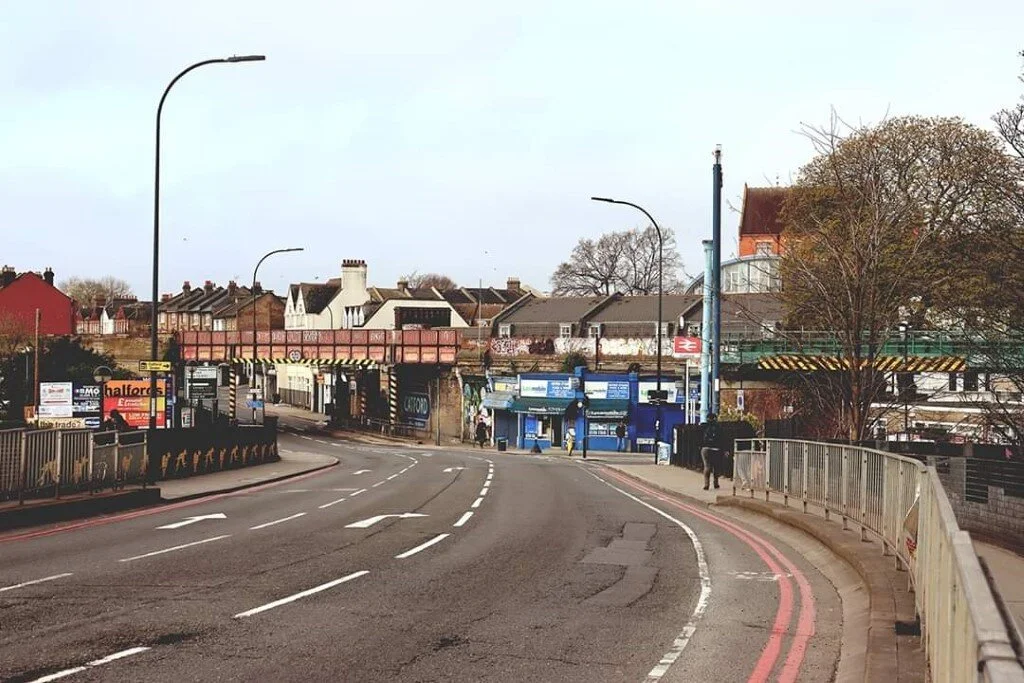
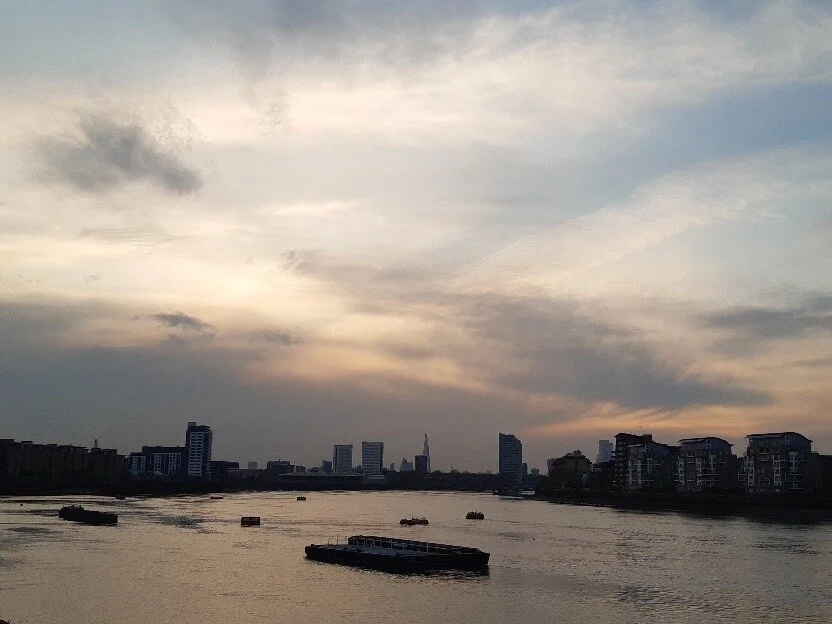
Once, Mum and I cycled to Greenwich for exercise. There were hardly any planes in the sky.

Once, Mum and I cycled to Greenwich for exercise. There were hardly any planes in the sky.

This is Mum. There was hardly any toilet roll left in the supermarkets, everyone bought it, but we had a little bit!

This is Mum. There was hardly any toilet roll left in the supermarkets, everyone bought it, but we had a little bit!

Lots of people made silly jokes about it. This one is funny!

Lots of people made silly jokes about it. This one is funny!

Children would make rainbow pictures to stick on their windows to support the N.H.S. We put rainbow pictures in our windows because we were all stuck at home because of stupid Covid-19 (coronavirus) for children to spot when they went out. This was started by someone who ate a sort of anteater thing, sort of, I don’t know. It started in China- it is like a ‘flu, but if someone who is old or ill catches it….well, I don’t want to talk about it! And then the virus came over here! It was carried by some people from China or other countries that were infected and spread all round the world. My Mum said that I probably carried it but I didn’t notice because I’m young and healthy. My Mum and brother got very sick in February. And that’s how it happened. And let me just say…WE LOVE THE N.H.S.!

Love from Billy and I’m 8 years old.

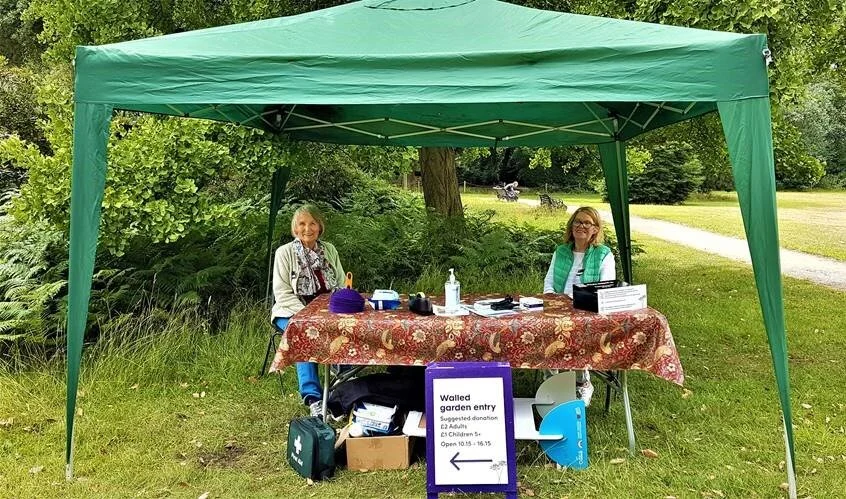
Welcome back!

Reopening front desk - Angela and Patricia.jpg

We’re delighted to have re-opened the garden this week and to welcome back front of house and garden volunteers! Thanks so much to those who have been in this week already, your help has already given the site a boost!

Here is a video to give you an idea of what to expect when visiting and volunteering at Fulham Palace for the time being. We’d really appreciate any help covering the front desk while we put these new measures in place. We’d be very happy to see you, so please click here to take a look at the rota

Specimen of the Month - June

The Myrtle Bushes

June’s Specimen of the Month is kindly written by Vernon Burgess, tour guide.

Each month we feature two blogs by volunteers, one on an object in the Palace and another on a plant from the garden. There is no set format so please feel free to send in your ideas if you would like to contribute. It is an excellent way to learn more about the Palace and share what interests you with others!


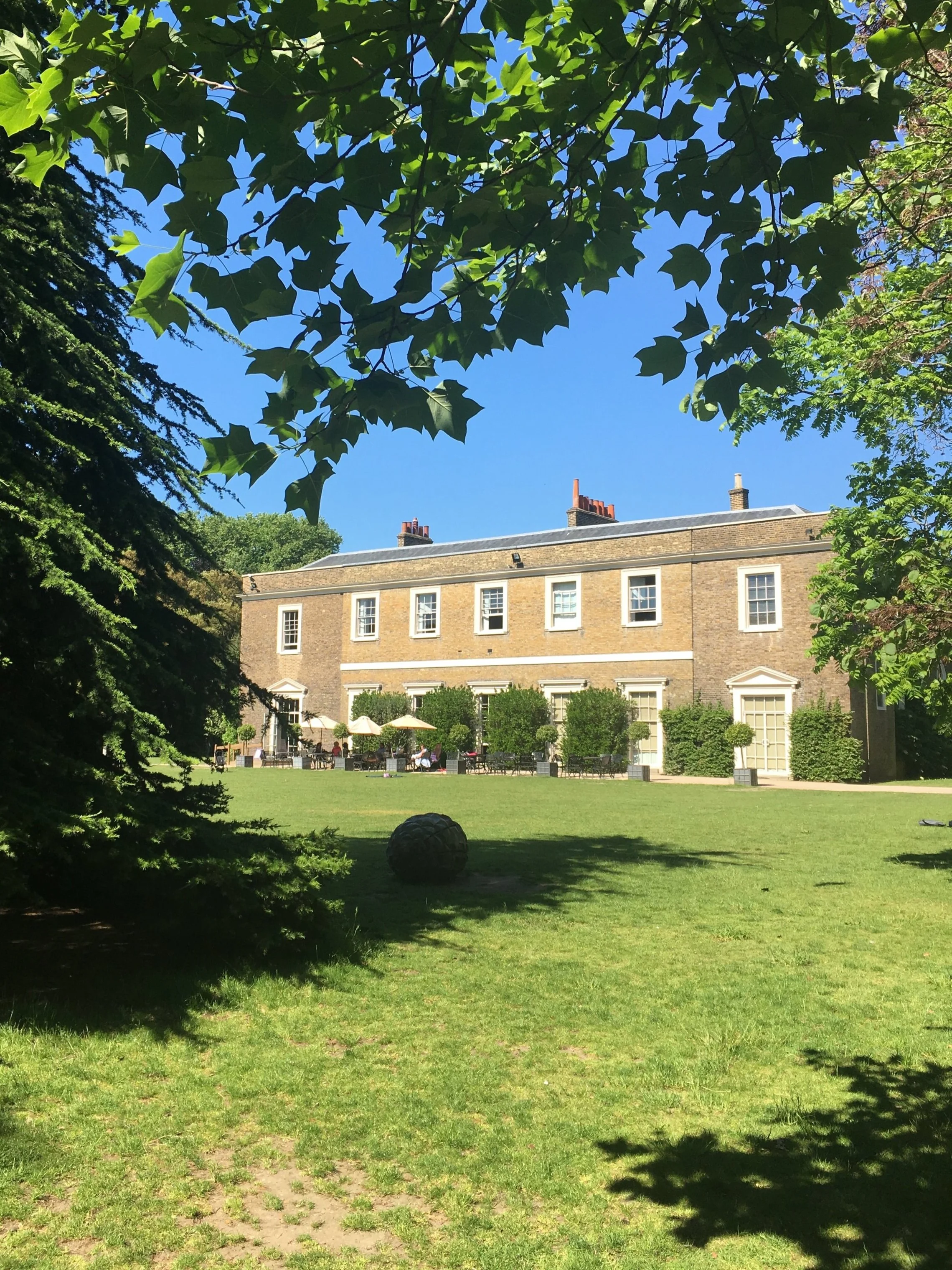
The myrtle bushes lining the cafe. Myrtle is an evergreen, typically growing to 5 metres tall and known for its fragrant essential oil.

The myrtle bushes lining the cafe. Myrtle is an evergreen, typically growing to 5 metres tall and known for its fragrant essential oil.

It is time to get the story finally straight on the Fulham Palace website about the myrtle bushes outside the café. The journal ‘Notes and Queries’ tried to set the record straight many years ago. Even then, there were rumours that twisted the true story.

Since Queen Victoria’s reign, all the wedding bouquets carried by the Royal brides have had their contents and details listed in court circulars. This information is regularly published in the Times newspaper. Interestingly, Queen Victoria’s bouquet is not listed as containing myrtle.

The myrtle bushes against the Palace wall. On the terrace in the pots you can see bay trees too.

The myrtle bushes against the Palace wall. On the terrace in the pots you can see bay trees too.

The actual story seems to be thus:

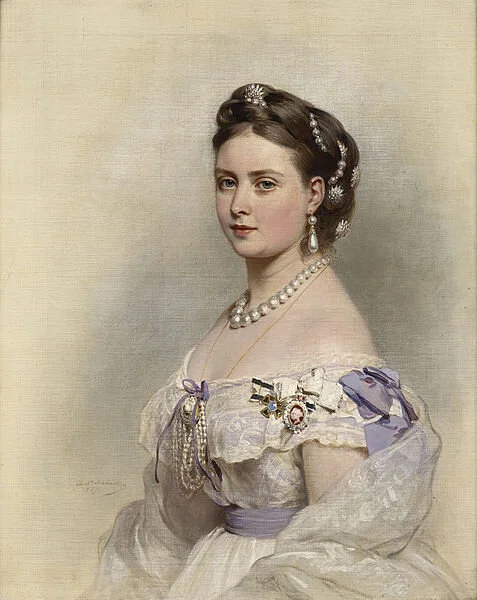
Myrtle was carried in the bouquet by the Royal Princess Victoria, the eldest daughter of Queen Victoria, at her wedding in 1858. The seventeen-year-old Princess Victoria married Frederick William, the Crown Prince of Prussia, at Queen Victoria’s insistence, at the Chapel Royal in St. James’s Palace, on 25 January 1858. Following the ceremony, the Queen herself commanded that the shrub should be propagated for future use.

The Princess Victoria, Princess Royal, as Crown Princess of Prussia in 1867. Franz Xaver Winterhalter, 1867, oil on canvas, 80.8 x 64.6 cm, Royal Collection, RCIN 404906.

The Princess Victoria, Princess Royal, as Crown Princess of Prussia in 1867. Franz Xaver Winterhalter, 1867, oil on canvas, 80.8 x 64.6 cm, Royal Collection, RCIN 404906.

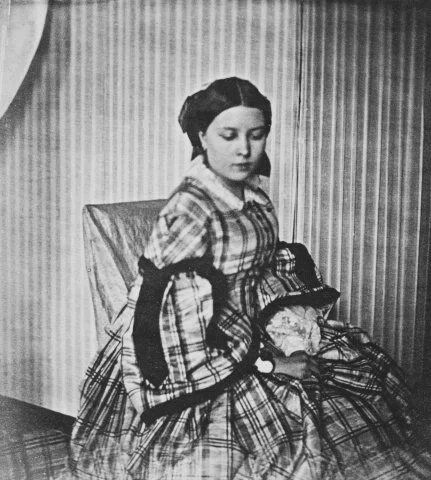
Queen Victoria, Empress of Prussia, photographed in 1859. Her title of Empress made her technically outrank her mother, Queen Victoria of the United Kingdom, which spurred her to self-designate the title Empress of India to equal her daughter.

Queen Victoria, Empress of Prussia, photographed in 1859. Her title of Empress made her technically outrank her mother, Queen Victoria of the United Kingdom, which spurred her to self-designate the title Empress of India to equal her daughter.

The confusion, therefore, comes simply from two people sharing the same name, in the same household. Orange blossom is the preferred flower of Queen Victoria of the United Kingdom, as is the white-flowered Heather. So yes, the myrtle bushes at Fulham Palace are most likely from that wedding bouquet and could well have been given to the Bishop (who is Dean of the Chapel Royal) for propagation and spreading around, just as he spread the gospel around the country.

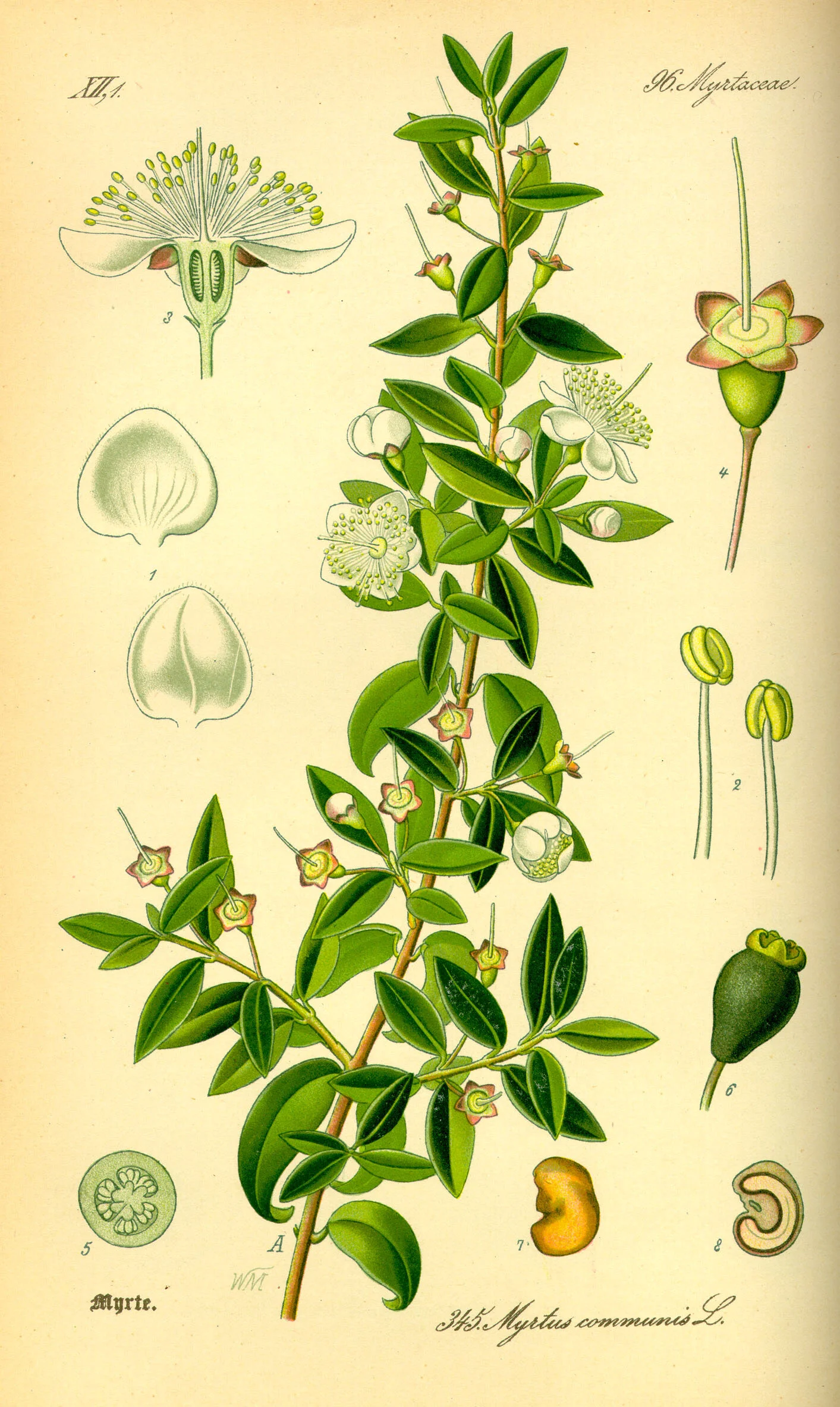
Myrtus communis, from the family Myrtaceae. Illustration book source: Prof. Dr. Otto Wilhelm Thomé, Flora von Deutschland, Österreich und der Schweiz, 1885, Gera, Germany

Myrtus communis, from the family Myrtaceae. Illustration book source: Prof. Dr. Otto Wilhelm Thomé, Flora von Deutschland, Österreich und der Schweiz, 1885, Gera, Germany

Now, myrtle is widely used as an ornamental plant in gardens and parks. It is often used as a hedge plant due to its small leaves, clean shearing and fragrance. It was indispensable to Roman gardens for its sacred associations to the Goddess Aphrodite.

It is also considered the flower of love, marriage, and lasting fertility, so a sprig of it in a wedding is not unusual. The royal evergreen woody shrub is sourced from a special place: Queen Victoria's own 170-year-old garden at Osborne on the Isle of Wight. Queen Victoria is said to have bought back the cutting from Germany where it is tradition to have it in wedding bouquets and grow it at Osborne.

Its history with the Queens has added yet another layer to its history, making the plants a perfect fit for the Palace.