Object of the Month - June 2020

The Bishop’s Cope, 1910

Written by Naomi Jennings - O’Toole, learning admin volunteer.

Each month we feature two blogs by volunteers, one on an object in the Palace and another on a plant from the garden. There is no set format so please feel free to send in your ideas if you would like to contribute. It is an excellent way to learn more about the Palace and share what interests you!

In the first room at the Palace exhibition, the glittering cope is always the first thing to catch my eye. I could spend hours pouring over the tiny elements and miniature flowers that make up this cope. It is a beautiful and elegant reminder of the role of the Palace as the home of the Bishops of London - a role that kept the site grounded through its fluctuating history. The Palace witnessed the English Civil War, hosted Catherine of Aragon and transformed into a hospital in 1917, and now it has stood through the international pandemic. The cope at its minimum is just an object, but it is one that encapsulated the Bishop’s role as a guide to the public.
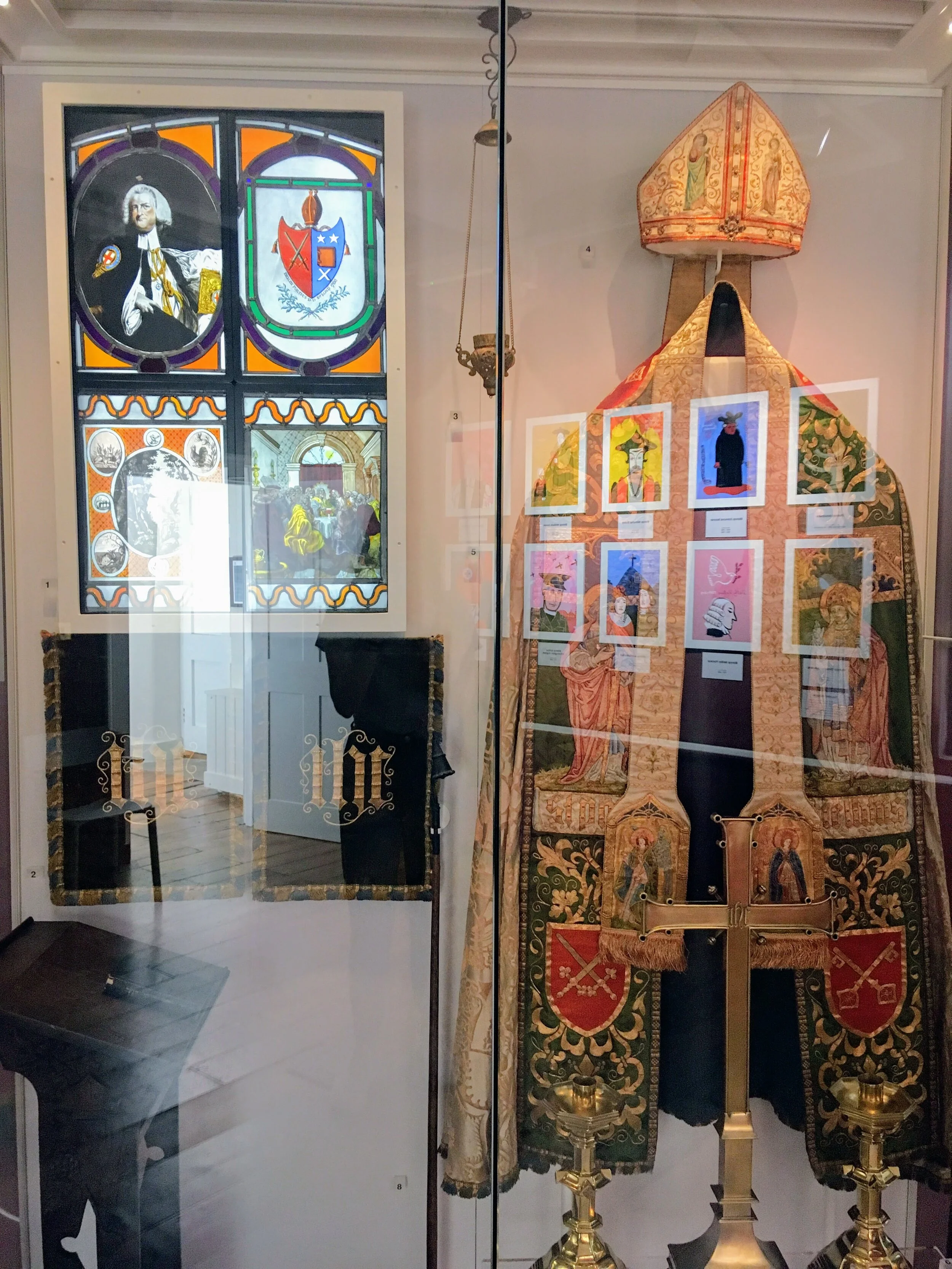
The cope on display with the mitre and crosier, alongside other objects associated with liturgical practice.

The cope on display with the mitre and crosier, alongside other objects associated with liturgical practice.

How the makers achieved its shimmering effect with embroidery is extraordinary. It certainly imbues the cope with a mysterious aura. Fittingly, since copes have always carried a strong symbolic significance. Items of clothing that stand as metaphors are plenty in liturgical contexts. For example, a pallium (a strip of white woollen cloth that is worn on the shoulders) represents the sheep worn around the neck when a shepherd carries them.

A cope identifies the Bishop as the representative of God on earth - a key tenet of Christian theology. The garment must function simultaneously as a marker of identification for the congregation and to grant respect to its wearer. The quality and expense of the materials are the most immediate status marker. The status of Christian figures were, of course, primarily a spiritual excellency but material value expressed this in earthly terms. Liturgical clothing derived from the clothing worn by Greek and Roman dignitaries who belonged to the wealthiest classes. The precious gems and refined embroidery, therefore, also speaks to the history of copes more generally.
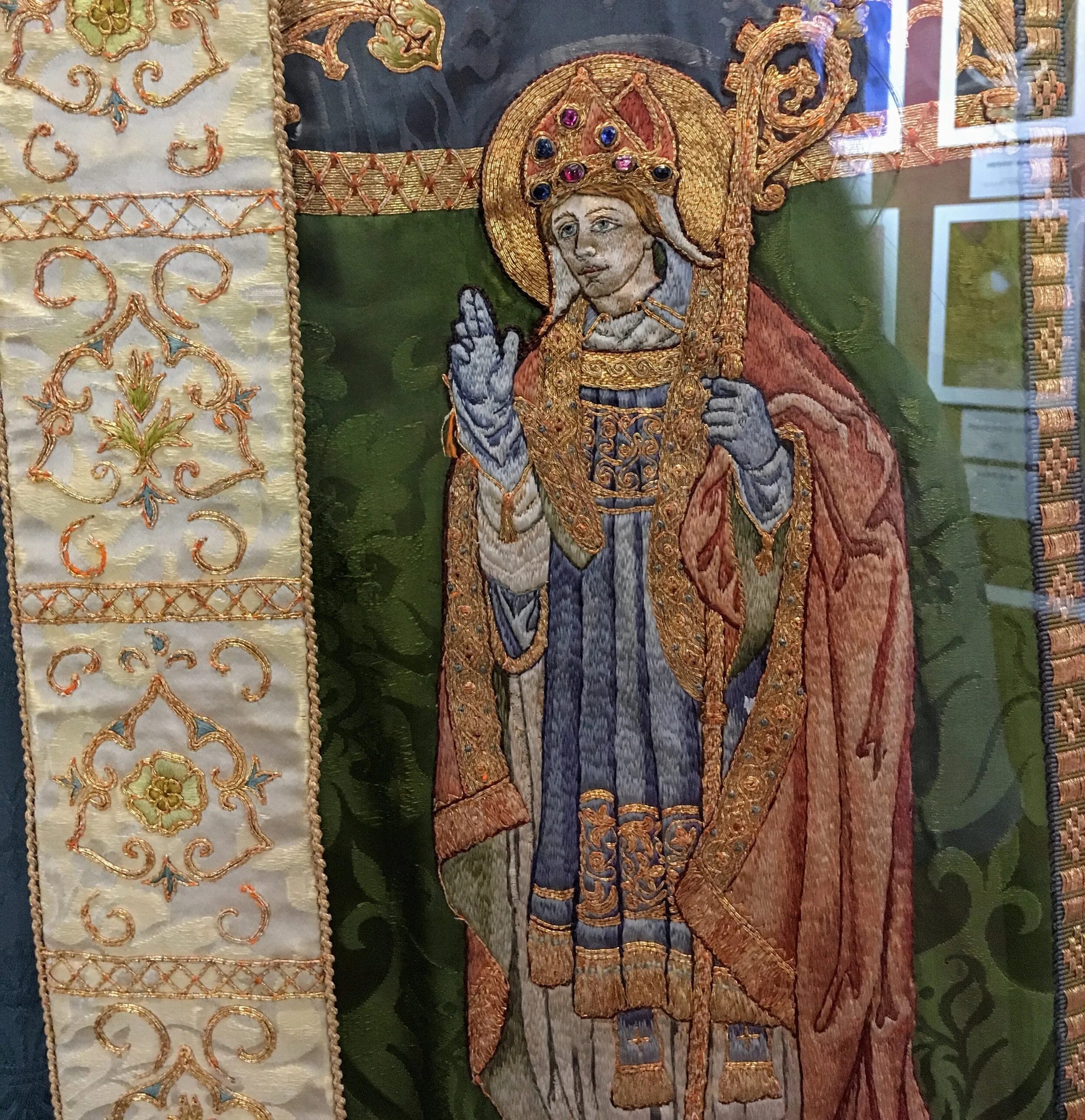
Detail of the cope

Detail of the cope

This figure exemplifies how refined and delicate the cope’s detailing is. Tiny gems are attached to the mitre. The face is described with extremely thin thread, to the extent of shadowing around the chin and nose, and extra lines to show the folds in the eyelids. The white band on the left features fine needlework; symmetrical in design, with different coloured material to distinguish minute elements (note the two tones of yellow for the layers of petals in the central flowers).
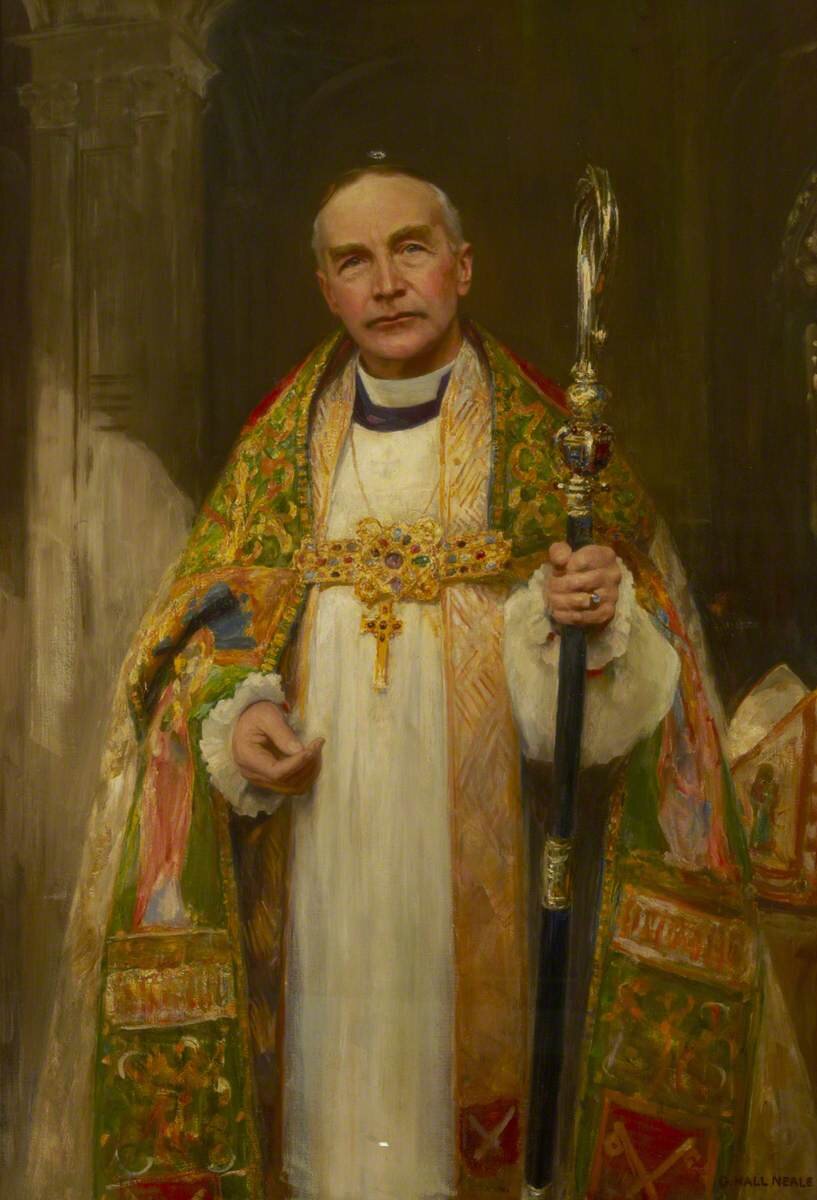
A painting of Bishop Arthur Foley Winnington-Ingram (1858-1946) wearing the cope.George Hall Neale (1863-1946), 1916, oil on canvas, 170.7 x 122 cm, held at Fulham Palace.

A painting of Bishop Arthur Foley Winnington-Ingram (1858-1946) wearing the cope.

George Hall Neale (1863-1946), 1916, oil on canvas, 170.7 x 122 cm, held at Fulham Palace.

This painting of Bishop Winnington-Ingram spectacularly adorned in the cope, gripping his crosier and bejewelled with a ring and crucifix necklace gives an impression of what the cope would have looked like when worn. Bands of detailing are differentiated with colour and pattern, which build upon each other in a layering effect, accomplishing a framing device. The red patches on his shoulders contrast with the green background which draws the eye upwards towards the Bishop’s face. Winnington-Ingram is picturesque and idealised. The artist continues this characterisation with a classical architectural setting, a deep and shadowy space, while the figure steps into a ray of light (a slight take on chiaroscuro). His gaze softly drifts to a point slightly above the viewer’s head. We are not permitted to make eye contact with him. Instead, he seems to be lost in thought, and we are led to wonder if he is contemplating complex Christological issues (or other Bishop-like matters). In this painting, we see how costume was one of the many methods artists used to characterise and idealise their sitters.
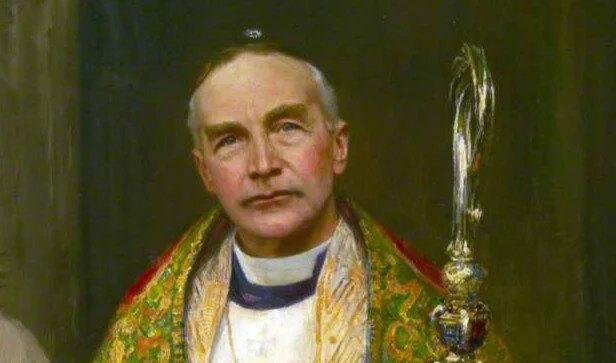
Detail - the Bishop’s thoughful gaze.

Detail - the Bishop’s thoughful gaze.

The form of the cope is both broad and flowing. We cannot see the shape and substance of the body clothed within. This reveals another function of the cope; to symbolise detachment from everyday life and the earthly body. Formless, almost ethereal, the body of the Bishop is brought more closely to spirit.
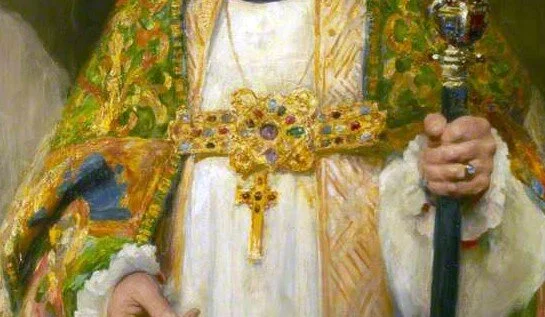
Detail - the morse (clasp) fastens the cope together. These are often highly ornamented and adorned with precious gems.

Detail - the morse (clasp) fastens the cope together. These are often highly ornamented and adorned with precious gems.

However, the painting doesn’t provide much of an insight into how it would actually feel to wear a cope. The garment opens to a semi-circle shape and reaches all the way down to the feet. It is altogether a very heavy object. The vivid colours and reflective threads would have captured the attention of the congregation from a distance and allow its wearer to be instantly recognisable. Yet the decoration would have been most appreciated by the Bishop. The intimacy of wearing the cope, the feeling of the fabric and weight, the awareness of the wealth amassed in its foundation, combine their effects and multiply each other. The cope was tactile and sensory. There is no doubt that it would have been inspiring to wear.

Moreover, the act of dressing in clothes was an important ritual for Bishops. It was considered a process of de-personalising and reaching to become as alike to Christ as possible.

Dressing (as with almost everything we do nowadays) always begins with washing the hands. This ablution is accompanied by a prayer: 

Da, Domine, virtutem manibus meis ad abstergendam omnem maculam; ut sine pollutione mentis et corporis valeam tibi servire. (Give, Oh Lord, to my hands, the virtue that will erase all stains: so that I may serve you without a stain on my soul and body).

Following this, the amice is put on, then the stole and the chasuble. Stoles are generally understood to symbolise the bonds of Jesus during the Passion, or the duty to spread the word of God. Its colour is typically dictated by the liturgical season or nature of the service.
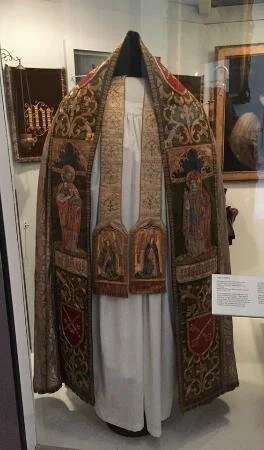
The cope in Fulham Palace’s older display with the stole visible.©️ TripAdvisor, user Tp19862011 (April, 2015) https://media-cdn.tripadvisor.com/media/photo-s/07/af/6d/0a/fulham-palace-museum.jpg

The cope in Fulham Palace’s older display with the stole visible.

©️ TripAdvisor, user Tp19862011 (April, 2015) https://media-cdn.tripadvisor.com/media/photo-s/07/af/6d/0a/fulham-palace-museum.jpg

The stole paired with Bishop Winnington-Ingram’s cope is gold throughout, adorned with a darker golden thread that swirls within differentiated squares. The stole ends with an amazingly intricate angel who stands inside a pointed arch.
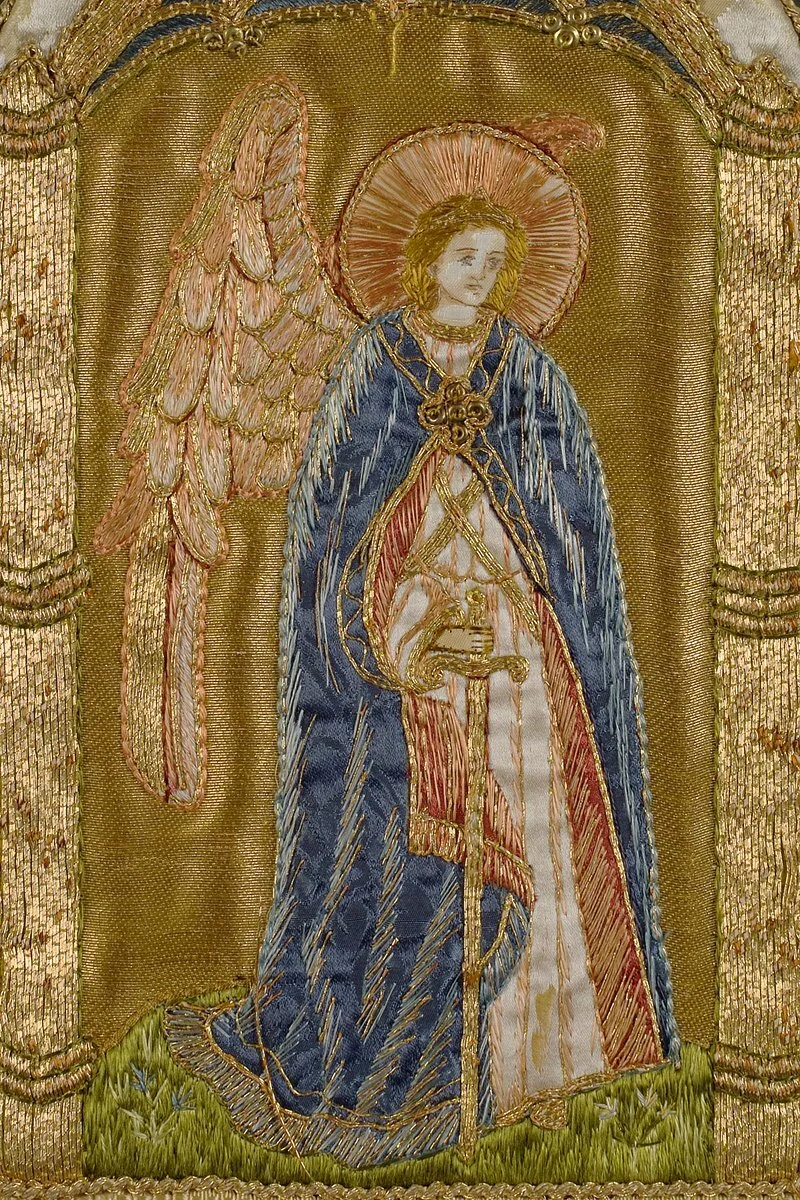
Detail - an angel on the stole, gripping a sword and stood on grass with minute flowers.

Detail - an angel on the stole, gripping a sword and stood on grass with minute flowers.

The angel’s clothing here imitates the Bishop’s own clothing. Perhaps he would have associated wearing the garment with this ideological representation of a Christian guide.

The figures on the stole moreover mirror those on the cope, emphasising the layering effect that liturgical clothing was designed for. Our gaze is led from one figure to another across the horizontal plane they create. Saint Paul is featured, symbolised by his book and sword. The book represents his epistles in the New Testament while the sword is a reminder of the means of his martyrdom (he was beheaded in Rome in 67 AD). These tiny characters may have worked in a twofold way; to a viewer standing before the Bishop, their attributes would have manifested onto him, while the Bishop himself may have felt inspired and guided by their examples.
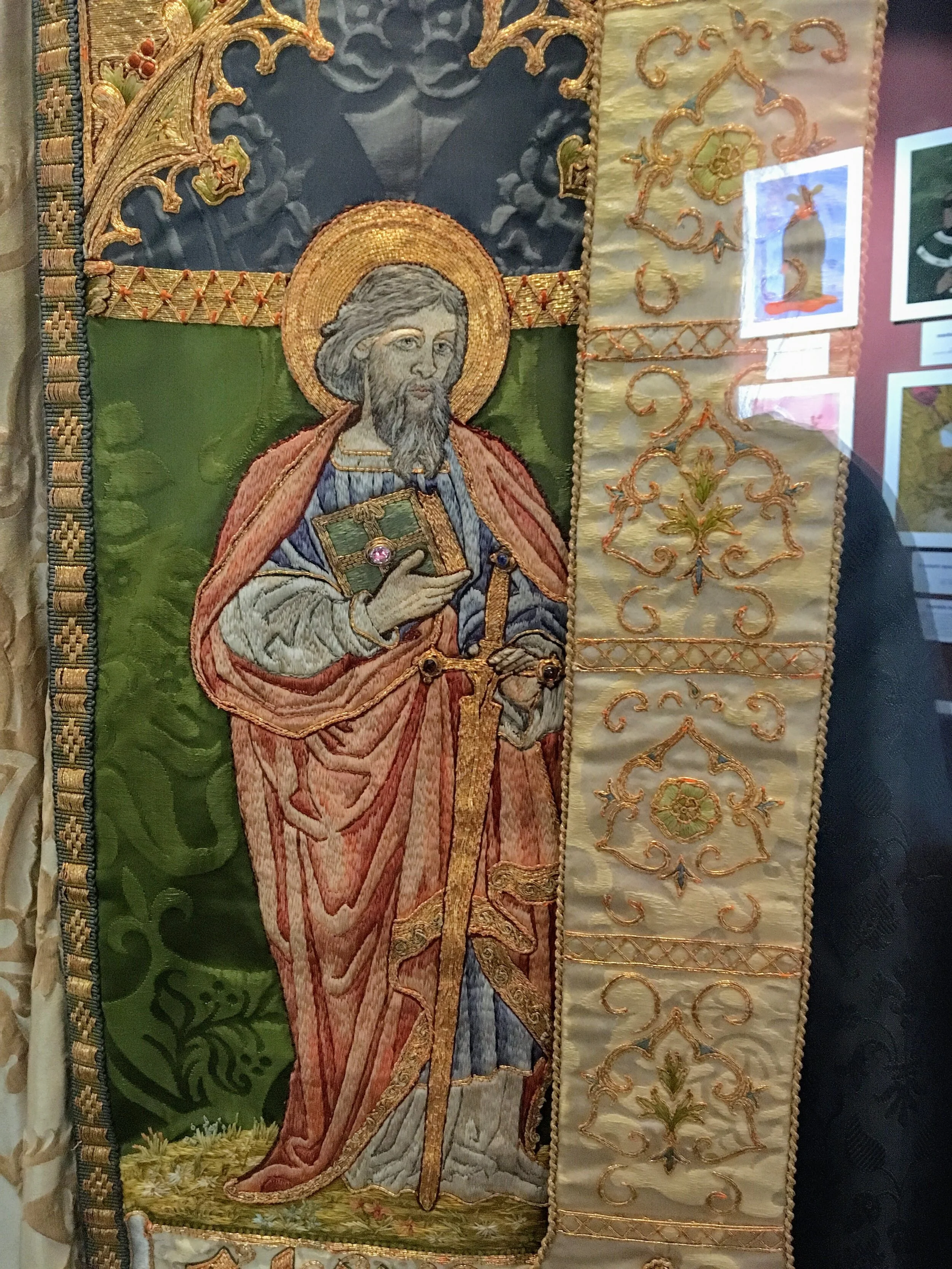
Detail - Saint Paul on the cope. The layers in his robe are described with gradients of tone, unlike the stiff cut of the cope itself.

Detail - Saint Paul on the cope. The layers in his robe are described with gradients of tone, unlike the stiff cut of the cope itself.

The cope is as complex in its symbology as in its execution. It guides us through all the intertwining threads, knots and gems piece by piece, as it stands in its current display case. But it is important to reflect on how it was used, how it evoked awe in those that saw it and the fundamental part it played in Bishop Winnington-Ingram’s role.

To illustrate my point, compare the cope to the military costume the Bishop wore during WW1. Winnington-Ingram earned himself a reputation as “the most successful recruiting officer in the country.” The contrast in characterisation between Neale’s painting and the photograph of the Bishop reveals just how powerful clothing and costume can be in prescribing identity and consequently how we remember Winnington-Ingram today.
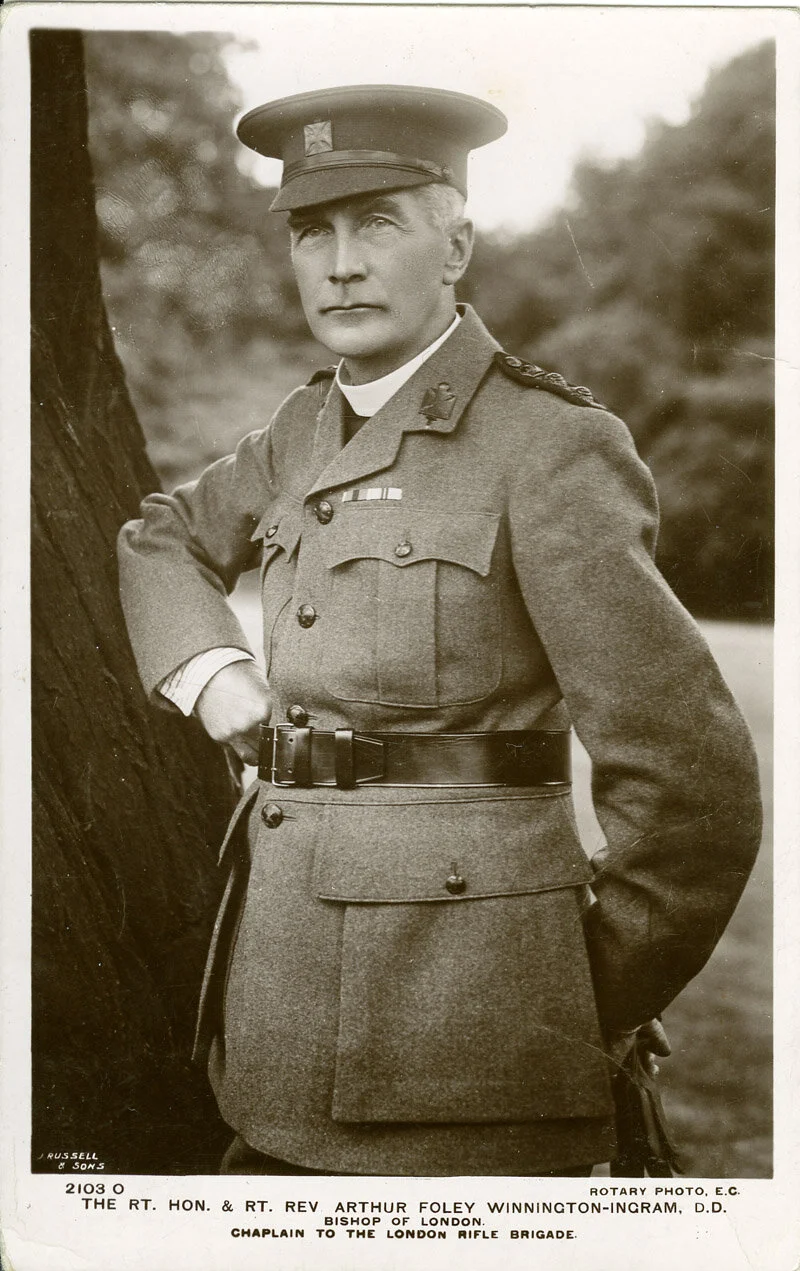
Bishop Winnington-Ingram looking very different than in his cope, remembered as a Chaplain to the London Rifle Brigade.

Bishop Winnington-Ingram looking very different than in his cope, remembered as a Chaplain to the London Rifle Brigade.

Staff Lockdown Diaries

Read on for content from Jamie Atwell, garden volunteer (and now our fave lockdown comedy writer), who gives us a typical Monday night.


9.30 a.m. (Monday is the new Sunday after all) arise and head downstairs for the first mug of tea of the day. Discover that the milk seems to have turned into yoghurt overnight.

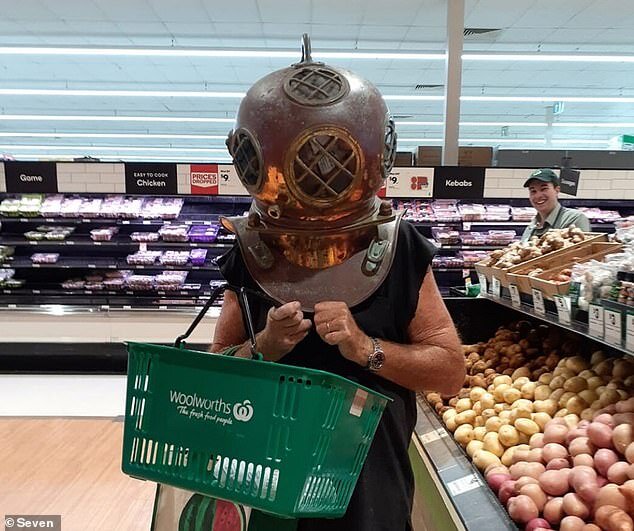
9.45 a.m. Having donned my ‘shielding’ kit  -  deep-sea diver’s helmet et al - head off to my local corner shop for ‘essential supplies’. Milk (see above), newspaper and, ahem, chocolate digestives.

tenor (2).gif
Shopping in full protection (Image sourced from Internewscast.com, 2020, https://internewscast.com/shopper-wears-a-diving-helmet-while-browsing-for-potatoes-at-a-woolworths-supermarket/)

Shopping in full protection (Image sourced from Internewscast.com, 2020, https://internewscast.com/shopper-wears-a-diving-helmet-while-browsing-for-potatoes-at-a-woolworths-supermarket/)

9.49 a.m.  Make a detour to the cashpoint in order to pay the fine imposed by the draconian forces of law and order  -  they took issue with me prodding passers-by with my social distancing harpoon.


10.20 a.m. Finally get to my enjoy my tea  -  Orange Pekoe if you’re interested (bet you don’t know what a Pekoe is).  Complete The Times crossword in 10 minutes. Perhaps should add that it’s the crossword from the previous day’s paper, so I have the benefit of handy hints from today’s edition.


11.15 a.m. Having been banned from my Zoom Pilates class (split leotard  -  let’s not go there) tune into the ‘Silver Swans’ ballet class for the over 60s on YouTube.

tenor (1).gif


11.37 a.m. My chiropractor says he can’t see me for at least three weeks!  Decide that Rioja could be helpful with pain relief in the meantime.

tenor.gif

 12.20 p.m. Take delivery of a loin of pork  -  by drone no less! From that marvellous entrepreneurial outfit ‘Pigs in Space’.


1 p.m. A simple collation for luncheon today  -  saddle of horse and endives braised in marmalade. Goes particularly well with the Rioja I think.


2.45 p.m. After my afternoon meditation session, or ‘nap’ as some call it, take the plunge and call my local radio station’s Covid-19 agony aunt.  For some weeks now I have been debating whether it’s in order for me to visit my second home.  After all, I don’t want to get into trouble like that nice lady doctor in Scotland did. Having explained on air the full circumstances to said agony aunt, I was delighted when she said it was, in fact, OK for me to visit the garden shed some 20 yards from my back door. Thought I detected some giggling during this interchange, but put that down to poor mobile reception.

Meditation (or sleep?)

Meditation (or sleep?)

 4 p.m. Just so you know, Orange Pekoe and Rioja do not mix.


5 p.m. Discover that my loin of pork is too big for the oven. Spend the remainder of the afternoon hacking away at it with my garden shears (as I’m now allowed to visit the shed).


6.30 p.m. Exhausted by my assault on Percy Pig decide to forego a full-blown supper this evening. Elected for some tapas instead with a glass or two of Rioja.


12.45 a.m. Wake up feeling somewhat disoriented  -  TV and radio going full blast and three empty Rioja bottles rolling around the kitchen floor. Think I’ll have a lie-in tomorrow.


Hangovers while social distancing be like

Hangovers while social distancing be like

The Romance of the Creightons

In a previous blog post (on May 11) Cerys Williams wrote about finding the letters of Bishop Mandell Creighton and discovering in them a more personal side of the historical figure.

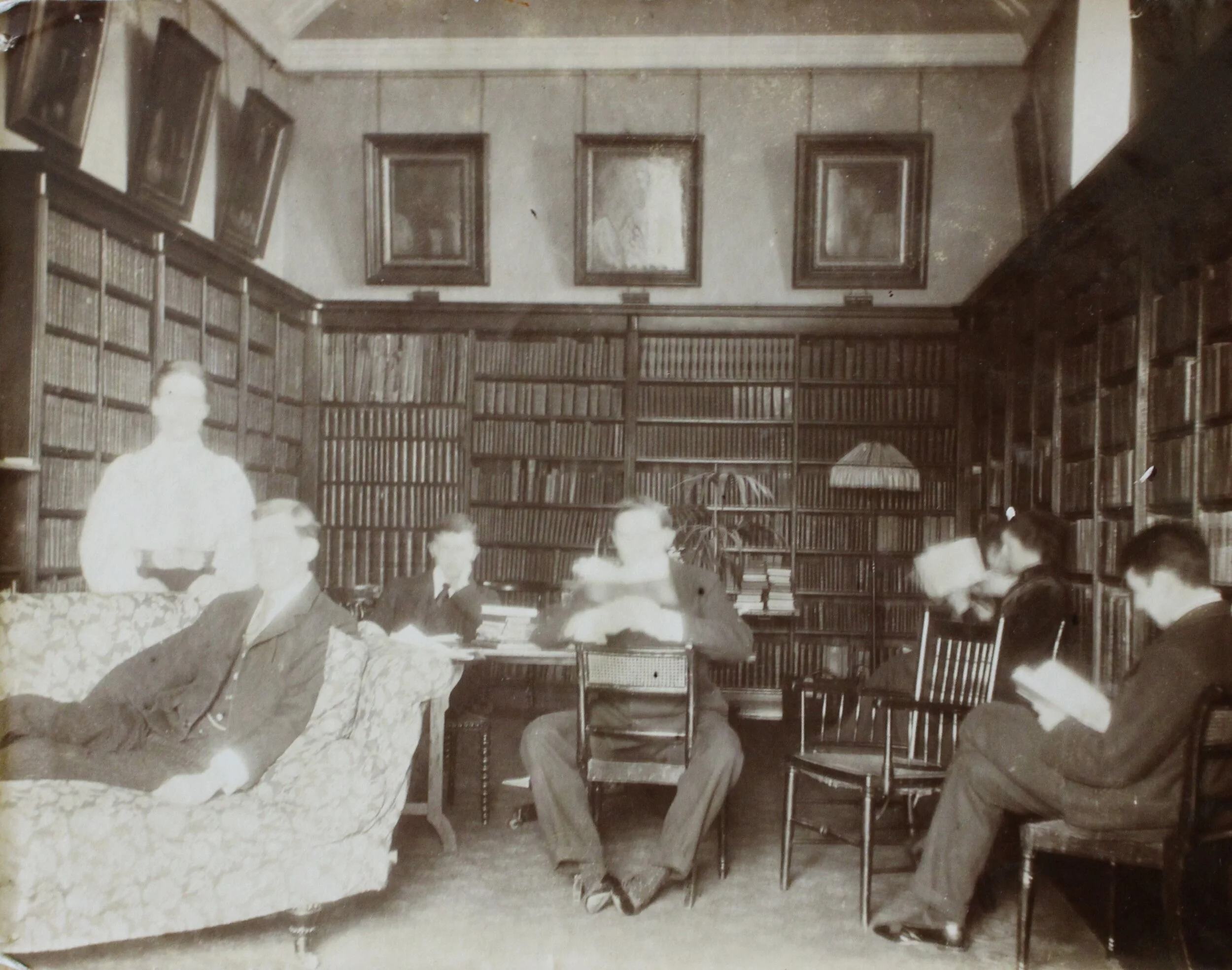
Here, our front of house volunteer Susan Richards responds to a quite spooky photograph of the Creighton couple, Mandell and Louise. Read on for a sweet story of their romance.

The Creighton family in the Porteus library. These photographs certainly remind us of how steeped in history the Palace is!

The Creighton family in the Porteus library. These photographs certainly remind us of how steeped in history the Palace is!

I loved the ghostly photograph of the Creighton family at home sent by Elowyn. It reminded me of something I read in a biography of Mrs Humphry Ward, written by Professor John Sutherland, about the competition between Humphry Ward and Mandell Creighton for Louise’s favour.

Louise van Glehn, the youngest daughter of a rich German banker from the Baltic provinces, came to Oxford on the 9th February, 1871. There, she attended a lecture by the Victorian art critic John Ruskin on the virtues of monochrome in art.

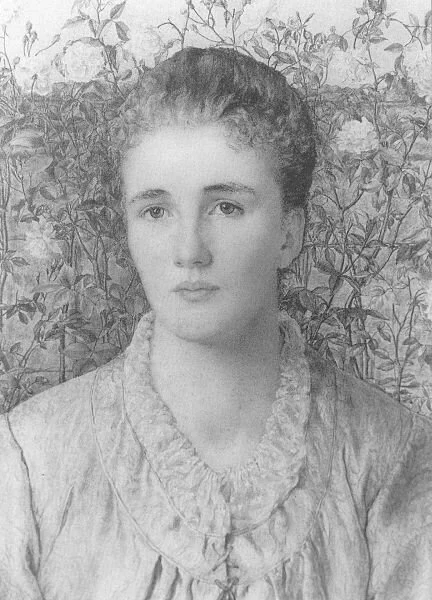
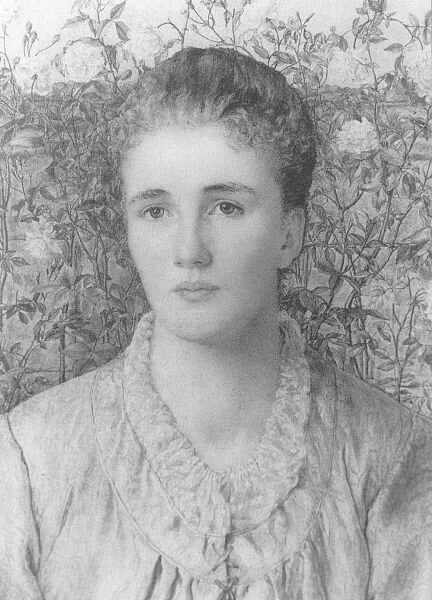
Louise was beautiful, cultured and rich! Her beauty comes through from a picture we have of her. She is enhanced by a Pre-Raphaelite setting of a trellis covered in roses. This style was very fashionable at the time but Louise was actually no wistful Pre-Raphaelite goddess. She had very strong opinions which she expressed forcefully! Humphry Ward had his eye on her as a possible wife but when Mandell Creighton saw her talking to Humphry, he was instantly smitten! He was particularly struck by a bright yellow scarf she was wearing: yellow was his favourite colour. Quite ironic considering the subject of the lecture! The story famously goes that Mandell asked after her, “Who is that girl who has the courage to wear yellow?”

Louise depicted in a floral, Pre-Raphaelite setting.

Louise depicted in a floral, Pre-Raphaelite setting.

Mandell was not good looking but was considered to be the cleverest young man in Oxford. Humphry was probably better looking but didn’t have Mandell’s future prospects. Louise visited Mandell’s rather opulent college rooms and was charmed by his collection of photographs and blue willow pattern china! Even when he lectured her about something called “entsagung”, which meant denial and was a fashionable idea at the time, she wasn’t put off! She liked his self-confidence and brilliant witty conversation. She wrote to a friend “How dull everyone else has seemed to me in comparison!” Their relationship was passionate, though known for being stormy at times.

So Humphry Ward didn’t really stand a chance! He ended up marrying Mary Arnold, who became a fashionable novelist and founder of the Mary Ward Centre and Somerville College. Though the two took opposite sides on the issue of women’s suffrage, Mary and Louise remained friends for the rest of their lives.

Object of the Month - May 2020

The Chapel Kneelers

Our Object of the Month is kindly written by Esther Dean

Each month we feature two blogs by volunteers, one on an object in the Palace and another on a plant from the garden. There is no set format so please feel free to send in your ideas if you would like to contribute. It is an excellent way to learn more about the Palace and keep in touch from afar!

Back in 2015, the Palace Embroiderers (aka the Sewing Bee) were getting itchy fingers. After having very much enjoyed embroidering all the Bishops’ Badges they were looking for a new venture to fulfil their imaginative and creative talents. But what could they find to do that they would both enhance the Palace and satisfy their creativity?

At the same time the Rev Joe Hawes, then rector of All Saints and a trustee of the Palace was finding that he was celebrating many more wedding blessings in the Palace Chapel. However, there were no kneelers in the chapel for the bride and groom and other members of the congregation.

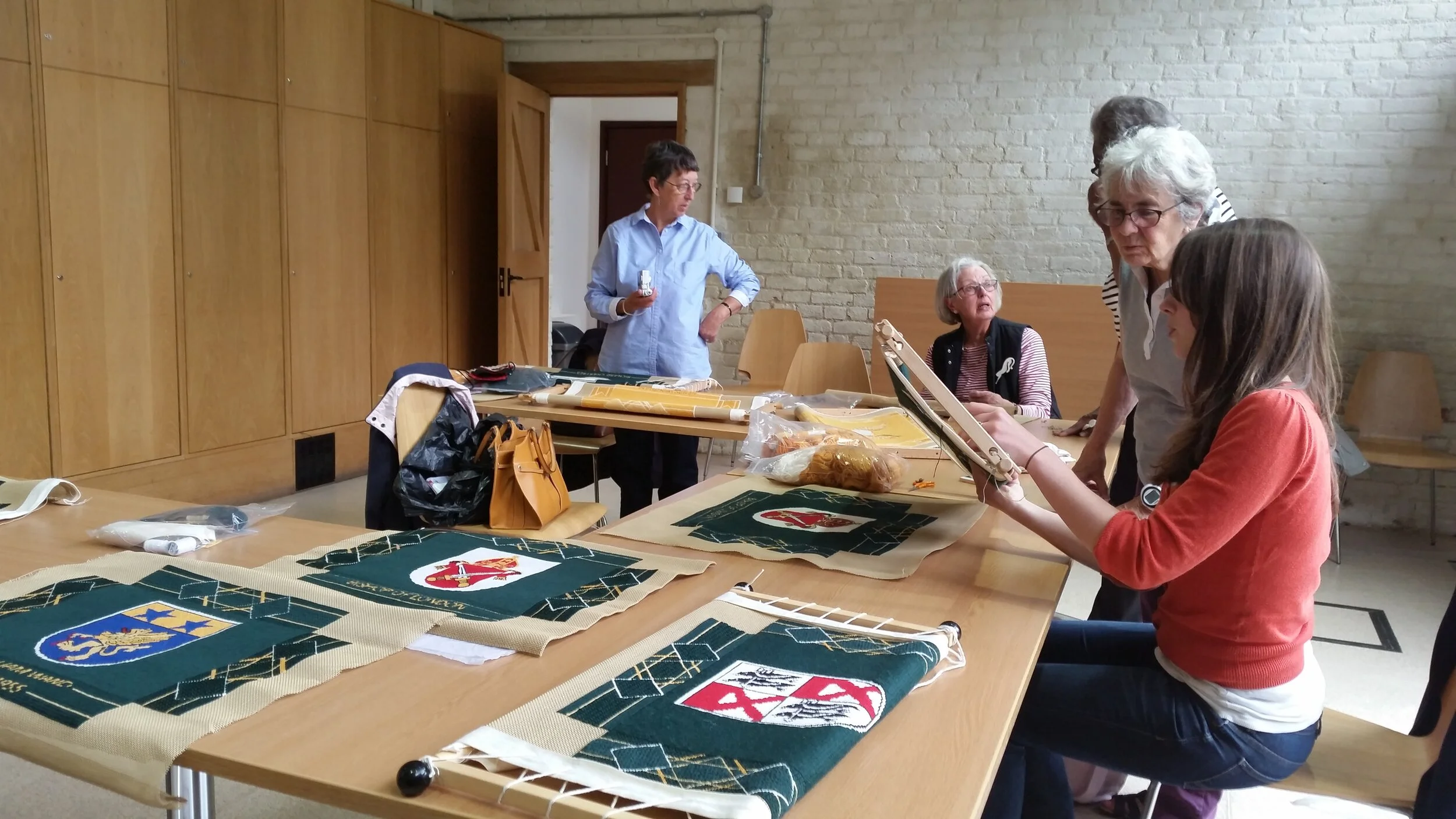
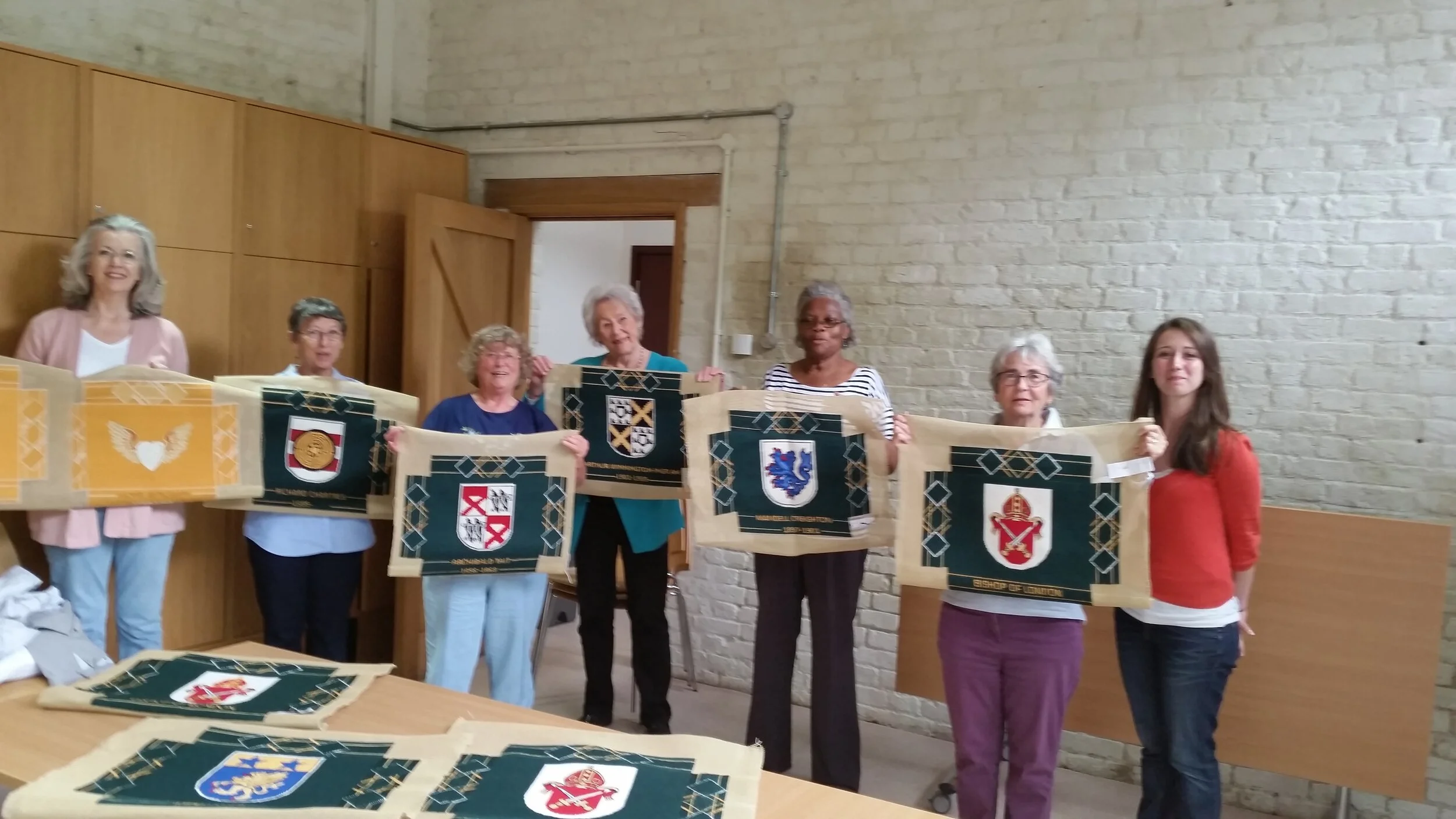
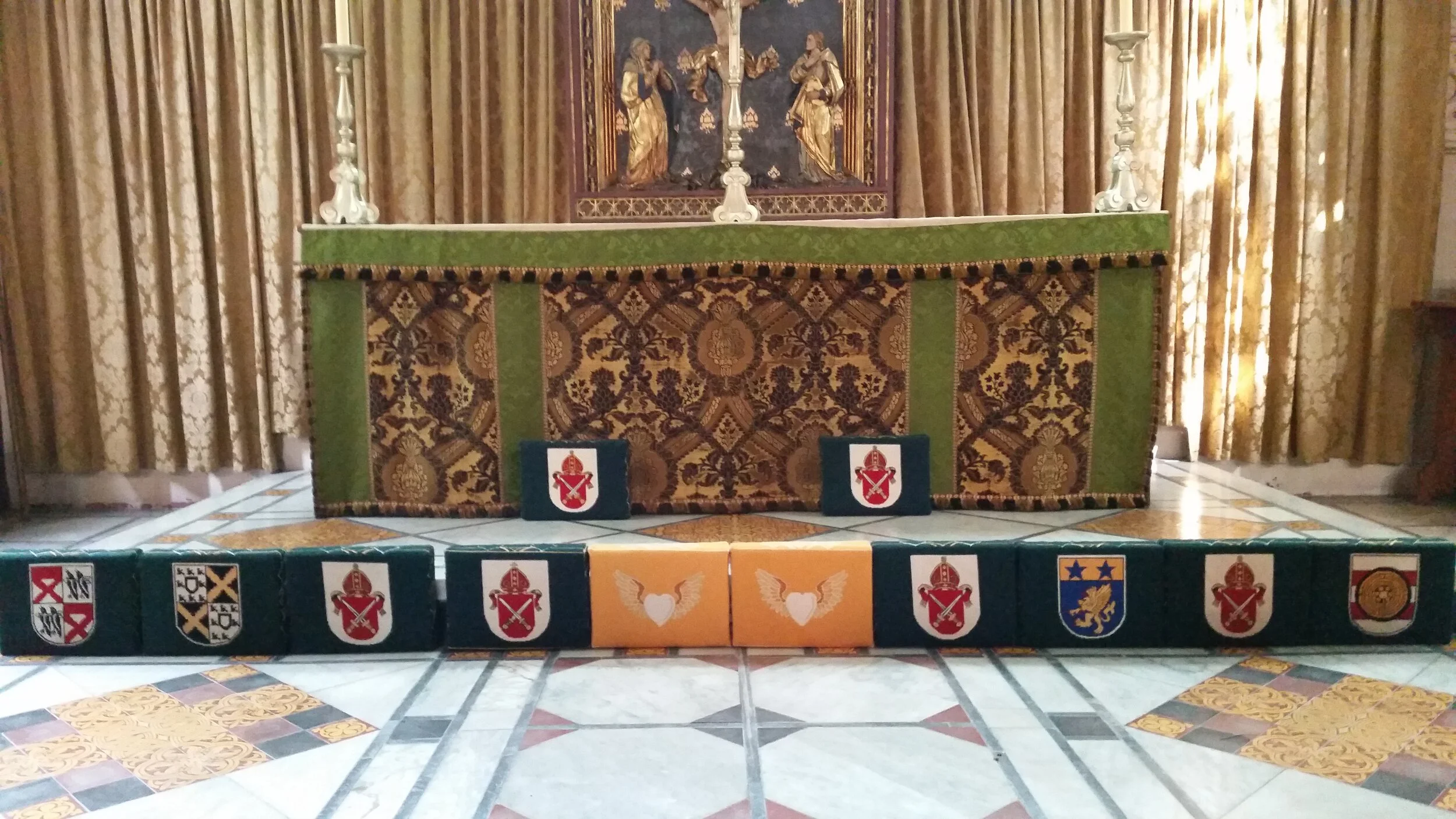
The embroiderers jumped at the suggestion that they make a set of kneelers for the chapel. There was much discussion as to the design and eventually it was decided, with the support of Sian Harrington, that we should use the badges of the Bishops, from Bishop Tait who had built the chapel in the 1860s, Creighton, Winnington-Ingram, Wand and Chartres. We merged this with seven generic Bishop of London crossed swords - a motif that is found all around the Palace. But none of these were suitable for the bride and groom!

20160630_135826.jpg

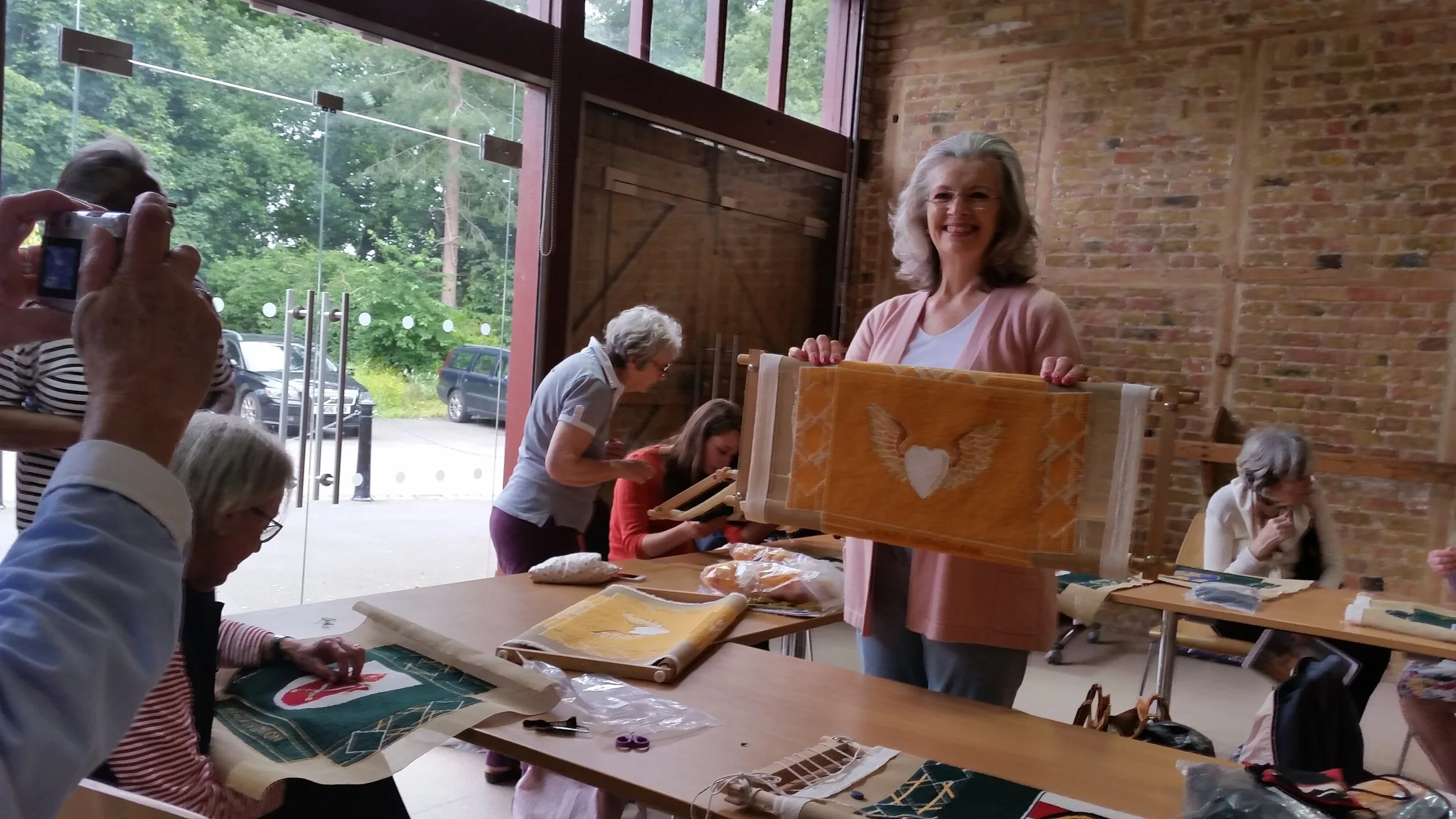
So, we looked back through all the old badges. Back in the fourteenth century, we found the badge of Henry of Wingham, a heart held by angel’s wings – perfect.

Henry of Wingham’s badge

Henry of Wingham’s badge

We then set about working out how to embroider, design and make up the kneelers. They needed to be hard-wearing, so we decided to use a fine tent stitch using tapestry wools. Originally, we thought we would use Bishop’s purple for the backing colour, but we decided that green was more fitting for the design and ecclesiastic needs.

We realised that they would need to be made to a very high quality to fulfil their purpose and that, though we were all very keen, none of us had sufficient expertise to fully carry out the project. We enlisted the help of the Royal School of Needlework (with the special assistance of Helen Richman) to guide us through the initial preparations, design, stitching and finishing.

20160630_152117.jpg

So we set about mounting our canvases on large frames, transferring the designs to the canvas and learning the various stitches needed. Though they looked simple, we soon found that fitting in curves and circles required a lot of finesse! We would meet up every few weeks to survey our work, but most of the stitching was done in our own homes.

Then came the great day when the stitching was all finished and the canvases were taken off their frames, ready to be made up. We enlisted the help of NADFAS (now known as The Arts Society) volunteers in the making-up of the finished kneelers.

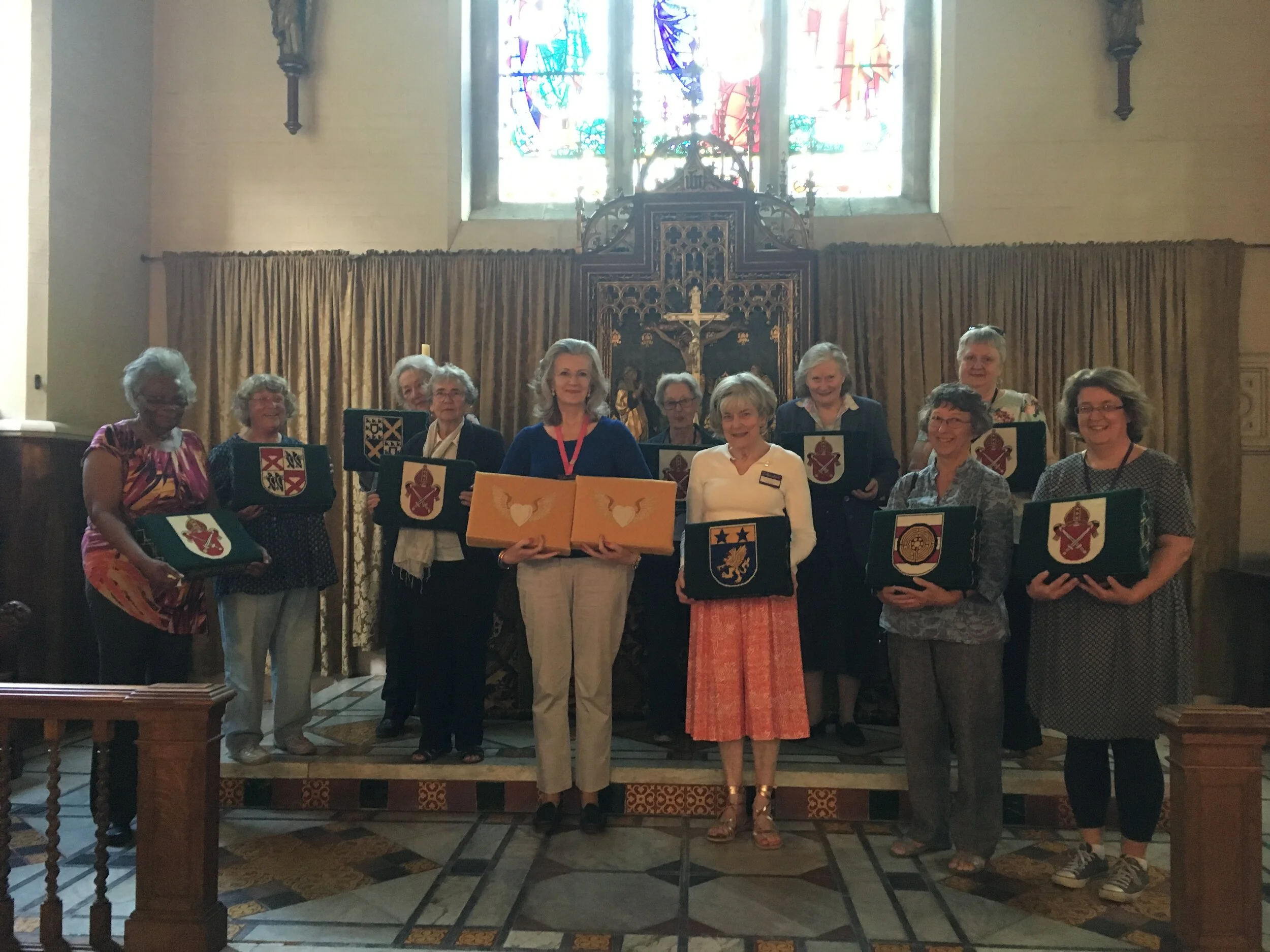
Finally, on 30th May 2017, the kneelers were taken to the chapel to be blessed. It is our great pleasure that they have been used so frequently ever since. The Palace embroiderers are very proud to have made this contribution to the Palace chapel.

20170530_170428.jpg
Chapel Kneelers unveiling 30 05 2017 (1).JPG

Job opportunity: events and marketing executive

Hello!
 

I’m Nicola, the Palace’s commercial and visitor experience manger. I’ve been at the Palace for nearly two years, but took my new role just after lockdown so you may know me as the Palace’s marketing officer. My role is the one which Arlene previously held, so once we’re back up and running you’re likely to see me in front of house, working on public events or behind the scenes trying to convince Warner Brothers to shoot their latest blockbuster at the Palace…

Glory of the garden family fun day September 2019

Glory of the garden family fun day September 2019

As I’ve moved across to this role, there is now a gap which needs to be filled. Currently a few members of the team are pitching in to manage our social media accounts, newsletters and website, but once the Palace reopens we’ll have lots of marketing to do to get us back into the forefront of people’s minds.

The new role we’ve created encompasses some aspects of marketing and also events management – with so much changing over the last few months and in the months to come, we’ll need to reimagine how our events look for the foreseeable future.

I had an amazing time in my previous role, and know that the new role of events and marketing executive will be great, with plenty of opportunities to be creative and really get stuck in!

Creating social media content

Creating social media content

This role is available for internal applicants including our volunteers, so if you’d like to find out more about the role take a look at the job description.

To apply, complete the application form and equal opportunities form . The deadline for applications is 9am on Thursday 4 June 2020.

Discovering the Letters of Bishop Creighton

In the spirit of social distancing, many of you may be writing letters or postcards to your loved ones. In today’s blog, Cerys Williams writes about discovering the letters of Bishop Creighton at the Palace, which reflected the political nature of the role of the Bishop of London, but also providing a more personal insight into the relationships of the Bishop. These letters conjure up an image of how Fulham Palace appeared at the end of the nineteenth century.

Thank you Cerys for this unique blog piece!

A couple of years ago I was presented with a packet of jumbled letters, documents and photographs. They had come from members of Bishop Creighton’s family. No one was certain whether they would remain in the Palace collection as they were not all related to the Palace history. It was also felt that they should perhaps be kept somewhere with better archive storage space. However, before anything could happen, they needed sorting and I was lucky enough to be given that job.

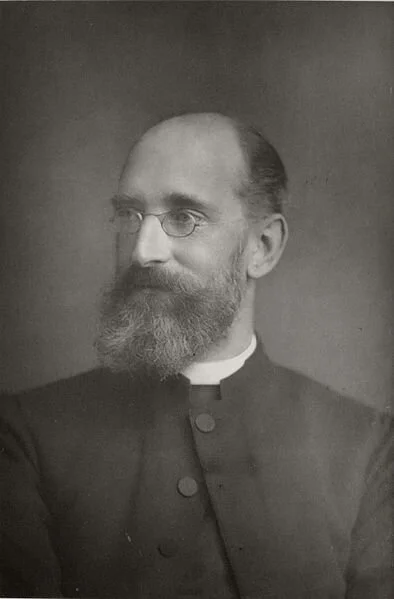
Mandell Creighton served as the Bishop of London from 1897 - 1901. This photograph was taken in 1891, the year he was consecrated as Bishop of Peterborough.

Mandell Creighton served as the Bishop of London from 1897 - 1901. This photograph was taken in 1891, the year he was consecrated as Bishop of Peterborough.

As you can imagine, someone in public life in the late Victorian period sent and received a lot of letters. Many of them were from the great and the good of the time – some even from the very great as it turned out. There was correspondence with Gladstsone for example. Kaiser Wilhelm (the last German emporor and King of Prussia, 1859 – 1941) had heard Creighton preach while on a visit to Sandringham and wrote to ask for a copy of the sermon.

There were even a few letters written by Queen Victoria herself. It took me a while to register that that was what I was looking at – especially as she wrote in the third person and began “The Queen would like…” rather than “I” so it was as if the letter had been written by her secretary. But no. They were quite definitely written and signed in her own hand.

Louise Creighton in 1878, aged 28. Louise is known for her advocation for womens’ rights, and for authoring many books about historical and socio-political issues of her time.

Louise Creighton in 1878, aged 28. Louise is known for her advocation for womens’ rights, and for authoring many books about historical and socio-political issues of her time.

Creighton’s marriage was close and happy and when he travelled abroad he wrote daily to his wife Louise. Some are just a catalogue of the churches visited in European cities, but in 1896 Creighton was asked to represent the Church of England at the coronation of the last Tsar of Russia. There were letters written almost daily from Russia documenting the event in great detail on many sheets of fragile paper.

But perhaps my favourite letters were not these to famous people, but the series of letters he wrote to his young nephew who was away at school. In these you do find mention of important events - there are the preparations for the Queen’s Diamond Jubilee celebrations and the Boer War is obviously important to a young boy at the height of the British Empire. But they were written to amuse not as a formal record and give a glimpse of the Bishop’s everyday life rather than his business self.

They talk about the “tedium of so many dinners” and were often written during boring meetings. One breaks off abruptly when someone at the meeting was taken ill because they had been poisoned! One talks about the having a “very fat” Russian princess to tea. Another jokes about the thousands of people at garden parties to be fed on strawberries and ices. They record the weather and the crowds walking across the palace grounds and the effect of this on the lawns – the current gardeners would probably sympathise – “not enough rain and the grass goes… too much rain and the grass goes soppy”!

Screenshot 2020-05-11 at 09.48.23.png

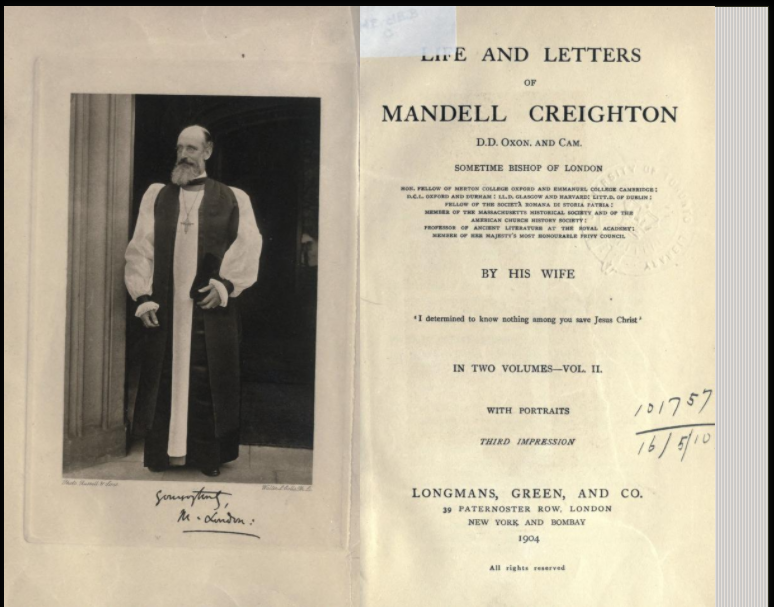
The Life and Letters of Bishop Creighton was written by Louise Creighton in 1904, 3 years after the death of her husband. For those of you that feel up to some researching, the book has been fully digitised by the British Museum and can be read online for free: https://archive.org/stream/lifelettersofman02creiuoft

If this blog has inspired you to write a letter, check out the Palace online shop for a beautiful selection of cards and postcards!

Staff Lockdown Diaries

Seeing as we are all stuck inside, it may seem as though we would all have pretty similar days. Perhaps a lie-in, a new hobby and lots of Netflix binge-watching. But why not investigate? We have asked our staff members to write short diaries of their day-to-day lockdown lifestyle.

Kicking us off is this diary by Nicola Price, Commercial and Visitor Experience Manager and Acting Marketing Officer (and the expert at using the photocopying machine).

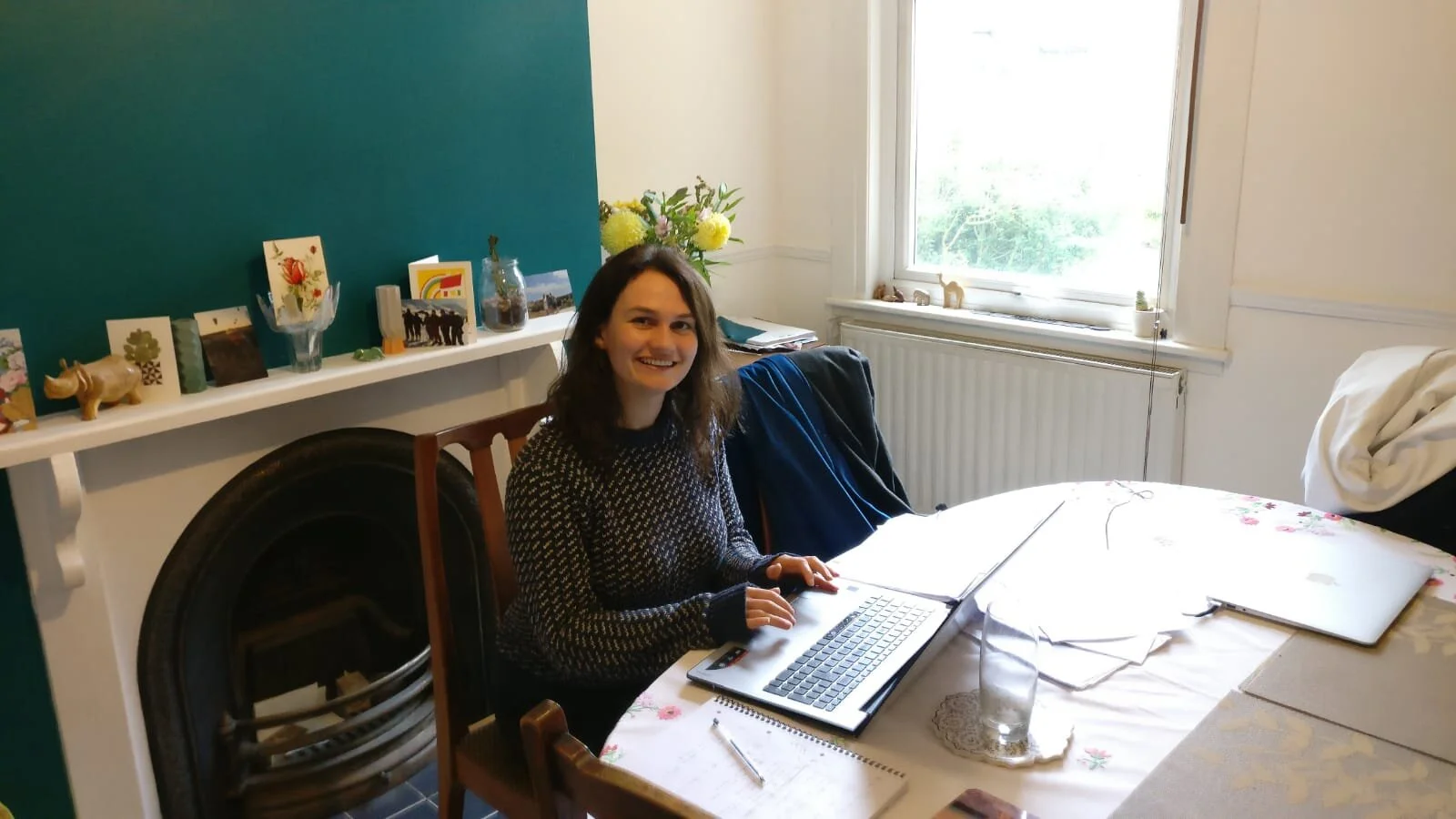
Home Office

Home Office

I’ve been working from home most days – although popping into the Palace about once a week.

Things I’m enjoying:

· I live in Walthamstow, so not having to commute for 2.5 hours a day is pretty great

· I don’t have to go downstairs to boil the kettle

· Ebay. Oh my goodness – this is probably a slightly dangerous new love, but so far I’ve bought 12 Victorian door knobs, about 30 metres of various fabrics, a staple gun, a hand embroidered tablecloth, some trivets… and plenty more besides.

· I get fancy coffee delivered to my desk each morning. Made with real coffee beans.

Things I’m missing

· The people! Not seeing the faces of my colleagues and all of our volunteers is really rubbish. I do get to see some faces on zoom calls... but it’s not the same.

· Adi (my partner) is less accepting of my messy desk (dining table) than my colleagues are.

· My work computer – my laptop is not a good stand-in for the power of a desktop

· The massive mug I usually use in the office

WhatsApp Image 2020-04-29 at 14.57.32 (2).jpeg

A day

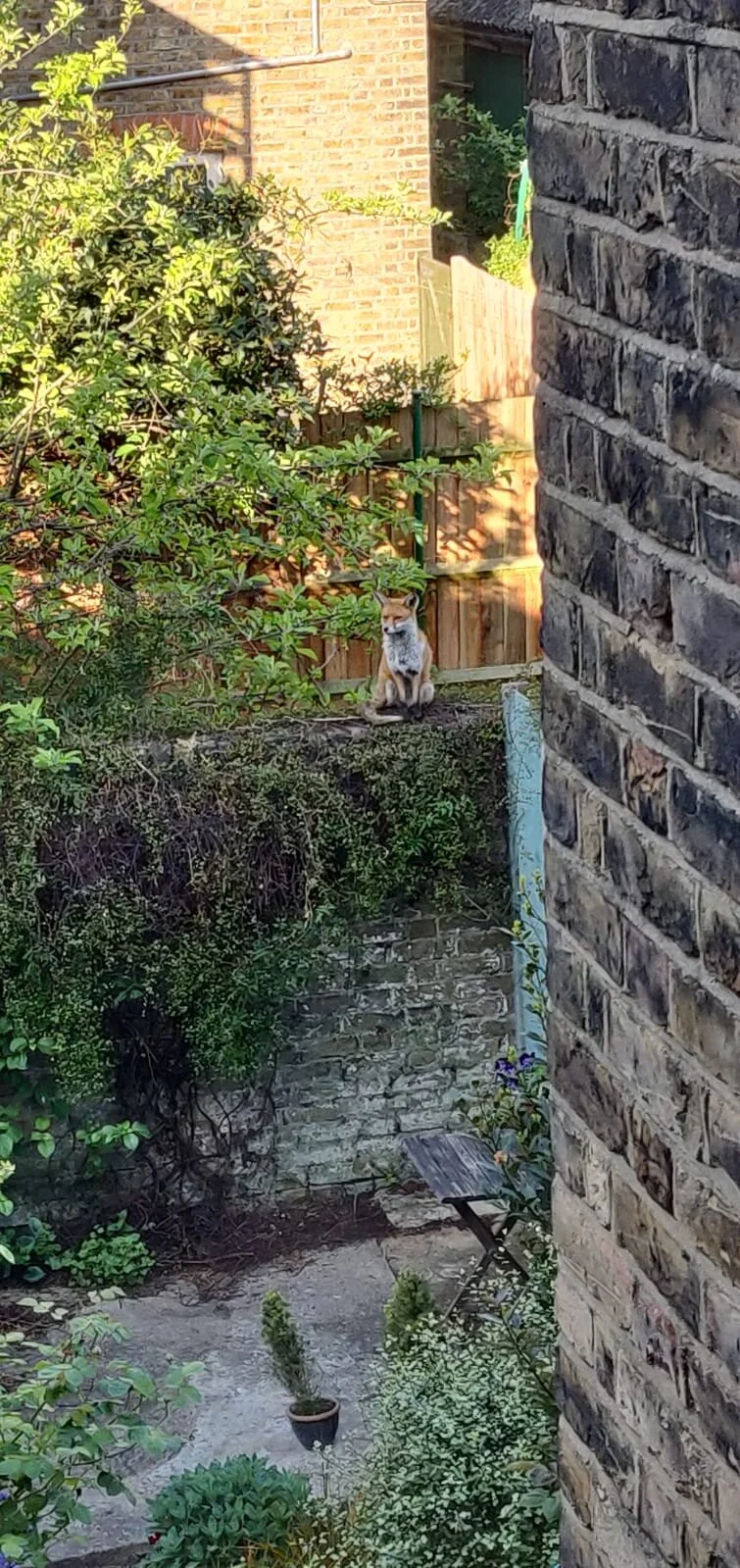
7.30 - Say good morning to the fox which naps on the wall at the end of our garden

8.00 – A new addition to the morning routine – a spot of yoga before work

8.30 - I still start work at the same time as usual, but as no commute is required I get a lie in every day!

8.35, 8.45, 9.00 – Time for a cup of tea/coffee… (pretty much the same as usual).

Morning – checking emails, checking social media, working my way through my to do list. As I’m new to my role I’m spending a lot of time going through old documents at the moment trying to get a handle on things.

Lunch – Leftover curry? A sandwich? Maybe even some homemade soup? The world is my oyster.

Afternoon – probably a meeting on zoom. Will be judging everyone on the backdrop they’ve chosen and will try to work out which colleagues are still wearing their pyjamas. More email fun (I write a lot of emails) and maybe uploading a blog to the website or adding some new plants to the online barrow. Lovely.

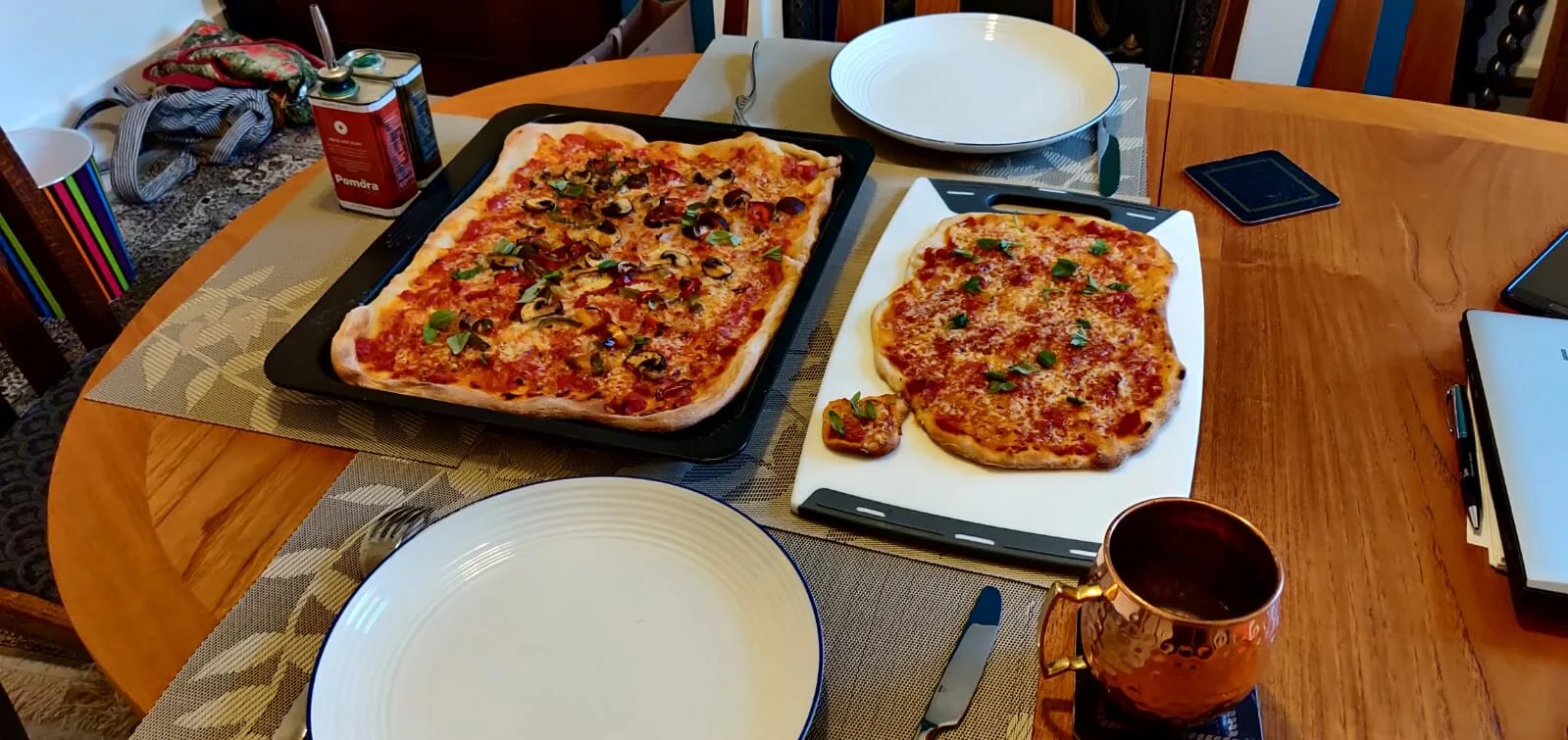
After work fun – Time to make something complicated for dinner (homemade ravioli? Or pizzas with homemade mozzarella? Or a very complicated Indian dish requiring many steps and some disastrous deep frying? Or maybe something easier. But probably not).

WhatsApp Image 2020-04-29 at 14.57.32 (1).jpeg

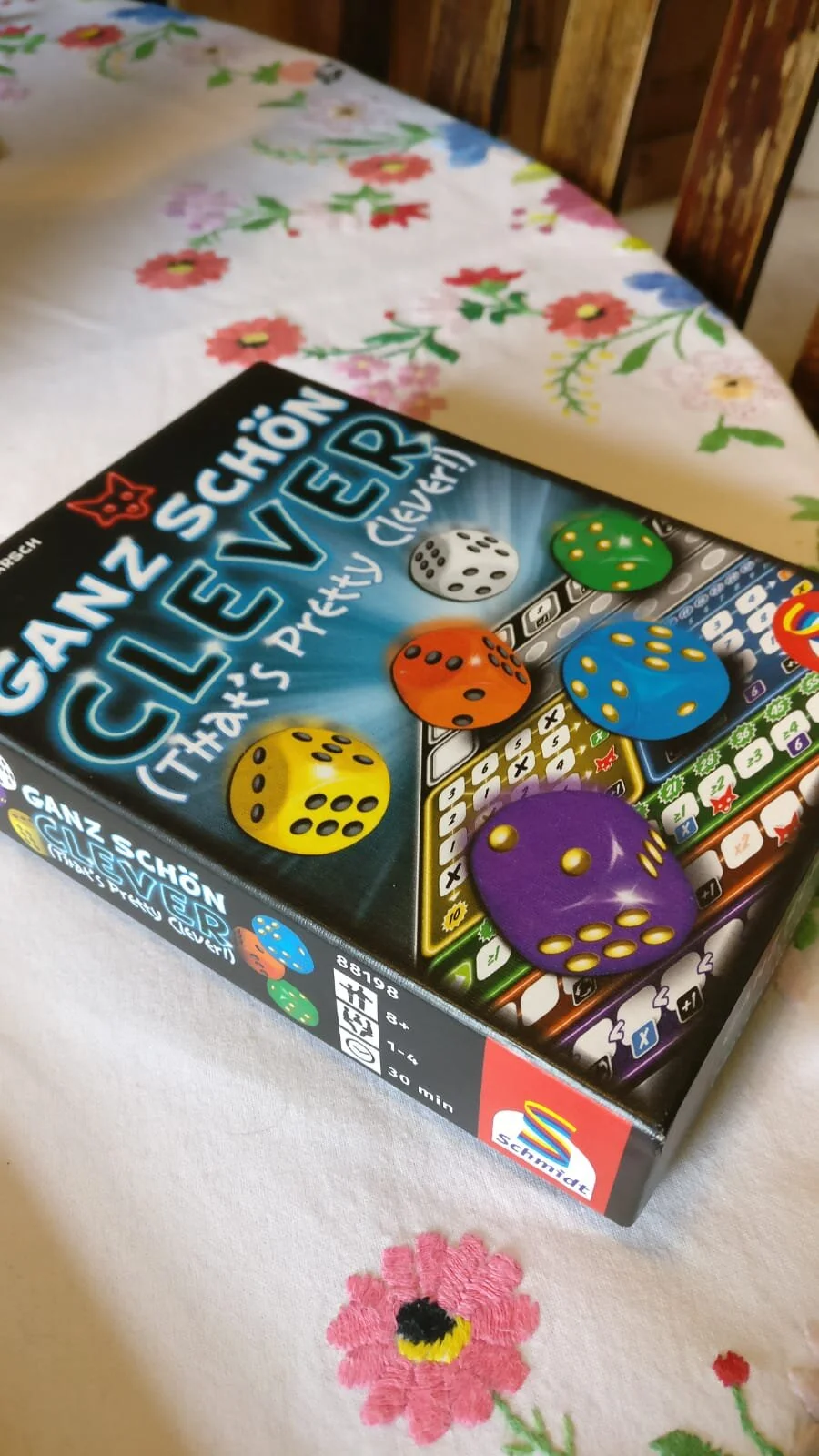
We’ll have a video call with some friends or family – maybe involving a game at the same time. We’ve got into a game called ‘ganz schon clever’ in a big way. It’s a dice game which rates your cleverness at the end. I do poorly.

WhatsApp Image 2020-04-29 at 14.58.13.jpeg

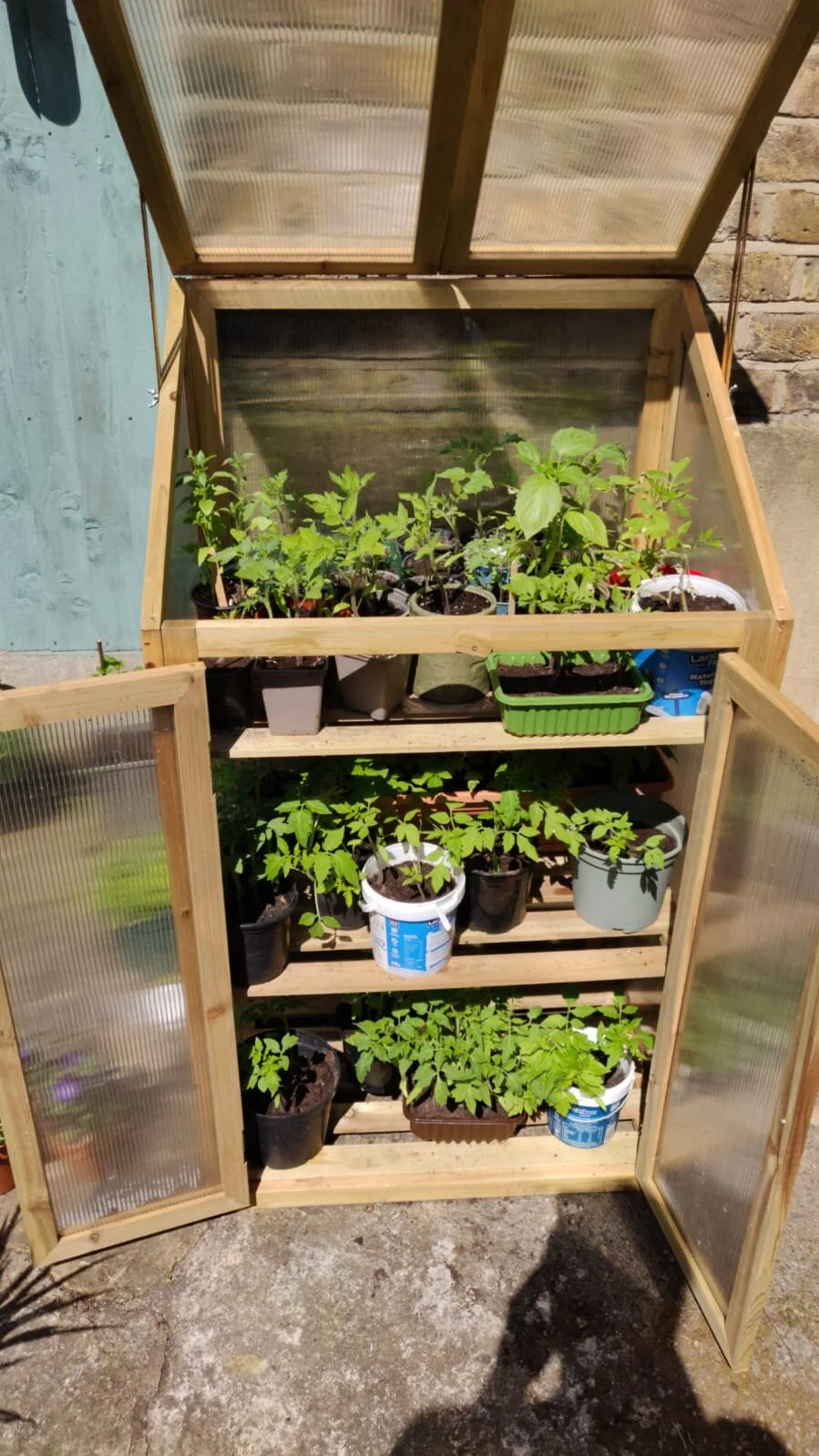
Repeat until weekend, then dust off the trowel and secateurs and get cracking in the garden, tending to the small tomato army I have accidently raised.

Nicola’s Small Tomato Army

Nicola’s Small Tomato Army

Thank you Nicola for working so hard from home and supporting the Palace, which we all want to keep afloat.

Watch this space for the next staff diary!