
Lady of the Night
July’s Specimen of the Month, this blog piece was kindly written by Sylvaine Vautel, garden volunteer.
Each month we feature two blogs by volunteers, one on an object in the Palace and another on a plant from the garden. There is no set format so please feel free to send in your ideas if you would like to contribute. It is an excellent way to learn more about the Palace and share what interests you with others!
I will never forget our first encounter in Saint-Jean-Cap-Ferrat two years ago.
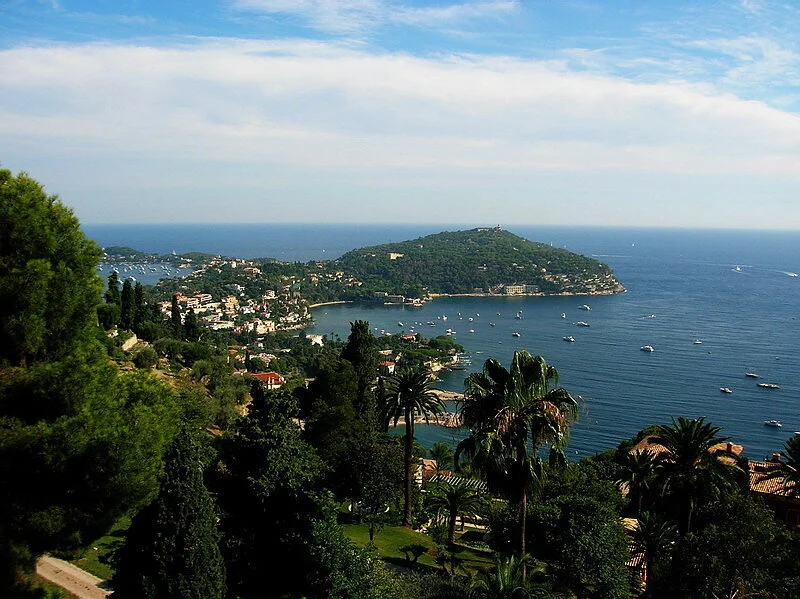
Saint-Jean-Cap-Ferrat is located in the Alpes-Maritimes department in southeastern France.
Photo attribution : Kerschbaumer’s at English Wikipedia.
The Cap small nursery had just opened and was releasing sweet fragrances from the early morning watering.
The sun was already shining brightly in a deep blue sky, enhancing the boisterous colours of annual plants:
begonia, marigold, cosmos, geranium, zenia, petunia...
I walked past them, wandering in the back of the nursery. Then I saw you. Your lovely, tiny, lime-green and white tubular flowers, grouped in clusters, contrasting with the dark-green lanceolate leaves.
You were introduced to me as Cestrum nocturnum. Your ancestors grew up in the West Indies and came to our shores in the fifteenth century.
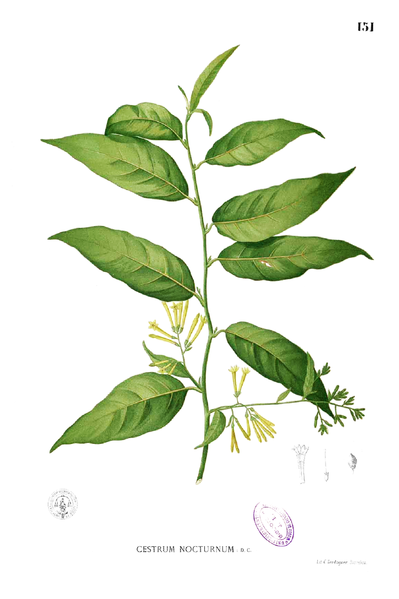
Cestrum nocturnum is also known as night-blooming jessamine, night-blooming jasmine, night-blooming cestrum, and raatrani. It is a species of Cestrum in the plant family Solanaceae (the potato family). Lady of the Night rarely blooms, only at night, and its flowers wilt before dawn.
You like fertile, well-drained soil, a sheltered site and sunshine or partial shade. In these conditions, you will release an extraordinary night fragrance from June to October. Small berries follow.
You will become an evergreen perennial. Half-hardy in coastal areas and most mild parts of the UK. But winters and frost will inhibit your spirit. You do well in conservatories and in greenhouses. To avoid root rot, your soil must become dry between watering. Your leaves and flowers are toxic if eaten, but you are the delight of bees and butterflies.
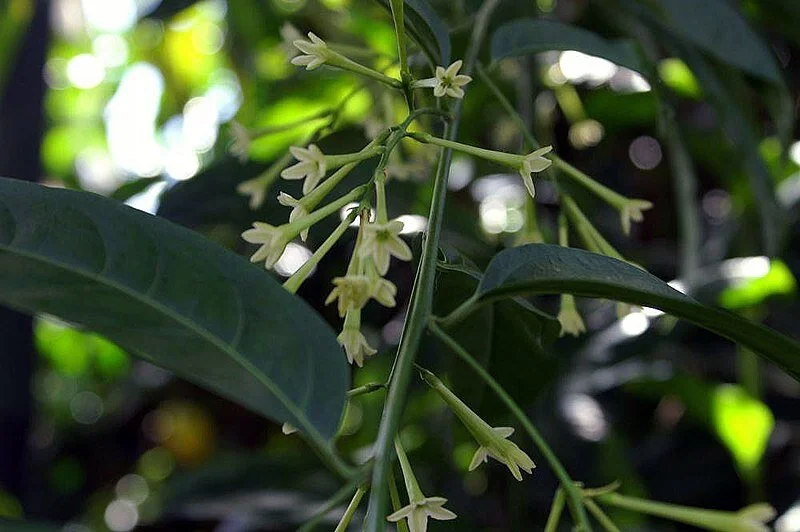
Photo Attribution: David J. Stang, Wikimedia Commons.
I knew at once that we would be friends, that you will blossom in Èze, in our clay-limestone soil. For decades, my family used to grow beautiful and rare carnations from Nice, until the Kenyan and Columbian competition became too harsh.
This is your second summer season with us, dearest Lady of the Night. Each scarlet sunset is a promising sign of your gorgeous, overwhelming evening presence.
The land breeze will soon fill our patio with a delicate scent of white flowers: jasmin, gardenia, tuberose and orange blossom. The fragrance reminds us of the precious Islamic gardens around our beloved Mediterranean sea. Gardens encapsulated by walls that create a small paradise.
Shall your warm embrace mesmerise us for 1001 nights.
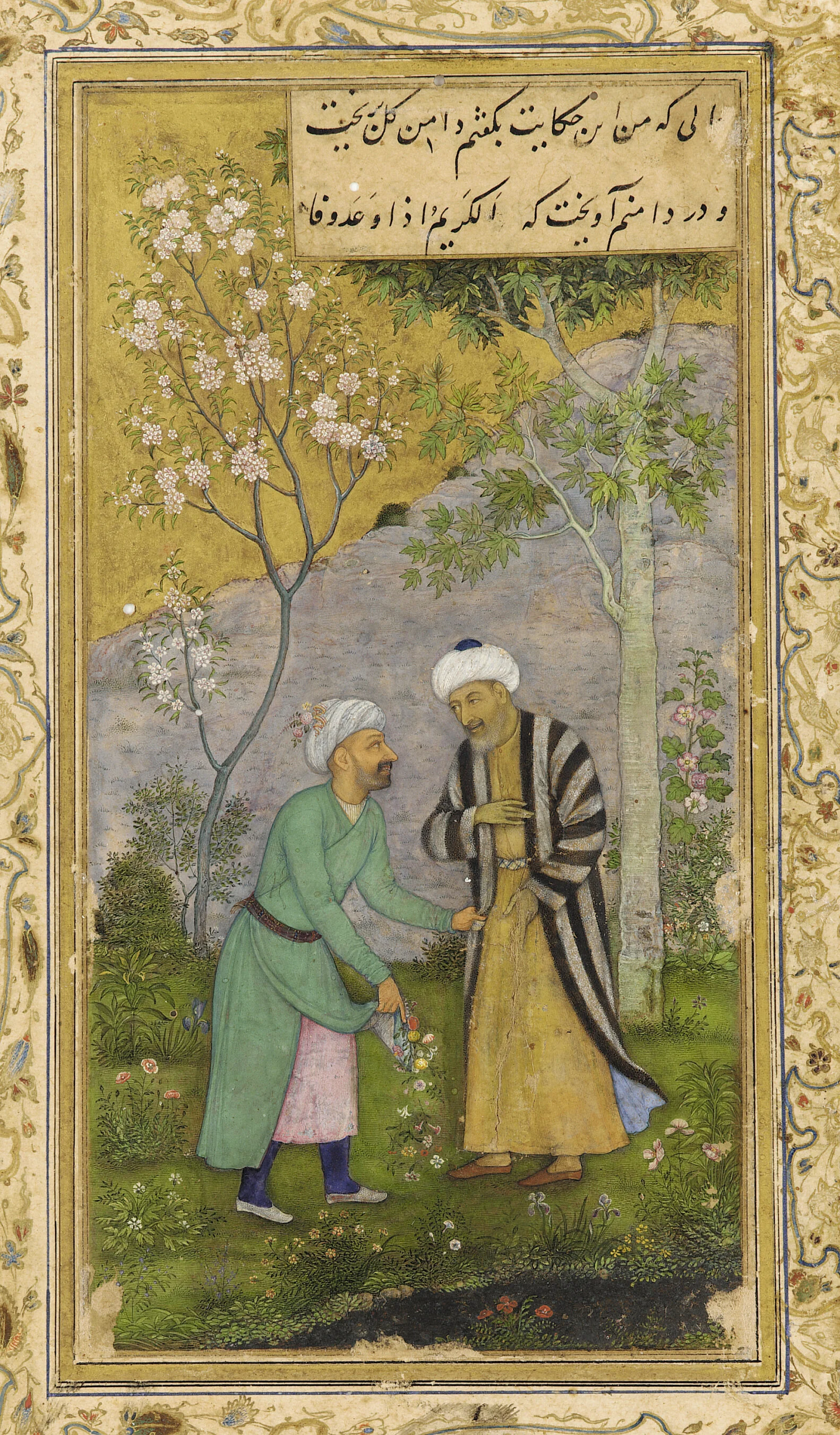
Flowers blooming in an Islamic walled garden. Jasmine and roses were often used to create fragrant, sensory environment for contemplation and rest.
Attributed to Govardhan, ‘Sa'di in a Rose garden’, from a manuscript of the Gulistan (Rose garden) by Sa'di, opaque watercolor, ink and gold on paper, 25.4 x 33.9 cm, The Freer Gallery of Art, Washington DC.