Object of the Month: Learning Centre Range

Every month we feature two blogs written by volunteers, one describes an object in the Palace and one a plant from the Garden. It is a great way for us all to learn more about the Palace. If you would like to contribute there is no set format so please do send us your ideas!
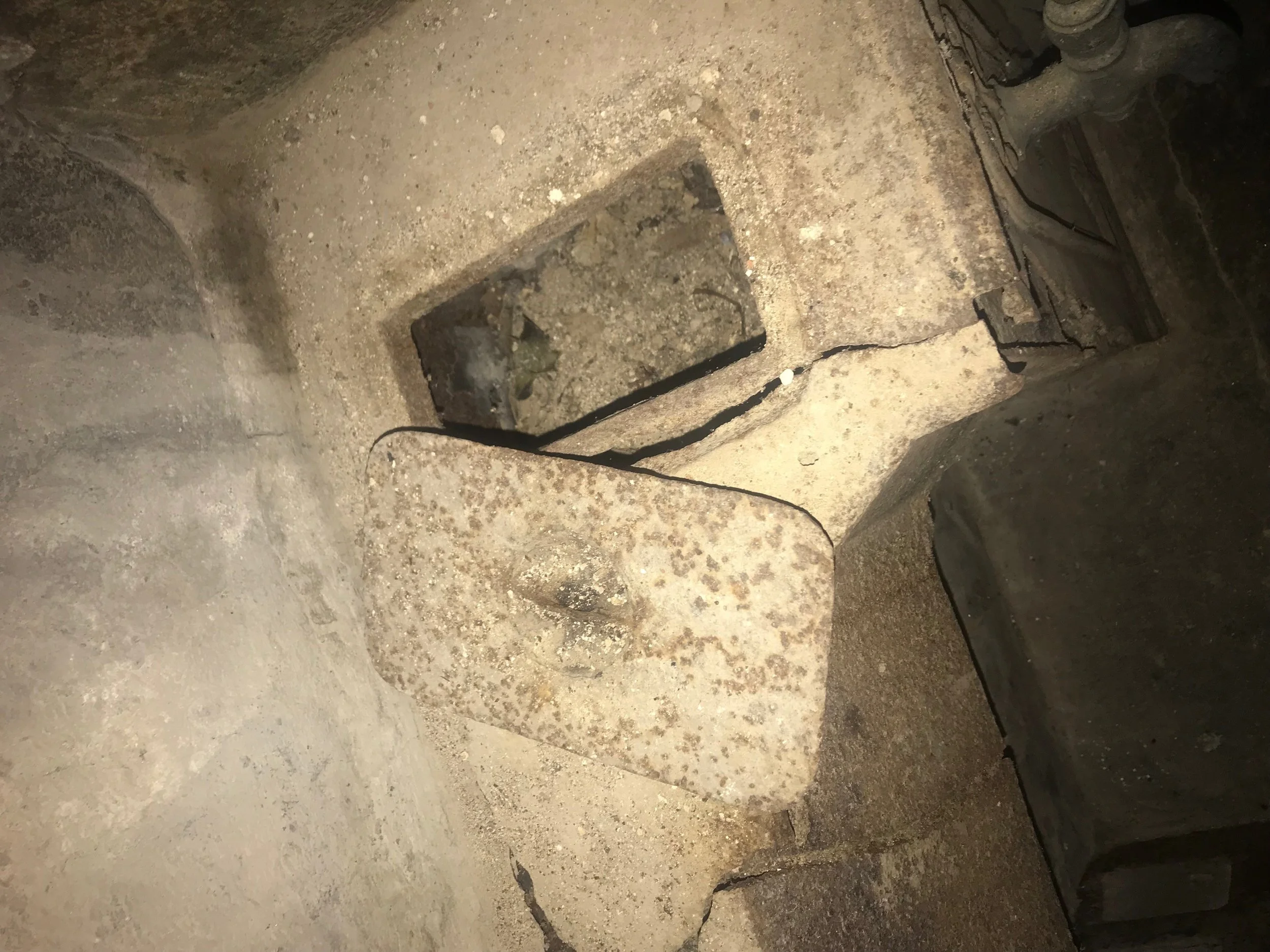
Opening on the range where the water would be poured in to fill up the hot water tank

Opening on the range where the water would be poured in to fill up the hot water tank

In the middle of the Learning Centre, which was previously a Victorian stables, lies a historic feature with a mysterious history. Through some research, there seems to be lots to learn about it and many answers available for those seemingly impossible questions. 

The stables were first built in 1869 as part of the farmhouses at Fulham Palace in order to shelter livestock. However, these first stables did not last long as they were unfortunately destroyed in a fire and rebuilt in 1873. Bishop Winnington-Ingram, who was Bishop of London from 1901-1939, had also bought a car which meant some of the stables were converted into garages during 1905. These changes in the stables were all in the Victorian era which would suggest that the antique range is Victorian. 

From my initial investigations, the range in the stables is roughly 105cm in height and 82cm wide and it is created from cast iron (heavily rusted now). It includes a hot water tank with a tap which is why I think this is a range rather than a fireplace. However, ranges would be more likely to be found in the palace kitchens rather than in the stables. It was also created in the style found in Georgian kitchen ranges as it has elaborate carvings which contradicts the Victorian date of the stables. An explanation for this is perhaps that this range (which we originally saw to be a fireplace) was moved from elsewhere to the stables. As the palace has Georgian architecture, the range may have been originally placed there and relocated to the stables afterwards.
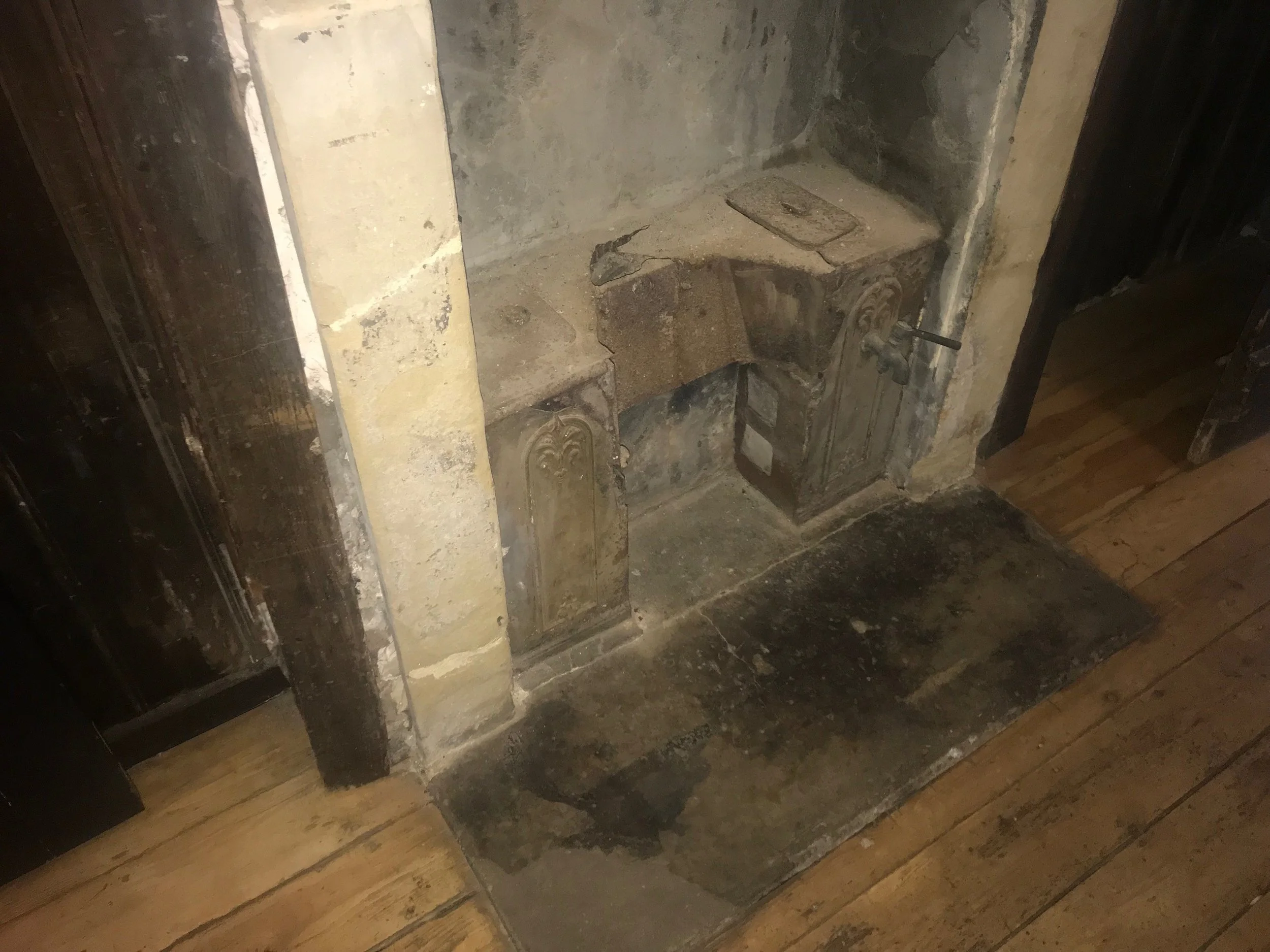
Here is a view of the range including the tap

Here is a view of the range including the tap

A range is a stove with a built-in cooker top which replaced open fires during the 16th century. The range would have been useful in the stables as it would not only benefit the staff working in the stable but the animals living there would be living in warmth especially during the cold winter. One Victorian publication, Mrs. Beeton's Book of Household Management, by Isabella Beeton (1861), advises grooms and stable boys to keep the stable a constant temperature of 50-60 degrees during summer and winter so there was a need for a source of heat. Hot water could also have been used for laundry and domestic purposes, cleaning the carriages which were stored in the larger room and soaking the hay. In addition, staff would be able to cook and make hot drinks in the stables which would be advantageous especially in winter…!  

Ladna Said, Learning Placement Student

Please send your ideas for Object / Specimen of the Month blogs to rachel.bagnall-bray@fulhampalace.org. If you would like some help, please let us know.
Museum Make-Over

Special thanks to Peter Savage, Collections and Handling Collections volunteer, for giving us an insight into taking down the museum at Fulham Palace this Winter/Spring.

Museum Pack Down March 2019 2.jpg

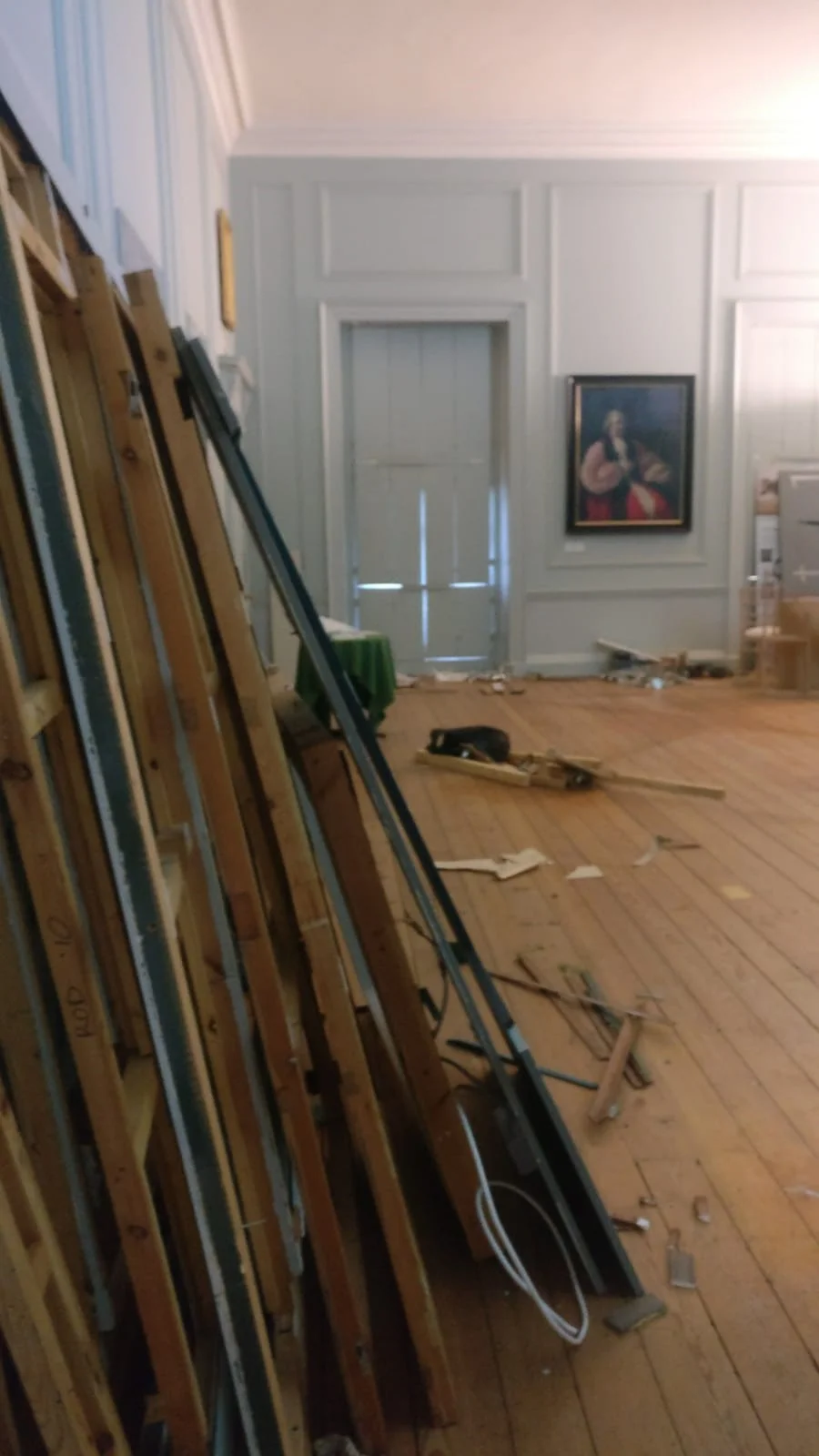
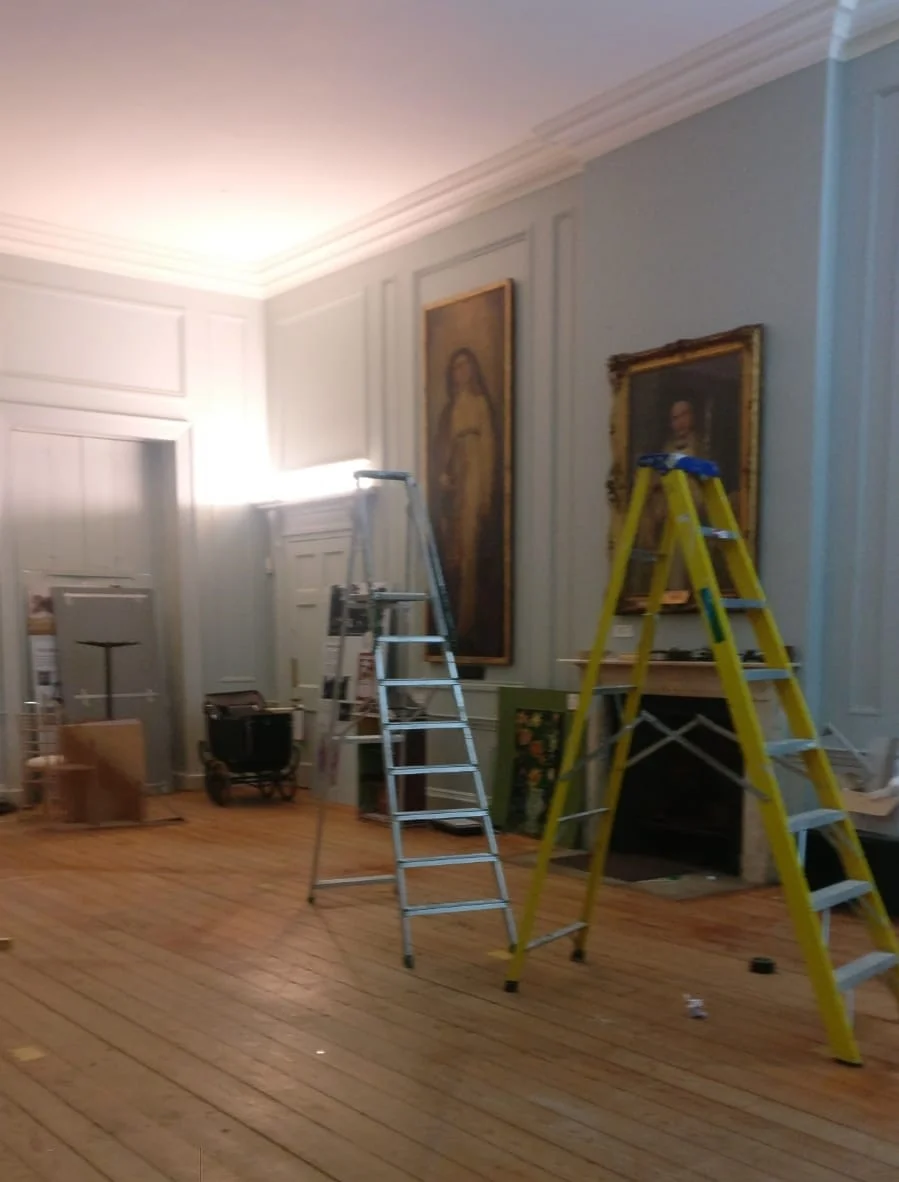
With the launch of the new museum approaching, the race is on to clear the existing space and choose the exhibits that will be on display from the end of May.  Renata and I have been helping Antia Dona, Conservation Assistant at Fulham Palace, to go through the various collections and prepare for the move.

On a remarkably warm day in February we got a sharp reminder of more typical winter temperatures when we ventured forth into the very chilly storage room. What treasures would we discover? We already knew about the wonderful collection of period costumes but what about all those mysterious objects wrapped in tissue paper or bubblewrap. Well, we found lots of framed portraits of various bishops and paintings or photos of the Palace but also interesting finds from archaeological excavations ranging from centuries old pottery sherds to a 20th century plastic toy pistol.  We rearranged things and hung some of the pictures on wall racks to free up some space on the shelves.

Museum+Pack+Down+March+2019.jpg

Back in the mercifully milder museum room, we removed some exhibits from the display cases and transferred them to the store room or kept them out for further consideration as to their eventual destination.  Ancient agricultural implements hinted at Fulham’s rural past and Roman artefacts showed how the site was occupied two thousand years ago.  


There is still much to do but I for one am looking forward to seeing how the new museum will be able to re-tell the story of the Palace using 21st century techniques and provide visitors with a fascinating experience.


 Peter Savage,

Collections Assistant and Handling Collections Assistant Volunteer


Specimen of the Month: Camellia Tree

Every month we feature two blogs written by volunteers, one describes an object in the Palace and one a plant from the Garden. It is a great way for us all to learn more about the Palace. If you would like to contribute there is no set format so please do send us your ideas!

camellia.jpg
cccccccccccc.jpg

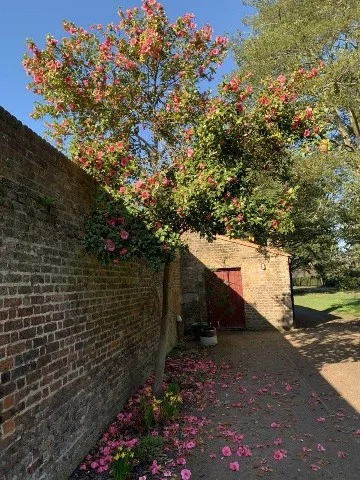
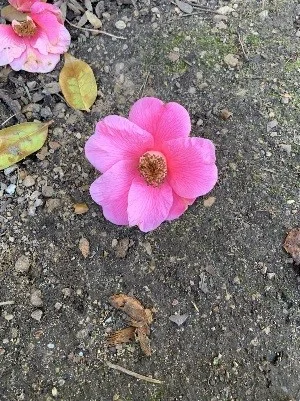
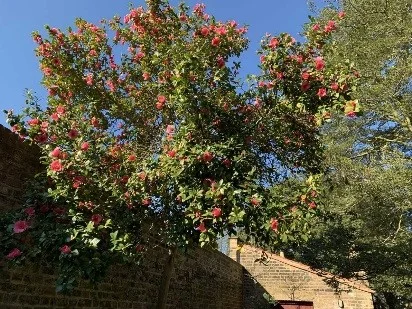
Bordering on the outside of the Walled Garden on the North side are a couple of beautiful camellias. One in particular is a majestic specimen (pictured above), which is prolifically flowering from February to March. The tree brings with it a beautiful sight of pink, vibrant flowers. At first I thought it was a Cherry Blossom tree but after research I have come to find out it is a beautiful Camellia tree.

Camellias flourish in the UK in March, so now is really the best time to enjoy their magnificent flowers at the Palace. The colour of the dense bouquet of petals can vary from white to red.

The first camellias were regarded a luxury, symbolising ‘love, affection and admiration’ when they were introduced into Britain through a ship from China.

ccc.jpg

Next time you are walking past the Walled garden, keep an eye out for the Camellia tree (its beauty is hard to miss!). 

Yasmin Elmi,

Learning Placement Volunteer

Please send your ideas for Object / Specimen of the Month blogs to rachel.bagnall-bray@fulhampalace.org. If you would like some help, please let us know.
Specimen of the Month: The Compton Bed

Every month we feature two blogs written by volunteers, one describes an object in the Palace and one a plant from the Garden. It is a great way for us all to learn more about the Palace. If you would like to contribute there is no set format so please do send us your ideas!

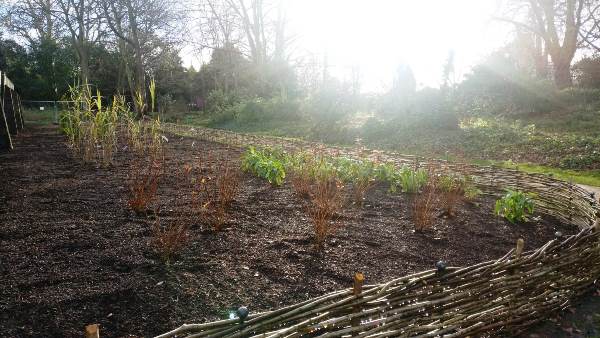
Part of the current Restoration Project involved the planting of a new border, known as the Compton Border alongside the Bishop’s Park side of the Walled Garden. The new planting enhances the botanic value of the gardens by emphasising the connection between the Bishops of London and the gardens. It will also be an enchanting extension of the Walled Garden.

The Compton Border with Volunteer and Staff Made Wattle Fence

The Compton Border with Volunteer and Staff Made Wattle Fence

So, why Compton?

Bishop Henry Compton was a resident of Fulham Palace from 1675-1713 and was a keen botanist. As Bishop of London, Bishop Compton was also Bishop to the West Indies and Virginia as their remit at that time extended to England's overseas colonies.

Through his contacts in the West indies and Virginia, Compton was able to collect different exotic plants including Lonicera Capifolium (Perfoliate Honeysuckle) and Crataegus Crus-galli (Cockspur Thorn), these have since been planted in the Compton Border near the Walled Garden. Additionally, in 1689 after the death of Duke Albermale, Compton was gifted part of an 800-plant collection to plant at Fulham Palace.

As part of the Restoration Project the palace today is beginning to reintroduce some of the plants that Compton introduced to the Palace including; Lonicera Capifolium (Perfoliate Honeysuckle), Ilex Aquifolium (common Holly), Crataegus Crus-galli (Cockspur Thorn) and Leonotis Leonurus (Lions Tail).

Have a look out for these the next time you’re passing the Walled Garden!

Rebecca McGovern,

Learning Placement Student

Please send your ideas for Object / Specimen of the Month blogs to rachel.bagnall-bray@fulhampalace.org. If you would like some help, please let us know.
References:

Morris, S. (1993) Legacy of a Bishop (Part 2): The Flowers of Fulham Palace Gardens Introduced 1675-1713. Garden History. 21(1) pp.17. DOI: 10.2307/1587051

Object of the Month: Coins as Bread, Bread as Coins

Every month we feature two blogs written by volunteers, one describes an object in the Palace and one a plant from the Garden. It is a great way for us all to learn more about the Palace. If you would like to contribute there is no set format so please do send us your ideas!

Coins as Bread, Bread as Coins: Culture and History in a Small Circle

This month’s object of the month is a bag of historic coins found in the store at Fulham Palace. They are going to be used in our educational activities in the future, perhaps as part of our Victorian Schools sessions.

I am Minchae, one of the learning volunteers at Fulham Palace. This morning, the Learning Assistant Jean Shipton, presented me with an enigma… A bag of historic tokens or coins of various shapes and colours, with the challenge to explore and investigate a little of their history.

Money has much influence on our lives today, just as it had in the past. Money is often thought of as simply a means of buying goods, but it is also imbued with history through the letters, numbers and pictures written on it.

Even though these coins have some information written on them, they are quite worn. Therefore, this initial research has limitations that there is not enough primary information. But it may be meaningful to follow the leads that we have on each of the little coins. Let’s begin!

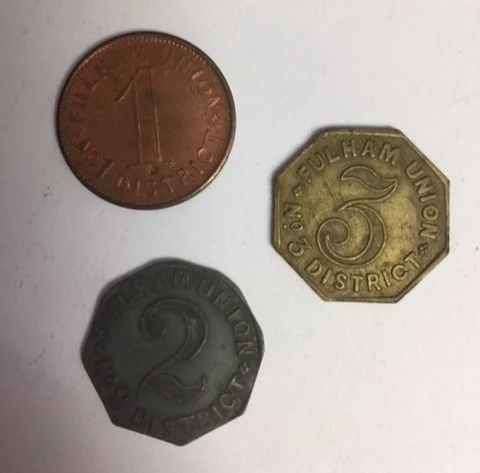
Bread+Tokens+Fulham+Union%2C+Fulham+Palace.jpg

Fulham union, No.1,2, and 3 District, by W.J.Taylor Maker, 70 Red Lion St., Holborn, one loaf ‘1, 2, and 3’ octagonal (30mm).

This is information written on the three coins I’ve chosen to focus on.

These coins are made by W.J.Taylor. Online research suggests that he is William Joseph Taylor, born in Birmingham in 1802. By the 1840s Taylor was established as a medallist and dealer. During his career he produced a considerable number of coins and tokens, mainly for export.

The first thing that came to my attention about these coins were the letters in the middle of the back of the coin ‘ONE LOAF’. This tells us that these coins therefore are food tokens.

‘70 Red Lion Holborn’ written under the coins are place names that still exist today. This is probably the place where the coins were made.

Let’s look at the front side with the number of coins.

Fulham union district no. is written around each number.  In 1837s, the parish of Fulham became part of the New Kensington Poor Law Union. Following this, poor people from Fulham were housed in a number of establishments. In 1845, the Kensington poor Law Union was dissolved and Fulham united with Hammersmith parish to form the Fulham Poor Law Union. Finally, in 1848-9, a new Fulham workhouse, for up to 450 inmates, was erected at east side of Fulham Palace Road.

It is assumed that the people who lived in Fulham union at that time used coins by district. Bread and milk tokens were used so families could budget their money and trade them in for fresh bread or milk.

It was interesting experience to look at the society and culture of that time in one coin by looking and touching closely at the coins. Thanks for exploring these wonderful coins with me!

Minchae Cho,

Learning Volunteer

Please send your ideas for Object / Specimen of the Month blogs to rachel.bagnall-bray@fulhampalace.org. If you would like some help, please let us know.
References: https://www.tokencompany.com/mauquoy-token-company-revival-bread-tokens/

I wish I knew how to prune roses

On Tuesday 29th January, the Garden Apprentices, Ellie and Alfonso, attended a Rose pruning workshop at the Hurlingham Club. This was given by Richard Stubbs, a rose expert from David Austen Roses, who previously worked as Head Gardener in their show garden in Shropshire.

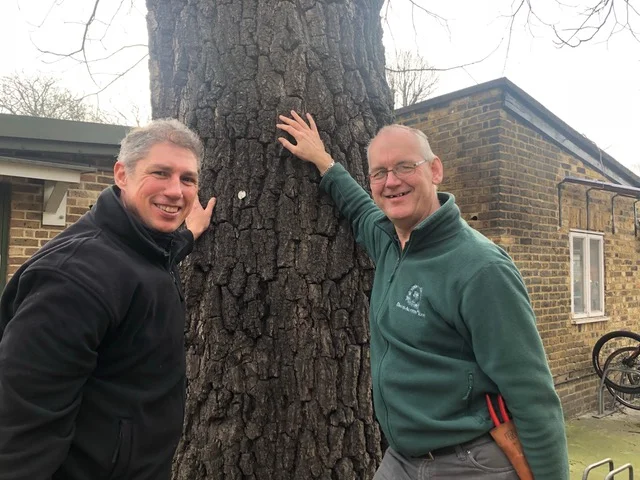
Rose experts Alfonso Moreno, Fulham Palace Apprentice, left, and Richard Stubbs, David Austen Roses, right.

Rose experts Alfonso Moreno, Fulham Palace Apprentice, left, and Richard Stubbs, David Austen Roses, right.

Richard told us how David Austen himself would say ‘I wish I knew how to prune roses’ when he visited the gardens, so there is hope for us all!

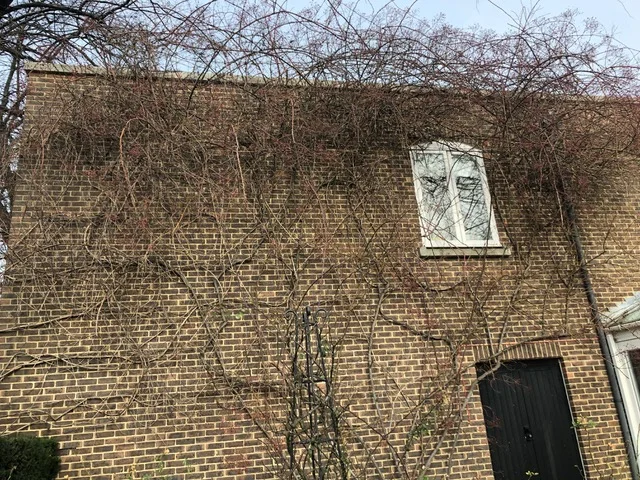
A slightly out of control rambler Rosa, ‘Bobbie James’

A slightly out of control rambler Rosa, ‘Bobbie James’

Richard focused on shrub roses and explained that, while pruning sounds complex and difficult, there is nothing to be afraid of and ‘You will not kill a rose by pruning it’.

Each plant will be unique, so you need to take into account its position in the garden, border and the growing habit – you can even prune the same rose in different ways for the desired effect.  For example, plants towards the back of the border can be left higher.

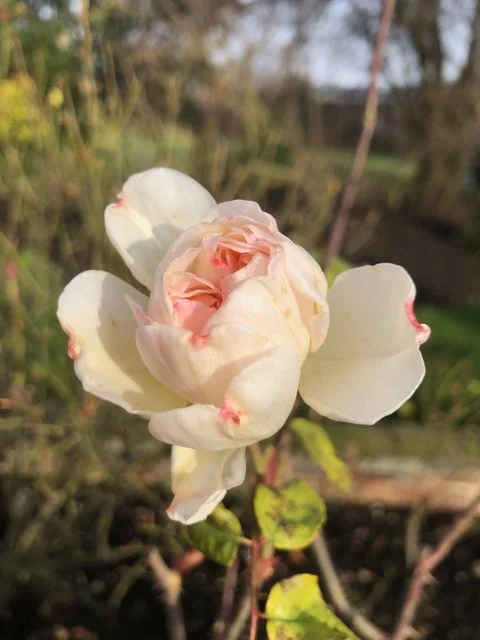
Early flowering growth can be removed

Early flowering growth can be removed

Early Spring is a good time to prune roses, as this encourages strong, healthy stems that will give a good structure to the rose and be vigorous enough to support lots of flowers. The roses can then be fed and mulched in March.

When pruning it is important to remember the ‘three Ds’ – initially removing all dead, damaged, and diseased growth. Then remove crossing stems, suckers, weak, spindly growth thinner than a pencil and any inward growing stems at the base of the plant to aid airflow. The upper part of the shrub rose can be allowed to grow inwards to create a mass of flowers and foliage.

‘If in doubt, take it out’ is a good rule to follow as roses are hardy and will reshoot – if you are feeling initially cautious you can return later and remove more growth. Pruning back to knee height is a good rule of thumb.

Behind the scenes at the Hurlingham Club’s Tool Store - a team not to be messed with!

Behind the scenes at the Hurlingham Club’s Tool Store - a team not to be messed with!

Stems should be pruned to an outward facing bud, using a sharp, clean pair of secateurs, loppers, or even a small pruning saw for woody growth. The cut is traditionally made diagonally to discourage standing water and rotting. If you cut far away from a bud, the stem above will die back to the bud giving a potential entryway for disease as well as an unsightly look. Richard was not overly concerned about this, as these ‘coat hooks’ will be hidden by the new foliage, but this is a point of debate.

Particularly weak specimens can be ‘spade pruned’ and removed entirely to be replaced by a new plant - older specimens lacking strong growth should be replaced after 15-20 years.

Rose replant disease can build up in the soil, and in badly affected cases, all the soil in a bed must be dug out and replaced before new roses can be replanted successfully. Also when roses have been well fertilised over successive years with a strong mulch like horse compost, certain nutrients can build up in the soil, which can actually have the effect of blocking wanted nutrients from the plant – a soil test can be carried out every 5-10 years to determine if this is the case, if your roses inexplicably lack vigour.

Don’t be afraid to cut off any buds or new shoots while pruning – we found many, and even some flowers due to the recent mild weather; these can be removed as they will be frost damaged, and the plant will make new growth. Finally, a thick pair of gloves and long sleeves are strongly recommended!

Rose recommendations 

Very vigorous climber             - Rosa ‘ Madame Alfred Carriere’  (white)

Vigorous rambler                     - Rosa ‘Bobbie James’ (white)

Shrub                                        - Rosa ‘Chianti’ (purple-maroon)


Thanks to Ellie Edmonds, Garden Apprentice, for her fascinating reflections on Rose pruning training at the Hurlingham Club.

Specimen of the Month: Magnolia Tree

Every month we feature two blogs written by volunteers, one describes an object in the Palace and one a plant from the Garden. It is a great way for us all to learn more about the Palace. If you would like to contribute there is no set format so please do send us your ideas!

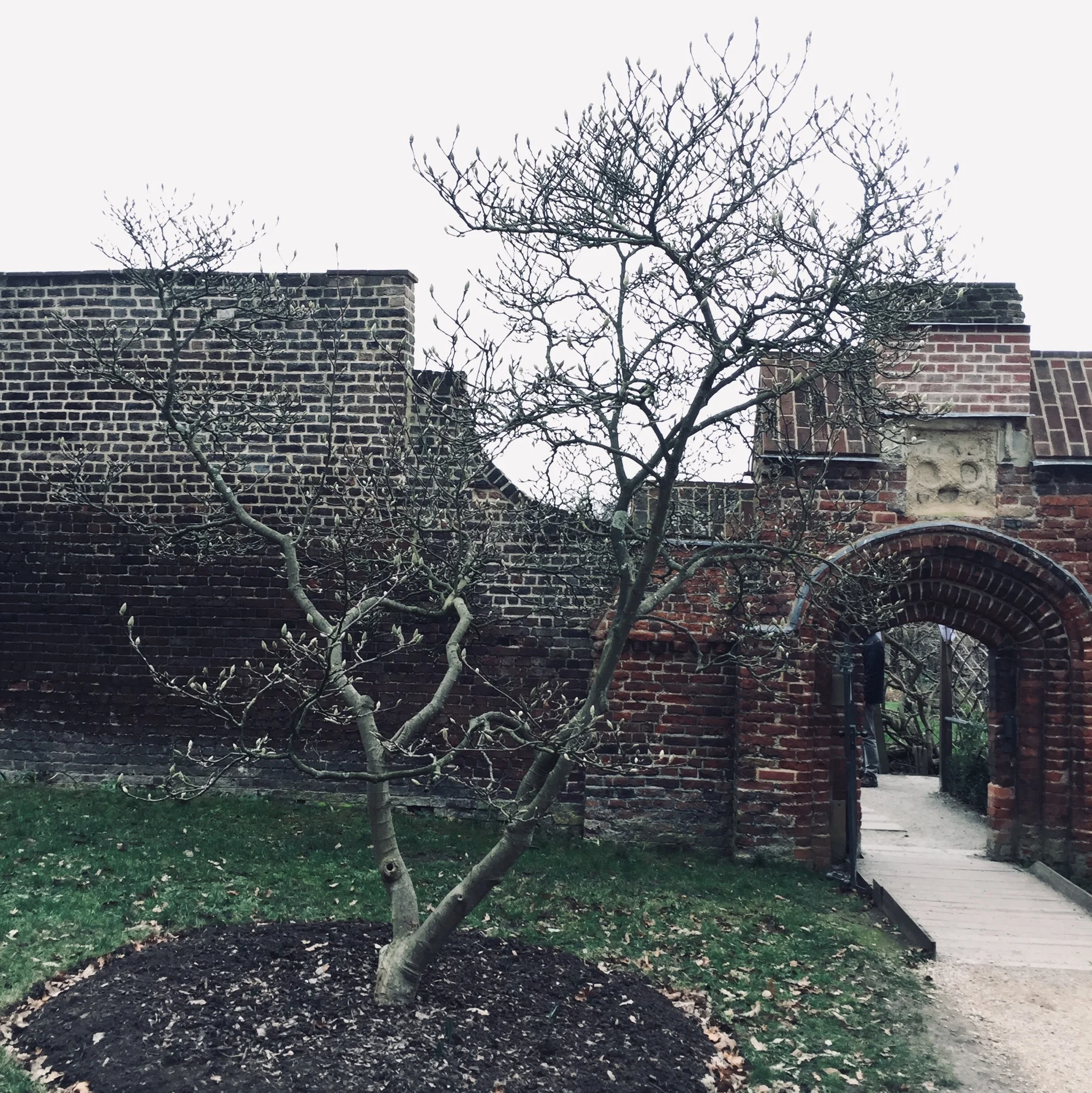
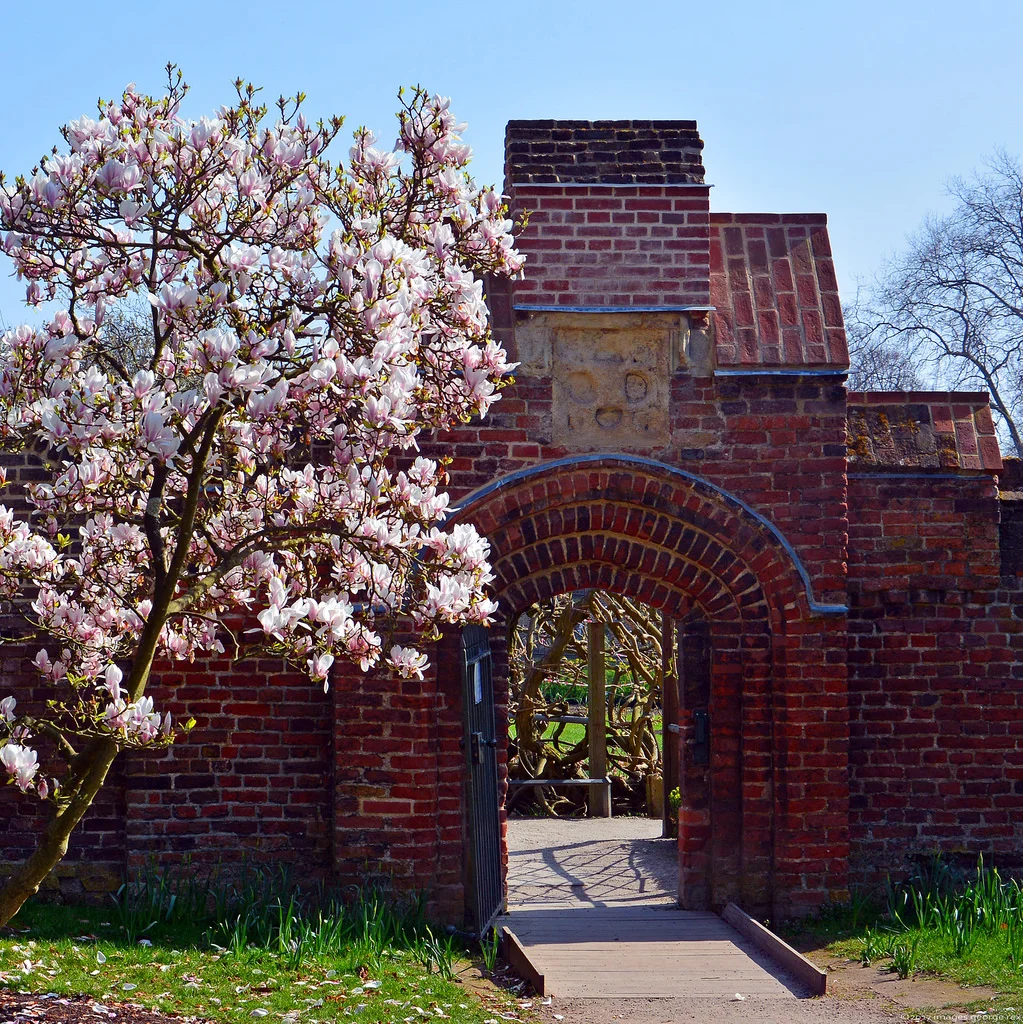
In our remarkable botanical garden, there’s a noble Magnolia tree. When blossoming it’s perhaps, one of the most visually appealing trees at the Fulham Palace. It grows by the entrance to the Walled Garden - as a beautiful and warm welcome to those who wish to enter. Usually, this unique tree blooms anytime between February and July and its colours vary from white to vivid purple. When blossoming, the tree is fully covered by large flowers which somehow reminds me of another exotic tree “sakura”.

1B0EB131-61D3-4CCB-BA68-0A40B05F4097.jpeg

The Magnolia tree caught my attention not only because of its beauty but also its link to the history of the Palace. During the 17th century, Henry Compton, then Bishop of London, was very interested in exotic plants and Magnolia was one of them. As he was interested in botanical history, he joined a group of Botanical enthusiasts. The Bishop himself brought the seeds from oversees to enrich the Botanical gardens at Fulham Palace.

The very first Magnolia virginiana tree in Europe was planted here at the Fulham Palace. Bishop Compton brought many exotic seeds from Virginia State and that is why the specimen is called Magnolia virginiana. We are reintroducing a Magnolia virginiana to Fulham Palace in March 2019.

magnolia.jpg

As Bishop of London, Compton played an important role in the development of Botanical Gardens in England. Today, the Magnolia tree is more common and we can find it easily in many parks. Knowing a little of its historical background, makes us value this specimen and the Palace gardens even more. Fulham Palace’s botanical garden was and still is a very important space in London. Our unique plants set us aside from other gardens and continue the living tradition of the Bishop’s connection with botanical gardening.

Valerie Rozbitska, Learning Volunteer

Please send your ideas for Object / Specimen of the Month blogs to rachel.bagnall-bray@fulhampalace.org. If you would like some help, please let us know.
Embed Block
Add an embed URL or code.