Object of the Month: The Bishops’ Tree

Every month we feature two blogs written by volunteers, one describes an object in the Palace and one a plant from the Garden. It is a great way for us all to learn more about the Palace. If you would like to contribute there is no set format so please do send us your ideas!
Fulham+Palace+123.jpg

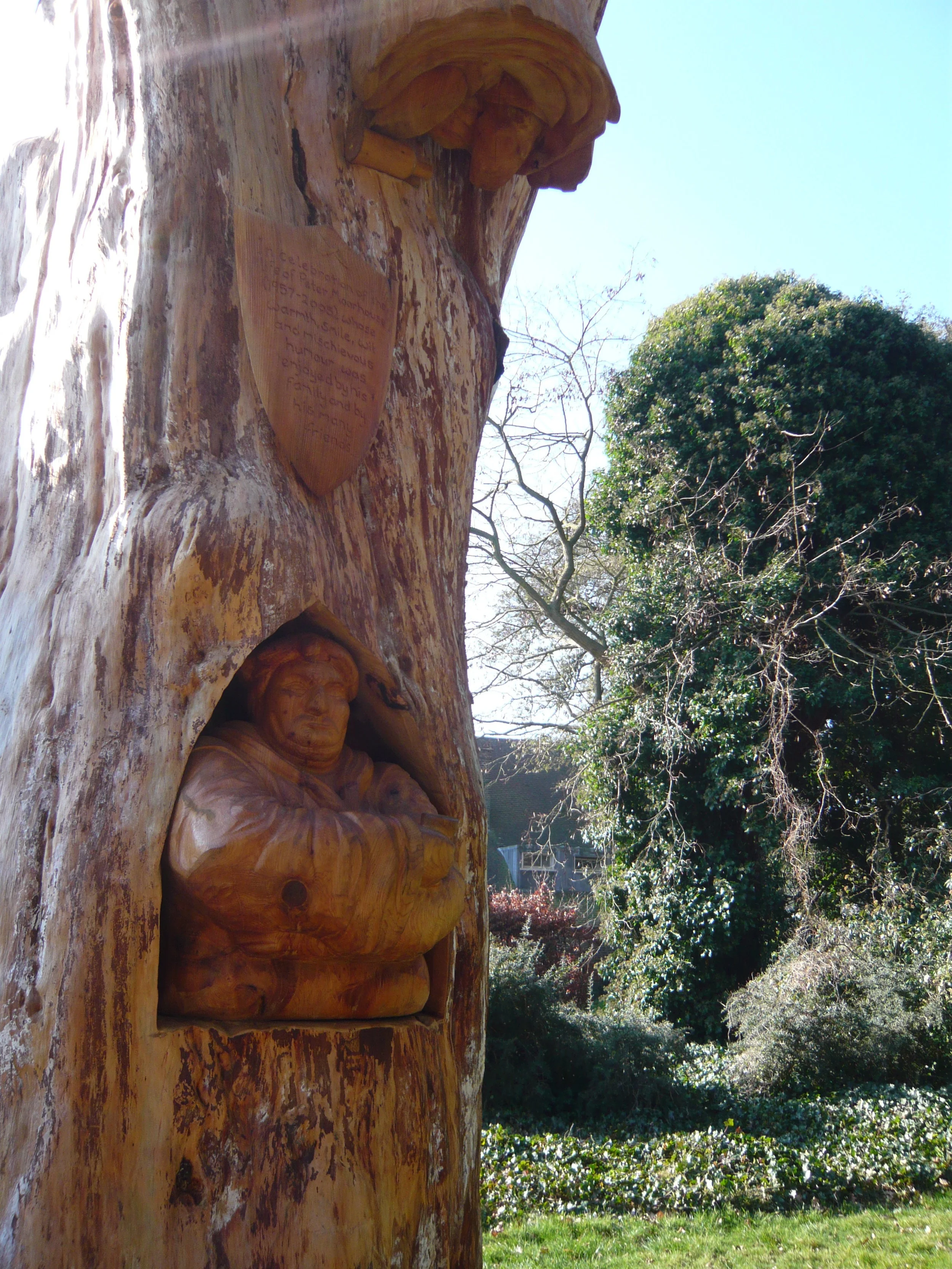
Having volunteered at Fulham Palace for two months now, I have had a chance to explore the grounds thoroughly. My favourite aspect is definitely the Bishops’ Tree. This magnificent cedar of Lebanon, featuring sculptures of several past Bishops of London, was carved by Andrew Frost in 2007.

Bishop Porteus, who used to be seen looking out from the top of the trunk from an excellent vantage point, has unfortunately since had to be taken down from his perch due to the instability of the tree. Bishop Porteus held the position of Bishop of London from 1787 until his death in 1809. During his lifetime he championed the anti-slavery movement. On close inspection, a second Bishop can be spotted climbing the tree. This is Bishop Creighton, who was at Fulham Palace just under a century later, from 1897 to 1901. He was a known historian with a passion for gardening. Fitting, then, that he should be immortalised in a tree, surrounded by the very natural environment that brought him so much joy!
Fulham Palace 121.jpg

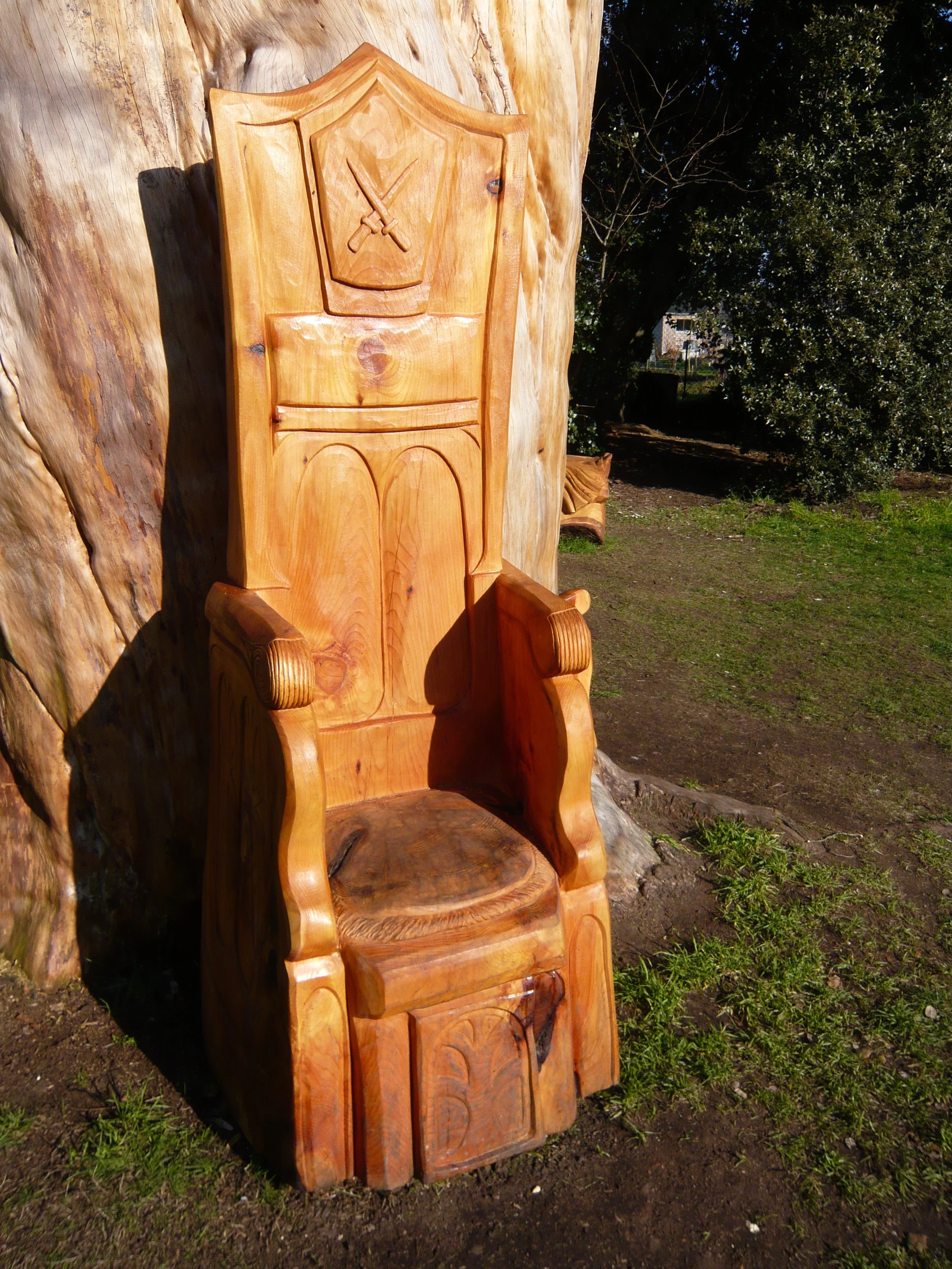
A few more wonders can be seen on the tree, including sculptures of a cat and two Bishops’ ‘thrones’, which you can even sit on, should you be feeling particularly imperious! The Bishops’ Tree is a truly magical work of art. I love it not only for its beauty, but because it pays homage to the former inhabitants of the Palace, the Bishops, to whom we owe so much. They helped the Palace become the historical treasure and gardening attraction it is today. This tree illustrates a little piece of history.

Sumaya Steele – Marketing Volunteer

The wonderful Bishop’s Tree is sadly rotting from the outside in, and the inside out, so we’re in the process of working out how the carvings can be placed throughout the gardens to bring the Bishops of London to life in a safe way.

Rachel Bagnall-Bray, Volunteer Development Officer

Please send your ideas for Object / Specimen of the Month blogs to rachel.bagnall-bray@fulhampalace.org. If you would like some help, please let us know.
Christmas Quiz: The Results!

I hope you’ve had a lovely cosy Christmas and are gearing up to a wonderful New Years. Here are the much anticipated answers to Garden Volunteer Jamie Atwell’s fantastic Christmas Quiz!

1) What do The Dorchester, Westminster Abbey and Fulham Palace have in common?  They're all sites of Great Trees of London.

2) Which Fulham Palace Head Gardener was appointed Page of the Backstairs to a queen? George London. As a reward for his part in foiling the kidnap of Princess Anne (as she then was) by her father James II


3) The "Immortal Seven" included which Bishop of London? Bishop Compton. One of the seven who signed a letter to William of Orange imploring him to seize the throne.


4) The two "living fossils" at Fulham Palace are?  (Candidates who include me as one of their answers will be disqualified.) Gingko biloba and Metasequoia glyptostroboides


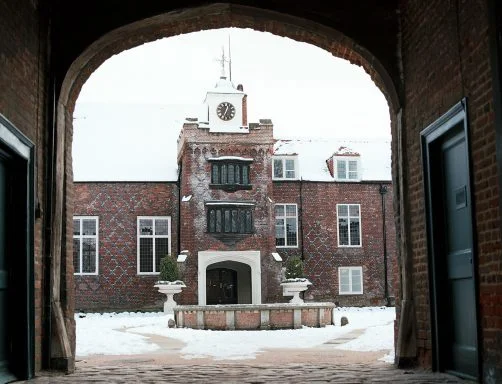
A very snowy Tudor Courtyard at Fulham Palace

A very snowy Tudor Courtyard at Fulham Palace

5) Who is the only person to have been Bishop of London twice? Bishop Bonner - 1539 to 1549 and then 1553 to 1559.


6) Where in SW6 might you have seen a Tower of Jewels for the first time this year? In the Knot Garden. "Tower of Jewels" is one of the common names of Echium pininana.


7) Colonel Edmund Harvey spent £7,617 8s and 10d in buying what? Fulham Palace. He bought it in 1647 during the Protectorate. Had to give it back on the Restoration of Charles II though.


8) One of the items sold on the Barrow this year was the aptly named "Common Bishop's Weed". It is known to botanists as? Ammi majus


9) Who was the first person in England to grow kidney beans for the table rather than as an ornamental plant? Bishop Compton (again).


10) "Sinistrorse" is an epithet that can be applied to which two notable specimens in the Fulham Palace Garden? The Wisteria on the south side of the Palace and in the Walled Garden. Both are Wisteria sinensis which twine anti-clockwise (or Sinistrorse).

11) The colour scheme in the Knot Garden derives its inspiration from? The coat of arms of Bishop Blomfield - red, blue and yellow.


12) Which important contributor to Fulham Palace Garden met his somewhat mysterious end on the Roanoke River? Rev John Banister. It was he who sent back from Virginia seeds and cuttings first grown at FP by Bishop Compton.


13) Which Bishop of London was honoured for contribution to nursing and midwifery? The Rt Revd & Rt Hon Dame Sarah Mullally DCBE (the current Bishop). Formerly Chief Nursing Officer in the Department of Health, Dame Sarah was made a DCBE in 2005 for her contribution to nursing and midwifery.


14) OFSTED graded what at Fulham Palace as "Good" earlier this year? Fledglings at the Palace Day Nursery (what we all refer to as the Nursery. And site, incidentally, of Metasequoia glyptostroboides).


15) Who was this year's winner of "The Vineyard" trophy? Fulham Palace (or rather Lucy and her full time team) - best grapes at The Fulham Horticultural Society Show.


16) What underground feature at Fulham Palace still exists in an unbroken circuit? The moat.


17) Who featured on "Question Time" held at Sycamore House?  Our very own Head Gardener Lucy Hart.  Lucy was one of a panel of three at a session held by Hammersmith United Charities on 6th September. Lucy's co-panellists were Christine Walkden (regular on GQT) and Geraldine King (Head Gardener Chiswick House and RHS Britain in Bloom judge). [I offered to appear but, mysteriously, was turned down.]

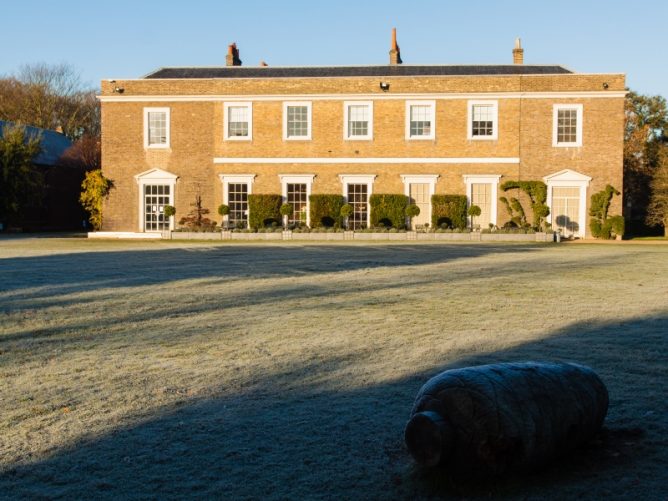
A frosty morning on the main lawn at Fulham Palace

A frosty morning on the main lawn at Fulham Palace

18) Which Swiss exile introduced the French Tamarisk  to Fulham Palace Garden? Bishop Grindal. Went in to voluntary exile (spent partly in Switzerland) during the reign of Queen Mary. On his return, introduced Tamarix gallica.


19) Who has his own separate palace at Fulham Palace? Edmund the cat of course (no-one else would be so presumptuous).


20) Whereabouts in Fulham Palace might you kneel on a wand? The Chapel. One of the kneelers displays the coat of arms of Bishop Wand (Bishop 1945 - 1955)

Tiebreaker: Which side of a tree has the most leaves? THE OUTSIDE!  (doh!)

Jamie Atwell,

Garden Volunteer

- A huge thanks to Jamie for this fantastic quiz!! 

Christmas Quiz

If you can tear yourselves away from the excitement of Advent Calendars, present wrapping and satsumas, herewith the Christmas Quiz. This year, everything has an FP connection (sort of) so no excuse for not getting full marks. For that reason I've included a tiebreaker.  Prize = a place on the celebrated AEBMW   (Atwell Easter Bonnet Making Workshop). Closing date for entries = St. Anysia's day (30th December, do try and keep up!).


Fulham Palace Christmas.jpg

1) What do The Dorchester, Westminster Abbey and Fulham Palace have in common?


2) Which Fulham Palace Head Gardener was appointed Page of the Backstairs to a queen?  


3) The "Immortal Seven" included which Bishop of London?


4) The two "living fossils" at Fulham Palace are?  (Candidates who include me as one of their answers will be disqualified)


5) Who is the only person to have been appointed Bishop of London twice?


6) Where in SW6 might you have seen a Tower of Jewels for the first time this year?


7) Colonel Edmund Harvey spent £7,617 8s and 10d in buying what?


8) One of the items sold on the Barrow this year was the aptly named "Common Bishop's Weed". It is known to botanists as?


9) Who was the first person in England to grow kidney beans for the table rather than as an ornamental plant?


10) "Sinistrorse" is an epithet that can be applied to which two notable specimens in the Fulham Palace Garden?


11) The colour scheme in the Knot Garden derives its inspiration from?

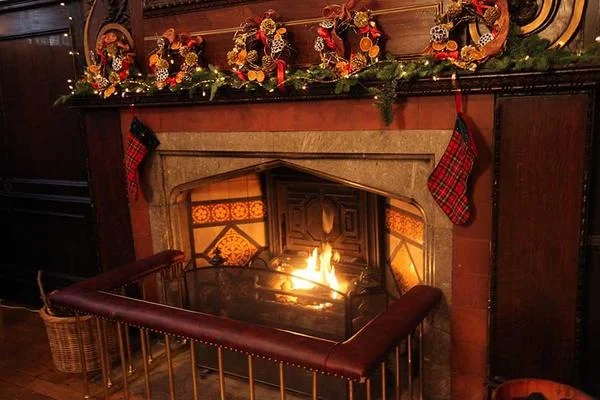
The Great Hall Fireplace at Fulham Palace

The Great Hall Fireplace at Fulham Palace


12) Which important contributor to Fulham Palace Garden met his somewhat mysterious end on the Roanoke River?


13) Which Bishop of London was honoured for contribution to nursing and midwifery?


14) OFSTED graded what at Fulham Palace as "Good" earlier this year?


15) Who was this year's winner of "The Vineyard" trophy?


16) What underground feature at Fulham Palace still exists in an unbroken circuit?


17) Who featured on "Question Time" held at Sycamore House?


18) Which Swiss exile introduced the French Tamarisk  to Fulham Palace Garden?


19) Who has his own separate palace at Fulham Palace?


20) Whereabouts in Fulham Palace might you kneel on a wand?


Tiebreaker: Which side of a tree has the most leaves?

Enjoy!


Jamie Atwell,

Garden Volunteer


Specimen of the Month - Redwoods Trees

Every month we feature two blogs written by volunteers, one describes an object in the Palace and one a plant from the Garden. It is a great way for us all to learn more about the Palace. If you would like to contribute there is no set format so please do send us your ideas!

I’m a trustee of Meanwhile Gardens, a small park in North Kensington. Three years ago, when a tiny potted Coast Redwood was given to the Gardens by an anonymous donor, our park gardener duly “bunged it in”, as he put it.  Now over 8 feet tall, that little sapling has me wondering about  three towering members of the same family - Cupressaceae - represented in the Palace gardens. Will they outlive most of the other trees here?  Could they outlive the Palace itself?

 Here’s quick rundown of these closely related coniferous trees:

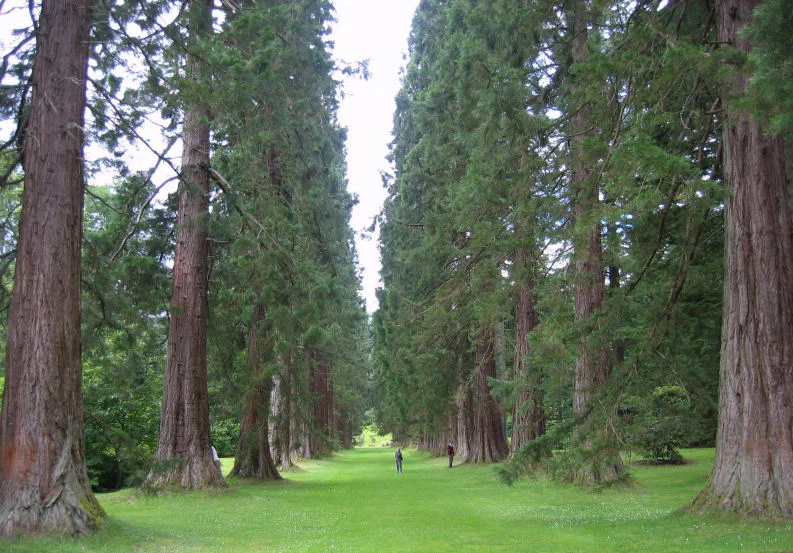
 1)   Giant Redwood (Sequoiadendron giganteum), located along the eastern boundary next to the yew hedge; evergreen, native to the Californian High Sierra; reddish, spongy bark and aniseed-scented needles.

2)   Coast Redwood (Sequoia sempervirens), also located on the eastern boundary, near the Giant Redwood; evergreen, native to the U.S. Pacific coast; reddish, spongy bark and grapefruit-scented needles.

3)   Dawn Redwood (Metasequoia glyptostroboides), located just west of the drive near the main entrance gates. Its very different origin – the Far East -  may account for the fact that, in contrast to the other two species, it is deciduous, with cracked, peeling grey-brown  bark, and needles that don’t smell of anything much but turn a lovely copper pink in autumn.   

 Most interesting of the three is surely the Metasequoia.  This species was first discovered in 1941 as a three million-year-old fossil by a Japanese botanist. Soon afterward, living specimens were found in China, and after WWII were brought to the US and Europe. 

Redwoods.jpg


Now for a few statistics:

 1)   Giant Redwoods can live over 3000 years and can grow to 80 m. in height.

2)   Coast Redwoods can live over 2000 years and can grow to 100 ft. in height.

3)   As Dawn Redwoods are a much more recent discovery,  their statistics are less certain – but 50-year-old specimens in Cambridge are already 70 ft. high. 


Palace records indicate that the Coast Redwood (Sequoia sempervirens) and Giant Redwood (Sequoiadendron giganteum) were planted in1976, and the Dawn Redwood (Metasequoia glyptostroboides) probably in the 1960’s.  Thanks to our head gardener and her measuring wheel and stick, we know the Coast Redwood has grown about 2 ft. each year and is now over 75 ft. tall.

 The trees’ botanical names honour a Cherokee chieftain, Sequoiah, who invented the first Native American written alphabet. Travelling  throughout the American southwest, he became well known for his efforts to use the language to help reunite the many groups of the Cherokee nation.

 When the Coast Redwood (Sequoia sempervirens) first arrived in Britain in 1843, it hardly caused a stir; but soon afterward it was followed by the Giant Redwood (Sequoia giganteum), which created great excitement. This species was dubbed “Wellingtonia” in memory of the Duke of Wellington, who died a year before the tree’s first seedlings arrived in Britain.  (When the seedlings  appeared on the US East coast, the name “Washingtonia” was proposed, but didn’t stick). Arriving much later in Britain was the Dawn Redwood, whose botanical name) translates as “like a sequoia” and “resembling a swamp cypress”.             .

Alas, in the US redwoods have been turned into dance floors, bowling alleys and tunnels big enough to drive through – and there is continued logging for their excellent timber.  At the same time, they share the status of a national monument.  In 1894 Lincoln signed a bill granting the trees the protection of the State of California “for the benefit of the people” – and soon after that, Teddy Roosevelt’s efforts on behalf of the trees led to the creation of Yosemite and many other national parks and protected wild areas.

 Here in Fulham, the Palace’s specimens seem altogether in keeping with Bishop Compton’s enthusiasm for American imports.  Despite Peter Wohlleben’s dim view of redwoods grown away from their original habitats (see The Hidden Life of Trees, Ch. 27), our trees seem to be doing well, delighting many visitors -  including one Jack Cooke, author of The Tree Climber’s Guide.  Referring to his “inner gibbon”, Cooke describes climbing our own Giant Redwood.  In view of current efforts to stop little visiting monkeys from climbing trees at the Palace, his account may cause staff and volunteers a wry smile!

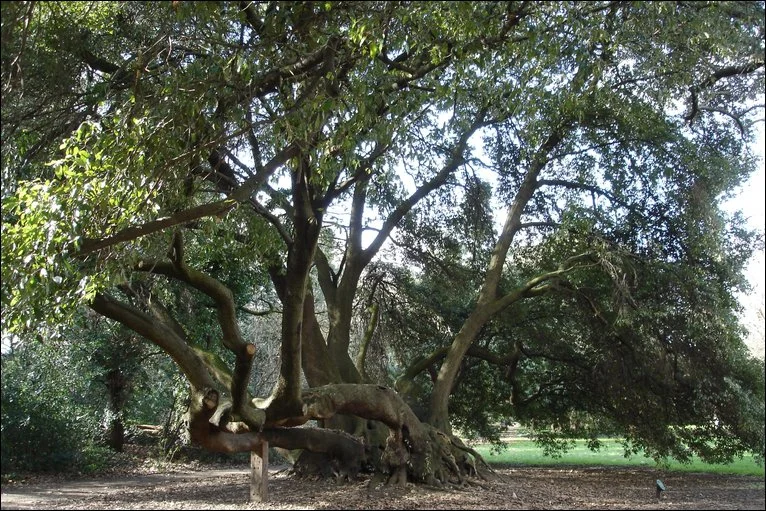
Fulham Palace’s fabulous 500 year old Holm Oak Tree!"

Fulham Palace’s fabulous 500 year old Holm Oak Tree!"

 Susie Gretz, Museum Steward Volunteer

Please send your ideas for Object / Specimen of the Month blogs to rachel.bagnall-bray@fulhampalace.org. If you would like some help, let us know.

November Object of the Month - A Look Back At 2017 Community Dig Finds

Every month we feature two blogs written by volunteers, one describes an object in the Palace and one a plant from the Garden. It is a great way for us all to learn more about the Palace. If you would like to contribute there is no set format so please do send us your ideas!

 During the 2017 Community Dig at Fulham Palace, we had up to four professional archaeologists and around 30 adult volunteers on site, but the most important finds in the first week of the dig were found by members of a Brownies, Guides, Cubs and Scout packs; students from the Moat School and members of the Fulham Palace Young Archaeologists Club (YAC). 

In our search for the Palace Dovecot we had started to dig an area in the front of, the main gate to the Tudor courtyard.  Instead of the Dovecot we found a thick layer of Tudor brick from parts of the Palace demolished in the mid-1700s.  Keen to get the groups of young people digging, we gave them trowels and set them to work on the rubble layer we were working through.  What we were not expecting was that between them, they would make highly significant finds that would change our understanding of the history of the Palace.

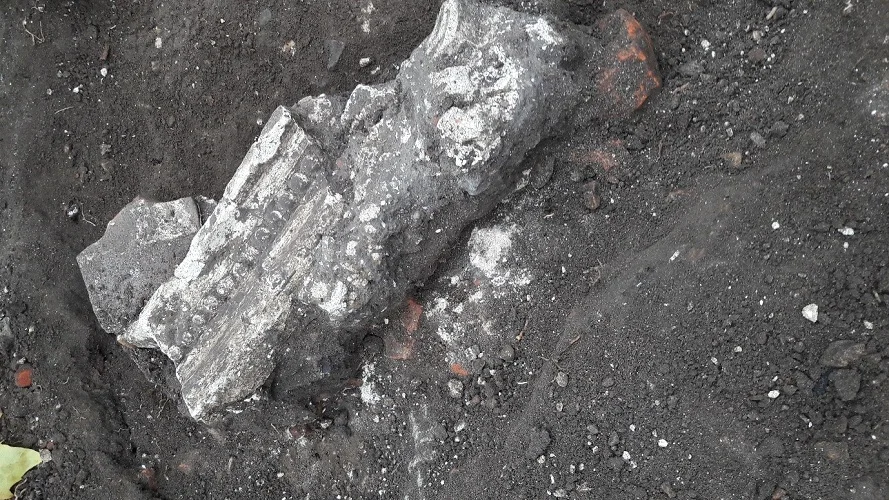
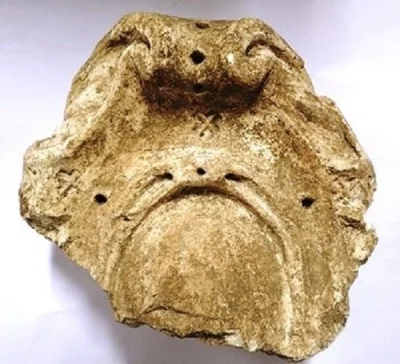
When they dug into this layer they, of course, found lots of Tudor bricks.  This was exciting enough for the budding archaeologists, but what was to emerge were creamy coloured lumps of plasterwork in the shape of leaves, fruit, bunches of grapes and even part of a decorative shield.  The pace of digging slowed as we were able to use out trowels to pick out the intricate details on this plasterwork.  After being in the ground for nearly 300 the plasterwork had consistency of cheese, so a great deal of care was needed to uncover, and then lift, these remarkable finds.  They were later sent away to experts to identify their age and where they might have come from.   

They found it difficult to put a precise date on the plasterwork, but the decorative style suggested that it dated from the 1630s. This was because it had some similarities with the ceiling of the Great Dining Room at Ham House which dates to 1636-37.  The largest find by the YAC was the huge chunk of cornice with a simple beaded pattern.  The care taken to uncover this, preserved the patterns on the back and these showed that it has been attached to brick or stone.  This showed that it could have been placed either between the wall and the ceiling above a fireplace, or lower down as part of an elaborate mantlepiece.  It could also have been a decorative feature above a door. 

The was found by YAC (the Young Archaeologists Club), and is a huge chunk of cornice with a simple beaded pattern.

The was found by YAC (the Young Archaeologists Club), and is a huge chunk of cornice with a simple beaded pattern.

 The decorative shield (or cartouche) found by the Brownies was undecorated and was similar to one found in the Palace grounds in the 1800s.  This was painted with the arms of Bishop Juxon and dated to 1636.  This does suggest that some redecoration took place at this time, but there is no record of this.  More research is needed. 

A decorative shield (or cartouche) found by the Brownies the Fulham Palace Community Dig in October 2017

A decorative shield (or cartouche) found by the Brownies the Fulham Palace Community Dig in October 2017

 The commitment and the enthusiasm of the young people during the 2017 community dig showed the remarkable power that archaeology has to engage young people in uncovering the past.  Their contribution to the Community dig was important.  It is likely that some of these finds of ‘great significance’ will eventually be placed in the Fulham Palace Museum and experts have suggested that the images and analysis of these finds should be published.  Whatever your age or experience, I would encourage everyone to get involved in activities at Fulham Palace.  You never know what you will find!!

David Wellings, Archaeology Volunteer

Please send your ideas for Object / Specimen of the Month blogs to rachel.bagnall-bray@fulhampalace.org. If you would like some help, let us know.

Recipe of the Month - Crab Apples and Quince

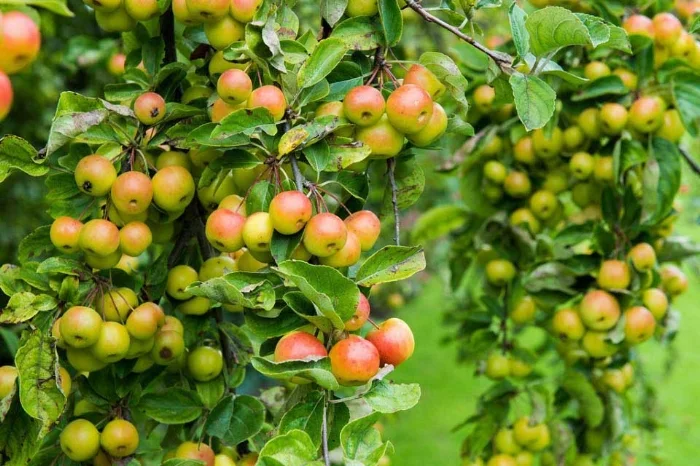
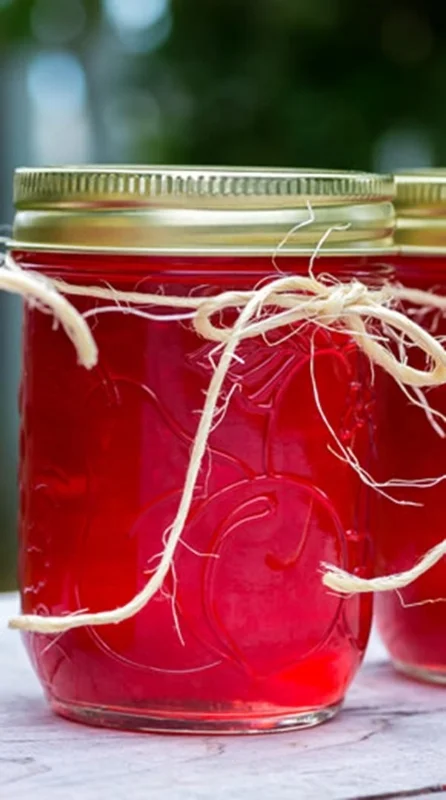
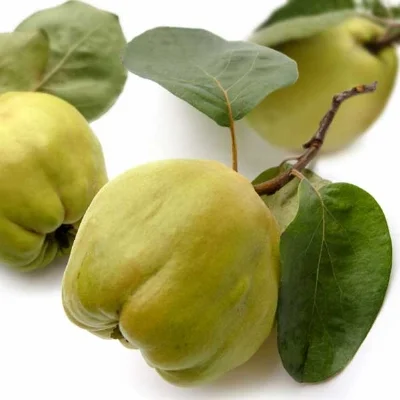
Neither of these fruits can be eaten raw and are often left to rot but crab apples make a beautiful pale pink jelly that is great alternative to redcurrant jelly and quinces have a subtle perfume that enhance everything from cheese to apple crumble.

AS-crab-apples-1.jpg

Crab Apple Jelly

The crab apple is an ancestor of the cultivated apple, the fruits are small, round and sour, they normally ripen in October. There are a number of very productive Crab apple trees dotted around the Palace gardens.

Crab apples have an exceptionally high pectin and acid content which makes them ideal for making jams and jellies and they have an excellent, tart and tangy apple flavour.

You can add a bit of zing to this recipe by adding a few chillies or star anise to the pan.

Ingredients

  • As many crab apples as you want to use

  • Enough water to just cover them

  • White sugar - 450g for every 600ml of strained juice

 Method

Tip crab apples into preserving pan (no need to cut them up). Add enough water to just cover them. Bring to the boil, simmer and stir now and then until the fruit has turned mushy.

Allow to cool a little and then pour into a jelly bag and leave to strain overnight into a large bowl. Don’t squeeze the bag or the jelly will be cloudy.

Measure the strained juice and pour back into the preserving pan and heat slowly. Add 450g sugar for every 600ml of juice and add to the juice. Stir on a low heat until the sugar dissolves and then bring to the boil.

Boil rapidly until setting point is achieved (test by dropping a spoonful of mixture onto a fridge cold saucer, as it cools it should wrinkle on the surface). Pour hot jelly into hot sterile jars and seal immediately.

Recipe from The Woodland Trust find it here.

crab-apple-jelly-alamy-eyeacx-290x520.jpg

Quince Paste (Membrillo)

Quinces belongs to the same family as apples and pears and it looks like a cross between the two. Its skin changes from green to yellow as it ripens, it will grow and ripen in the UK but is more at home in warmer climates. Quince has to be cooked and if you are using it alongside apples or pears give it a bit more time as it takes a while for the flesh to soften.

289535-1-eng-GB_110.jpg

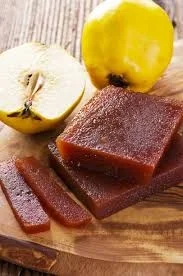
Quince is often used to makes jellies and preserves, this recipe is for the famous Spanish quince paste, which is eaten as a popular tapas with manchego cheese. It will work well with any hard, tangy cheese and makes a great addition to a cheese board.

  • 1.8kg/4lbs quinces washed, peeled, cored, chopped

  • vanilla pod, split

  • caster sugar, amount determined during cooking

  1. Place the quince pieces into a large pan and add enough water to cover. Add the vanilla pod and bring to the boil. Place a lid on the pan and boil for 30-40 minutes, or until quinces are very soft but still intact.

  2. Drain the liquid from the quinces and transfer the quinces to a scale to weigh. Note the weight of the quinces - this is the weight of caster sugar you will require.

  3. Place the fruit into a food processor and blend until very smooth.

  4. Return to the original pan and add an equal weight of sugar.

  5. Cook over a low heat, stirring constantly, until the sugar dissolves.

  6. Continue to cook over a low heat, stirring occasionally, for 1-1½ hours, or until the quince paste has thickened and has a deep orange colour.

  7. Preheat the oven to 50C/120F.

  8. Pour the cooked paste out onto a greased and lined 20cm/8in x 20cm/8in baking tray and smooth the paste out evenly.

  9. Place into the oven for one hour to speed up the setting process.

  10. Remove from the oven and slice into manageable portions.

Recipe from BBC find it here.

images.jpg


Museums at Night at Fulham Palace!

IMG_4758-350x350.jpg

Perhaps Fulham Palace seems like an odd to location to have a drama student on placement, yet every day I meet new ways to use and develop my skills. Since I began here, I have been working on creating a character to perform for the exciting Museums At Night event, on the 26th October.

Every drama student is familiar with the process of creating characters from scratch, but I have never developed a character in quite the same way as I have at Fulham Palace. I began by researching the history of the Palace, sorting through the site’s wealth of history, until I had shortlisted a variety of incredible stories from the Tudor Palace. For example, Catherine of Aragon (the incredible, empowering woman, unfortunately only remembered as Henry VIII’s first wife) lived at the Palace for a while; Protestants had their ‘loyalties tested’ (read: ‘were tortured’) by ‘Bloody’ Bishop Bonner in the Great Hall; and Bishop Ridley’s kindness was betrayed, leaving him to be burned at the stake. With so much history to investigate, the research process was a rabbit hole, down which I would get lost for hours.

Margaret Bonner (Bishop Bonner’s sister) piqued my interest: this 16th Century woman was essentially unrecorded, although we know she lived here under both a Catholic and a Protestant Bishop. As a dramatist, I was eager to uncover this shrouded character, and explore some of the incredible things this silent voice would have seen during the Reformation period at the Palace.

blog chloe.jpg

Once certain of the character, I considered captivating ways to present the story I had found. I am a fan of puppetry: I love that even adults are mesmerised by inanimate objects manipulated into life, and having recently attended the Natural History Museum’s foray into puppetry (The Wider Earth), it seemed puppetry could be a fascinating medium to reveal the secrets Margaret saw.

For Museums at Night, Margaret Bonner will come to life. Stepping out from her blurry background, she will recount the visit of the infamous sorcerer Dr. John Dee, illustrated by a hand-crafted wooden puppet.

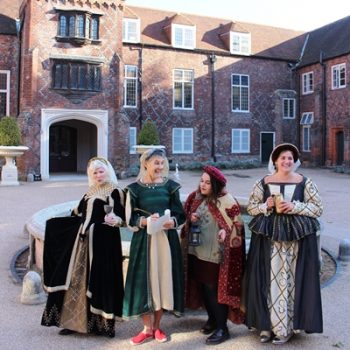
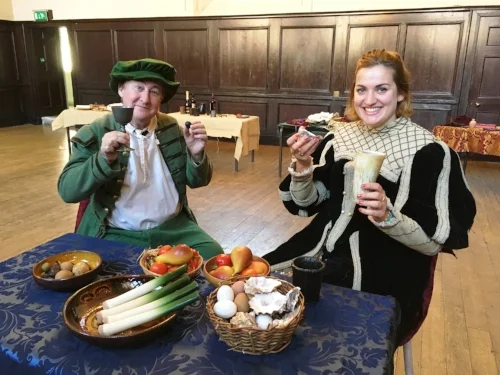
Join us for this re-imagining of Tudor life at Fulham Palace, where you will meet Tudor characters; make a personalised, authentic Tudor bath-bomb; watch live performances; and follow cryptic clues around the Palace to find stolen treasure!

IMG_4765.JPG

26th October, 6:30pm-10pm, tickets £15.50, available here: http://www.fulhampalace.org/museums-at-night/

Chloe Phillips-Bartlett, Learning Volunteer