Historical Tours

Do you know which plant Bishop Compton imported from Virginia and where it was grown for the first time in Europe? Have you heard how the Victorian chapel was bombed during  World War II? And what about the Neolithic, Iron Age and Roman settlers that archaeologists have found evidence of at Fulham Palace?

These are just some of the amazing insights you will receive as part of the Historical Tours at Fulham Palace, delivered by excellent volunteer guides. History tours generally start at 2pm in the Museum and (lucky for you) are free for volunteers, isn't that great?
In under an hour and a half you will learn loads about the cultural and historical importance of the Palace and find out all its secrets. What better way to enrich your experience as part of the volunteer team? Enthusiastic and well-prepared guides will share all the information with you in an enjoyable and relaxing way.

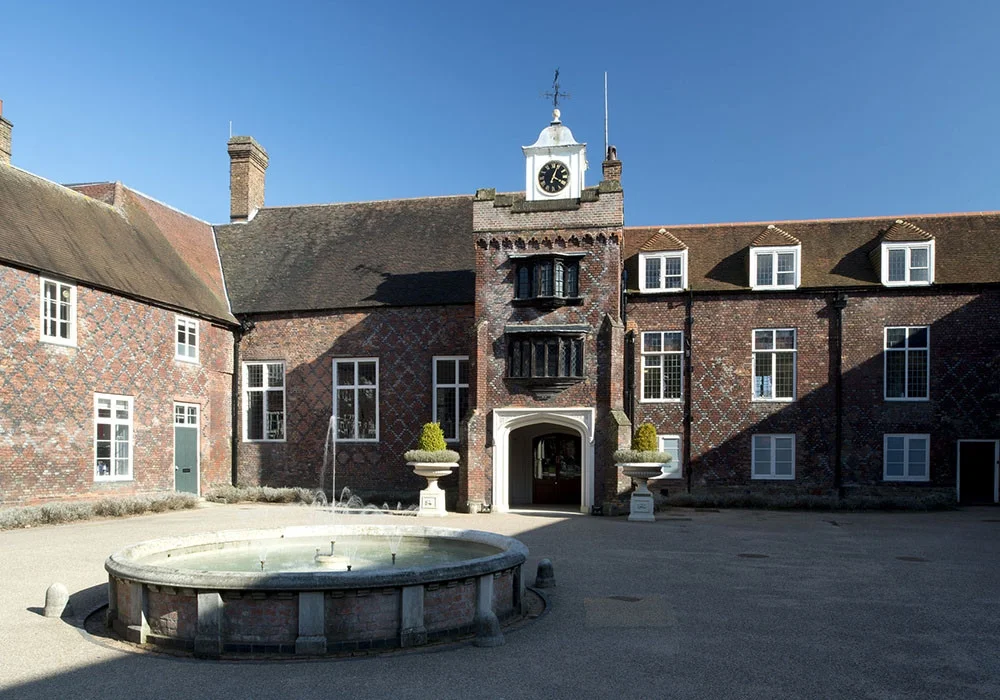
Each tour is individual to your guide, but the tour I attended began with us examining the model of the Palace displayed in the Museum, then discovering the Tudor brick pattern on the walls in the West Courtyard. Walking around the building we were able to travel through five centuries of history and architecture, while inside the oldest part of the building, the Great Hall, we were shown some pictures of the timber roof from about 1495. I was able to lose myself in the different rooms and corridors and enjoy the interiors imagining how bishops, their families and guests would have lived in this hidden palace. The last stop, before going back to the Museum, we visited the Victorian chapel restored in 1950 after being bombing during World War II.

I highly recommend these historical tours to familiarise yourself with the Palace and its history to support your volunteer experience. You can find upcoming dates in the "What's on" booklet.

By the way, magnolia was one of the species Bishop Compton imported from the other side of the Atlantic, grown here at the Palace.


Marlen Armendariz

Volunteer Communication Assistant
The Volunteers of Fulham Palace

Jane Bowden-Dan - Volunteer Museum Steward and Historical Tour Guide

Jane Bowden-Dan has been around Fulham Palace since she was a child. She is one of our volunteers who run the interesting Historical Tours and can give you all kind of details and facts about the bishops and the architecture of the Palace. She also helps in the Museum as a steward.

When did you first come to Fulham Palace?

I have enjoyed the Bishop of London's, then our Council's, blackberries and windfall apples from the Palace's stunning Walled Garden since childhood! I was brought up nearby in South Fulham from 1955, the daughter of a local GP. In about 1965, I remember being met, with my brother and sister, at the old wooden 'Gothick' gates (now beautifully replaced) on the Moat Bridge. Our host was Bishop Robert Stopford's Chaplain, who -like the Bishop and his family- still lived in a small flat overlooking the Tudor West Courtyard. Long before the Palace was open to the public, we were thrilled to be shown into the Great Hall where, I recall quite vividly, we were told ghost stories.

What is your role and what does that involve?

Now, I am a Volunteer Museum Steward and History Tour Guide, working with Miranda Poliakoff, our Museum Curator. She ran a Guides' Training Course over about seven weeks in 2011-12, which I was lucky to be able to join to learn about the long and involved history of the Fulham Palace site. As a Steward in the Museum rooms or Bishop Sherlock's Room, I 'keep a friendly eye' on visitors and answer their questions about our permanent displays from the Collection; the Historic Rooms; and, if in place, any Temporary Exhibition.

As a History Tour Guide, I lead some of the regular public tours throughout the year, and pre-booked private tours. I hope to give an insight into a lengthy period of English history, thorough tales of the Bishops of London, and of the site of their Palace.

How often do you volunteer?

On average, I steward for one or two sessions a week; and take one or two Historical Tours a month.

What is your favourite thing about Fulham Palace?

I love the fabulous gardens, an oasis in a busy capital city; and the quirky juxtaposition of different styles of architecture, because for over 1,200 years a succession of Bishops of London were in residence, and many left their mark on the very fabric of the place.

What do you enjoy most about volunteering?

I relish the chance to engage with the public, and pass on something of my enthusiasm for amateur local history. Also, through volunteering, I have met wonderful colleagues, many of whom have become good friends.

Would you like to share anything else about your experience?

On a very personal note: volunteering at Fulham Palace has given me renewed confidence following bereavement, and filled a void. When I first returned from SE London, after 30 years, to live once more permanently in Fulham -in what had been my late parents' retirement flat- my partner, John, and I were still happily spending up to five months each year exploring France in a large, second-hand motorhome. John's sudden, early death from cancer brought an idyllic lifestyle to an abrupt end. But the opportunity to volunteer at Fulham Palace was most welcome, and I hope I can make a small contribution to the work of the Trust.


Art Marquee

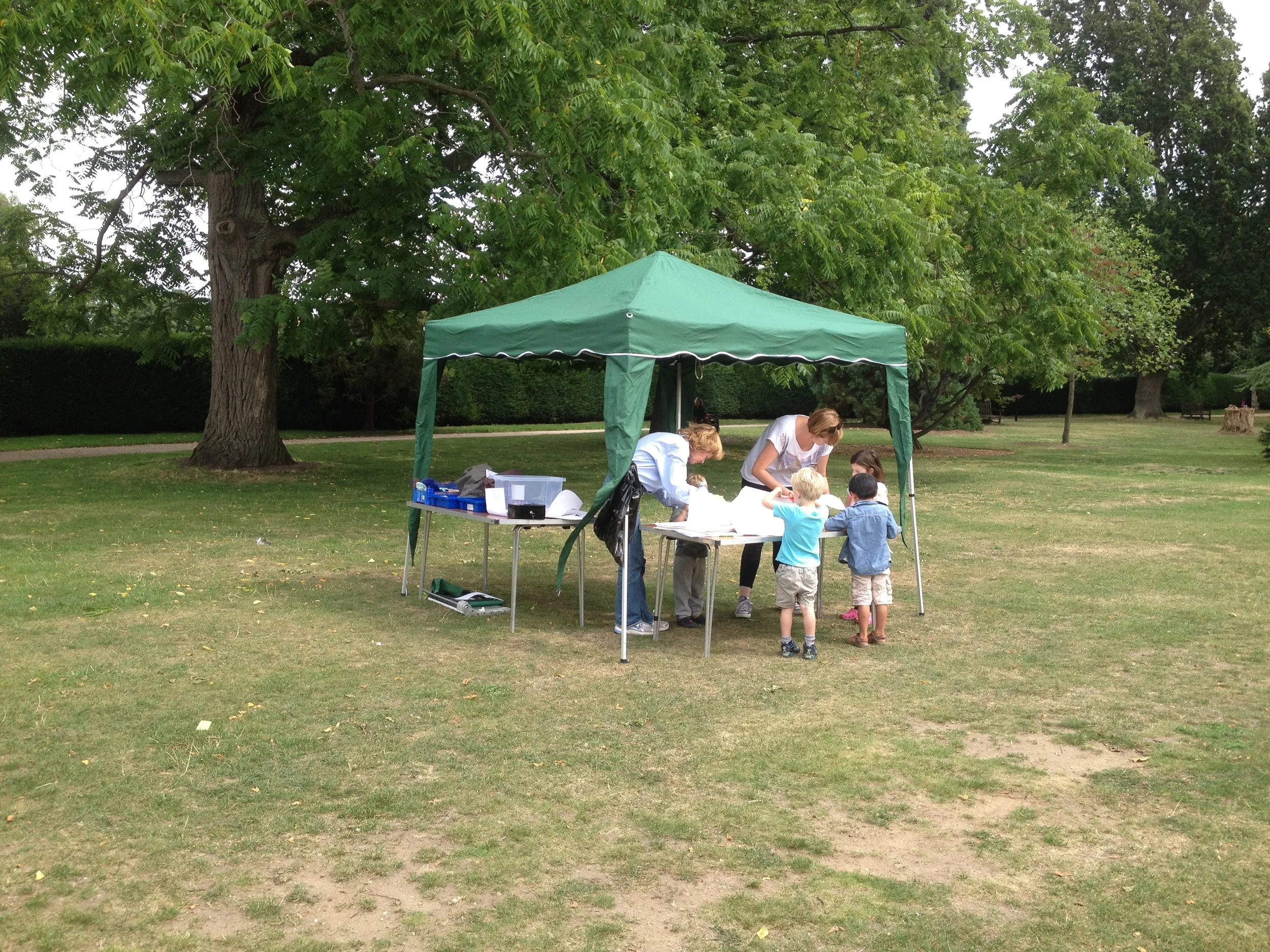
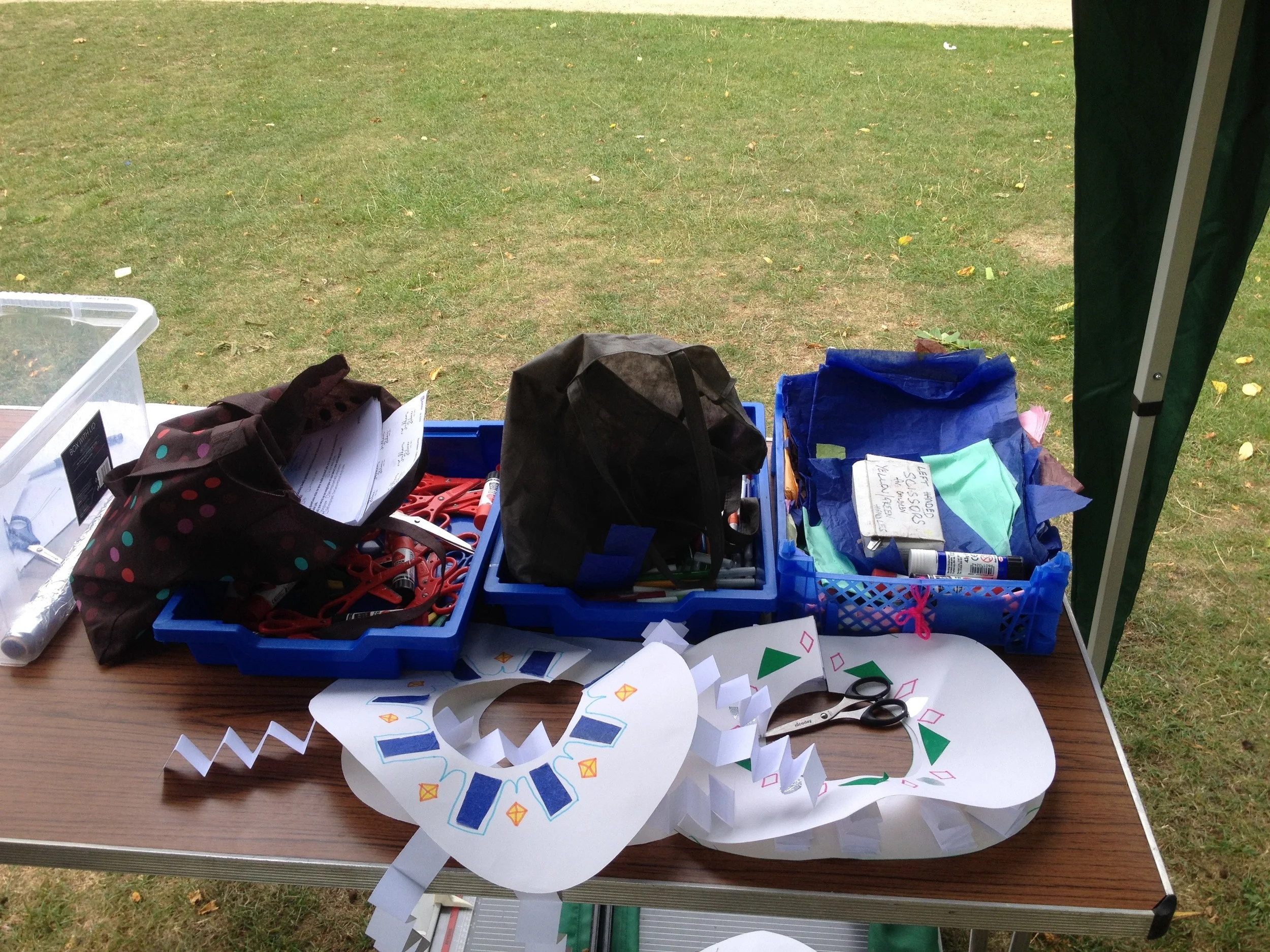
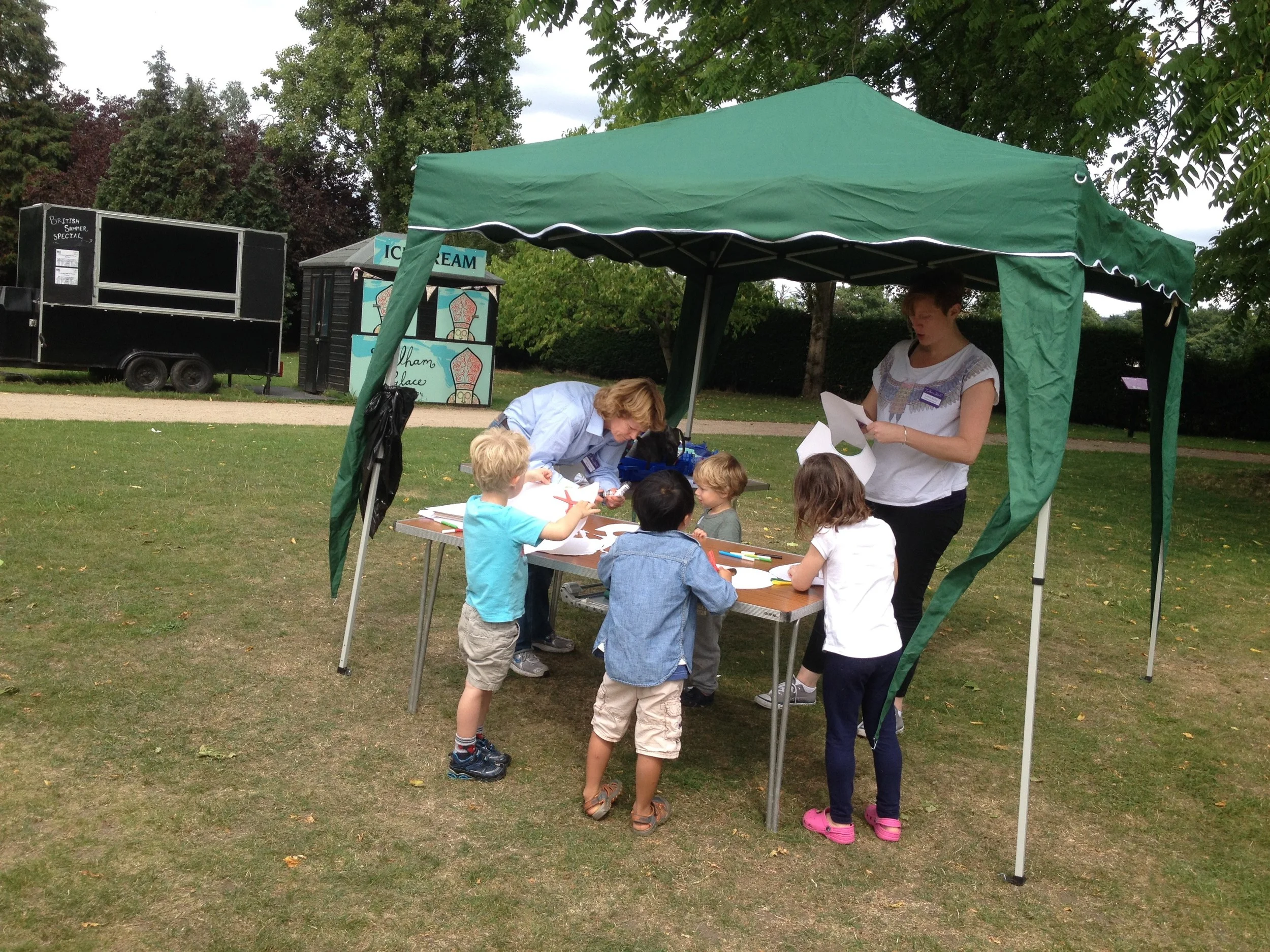
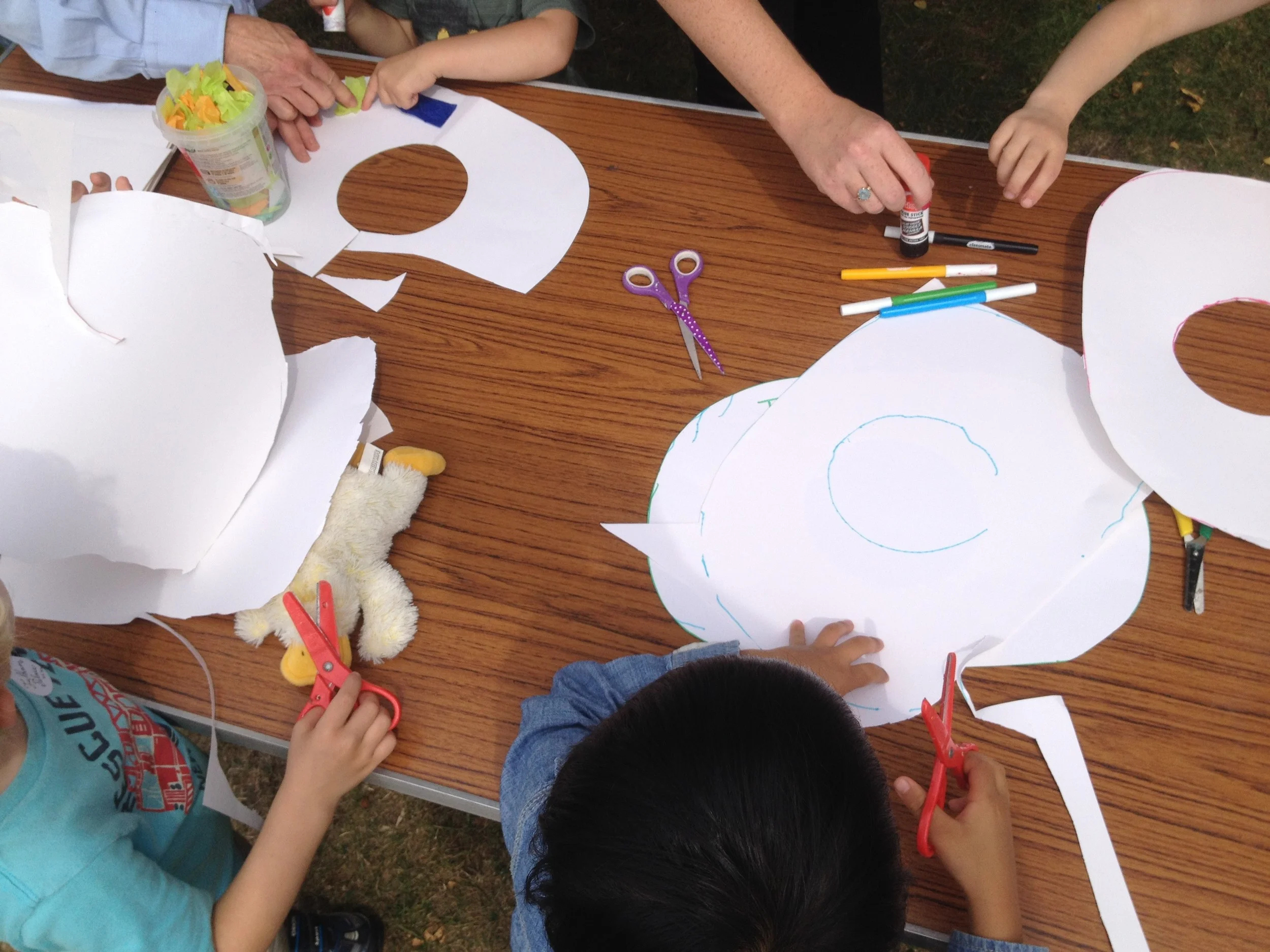
Every Wednesday in August children have an opportunity to join the Art Marquee to create crafts from several historic periods and find out a little bit about how they used to live in that time. Today it was the Tudor's turn and their marvellous ruffs, you can see some pictures below. Next Wednesday kids will create a really special craft from the Roman age.

Elowyn Stevenson ran the session last week and tells us below about what they made and how the little ones got involved with the Viking world.

'On August 12th, the Art Marquee drew a steady of eager families to make Viking brooches. We used a simple but effective technique of covering cardboard circles with yarn and pressing down foil on top to make a pattern. Then, stringing colourful pieces of drinking straws between the two brooches to simulate the beads that Vikings wore.

The children learned how Vikings wore similar brooches to keep their clothes from falling down (they rarely used buttons!) and that the Vikings overwintered in Fulham in AD 879-880, according to the Anglo-Saxon Chronicle.

We had 31 children and all sorts of brooch designs, including a "pretzel". Many of the kids had heard of the Vikings or had studied them at school, but most knew about them from reading books, which is always nice to hear!

It was great to have so many keen crafters and everyone went home with a piece of art and hopefully a mini local history lesson, too.'


Reciprocal Visits - Benjamin Franklin House

As a Volunteer at Fulham Palace you are able to benefit from reciprocal visits to a number of museums and other places of interest. However, the way we organise these is changing as we will now be offering set dates for visits. You will be able to sign up to these, online or by getting in touch directly with Fran, Volunteer Development Officer. 

We will update you as new dates are confirmed right here on the blog, you can also keep an eye on the calendar page of the website for all upcoming volunteer events and visits, View here.

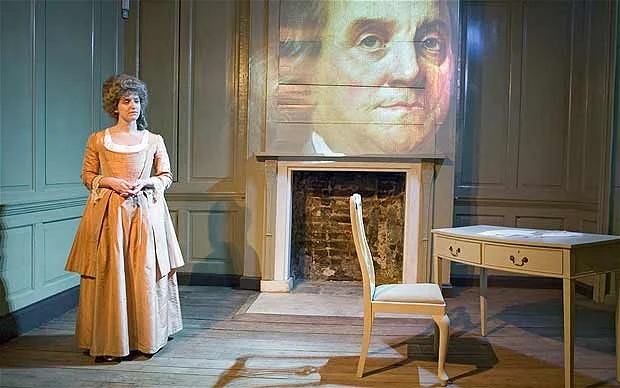
The first of these visits is to the Benjamin Franklin House on Friday 9 October.

'In the heart of London, is Benjamin Franklin House, the world's only remaining Franklin home. For nearly sixteen years between 1757 and 1775, Dr Benjamin Franklin - Scientist, diplomat, philosopher, inventor, Founding Father of the United States and more - lived behind its doors. Built circa 1730, it is today a dynamic museum and educational facility.' find out more here. 

We will be meeting at 12.45 for a 13.00 viewing of the Historical Experience show. Following this we will be able to see a short, interactive demonstration of the Glass Armonica, Franklin's musical invention.

The maximum number of people for this visit is 15, so initially we are offering this to volunteers only. If you would like to bring someone who is not a volunteer, do still let us know and we will be able to inform you closer to the visit if this will be possible. 

To sign up for this visit click here.

As always, do let us know if you have any comments, questions or suggestions for future reciprocal visits. 


Introduction to Volunteer Communication Assistant Marlen Armendariz
The first time I visited Fulham Palace I wondered how this amazing historical jewel was run and who was behind. When I got home I visited the website and I was pleasantly surprised by the great work of the volunteers. As I live close, I decided to apply for Volunteer Communication Assistant position. I was keen to find out how I could contribute to a local organisation whilst gaining some experience for my career. And here I am, introducing myself on the blog.
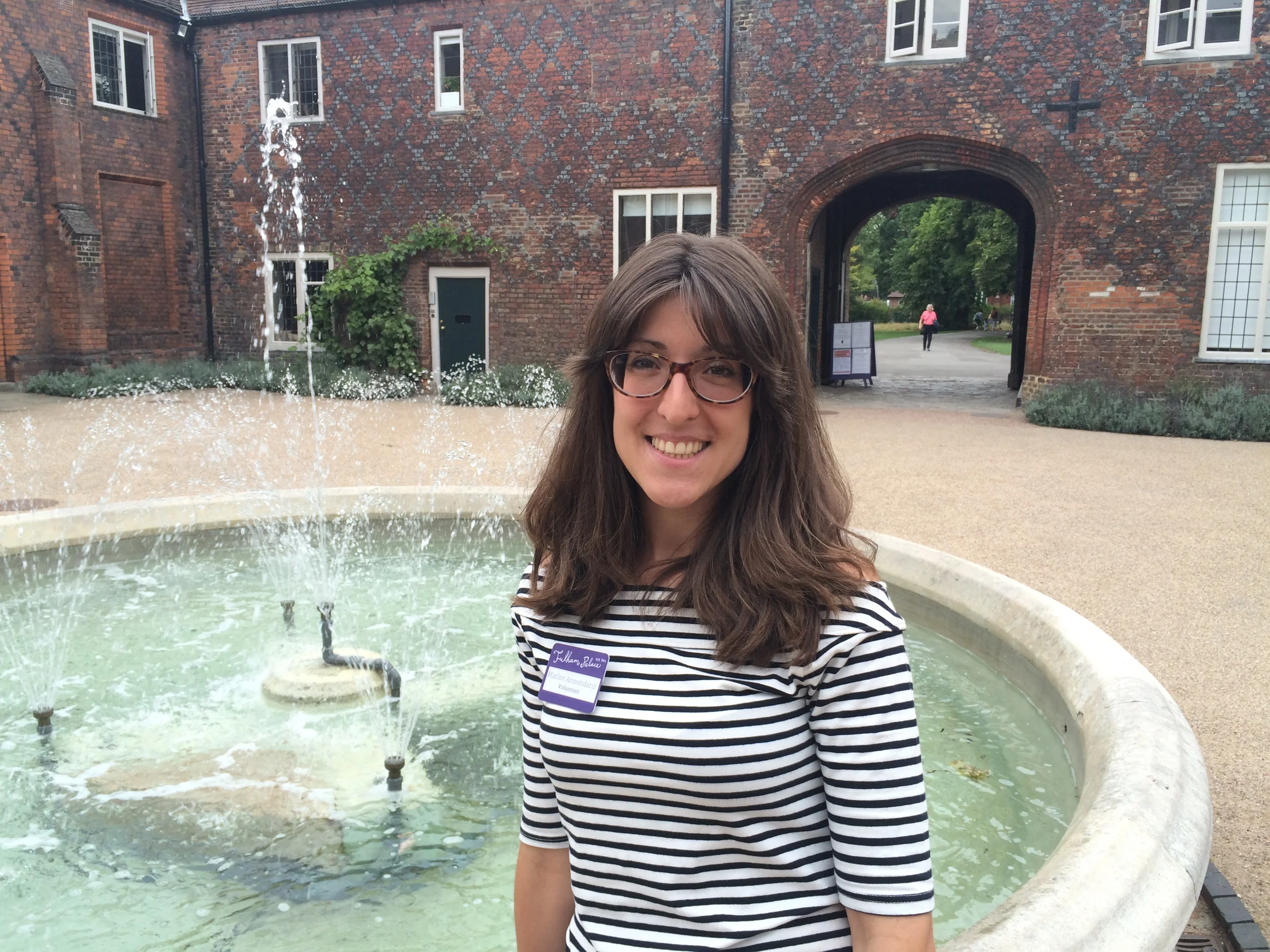
I am a graduate in Audiovisual Communication and I have years of experience as a production assistant organising film and commercial productions, events and film festivals. I came from Spain two and a half years ago to find new horizons and develop myself as a professional and as a person. And I think volunteering at Fulham Palace can cover both areas.

I am very excited about my new role! I am starting to think of new ideas to improve the communication between volunteers and we would love to hear yours, too. The volunteer website is a great way to get contact with other volunteers and hear their voices. We can use it to create a community and organise things together, especially in London where is so hard to make friends.

I would like to encourage you, my fellow volunteers to write about something you like in your volunteering role, to share your experience or even to publish a little research about something that interests you in the History of Fulham Palace.

This blog is for us and is made by us, we’ve got the power!

Volunteer Garden Party


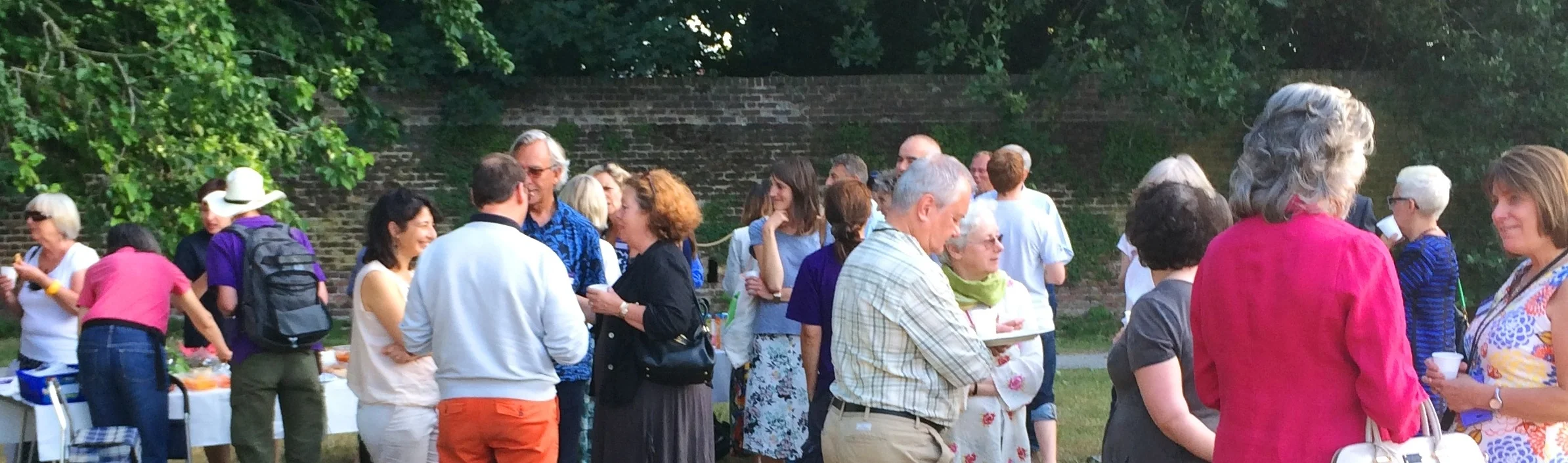
Thank you to everyone who was able to attend the Volunteer Garden Party on Tuesday July 21. It was great to have such a good turn out and generous donations of treats to share.

Congratulations to any volunteers who received a 'Long Service Award' from Tim Ingram our Chairman. If you were unable to attend but are expecting an award, you will hopefully receive it in the post in the next few days.

Also if you took any photos at this event that you would like to share with everyone, please do send them across to us and we can add them to our new online gallery from the party, click here to view.

Our next event is the Volunteer Forum, which will be taking place on September 15 6.30-8.30. This is an opportunity for you to have your say, and feedback to both staff and other volunteers any ideas and or concerns you may have. We welcome all your comments and look forward to seeing you there. You can sing up to attend here.

The Badges of the Bishops of London

In 2005 during the first phase of the Heritage Lottery Funding, when the Palace was entirely wrapped up in scaffolding and covered with a false roof, all the moveable objects had been packed up and were being stored in various locations across London, or were stacked high in the Great Hall.

We all, staff and volunteers, moved into temporary accommodation in Coachman’s Lodge. There was still a skeleton education service, camping out, with basic artefacts and costumes in the Museum and the Chapel. Our usual activities were on hold, sewing bee and embroidery sessions suspended. We were all in need of something creative to do.

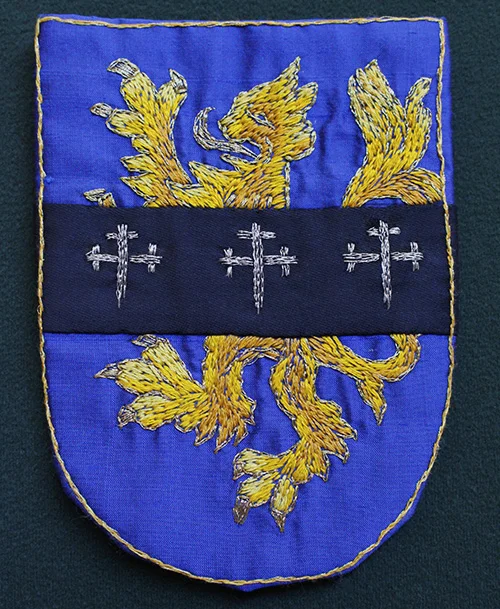
Our education officer Jenny Kershaw came up with the brilliant idea of embroidering all the Bishops’ Badges dating back to the Norman Conquest. The project built on the skills developed from the historic embroidery sessions which Jenny had been running at the Palace for several years. It served as a way of keeping an enthusiastic group together, whilst also creating  a permanent memorial to the past history of the Palace.

It was decided that all the badges should be of a uniform size and the colours to be used as they were shown on archive portrayal of the badges. The stitches were left to the individual embroiderers own creativity. Soon practically everybody involved with the Palace was taking part and keeping track of who was doing what badge, which were already finished and whether any had been left out became a major logistic operation.

Towards the end of phase one, Bishop Howley’s Dining Room, part of the Museum, was closed for renovation and a false wall leading to the Porteus Library was installed, prior to the formal reopening of the Palace after its refurbishment. It was the perfect place to display the badges. Suitable frames had to be found, the badges mounted, the names of all the individual embroiderers acknowledged and Peter Trott came into his own, expertly hanging them. The exhibition was one of the highlights of the reopening of the Palace on 9th November 2006 when Jenny was able to show the present Bishop of London the badges and present him with an embroidery of his own badge. The exhibition ran until 17th December to great acclaim.

With the reopening of the Museum most of the badges were put into storage, although some are still on display in the Porteus Library.  Putting them on line is a way of remembering the camaraderie of the embroiderers at an exciting time for the Palace. The embroideries are a permanent memorial from the twenty first century to all the post Conquest bishops.

Click here to view the Bishop's Badges in our new online gallery.

Esther Dean
Sewing Bee, Tour Guide, Collections Assistant Volunteer