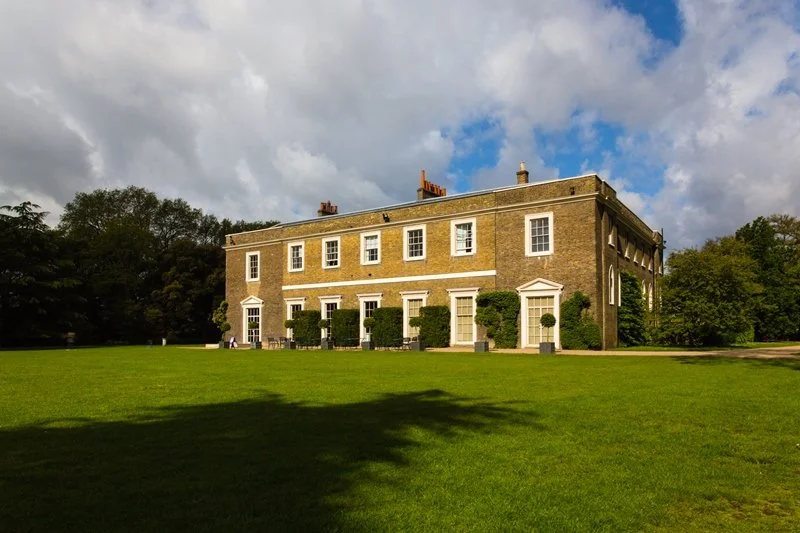
Volunteer blog: 'What the bishops did next' by tour guide Christopher Gallop

Tour guide Christopher Gallop shares his interesting insights into what happened to the Bishops of London after their tenure.

I was reading about Bishop Mandell Creighton. His tenure as Bishop of London was short, just four years, but he had a significant influence on the fabric of Fulham Palace. It was his decision, prompted in part by his wife Louise, that the multi-coloured interior tiling of the Chapel should be lost to the white-washer’s brushers. It remains hidden to this day.

But his short term, ending due to his death in early 1901 from suspected stomach cancer and at the relatively young age of 57, marked the last occasion on which a Bishop of London passed away in post. With advances in medicine and the now mandatory retirement age of 70, it might happily be that the loss in office of Bishop Creighton stands as the last such ever. We can only hope and pray. Certainly everyone who has served since, up to today’s Bishop Sarah Mullally, has either retired from the post or been promoted to one of the two English Archbishoprics.

So, I decided to take a closer look at the records, and in particular at the 82 men who served substantively as Bishop of London from William the Norman in 1051 to the consecration of Bishop Sarah Mullally in 2018 almost 1,000 years later.  

What happened to all of them?
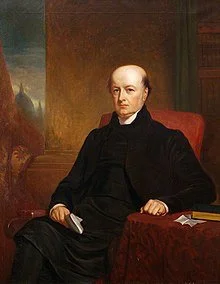
Bishop Charles Blomfield

Well, sadly, but not altogether surprisingly, most of them, 51 of the 82, did pass away in office. In fact for 226 years, from Humphrey Henchman in 1675 to the loss of Bishop Creighton, every Bishop of London was either promoted to Archbishop of Canterbury (three of them) or with one other exception, they died. The exception was Bishop Blomfield, who retired in 1856 through ill-health but went on living at Fulham Palace on a pension until his death the next year. He’s buried next door to the palace in the churchyard of All Saints Fulham, along with ten others from that long run, in tombs which are sadly in a state of great disrepair.   
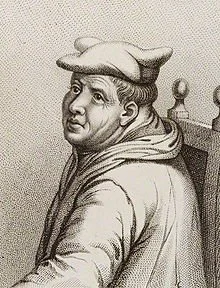
Bishop Edmund Bonner

Until the 20th century, voluntary retirement was almost unheard of.  Bishop Blomfield’s was the first in over 600 years, since William of Sainte Mere Eglise left office for a simpler life in St Osyth Priory in Essex in 1221. Dismissals have also been very rare, although of high profile. Bishop Bonner, famously and uniquely served two separate terms during the years of the Reformation and was dismissed from office each time, ending his days in the Marshalsea Prison in 1569 after an enforced retirement of over ten years. Nicholas Ridley, who served between Bonner’s two terms, was forced from his post and executed as a protestant martyr. The only other dismissal was that of William Juxon in 1646 when bishops were abolished during the Commonwealth. Technically, he was reinstated momentarily on the Restoration of the Monarchy in 1660, but only so that he could be appointed Archbishop of Canterbury.
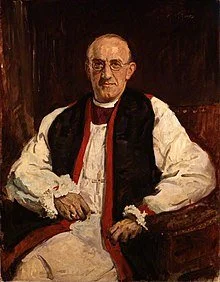
Bishop Geoffrey Fisher

Eleven Bishops of London besides Juxon have been elevated to Canterbury between Simon Sudbury in 1375 and Geoffrey Fisher in 1945. Then there’s Roger Walden who in late 1405 became the first and only man to be appointed Bishop of London having been Archbishop of Canterbury previously; but his tenure of London lasted just 27 days before his death.   

Six more Bishops of London have been elevated to the Archbishopric of York, including most recently, David Hope in 1995. And there are the four men who were translated to other sees; Lincoln, Salisbury and Durham (twice), all of them powerful and prestigious appointments, so not necessarily the demotions that they might at first appear, none of them recently, and the last, George Montaigne in 1627, was soon to go on from Durham to York in any case.

So what about the 20th Century and the present day?  Well, as I saw, Bishops Fisher and Hope went to Canterbury and York respectively after London. The other seven men all retired. More or less, anyhow. Several continued to serve the Church of England or the Anglican Communion in official roles. William Wand (1955), depicted opposite Creighton in our chapel’s east window, served as Canon Treasurer of St Paul’s following his term as Bishop, edited the Church Quarterly Review, and wrote and published books and articles, still working at the time of his death at the age of 92.  Robert Stopford (1973), the last Bishop of London to call Fulham Palace home, served afterwards as diocesan Bishop of Bermuda, via a post as vicar-general of Jerusalem. Gerald Ellison (1981) followed him to Bermuda for a short period as vicar-general.
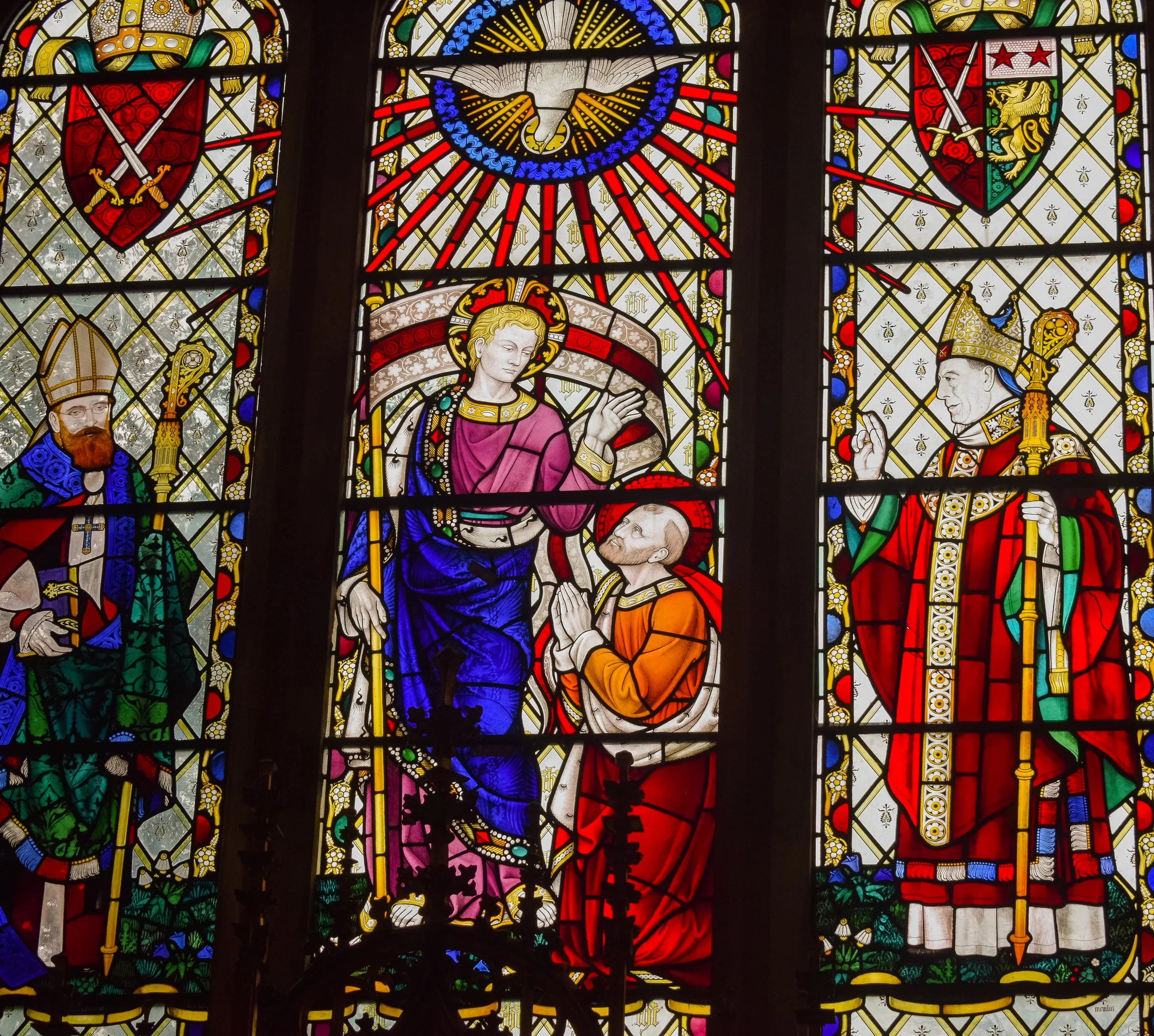
Bishop Mandell Creighton (left) and Bishop William Wand (right) depicted in the Fulham Palace chapel stained glass east window.

Then, something which for 300 years would have caused great national turmoil.  Admittedly not without some controversy at the time, Graham Leonard (1991) was accepted into the Roman Catholic church as an ordained priest after standing down as Bishop of London. He was subsequently appointed a monsignor by the Pope.  And finally, and uniquely to date, Richard Chartres (2017) has continued as a working Member of the House of Lords with a life peerage as Baron Chartres of Wilton.

It's been an interesting reflection on a particular aspect of “our” Bishops’ service. My next project is to work out how to calculate that Bishop Sarah Mullally is the 133rd person as well as the first woman to hold the post (spoiler: you can’t just count from the start of the list and get to 133).
Volunteer blog: ‘The Church and the plantations’ talk by Eleanor Hex. Reflection by Annie Temple

Presentation title and credit to Eleanor Hex for her time and effort :).

Several weeks ago, I had the opportunity to attend the talk ‘The Church and the plantations’ given by Eleanor Hex. The talk focused on Eleanor’s research on the Bishops of London involvement in tobacco plantations in the colony of Virginia - primarily discussing the bishop’s role in the slave trade. Eleanor also discussed the treatment of enslaved people living and working on these plantations at the time.

The lasting impact of slavery is still something that is being studied. As an American I have been taught how the mistreatment of people of colour in the U.S. has largely shaped U.S. history, and continues to inform our current conversations on race and equality. However, all of my learning has been based on what has happened in America. Unfortunately, the slave trade was a global epidemic. Therefore, the repercussions of slavery are not only endemic to North America, but to the entire world. Learning about how the different bishops had been involved in the slave trade or in the owning of plantations was very eye-opening. It was particularly insightful to learn that the ownership of a plantation was not seen as a moral failing, even for a religious figure. Instead, it was viewed as capital, which allowed the bishops their daily comforts. It is interesting to think how money brought in from the work of enslaved people was probably used to shape the home of Fulham Palace.

As I previously mentioned, Eleanor talked about the conditions enslaved people lived in. In this conversation I learned new things about the role of religion in slavery – a particularly poignant conversation to have in the historic home of the Bishops of London. Eleanor discussed how enslaved people were often forced to reject their own gods and personal beliefs and forced to practice Christianity. Eleanor also showed a picture of the Slave Bible from 1807. In the Slave Bible the entire book of Exodus had been removed, as had many other books and chapters of scripture. The Bible was centred on the ten commandments, meant to help instil rules on enslaved people. It is interesting to think about how in the lives of enslaved people even the act of reading the scriptures was a form of mistreatment.

I am grateful that Eleanor shared her research with us, and that I was able to present for the conversation. I hope in the future I can be a better global citizen and be more conscious of how slavery has, and continues to, impact lives across the globe.

If anyone would like to watch the talk first-hand, I will include a link!

Link to the talk: The Church & the Plantations

Here are some links to other events happening at the Palace, if you would like to get involved or learn more:

The Bishops of London, Colonialism, and Transatlantic Slavery: Resistance:

https://www.fulhampalace.org/resistance/

Fulham Palace & seeds of sedition: talk with Akosua Paries-Osei:

https://www.fulhampalace.org/whats-on/events/fulham-palace-seeds-of-sedition-talk-with-aksua-paries-osei/

An African abolitionist at Fulham Palace: talk by Dr Joseph Yannielli:

https://www.fulhampalace.org/whats-on/events/an-african-abolitionist-talk-by-joseph-yannielli/

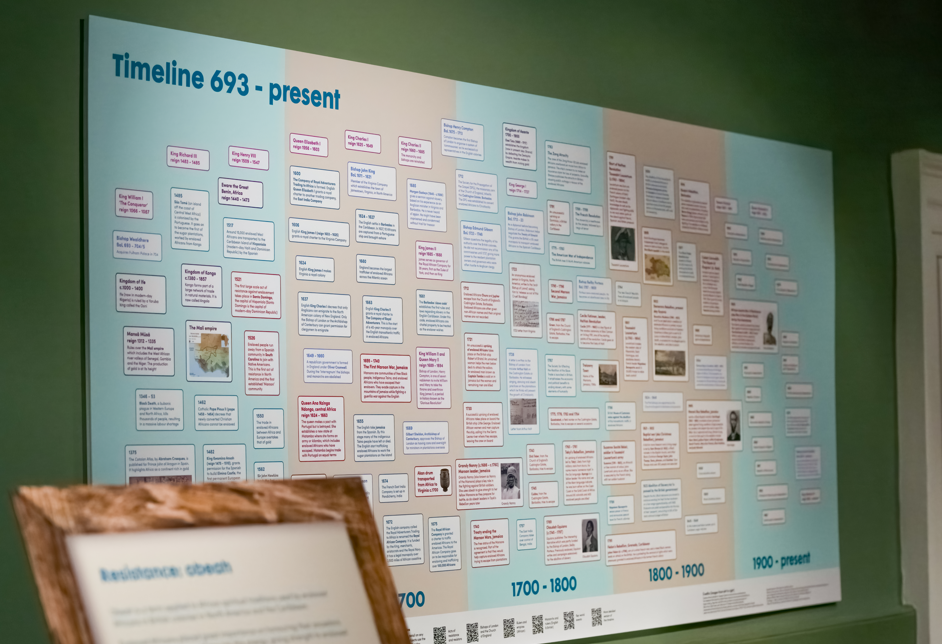
Image of the timeline that is part of the museum exhibition, ‘The Bishops of London, Colonialism, and Transatlantic Slavery: Resistance’.

Volunteer blog: First week at the Palace

Hello, my name is Annie Temple! A little about me: I recently graduated from university with a degree in Art History. I learned about Fulham Palace through a program at my school, and will be doing a three-month placement here before returning to the States. I am so excited to be in London, I have always wanted to visit. So far, I have seen Big Ben, Buckingham Palace, the National Portrait Gallery, and some of the sites around Notting Hill. If anyone has any suggestions, I am all ears :).

During my first week I got to visit the All Saints church, right next to the property. My task was to try to locate the tombs of the deceased Bishops. I spent several hours in the cemetery and in the church looking at different graves. The whole experience reminded me of one of my favorite walking spots back home that passes right through a cemetery. Every time I am there there is always an abundance of flowers and other parting gifts for the deceased. I always find it quite beautiful to see the ways the dead are not only being remembered, but celebrated. When I was walking through the church and the cemetery I felt that same sense of memoriam. I saw headstones and plaques that dated back to the 16th century! Although these people have long passed, they remain a part of modern viewers' lives. 

In a sense, it reminded me of the importance of the preservation of historical sites. For me, there is something deeply profound about connecting with the past. In my studies, I loved learning about the preservation of historical sites. I think the experience they offer their viewer is completely different than that of a painting or sculpture. Historical sites allow the viewer the chance to literally step into the past, providing an important link to the past.

After visiting the cemetery I spent some time in the garden writing down what I could decipher from the tombstones to add to my account. It made me think of those who had spent part of their life walking and sitting in that same space. I am grateful that I got to feel connected to people who not only existed in a completely different point in time than me, but who also lived in a completely different country!. I am so excited to learn more about Fulham Palace and the people who used to live here. I also look forward to meeting other volunteers, so come say hi if you see me :).

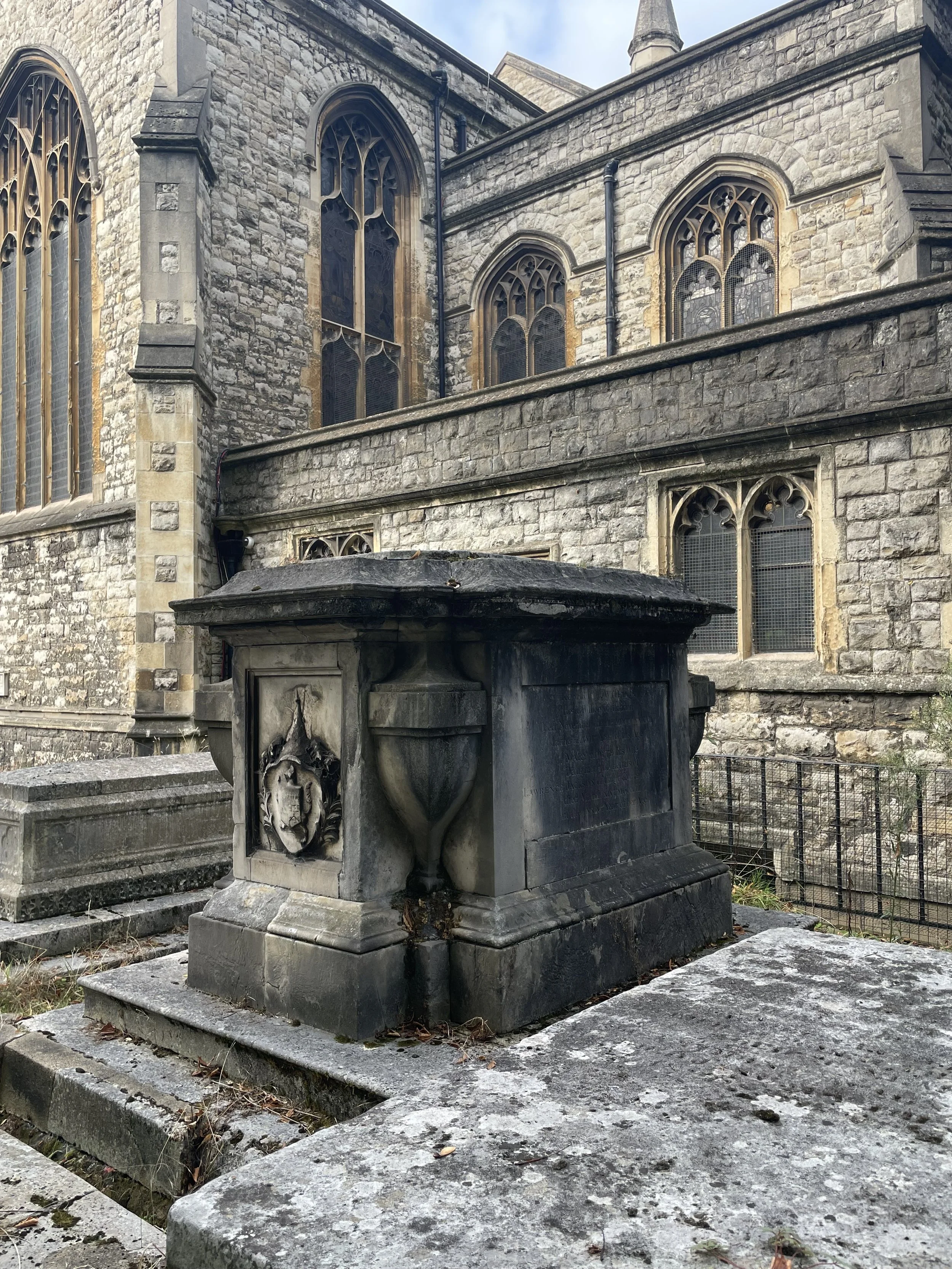
The tomb of Bishop Robert Lowth and his wife, Mary Lowth in the All Saints Church cemetery.

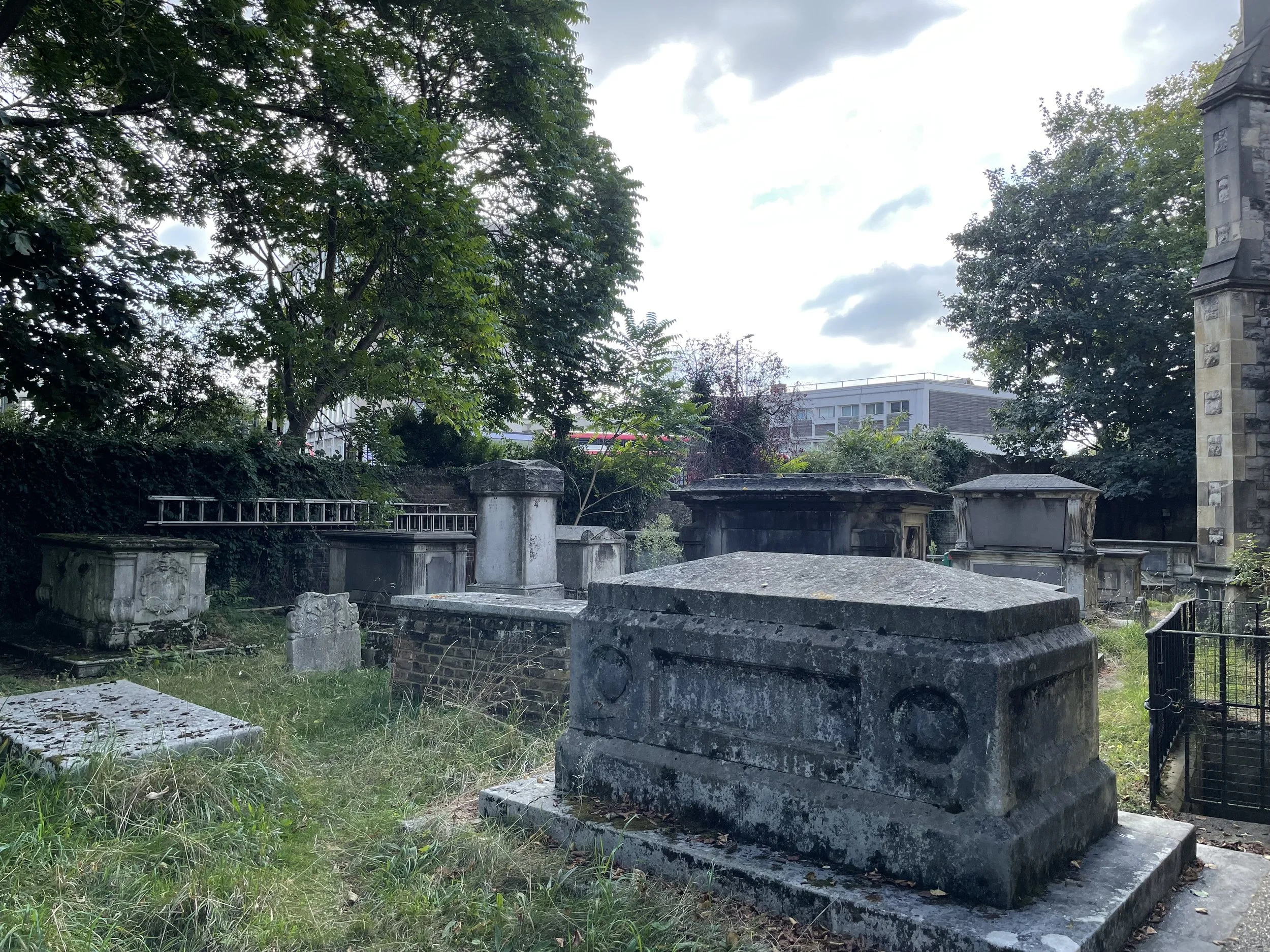
Part of the All Saints Church Cemetery. This is behind the church and is said to be where most of the Bishops are buried. Due to time, lots of the plaques are highly faded, but some are still legible. The writing is slightly different than modern English, which is cool to see.

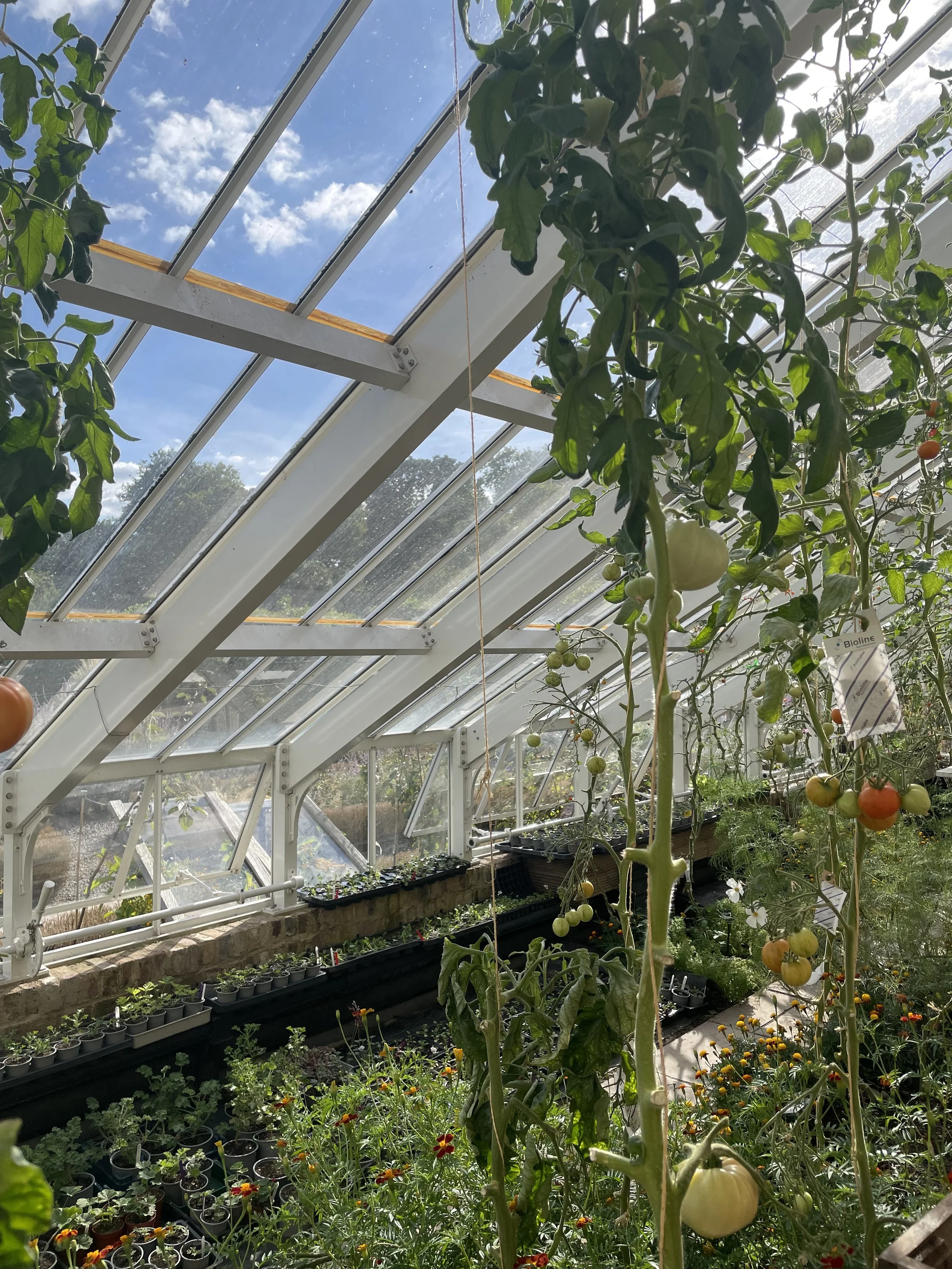
I loved getting to see the greenhouse. All of the colours were so pretty! My favorite place to sit in the garden is by the chickens.

Volunteer blog: behind the scenes with the Fulham Palace collection care volunteers!

Our names are Susannah and Vidita and we have both been Collection Care volunteers with Roxane since last year. We were lucky enough to start at the same time! There’s no such thing as a typical day in the life of a Collection Care volunteer, but we thought we would give you a sneaky look behind the scenes at what one of our days might entail.

Before we begin, for those of you unfamiliar with what collection care is, it’s all in the name. Essentially, we support Roxane in managing and caring for Fulham Palace’s varied collection. This ranges from paper records and photographs, furniture and fittings with historic value, the archaeological finds you’ll see on display in the glass cases in the museum, all the way to the paintings on the walls. Caring for the collection means making sure that what we have is properly recorded and stored safely in an environment that won’t allow it to come to any harm. This means constant monitoring … watch out for bugs!

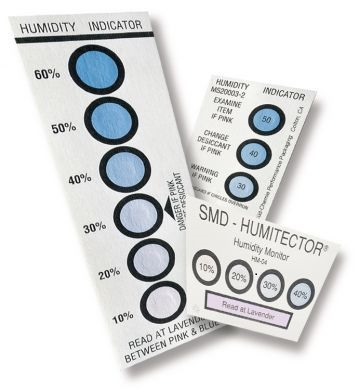
1) Humidity checks

Dampness and moisture can be detrimental to objects in Fulham Palace’s collection. This includes the altar cloths stored in the corridor, and the archaeological finds on display in the museum.

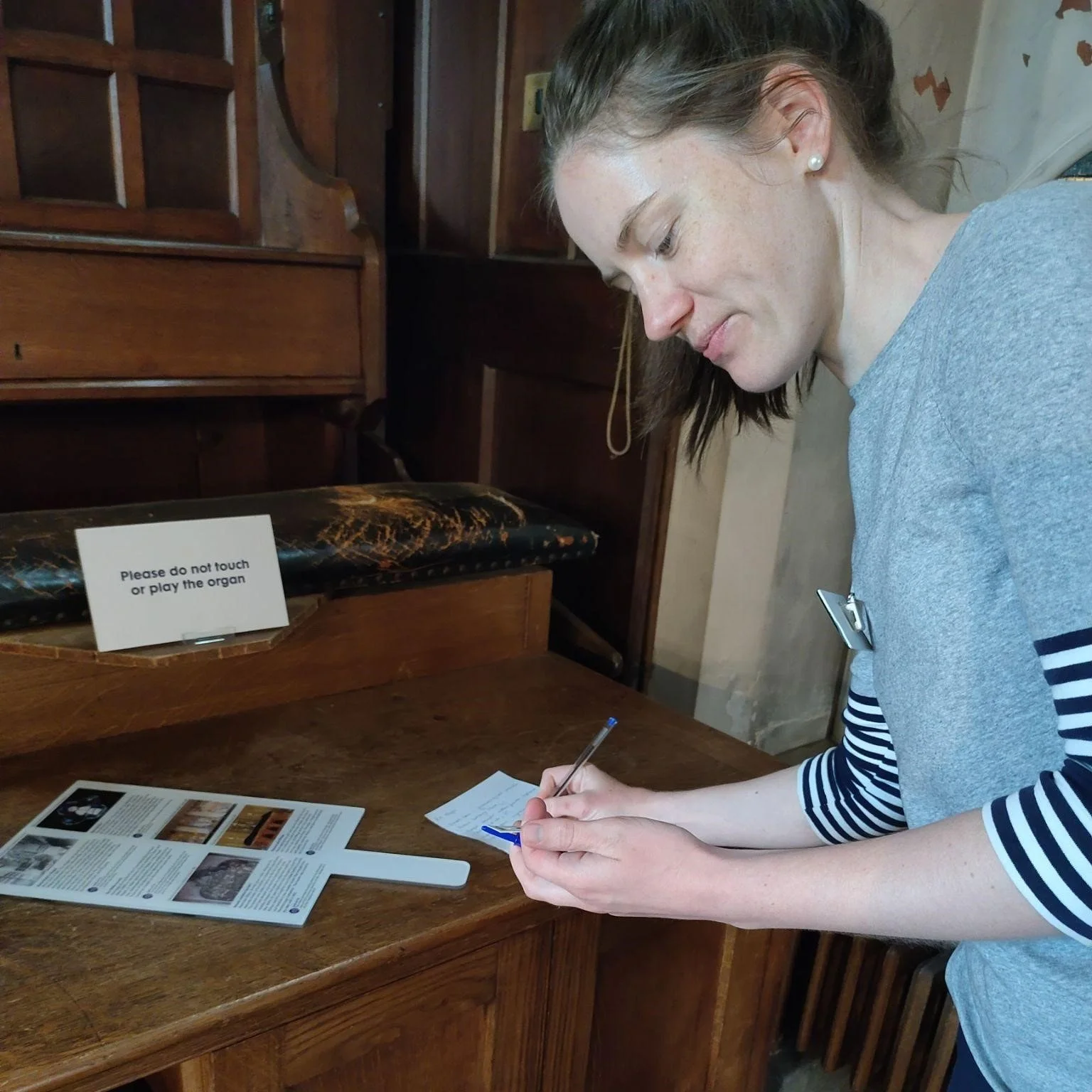
Here’s Susannah recording the humidity by looking at a strip stored inside the organ cupboard in the chapel.

This image shows you what a humidity test strip looks like. Where the colour changes from blue to red indicates how high the humidity is in a particular space.

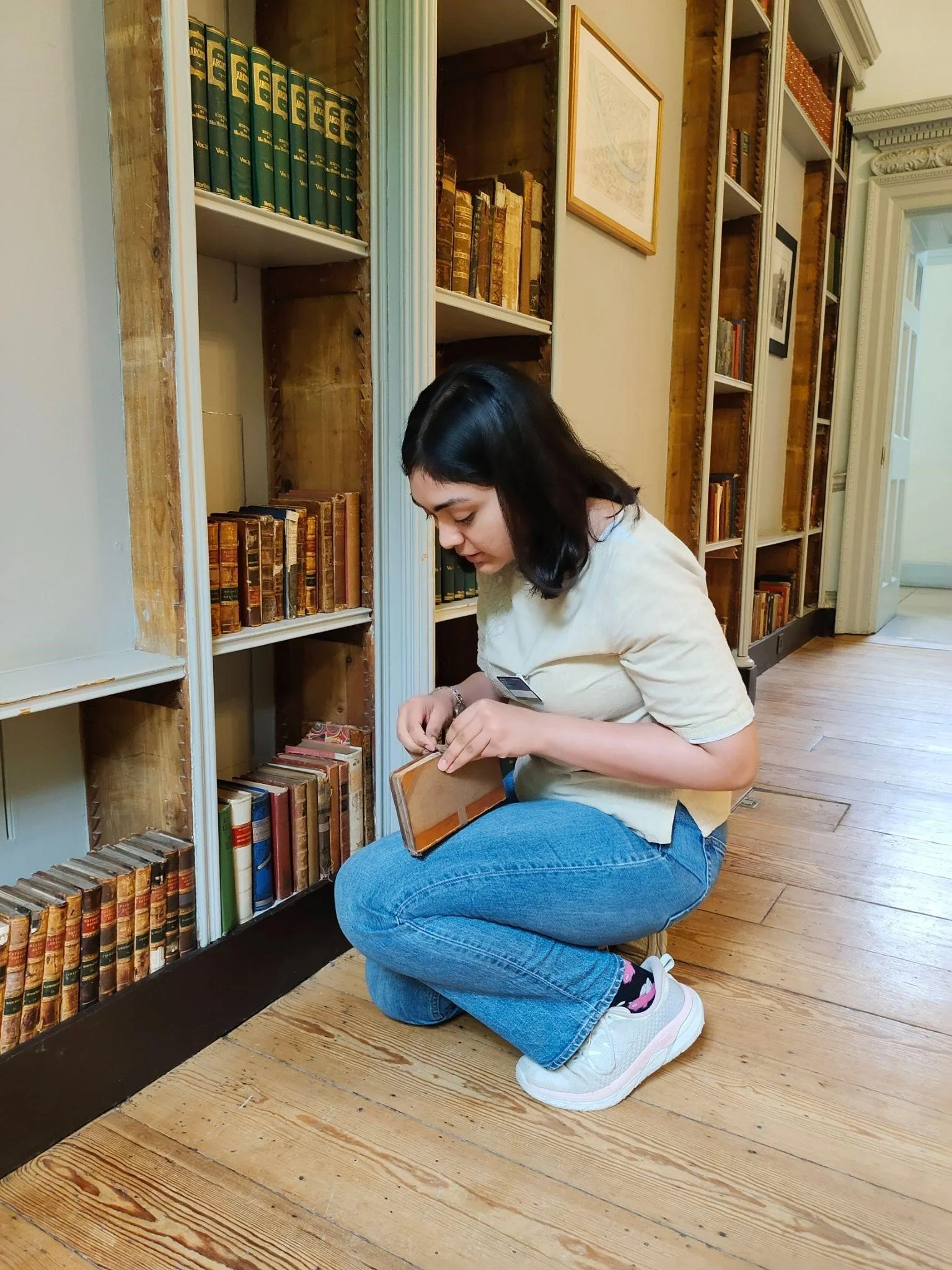
2) Caring for the books!

Next time you are in Bishop Terrick’s room, take a look at the collection of beautiful books on the walls. Unlike the books in the library, these are books that Palace visitors can pick up and browse through easily on their visits. With regular handling comes wear and tear. We check to make sure the shelves are tidy and presentable. We also look out for damage.

Vidita tying a cord around a book that has a fragile cover.

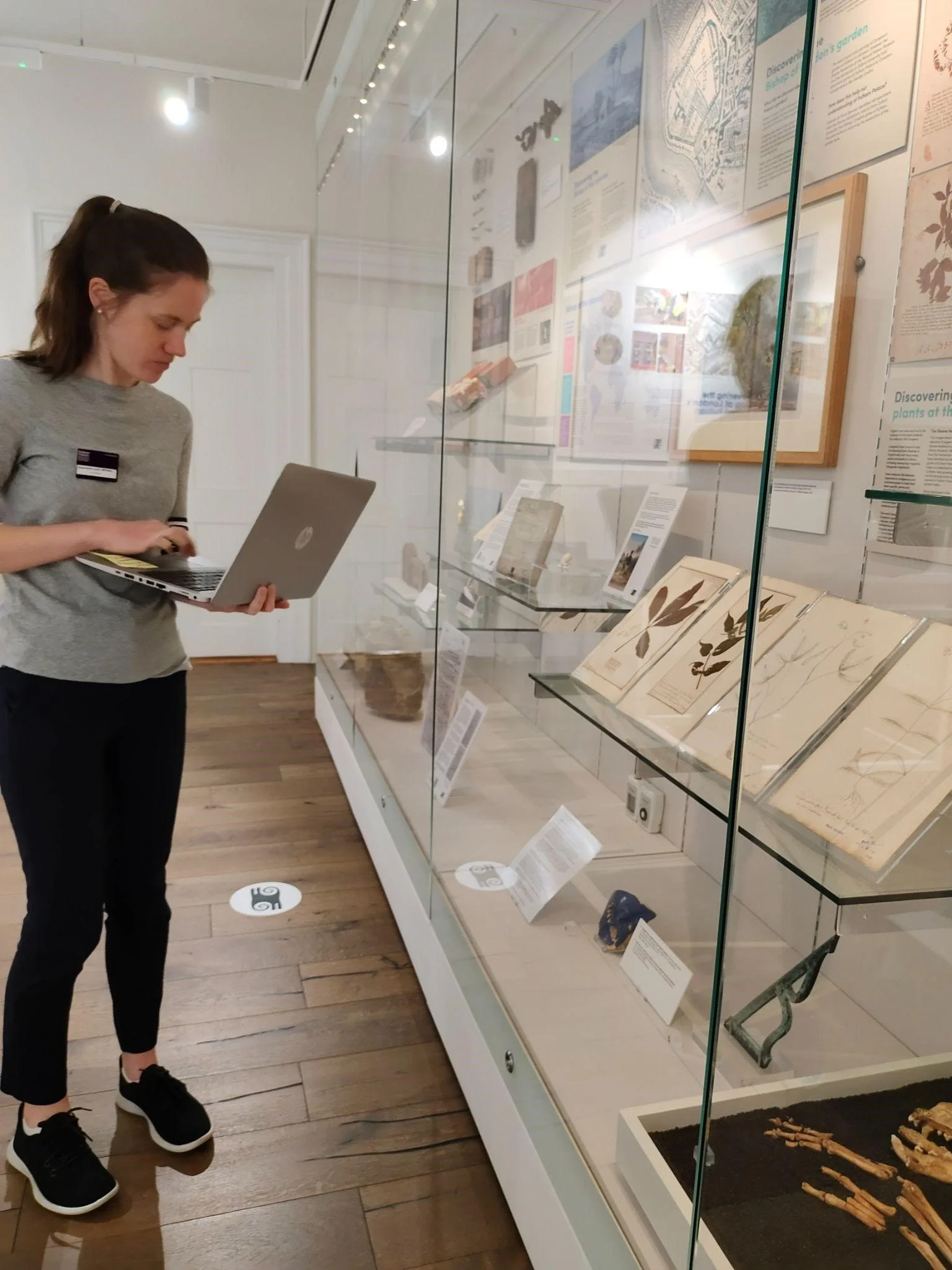
3) Label updates

You might have noticed the wonderfully refreshed displays in the museum, including the loan of two pages from a herbarium with plants that were actually grown at Fulham Palace in the late seventeenth century!

Susannah is making sure that all of the new labels for the cases match our collection database system.

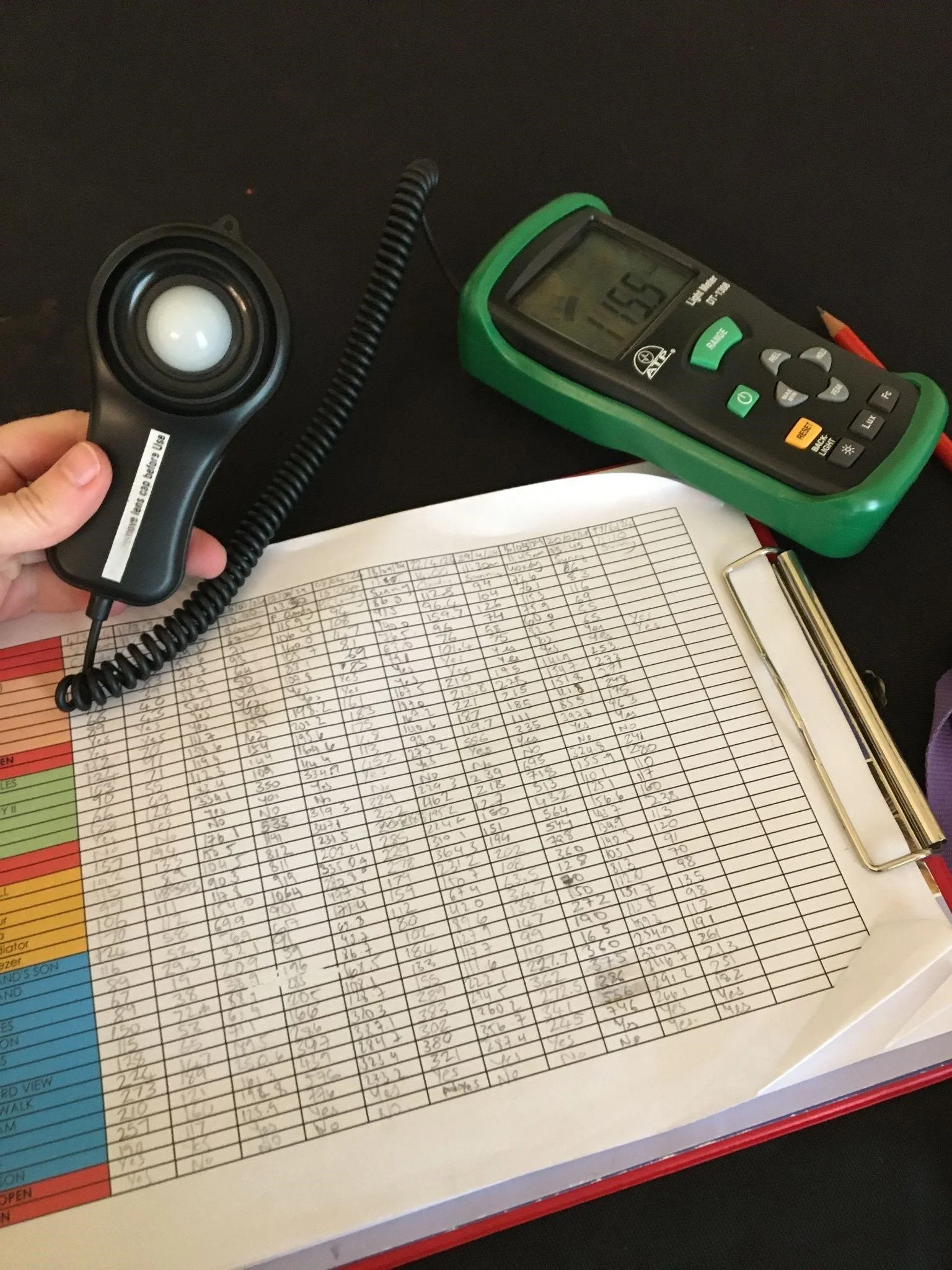
4) Light checks

Light helps us see the incredible historical objects on display at Fulham Palace but it can also be problematic … if you are a painting! If you see us wandering around with a strange wand holding it up before the frames, we are taking lux readings. Recording lux means that Roxane can keep an eye on how much light Fulham Palace’s paintings and photographs are exposed to while they are on display. She can then ensure that she maintains safe levels of light so that they don’t fade or suffer damage.

Recording lux

5) Keeping up to date with policy

Collection care means there are plenty of processes to follow! Sometimes we might be working with hazardous objects, with equipment such as ladders, or with substances like mould. When we started, we both undertook the Museum of London Hazards in Collections course. Here, Vidita is reading one of the policy documents that Roxane keeps up to date for how hazards should be managed at Fulham Palace.

Vidita reading one of the policy documents

Lastly, for some final thoughts. One of the joys of working in Collection Care is getting to help look after objects that play such an integral part in sharing the Palace’s story with others. Whether we are dusting fireplaces, spot checking items for damage in the museum’s stores, or checking the bug traps, we get to come up close and personal with Fulham Palace’s rich history and ensure that it’s maintained for visitors to enjoy now and in the future.

Susannah Lyon-Whaley and Vidita Gupta, collection care volunteers at Fulham Palace

Volunteer blog: what makes the Palace special by Alexander Ogilvie-Graham

In this post, Front of House Guide volunteer, Alexander Ogilvie-Graham, tells us about what in his opinion makes the Palace so special.

As a guide, Alexander Ogilvie-Graham will have a wealth of knowledge of the Palace! His favourite objects are the books in Bishop Porteus’s library. He has always enjoyed visiting the library and to this day, it remains his favourite part of Fulham Palace.

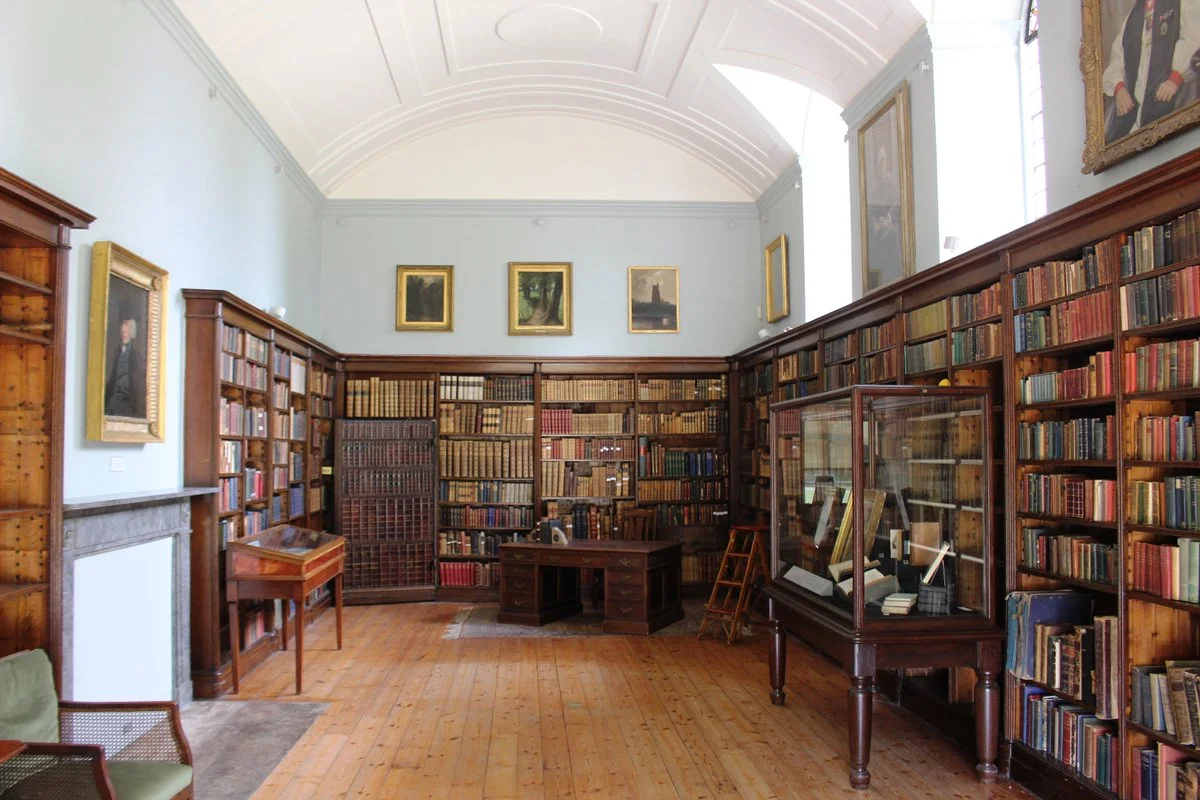
Bishop Porteus’s library, Fulham Palace.

Alexander’s choice of historic books as favourite objects in the palace will for sure be shared by many of us!

Gitte Hart, volunteer communications assistant, has researched the room’s history and has compiled this short history for all of us. Continue reading to find out more!

The library is named after Bishop Porteus (1787-1809), who left provisions in his will to build a library at Fulham Palace, to accommodate for his and future Bishops’ books and paintings. A portrait of Bishop Porteus can be found in the library, however most of his books are now held by the University of London.

The books, currently held in the library are a mix of books. Some were left behind by the bishops that lived at the palace, some were written by the bishops, and again, some were gifted or lent to the library by relatives of the bishops. Lastly, some have been selected due to relevant topics and some have been donated by dedicated volunteers! The library is certainly well worth a visit!

The library was built by Bishop Howley’s architect, Samuel Pepys Cockerell, in 1814, converting part of the Gothic chapel, of which remains the arched chapel windows above the book shelves to the right in the photo shown above. The beautiful library was built with a hidden jib door, concealed by faux books, as seen to the left behind the desk in this same photo.

Bishop Porteus was a committed opponent of the slave trade and left behind 145 books and pamphlets on the matter. There is a dedicated area on this topic in the library and the museum at Fulham Palace has an exhibition on the resistance by slaves, currently on show since April 2023.

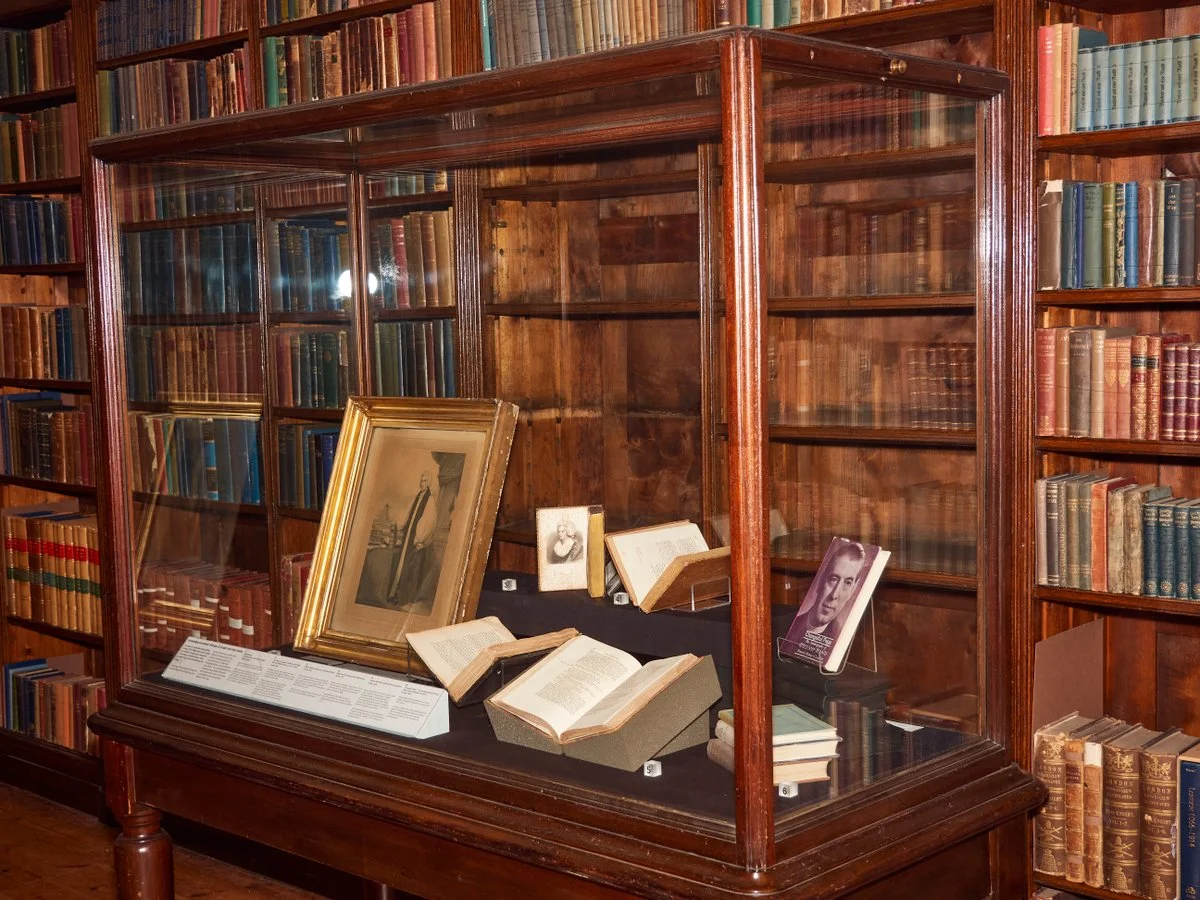
Above is shown a lovely display unit with samples of books and pictures left behind by various Bishops who lived at the palace. When Bishops left the palace, they would typically take all their belongings with them , thus there are only a few pieces in the library that are from the Bishops’ time living at the Palace.


Volunteer blog: what makes the Palace special.

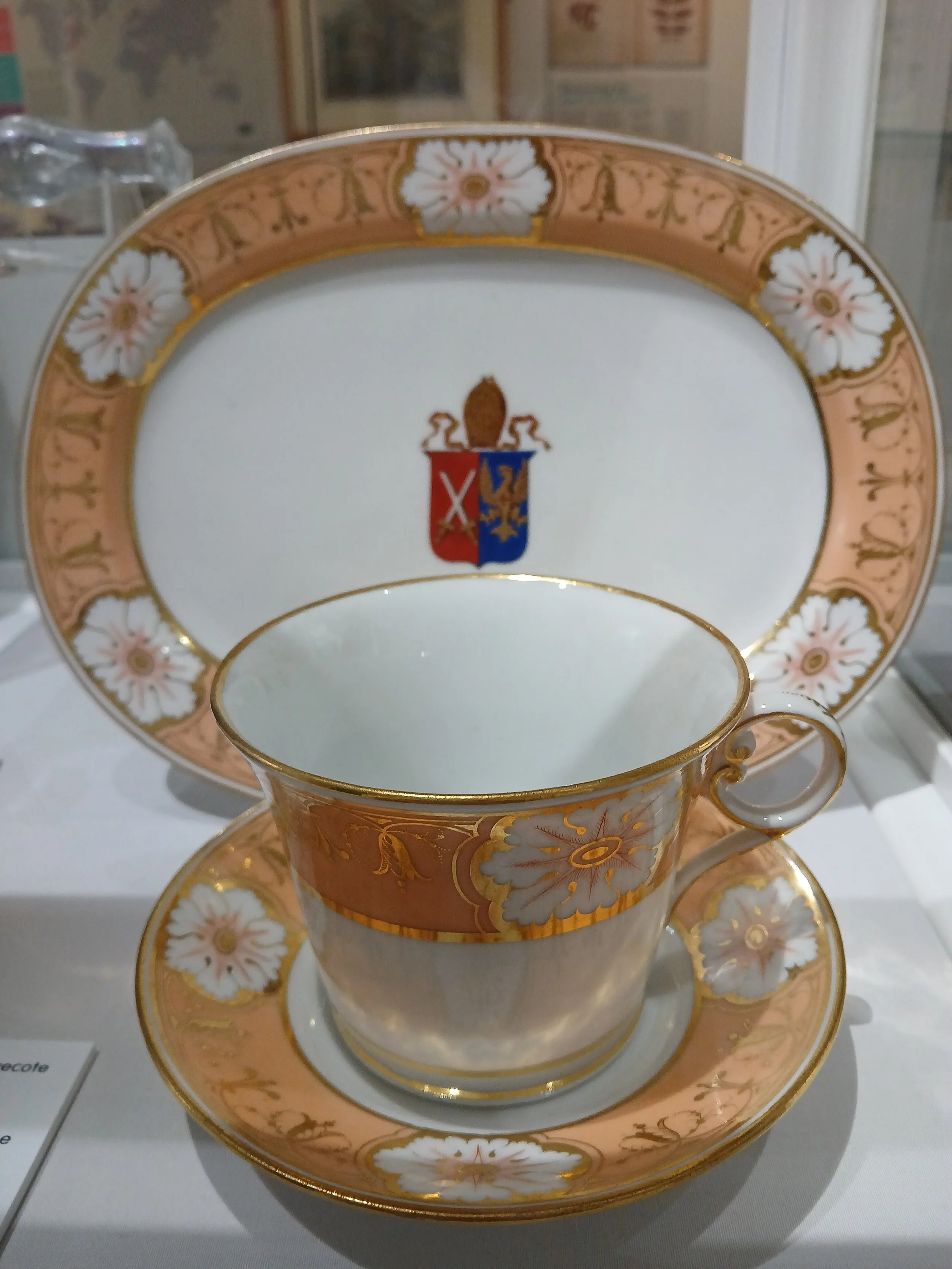
In this post, Lee Copeland shares her favourite object in the Palace: Bishop Howley's China in the Museum.

When asked, why was that her favourite object, she replied:

I’ve been a fan of vintage China and Porcelain for many years, when these items were purchased for the

Palace I was very excited. I love the idea of the Bishop entertaining guests using his own personalised

dinner set. I would love to own a piece.

Lee also added: The porcelain was made by the Chamberlain factory in Worcester. Decoration on the pieces includes a bishop’s mitre on the coffee cup and saucer, and the arms of William Howley on the dessert plate.

Cup, saucer and dish (1813-28). Hand painted.

Volunteer blog: A day out by Lee Copeland

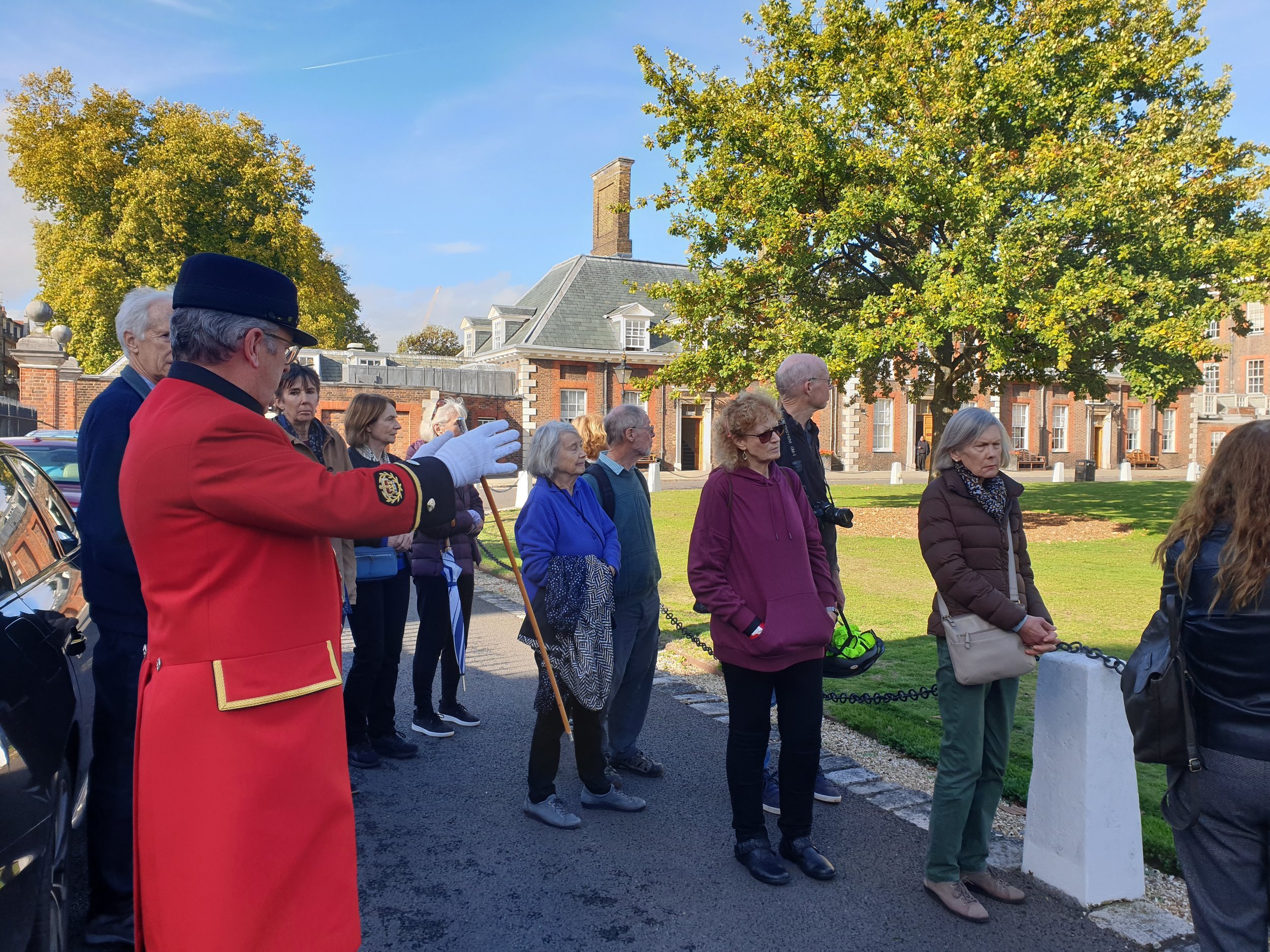
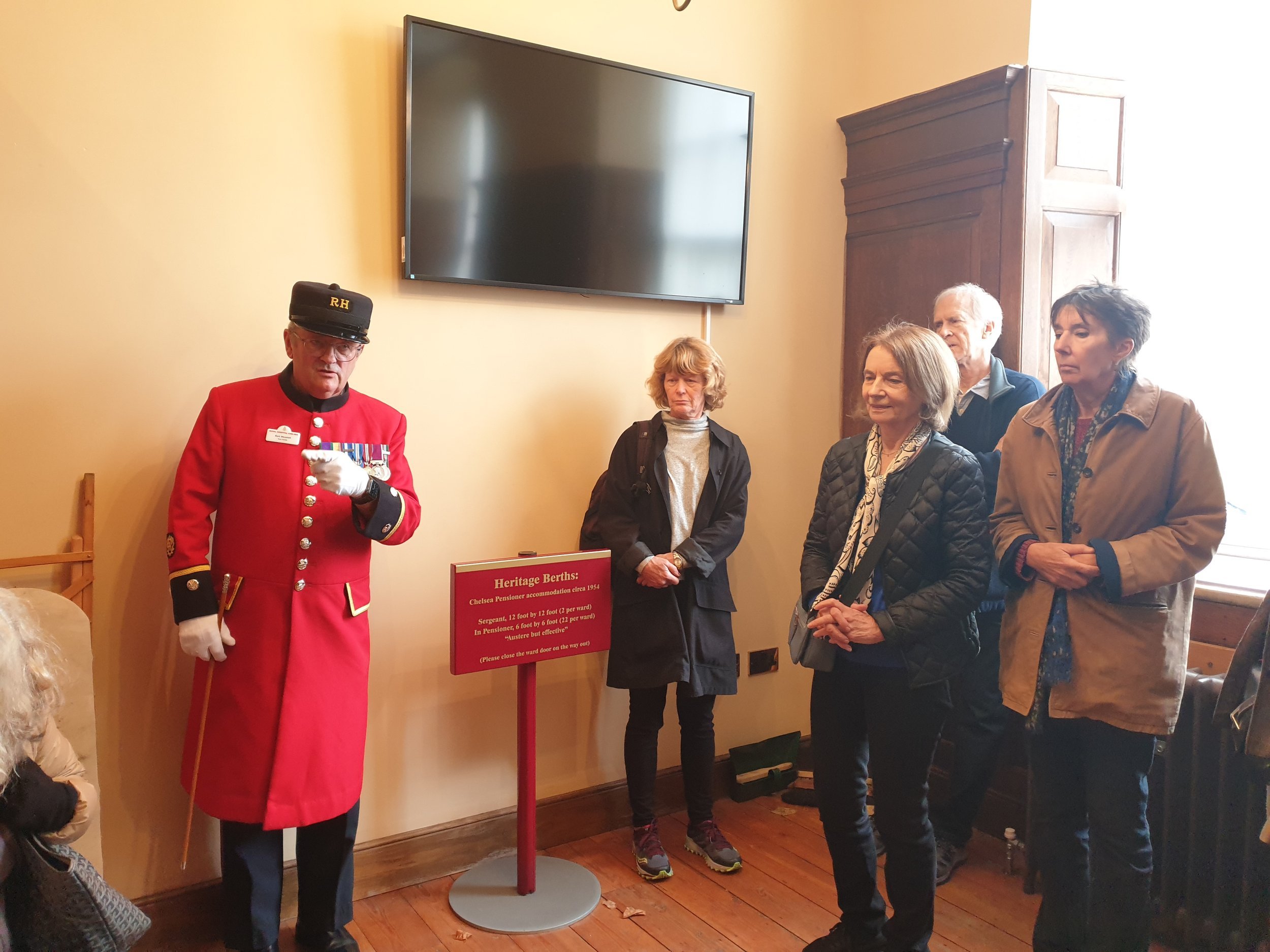
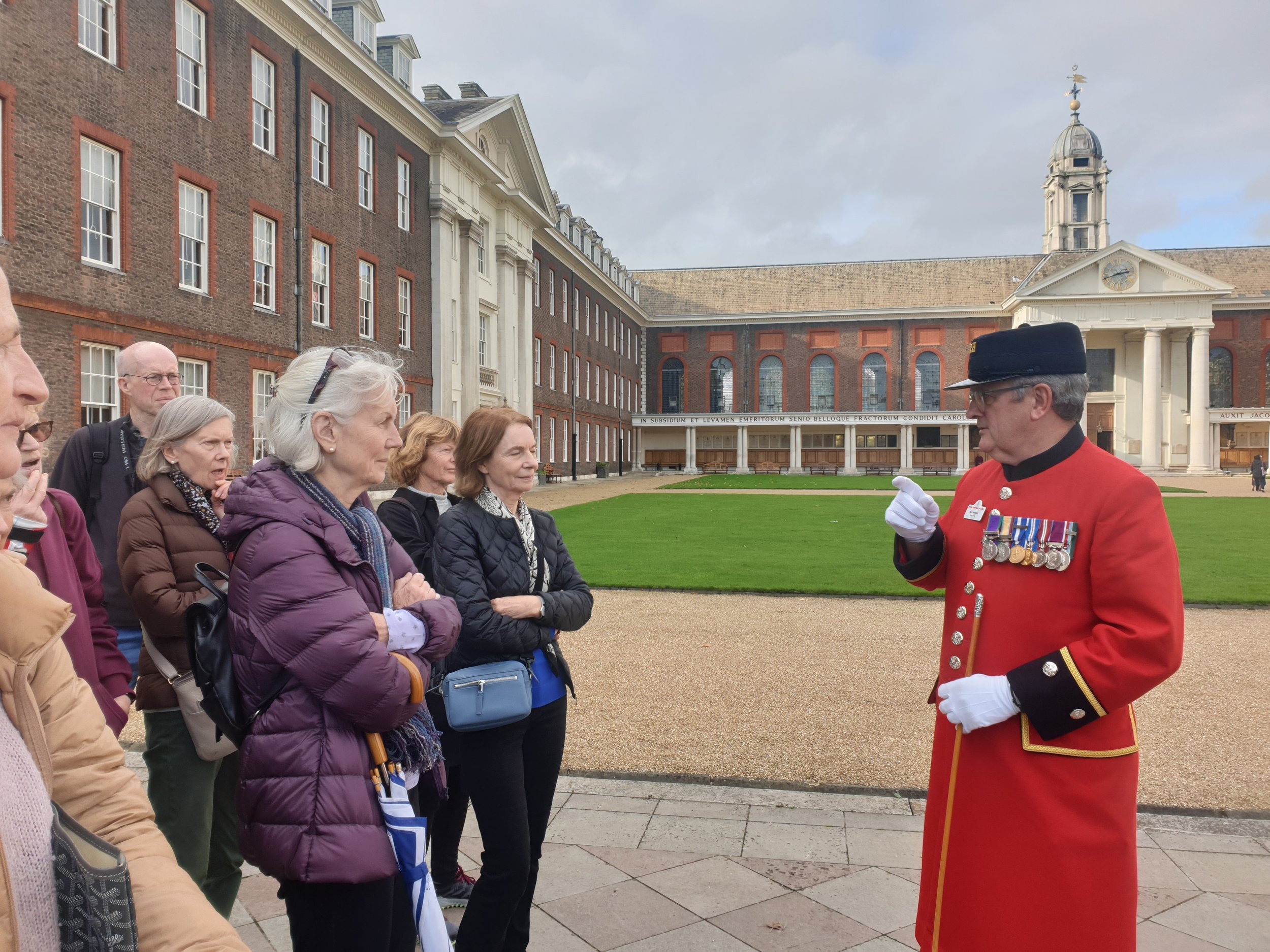
In this post, Lee Copeland, long stading volunteer at Fulham Palace, shares with us a volunteer reciprocal visit to the Royal Hospital Chelsea.

Reciprocal visits with other heritage sites are organised as a way of thanking volunteers for their efforts and contributions to the Palace.

On this occasion, volunteers were invited to a private tour of the Royal Hospital Chelsea led by two of the In-House Pensioner Tour Guides.

Many Volunteers joined the tour, and Lee felt that was a great day, and the group learnt a lot from the guides, who were also great hosts. Lee perticularly enjoyed the banter and jokes.

If you attended this visit and would like to add your own thoughts, you can leave your comments below!

Find out more about the Chelsea Pensioners:

Home | Royal Hospital Chelsea (chelsea-pensioners.co.uk)


Thanks Lee, for sharing with the volunteer community.