
Our names are Susannah and Vidita and we have both been Collection Care volunteers with Roxane since last year. We were lucky enough to start at the same time! There’s no such thing as a typical day in the life of a Collection Care volunteer, but we thought we would give you a sneaky look behind the scenes at what one of our days might entail.
Before we begin, for those of you unfamiliar with what collection care is, it’s all in the name. Essentially, we support Roxane in managing and caring for Fulham Palace’s varied collection. This ranges from paper records and photographs, furniture and fittings with historic value, the archaeological finds you’ll see on display in the glass cases in the museum, all the way to the paintings on the walls. Caring for the collection means making sure that what we have is properly recorded and stored safely in an environment that won’t allow it to come to any harm. This means constant monitoring … watch out for bugs!
1) Humidity checks
Dampness and moisture can be detrimental to objects in Fulham Palace’s collection. This includes the altar cloths stored in the corridor, and the archaeological finds on display in the museum.
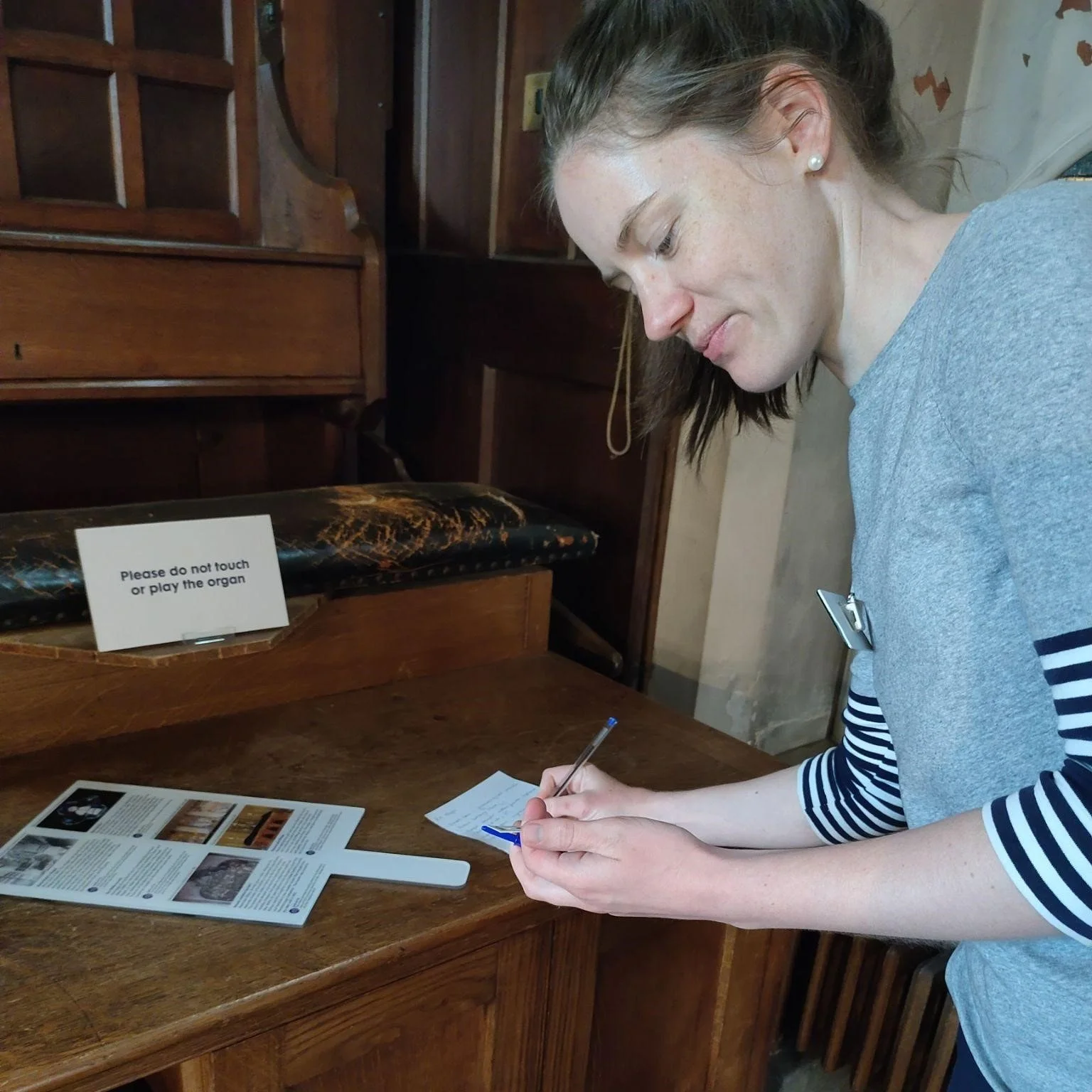
Here’s Susannah recording the humidity by looking at a strip stored inside the organ cupboard in the chapel.
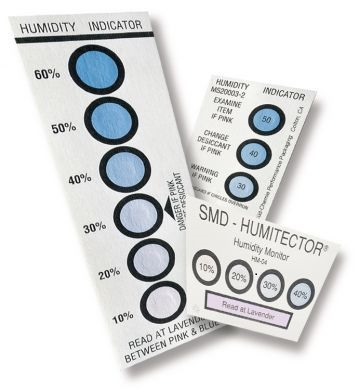
This image shows you what a humidity test strip looks like. Where the colour changes from blue to red indicates how high the humidity is in a particular space.
2) Caring for the books!
Next time you are in Bishop Terrick’s room, take a look at the collection of beautiful books on the walls. Unlike the books in the library, these are books that Palace visitors can pick up and browse through easily on their visits. With regular handling comes wear and tear. We check to make sure the shelves are tidy and presentable. We also look out for damage.
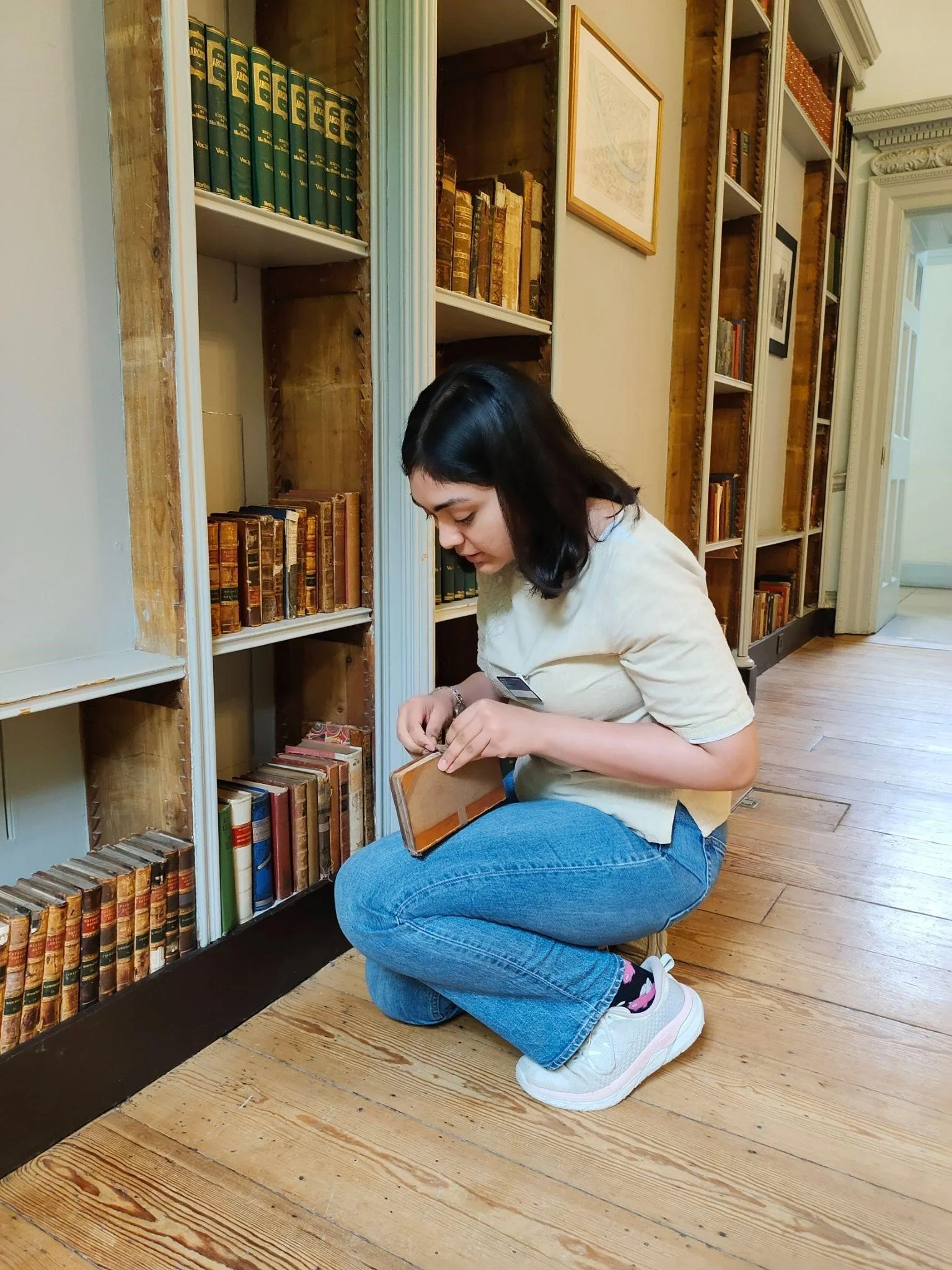
Vidita tying a cord around a book that has a fragile cover.
3) Label updates
You might have noticed the wonderfully refreshed displays in the museum, including the loan of two pages from a herbarium with plants that were actually grown at Fulham Palace in the late seventeenth century!
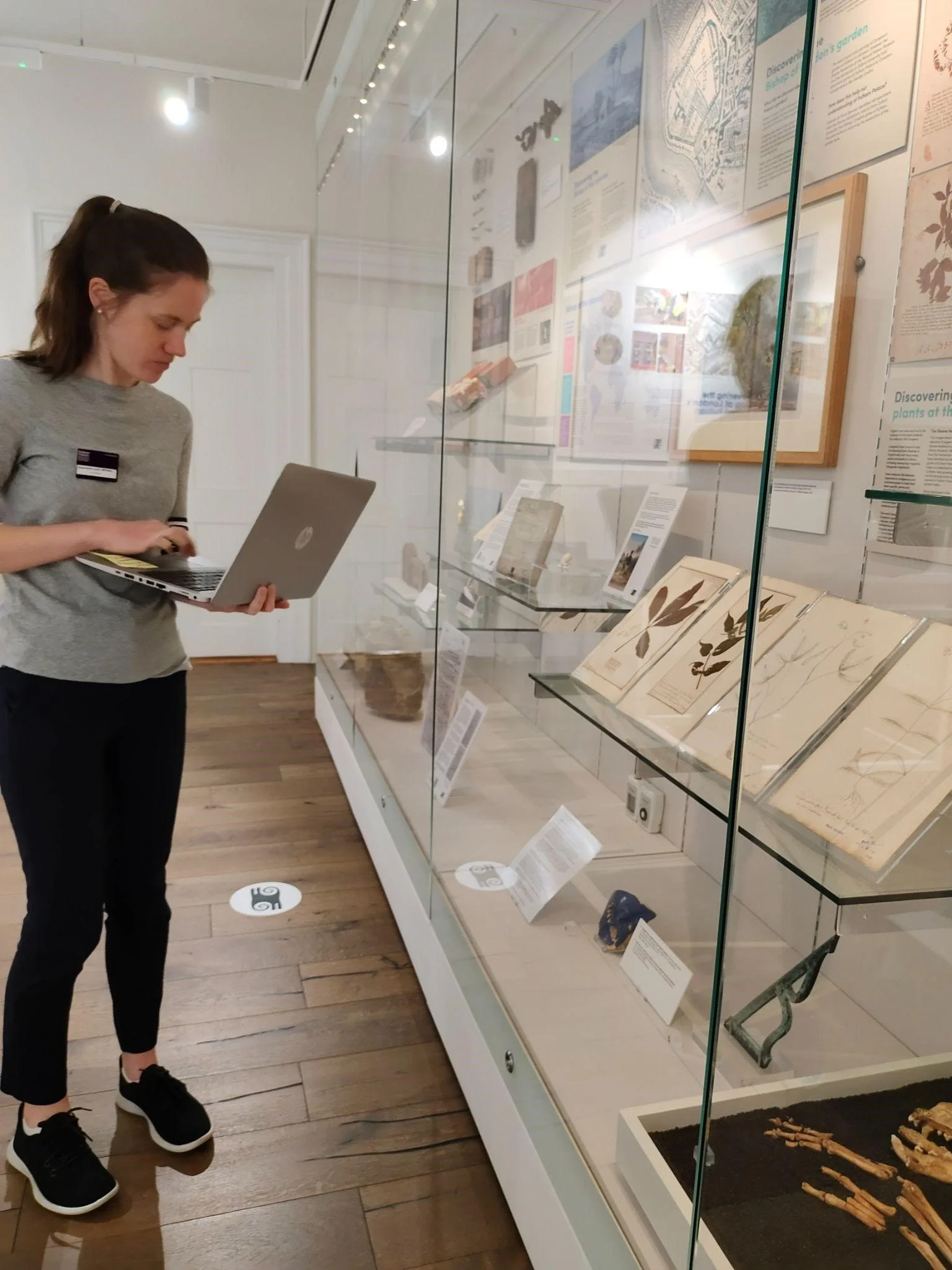
Susannah is making sure that all of the new labels for the cases match our collection database system.
4) Light checks
Light helps us see the incredible historical objects on display at Fulham Palace but it can also be problematic … if you are a painting! If you see us wandering around with a strange wand holding it up before the frames, we are taking lux readings. Recording lux means that Roxane can keep an eye on how much light Fulham Palace’s paintings and photographs are exposed to while they are on display. She can then ensure that she maintains safe levels of light so that they don’t fade or suffer damage.
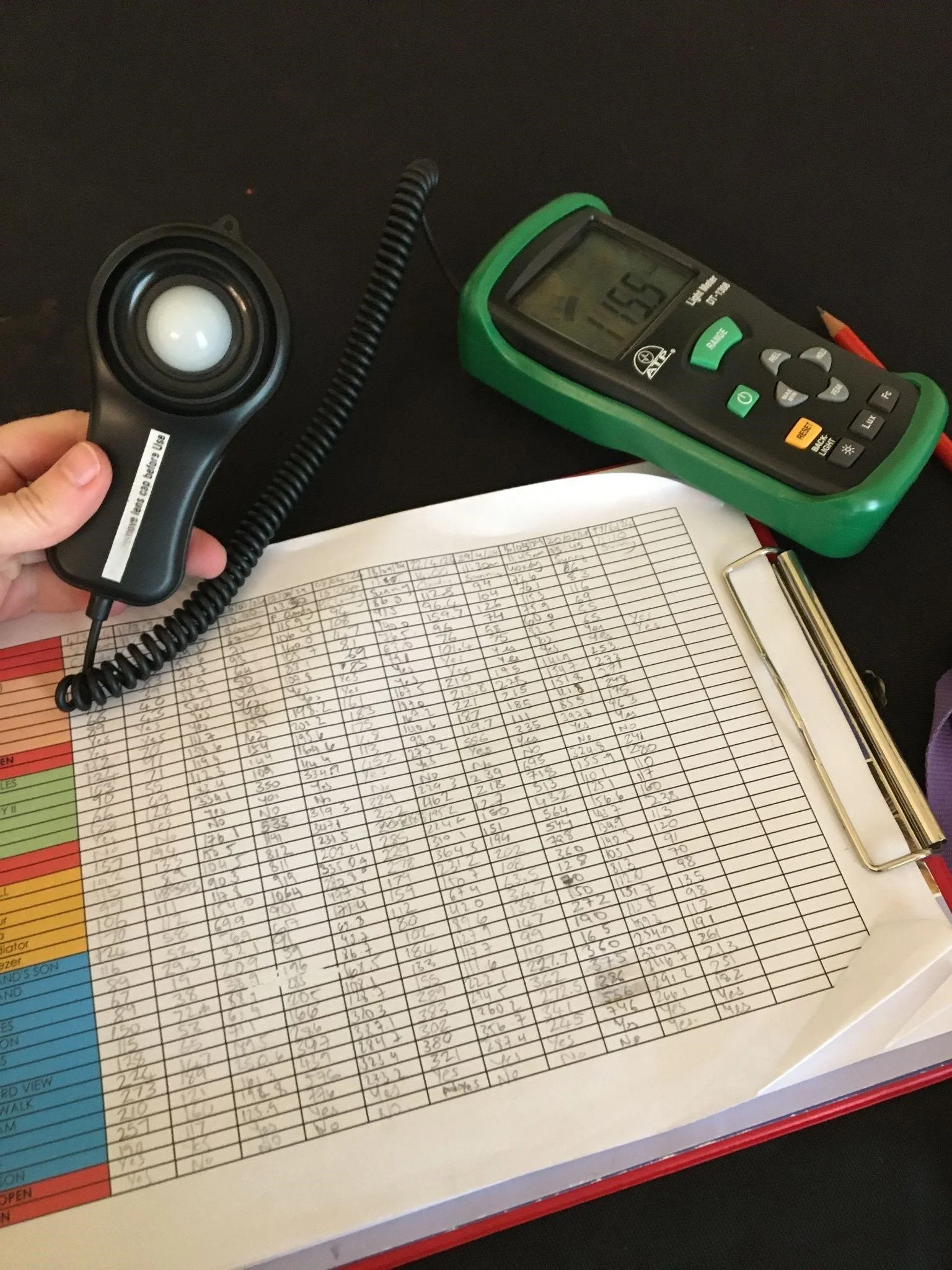
Recording lux
5) Keeping up to date with policy
Collection care means there are plenty of processes to follow! Sometimes we might be working with hazardous objects, with equipment such as ladders, or with substances like mould. When we started, we both undertook the Museum of London Hazards in Collections course. Here, Vidita is reading one of the policy documents that Roxane keeps up to date for how hazards should be managed at Fulham Palace.
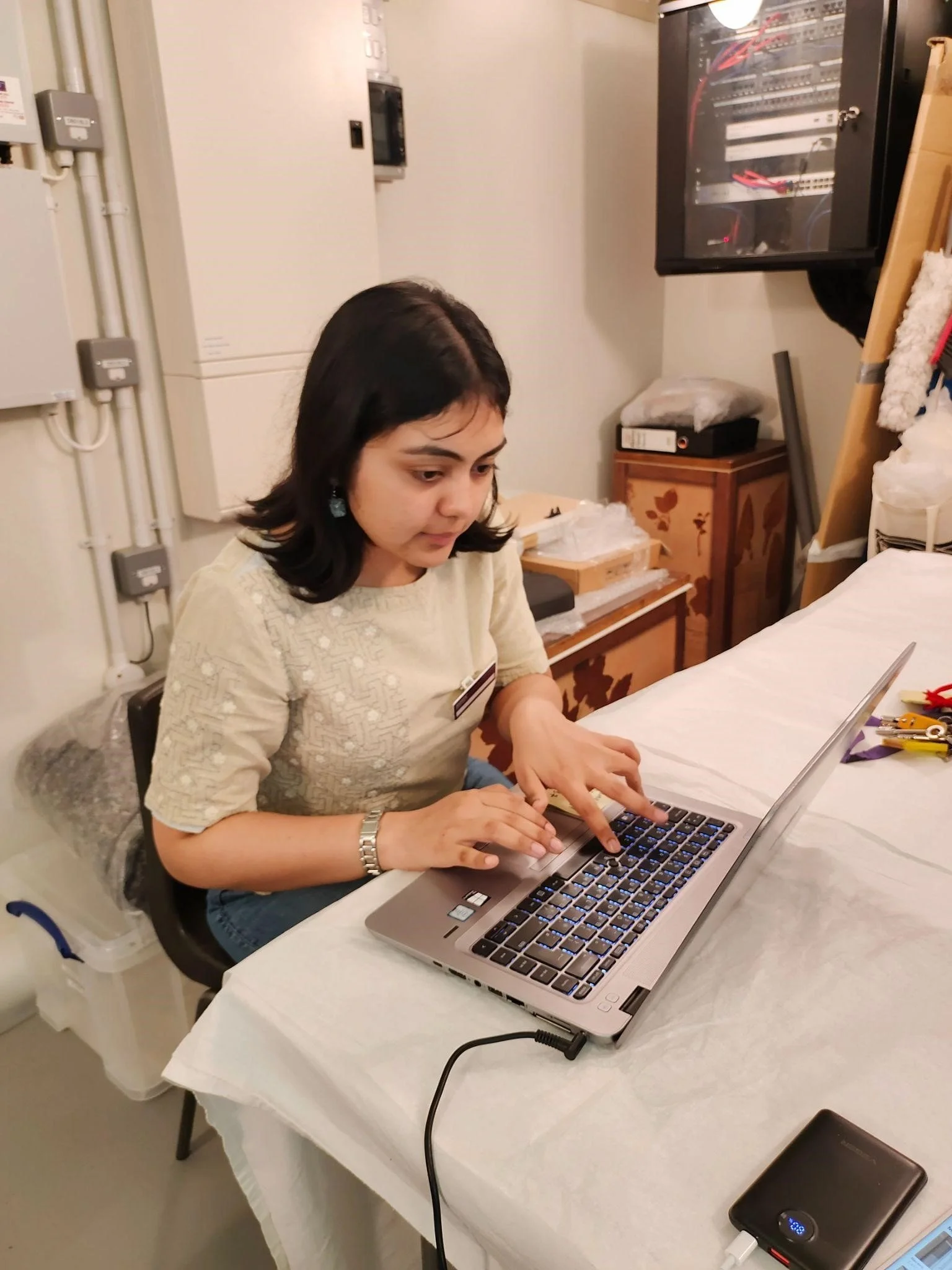
Vidita reading one of the policy documents
Lastly, for some final thoughts. One of the joys of working in Collection Care is getting to help look after objects that play such an integral part in sharing the Palace’s story with others. Whether we are dusting fireplaces, spot checking items for damage in the museum’s stores, or checking the bug traps, we get to come up close and personal with Fulham Palace’s rich history and ensure that it’s maintained for visitors to enjoy now and in the future.
Susannah Lyon-Whaley and Vidita Gupta, collection care volunteers at Fulham Palace