Anne Connaughton’s third instalment of the Public Morality Council looks at the many hidden aspects of this history including attitudes towards young women.
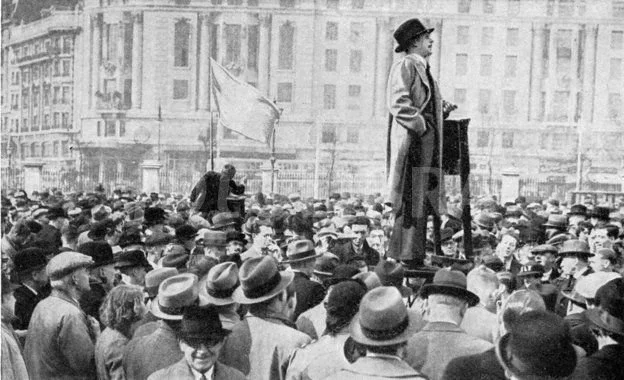
The widely-held notion that dark evenings attracted undesirables to centres of population, kept the Public Morality Council’s (wartime) morality patrols very busy. Patrol work, together with crowded meetings in Hyde Park represented “the best propaganda of all, as it....draws attention to the great evils in our midst”.
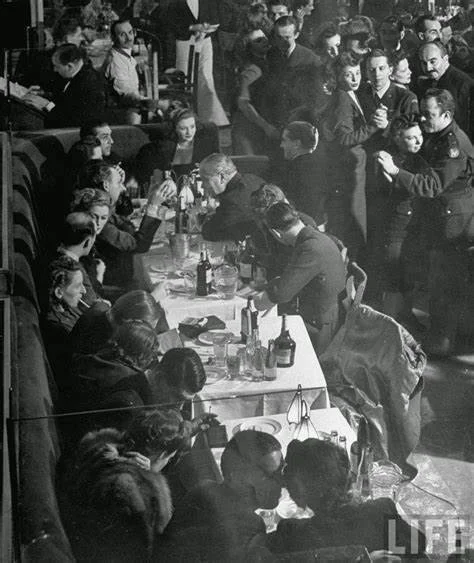
A patrolling officer’s report from February 1943 noted “considerable zeal” shown by police in the Victoria area where, since September 1943, 30 arrests for importuning had been made. The same report envisages that “the difficulty of dealing with the situation (vis a vis female prostitution) will loom large in the future “. The most stringent action was taken against male “pests”. Patrolling officers compiled several lists of men arrested, including a list of 15 men under the age of 25, of whom 3 were aged 18 or under. The report bemoans “a definite increase in depravity among the young.” Patrolling officer Arthur Wheal, asks “Is it inferable that men may be leaning to these practices to avoid the scourge of venereal disease, of which much is being made in the press?”
Wider concern about the spread of VD was reflected both by the PMC and the Ministry of Health, which foresaw a prominent role for local and central agencies against “deep seated ignorance and prejudice of the public.“ The Ministry was represented at a conference in February 1943, convened by the Central Council on Health Education. Delegates heard one speaker describe “heartbreak trains” at a certain London terminus “being met by women who lure young girls to places where they get infected, and irresponsible employers who take girls as general maids and drive them to bad company.”
Records held at the LMA convey a crusading ambience among war-time audiences at the public gatherings in Hyde Park, where the PMC engages in “work of the highest importance “, alongside like-minded organisations. Audiences are challenged on whether, because of “lax morality, and an improper view of the marriage state.... People are going in large numbers to clinics for information before they get married.............one of the chief things they are told there is how to use preventatives”.
These records also reveal spirited interaction between platform speakers and audiences, whose members comment variously that “clinics where girls go for treatment of VD....are of a certain class”! Another, in describing a village which houses an army camp, asks, “do you know how many girls of 15 in that village are pregnant?” Yet another remarks “Are people not kept down at work? They are absolutely in the hands of their bosses”. The 1942 meeting hosted a discussion about the presence of American troops in the country, and how the large sums of money “generally in their possession...such a temptation to a certain type of young girl.”
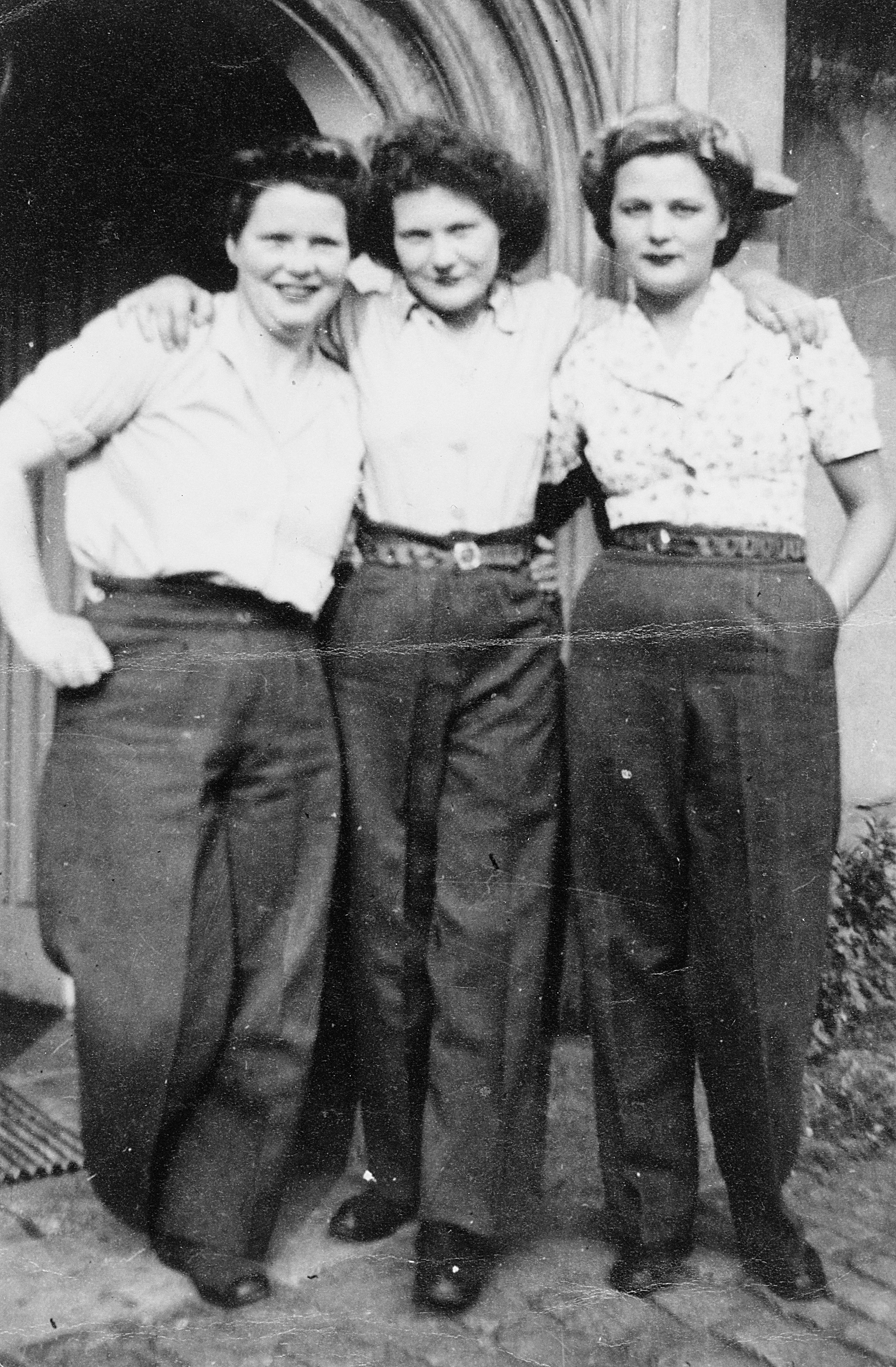
Reports commonly observe “very large crowds of all nations...especially soldiers, wrens, ATS, WAAF...”, with “many led to a better way of life”. More remarkably “even on the worst Sundays of the war the meetings were held”.
Next time, and last in series, “...in darkened corners...” : A PMC patrol looks at life in air-raid shelters!
Useful Sources, including italicised extracts:
Files of Patrolling Officers’ Reports 1938-1942; 1941-1945; 1942-1947 (LMA)
Files relating to Hyde Park Meetings 1940-1943; 1944-1948 (LMA)