
Learning volunteer, Tricia Kern tells us more about our family day on Fulham Palace and the Second World War. If you want to get involved please get in touch.
Special event on Sunday 26 March 2023 celebrating Fulham Palace and the people who lived and served there and the contribution and tribulations the war had.
Whilst we will not be experiencing the blitz and have barrage balloons on the day, we will have other exciting events happening to get our visitors into “day time World War II mode”. Fulham Palace played an important role during the war by becoming a hospital, a shelter for those made homeless by the almost nightly bombing of the area from September 1940 – May 1941, also being home to up to 200 evacuees of all ages. It has been said, some people who sheltered at the Palace, preferred to sleep in the gardens, rather than risk dying in a direct hit of a bomb onto the building.
Fulham Palace was also a place of billeting for the Women’s Auxillary Air Force (WAAF), who were the Squadron 24 site for barrage balloons. These balloons were massive and floated in the air, to discourage enemy bombers from flying low and seeing where to drop bombs more accurately. Queen Elizabeth, wife of King George VI visited the Fulham Palace WAAFs on 24 March 1943 and stayed long enough to show an interest in what was being done by the corps in aid of the war effort. In 1944 a barrage balloon broke away from its anchor site and flew off and hit a tree with 1,300 feet of cable, this could have been a much worse accident than it was. This incident was included in the Palace Cat!
During the Blitz raids, Bishop of London, Geoffrey Fisher, counted 12 bomb sites within Fulham Palace grounds, some detonating and others needing to be defused by bomb desposal team members. The Bishop was most upset when one bomb landed on the melons and cucumbers in the greenhouse!
So what has all this history to do with our planned event? Well …
We will have World War II re-enactors joining us, with their uniforms, handling collections, demonstrations of drill and generally showing visitors usual day time activities during this awful period in the Palace’s history. There will be a range of Civil Defence groups in uniform, such as Home Guard, Air Raid Precautions Wardens and Fire and Police staff. Health and safety messages, like always carrying a gas mask, how to undertake first aid, taping up windows to limit the spread of broken glass and to be aware lighting a cigarette in the open, at night, could be enough to contravene black out rules. Everyone was encouraged to collect metal to be melted down for the war effort, to save paper and to collect bones and scraps of food for pig and chicken feeding. This will give a true feeling of how restrictive eveything was, with regard to food, clothing, fuel, movement and the effect of free speech re “careless talk” posters and not to give directions, when place signposts were removed in case the person was the enemy.
Young visitors will be encouraged to register for identity cards, learn about morse code, write a first name in code plus try out a morse code machine. There could be demonstation of using a whistle for morse code too. We will also have music of the time. On show as well, will be a piece of shrapnel removed from a serving WWII soldier, Queen Elizabeth’s Red Cross fund raising book, stamps and money of the time, clothing coupons, cookery book on how to best use the food rations and make do and mend.
Please volunteer to help us make this a wonderful event for our visitors.
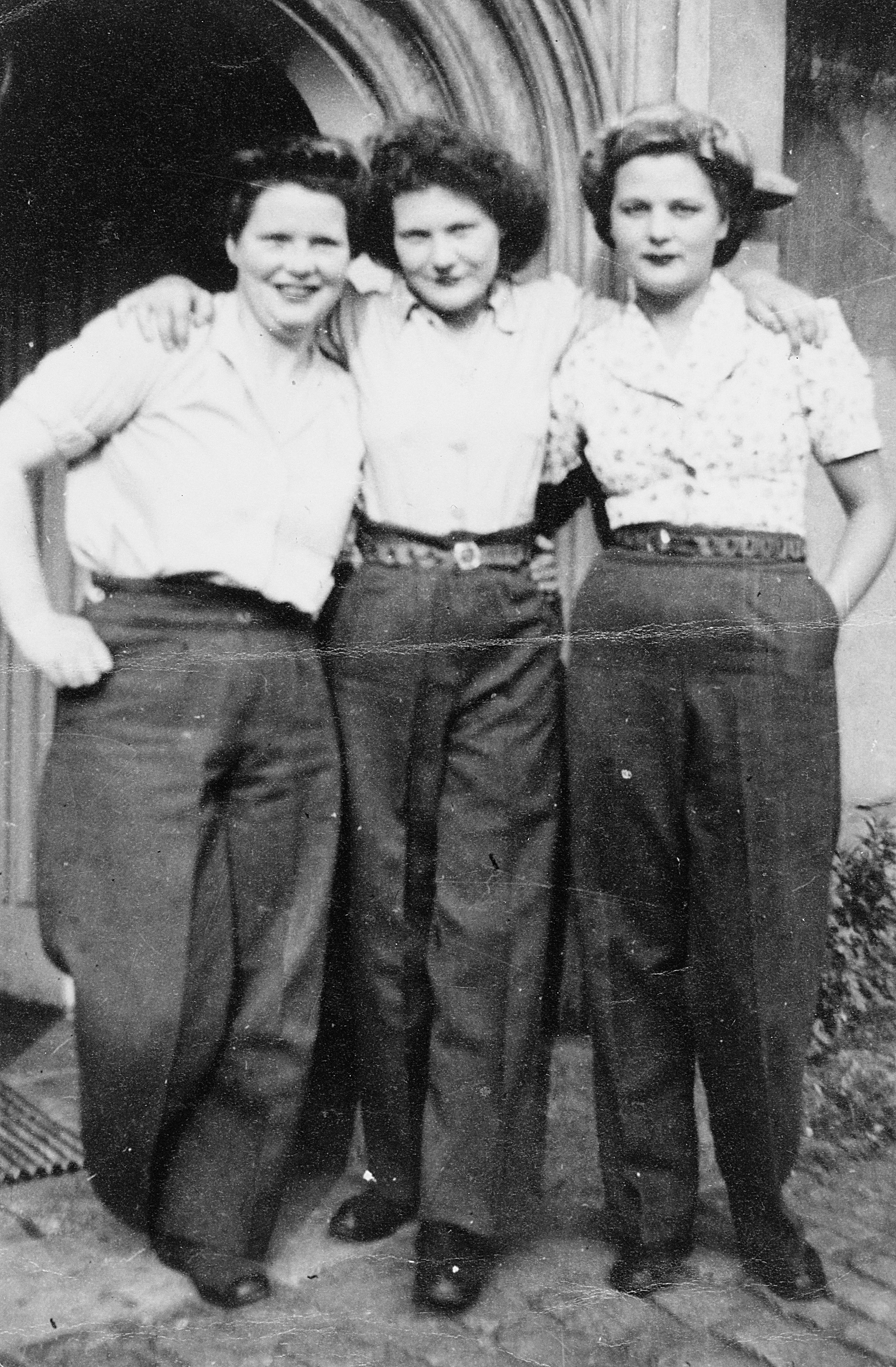
1944 WAAF Gothic Lodge
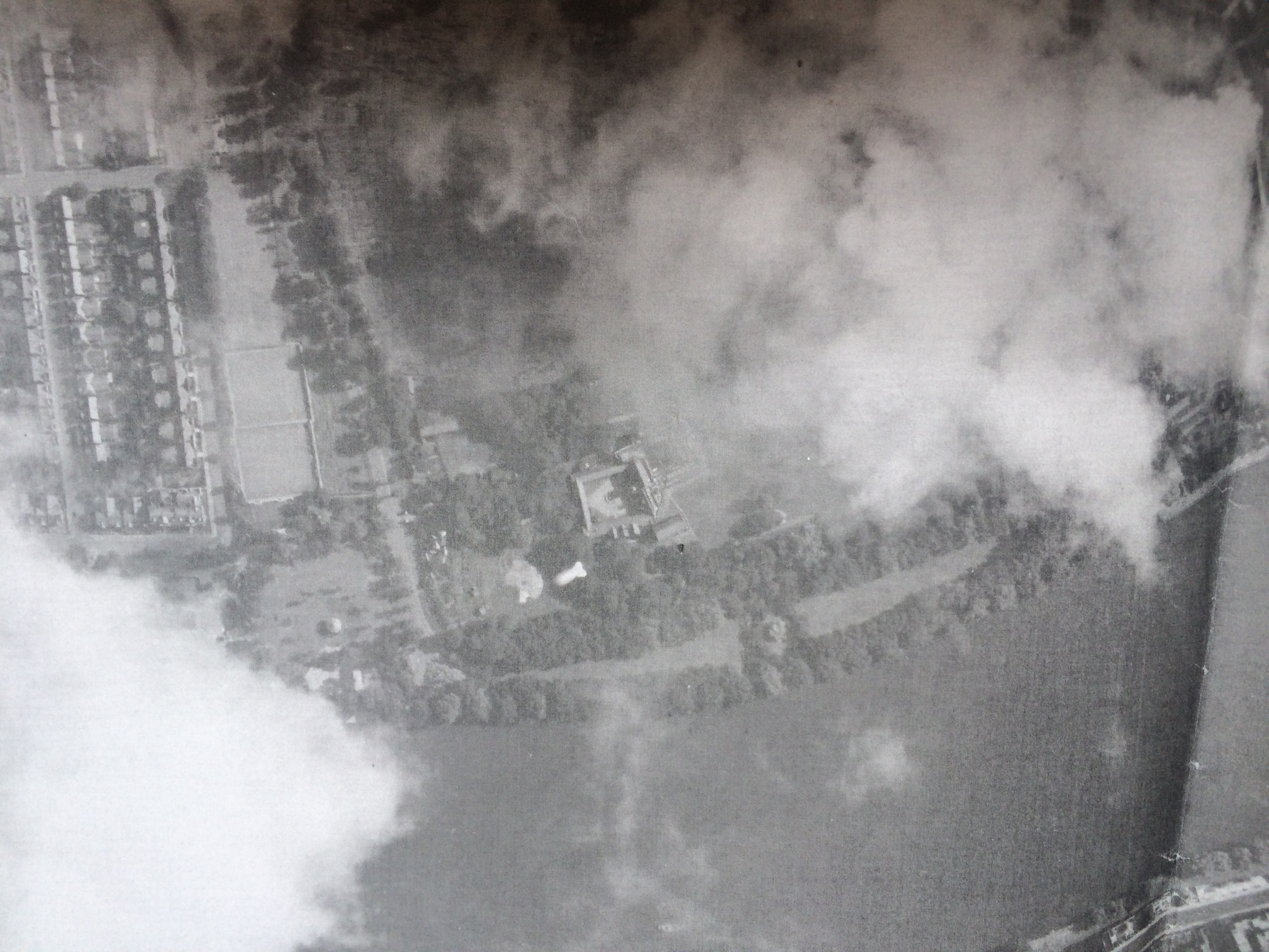
Ariel view of Fulham Palace from a barrage balloon