Object of the Month: Tudor Arch

Every month we feature two blogs written by volunteers, one describes an object in the Palace and one a plant from the Garden. It is a great way for us all to learn more about the Palace. If you would like to contribute there is no set format so, please do send us your ideas!

This month Learning Placement Student Lucrezia Paggio has chosen to feature the main entrance to the Walled Garden, the Tudor Arch. Please read on to find out more!
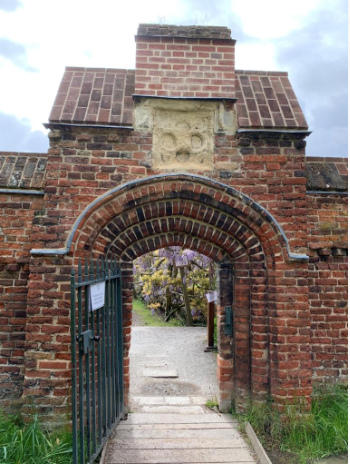
View from the main lawn of the Tudor Arch

View from the main lawn of the Tudor Arch

Walking across the Palace lawn with the cafe behind, your first glimpse of the wonderful Walled Garden includes the impressive, perhaps some would say iconic, feature of Fulham Palace the Tudor arch. The arch is supported by a 16th century wall, which in turn protects and hides the Walled Garden from open view. Many wonders flourish within the Walled Garden, such as extensive vegetable beds and a knot garden, as well as a vinery, bee hives, an orchard and breathtaking wisteria. Within the garden you can buy organic plants and vegetables. The hard work of the gardens staff and volunteers is clearly evident, and is much appreciated by all who enter the enchanting space.
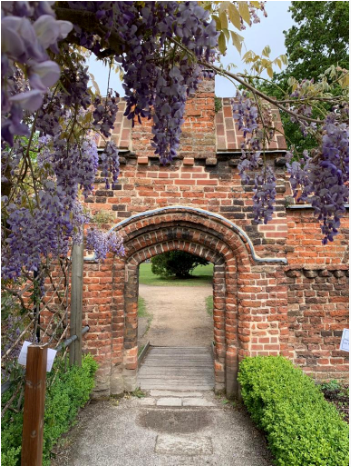
View of the Tudor Arch from inside the Walled Garden
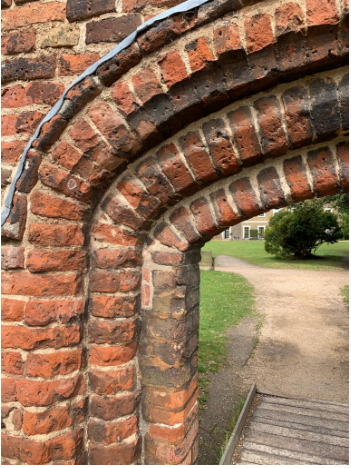
View of the Tudor Arch from inside the Walled Garden

The Tudor Arch from a closer angle

The Tudor Arch from a closer angle

The coat of arms on the arch is of Bishop Richard FitzJames (1506 - 1522). Therefore the 16th century wall was very likely built by FitzJames. Historically the Tudor Arch was nicknamed Henry VII Arch, a particularly fitting title. The Tudor period (1485-1603) is one of the most interesting and revolutionary periods of English history. England - at that time split into Catholicism and Protestantism - needed to emphasise its separation from Rome, both spiritually and architecturally.

Since that time, how many people have walked beneath this beautiful arch and importantly, who? The arch must have seen some very interesting characters.

The Tudor arch is recognisable for not being curved, hence not relying on a single and central point of support but rather on four main pressure points which gives the arch this peculiar shape; shorter but wider at the sides. As a result, it is mainly used in low and wide spaces… so do mind you head when you duck underneath!
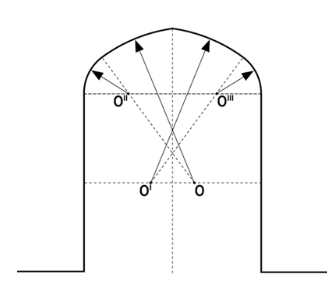
Diagram of a Tudor Arch

Diagram of a Tudor Arch

As you wander through the gardens and pass beneath the arch, take a moment to soak up the rich heritage of the Henry VII Arch.

Lucrezia Paggio

Learning Placement Student

Please send your ideas for Object / Specimen of the Month blogs to rachel.bagnall-bray@fulhampalace.org. If you would like some help, please let us know.
Specimen of the Month: Cultivating Compton

Every month we feature two blogs written by volunteers, one describes an object in the Palace and one a plant from the Garden. It is a great way for us all to learn more about the Palace. If you would like to contribute there is no set format so, please do send us your ideas!

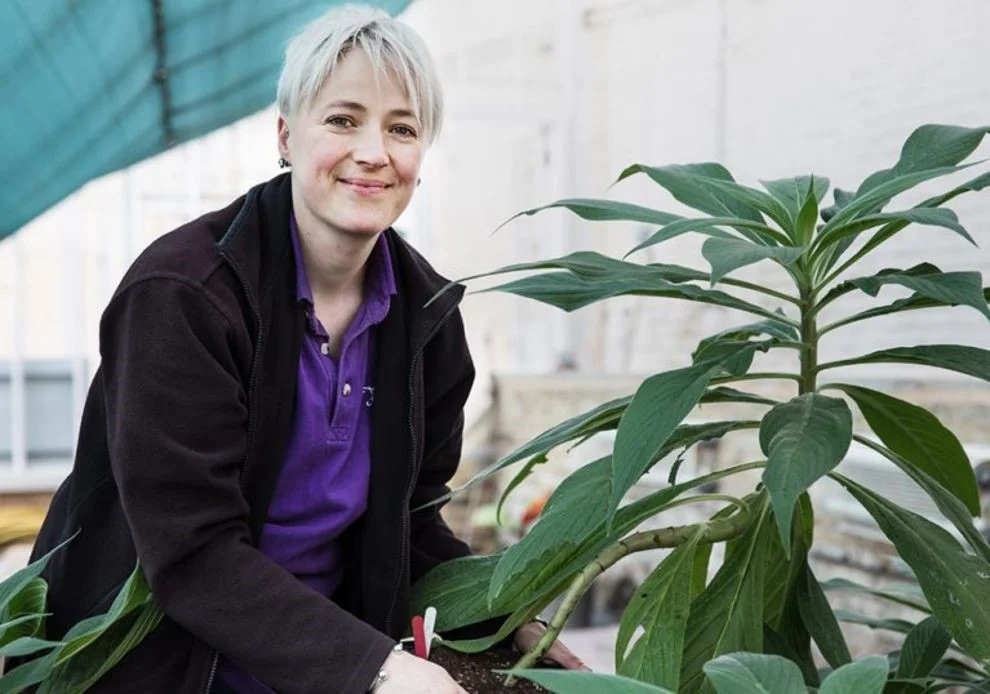
Head Gardener Lucy Hart

Head Gardener Lucy Hart

On Tuesday 7th May 2019, Head Gardener Lucy Hart gave a fascinating talk on her work with botanist and curator Dr Mark Spencer to track down the plants that would have filled Bishop Compton’s gardens at Fulham Palace. For those who missed the talk, please read on to find out what we learnt.

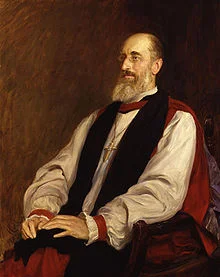
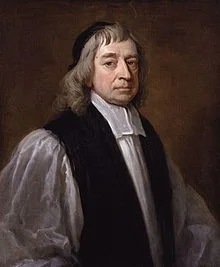
Bishop Henry Compton was the Bishop of London from 1675 to 1713. As a passionate plantsman he used his position and travels to bring plants from all over the Caribbean, Africa, India and North America back to England. Compton employed George London, an influential nurserymen and garden designer of the late seventeenth and early eighteenth century to help re-design the Palace’s grounds.

One aspect of the current restoration project, part-funded by the National Lottery Heritage Fund, sent Lucy and the volunteers on a mission to plant 80 species in the ‘Cultivating Compton’ area. This runs along the outside of Fulham Palace’s walled garden facing the river. The new beds are surrounded by a handmade wattle fence made from hazel wands. 

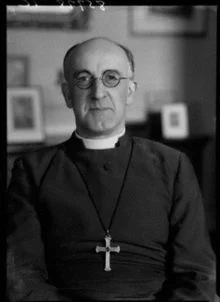
Bishop Henry Compton

Bishop Henry Compton

Lucy began sourcing species that Compton once grew at the palace from nurseries and botanic gardens across the UK and as far as Cape Town in South Africa. She has plans to travel to the US to collect seeds from Virginia to form an important part of the planting scheme.  

We learnt some interesting facts such as Compton’s love for spicy food and how he put flowers in his salad before it became fashionable! He grew over 1000 exotic plants and one of the first coffee plants was grown here at Fulham Palace. Lucy revealed that despite all of Compton’s excellent planting and cultivating he regretted spending so much money on the gardens. Perhaps this suggests that Compton’s passion for gardening and botany took precedence over his role as the Bishop and one could argue the gardens received more attention than the Palace itself which was left in a neglected state.

It was very enlightening to learn how the plants were shipped in the 17th and 18th Century.  Lucy showed us images of how cuttings of plants were transported in various ways such as being pressed in books or sealed in paper envelopes. It was very challenging to keep the plants alive and make them useful for cultivation.  

Lucy told us to look out for the star of the show which is the new Magnolia virginiana and I look forward to seeing this species as well as all the other wonderful species which Bishop Compton was either the first, or one of the first, to propagate in England at Fulham Palace.

 A huge thank you to Lucy for an informative talk and we wish her and the team the best of luck with the landscaping works!

Emily Lafoy,

Learning Placement Student

Please send your ideas for Object / Specimen of the Month blogs to rachel.bagnall-bray@fulhampalace.org. If you would like some help, please let us know.
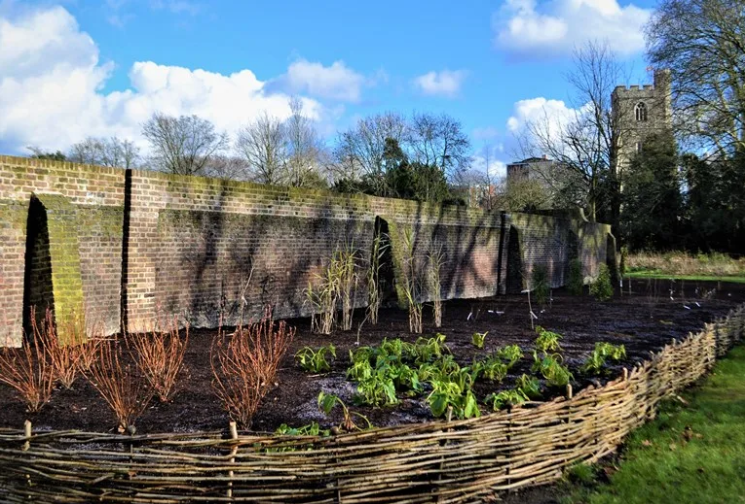
The Compton Bed at Fulham Palace

The Compton Bed at Fulham Palace

Object of the Month: In stitches... the Sewing Bees of Fulham Palace

Every month we feature two blogs written by volunteers, one describes an object in the Palace and one a plant from the Garden. It is a great way for us all to learn more about the Palace. If you would like to contribute there is no set format so, please do send us your ideas!

This June we’re hearing about the Fulham Palace Sewing Bee, who are working on a new altar frontal for the Chapel. We will take the works of the sewing bee as this month’s object(s) in focus.

***

We are the Sewing Bee and would like to introduce ourselves to you all. Our group was set up in the late 90s when we received lots of costumes from ILEA (Inner London Education Authority) which had been disbanded by Margaret Thatcher in the 80s and they distributed the collection between the London boroughs.

These old theatrical and historical costumes were stored in the top floor of a Victorian school in Camden Town. The powers that be decided to split this collection amongst the inner London boroughs. Hammersmith and Fulham Council asked Miranda Poliakoff (Curator) if she would be interested in having them at the Palace. So she, Jenny Kershaw (Education Officer) and Esther Dean (BAFTA award winning Costume Consultant) went to this school with some black bin liners and picked out lots of clothes that we could use for the school sessions.

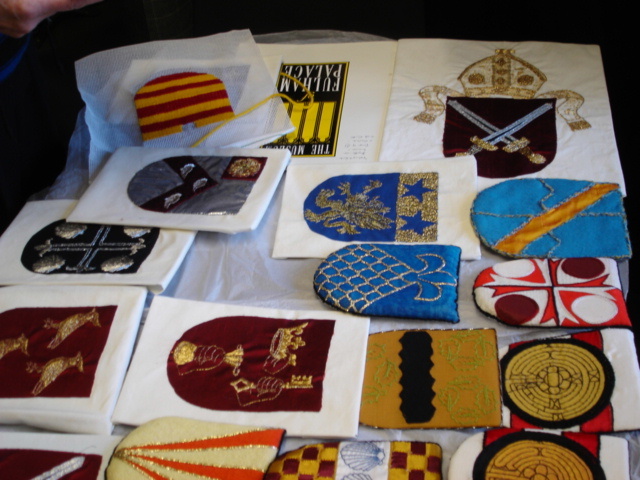
Bishops Badges made by the Sewing Bee

Bishops Badges made by the Sewing Bee

As a result of this, the Sewing Bee was set up both to repair and alter these costumes. We also started to make new costumes and other projects.

Some of the items that have been made by the Sewing Bee are mob caps, tunics, Stone Age and Viking costumes, medieval clothes, occasionally for adults, but mostly for children when they visit the Palace with their schools.

Embroidery sessions were ultimately added which resulted in all 90 Bishops’ badges being embroidered; a project we undertook whilst the Palace was closed during the 2006 successful Lottery funded renovation.

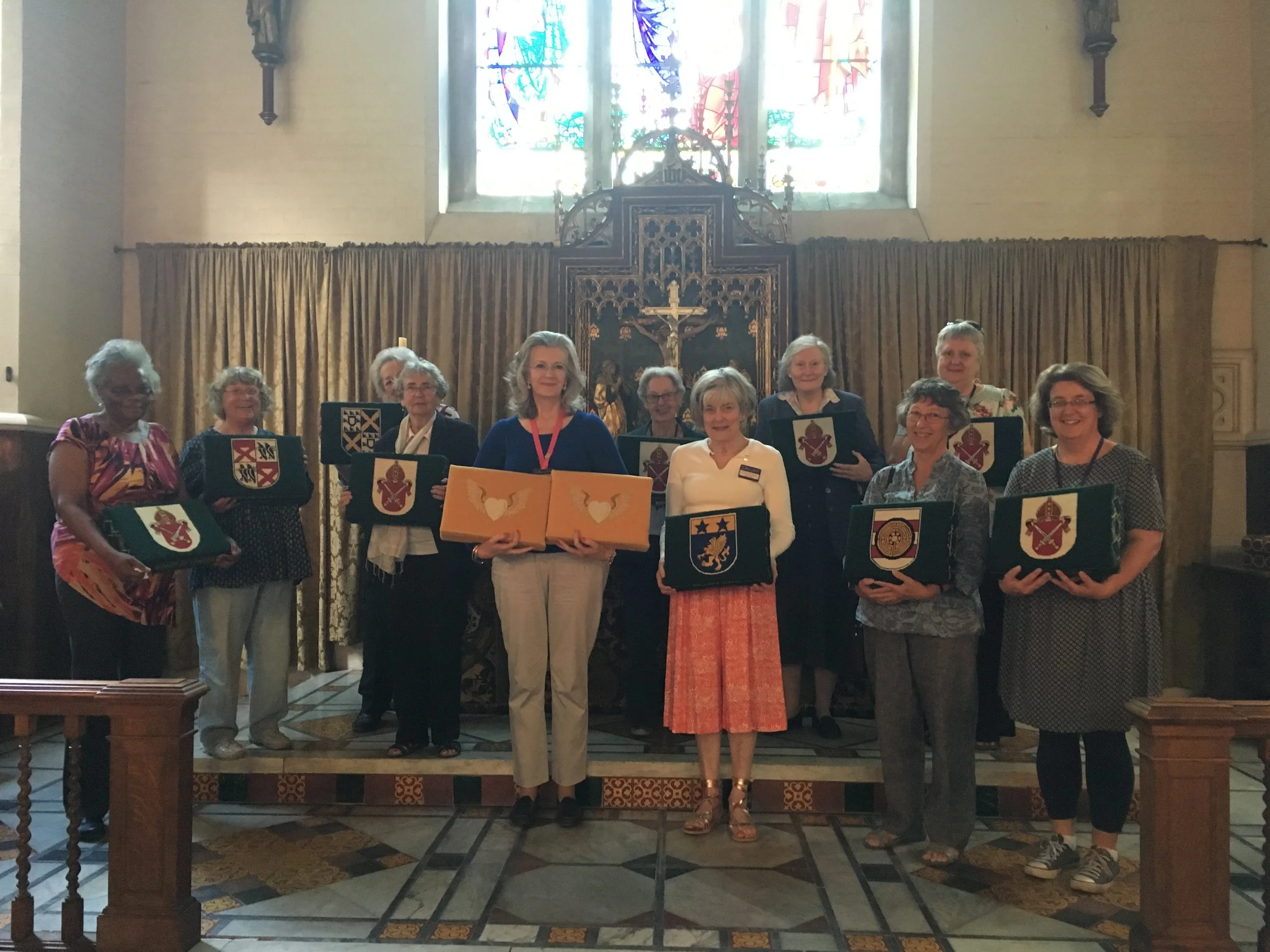
The Sewing Bee with the Handmade Kneelers

The Sewing Bee with the Handmade Kneelers

Latterly the Sewing Bee have made the kneelers in the Chapel, with the advice and help of the Royal School of Needlework and NADFAS (now the Arts Society); the two golden ones are for weddings, so the bride and groom can kneel on them during the service. We embroidered the postcards for the 2017 Postcard Exhibition that celebrated postcards over the years. We made Stone Age foraging bags for the children who visit, as well as Roman costumes and various other things.


Aga, Learning Volunteer in costume at Tudor May Day, 26th May 2019

Aga, Learning Volunteer in costume at Tudor May Day, 26th May 2019

We are planning to embroider and make a new altar frontal for the Chapel, and if anyone enjoys embroidery and would like to join the Sewing Bee they are most welcome. Please contact Jean Shipton on education@fulhampalace.org


We as a group are conscious that there have been lots of different women at the Palace over the years who also sat around a table working on sewing and embroidering several different projects, and we very much enjoy carrying that tradition on for the future.

Claire Digby-Bell,

Sewing Bee Volunteer

Please send your ideas for Object / Specimen of the Month blogs to rachel.bagnall-bray@fulhampalace.org. If you would like some help, please let us know.
Specimen of the Month: Rhubarb

Every month we feature two blogs written by volunteers, one describes an object in the Palace and one a plant from the Garden. It is a great way for us all to learn more about the Palace. If you would like to contribute there is no set format so, please do send us your ideas!

This month we hear from Digital Marketing Placement Student Ruxi Yang, who has spent the last four weeks volunteering with Nicola Price, Marketing Officer at the Palace. After exploring the gardens Ruxi chose to write about rhubarb… read on to find out more about this British staple!

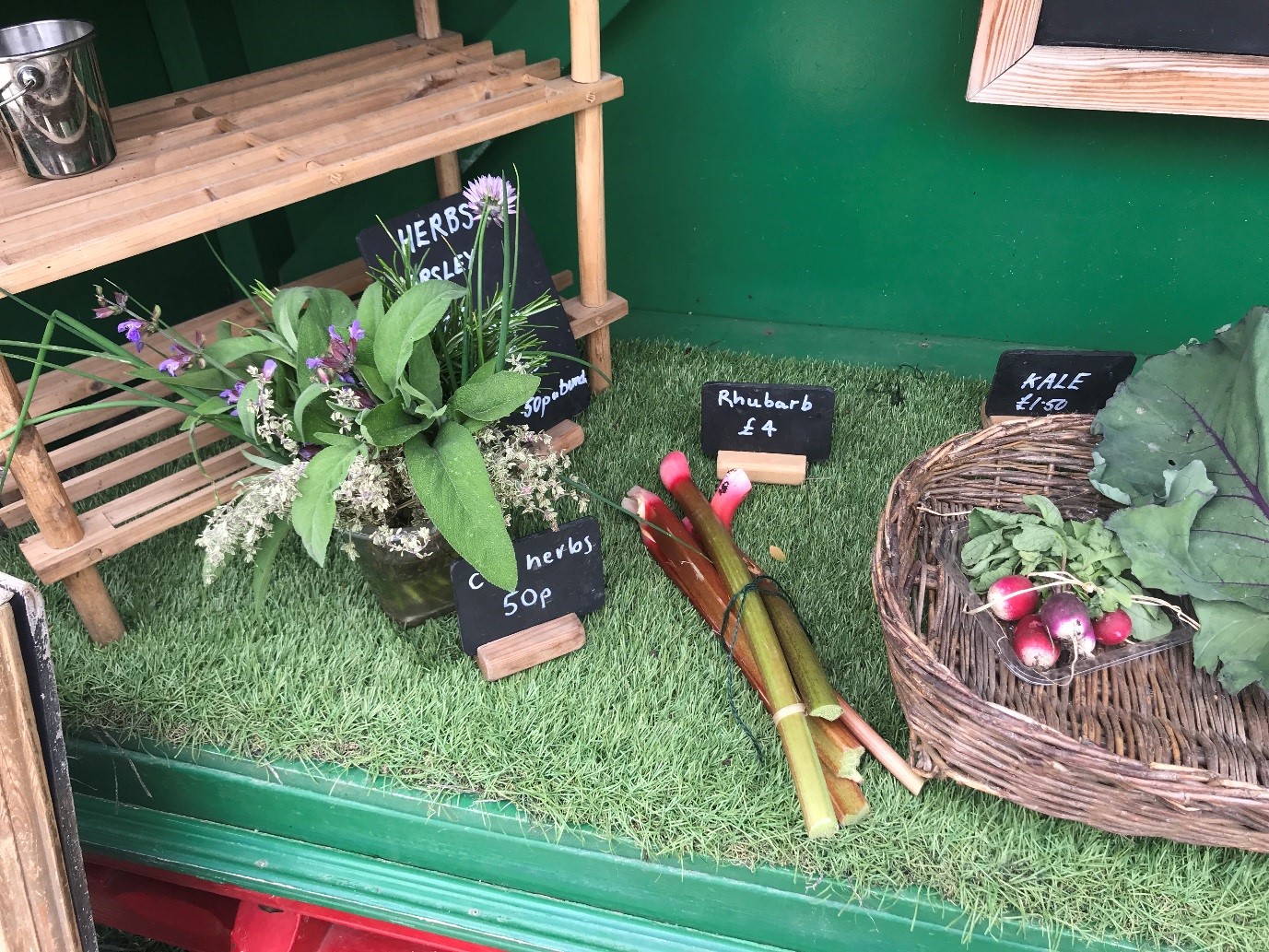
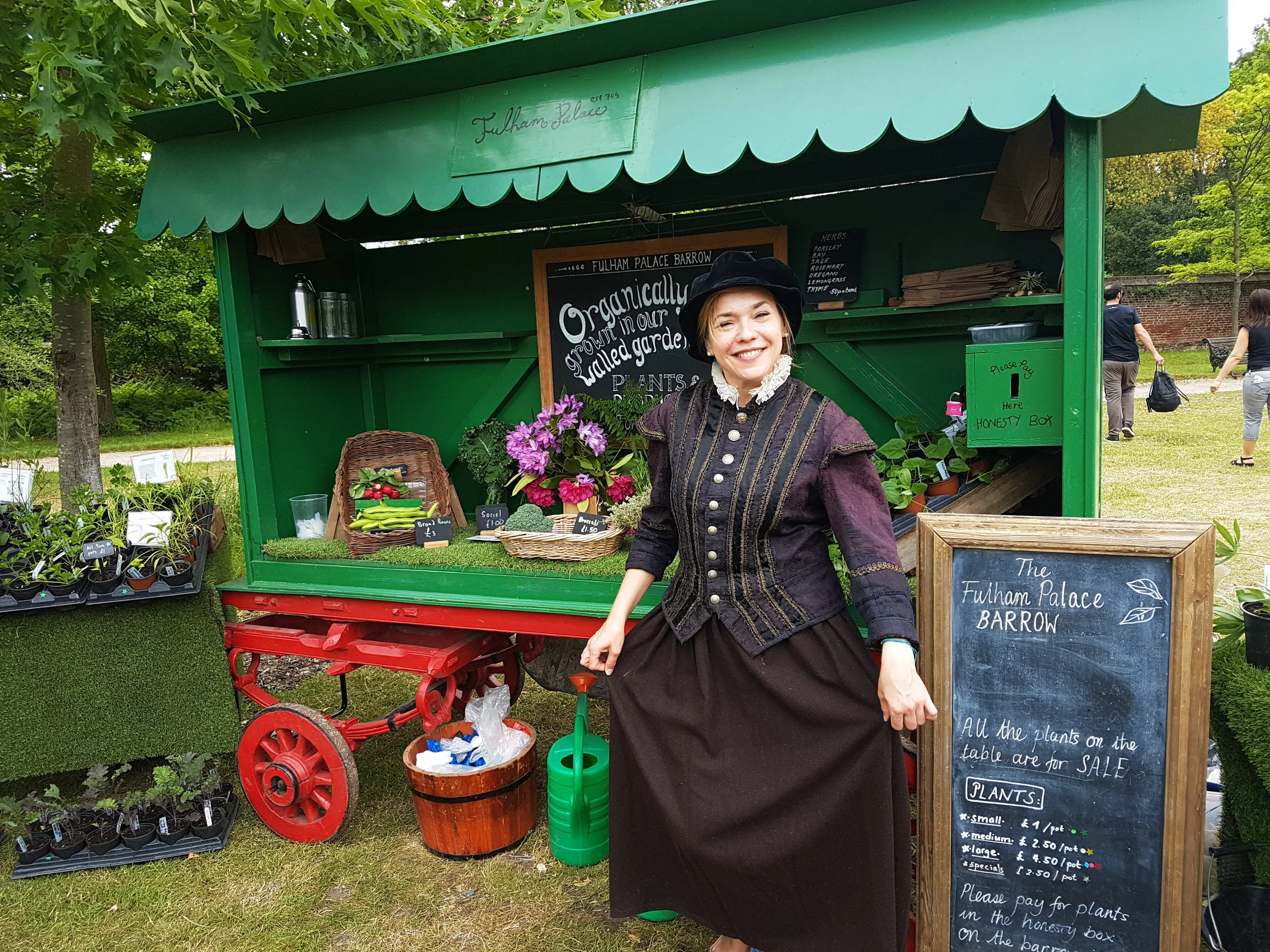
Barrow, Ruxi Yang, May 2019.jpg

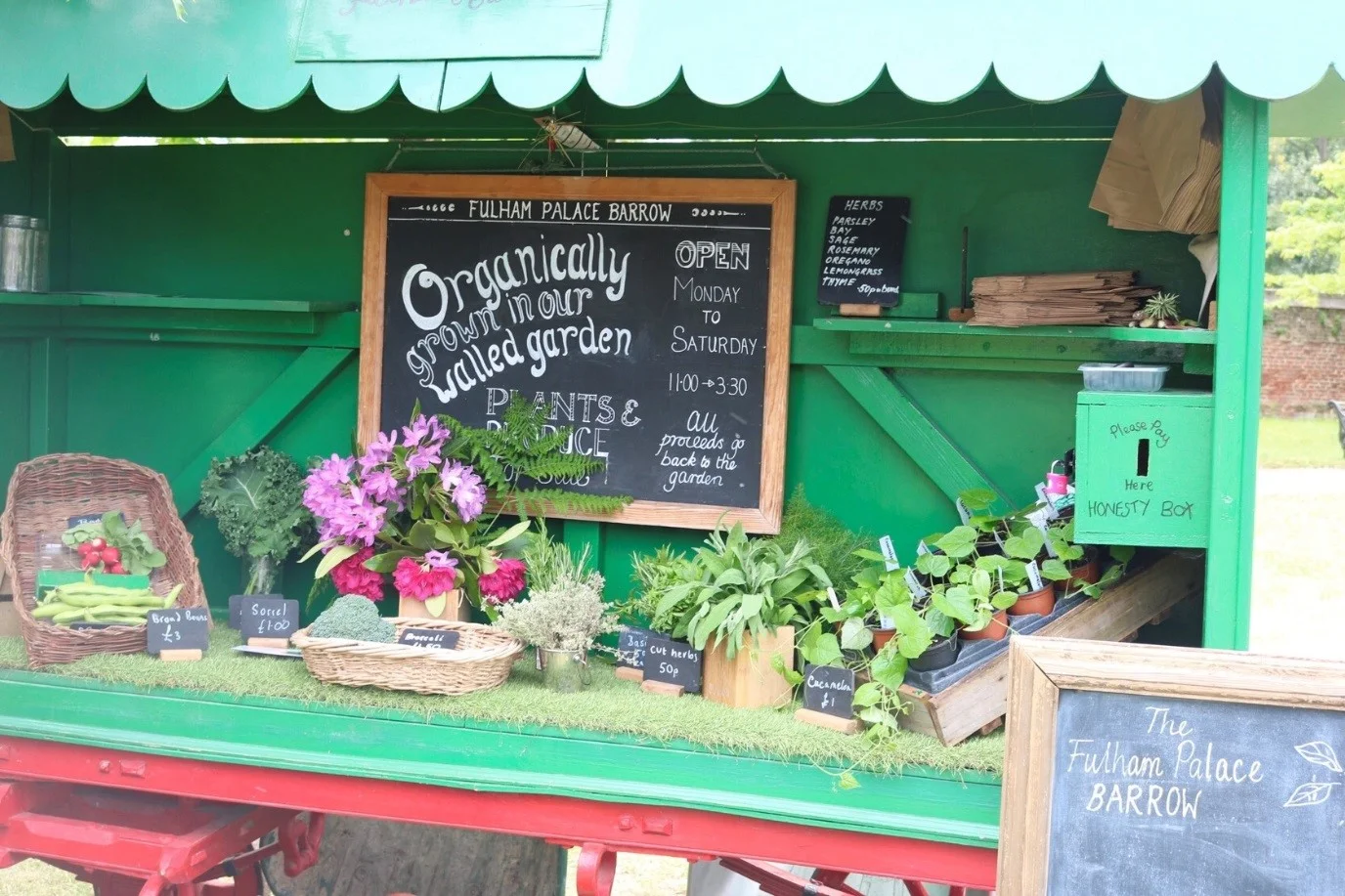
Have you ever noticed the Fulham Palace Barrow in the Walled Garden? Today, I found there are various plants, vegetables and flowers to browse and buy! What caught my attention was a bundle of rhubarb. I did not know much about this vegetable before I came to Britain where I usually see it used in yogurts, desserts and also sold whole as fruit. There are many ways to eat rhubarb and that is partly because it has been eaten for many years, since the late eighteenth century.

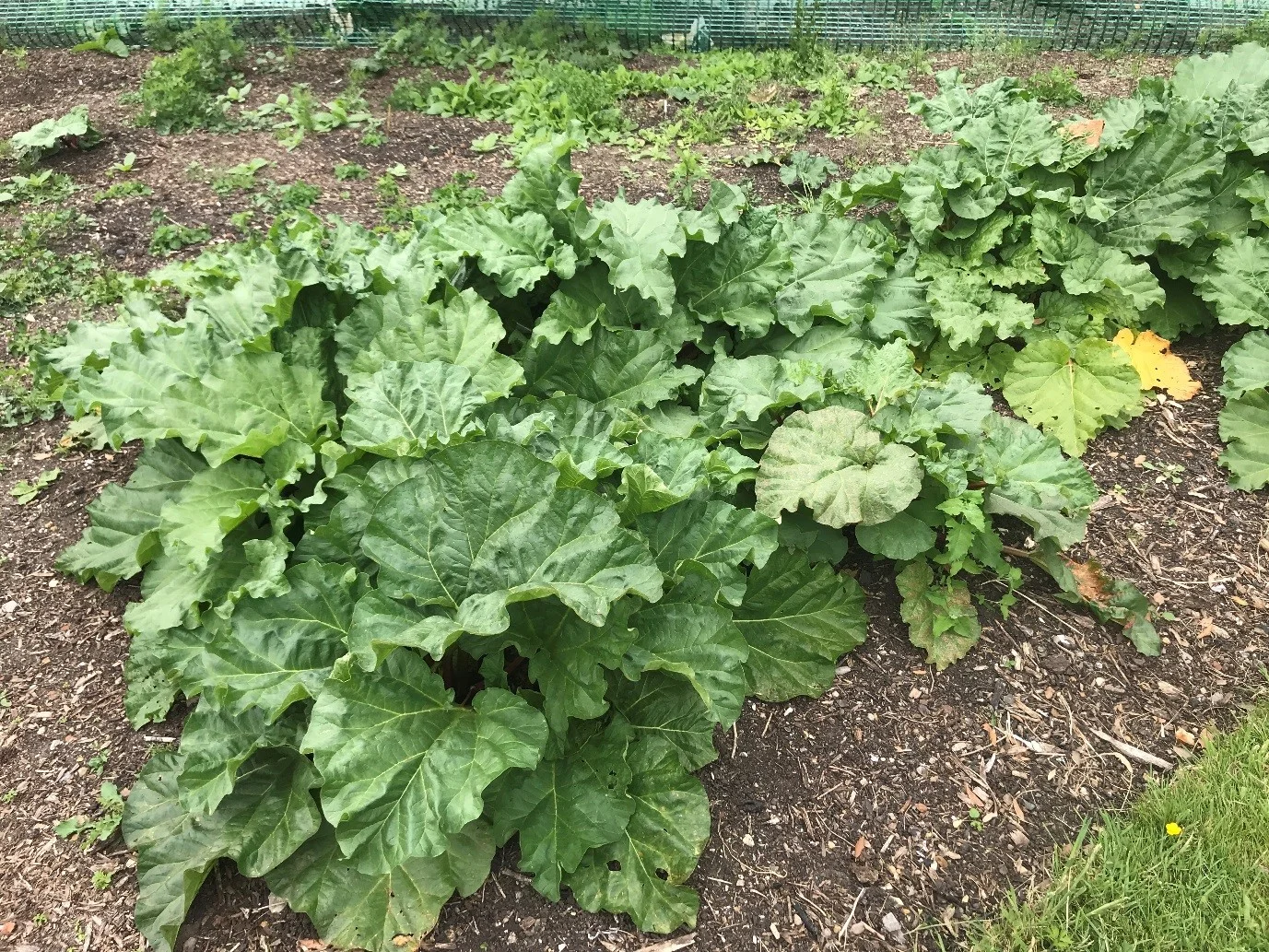
Rhubarb 1.jpg
Rhubarb 2.jpg

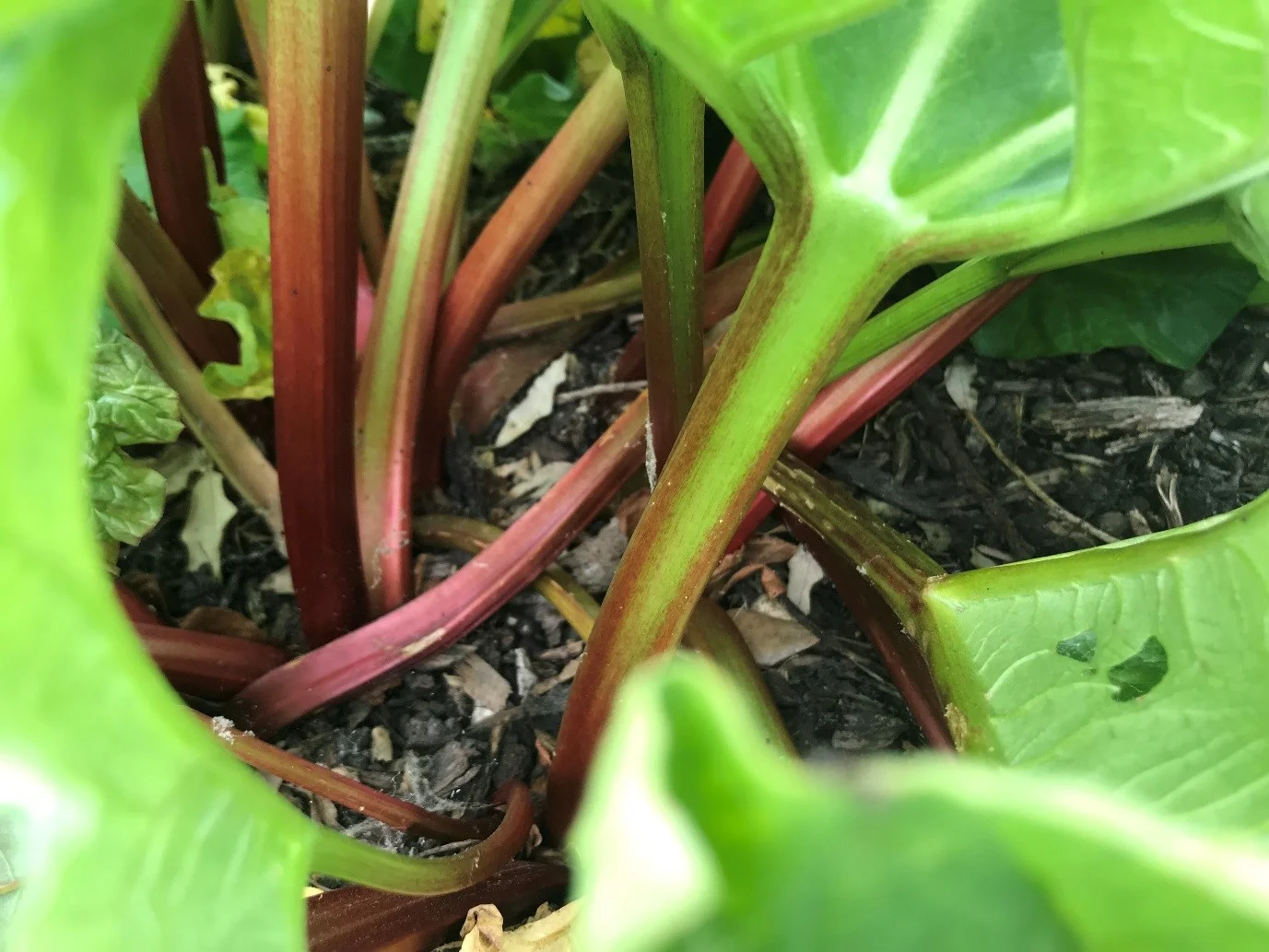
Having known very little about rhubarb, I was curious about how it grows, what part of it can be eaten and what it tastes like. I walked around the garden, trying to find rhubarb planted in the soil as the vegetables and plants sold on the Barrow are all grown in the vegetable beds by Palace gardens staff and volunteers. However, I couldn’t find it anywhere so I asked a gardener to show me. He said the rhubarb was planted at the front of the Walled Garden and the moment I saw it, I realised why I had failed to find it! The giant leaves covered the stalks which are exactly the parts harvested and sold for consumption. Only after I moved the leaves aside could the pink, fleshy stalks be seen.

Through reading articles about rhubarb, I learned that it was originally used as a very important drug to cure a variety of ailments, particularly gut, lung and liver problems in China. It was being imported from Asia to Europe in the fourteenth century. Since this time, in order to be better absorbed by the human body, people gradually began using it in cooking.

Rhubarb 3.jpg

Before learning more about food in Britain, rhubarb was only a word I seldom read in Chinese traditional medicine books. And today I saw how it grows and is harvested, it feels like the plant has connected two countries and two kinds of culture.

Ruxi Yang

Digital Marketing Placement Student

Please send your ideas for Object / Specimen of the Month blogs to rachel.bagnall-bray@fulhampalace.org. If you would like some help, please let us know.
Object of the Month: Little List of Intrigue

Every month we feature two blogs written by volunteers, one describes an object in the Palace and one a plant from the Garden. It is a great way for us all to learn more about the Palace. If you would like to contribute there is no set format so, please do send us your ideas!

May’s object of the month is rather different. We’re going abstract and considering the wealth of stories and intriguing images on the Palace’s computer filing system the focus for this blog. For those who need it, let’s consider the computer our object this month. Katie Yeo, Masters student at the Central School of Speech and Drama, has just finished a learning placement at Fulham Palace. Her placement focused on storytelling, reading engaging stories to our Palace Explorers under 5s group and writing fascinating tales as part of our schools programme review.

Central School Speech and Drama.png

Here’s Katie’s little list of intrigue:

I will keep my introduction short as it is relatively pointless to the purpose of this post. Fulham Palace was a place I had no idea existed when I first started. I had only been in London for 5 months and had rarely been near the Thames in that time. My first day here I bought some fresh chard and spinach from the Walled Garden greenhouse and was greeted warmly by the gardeners as I pestered them for directions. I was also met by Edmund the Cat who I think I disturbed from a nap which he didn’t seem too impressed with. This turned into a weekly occurrence of which I have zero regrets.

I was asked to work on finding interesting stories to write about from the Palace’s history and found myself getting lost in the company drive and external drive many many times, as I am sure many of us have like Alice down the rabbit hole. As well as being a great name for an album, the title ‘Little List of Intrigue’ relates to quite literally a list I created of interesting facts I accidentally came across.

So I thought when reflecting on my time here, I wanted to share with you a list of very interesting but stray and somewhat arbitrary facts that you may not know about Fulham Palace which you can add to your bank of ‘unnecessary but has potential to be in a pub quiz one day’ random facts! Without further ado and in no particular order other than the order in which I originally found these nuggets of mild intrigue:

- Bishop Laud had two tortoises at the Palace. One of them went with him to Lambeth Palace and the shell is preserved and on display at Lambeth. He also had a raccoon at Fulham (Feret, page 150) which must have been a great novelty.

Bishop Mandell Creighton

Bishop Mandell Creighton

- In 1869 the Palace inventory mentions 5 cows by name; Princess, Daisy, Rosey, Duchess and Lucy.

- The Bishop was also entitled to any “great fish” (whales) that swam up the Thames.

- There are over 100 rooms in Fulham Palace - of course, some of them are very small. Bishop Creighton (1897-1901) was continually getting lost.

- In 1617, according to Samuel Purchas, while Pocahontas was in London Bishop King entertained her "with festival state and pomp beyond what I have seen in his greate hospitalitie afforded to other ladies." Samuel Purchas, Hakluytus Posthumus, Vol. 19, p. 118. This would have been at his house by St Paul's, or elsewhere in the City, not at Fulham Palace.

- The manor house became known as Fulham Palace because bishops were considered “princes of the church”.

- The site was occupied by the Bishops from about 700 until Bishop Stopford retired in 1973.

- During the first fortnight of WWI the City of London Yeomanry and a Middlesex regiment were training in the grounds of the palace. Bishop Winnington-Ingram was chaplain to the London Rifle Brigade and he explains: “The only unfortunate incident that I remember was my promise to supply the forty officers with fresh fruit from Fulham Palace greenhouses, but, as they consumed eighty peaches at one breakfast, I was unable to live up to this promise”.

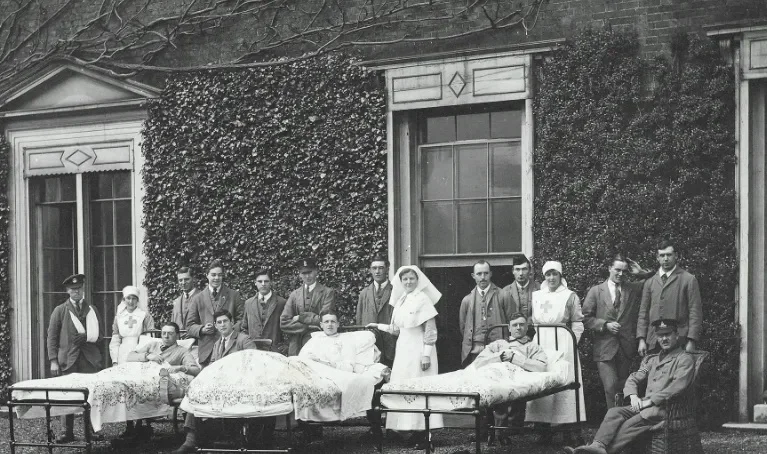
Fulham Palace as the Freemasons’ War Hospital, 1918-1919

Fulham Palace as the Freemasons’ War Hospital, 1918-1919

- During WWII, the Palace was used to house people whose homes had been bombed - One of Bishop Fisher’s sons complained: “the prevailing effect of dirt and filth and smell with which we are still burdened and look as though we shall be forever unless we use gallons of Flit to create a diversion”

- Bishop Fisher had a miraculous escape from bombs that fell on Fulham Palace one afternoon: as lady Fisher recalls ‘As he ran the bomb exploded … his hat blew off and he thought if that’s all that happens, blast can’t be as bad as I thought! He didn’t realise straightaway that the staircase ceiling had fallen down 30 feet ahead of him, the door of the study on his right had blown off its jamb, and all the windows had come down just behind him! He was in the one place in the whole passage where he would not be hurt.’

Bishop of London, Geoffrey Fisher (1939-1945)

Bishop of London, Geoffrey Fisher (1939-1945)

- There was a great storm in November 1703 25-27th. 5 people drowned on the river near Fulham when a boat overturned.

- Bishop Howley spent £75 on providing bread and beef on Christmas Eve for around 2000 people in need in Fulham.

- In 1902 the coronation of Edward VII was delayed because on the day the King was being operated on for appendicitis. Bishop Winnington-Ingram recalled: “That very afternoon I was entertaining the 400 Indian troops who were quartered inside the grounds of Fulham Palace … there would be no coronation after all next day and that the King was very ill. They said at once, “Then we will go and pray for him,” and getting out their prayer carpets, they prayed for two hours for the King.’

And there you have it – a little list of information with little use but I hope it at least entertained you and made your eyes widen slightly.

I would like to thank absolutely everyone at Fulham Palace, particularly the learning centre for being so welcoming to me and such a wonderful support at my time here.

Katie Yeo,

Learning Placement

Please send your ideas for Object / Specimen of the Month blogs to rachel.bagnall-bray@fulhampalace.org. If you would like some help, please let us know.
Specimen of the Month: Our Main Lawn

Every month we feature two blogs written by volunteers, one describes an object in the Palace and one a plant from the Garden. It is a great way for us all to learn more about the Palace. If you would like to contribute there is no set format so, please do send us your ideas!

This month we hear from Lee, an Events and Front of House volunteer, who has much experience welcoming visitors to the Palace who are enjoying a spot of sun on the Palace’s main lawn.

***

One of the numerous Front of House volunteer duties is to take a stroll around the main lawn from time to time, particularly on the warmer days.

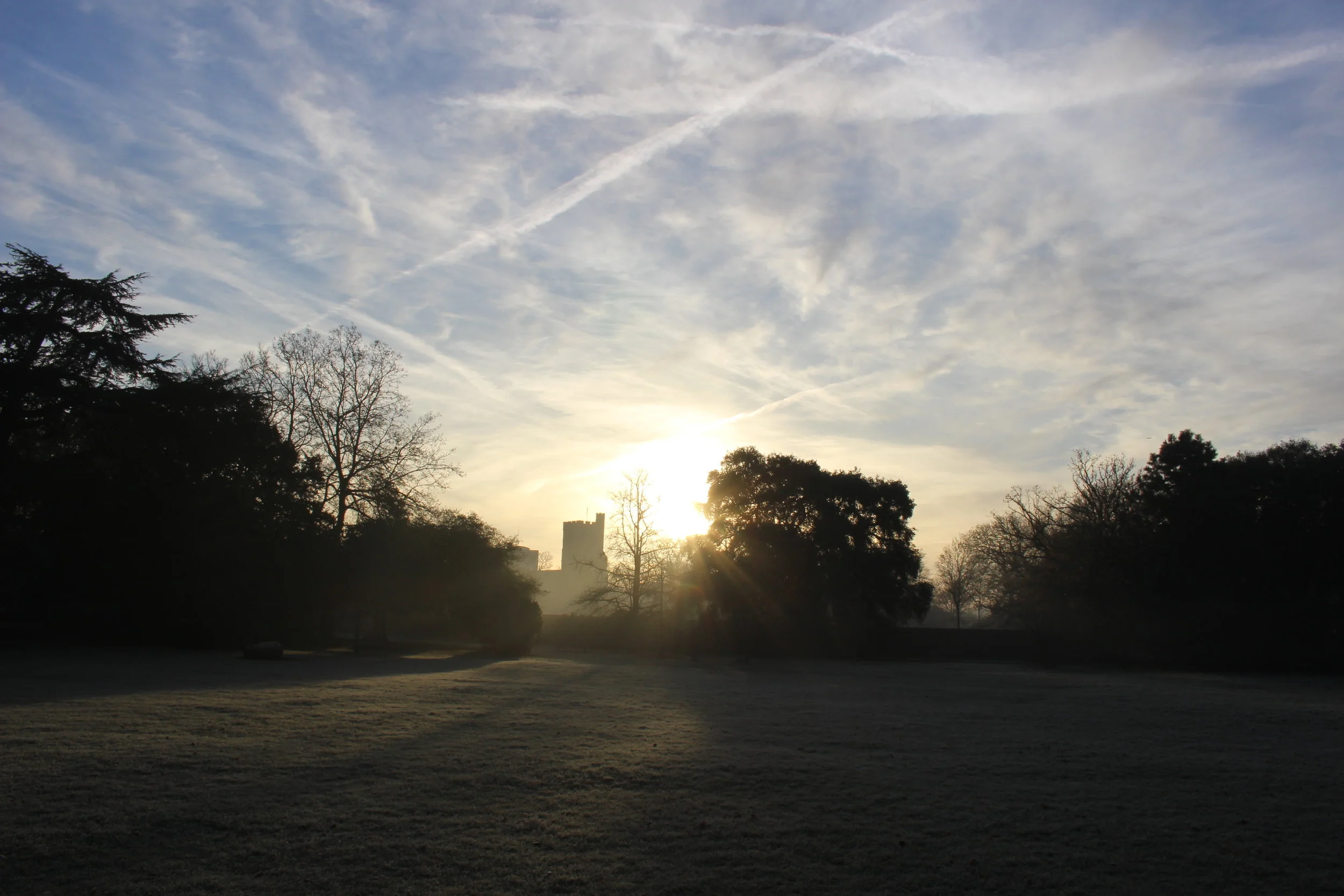
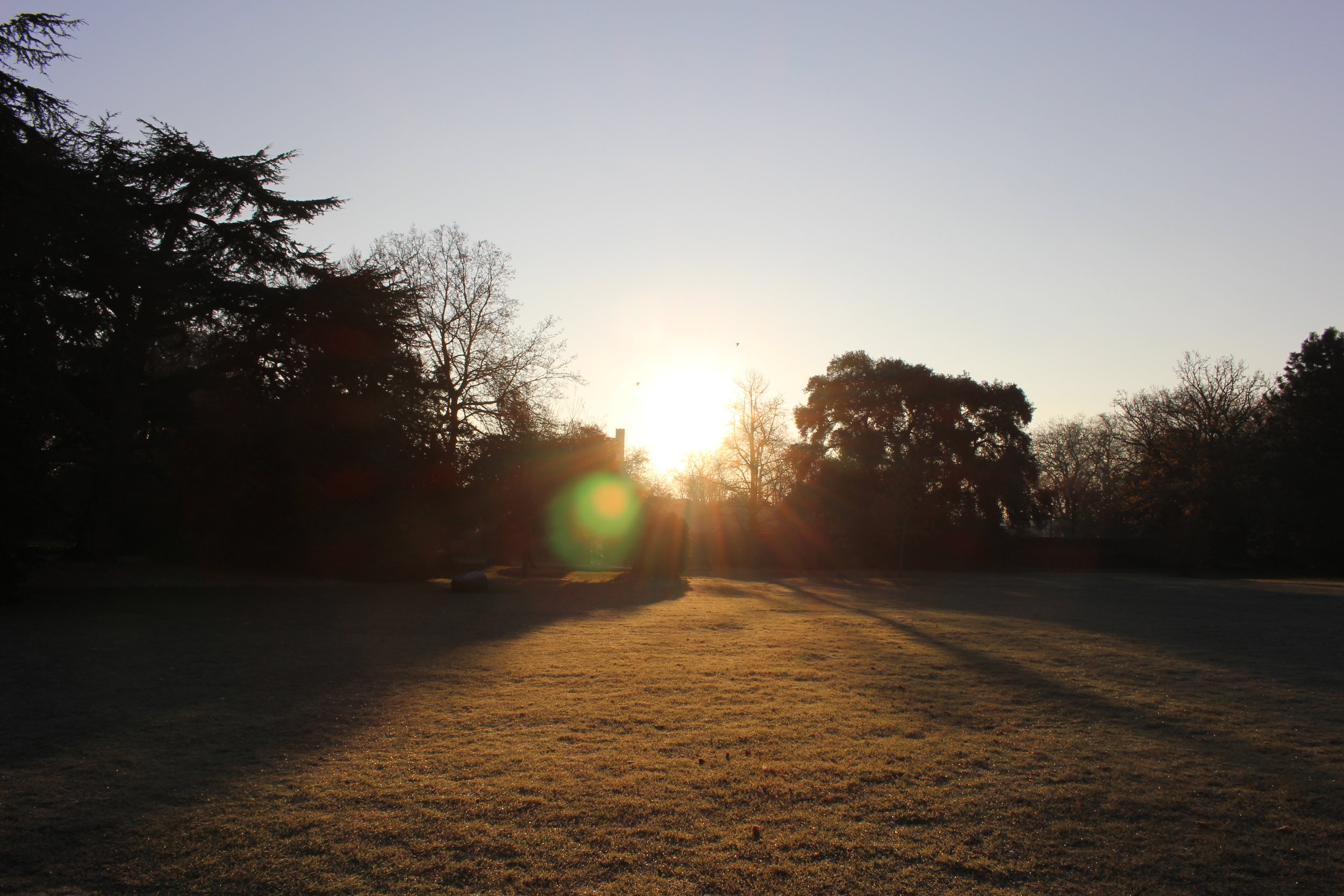
Sunrise over All Saints’ Church

Sunrise over All Saints’ Church

I like to stop for a quick chat, firstly asking if they are enjoying their day, whilst politely reminding, or perhaps if they are not aware, telling them of Fulham Palace’s site expectations as a historic house and botanical garden.

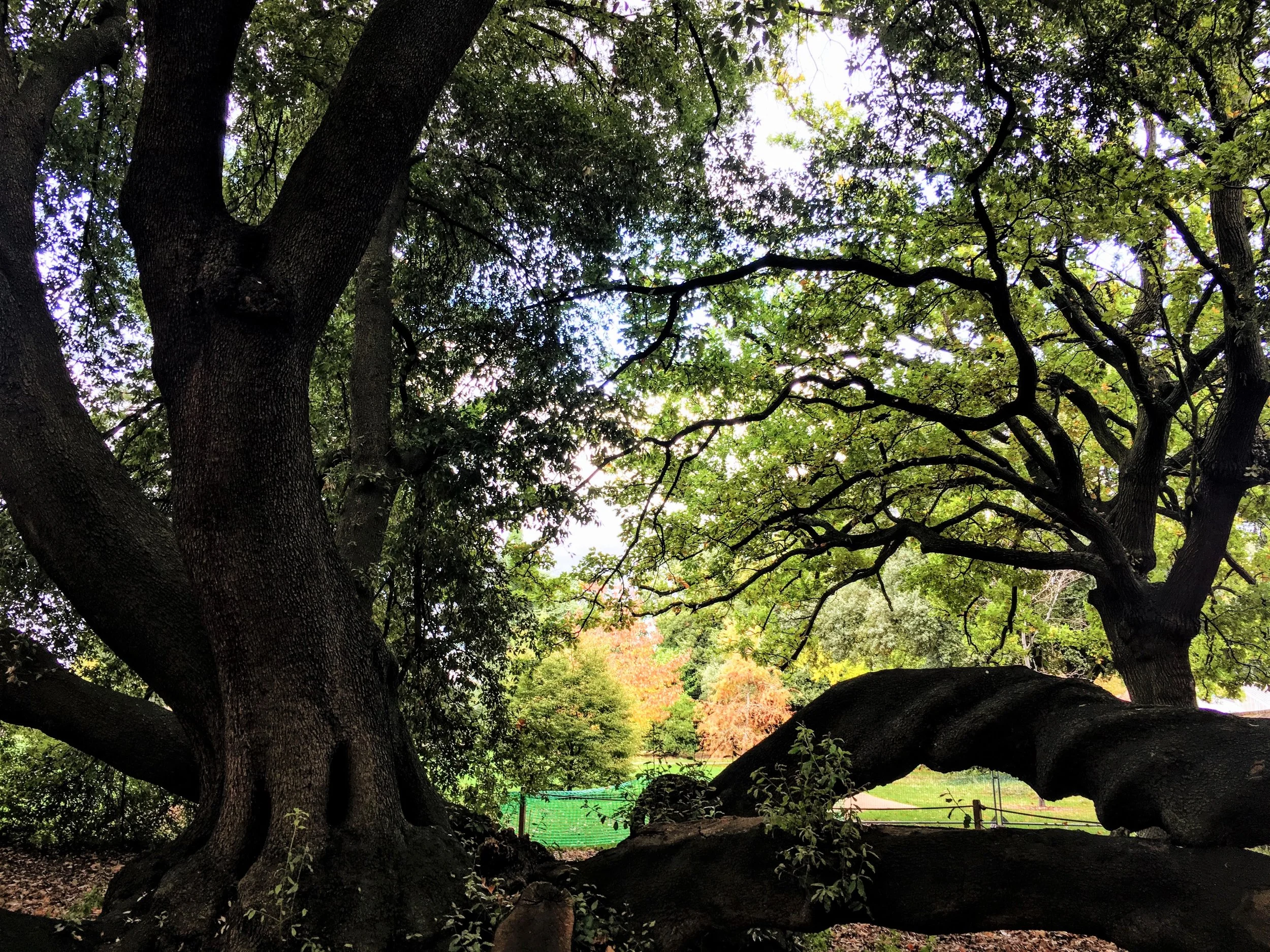
View of the Palace’s main lawn through the 500 year old holm oak

View of the Palace’s main lawn through the 500 year old holm oak

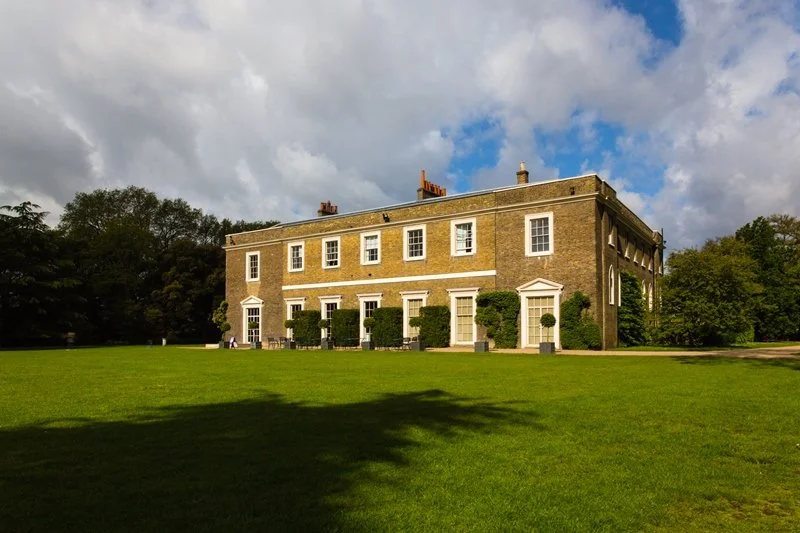
It is wonderful seeing visitors enjoying the beautifully kept gardens, maintained by a very hard working team of gardeners and dedicated volunteers. I like to mention to happy groups sitting on the grass with their picnics, as bare footed children run past in the sunshine, that they are walking on history, because beneath their picnic blankets, and those lovely little bare toes, are many areas of historic interest. One example is the Medieval Chapel, the outline of which is clear when the sun bleaches the grass in front of the cafe terrace.

Copyright Fulham Palace photo by Neil Hassall (8).JPG

So, now I can encourage you, to stop, and spare a moment whilst enjoying the main lawn, to ponder those that many years before, may have also walked bare foot on the grass!

Lee Copeland,

Front of House, Tour Guide, Events, Volunteer Representative, Community Champion and Conservation in Action Volunteer (Wow - what an impressive list of roles!)

Please send your ideas for Object / Specimen of the Month blogs to rachel.bagnall-bray@fulhampalace.org. If you would like some help, please let us know.
Object of the Month: Hot Water Bottle

Every month we feature two blogs written by volunteers, one describes an object in the Palace and one a plant from the Garden. It is a great way for us all to learn more about the Palace. If you would like to contribute there is no set format so, please do send us your ideas!

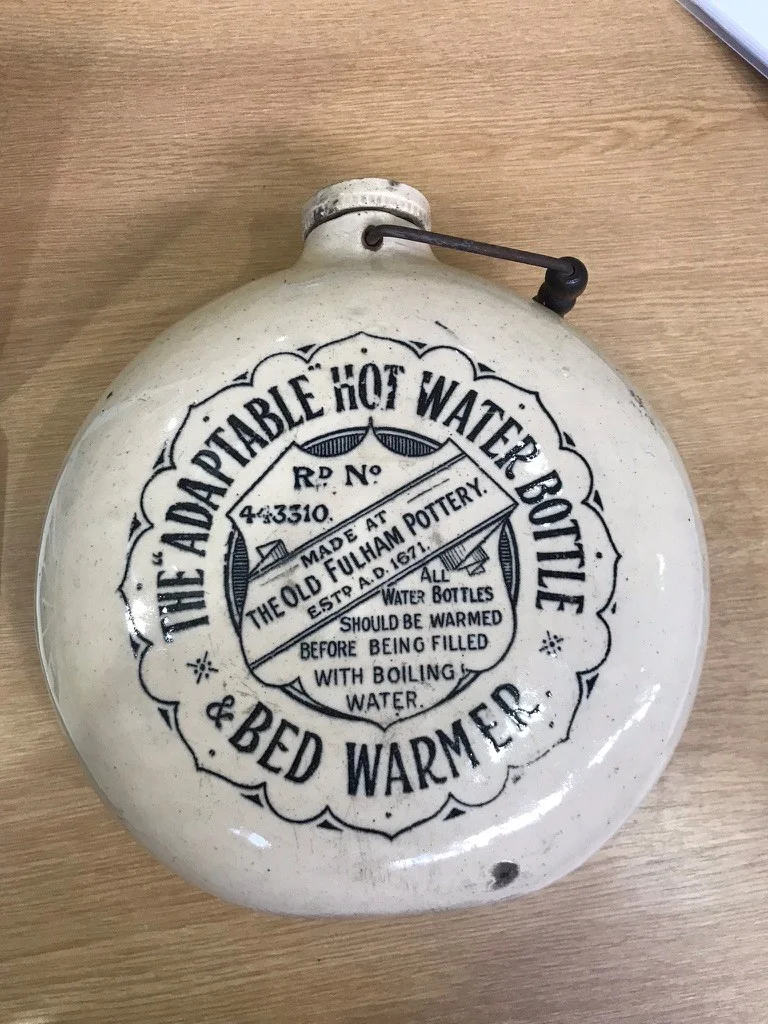
This month’s Object of the Month is a Hot Water Bottle that forms part of the Palace’s collection of handling objects held in the Learning Centre.

Object.jpg

The “Adaptable Hot Water Bottle & Bed Warmer” is a Hot water bottle created by The Old Fulham Pottery. I was able to date this to the Edwardian Period, specifically 1906, because I came across an auction date that was selling a replica of the same. During King Edward the 7th reign Arthur Winnington-Ingram held the post of Bishop of London and resided at Fulham Palace.

This particular hot water bottle is different from the hot water bottles we are so used to seeing which are made out of rubber. But even before this hot water bottle they looked very different. Prior to this style of hot water bottle, they were metal pans either brass or copper with hot coal inside. Looking back at those, I don’t think they were very practical or safe.

zzzzzzzzz.jpg

Returning to this hot water bottle it is important to understand that it is ceramic. Ceramic hot water bottles were coming out of circulation at this time because rubber was introduced. Interestingly, the rubber hot water bottle was introduced in 1875 which was almost 30 years before this bottle was made. This may be the reason that I have been unable to find ceramic hot water bottles dating after the 1910s.

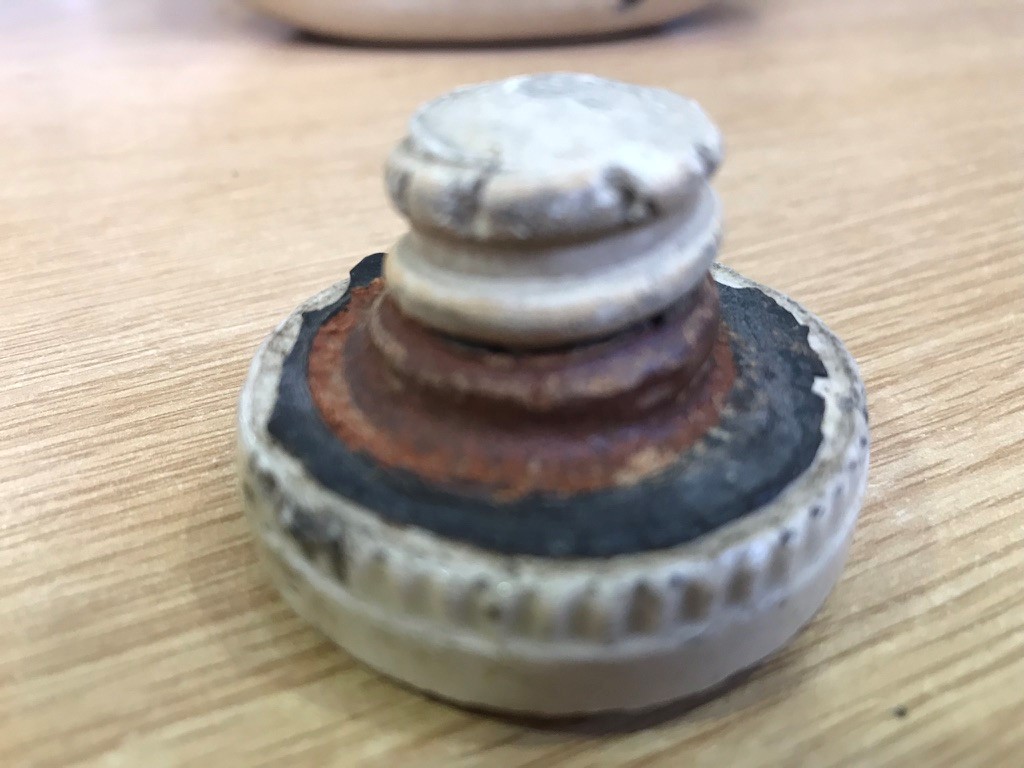
If you look closely at this bottle screw top lid, it is not rust that you’re seeing, it is in actual fact rubber. Rubber was used here to stop water leaking out. This explains why this model’s lid was moved from the front to the top. Old Fulham Pottery tried to use the introduction of rubber in their hot water bottles but the demand for completely rubber hot water bottles increased and ceramic water bottles have all but disappeared… what a lovely rare example this is!

Alishah Kalim Learning Placement Student

Please send your ideas for Object / Specimen of the Month blogs to rachel.bagnall-bray@fulhampalace.org. If you would like some help, please let us know.