
Every month we feature two blogs written by volunteers, one describes an object in the Palace and one a plant from the Garden. It is a great way for us all to learn more about the Palace. If you would like to contribute there is no set format so, please do send us your ideas!
This month we hear from Digital Marketing Placement Student Ruxi Yang, who has spent the last four weeks volunteering with Nicola Price, Marketing Officer at the Palace. After exploring the gardens Ruxi chose to write about rhubarb… read on to find out more about this British staple!
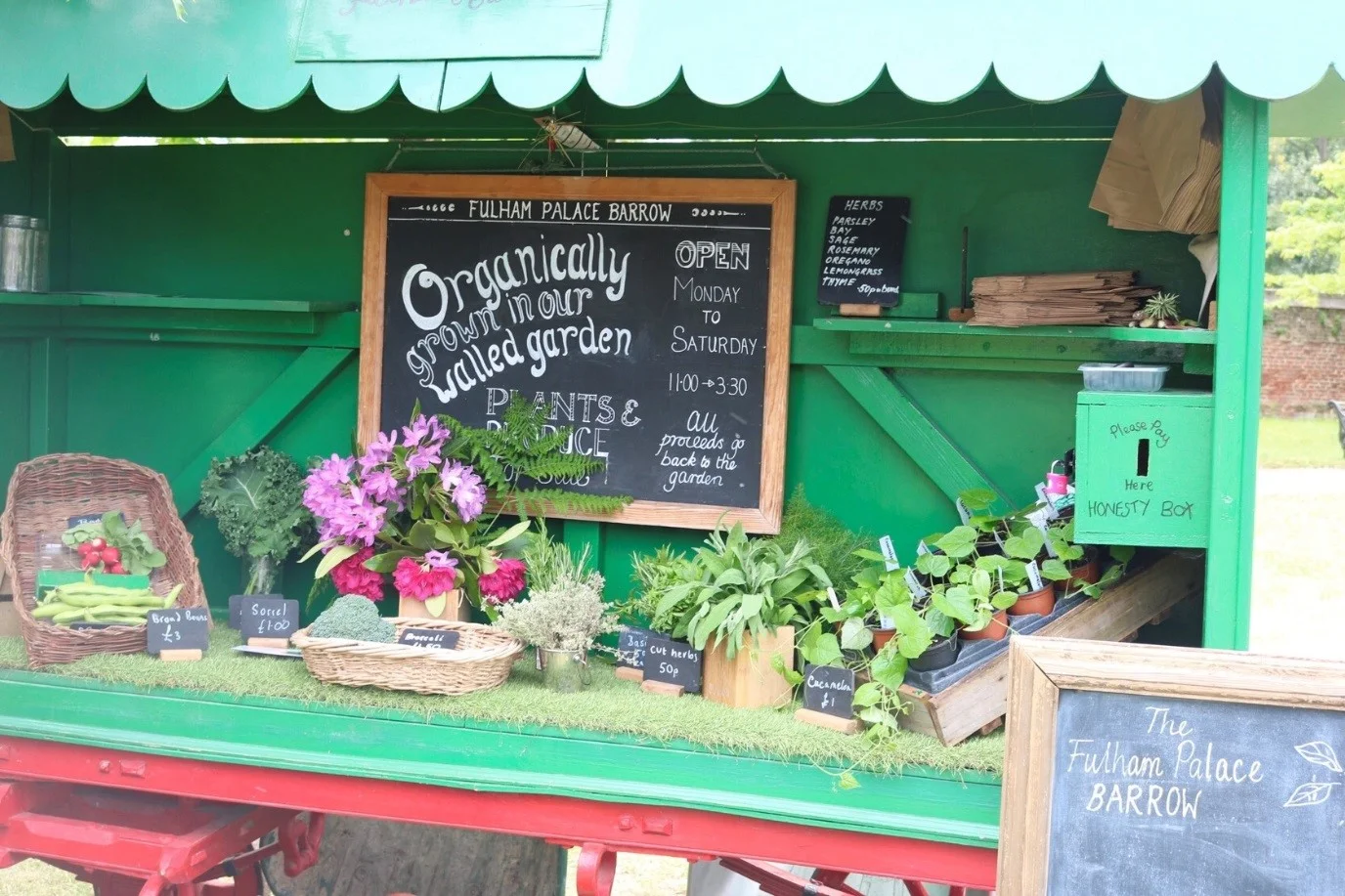
Have you ever noticed the Fulham Palace Barrow in the Walled Garden? Today, I found there are various plants, vegetables and flowers to browse and buy! What caught my attention was a bundle of rhubarb. I did not know much about this vegetable before I came to Britain where I usually see it used in yogurts, desserts and also sold whole as fruit. There are many ways to eat rhubarb and that is partly because it has been eaten for many years, since the late eighteenth century.
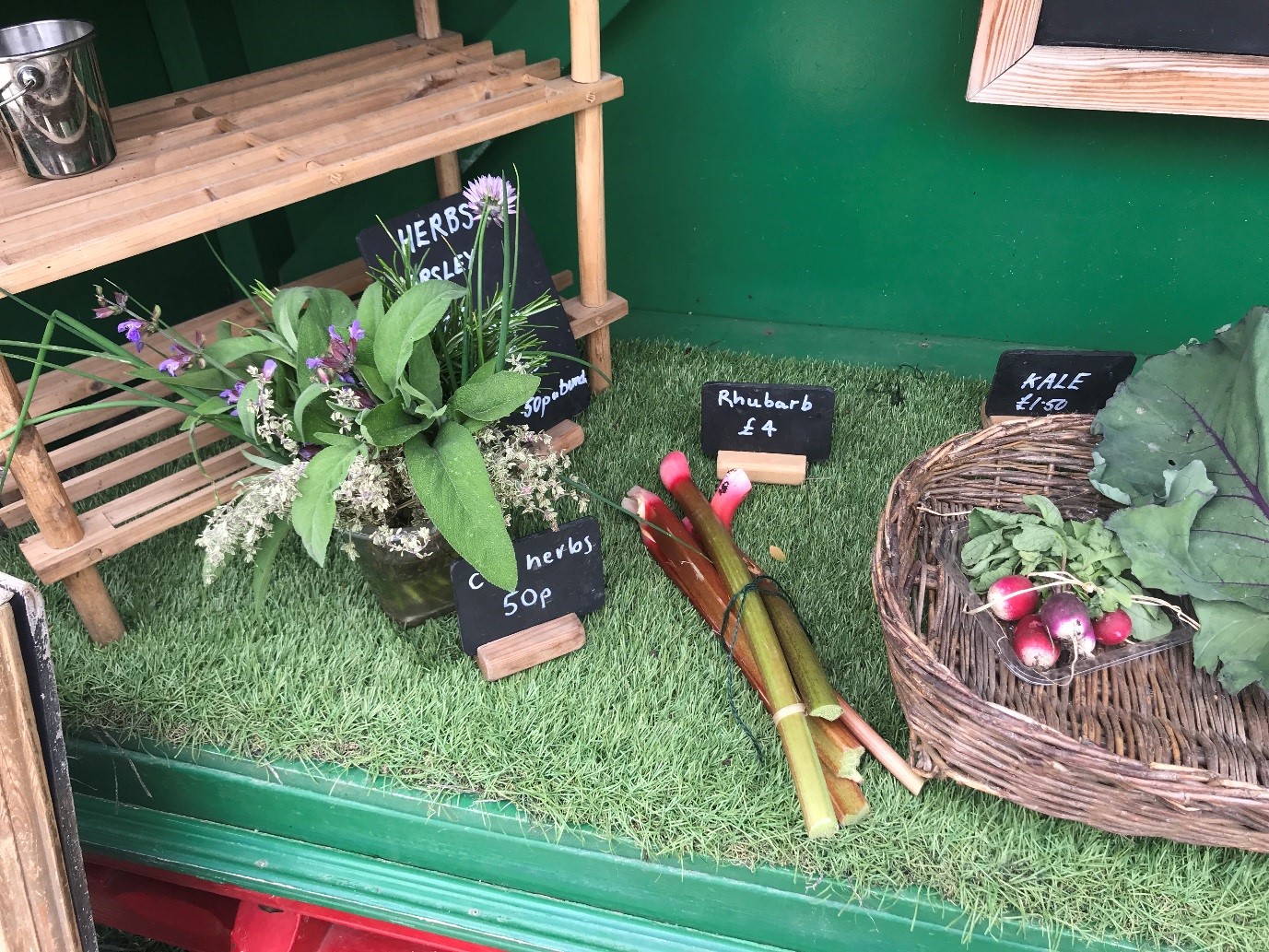
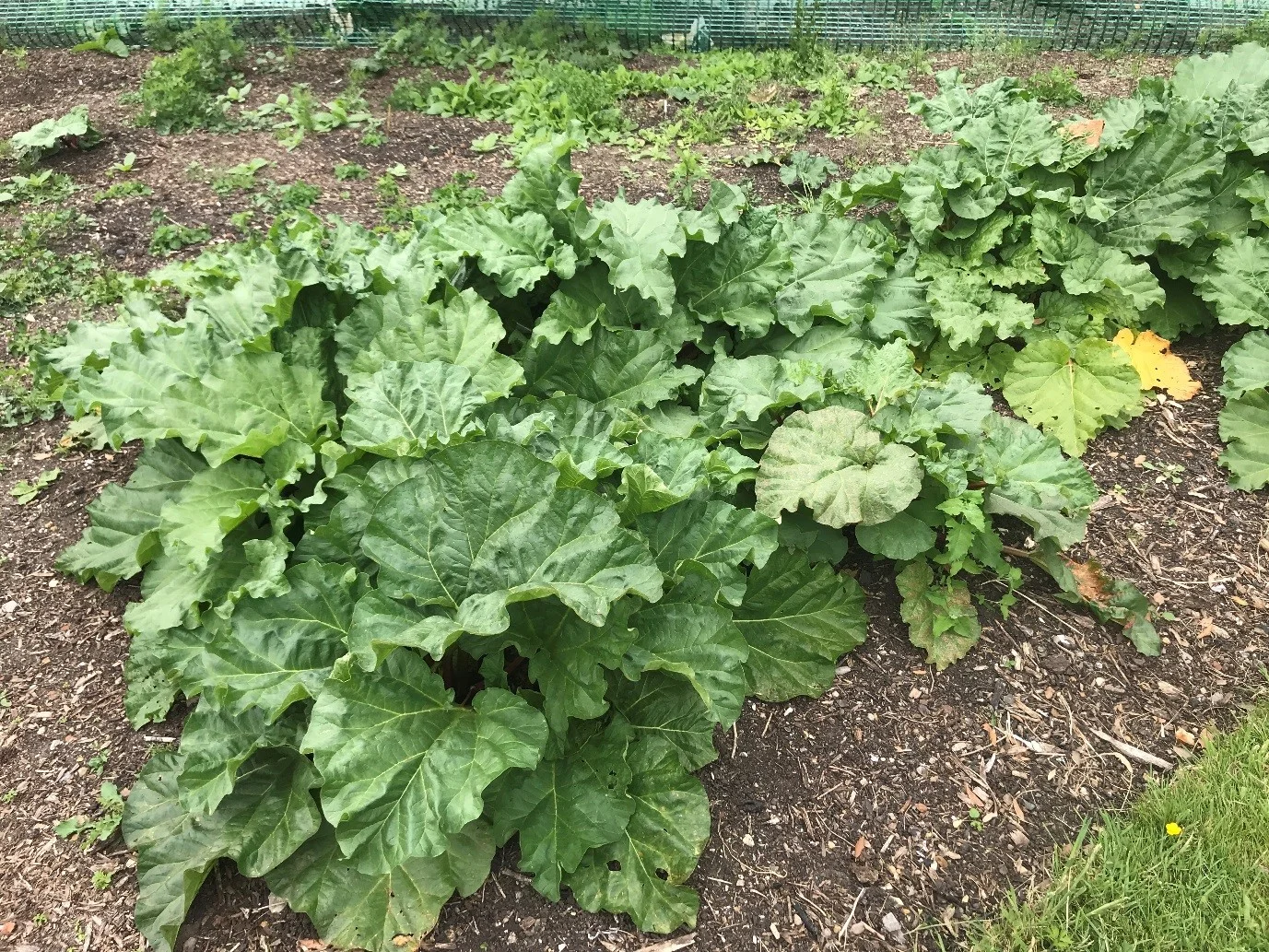
Having known very little about rhubarb, I was curious about how it grows, what part of it can be eaten and what it tastes like. I walked around the garden, trying to find rhubarb planted in the soil as the vegetables and plants sold on the Barrow are all grown in the vegetable beds by Palace gardens staff and volunteers. However, I couldn’t find it anywhere so I asked a gardener to show me. He said the rhubarb was planted at the front of the Walled Garden and the moment I saw it, I realised why I had failed to find it! The giant leaves covered the stalks which are exactly the parts harvested and sold for consumption. Only after I moved the leaves aside could the pink, fleshy stalks be seen.
Through reading articles about rhubarb, I learned that it was originally used as a very important drug to cure a variety of ailments, particularly gut, lung and liver problems in China. It was being imported from Asia to Europe in the fourteenth century. Since this time, in order to be better absorbed by the human body, people gradually began using it in cooking.
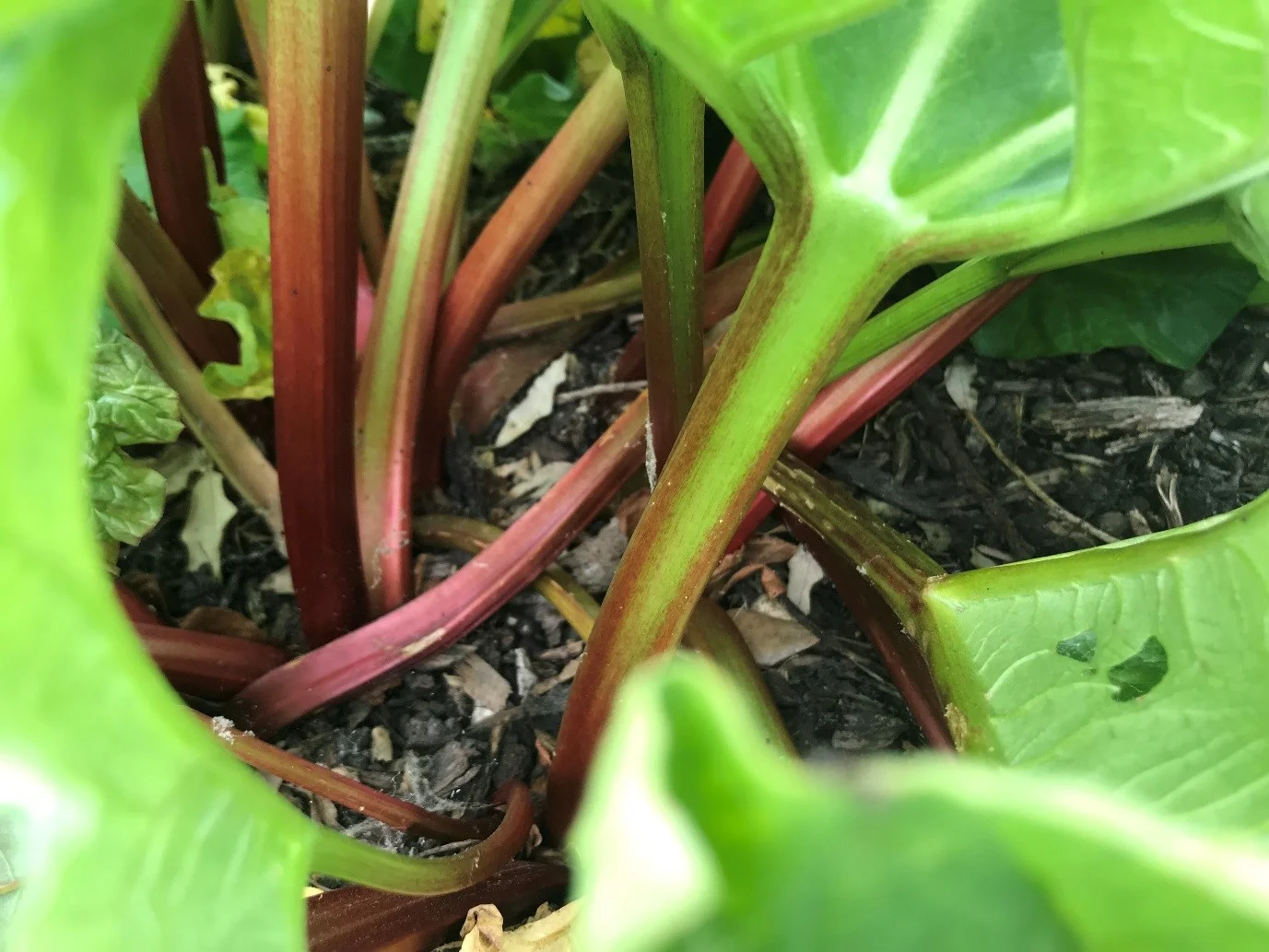
Before learning more about food in Britain, rhubarb was only a word I seldom read in Chinese traditional medicine books. And today I saw how it grows and is harvested, it feels like the plant has connected two countries and two kinds of culture.
Ruxi Yang
Digital Marketing Placement Student
Please send your ideas for Object / Specimen of the Month blogs to rachel.bagnall-bray@fulhampalace.org. If you would like some help, please let us know.