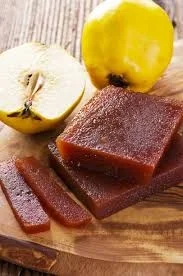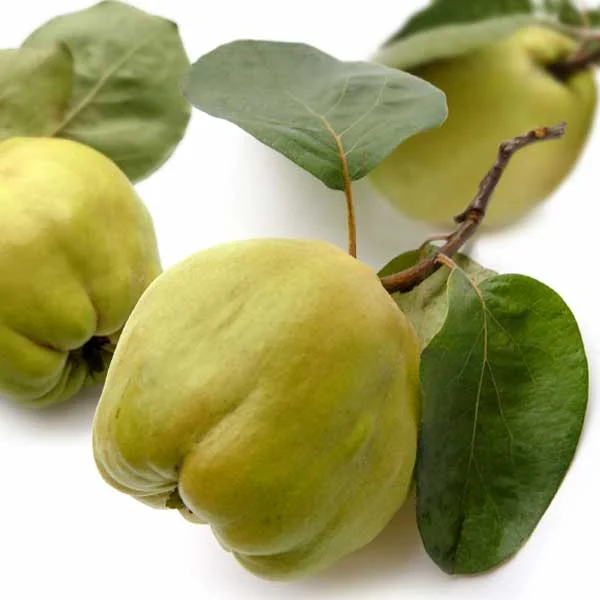
Neither of these fruits can be eaten raw and are often left to rot but crab apples make a beautiful pale pink jelly that is great alternative to redcurrant jelly and quinces have a subtle perfume that enhance everything from cheese to apple crumble.
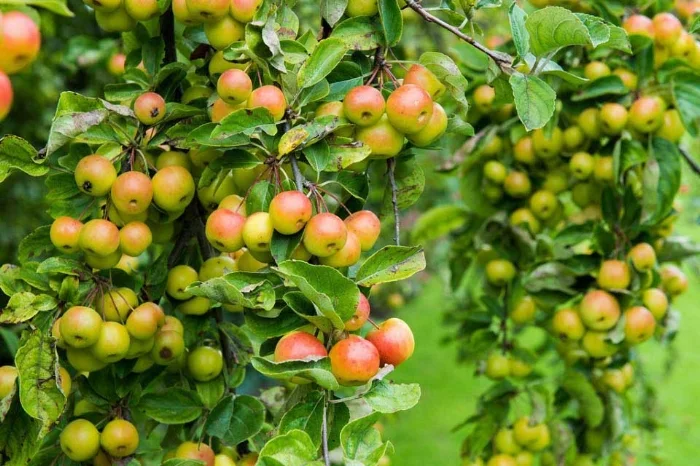
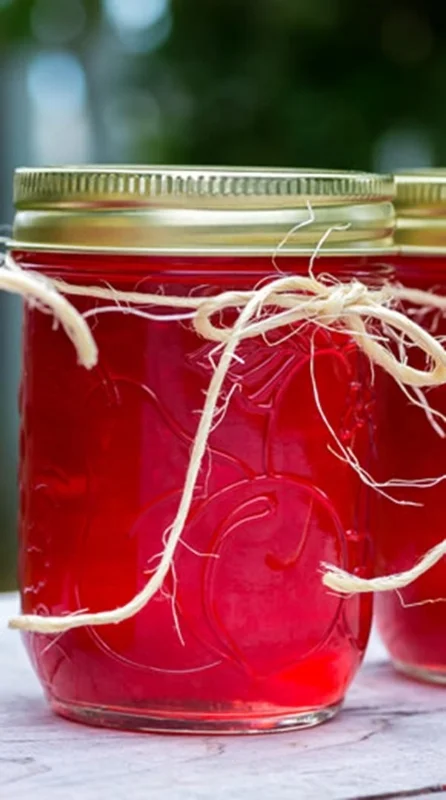
Crab Apple Jelly
The crab apple is an ancestor of the cultivated apple, the fruits are small, round and sour, they normally ripen in October. There are a number of very productive Crab apple trees dotted around the Palace gardens.
Crab apples have an exceptionally high pectin and acid content which makes them ideal for making jams and jellies and they have an excellent, tart and tangy apple flavour.
You can add a bit of zing to this recipe by adding a few chillies or star anise to the pan.
Ingredients
As many crab apples as you want to use
Enough water to just cover them
White sugar - 450g for every 600ml of strained juice
Method
Tip crab apples into preserving pan (no need to cut them up). Add enough water to just cover them. Bring to the boil, simmer and stir now and then until the fruit has turned mushy.
Allow to cool a little and then pour into a jelly bag and leave to strain overnight into a large bowl. Don’t squeeze the bag or the jelly will be cloudy.
Measure the strained juice and pour back into the preserving pan and heat slowly. Add 450g sugar for every 600ml of juice and add to the juice. Stir on a low heat until the sugar dissolves and then bring to the boil.
Boil rapidly until setting point is achieved (test by dropping a spoonful of mixture onto a fridge cold saucer, as it cools it should wrinkle on the surface). Pour hot jelly into hot sterile jars and seal immediately.
Recipe from The Woodland Trust find it here.
Quince Paste (Membrillo)
Quinces belongs to the same family as apples and pears and it looks like a cross between the two. Its skin changes from green to yellow as it ripens, it will grow and ripen in the UK but is more at home in warmer climates. Quince has to be cooked and if you are using it alongside apples or pears give it a bit more time as it takes a while for the flesh to soften.
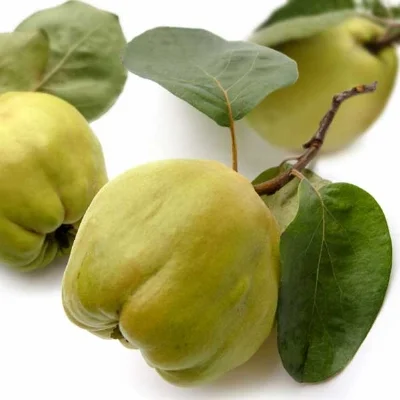
Quince is often used to makes jellies and preserves, this recipe is for the famous Spanish quince paste, which is eaten as a popular tapas with manchego cheese. It will work well with any hard, tangy cheese and makes a great addition to a cheese board.
1.8kg/4lbs quinces washed, peeled, cored, chopped
vanilla pod, split
caster sugar, amount determined during cooking
Place the quince pieces into a large pan and add enough water to cover. Add the vanilla pod and bring to the boil. Place a lid on the pan and boil for 30-40 minutes, or until quinces are very soft but still intact.
Drain the liquid from the quinces and transfer the quinces to a scale to weigh. Note the weight of the quinces - this is the weight of caster sugar you will require.
Place the fruit into a food processor and blend until very smooth.
Return to the original pan and add an equal weight of sugar.
Cook over a low heat, stirring constantly, until the sugar dissolves.
Continue to cook over a low heat, stirring occasionally, for 1-1½ hours, or until the quince paste has thickened and has a deep orange colour.
Preheat the oven to 50C/120F.
Pour the cooked paste out onto a greased and lined 20cm/8in x 20cm/8in baking tray and smooth the paste out evenly.
Place into the oven for one hour to speed up the setting process.
Remove from the oven and slice into manageable portions.
Recipe from BBC find it here.