Medicine and the Bishop in Medieval England

I enjoyed last Thursday evening's talk by Dr Katherine Harvey, as did my guest, who has just started her Diploma Course in the History of Medicine with the Worshipful Society of Apothecaries in Blackfriars. We both found the beautifully-illustrated talk most informative.

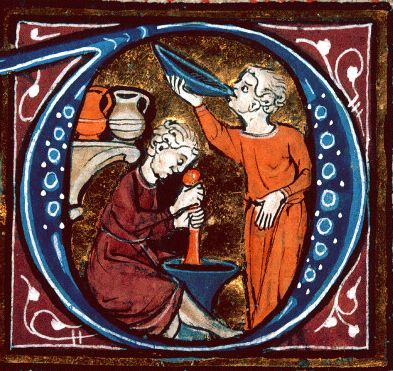
Katherine has a PhD from King's College London, and since last year, has been a Wellcome Trust Research Fellow at Birkbeck College. Her project is Medicine and the Bishop in Medieval England, c.1100-c.1400, and when speaking to us at Fulham Palace (a home of the Bishop of London for at least 800 years) she aptly focused on the Bishop as patient. I was expecting to hear that there were tensions between medical and Christian religious understandings of health and well-being in late medieval England. But, instead we learnt that the Bishop embraced medical ideas based on the ancient Greek system of the four humours, originally devised by Hippocrates and Galen. A patient's four humours had to be kept in balance. Accordingly, Bishop readily employed the 'art' of the Barber Surgeons to be bled at the right season and time of, for example, the lunar cycle.

Medieval medicine was as much about prevention as cure, and it was thought that an individual's health was greatly influenced by six 'non-natural' factors, which included air, travel and emotions. Bishops were aware of the dangers of travel, which would be required of them as members of the educated elite who were often also Lord Chancellors or Ambassadors of State. The stress of being a Bishop would need to be reduced by a relaxing regimen...

Life in the Middle Ages - at least for senior cleric - was not as unhygienic as we might have imagined! However, we also learn that some Bishops feared being poisoned, and we saw a picture of an exquisite table ornament used by Bishop Robert de Sigillo to counter this danger. It was a so-called 'serpents' tongue tree', in fact made of polished sharks' teeth. This intrigued me and other Fulham Palace Guides, who well know that the ornamental did not prevent Bishop de Sigillo being arrested in 1141 at Fulham Palace, and held for ransom!

Thanks are due to Dr Harvey for a fascinating talk.


Jane Bowden-Dan

Volunteer Museum Steward and Historical Tour Guide


Next talk will be today Wednesday, 23 September at 7pm. The Great Encourager: Bishop Compton and his Garden at Fulham Palace. Click here to book.
Learn and Take Part in Woody Plant Survey

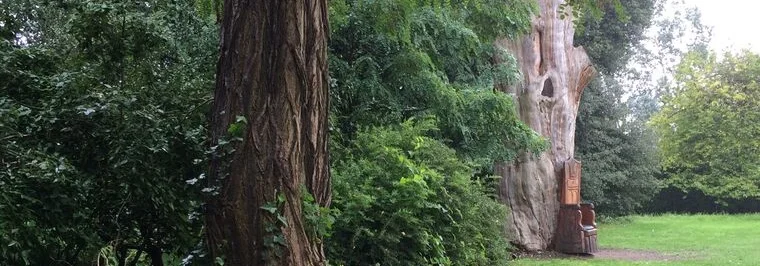
Would you like to learn how to undertake a plant survey? We are currently updating the 2009 ground and tree survey and are looking for volunteers to help. 

 This work is being co-ordinated by Lear Associates.  We would also like to add in the shrubs to ensure that when we are looking at new planting and looking at sightlines we take them into account.  Bev Lear from Lear Associates will provide training and supervision and then set you up to complete the survey.

We will have two training sessions on 7th October, one in the morning and one in the afternoon. We need 3 volunteers for each session (6 volunteers in total). You only need to attend one of the sessions. Then on 8th October both teams of volunteers will begin the survey with Bev's help.

After that we hope that you will be able to complete any outstanding areas under your own steam and Bev will come back at the end of October if needed to deal with any outstanding issues, idents etc.   

If you would like to volunteer for this opportunity please contact me.  


Sian Harrington

Chief Executive


Restoration and Renewal Project

© Fulham Palace. All rights reserved (22).jpg

We are seeking your views about what makes Fulham Palace special, what we could do even better and what we could learn from other, comparable sites. Your answers will help guide our thinking about the next phase of our restoration and renewal project here at Fulham Palace.

Project Summary

The restoration and renewal project will draw together and build upon the two preceding phases of restoration (2005/06 and 2011/12), providing the next stage of the site-wide restoration of Fulham Palace. 

The project will undertake vital capital works to the Tudor quadrangle and Great Hall, with community and learning initiatives carried out in conjunction with and alongside the restoration and conservation processes. In summary, the project will: 

  • Restore the Tudor quadrangle, Great Hall & parts of the garden whilst also improving access
  •  Employ a Community Archaeologist and undertake site investigations/ excavations and provide new accessible storage for our existing archaeological archive
  • Create a new visitor entrance area in the Tudor quadrangle with new exhibition spaces, orientation and interpretation through the palace and grounds
  •   Provide new training, learning, engagement and participation activities
  •  Improve energy efficiency and reduce energy costs whilst also improving overall business performance and viability.

The project will go some way towards realising our overarching vision for Fulham Palace, which is to “provide an insight, through the stories of the Bishops of London, into over 1,300 years of English history, and to become one of Great Britain’s most loved and inspiring historic houses and gardens”. 

How can you help? 

At the last volunteers meeting on Tuesday 15 September, volunteers were asked these 3 questions and below are some of their answers. What do you think? Do you agree, disagree or think something else entirely? We want to know.

1. How would you currently describe Fulham Palace?

"Hidden gem; haven; surprising."
"Tells a simplified version of English history through the stories on site."
"Hiding its light under a bushel"
"A spiritual place."

2. How would you like to be able to describe it in 5 years time? 

"More of Compton’s original designs and planting but with consideration for today."
"Enjoyed by more people (but not swamped)."
"All historic periods represented as well as the history we are making now. "
"Attractive to tourists – on the London ‘must see’ list."

3. What other site would you like Fulham Palace to be compared too, and why? 

"None! We are unique."
"Similarities with Great Dixter but we have more to offer. "
"Similar to Lambeth Palace, links to Kew (Wisteria) and to Garden History Museum."

Please have your say! 

We would greatly appreciate it if you could let us know what you think in the comments section below or on the forum or by emailing your thoughts to Fran

Plant Cuttings Course

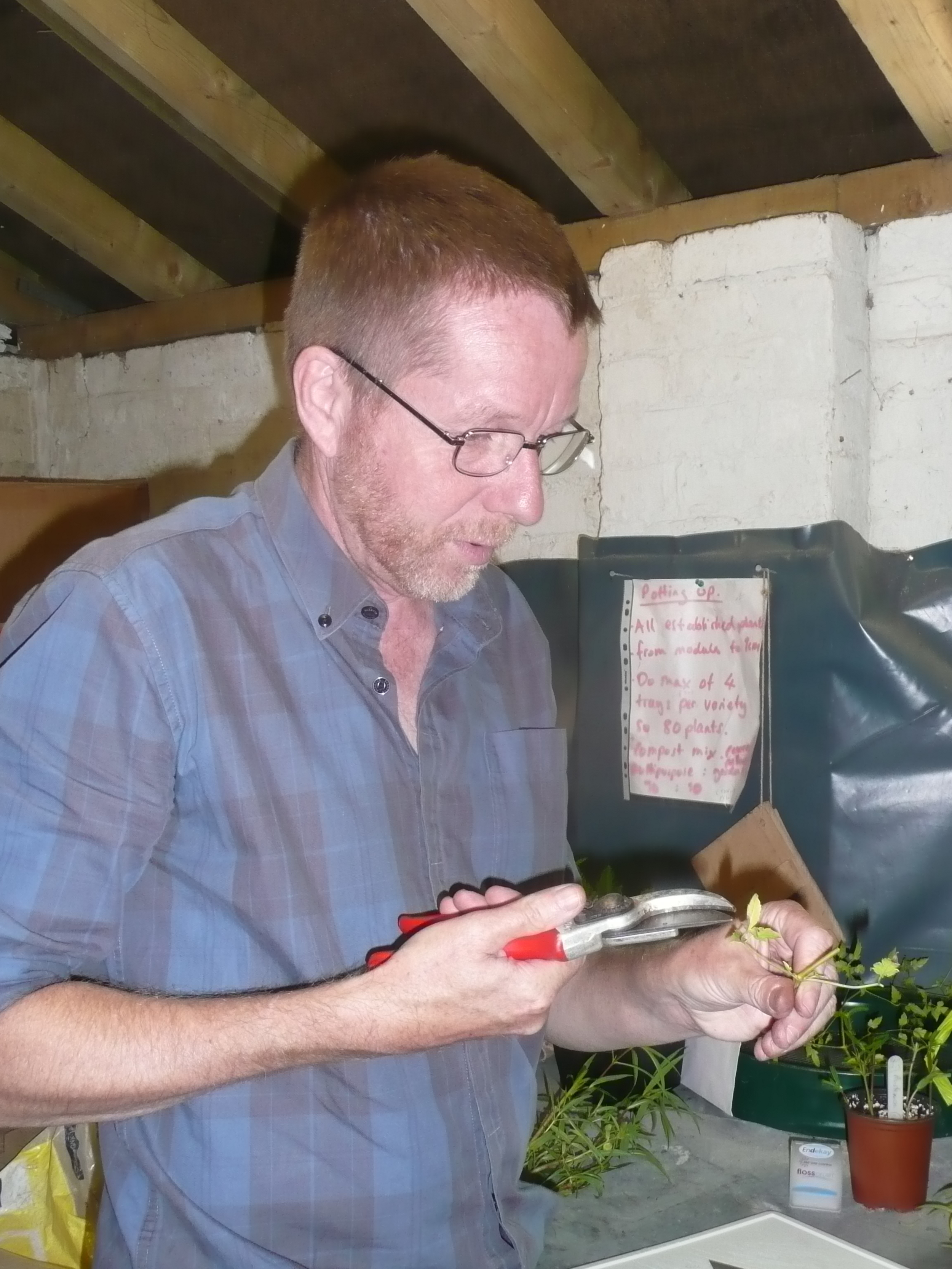
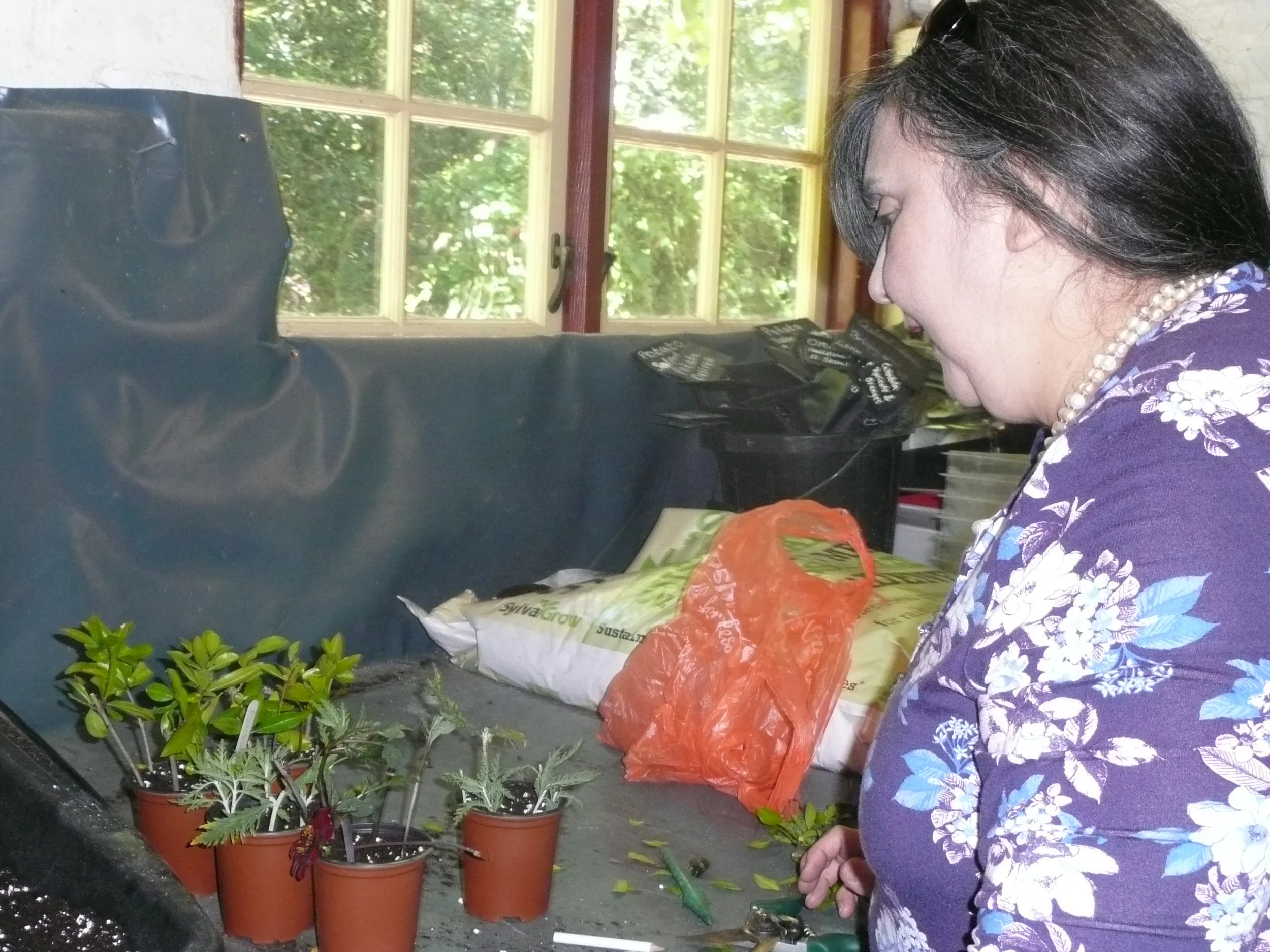
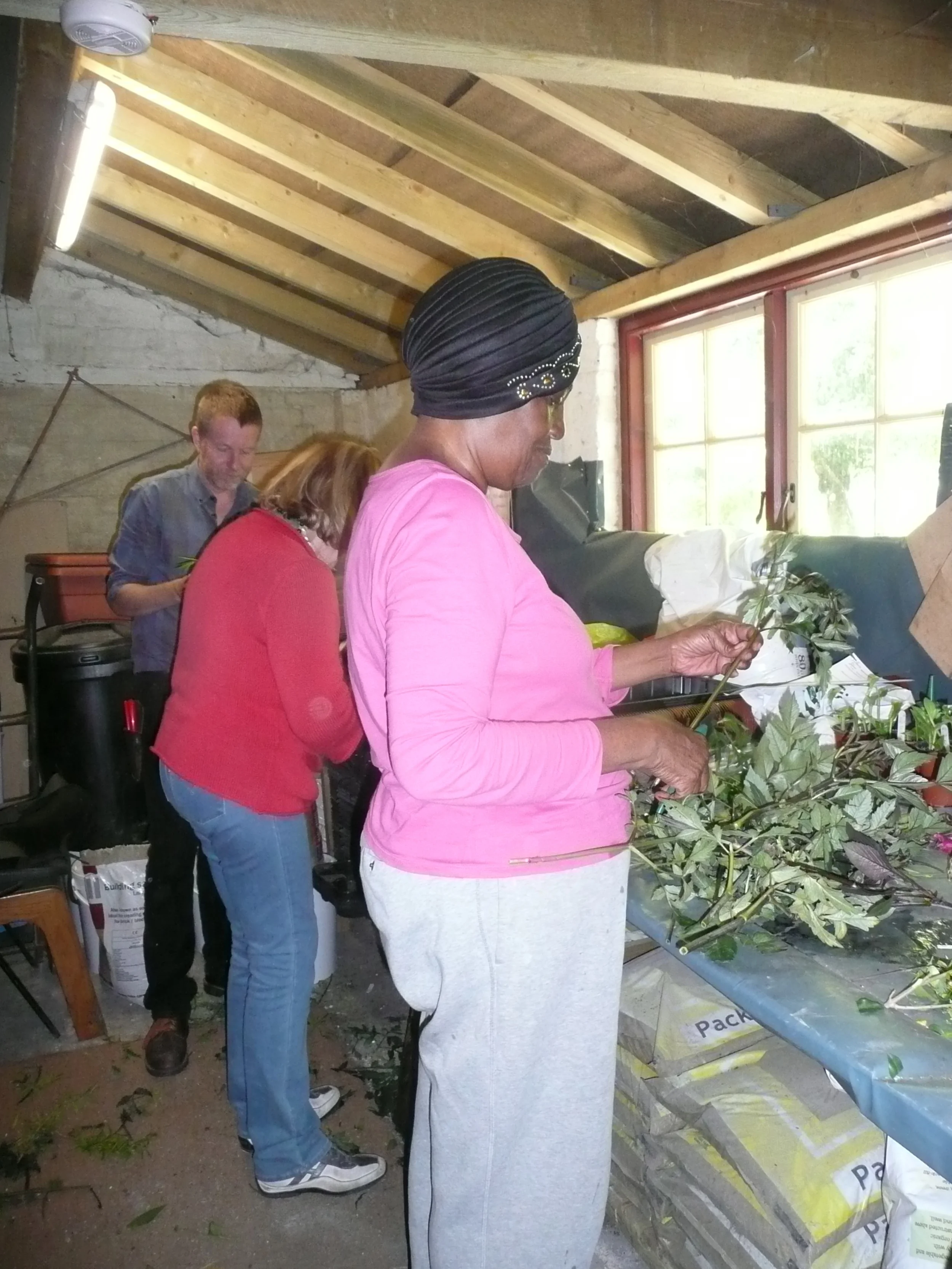
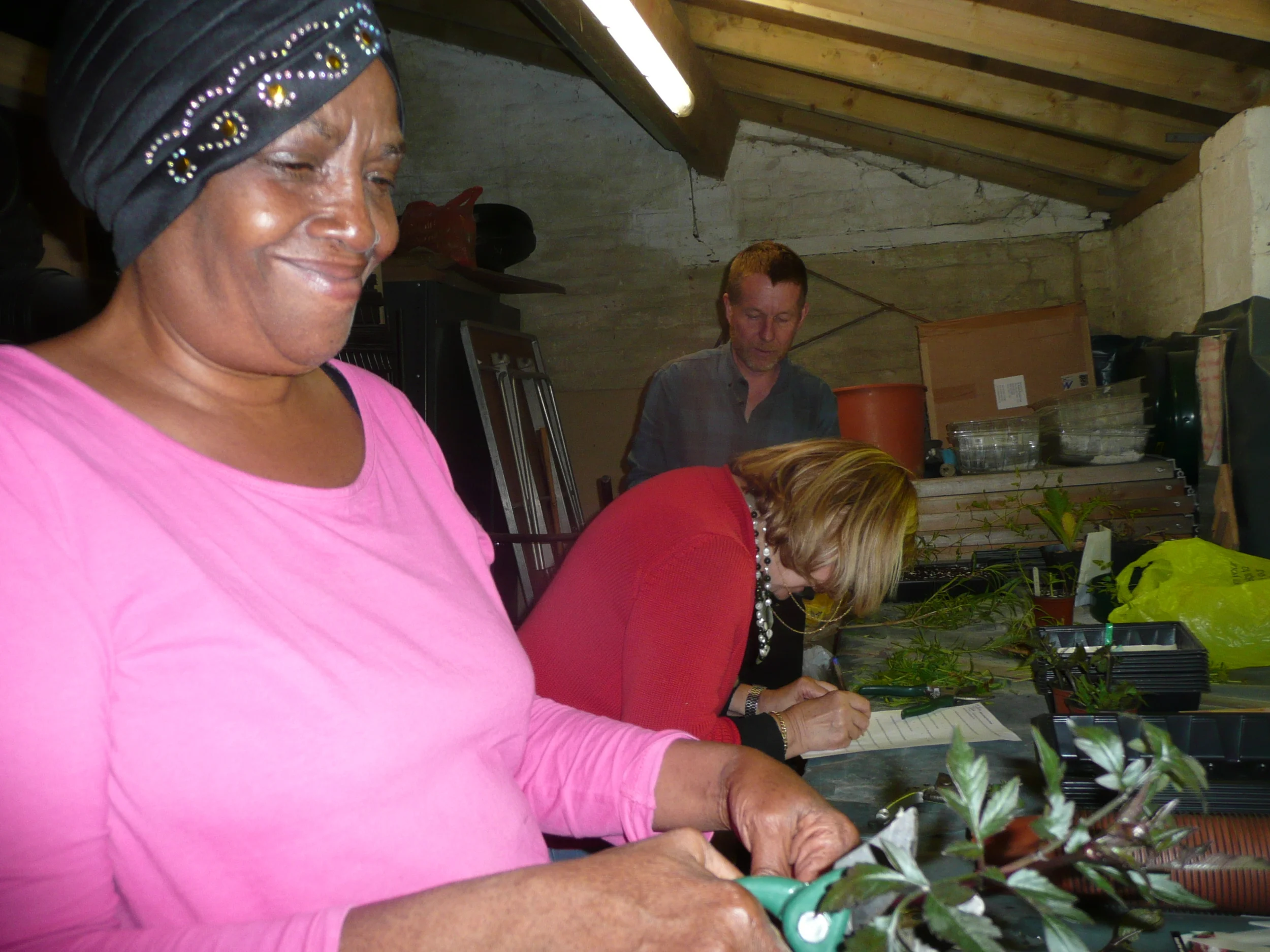
I really enjoyed the course. Andy (on the left) gave a demonstration on how to take a cutting and how to pot in on. We had a tour of the garden and we took our own cuttings from plants which Andy had been given permission to use for the purposes of the course. We then trimmed them and prepared them for potting on.

Andy  was very knowledgeable and good at explaining what we were doing and why, as well as giving tips on what not to do. He also explained the differences in taking cuttings from different types of plants.

What I learnt on this course will be very useful in my work as a volunteer gardener and, of course, for gardening at home. I would recommend this course for others.


Jacky Perry

Gardening Assistant Volunteer


Back to School

It's 7 am, you wake excited, wondering who will be your new teacher? what your friends have been doing over the summer? If the school has finally built the longest slide ever in the playground?? Uniform, snack and new bright shoes. Everything is ready to go back to school!

Good old days for most of us! That is why we have decided to make 'Back to School' our monthly theme for September. Feel free to comment below this post or e-mail us a new post related to the theme: new courses, your thoughts around current issues in heritage/museum/arts education, historical facts about education and schools in history... From now on, school groups will come back to visit the Palace and have fun learning about history.

We will also be introducing some discussions on the online forum that we would love for you to get involved in. It is very easy to comment, you just need to sign up using your e-mail address or your Facebook or Google+ account. You can find more information in this useful guide here.

At Fulham Palace we have our own way to go back to school through adult-learning workshops, events and talks. Have a look at the upcoming learning opportunities and book your place:

You can find more information in the 'What's on' brochure. All of the courses are offered at a discount for Fulham Palace volunteers. Let's learn!


Marlen Armendariz

Volunteer Communication Assistant

The Volunteers of Fulham Palace

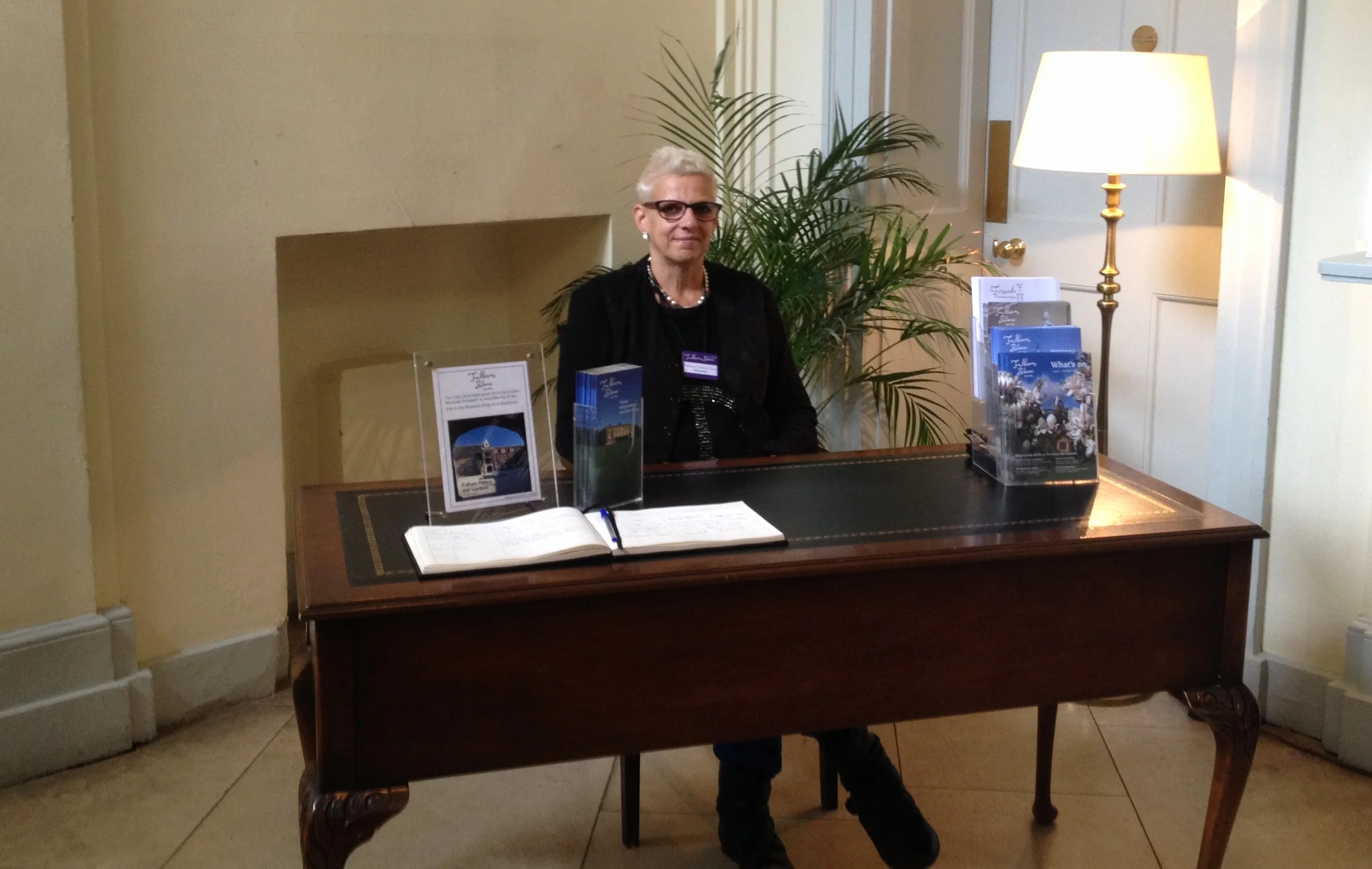
Vanessa Graham-Dixon - Volunteer Visitor Reception Assistant 

As many of us, Vanessa Graham-Dixon stumbled upon Fulham Palace by accident. However as she says this 'hidden gem' engaged her from  the beginning and now she is one of our fantastic volunteer visitor reception assistants.

When did you first come to Fulham Palace?

My first visit to Fulham Palace was over 10 years ago and it was a friend who brought me. It was summer and we sat on the grounds. 

What is your role and what does that involve?

My role as a volunteer is as a visitor reception assistant.

How often do you volunteer?

I tend to do at least 2 afternoons or mornings per week.

What is your favourite thing about Fulham Palace?

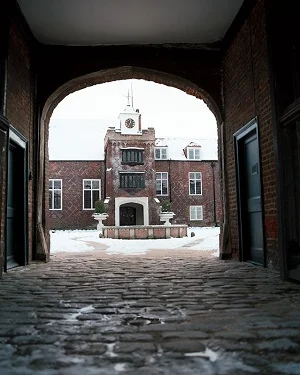
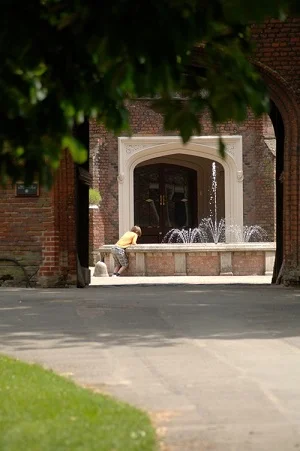
My favourite thing about Fulham Palace is the tranquility. I find the view from the reception area very relaxing as I look onto the Tudor's courtyard with its lovely fountain.

What do you enjoy most about volunteering?

I enjoy being efficient. Also learning all the different aspects of running a historical building fascinates me. Especially how to integrate it into contemporary life without losing its historical integrity.

Would you like to share anything else about your experience?

Fulham Palace is a hidden gem.


Fulham Palace Honey

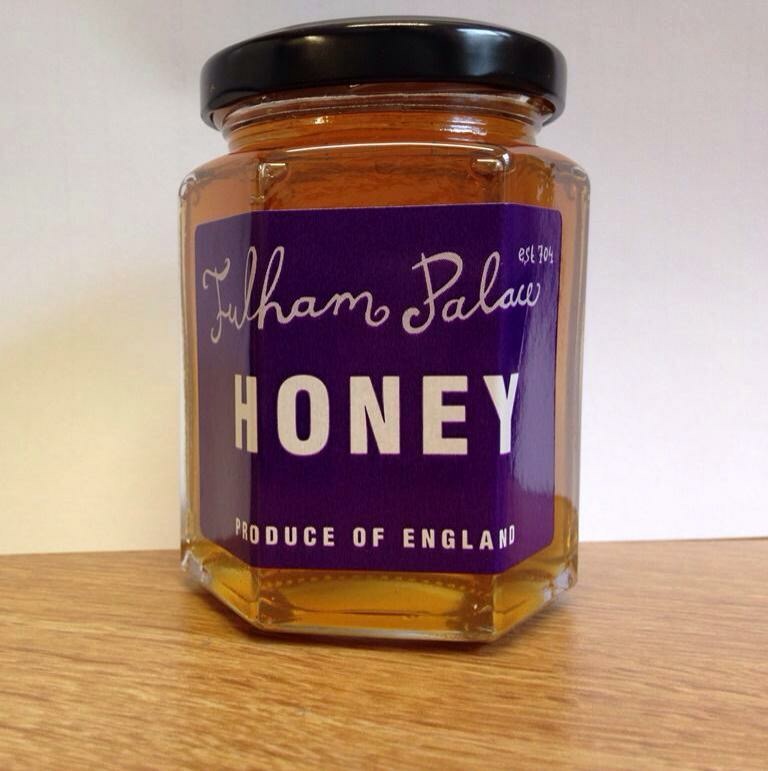
As we promised previously, Fulham Palace Honey is now on sale in the Museum Shop. Our bees have been working very hard all  year to let you have a sweet September!

This years batch is particularity tasty and the price is £9 for Fulham Palace Volunteers and £10 for general public.

Due to high demand and limited supplies sales are limited to one jar per person.

Drop into the Museum and enjoy Fulham Palace Honey for your breakfast tomorrow! 

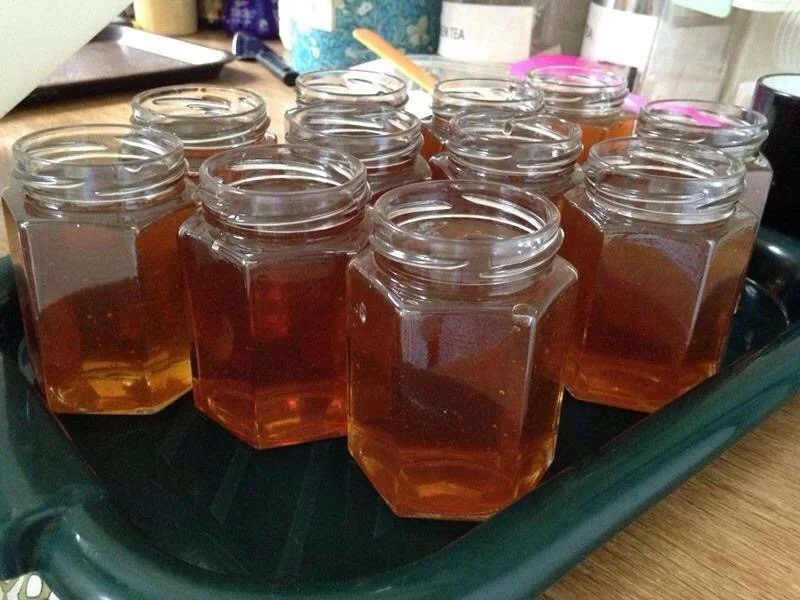
Thanks to all the Volunteer Bee Keepers, Gardeners and Volunteer Gardeners who have helped in the production of the Honey.

And thanks, most of all,  to all the busy bees!


Marlen Armendariz

Volunteer Communication Assistant