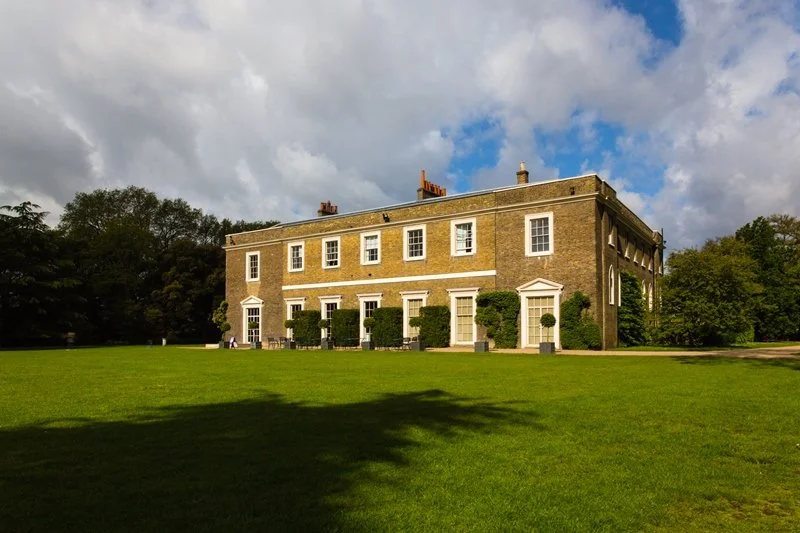
Hidden objects: archaeological encounters

The second piece is a part 2 to the previous post, kindly written by Front of house volunteer Alexander Ogilvie-Graham. Focusing again on uncovering the hidden, Alexander writes about his fascination with discovering snippets of the past through physical objects.

A foreshore walk with Alice Marsh and Alexis Haslam.

It was an unprecedented adventure in which we were sucked into the history of the foreshore.

There shall be no larking about in the article.

cow, man a.jpg

I have a keen interest in the Neolithic period, between 4,000 to 2.200 BC. I was hoping to find gold diamonds and rubies on my first foreshore walk; instead, I discovered bone. I had bitten off more than I could chew. Alexis explained that there had been a slaughterhouse here once upon a time and that’s how I had stumbled upon a cow spine.

To quote Bart Simpson: don’t have a cow, man.


My favourite object is a struck Neolithic flint from the early Neolithic period around 6.000 years ago. It struck me at first glance when I rediscovered its beauty when I was volunteering in the museum this summer.
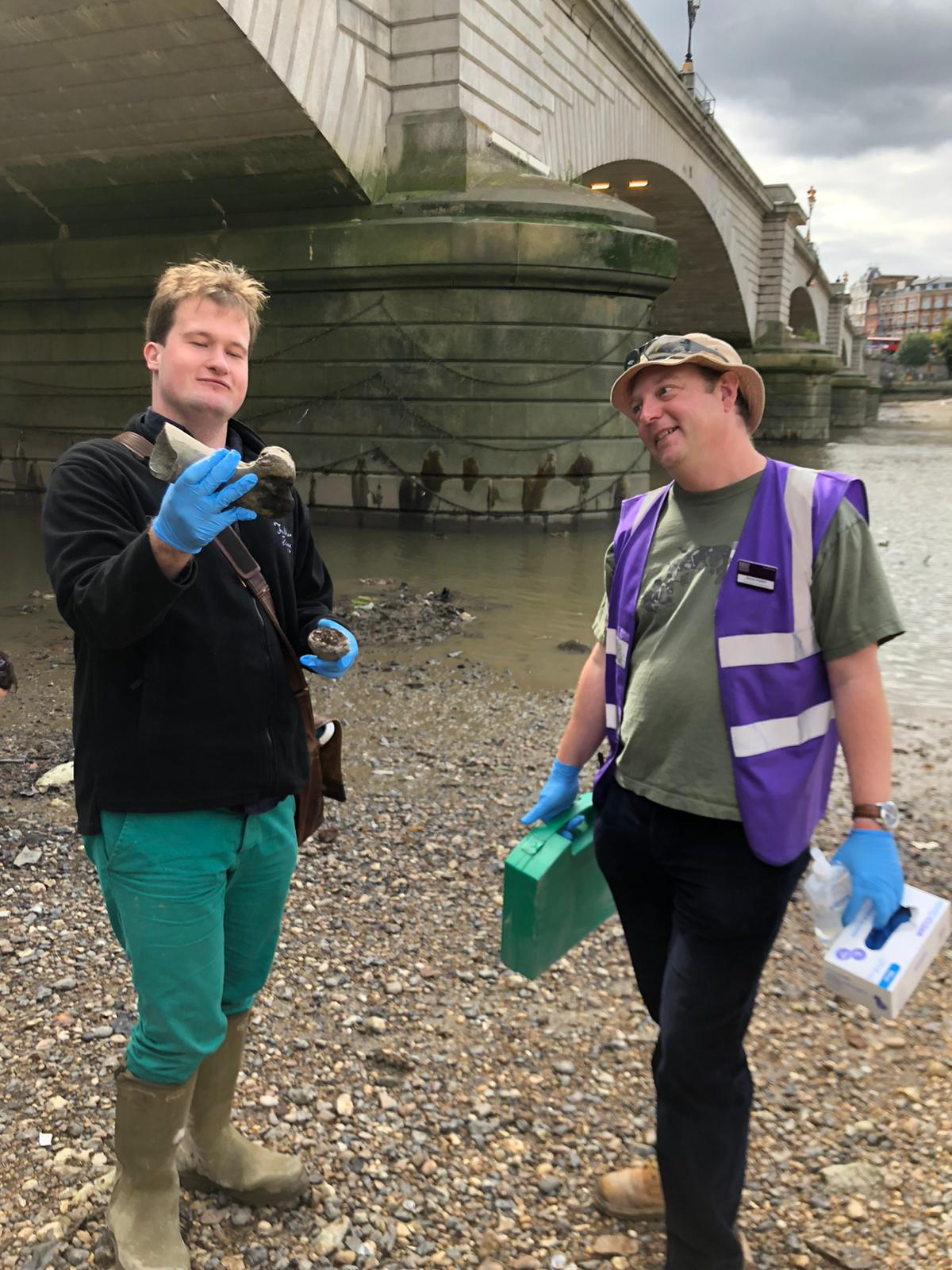
Here I am with my fantastic Team leader and Archaeologist learning the skills of the trade.
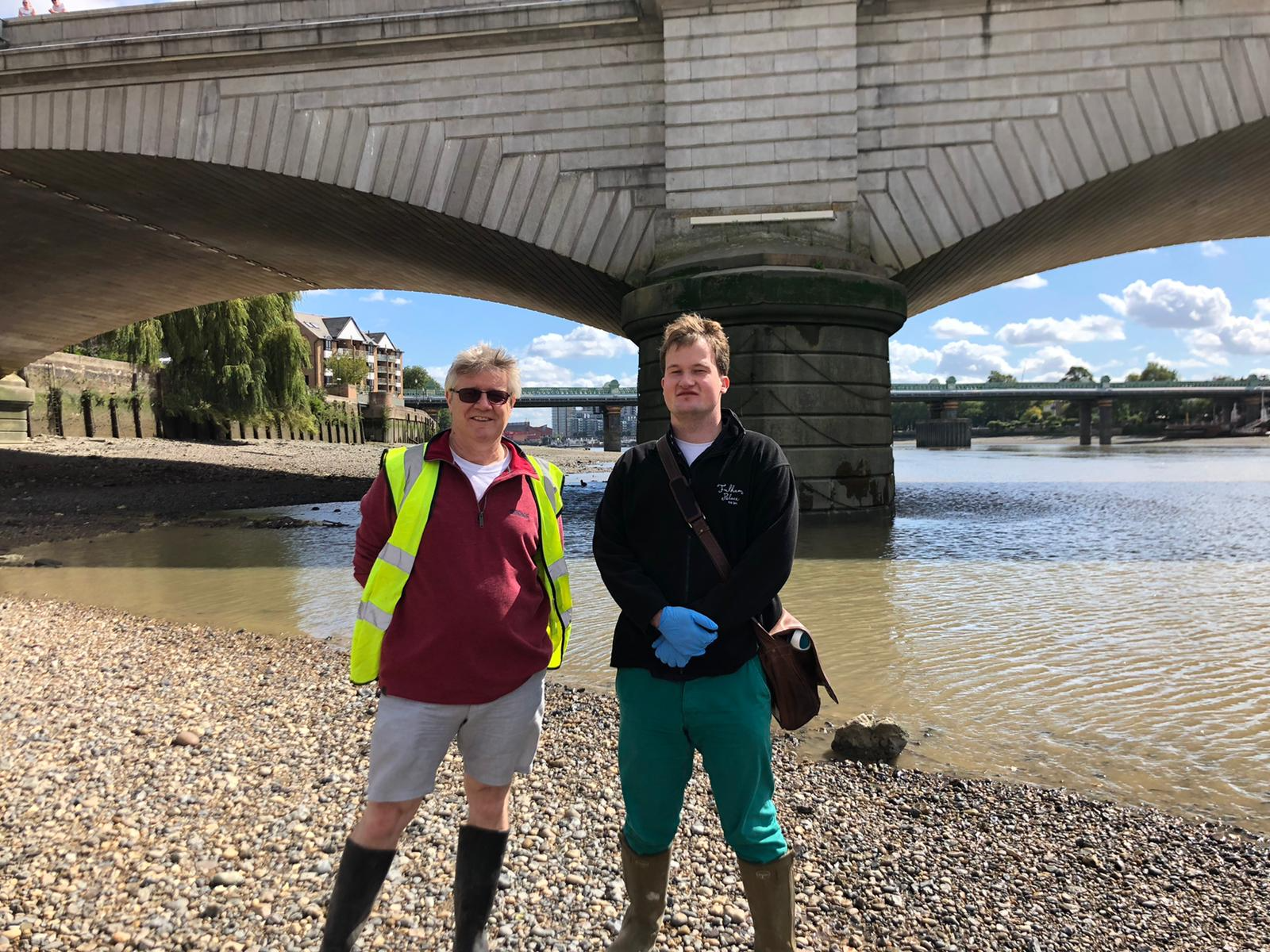
Here I am with my fantastic Team leader and Archaeologist learning the skills of the trade.

I met the wonderful archaeologist John Cotten, who is beyond legend. I admired his knowledge and learning and learnt fun facts via this expert. I had my first Archeology magazine via John.
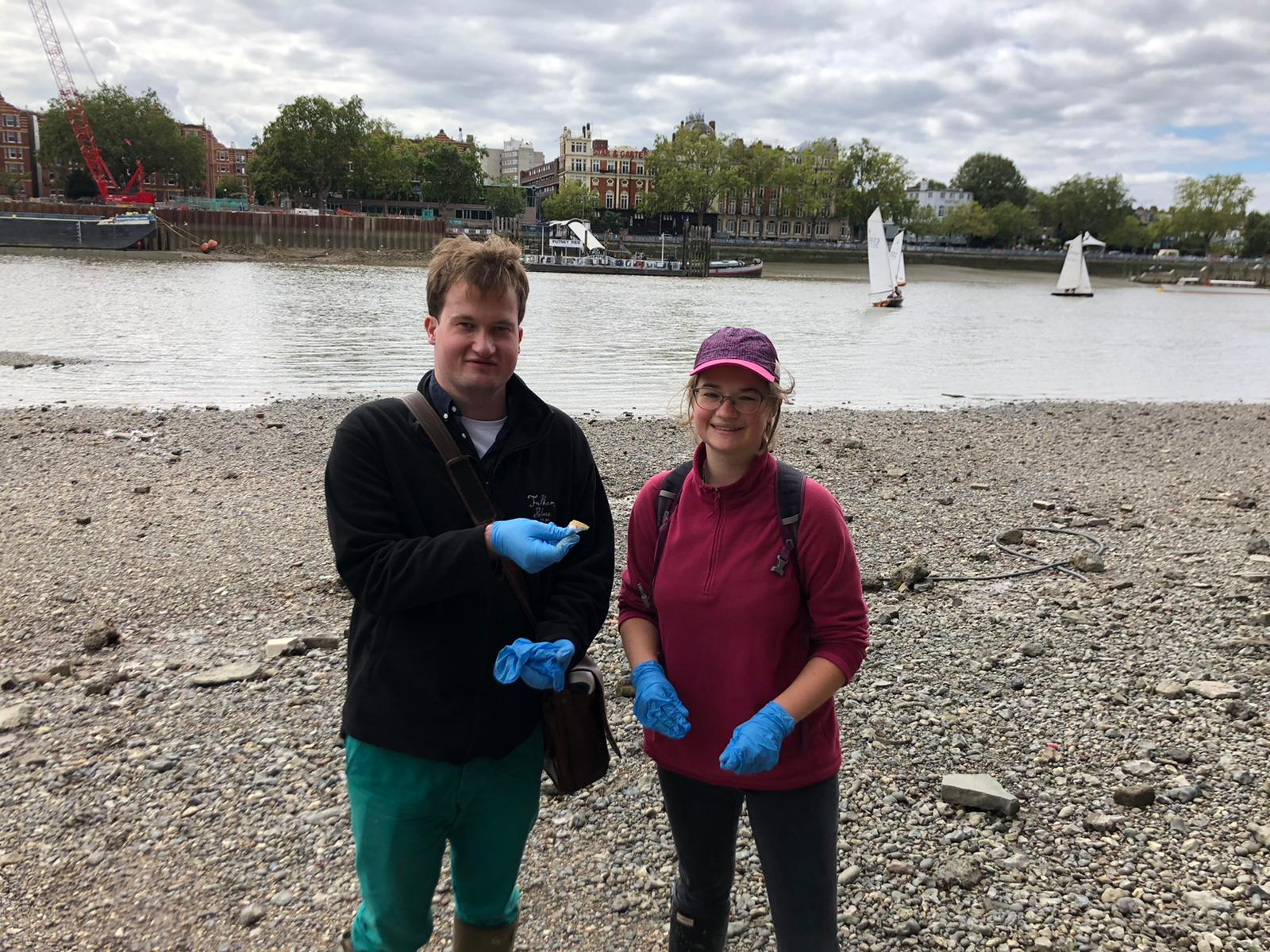
I met the wonderful archaeologist John Cotten, who is beyond legend. I admired his knowledge and learning and learnt fun facts via this expert. I had my first Archeology magazine via John.

Here I am with my wonderful carer, learning about medieval mosaics.

Here I am with my wonderful carer, learning about medieval mosaics.

I hope next year to do some digging and more archaeology, Covid permitting.

Overall, it was the highlight of a depressing year. It was for me a stepping stone. The next stage is to discover a Crystal skull along the foreshore. The end is only the beginning!
February’s object of the month: Hidden objects: Books, books, books!

Front of house volunteer Alexander Ogilvie-Graham’s pair of blog entries both explore hidden objects that carry interesting pieces of the past within them. February’s object of the month is also about discovery and teamwork!

Every month, we post two pieces by volunteers - one focuses on an object in the Palace and the other on a specimen in the garden. It is a great way to research something that has always interested you and dig into the history of the site, and share your interests with your fellow volunteers. There is no set format so the piece can take the form of creative writing, a reflection, a poem - or anything else!


Hidden Objects: Books, books books!

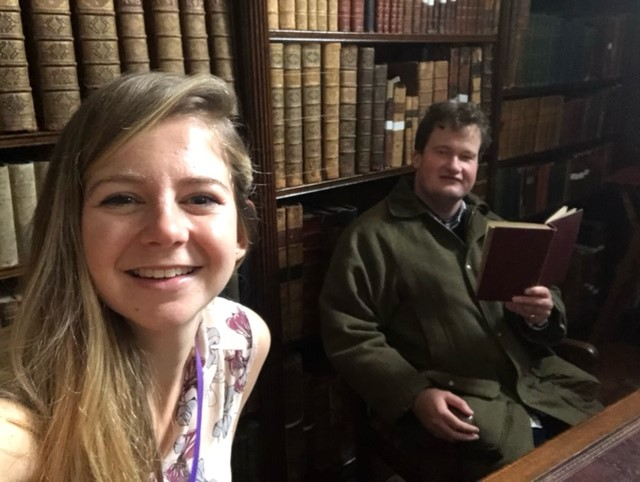
This blog post is about a special behind the scenes tour that I had with my favourite manager Rachel Bagnall-Bray. It was in Lockdown 3.0 on January 27, 2021. We had a wicked socially distanced tour of the library!

The Porteus library is my favourite room at Fulham Palace. The majority of the collection dates from The 18th century and the 19th century.

I love the trap door in the library; I often wonder if that’s where we put all of our visitors who do not donate!

download.png

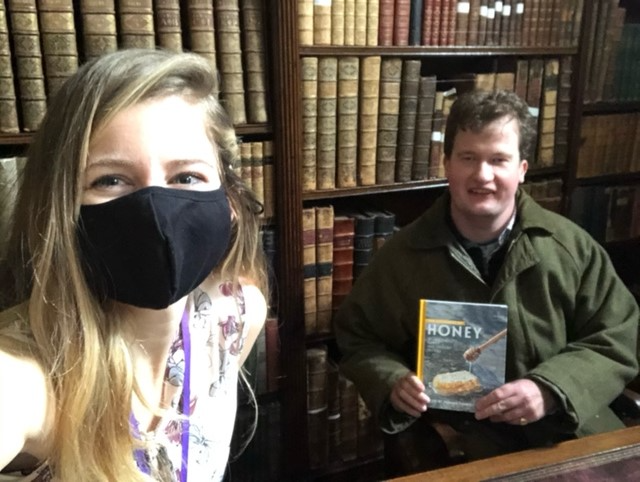
Here I am with Rachel feeling very lucky indeed. I have found that recently the value of reading has skyrocketed! The importance of reading during lockdown is now acclaimed as a very valuable activity. I think Bishop Porteus would have approved heartily!

download (1).png

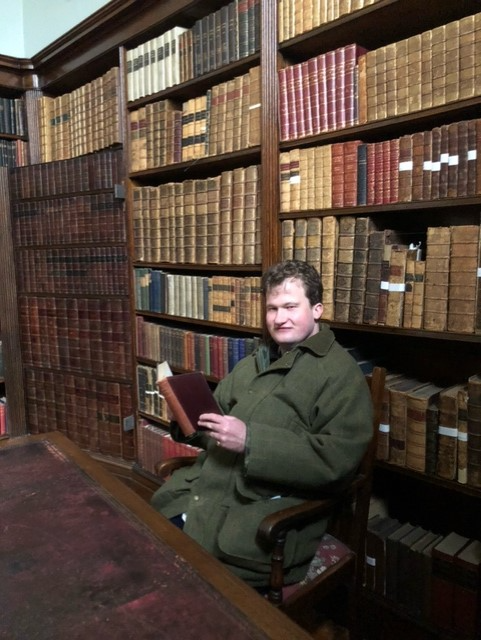
Bishop Porteus was born in May 1731 and lived until 13 May 1809. He is one of my favourite Bishops as he is the founding Patron of our library, where I count myself lucky as I may be soon joining the library care team after Lockdown. Writing, in both books and letters too, is so important to Fulham Palace. There is a letter in the archive dating from Bishop Waldhere, the first Bishop of London to live at Fulham Palace. This letter was in fact the first letter ever written in English - I suppose that is letter my favourite object as it’s over a thousand years old. My favourite book in the library must be the old ones that are leather bound and sit behind the desk that you can see pictured.

download (3).png

I like the library as it is multi-purpose, it now functions as a gift shop as well. I particularly like the honey they sell! The COVID-19 pandemic has meant the shop has been closed for many months. However, the shop has triumphed online continuing to sell special gifts.

download (2).png

All-in-all I had a fantastic day with Rachel. I leave you with a final piece of knowledge about the library - Did you know that the library used to be a chapel?

Keeping you in the know: what's happening at Fulham Palace

Has lockdown boredom got you down? Don’t worry, the Palace has some exciting virtual events coming up!

Beasts, bread, and beer: Fulham Palace’s productive estate

Tuesday 16 February 10:30-11:15

Tickets - free for volunteers (£6 standard. £3 unemployed)

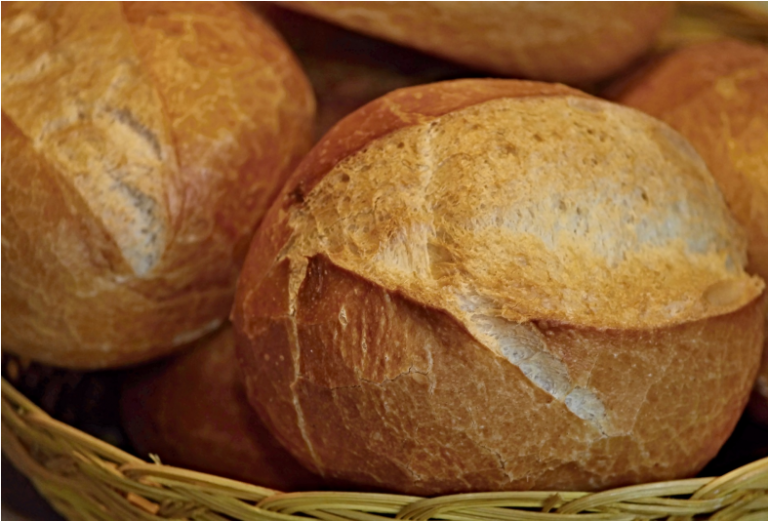
Don’t miss out on Lisa Voden-Decker’s online talk titled ‘Beasts, bread and beer: Fulham Palace’s productive estate’. This zoom lecture discovers how food was produced, prepared and consumed from the Tudor period through to the 20 century. Lisa Voden-Decker will even re-create a historic recipe. The lecture will take place via zoom on Tuesday 16 February from 10:0-11:15.

bread.png

Family fun day: the medieval Palace

Saturday 27 February - Sunday 28 February all day

Free

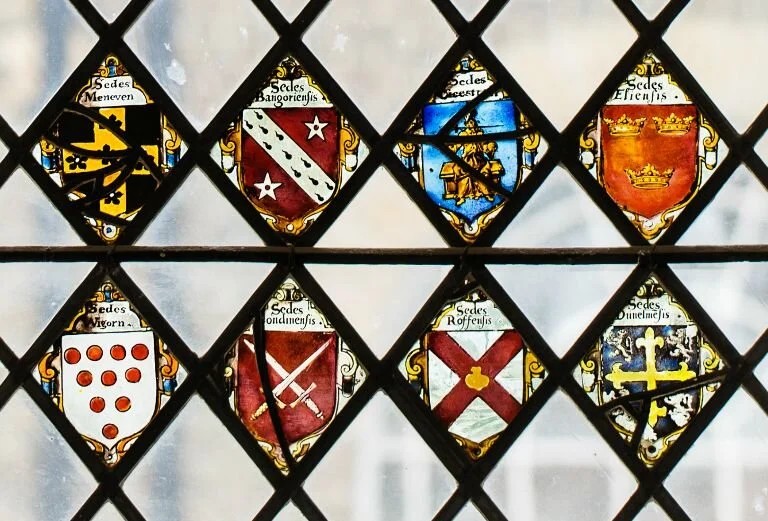
Ever wondered what life at a medieval palace would be like? Check out the virtual medieval palace event taking place on 28 February. This event is free and suitable for all ages and includes lectures, quizzes, activity sheets and more.

medieval palace.jpg

Great Garden Birdwatch at Fulham Palace

We hope you enjoyed your Great Garden Birdwatch at your home this January! Don’t forget to send in your results to the RSPB before 19 February. You can do it by following this link.

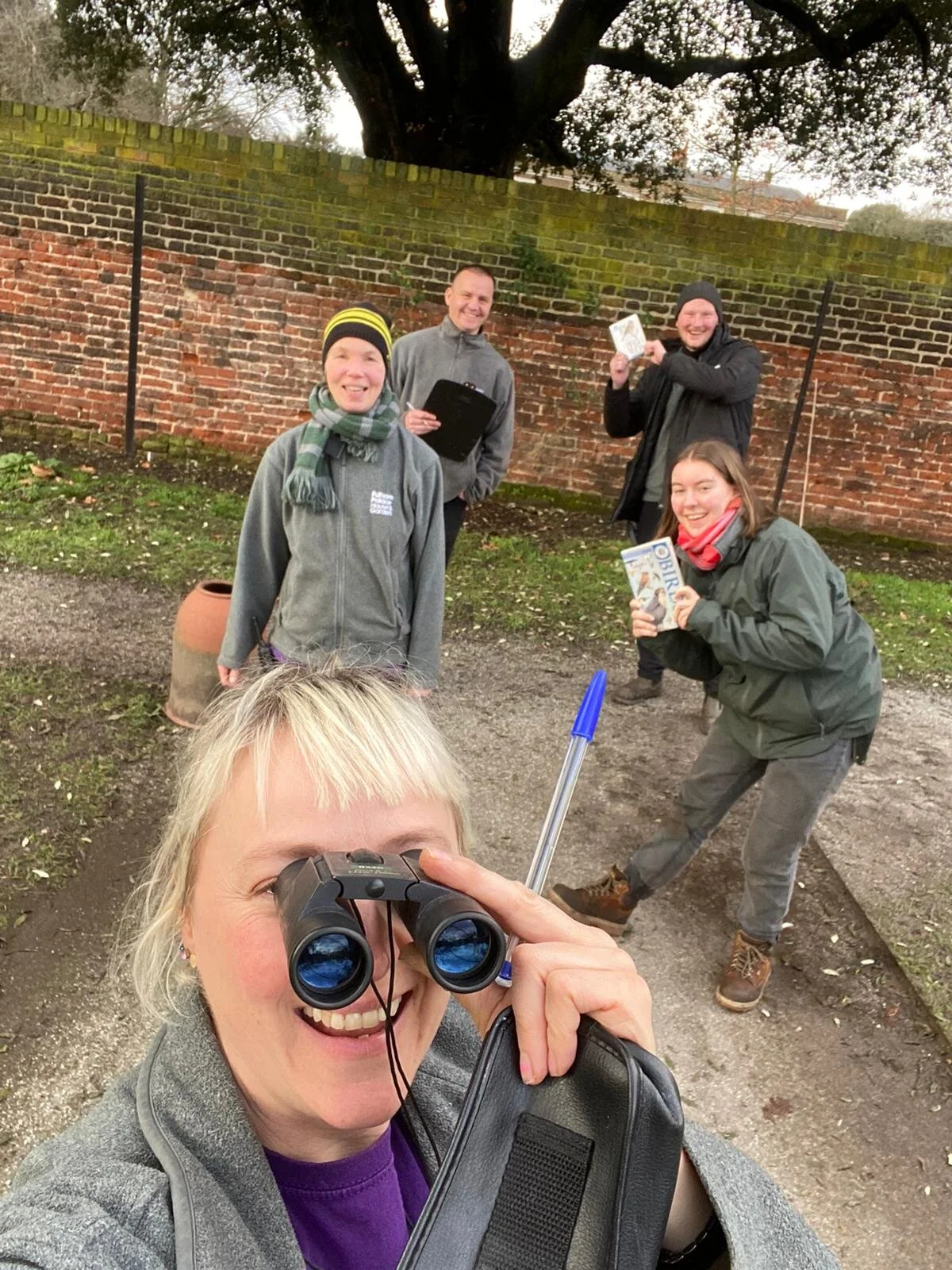
The garden team ready for the Great Garden Birdwatch, January 2021

The garden team ready for the Great Garden Birdwatch, January 2021

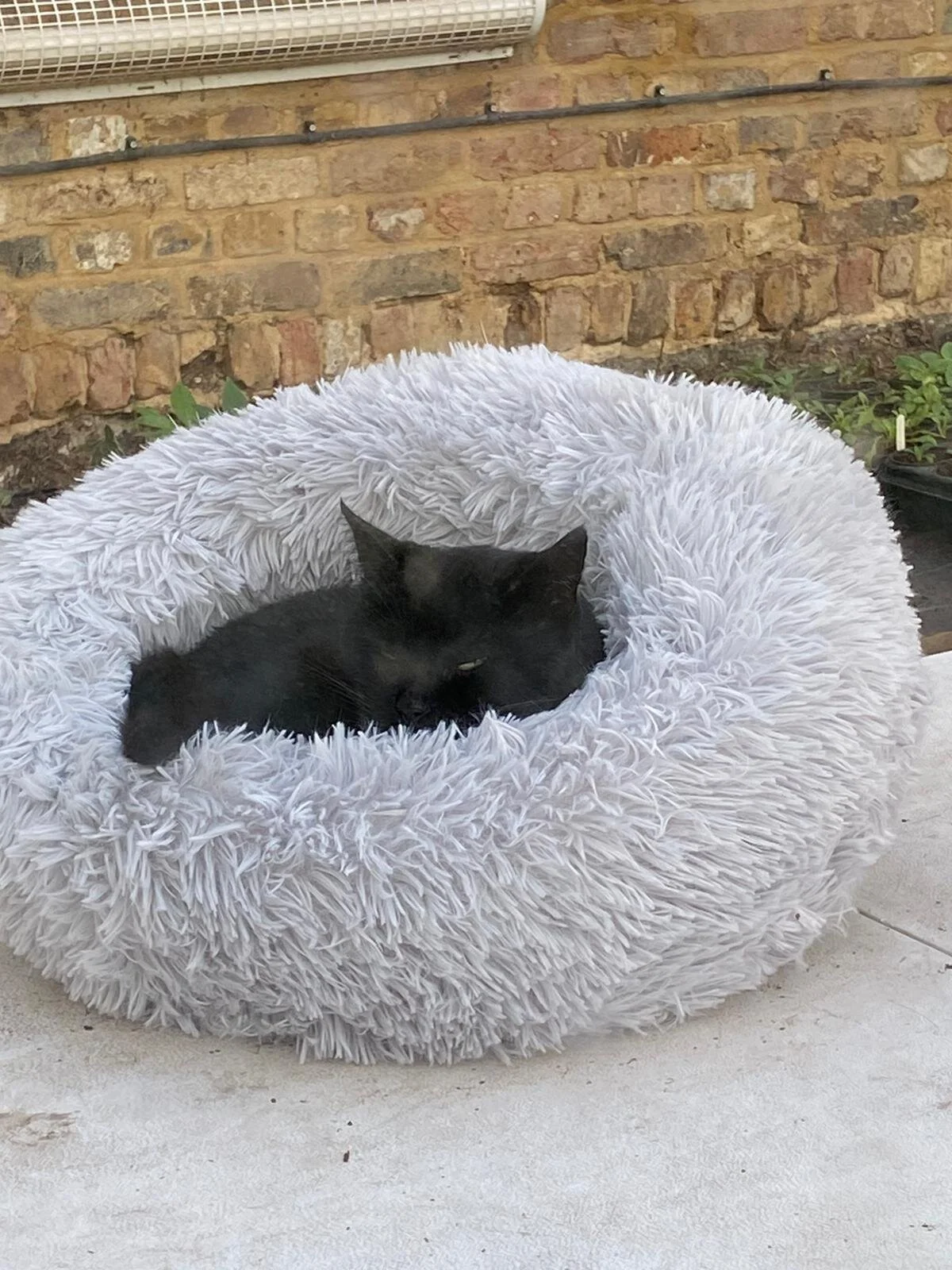
Needless to say Edmund helped by staying in his bed, out of the way!

Needless to say Edmund helped by staying in his bed, out of the way!

Lucy, Pete, Matt, Annette and Millie had a great hour at Fulham Palace looking for birds and jotting down what they saw! Here is a breakdown of what they identified within the hour (13.30 - 14:30) here at the Palace on Friday 29 January.

The team saw twelve different species and forty four birds  in total.  

The breakdown was as followed:

  • Pigeon 2

  • Wood Pigeon 4

  • Carrion Crow 1

  • Wren 1

  • Blue Tit 4

  • Dunnock 1

  • Gold Finch 2

  • Great Tit 3

  • Magpie 13

  • Robin 6

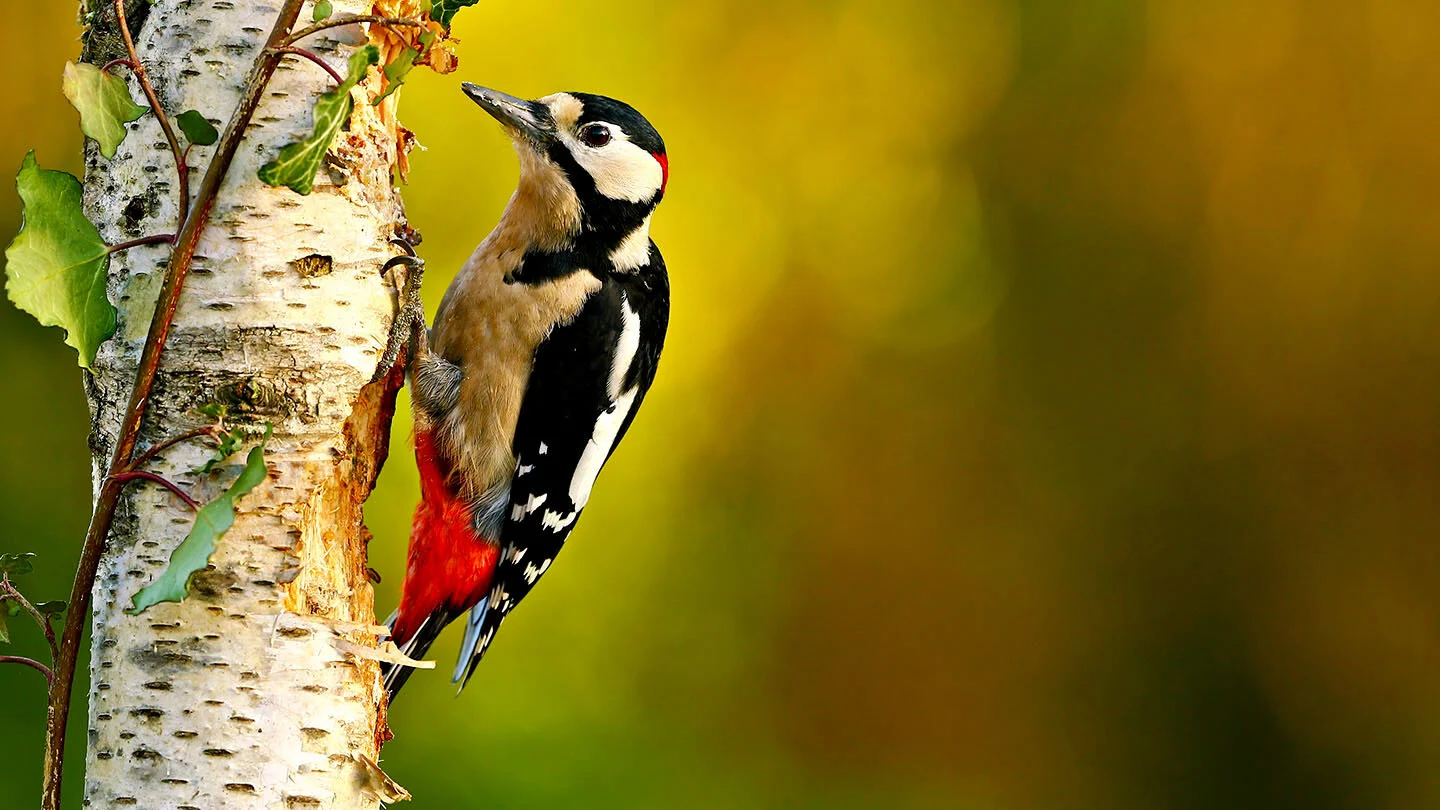
  • Great spotted woodpecker 1

Great spotted woodpecker, Woodland Trust image

Great spotted woodpecker, Woodland Trust image

  • Rose ringed Parakeet 6

All in all this is a good number and wide variety in a short space of time. The team didn’t get to see the Nuthatch or the Tree creeper but know they are around and can be seen from time to time.

Alexis spotted a bat last Saturday by the yew hedge at dusk so we know there is a hive of wildlife activity… some seen and lots more unseen! Even including a resident frog living in our compost heap drainage tank!

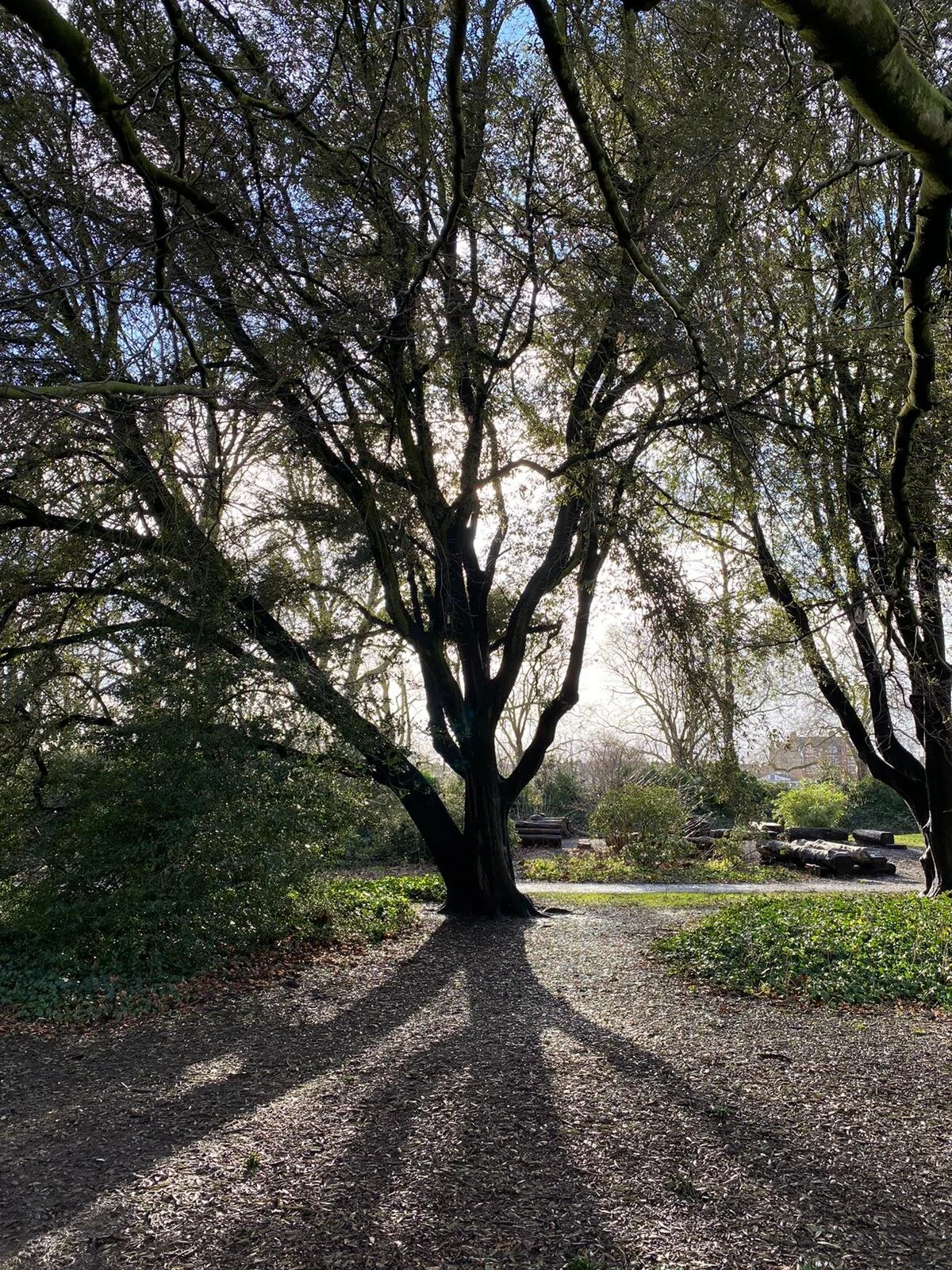
A mighty shadow: Looking towards the natural play area and Bishop’s Park from the Palace main lawn

A mighty shadow: Looking towards the natural play area and Bishop’s Park from the Palace main lawn

February's specimen of the month

Learn something new about the Palace and share it with your fellow volunteers, with our specimen and objects of the month. Every month we feature two blogs written by volunteers; one describes an object in the Palace and the other a feature from the Garden. There is no set format so you are free to experiment with research, prose, poetry or anything new! This reflective piece was kindly written by Jamie Atwell, garden volunteer.


People Call It Holm

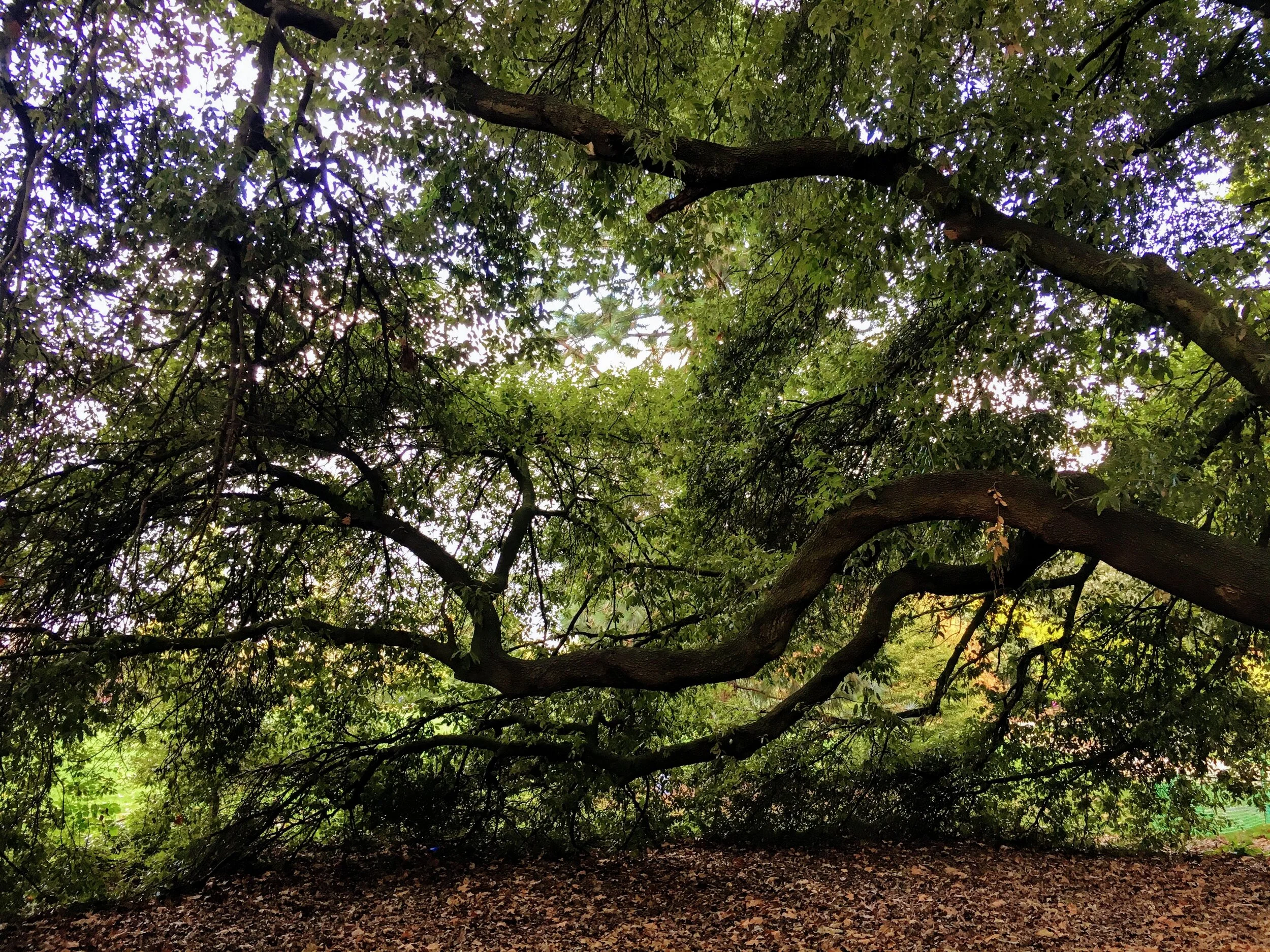
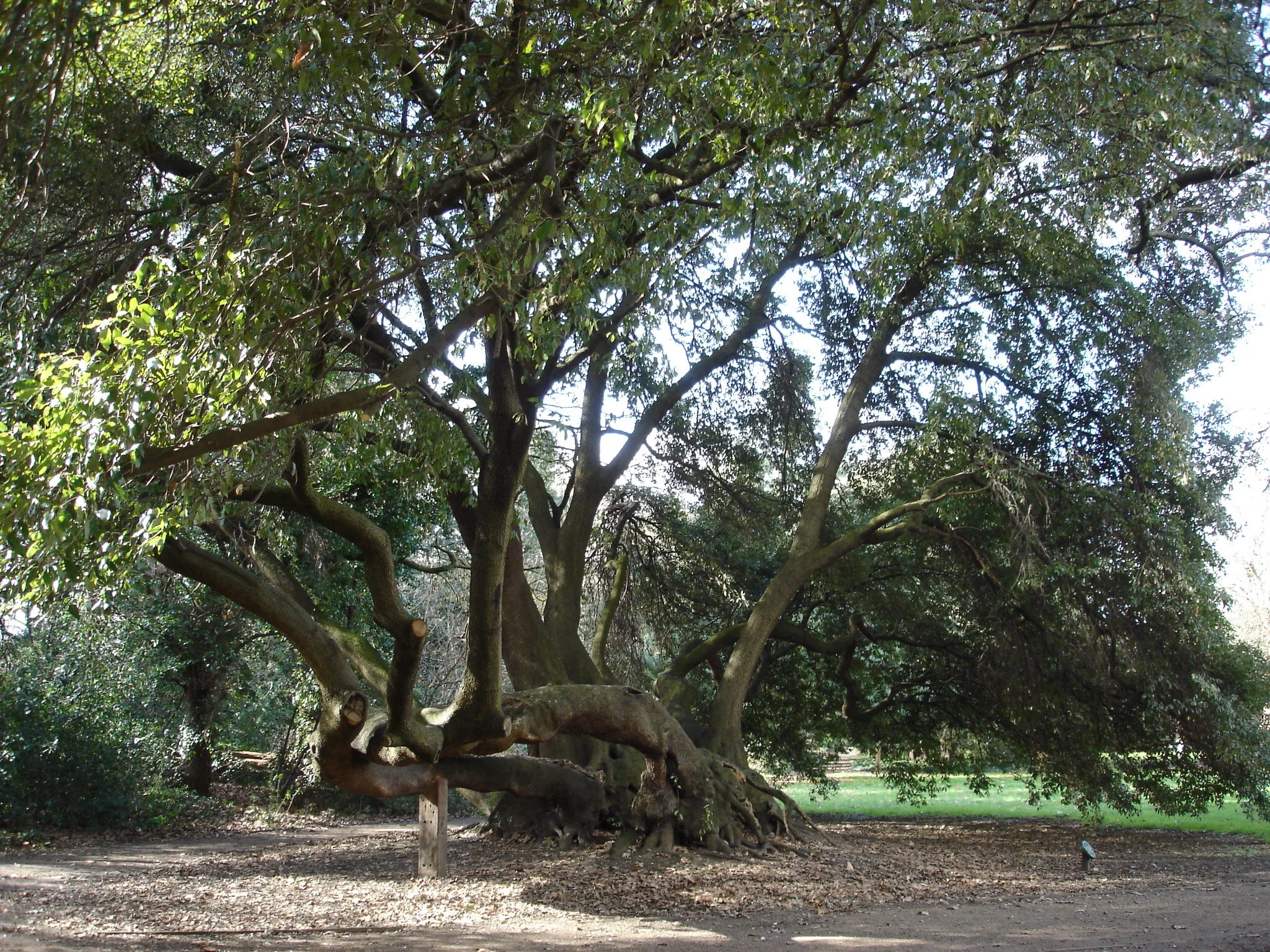
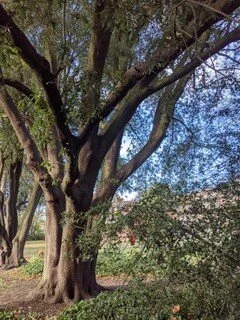
The Holm Oak. Photo credits to Kathleen McCulloch

The Holm Oak. Photo credits to Kathleen McCulloch

Re-reading garden apprentice Millie Woodley’s marvellous blog on Fulham Palace’s Great Tree of London, Quercus ilex or holm oak got me thinking. What does the word ‘holm’ in holm oak actually mean? Where does it come from? Current ‘hermit regime’ (as I prefer to call lockdown) gave me the opportunity to do some rooting about.

Look up the word ‘holm’ in most dictionaries and you will find all sorts of learned definitions. The Dictionary of Nautical Terms (a new one on me until I started my investigations) says “It’s a name both on the shores of Britain and Norway for a small uninhabited island used for pasture .....” Can’t see how that connects with an oak tree myself.

Other commentators mention a river-islet or, alternatively, low flat land. Neither of those seem applicable either.

RHS Plantfinder tells me that it has “entire, lobed or toothed leaves; flowers inconspicuous, followed by characteristic acorns”. What, pray, is a “characteristic acorn”? Were I to start blethering about “characteristic acorns” to my co-volunteers, I’m pretty certain of the response I’d receive!

Tree.JPG

What, pray, is a “characteristic acorn”?

Perhaps a bit of lateral thinking is required. If you have a look at the leaves of the holm oak, they’re not entirely dissimilar to those of the holly. And therein lies the answer. ‘Holm’ is a corruption of the Middle English word ‘hollin’ or holly.  Hollin Bank near Hathersage in Derbyshire was a favourite picnic spot of my family when I was growing up.

The Holm Oak. Photo credits to Kathleen McCulloch

The Holm Oak. Photo credits to Kathleen McCulloch

Truth be told, if I’d read Millie’s blog more carefully I’d have spotted that her opening sentence refers to the “holm or holly oak”, so more fool me. Nonetheless, I’m grateful to Millie for setting me off on a few happy hours of ‘characteristic acorn’ research.

January's specimen of the month

Every month we feature two blogs written by volunteers; one describes an object in the Palace and the other a feature from the Garden. There is no set format so you are free to experiment with research, prose, poetry or anything new! This piece was excellently written by Louise Sugrue, garden volunteer.


Inspired by last month’s Christmassy blog about Holly, this month we are looking at Ivy

Ivy - the Marmite plant

Many of us ‘deck the halls’ with it, herbalists concoct remedies from it, brides carry it in their wedding posies… Since early times, ivy has been a popular, even highly esteemed plant, symbolising eternal life, fidelity, perseverance, wedded love, friendship, and affection. Yet, ivy, AKA Hedera helix, is also widely regarded as a pest, an almost uncontrollable, invasive weed you can never get rid of; a poisonous, pernicious parasite that strangles trees and destroys houses. There’s no middle ground here. People either love ivy, or, they really don’t!

So what is this Marmite plant - can it be so bad?

English ivy, or Common ivy, is a woody evergreen climber that can grow to a height of 20-30m. Hardy and vigorous, ivy plants can live up to 500 years, and their stems can reach 2 metres in diameter; ivy’s natural habitat is woodland but, as most of us know very well, it can grow almost anywhere, in any pH soil, in shade or in full sun… quickly climbing trees and fences and spreading out generously over the earth. Even after you think you’ve hacked it to within an inch of its life...

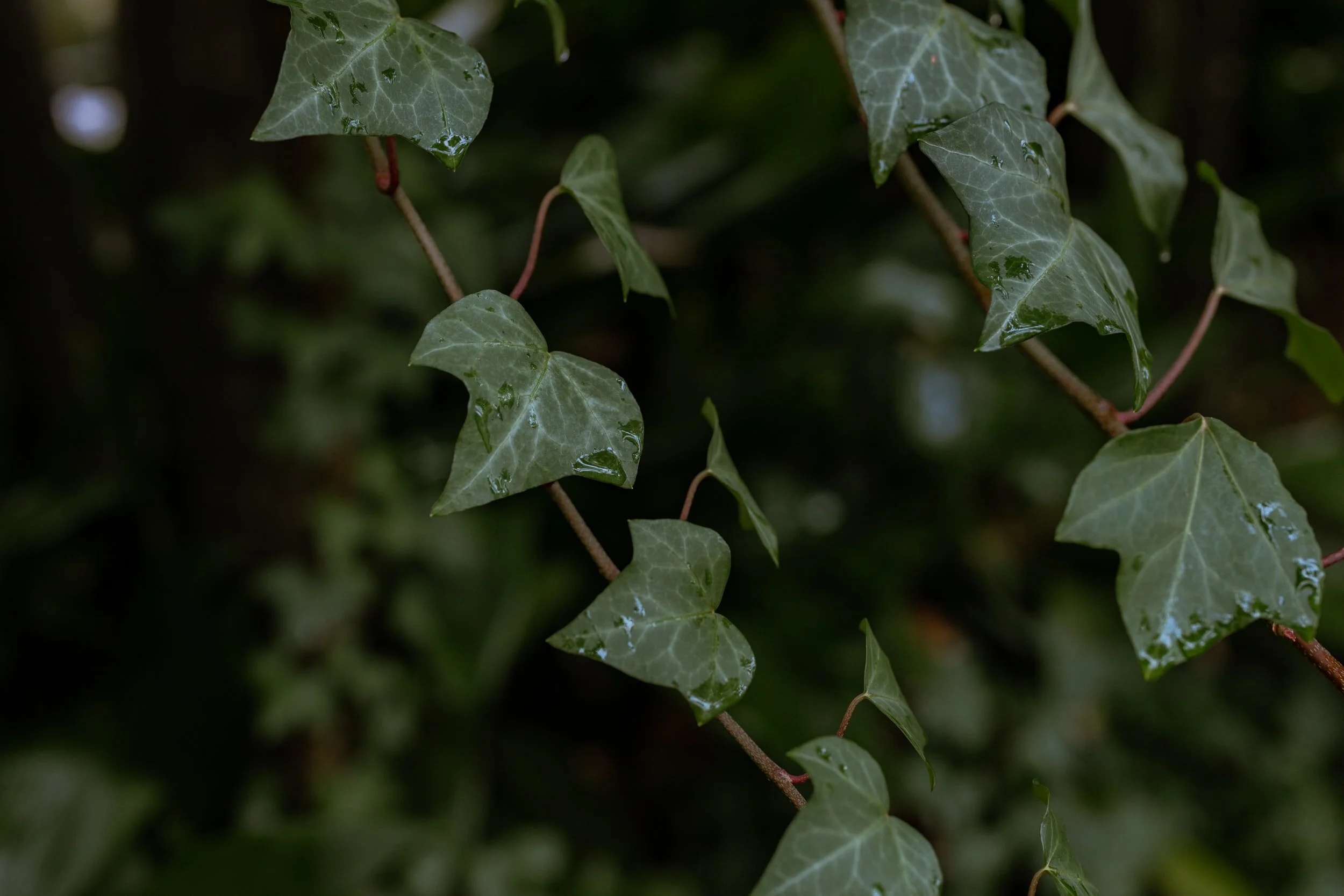
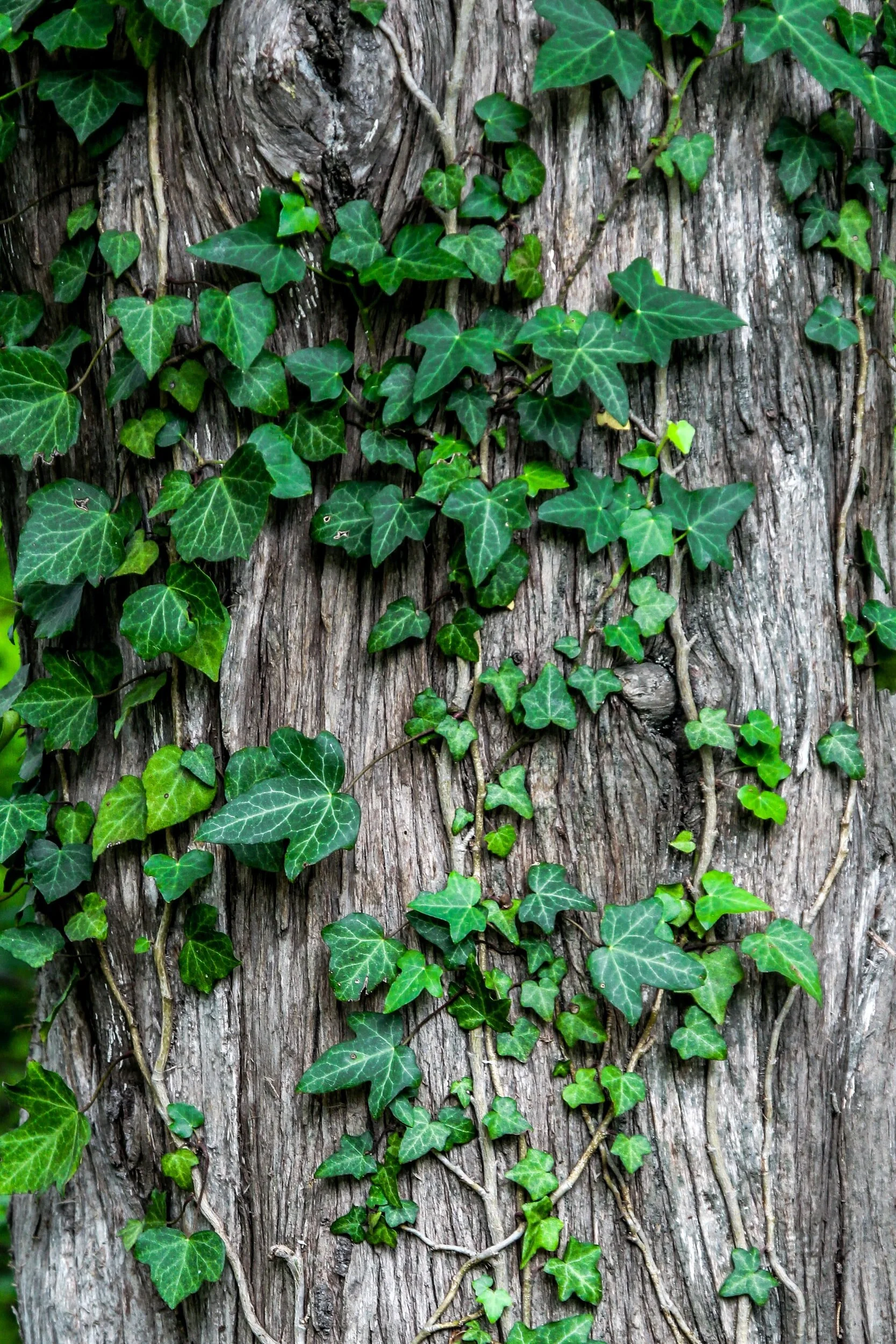
Ivy plants don't produce flowers until ‘adulthood’, or at least a decade old… sometimes older. And when they do, the flowers are not very significant in human terms, producing small, dome-shaped umbels of greenish flowers from September to November, which are followed by smallish black fruits from November to February. While its flowers and fruits are vital to wildlife (see below for more details), it is the plant’s leaves that particularly interest us humans. Colour-wise - young ivy leaves start a beguilingly vivid spring green, with contrasting pale veins, then turn darker, and the veins disappear. Shape-wise, ivy’s foliage shape depends on the plant’s age, too. On juvenile plant forms, the leaves are palmate, with 3-5 lobes. On mature forms, the leaves are more oval or heart-shaped, with no lobes at all.

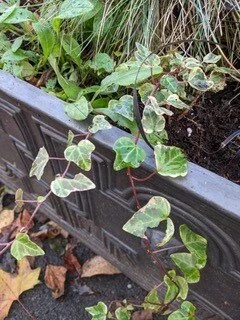
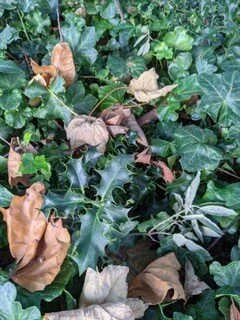
Detail of the ivy leaves growing at the Palace

Detail of the ivy leaves growing at the Palace

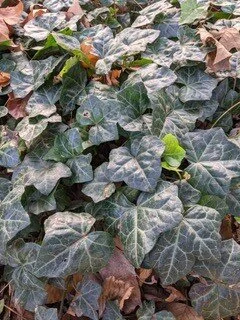
Youthful ivy leaves

Youthful ivy leaves

There are two native subspecies in the UK: Hedera helix ssp. helix and Hedera helix ssp. Hibernica (Irish ivy). There’s not too much difference between them, but the hibernica has a sweeter scent, and it has bigger, glossier leaves than the helix. You can see both species in the garden at Fulham Palace - under the Holm oak trees on the main lawn, intertwining with the holly, and also snaking along and up the Woodland Walk.

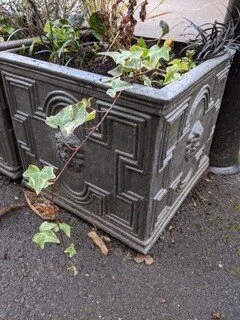
There are also many cultivated varieties of ivy, with variegated green and white leaves, such as those seen trailing prettily out of the planters outside the Education Centre. Many of us have these kinds of varieties in pots in our homes.

Note, no variety is parasitic.

Where you won’t see ivy… is growing on the palace walls.

While self-clinging climbers such as Boston ivy and Virginia creeper (both not ivies, but in fact Parthenocissus ssp) do not usually cause damage to walls, English ivy’s sticky ‘adventitious roots’ (specialised hairs coming out from the stems to help the plants attach to surfaces), can cause structural damage to unsound masonry, penetrating cracks or joints.

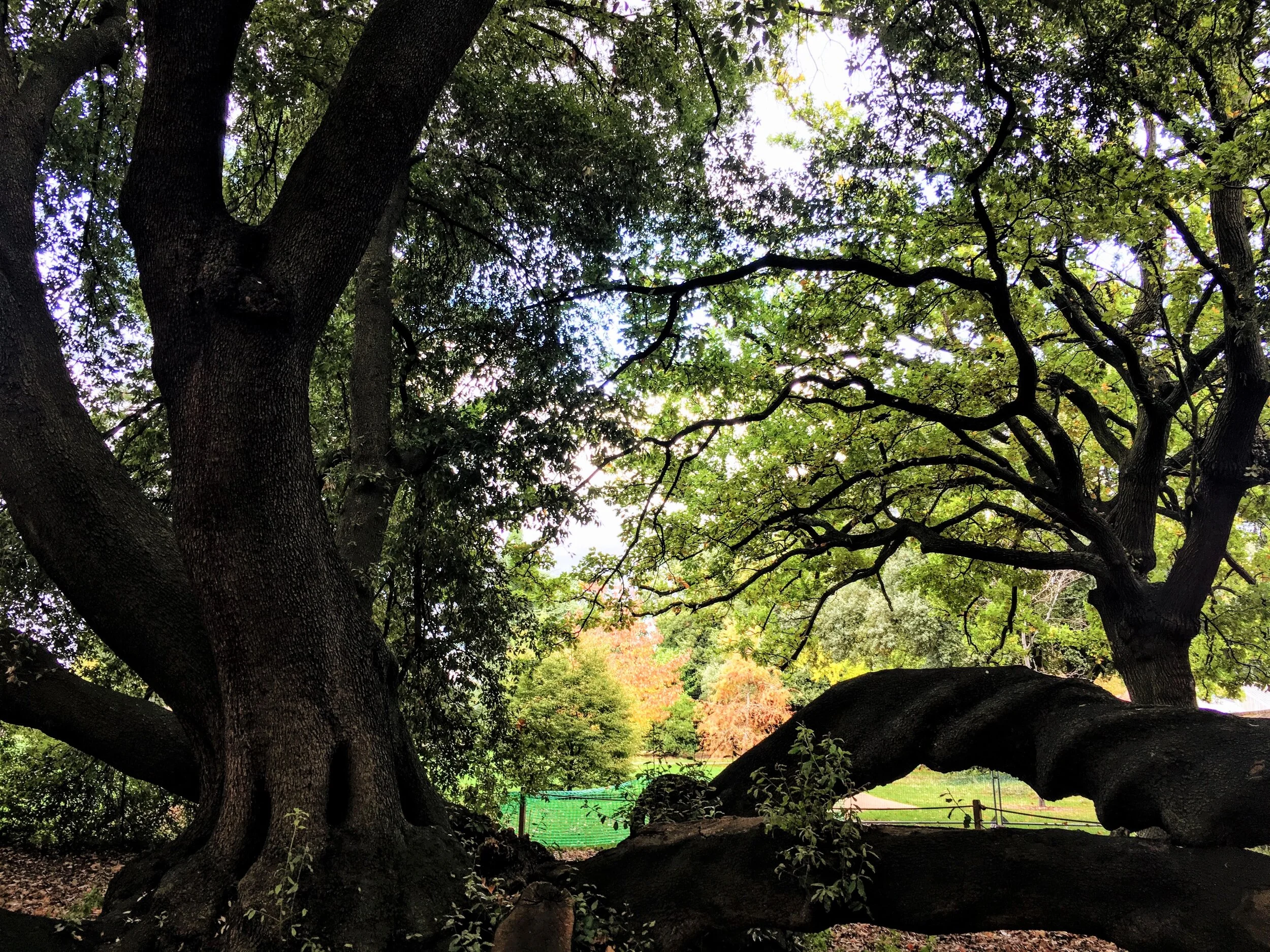
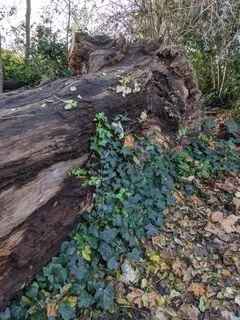
Ivy growing on the tree

Ivy growing on the tree

Ivy on the fallen tree. Ivy was thought to provide protection from evil when growing on or near to a dwelling. However, if it should die or fall down, then misfortune would fall upon those therein.

Ivy on the fallen tree. Ivy was thought to provide protection from evil when growing on or near to a dwelling. However, if it should die or fall down, then misfortune would fall upon those therein.

Tradition

Druids considered ivy to be a sacred tree, a feminine counterpart to the masculine holly. Together, the two plants would provide protection as well as balance and wisdom.

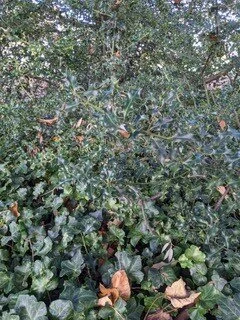
Ivy and holly. Another name for Holm oak (Quercus ilex) is Holly oak. Holm is a West Country dialect word for holly!

Ivy and holly. Another name for Holm oak (Quercus ilex) is Holly oak. Holm is a West Country dialect word for holly!

Ivy and holly close-up

Ivy and holly close-up

Druids also believed an ivy crown would prevent the wearer from getting drunk if they drank too much wine. No, it doesn't work, but in similar faith, wine-loving revellers, Roman god Bacchus and Greek god Dionysus wore such crowns too! Poets of Ancient Rome wore ivy garlands to keep their thoughts clear. While In ancient Egypt, ivy was dedicated to Osiris, the god of immortality and fertility.

The importance or power of ivy really is due to the fact it’s evergreen. Particularly in pagan, pre-Christian Irish, Norwegian and Germanic cultures, where evergreen trees and plants were used as fertility emblems in ceremonies to mark the winter solstice. By decorating their homes and temples with plants such as holly, ivy and mistletoe, people believed that they were carrying the diminished sun through a critical period.

Ivy is also linked to the Roman feast of Saturnalia. Held in mid-to-late December, in honour of Saturn, god of agriculture, plenty and wealth, this wine-fuelled harvest-meets-solstice party would last several days.

Much later, holly and ivy became Christmas symbols - as celebrated in the carol ‘The Holly and The Ivy’, published by Cecil Sharp in 1911: with the holly’s prickly leaves representing Jesus Christ’s Crown of Thorns; the red berries, the drops of blood Christ shed; and the ivy symbolising fidelity, resurrection and eternal life in Christ.

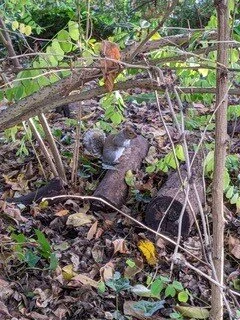
A squirrel enjoying his ivy surroundings

A squirrel enjoying his ivy surroundings

Wildlife

Ivy is ‘the plant equivalent of a 24/7 grocery store for animals’ (BBC Earth). Its rich nectar, pollen and high-fat-content berries are an essential food source for insects and birds during autumn and winter, while deer and sheep relish its leaves. According to the RHS, more than 140 species of insect and 17 species of bird feed on ivy in Britain, while countless others, including birds, voles and bats, appreciate its evergreen shelter. Note, dogs, cats and humans should avoid the berries.

Medicine and magic

Over the ages, ivy has formed the basis of many medicines, and is still thought to bring some relief to respiratory complaints. Renowned natural remedy brand A.Vogel produces alcoholic tincture from the fresh shoots of flowering wild ivy plants today. Ivy is still also used in spells and magic, as in the tradition of Druids.

As Queen put it - ‘it’s a kind of magic’

Ivy was considered a talisman in many parts of Europe to guard cattle from evil and ensure fertility and plentiful yields of milk.

Ivy was considered a talisman in many parts of Europe to guard cattle from evil and ensure fertility and plentiful yields of milk.

The verdict on ivy

It’s complicated!

As well as yielding beautiful foliage, disguising eyesore sheds and facades, and trailing decoratively out of pots and planters, and bridal bouquets, ivy also makes excellent groundcover, covering and brightening up difficult areas such as dry shade, while also stabilising the soil and providing year-round greenery.

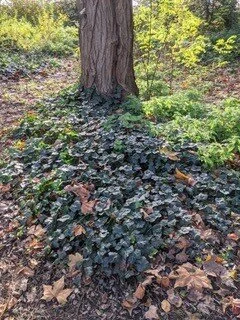
Ivy floor cover

Ivy floor cover

Yes, ivy is vigorous, but when pruned correctly, and regularly, it keeps its shape, and neither sound brickwork, nor trees are damaged by it. And while not appropriate for Fulham Palace’s walls, both the RHS and English Heritage acknowledge that ivy can actually be useful to structurally sound buildings - by insulating and cooling walls, trapping pollutants and attenuating noise.

The thing to keep in mind with ivy is location - and that old gardening adage:

‘Right plant, Right place’

which in this case basically means, in the wrong place, ivy is a nightmare (vigorous weed); but in the right place, it’s a delight (a jolly useful addition to your garden)!

Not forgetting, animals depend on ivy, healers extract useful properties from it. And I cannot imagine not seeing it in garlands and wreaths at Christmas and weddings!

At once common, useful and magical, traditional yet contemporary, ivy has a lot to offer humans and wildlife. And, call me controversial, I love it. Perhaps even more than Marmite.

Ivy is the only European representative of the Araliaceae family. As such, it is a relative of the Far East's ginseng.

Ivy is the only European representative of the Araliaceae family. As such, it is a relative of the Far East's ginseng.

Big Garden Birdwatch 2021 - this weekend!

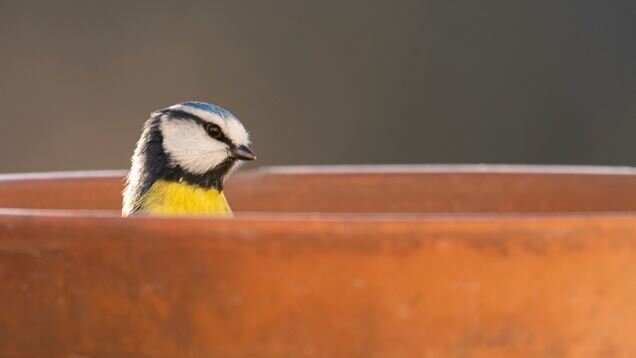
Blue tit in a flower pot, RSPB

Blue tit in a flower pot, RSPB

Bring nature to you

At Fulham Palace we are joining thousands of people taking part in the RSPBs Big Garden Birdwatch this weekend!

You too can join in from 29 - 31 January and see the drama unfold on your doorstep.

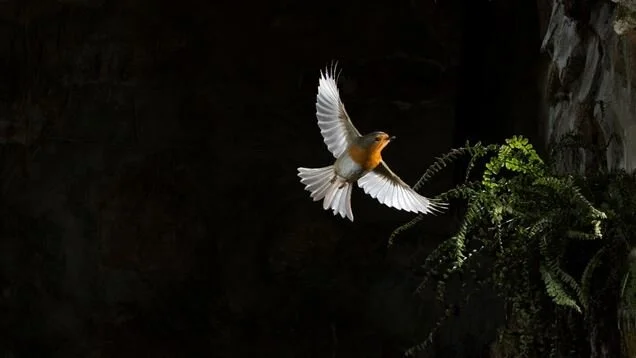
Robin in flight, RSPB

Robin in flight, RSPB

By giving up just one hour on Friday, Saturday or Sunday this weekend you can take part in the world’s largest wildlife survey. Even better, it’s all from the comfort of your own homes!

Next week we’ll be posting photos and letting you know how Lucy, Pete, Annette, Matt and Millie got on this Friday. We’d love to share your photos on here too so please do send them to Rachel on rachel.bagnall-bray@fulhampalace.org

To join in the RSPB’s birdwatch just click ‘I’m in’ below!

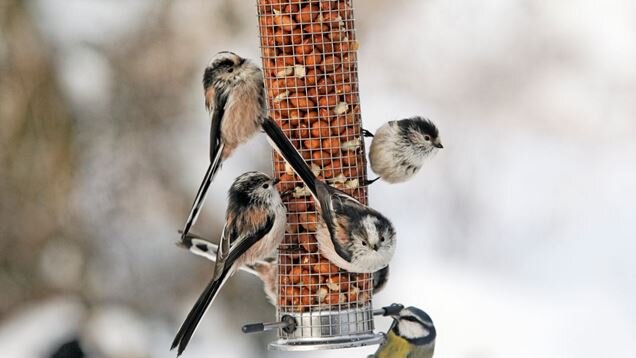
Long tailed tits and blue tit on feeder, RSPB

Long tailed tits and blue tit on feeder, RSPB