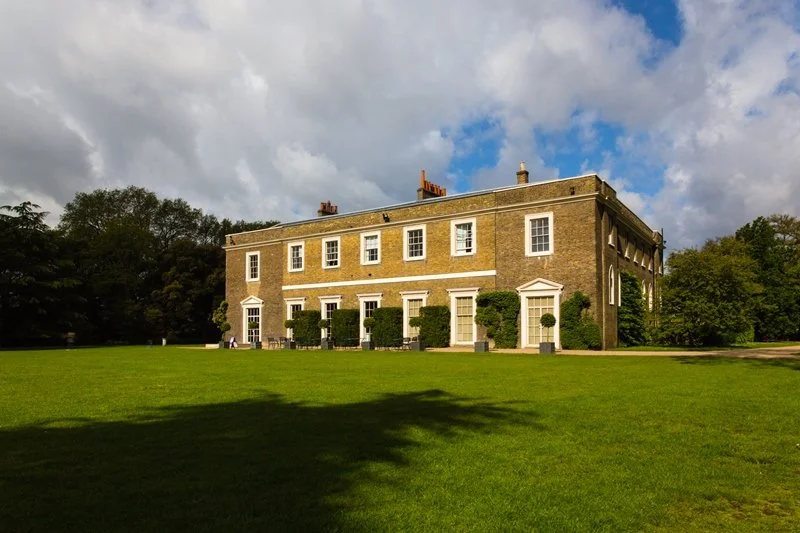
January's object of the month

Every month we feature two blogs written by volunteers; one describes an object in the Palace and the other a feature from the Garden. There is no set format so you are free to experiment with research, prose, poetry or anything new! This piece was kindly written by Esther Dean.

A Phoenix from the Ashes

The original photograph that sent me on my quest.

The original photograph that sent me on my quest.

When I was training to be a garden guide, I was going through some old photos and came across a picture of a magnificent plane tree growing between the allotments and the walled garden. I went in search of it and could not find it and then I realised it was the lowering presence at the end of the path running alongside the allotments. Stripped of its bark and two stumps of branches held aloft. its form always reminded me of Goya’s moving painting El tres de Mayo de 1808. a resistance fighter about to be shot holding his arms up in fearful surrender.
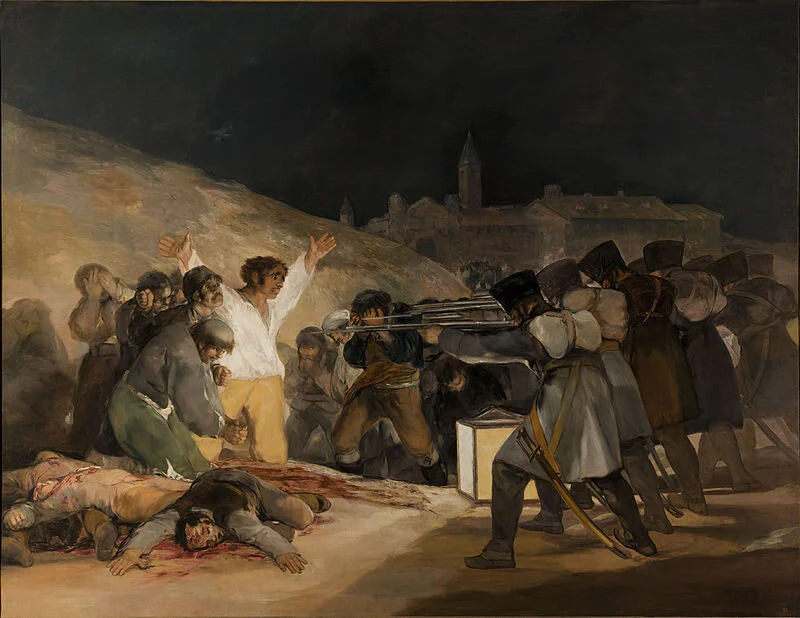
Francisco de Goya, El tres de Mayo de 1808, 1814, oil on canvas, Prado Museum, Madrid (Image source: Wikimedia commons)

Francisco de Goya, El tres de Mayo de 1808, 1814, oil on canvas, Prado Museum, Madrid (Image source: Wikimedia commons)

And then one day, the arms had gone; he (and he definitely is a he) was no longer gesturing in expression but transformed into the figure of an old, upright sergeant major, a figure reigning over the path. I don’t know why the arms were removed. I suppose they were getting rotten and a threat to life and limb. However, on looking closely at the base of the trunk, you could see green shoots of new growth. He had definitely not given up the ghost. Life was resurgent.

Then - horror of horrors - he was found to have been burnt to the ground, his bark fallen apart, a heap of dying ashes. I don’t suppose we will ever find out who undertook this act of vandalism, but it was a moment of great sadness to see this valiant old soldier reduced to this smoking pile.

I mourned his loss, took photos and hoped that sometime I would do an embroidery of him.
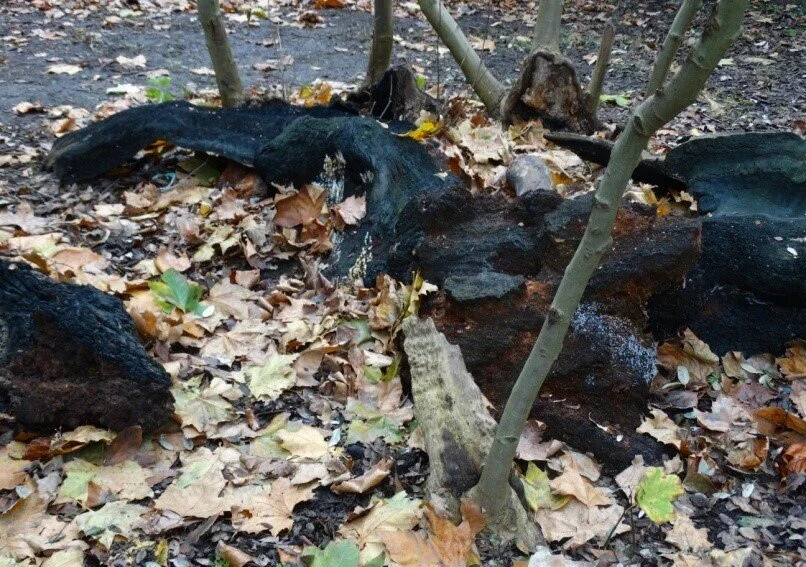
The ashes of the trunk after the fire.

The ashes of the trunk after the fire.

My first impression of the tree before its destruction, Esther Dean.
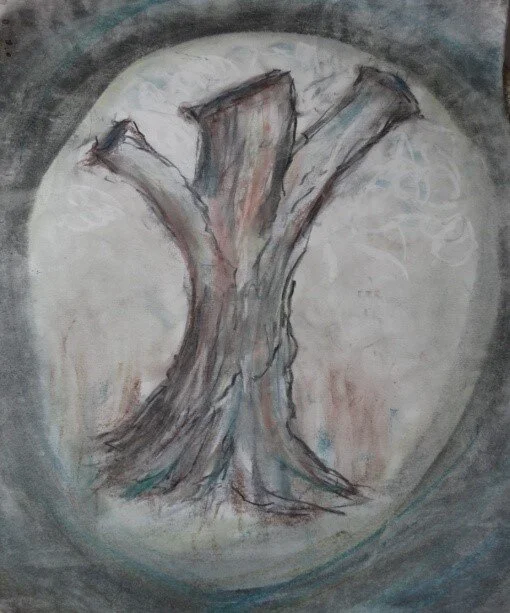
My first impression of the tree before its destruction, Esther Dean.

My second impression of the tree, also before its destruction, Esther Dean.

My second impression of the tree, also before its destruction, Esther Dean.

Joyfully, nature is stronger than we think. From the ashen remains of the bark, yet again, green shoots emerged. There is now a veritable thicket of tender saplings rising from the ashes. He will never be the same thick-trunked tree of the past but now a magnificent coppice, proving that there is perhaps immortality after all.

A living phoenix rising from the ashes.
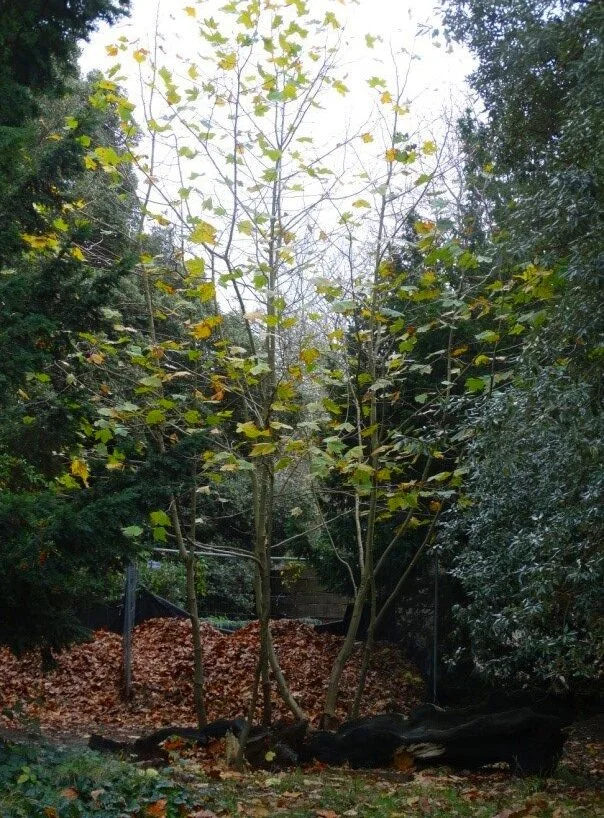
The phoenix rising from the ashes.

The phoenix rising from the ashes.
Free talk: Bankside's Rose Playhouse: Exploring the watery landscape of archaeology; architecture; and performance

Hello everyone! 

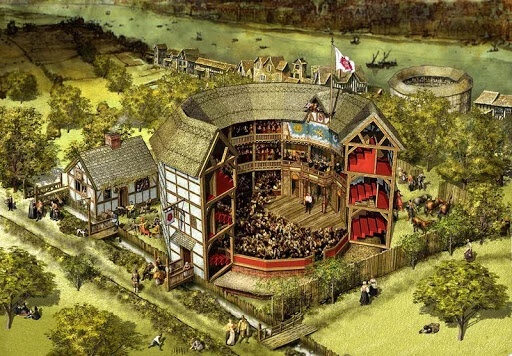
The Rose from Visscher's View of London 1616

The Rose from Visscher's View of London 1616

This Friday, 15 January, from 19.00 - 20.00 I will be giving a free online talk for the City of London Archaeological Society (COLAS) about the archaeological site of the Rose: Bankside's Rose Playhouse: Exploring the watery landscape of archaeology; architecture; and performance. 

Hope to see you there!

With All Good Wishes,

 Suzanne

The Rose Playhouse

The Rose Playhouse

December's object of the month

December’s object of the month - and the last of the year(!) - is on the discovery of a new object for the collection!

Every month we feature two blogs written by volunteers; one describes an object in the Palace and the other a feature from the Garden. There is no set format so you are free to experiment with research, prose, poetry or anything new! Thank you to Erin Brudi, Learning placement student from Kingston University, for this thoughtful and creatively written piece.

book 1.jpg
book 3.jpg

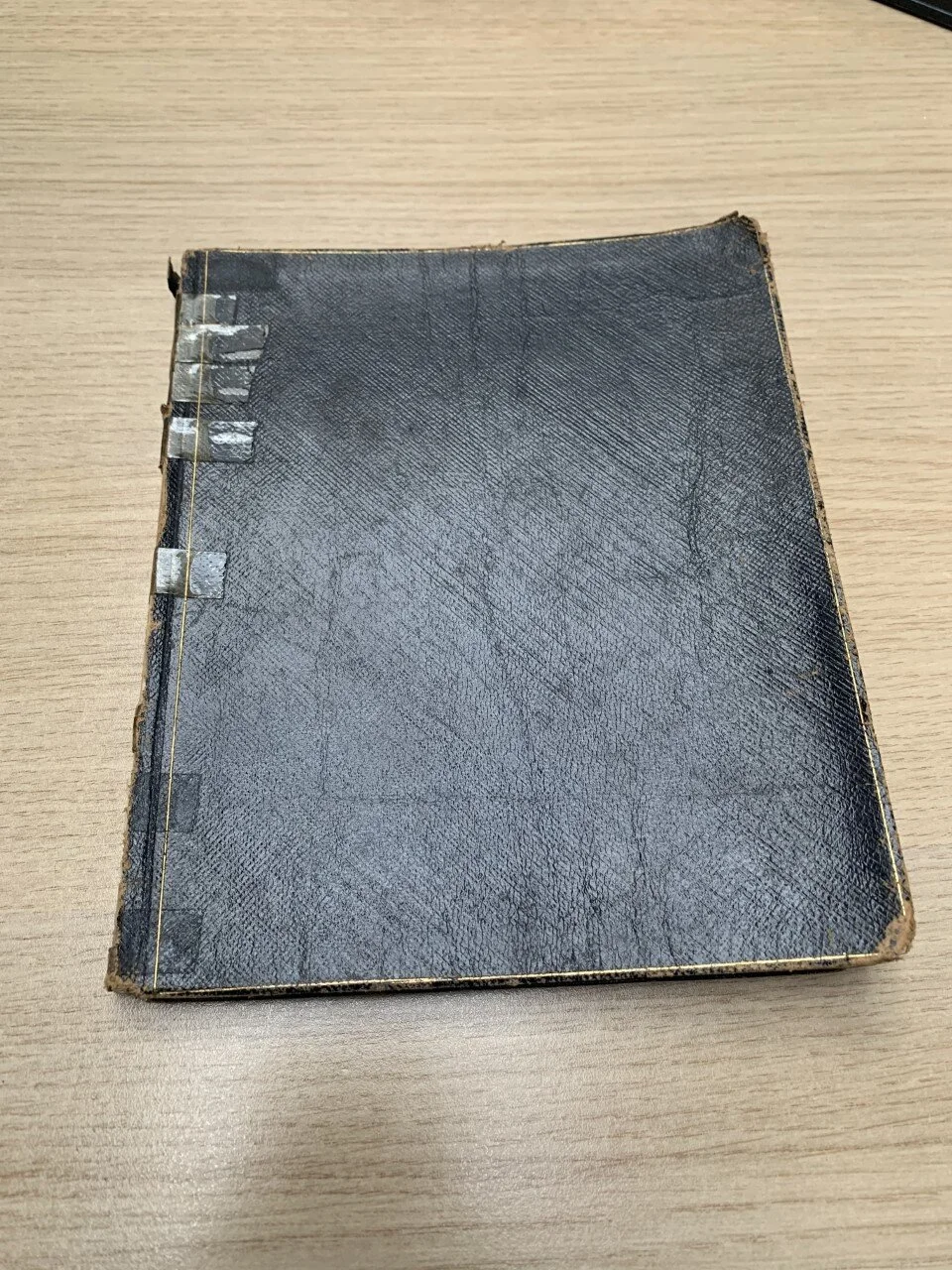
Tucked away in a small corner bookshelf in the upstairs library, Alexis, Community Archaeologist, stumbled upon a small black leather notebook. Aged and worn, the binding of the small well-loved black notebook was held together with clear sellotape. Having been tucked away, this notebook had yet to be added to the collection! It surely was an exciting Christmas find!

The notebook when closed

The notebook when closed

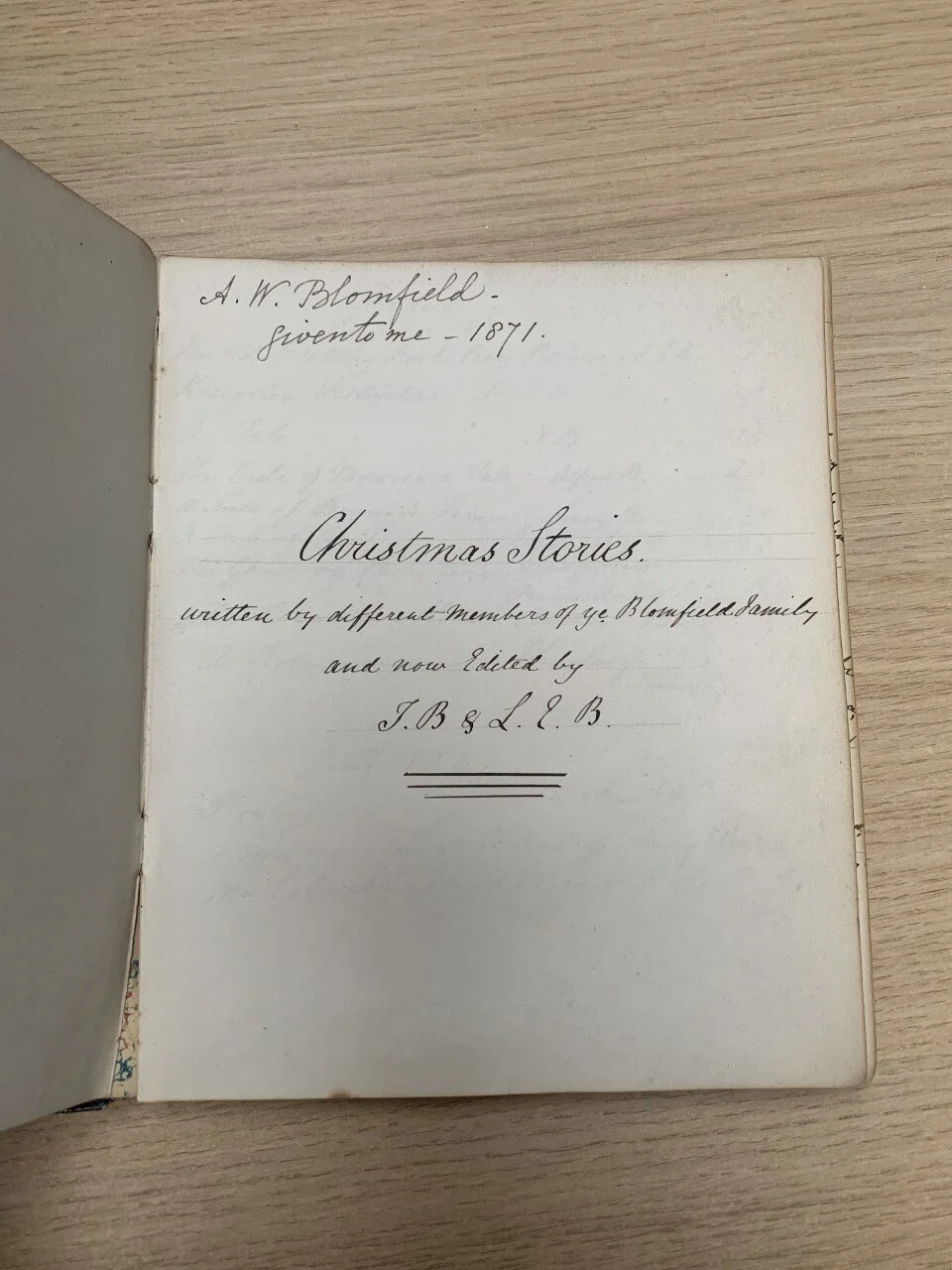
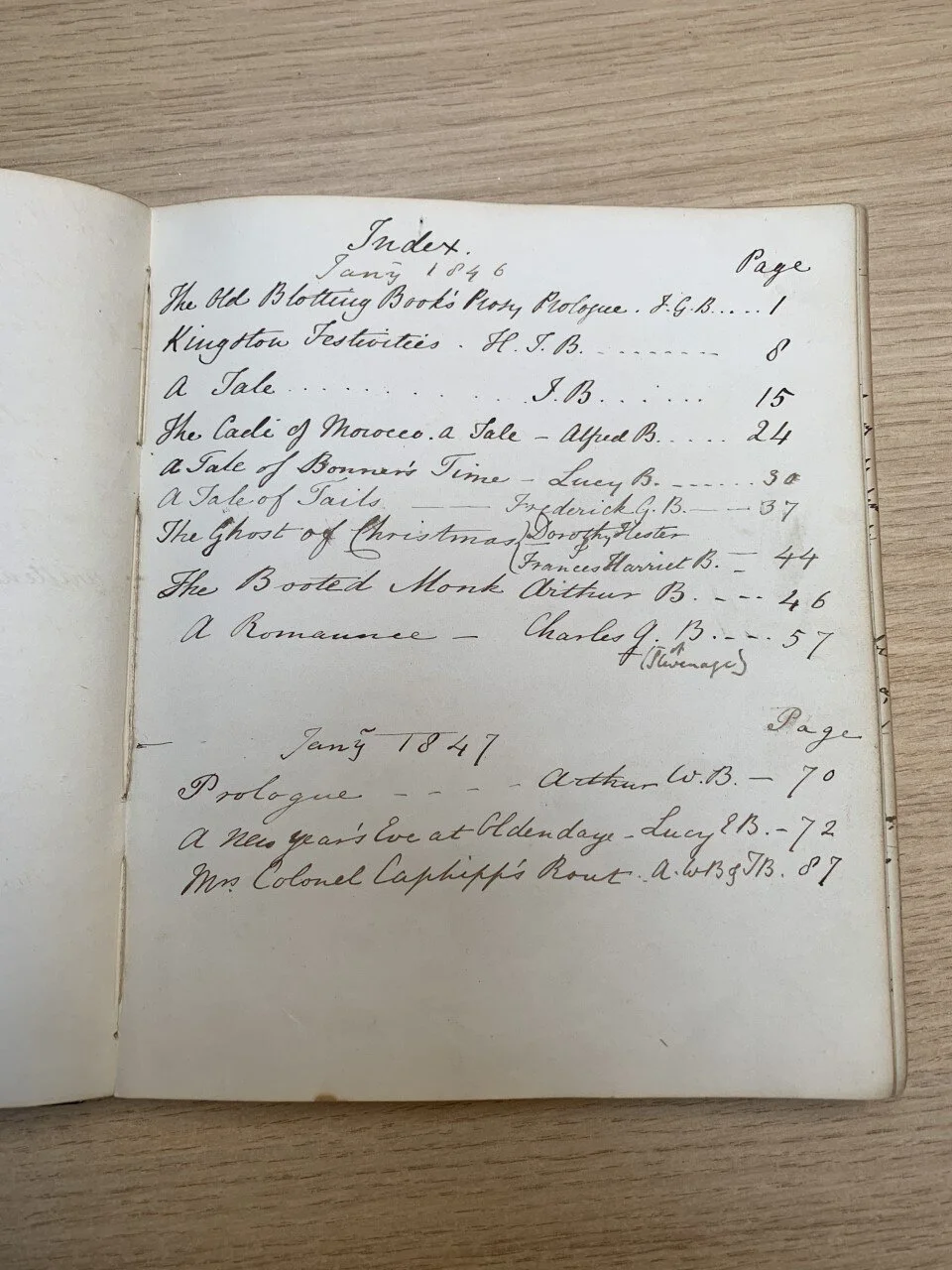
Upon opening, the notebook greeted the reader with a title page that read “Christmas Stories written by different members of the Blomfield family and now edited by J.B & L.L. B”. The notebook, complete with an index, held ten Christmas themed stories. Eventually, in 1871, the book would end up in Arthur Blomfield's hands, Arthur would go on to become a famous architect. What better way to get in the festive spirit than gathering with loved ones and sharing stories? That’s just what Bishop Blomfield and his family did during Christmas time!

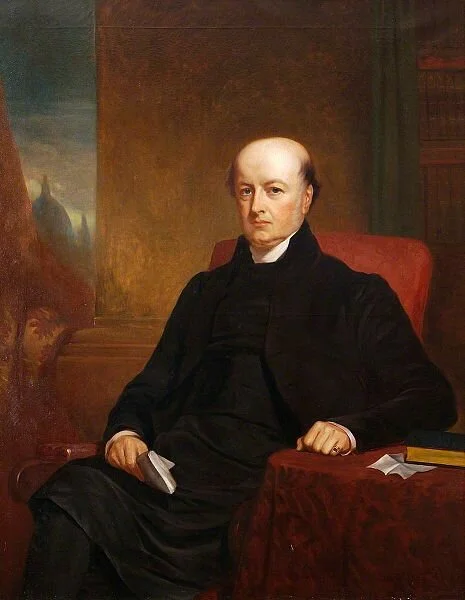
Bishop Charles James Blomfield became Bishop of London in 1828 and held the position for 28 years. Blomfield married Anna Maria Heath in 1810 and would have six children with her. After Anna Maria’s death in February of 1818, Blomfield would then marry Dorothy Cox a year later on 17 December 1819. Dorothy and Charles would have eleven children together!

Bishop Charles James Blomfield (1786–1857), oil on canvas, 19th century, Collection: St Edmundsbury Museums.

Bishop Charles James Blomfield (1786–1857), oil on canvas, 19th century, Collection: St Edmundsbury Museums.

With so many children and such a large family, they must have had such wonderful Christmas celebrations! One tradition that was important to the Blomfield family was gathering together and reading some short stories—such as the stories found within the black book, also known as the Blotting Book. The stories collected in the Blotting Book tell all different types of stories. The index gives titles such as “Kingston Festivities”, “A Tale of Taits”, “The Booted Monk”, “The Ghost of Christmas” and many more! These stories could have been made up stories by the Blomfield children, or maybe they could have been local tales about the previous bishops.

book 4.jpg

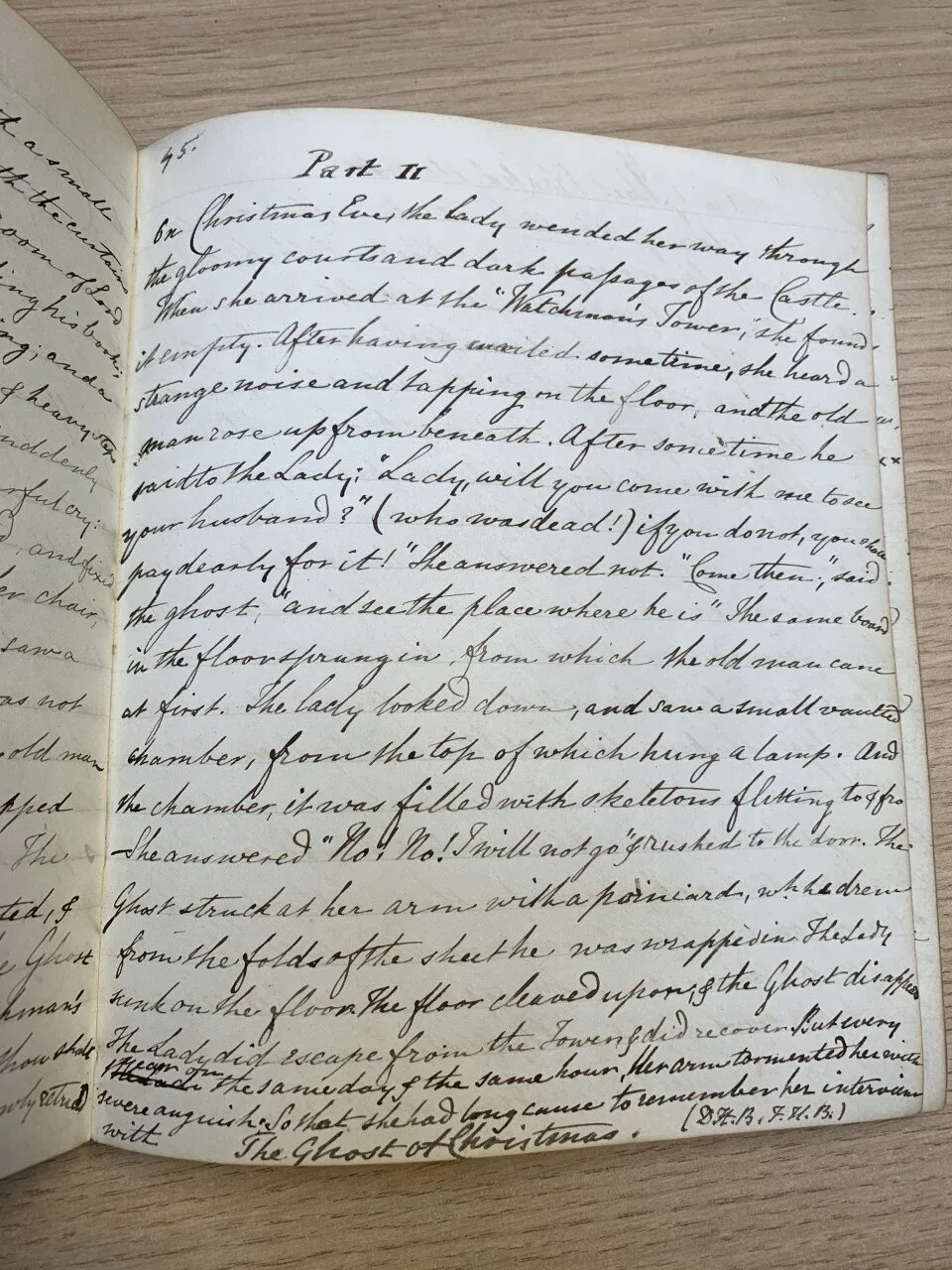
The Blotting Book is fascinating for a few reasons but, to me, the reason I find it so interesting is knowing that then this book is a physical connection to the Blomfield family. You can see the different handwriting within the notebook and which child wrote it. You can also see the mistakes made and crossed out before re-penning the tale. It’s small details like this that remind us the Blomfield children were very much human and make the same spelling mistakes we also make.

You can hear one of my favourite of the Christmas stories included in the Blotting Book on Youtube, read aloud by Alexis. The tale, “The Ghost of Christmas” was written by Dorothy Blomfield and her cousin Francis in 1846, both aged 10, and tells of a woman’s encounter with the ghost of Christmas. This will be posted on Christmas Day - so be sure to keep a look out for it!

December's specimen of the month

Our final specimen of the month of 2020!

Every month we feature two blogs written by volunteers; one describes an object in the Palace and the other a feature from the Garden. There is no set format so you are free to experiment with research, prose, poetry or anything new! Thank you to Jamie Atwell, Garden and head gardener’s admin assistant volunteer for this fantastic piece.

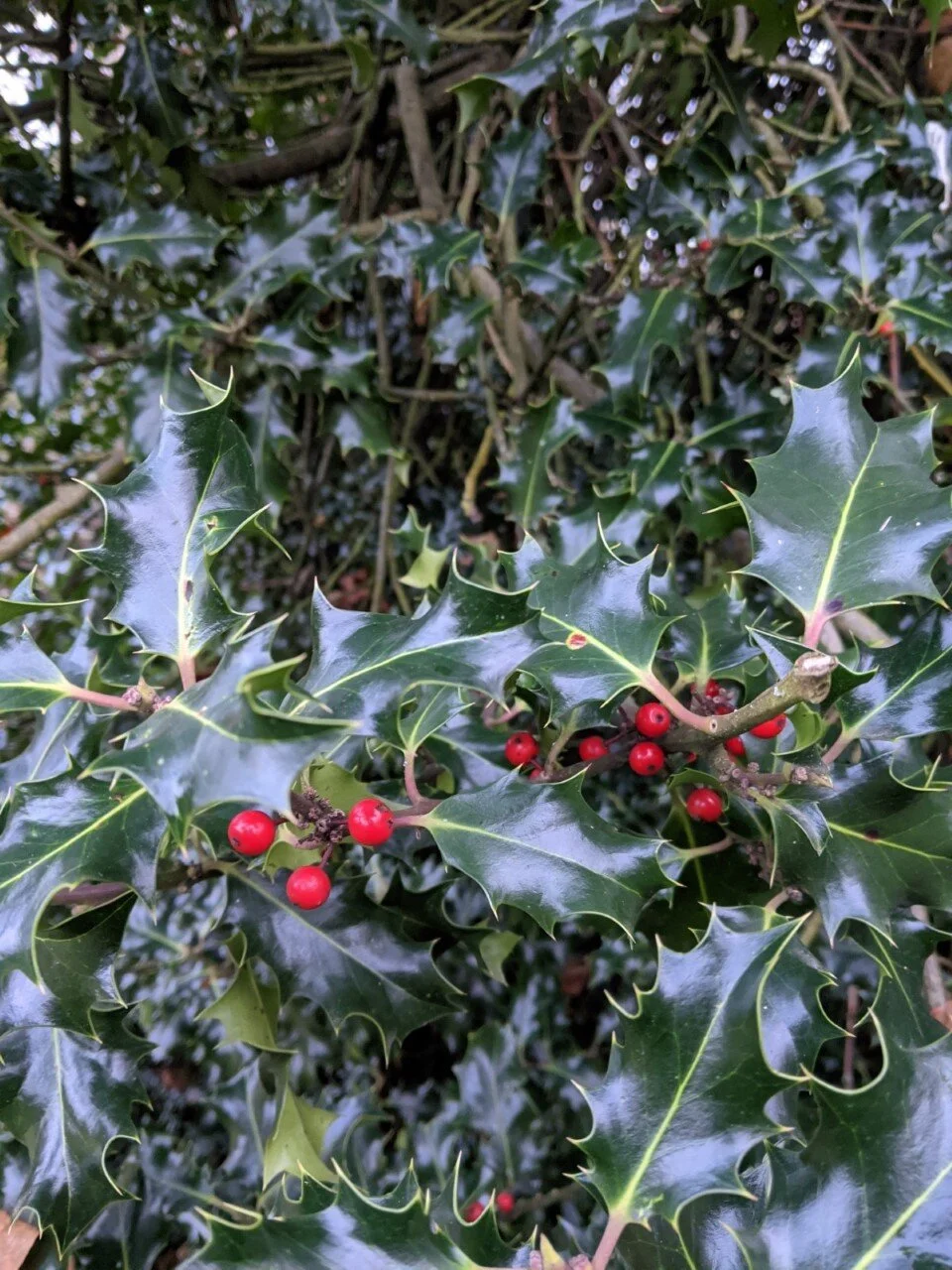
Holly in the Palace Gardens, taken by Rachel Bagnall-Bray this winter

Holly in the Palace Gardens, taken by Rachel Bagnall-Bray this winter

Holly is not just for Christmas

What was Harry Potter’s wand made out of? What was the caffeinated beverage of choice for indigenous North Americans?  Whose leaves act as miniature lightning conductors?

 Like many of us, I’ve started to think about Christmas and particularly decorations.  Exasperated by the tangle my Christmas tree lights had got into (how do they do that  -  they were neatly coiled up when I put them away last year ?) I began musing on another important Christmas feature  -  holly. It’s only at this time of year that I’ve ever given any thought to holly, or Ilex aquifolium, as the learned would call European holly.  So is it just a Christmas adjunct or is there more to this plant than I thought?  My researches revealed some interesting results.

image.jpg

Holly is found all over the world, with more than 400 different varieties. We are used to our homegrown version with its red berries (or rather drupes to be pedantic) but other more exotic varieties have white or even yellow berries. George London, who was Head Gardener here at Fulham Palace in the late 17th / early 18th century went on to achieve fame as a nurseryman and garden designer. He incorporated holly into his designs for a number of gardens; Dyrham Park near Bath being a notable example.

In the past, when hedgerows were being trimmed, hollies were left uncut. Folklore says that it was to prevent witches running across the top, though the likelier answer is that they provided a line of sight for farmers during winter ploughing. The wood of the holly tree was widely used in marquetry. Their leaves were also prized as a nutritious winter feed for livestock, no really.

Oh, and my three questions above?

Harry Potter’s wand was made out of holly wood. A favourite drink of indigenous North Americans was Cassina which was brewed from a species of holly native to North America. It is a fact that the spines on holly leaves do act as miniature lightning conductors. Doubtless, that explains why, in olden times, holly trees were planted near to a house.

So this year, when I “deck the halls with boughs of holly” I’ll know that it’s not just a Christmas delight.

Christmas Quiz!

Take our Christmas Quiz of 2020 - only 10 questions, so see how many you get right!

Thank you to Jamie Atwell for coming up with the questions and Naomi Jennings - O’Toole for formatting them!

Loading...