
Masks, hand sanitiser and gloves: a few tips for our 'new normal'

You wouldn’t have believed an image of London in 2020 with people wearing masks and gloves to protect themselves from a virus back in January, but it’s our new normal. There’s so much changing information and seemingly contradictory advice that we’ve put together this blog with some handy tips on using that much dreaded buzz word… PPE (personal protective equipment)! These practical guidelines are compiled from various resources provided by the World Health Organisation (WHO).

Face masks

  • Face masks are essential for good respiratory hygiene. They prevent the spread of the virus from the mouth and nose;

  • Please ensure both your mouth and nose are covered with your mask and secure it around your ears or head;

  • If you are using a single-use mask, please dispose of it correctly and after each use. If reusable, wash it in line with manufacturer’s instructions at the highest temperature appropriate for the fabric;

  • Try to avoid excessive handling of the mask and try to touch just the ties or straps when wearing or removing it; and

  • Opt for multi-layered fabrics where possible. The WHO recommends 3 layers, depending on the fabric used.

Gloves

  • Gloves are best used when you are anticipating contact with a potentially infectious surface, object, open wounds or bodily fluids;

  • Gloves do not replace good hand hygiene, but they can effectively reduce cross-contamination when used effectively;

  • A very important rule about using gloves is - only use them once!

    The WHO outlines that there is no tried and tested way to completely sterilise gloves once used. Please see this guidance extract below:

As medical gloves are single-use items, glove decontamination and reprocessing are not recommended and should be avoided, even if it is common practice in many health-care settings with low resources and where glove supply is limited.

At present no standardized, validated and affordable procedure for safe glove reprocessing exists. Every possible effort should be made to prevent glove reuse in health-care settings, such as educational activities, to reduce inappropriate glove use, purchasing good quality disposable gloves and replenishing stocks in a timely manner.

  • Importantly, wash your hands with soap and water before and after putting gloves on; and

  • Avoid touching your face when wearing the gloves.
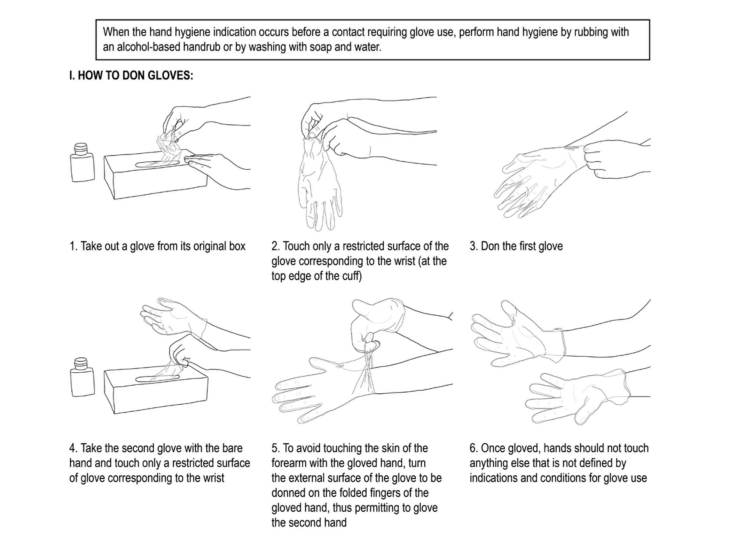
WHO advice on correctly donning gloves
WHO advice on correctly donning gloves

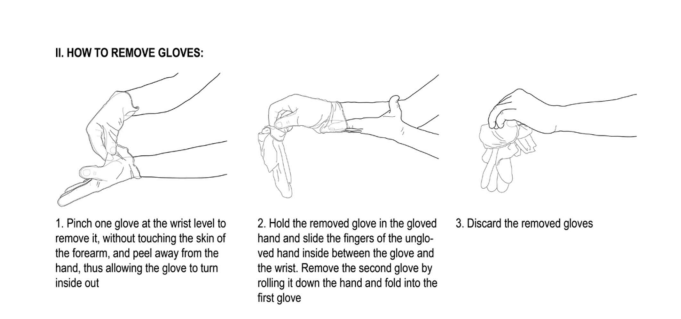
WHO advice on correctly removing gloves

WHO advice on correctly removing gloves

Hand sanitiser

Cleaning your hands frequently and thoroughly is vital to protect yourself and others against COVID-19.

  • Soap and water sufficiently removes the virus from your skin but an alcohol-based hand sanitiser is effective if hand washing is not available. Ensure your hand sanitiser is alcohol-based;

  • Please store hand sanitiser safely as it is flammable;

  • Apply a coin-sized amount on your hands. There is no need to use a large amount of the product; and

  • Avoid touching your eyes, mouth and nose immediately after using an alcohol-based hand sanitiser, as it can cause irritation.

Thanks for reading on about best use of masks, gloves and hand sanitiser. Hopefully you’ve picked up a couple of new bits of information and have more confidence about the best use of these products to keep you safe. Together, we can ensure the safety of all who come to the Palace.
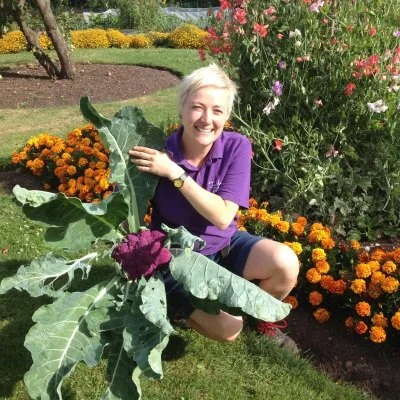
Lucy Hart Featured by the Blogger Spitalfields Life

Lucy Hart

Lucy Hart

Our Head Gardener Lucy Hart was interviewed by ‘The Gentle Author’, the curious writer behind the popular blog Spitalfields Life. The blogger vows to write something new about life in Spitalfields, at the heart of London, every single day, until they have reached 10,000 pieces! That will take The Gentle Author twenty-seven years and four months to accomplish, but the challenge is their personal aim to explore the endless experiences, cultures and spaces that London has to offer. We are delighted to have been featured as a place of exploration and even more so that our wonderful Head Gardener has been celebrated in this blog.

Below is a brief extract. Click the link at the end to head over to the Spitalfields Life website for the full interview.

Lucy Hart, Head Gardener At Fulham Palace

One of my favourite gardens in London is that at Fulham Palace. So it was a great delight last week to cycle over from Spitalfields to meet the horticultural genius behind this wondrous creation, Lucy Hart, Head Gardener. Contributing Photographer Sarah Ainslie joined us, driving from Bethnal Green to create the accompanying photoessay.

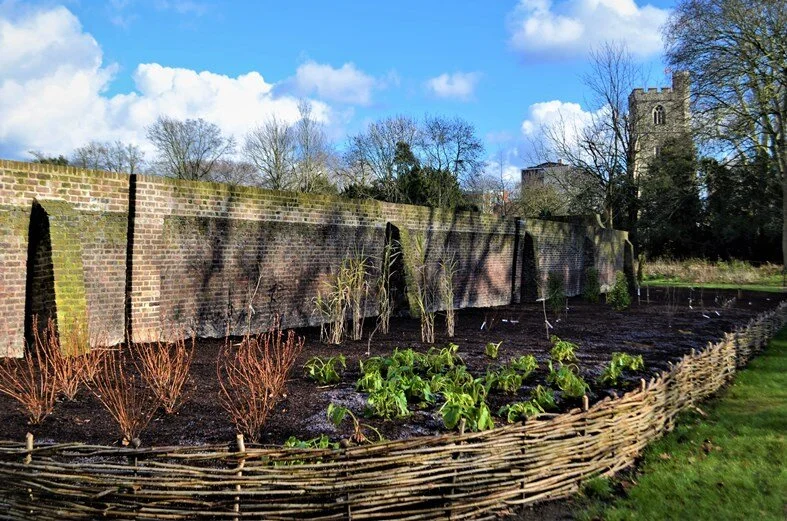
In recent years, Lucy has created an enchanted vegetable garden interwoven by flowers within the confines of this ancient walled enclave overlooked by the tower of All Saints, Fulham. I defy anyone not to be seduced by Lucy’s inspired planting combinations – purple gladioli and cabbages or carrots and marigolds – enfolded among old fruit trees and punctuated by long lines of runner beans.

This is the ultimate walled garden of romance, recalling The Secret Garden or Tom’s Midnight Garden, with a fine knot garden and magnificent architectural glasshouses filled by the pungent fragrance of tomato leaves, all within the embrace of crumbling Tudor walls lined with deep herbaceous borders.

Escaping the blinding sunlight at noon, Lucy, Sarah & I sought refuge within the shadow of a venerable apple tree. Lucy told us her story, revealing her horticultural passions, while the sprinklers tick-ticked around us casting rainbows as their showers of waterdrops fell upon the verdant foliage.

‘”For three and a half months, during lockdown, we had to close the gardens but we gardeners came in as usual. It was a strange, exciting time when we had this amazing garden to ourselves …..

The Compton Beds

The Compton Beds

Specimen of the Month - Our Wonderful Walled Garden Preserves

Every month we feature two blogs written by volunteers, one describes an object in the Palace and one a plant from the Garden. It is a great way to learn more about the Palace. If you would like to contribute there is no set format so please do send in your ideas.

Our delicious Walled Garden preserves and chutneys are the result of the hard work of Sarah Nicholl-Carne, Garden Volunteer and Beekeeper Volunteer. Read on for the secrets of the success of these wonderful spreads.


When Fulham Palace closed its doors at the end of March, the only people allowed in were the garden team, and one or two Palace staff, to keep an eye on the buildings. Once a week, the beekeeping team (classified as agricultural workers, and therefore exempt from the lockdown rules) came to check the hives. Otherwise, all was silent for three whole months.

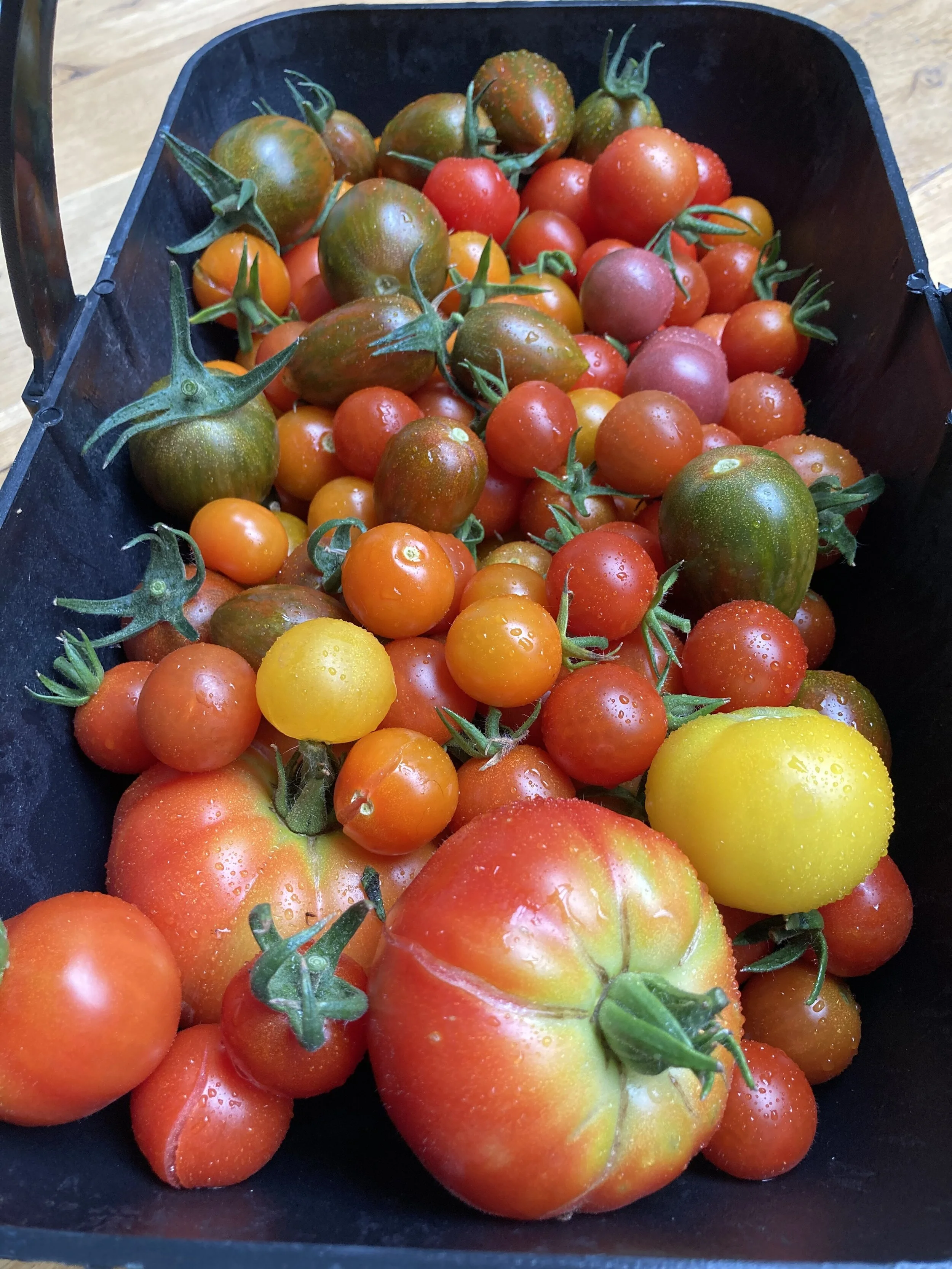
The gardeners and garden apprentices worked hard, but claimed they missed the 50 or so garden volunteers, who regularly used to do some of the work. And, of course, the wonderful organically grown fruit and vegetables in the Walled Garden kept growing. In normal times, these are sold on the Barrow, but with lockdown, there was no outlet for them.

Harvested and in need of a home.

Harvested and in need of a home.

Since 2015, I have been making chutneys and jams for sale at the Palace, especially when there is a glut of cucumbers, cherry plums, apples, etc. But this year, everything needed to be made into a preserve, or it would go to waste.

First up was the rhubarb. I started off making Rhubarb and Ginger Compote (55 jars), then tried Rhubarb Chutney, which turned out quite well. Next, the cucumbers in the Vinery came on at an alarming rate; I made 144 jars of Snozzcumber Pickle, which has become popular at the Palace over the past 6 years. Snozzcumber, or course, is a word invented by Roald Dahl, and is described as a huge, hairy cucumber, eaten by the Big Friendly Giant. Our version uses cucumbers.

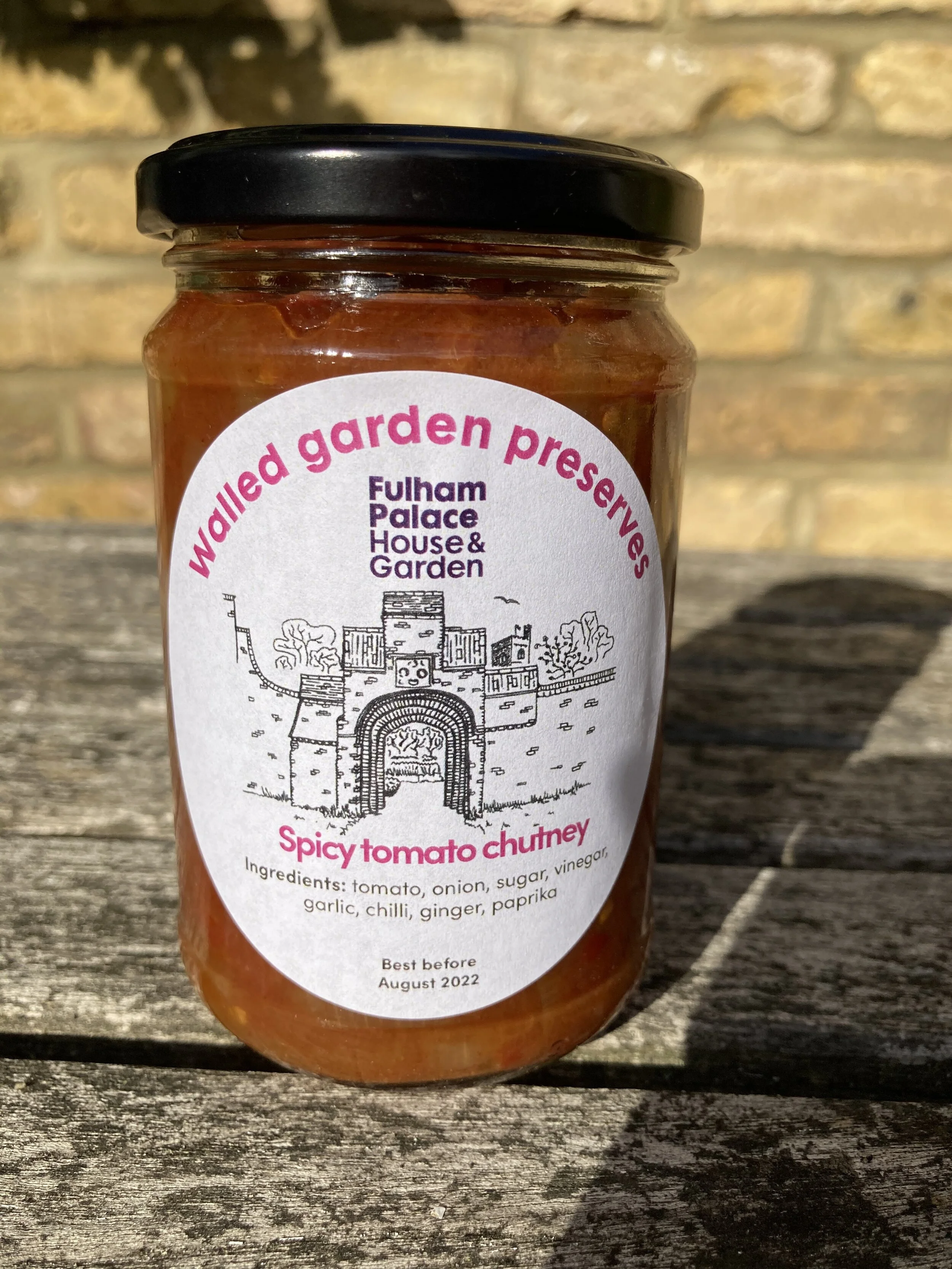
There was a little soft fruit, to make Strawberry, Raspberry and Gooseberry Jam, and then the Palace opened again, to the public and the garden volunteers. There were still surfeits of beetroot, resulting in Spiced Beetroot and Orange Chutney, and excess tomatoes in the Vinery have become Spicy Tomato Chutney.

The tomatoes happy as chutney.

The tomatoes happy as chutney.

Now Simon has joined the chutney team (of 2), making Rhubarb & Ginger Jam, and Apple & Marrow chutney.

All these are available on the barrow, Tuesday – Saturday, and we will have a stall with a huge selection at Apple Day; Sunday 4th October in the Walled Garden.

Our thanks go to Sarah for writing up this piece and for her excellent preserve and chutney making!

World Photography Day 2020

On world photography day, Wednesday 19 August, we celebrated the wonderful photos taken by our photography volunteers on Instagram, the free photo and video sharing application. We want to say a big thank you to our photography volunteers who capture the changing seasons and enchanting sights at the Palace. Many of you, photography volunteers or otherwise, take beautiful photos of the Palace and we always love to see them - thank you for sharing them with us.

If you have any photos or drawings you’d like to share on the portal please send them to me at rachel.bagnall-bray@fulhampalace.org and I’ll post them on the gallery.

Photography day - instagram screenshot.png

Click and collect is here!

FP shop 3.jpg
FP shop 4.jpg

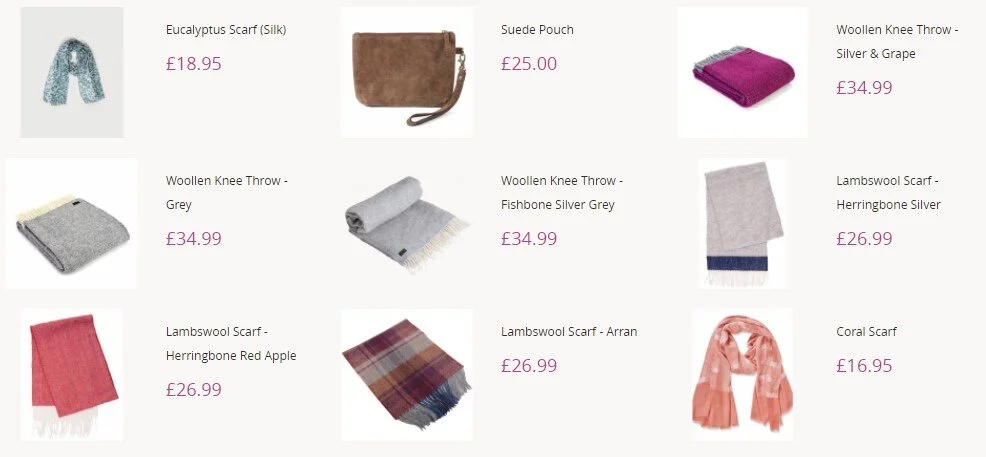
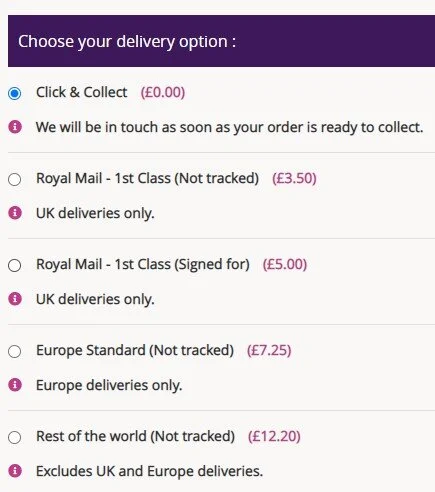
You can now Click and Collect from our online shop! This means you can pick up your shop orders at the Palace rather than paying for postage while the shop is temporarily closed.

Please help us spread the word to encourage locals, volunteers, staff and tenants to enjoy our lovely shop without having to pay for shipment.

As volunteers you can still get your 10% discount with the code BishopHope.

You can find our online shop here

FP shop 2.jpg

Getting to know Matthew Weston, Garden apprentice

Welcoming Matthew Weston, one of our Garden apprentices! Matt joined the team earlier this year, around the time of the start of the pandemic. Read on for this ‘getting to know you' blog kindly written by Matt.

What excites you most about working at Fulham Palace?

Fulham Palace is a real hidden gem of a garden, one that has played a significant role in shaping British gardens and garden styles through history. To be a part of that story and share the joy of plants with others is extremely exciting.  

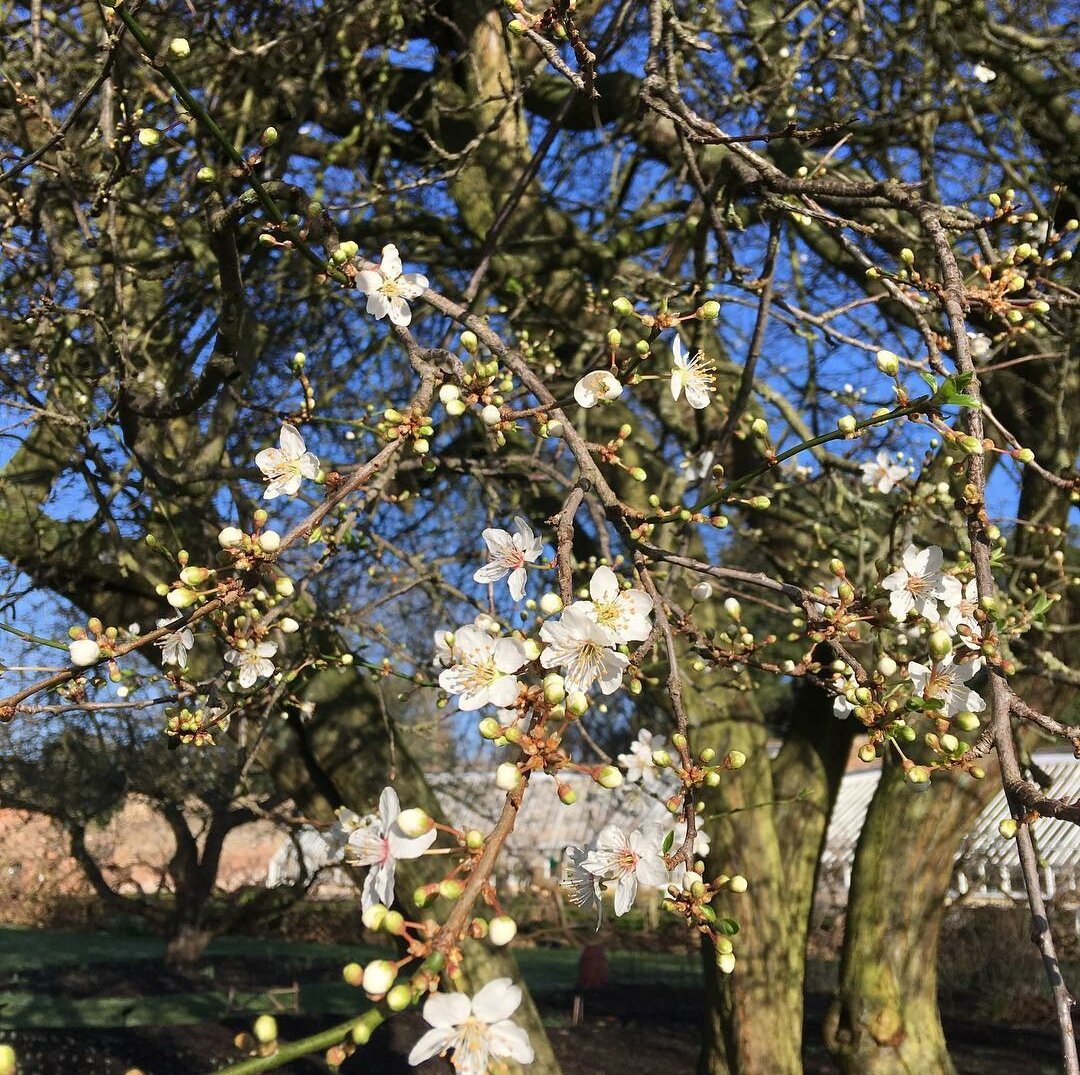
Spring blossoms in the Garden

Spring blossoms in the Garden

Which is your favourite part of the Palace?

Hands down it is the Walled Garden. It’s where the inexhaustible art of gardening is most on display and where the garden team has the most chance of connecting with visitors; enthusing them with our passion for organic growing.

Where have you worked before joining our team?

I started my career at the Inner Temple Gardens which reaffirmed my passion for nature and my commitment to horticulture. I have since worked for garden maintenance companies with extremely exclusive clientele.

What are the three things you cannot live without?

A garden to nurture, chocolate and the patience of my girlfriend.

What dish do you love to cook?

Gennaro Contaldo’s Ragu Chicken Bianco. The time spent carefully dicing the ingredients is well worth it and the end result is so delicious it often has me shouting ‘Why I’m cooking so good!’ in true Gennaro style.

IMG_20200813_110746.jpg

What’s the one song you can’t get out of your head right now?

 Nick Mulvey’s Begin Again.

Written as a message of hope during the COVID-19 crisis, this calming song got me through the stresses of adapting to life post-COVID-19 and moving house during a pandemic.  

What’s your favourite film?

Forrest Gump, one of the worst best films of all time and unashamedly my favourite. 

Object of the Month - August

The Wheelbarrow

August’s object in focus was kindly chosen and written about by garden volunteer and head gardener’s admin assistant Jamie Atwell.

Every month, volunteers post an Object and Specimen of the Month. They are an excellent way to research something about the Palace that has always interested you - and share it with others! There is no set format for these posts, and can even be creative writing pieces, so please do get in touch if you are interested in submitting a blog piece.


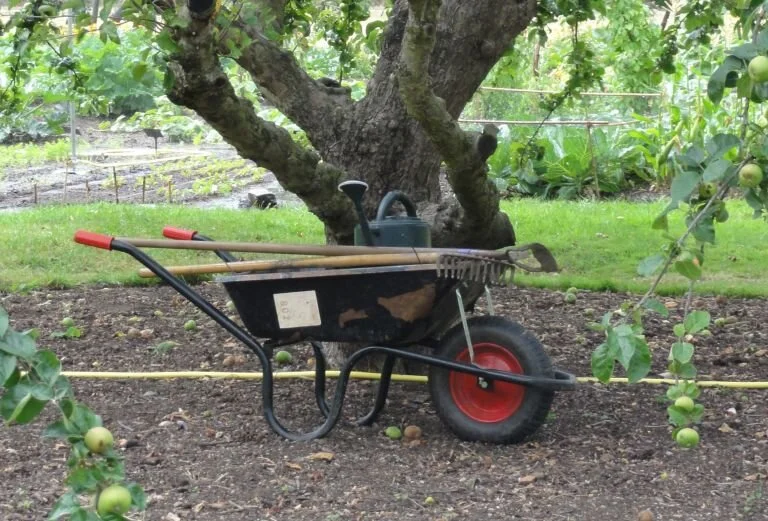
The Wheelbarrow under the apple trees.

The Wheelbarrow under the apple trees.

The re-opening of the garden at Fulham Palace (hurrah!) means that, once again, we can all enjoy this magical place. For us garden volunteers, we can now get back to doing what we love – playing a small part in helping to tend and care for the second oldest botanical garden in London. During lockdown, Head Gardener Lucy Hart and her full-time professional team worked incredibly hard to keep everything on an even keel during one of the busiest periods in the horticultural year. It is to their great credit that the garden looks as impressive as it does (though there are plenty of tasks for us volunteers to get on with!)

 During the period of lockdown, and whilst pining for the garden at Fulham Palace, I started musing (as one does) on the tools that all gardeners use on a regular basis. This led me to carry out some research into one particular item that is very much taken for granted but is an essential bit of kit. This led to the surprising discovery that there is a link between Chartres Cathedral and a wooden ox. The link being none other than the humble wheelbarrow.

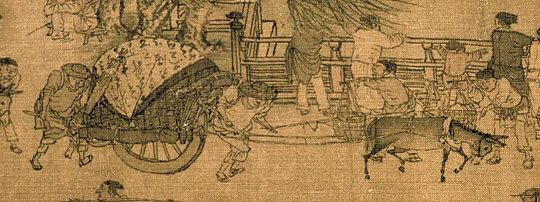
A detail of an early, one-wheeled wheelbarrow. Zhang Zeduan (1085 - 1145), Along the River During Qingming Festival, Northern Song Dynasty (960–1127), ink and colours on silk, 25.5 × 525 cm.

A detail of an early, one-wheeled wheelbarrow. Zhang Zeduan (1085 - 1145), Along the River During Qingming Festival, Northern Song Dynasty (960–1127), ink and colours on silk, 25.5 × 525 cm.


We must go back a bit.


We don’t know when for certain, but we do know that the wheelbarrow was first invented by the Chinese. Credit is often given to a shadowy figure called Ko Yu, who appears in records in the first century BC. To come up with a device that combines the benefits of the wheel and the lever was undoubtedly a work of genius. With a wheelbarrow’s load centred just behind the wheel, it does not require much effort to transport a significant load. So pleased were the Chinese with the invention, that they tried to keep it a secret – calling it, among other code names, the ‘Wooden Ox’.

Detail of a wheelbarrow in use during a brewing process. A tomb tile collected at Xinnong, Chengdu City, 25 - 220 AD, Eastern Han dynasty, Sichuan Provincial Museum.

Detail of a wheelbarrow in use during a brewing process. A tomb tile collected at Xinnong, Chengdu City, 25 - 220 AD, Eastern Han dynasty, Sichuan Provincial Museum.

We in the West were not quite so quick to cotton on to such a clever idea. The first known record of a wheelbarrow in Europe does not appear until the thirteenth century. Rather than being documented, it is to be found in a stained glass window at Chartres Cathedral, dated at around 1220. 

Coming back to the present day, and to the garden at Fulham Palace, you will see wheelbarrows in constant use – transporting clippings to the compost bins, carrying a vast array of other tools for work on the remoter parts of the garden and so on. One of its most important roles is that of helping to move flowers and produce to the Barrow in the Walled Garden - where we all have the opportunity to buy home-grown, organic offerings grown right here.

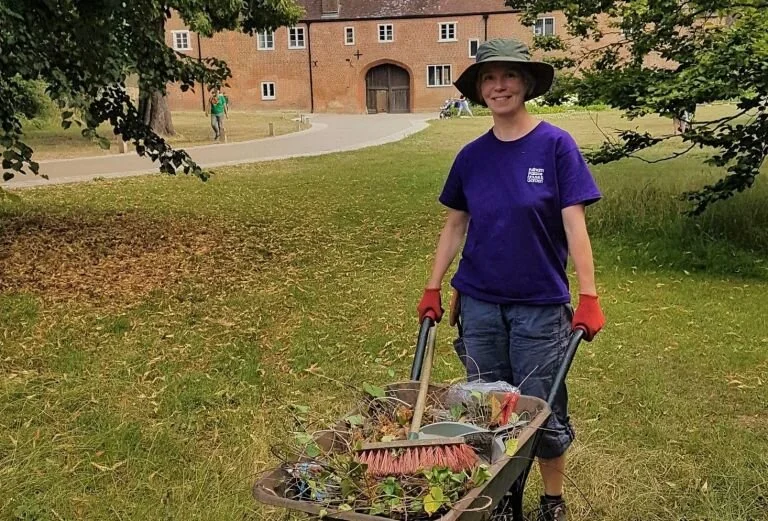
Garden apprentice Annette Förger and her wheelbarrow.

Garden apprentice Annette Förger and her wheelbarrow.

The Barrow is open for sales from 11 a.m. to 3 p.m. on Tuesdays – Saturdays inclusive. Sale proceeds are all ploughed back into the garden so it is a wonderful way of acquiring delicious vegetables and stunning plants, as well as supporting the Fulham Palace Trust charity and its magnificent garden during this difficult time.