
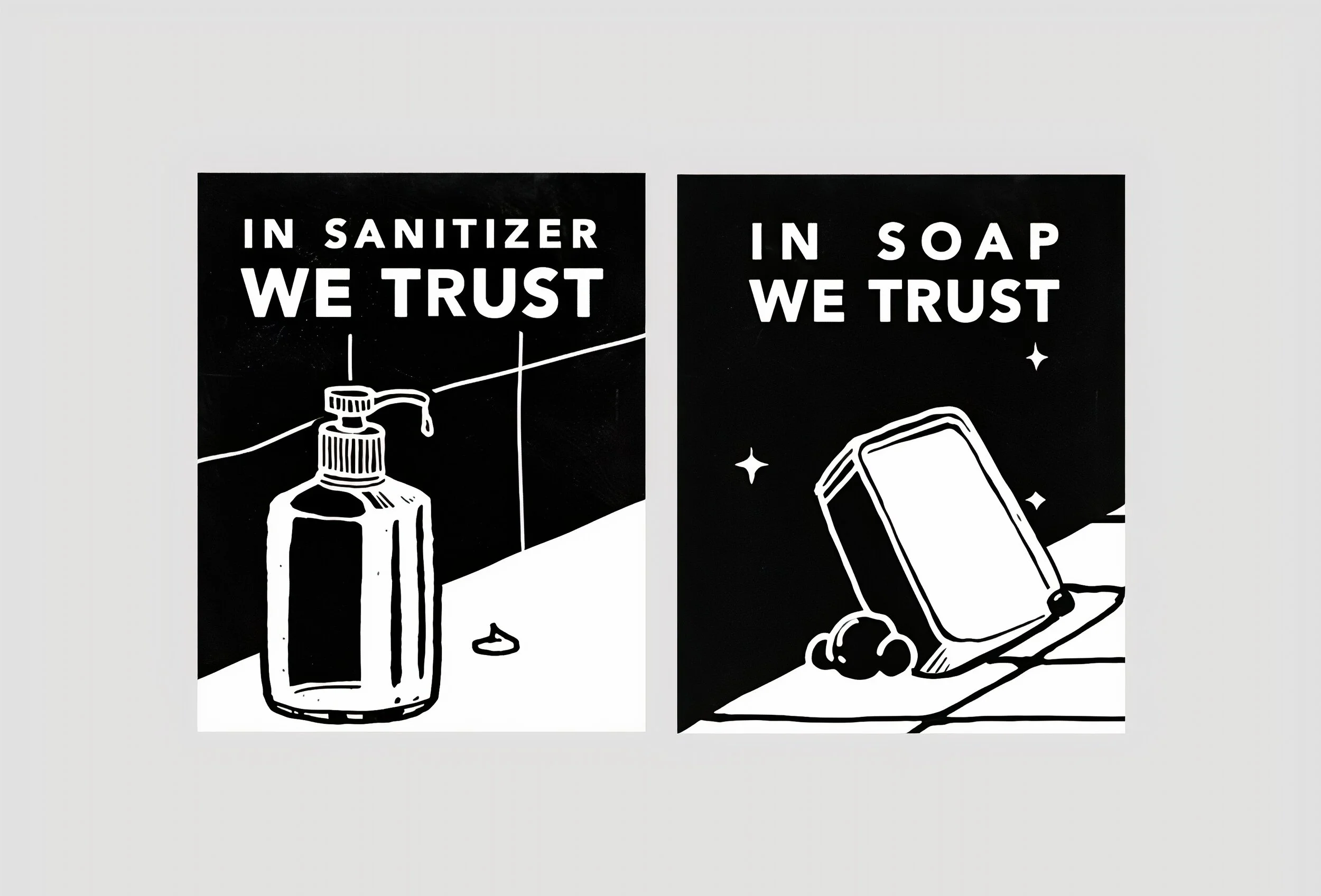
You wouldn’t have believed an image of London in 2020 with people wearing masks and gloves to protect themselves from a virus back in January, but it’s our new normal. There’s so much changing information and seemingly contradictory advice that we’ve put together this blog with some handy tips on using that much dreaded buzz word… PPE (personal protective equipment)! These practical guidelines are compiled from various resources provided by the World Health Organisation (WHO).
Face masks
Face masks are essential for good respiratory hygiene. They prevent the spread of the virus from the mouth and nose;
Please ensure both your mouth and nose are covered with your mask and secure it around your ears or head;
If you are using a single-use mask, please dispose of it correctly and after each use. If reusable, wash it in line with manufacturer’s instructions at the highest temperature appropriate for the fabric;
Try to avoid excessive handling of the mask and try to touch just the ties or straps when wearing or removing it; and
Opt for multi-layered fabrics where possible. The WHO recommends 3 layers, depending on the fabric used.
Gloves
Gloves are best used when you are anticipating contact with a potentially infectious surface, object, open wounds or bodily fluids;
Gloves do not replace good hand hygiene, but they can effectively reduce cross-contamination when used effectively;
A very important rule about using gloves is - only use them once!
The WHO outlines that there is no tried and tested way to completely sterilise gloves once used. Please see this guidance extract below:
As medical gloves are single-use items, glove decontamination and reprocessing are not recommended and should be avoided, even if it is common practice in many health-care settings with low resources and where glove supply is limited.
At present no standardized, validated and affordable procedure for safe glove reprocessing exists. Every possible effort should be made to prevent glove reuse in health-care settings, such as educational activities, to reduce inappropriate glove use, purchasing good quality disposable gloves and replenishing stocks in a timely manner.
Importantly, wash your hands with soap and water before and after putting gloves on; and
Avoid touching your face when wearing the gloves.
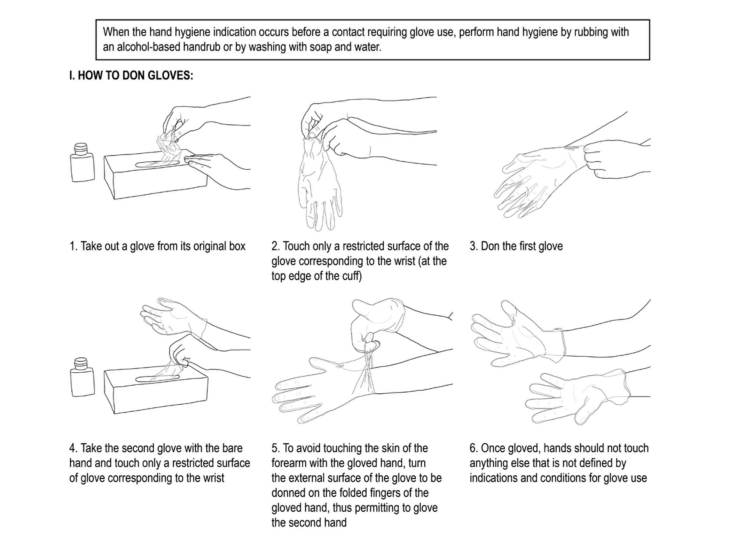
WHO advice on correctly donning gloves
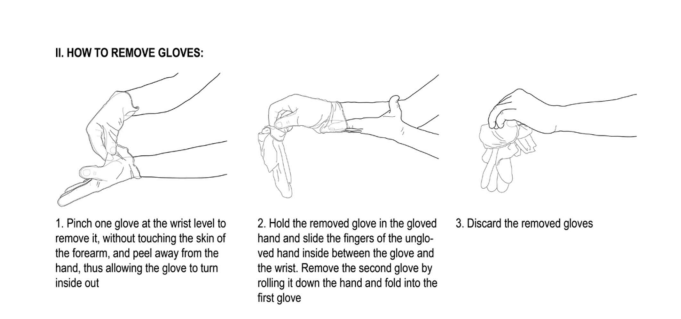
WHO advice on correctly removing gloves
Hand sanitiser
Cleaning your hands frequently and thoroughly is vital to protect yourself and others against COVID-19.
Soap and water sufficiently removes the virus from your skin but an alcohol-based hand sanitiser is effective if hand washing is not available. Ensure your hand sanitiser is alcohol-based;
Please store hand sanitiser safely as it is flammable;
Apply a coin-sized amount on your hands. There is no need to use a large amount of the product; and
Avoid touching your eyes, mouth and nose immediately after using an alcohol-based hand sanitiser, as it can cause irritation.
Thanks for reading on about best use of masks, gloves and hand sanitiser. Hopefully you’ve picked up a couple of new bits of information and have more confidence about the best use of these products to keep you safe. Together, we can ensure the safety of all who come to the Palace.