
In the spirit of social distancing, many of you may be writing letters or postcards to your loved ones. In today’s blog, Cerys Williams writes about discovering the letters of Bishop Creighton at the Palace, which reflected the political nature of the role of the Bishop of London, but also providing a more personal insight into the relationships of the Bishop. These letters conjure up an image of how Fulham Palace appeared at the end of the nineteenth century.
Thank you Cerys for this unique blog piece!
A couple of years ago I was presented with a packet of jumbled letters, documents and photographs. They had come from members of Bishop Creighton’s family. No one was certain whether they would remain in the Palace collection as they were not all related to the Palace history. It was also felt that they should perhaps be kept somewhere with better archive storage space. However, before anything could happen, they needed sorting and I was lucky enough to be given that job.
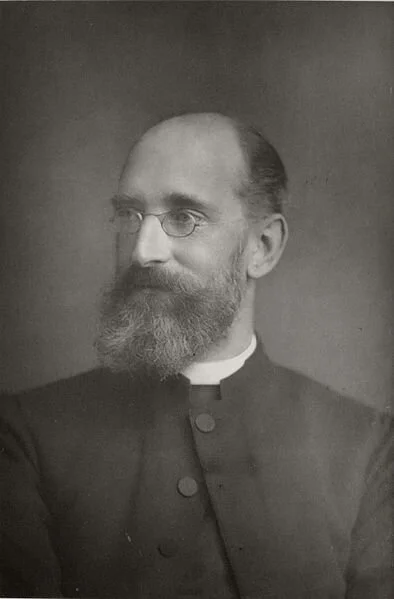
Mandell Creighton served as the Bishop of London from 1897 - 1901. This photograph was taken in 1891, the year he was consecrated as Bishop of Peterborough.
As you can imagine, someone in public life in the late Victorian period sent and received a lot of letters. Many of them were from the great and the good of the time – some even from the very great as it turned out. There was correspondence with Gladstsone for example. Kaiser Wilhelm (the last German emporor and King of Prussia, 1859 – 1941) had heard Creighton preach while on a visit to Sandringham and wrote to ask for a copy of the sermon.
There were even a few letters written by Queen Victoria herself. It took me a while to register that that was what I was looking at – especially as she wrote in the third person and began “The Queen would like…” rather than “I” so it was as if the letter had been written by her secretary. But no. They were quite definitely written and signed in her own hand.
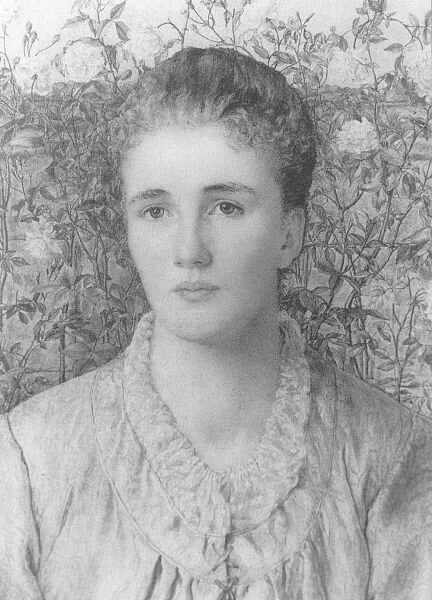
Louise Creighton in 1878, aged 28. Louise is known for her advocation for womens’ rights, and for authoring many books about historical and socio-political issues of her time.
Creighton’s marriage was close and happy and when he travelled abroad he wrote daily to his wife Louise. Some are just a catalogue of the churches visited in European cities, but in 1896 Creighton was asked to represent the Church of England at the coronation of the last Tsar of Russia. There were letters written almost daily from Russia documenting the event in great detail on many sheets of fragile paper.
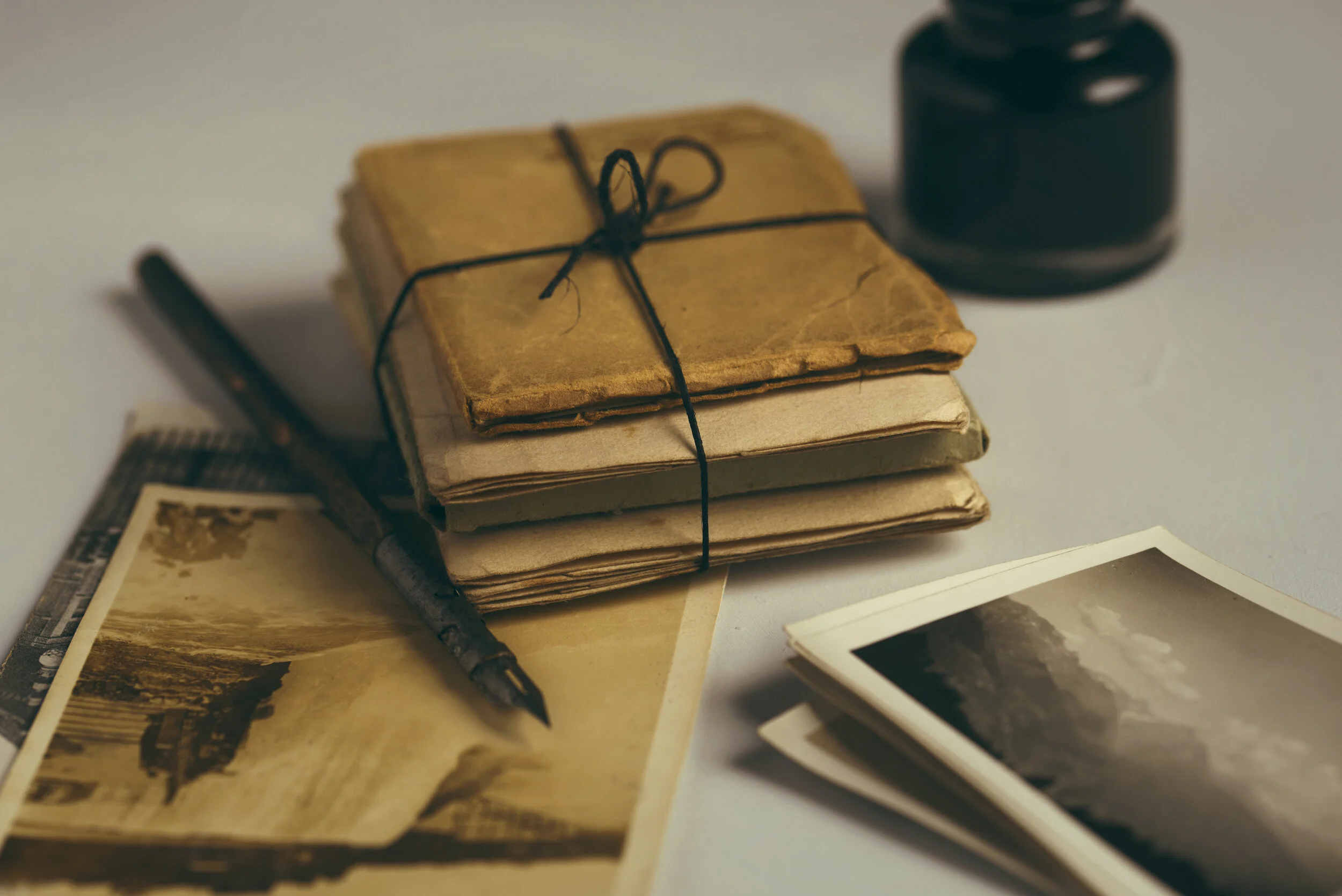
But perhaps my favourite letters were not these to famous people, but the series of letters he wrote to his young nephew who was away at school. In these you do find mention of important events - there are the preparations for the Queen’s Diamond Jubilee celebrations and the Boer War is obviously important to a young boy at the height of the British Empire. But they were written to amuse not as a formal record and give a glimpse of the Bishop’s everyday life rather than his business self.
They talk about the “tedium of so many dinners” and were often written during boring meetings. One breaks off abruptly when someone at the meeting was taken ill because they had been poisoned! One talks about the having a “very fat” Russian princess to tea. Another jokes about the thousands of people at garden parties to be fed on strawberries and ices. They record the weather and the crowds walking across the palace grounds and the effect of this on the lawns – the current gardeners would probably sympathise – “not enough rain and the grass goes… too much rain and the grass goes soppy”!
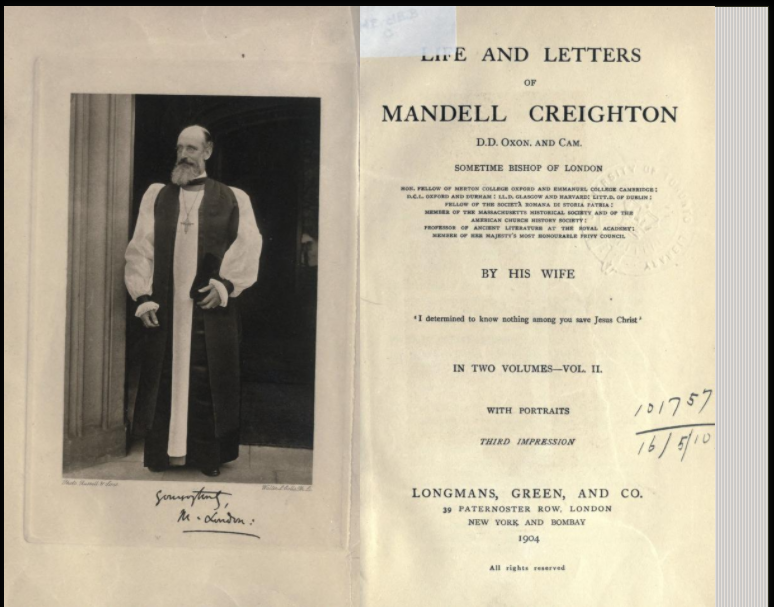
The Life and Letters of Bishop Creighton was written by Louise Creighton in 1904, 3 years after the death of her husband. For those of you that feel up to some researching, the book has been fully digitised by the British Museum and can be read online for free: https://archive.org/stream/lifelettersofman02creiuoft
If this blog has inspired you to write a letter, check out the Palace online shop for a beautiful selection of cards and postcards!