Specimen of the month: Calendula officinalis

Every month we feature two blogs written by volunteers, one describes an object in the Palace and one a plant from the Garden. It is a great way to learn more about the Palace. If you would like to contribute there is no set format so please do send in your ideas.

We’re grateful to Jamie Atwell for this fantastic specimen of the month blog.

***

This blog has been written six days before Christmas. Here in my garden at home, three Calendula (or common marigold) are still in flower.
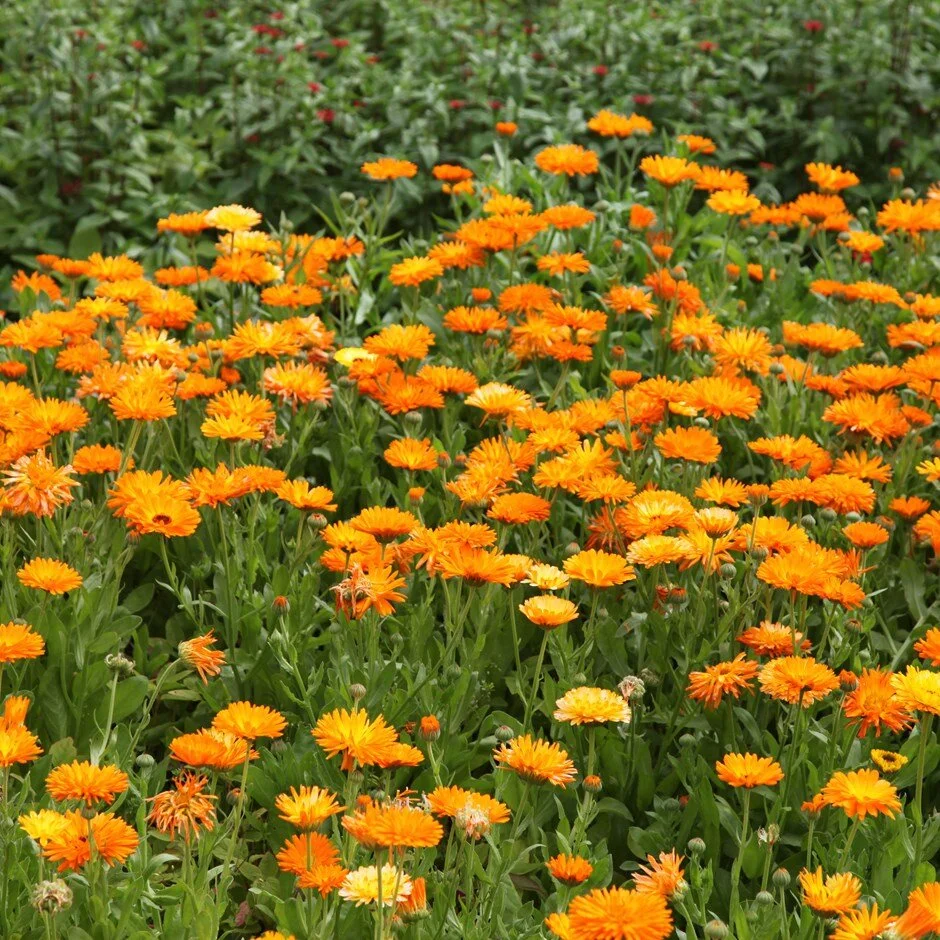
A sea of calendula officinalis, common marigolds, in flower

A sea of calendula officinalis, common marigolds, in flower

Needless to say, they were all acquired from the Barrow in the Walled Garden at Fulham Palace (which is the place to buy your plants). That they’re still in flower could be an indicator of global warming – the RHS describes them as flourishing ‘until the first hard frosts.’
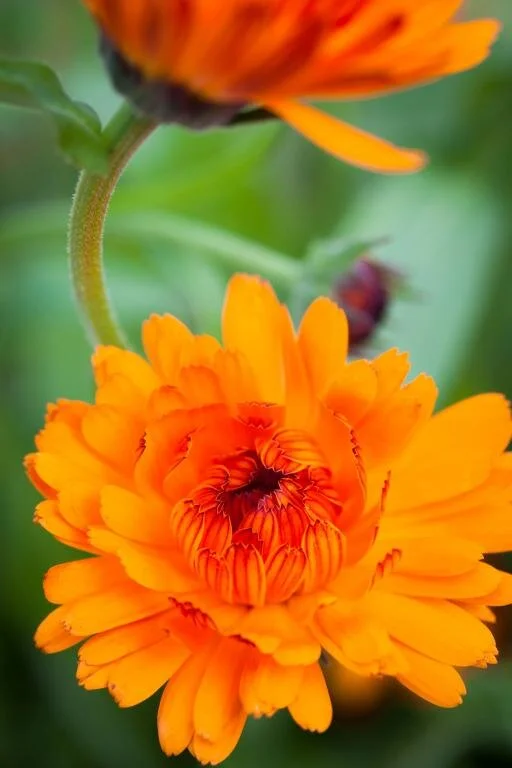
Calendula officinalis ‘Indian Prince‘

Calendula officinalis ‘Indian Prince‘

Whatever the reason, and it’s certainly not down to any gardening skill on my part, it is a joy to have some colour in the garden at this rather drab time of year (excepting, of course, the Fulham Palace Christmas wreath adorning my front door).

They’ve been used in cooking since ancient times – the flowers are edible and are often used in salads, or as a garnish in dishes in lieu of saffron. They are also a useful, organic means of deterring pests, which is why next year you’ll see marigolds planted out on the borders of the vegetable beds in the Walled Garden (unless of course Head Gardener Lucy Hart has another trick up her sleeve!).

Beautiful to look at; a great adjunct in the kitchen and playing a central role in pest control, the Calendula is a much under appreciated plant and should be more celebrated.

Jamie Atwell, Garden volunteer

Thank you very much to Jamie for this wonderful blog about marigolds.

Please send your ideas for object or specimen of the month blogs to rachel.bagnall-bray@fulhampalace.org. If you would like some help, please let me know.
Happy New Year to you and your families!

All of the staff at Fulham Palace wish you, our brilliant team of volunteers, a very happy and healthy 2020.

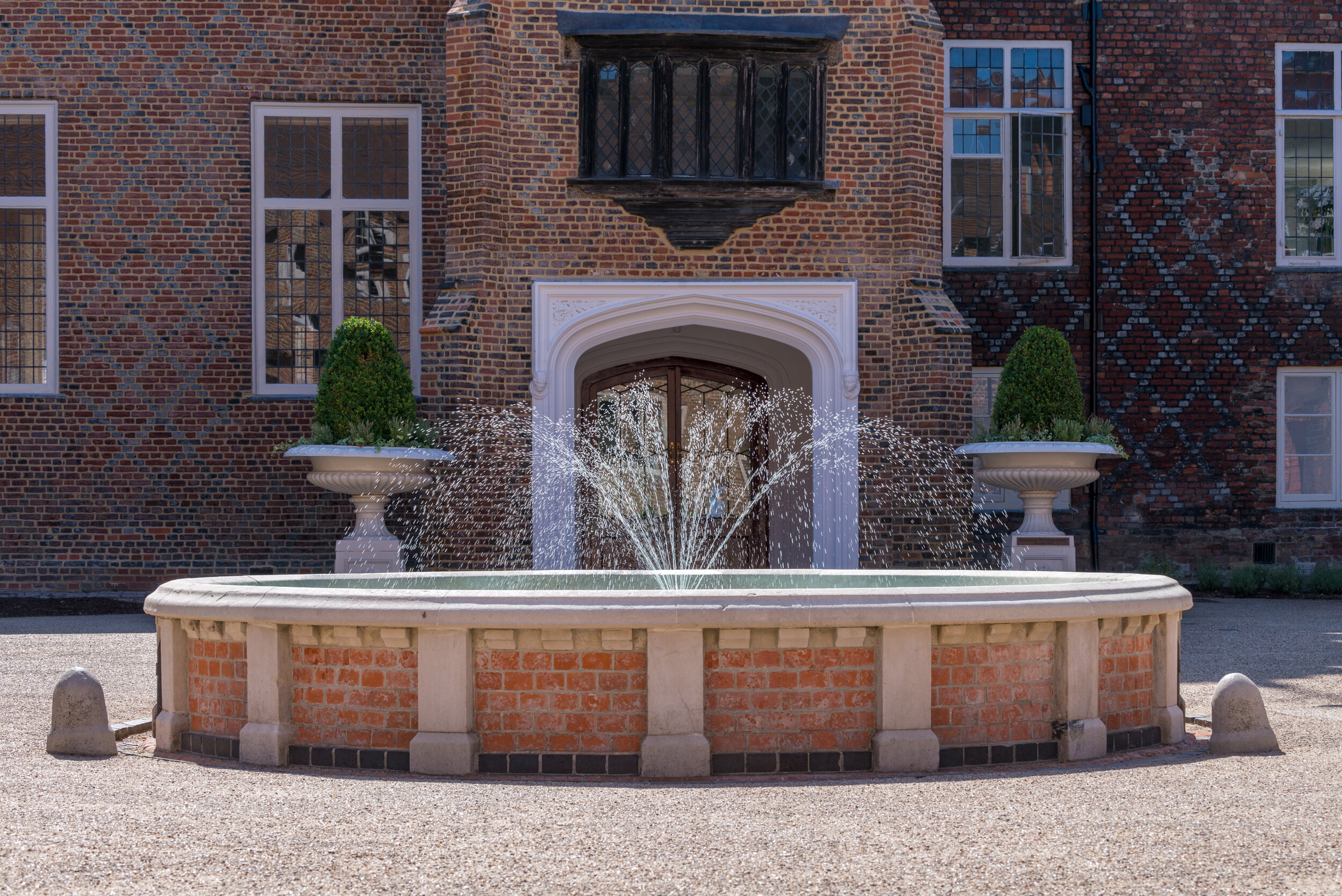
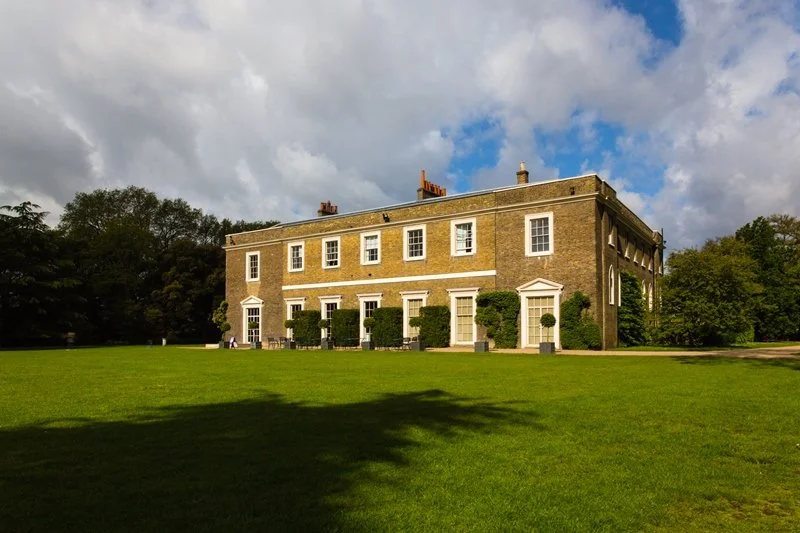
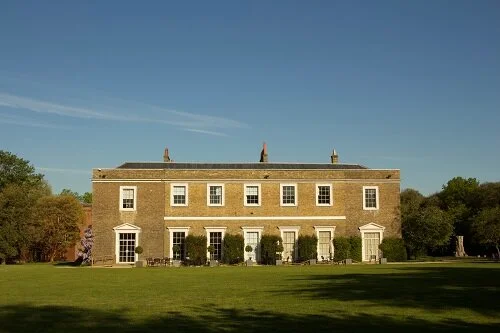
The south facade of the Palace, credit Cinzia Sinicropi

The south facade of the Palace, credit Cinzia Sinicropi

We’re delighted that you choose to spend your time with us by volunteering in so many roles across the site. Your support is really helping the Palace move from strength to strength.

All the best,

Rachel

Volunteer and communities manager

Specimen of the month: Christmas wreaths at Fulham Palace

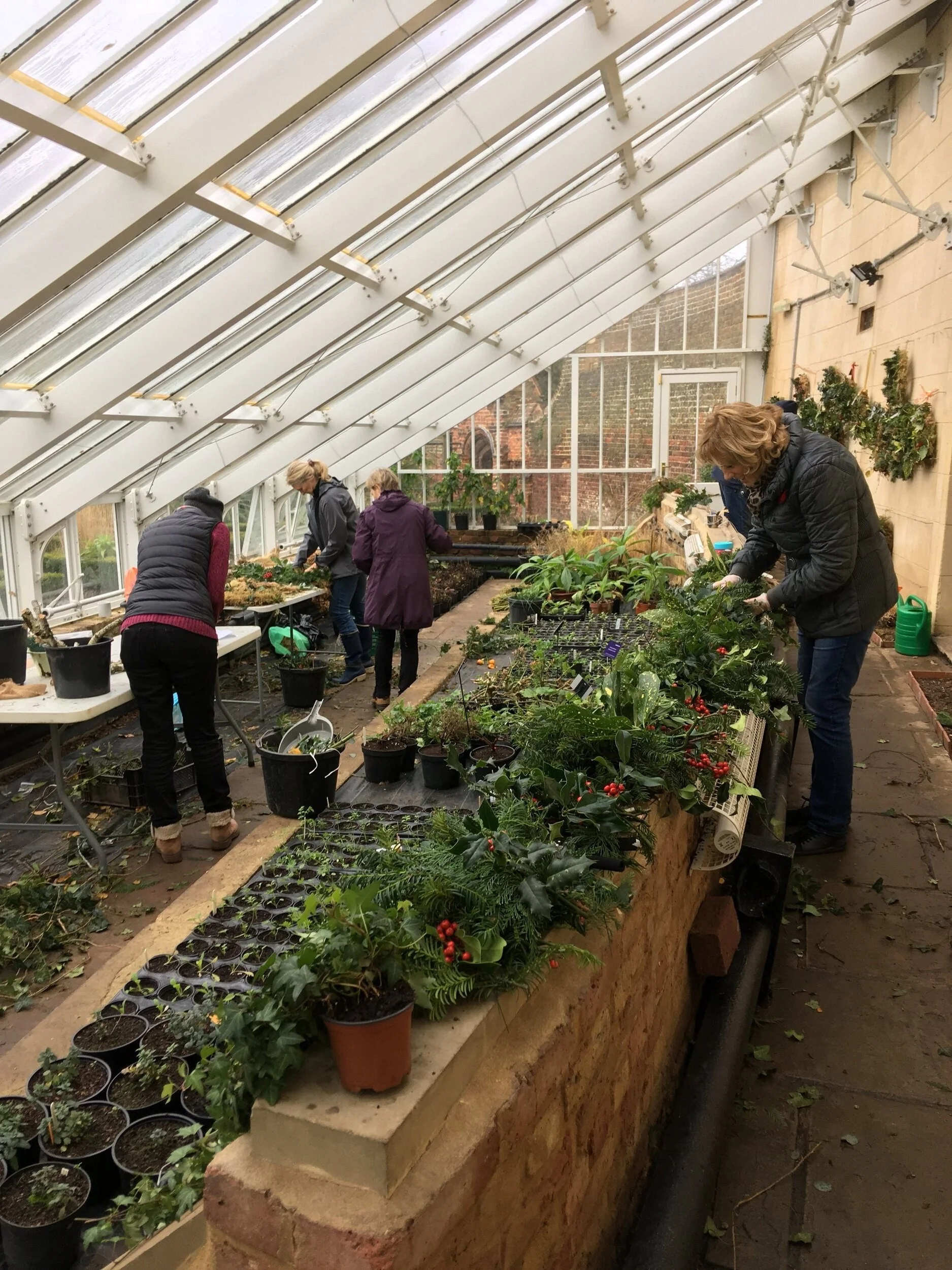
Garden volunteers learning how to make wreaths in the Walled Garden vinery this December

Garden volunteers learning how to make wreaths in the Walled Garden vinery this December

Every month we feature two blogs written by volunteers, one describes an object in the Palace and one a plant from the Garden. It is a great way to learn more about the Palace. If you would like to contribute there is no set format so please do send in your ideas.

This December we are grateful to Garden volunteer Sarah Nicholl-Carne for her take on Lucy’s wreath making training session.

***

One of the joys of being a garden volunteer at Fulham Palace, is the chance to spend a whole day outdoors, once a week, throughout the year.  As well as topping up our Vitamin D, we can see the whole cycle of the seasons slowly unfold, in a wonderful setting.

Visitors to the gardens often stop for a chat, and are amazed that we turn up all year round (with a little break over Christmas). People sitting cosy at home might think we are crazy, but even in January, with a woolly hat, scarf and sufficient layers, we are soon peeling off those layers as we set about our tasks, revelling in the fresh air, the birds and the magnificent trees.

Of course there are many other benefits to our volunteering; we have all witnessed the recent restoration of the Palace, and have helped with establishing the new Compton beds, celebrating the 17th century botanist Bishop, who introduced so many North American plants and trees, and cultivated them in Fulham.

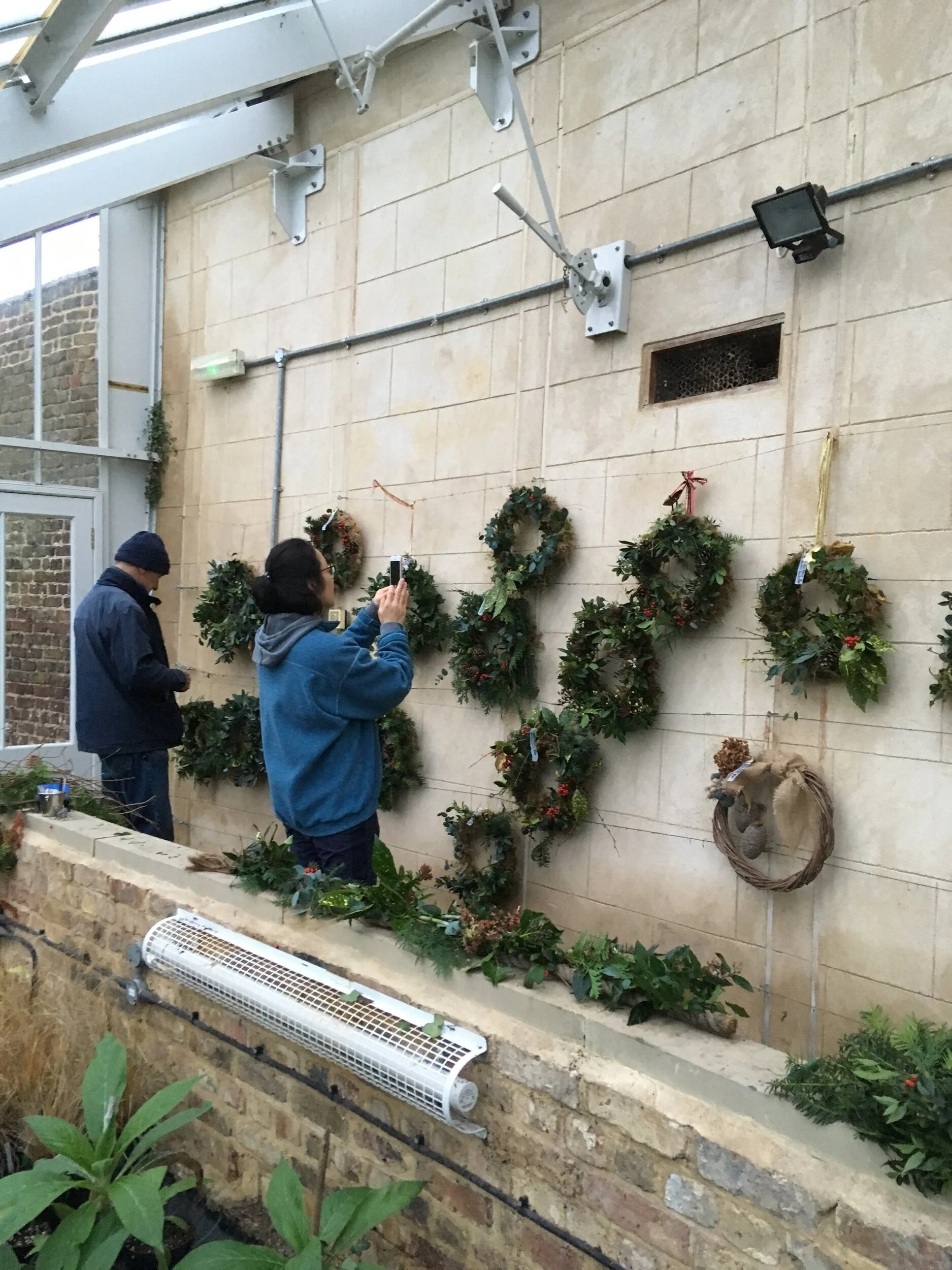
The unique, handmade wreaths hanging in the vinery

The unique, handmade wreaths hanging in the vinery

Another plus, is the chance to learn new skills. A couple of weeks ago, Head Gardener, Lucy Hart, ran a Christmas wreath workshop for garden volunteers, so that we could make them to sell (a bargain at £20). 

Starting with a copper circle as the base, we twined silver birch twigs around, and stuffed moss (sustainably sourced) into the gaps. Now we could start decorating.  It is remarkable that given the same resources, we all came up with such disparate results. There were buckets of holly with berries, ivy, yew, eucalyptus, as well as several varieties of fir cone, all from the Palace gardens. We had all sorts of ribbon, gold spray and then we were encouraged to let our creativity run free. 

On the coldest day in February each year, traditionally we start to prune the wisteria. The Wisteria sinensis in the walled garden is over a hundred years old  and 40 metres long.  Earlier this year, it rendered lots of extended growth (as it does every year), some over 20 feet long, which we coiled up, dried, and used as an alternative base for the wreaths.

This December you may have noticed the festive greenery and decorated swags in the Tudor Courtyard, Great Hall and Chapel - all courtesy of the garden volunteers and apprentices! There are still wreathes for sale in the Vinery in the Walled garden so please do come and visit for a last minute handmade Christmas decoration!

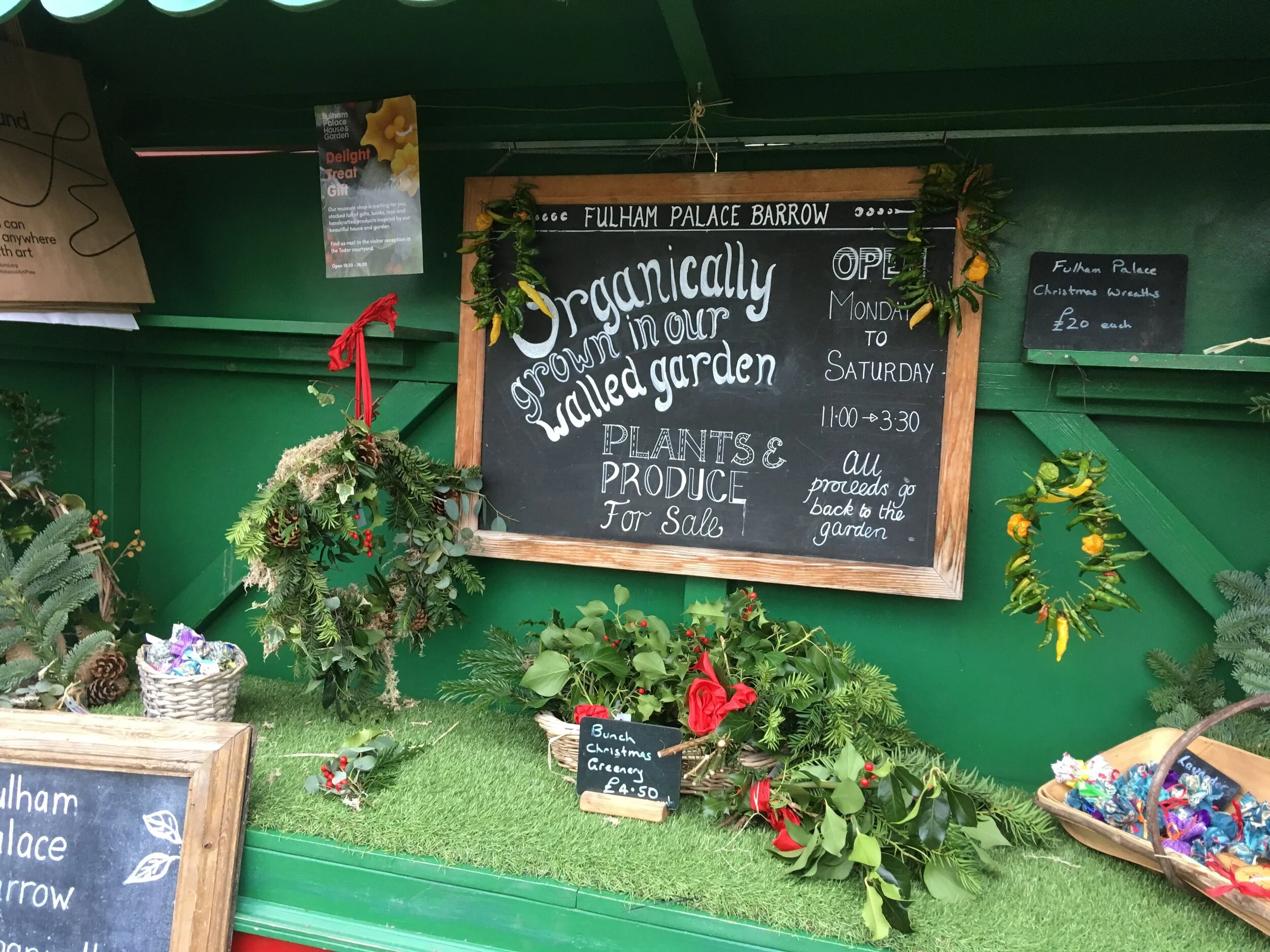
The garden volunteers’ festive produce for sale on the barrow

The garden volunteers’ festive produce for sale on the barrow

Sarah Nicholl-Carne, Garden volunteer

Thank you very much to Sarah for this blog. Please send your ideas for object or specimen of the month blogs to rachel.bagnall-bray@fulhampalace.org. If you would like some help, please let me know.
Fulham Palace Volunteers’ Visit to The Courtauld Photographic Library

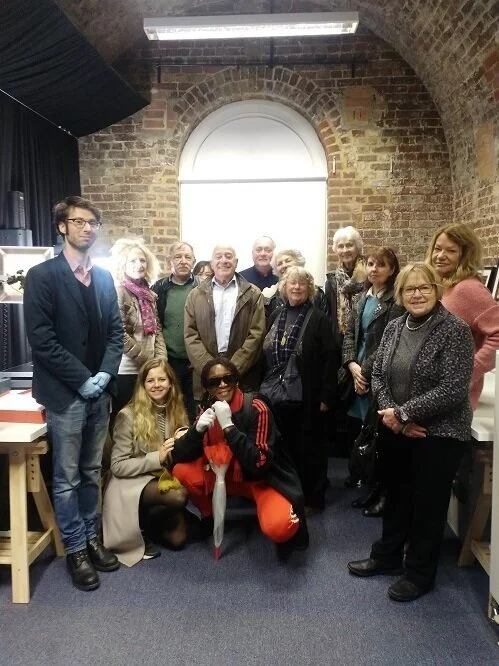
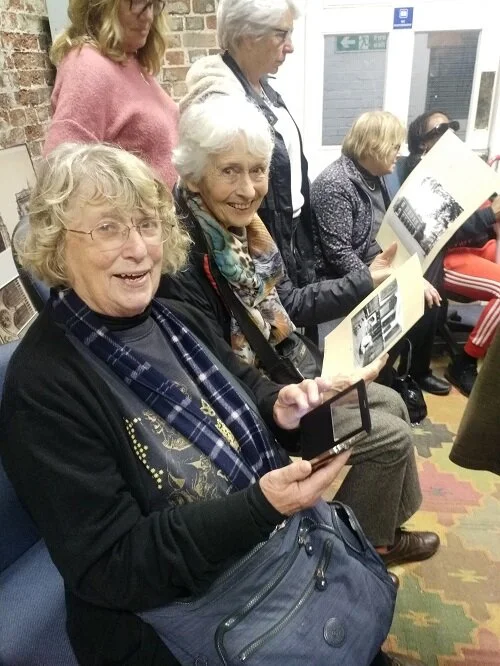
One half of our merry band of volunteers in the photographic library at the Courtauld Institute of Art

One half of our merry band of volunteers in the photographic library at the Courtauld Institute of Art

In late November, a group of 17 volunteers visited the Courtauld Institute of Art to learn all about their Photographic Library and to try their hand at helping with the Institute’s extensive digitisation project. The digitisation work forms part of the larger National Lottery Heritage Fund five year project: ‘Courtauld Connects’.

An air of mystery pervaded the visit as we were taken deep down into the underground vaults that housed the two main extensive collections - the Witt and the Conway Libraries. We were given a brief and interesting history of the main collections by the Head of the Project: the Conway, established in 1932 and consisting of more than one million photographs on all aspects of architecture and related topics and the Witt, consisting of over two million photographs of western art by 70,00 artists, both famous and those less so. Everything here was on a big scale. The Courtauld also holds the Photographic Survey, a major study of private art collections in England, Wales and Ireland. This is made available for study in many galleries and universities across Europe and the United States, offering a world-class resource for both students and scholars of art history.

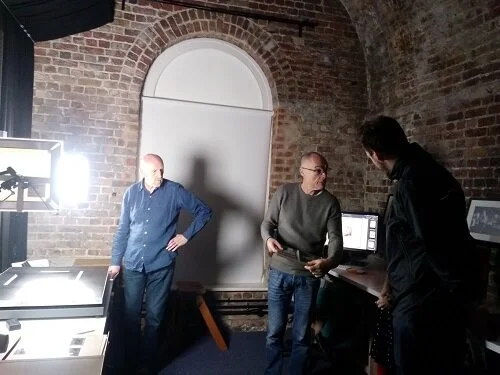
The photography studio inside the Courtauld Institute’s photographic library

The photography studio inside the Courtauld Institute’s photographic library

The Photographic Library’s Paper Conservationist, Mark, spoke with us about the degradation of photographic materials, and he had kindly dug out images from the Courtauld archive of Fulham Palace from the 1970s. You can see an overview of these photographs on the image gallery on the portal.

After the overview, we were introduced to the digitisation project in which we were going to briefly participate. The project objective is to preserve the contents of the Conway and Witt collections (some of them in poor condition), so as to ensure their availability for the future. Digitising the two collections was undertaken using very different methods, Conway was to be a community project while the Witt collection was sent off to a professional digitisation studio. The latter had transformed a container-load of materials into a quantity that would (more or less) fit into a suitcase – the wonders of technology! As with all physical collections, having sufficient storage space is always a challenge; the project will resolve this for the foreseeable future.

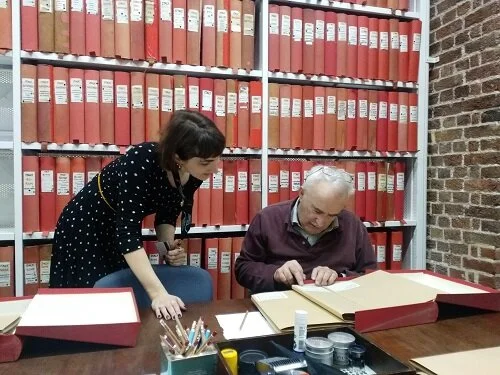
Photographic Library Volunteer Manager Francesca with Fulham Palace volunteer Eddie hard at work cataloguing the photographs ready for digitisation.

Photographic Library Volunteer Manager Francesca with Fulham Palace volunteer Eddie hard at work cataloguing the photographs ready for digitisation.

There were two stages to digitising the Conway collection, the first was the sorting and cataloguing of each image contained within hard copy folders of the original photographs. It was a detailed and thorough process, made interesting by the fascinating content of the photographs which you were able to study.

The second stage was the photography of the original material. The hi-tech camera, in a fixed position over the flat-bed platen, was a marvel – each frame taken is in impeccable quality and the image is perfectly positioned on the horizontal/vertical axis, provided the original is placed within a clear border (thus, only human error could produce a poor result). We took it in turns to place each photograph on the platen, making sure we did not mark or damage it; to take the picture - a satisfyingly complex click; then to place the original back into the file from which it had been taken. The next stage was to review the result on a huge monitor to ensure it was acceptable and to give it a sequential numeric ID. Starting gingerly at first - you do not want to damage history or break a very expensive camera – with some practice, we become increasingly confident.

IMG_20191126_143159.jpg

Our activities were interrupted by a fire alarm. We had to evacuate the building, chatting outside until the problem was resolved, then we trooped back, eager to continue this fascinating process. By the end of our visit, it would be fair to say that we had had an excellent insight into an important and impressive organisation and that we had enjoyed ourselves; thank you, Fulham Palace.

Incidentally, the digitisation projected is run mainly by volunteers – 500 of them – where would the world be without us?

Ronny Nicholas, Garden volunteer

7 December 2019

Huge thanks to Ronny for this great blog about our recent trip. If you’d like to join us on our next outing then please keep an eye on the calendar page of the portal, and on the monthly Volunteers’ Newsletter which makes its way to your email inbox on the third week of the month.

From the horse's mouth: oral history training at Fulham Palace

Hello, my name is Adreanna Uttke and I am an MA Museum and Gallery Studies student from Kingston University. As part of my degree I am on a year long work placement mainly working with the collections team. I also help with the learning department and front of house where I have met many of you.

On Tuesday 12 November I took part in the Oral History training day with a small group of volunteers and staff from across the Palace. This topic is particularly interesting to me as I am originally from an area where the indigenous people did not have a written language until less than fifty years ago, and therefore much of the local history is still passed down through oral traditions. The training was run by Sarah Lowry, The British Library, who gave a very informative training session full of examples and practical activities.

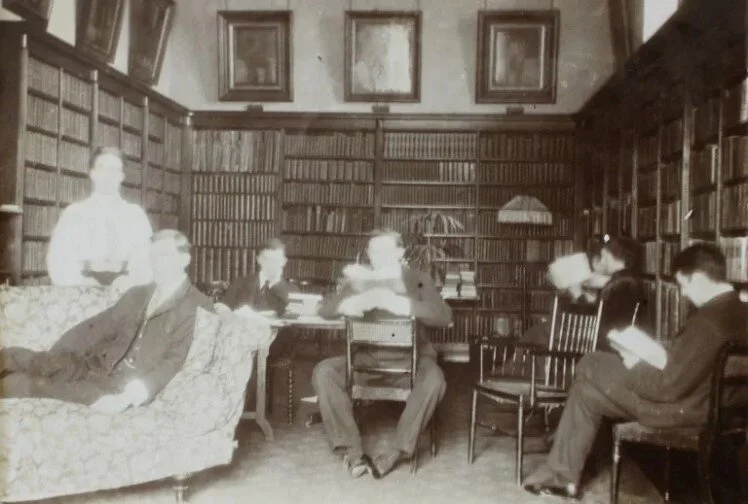
The library in the late nineteenth century - we believe the family pictured are the Creightons

The library in the late nineteenth century - we believe the family pictured are the Creightons

You might be wondering what oral history is and what part it plays in Fulham Palace. According to the University of Leicester, oral history is “the recording, preservation and interpretation of historical information, based on the personal experiences and opinions of the speaker.” Arguably, it is the oldest form of history. If you think of “The Iliad” or “Beowulf” these were both oral histories until they were written down. Here at the palace we have collected oral histories from some of the people who lived and/or worked at the palace and gardens throughout the past. Looking forward we would like to expand this collection. These histories are used not only to expand our knowledge of the palace and those who were here throughout the past, but can be incorporated into future exhibitions.

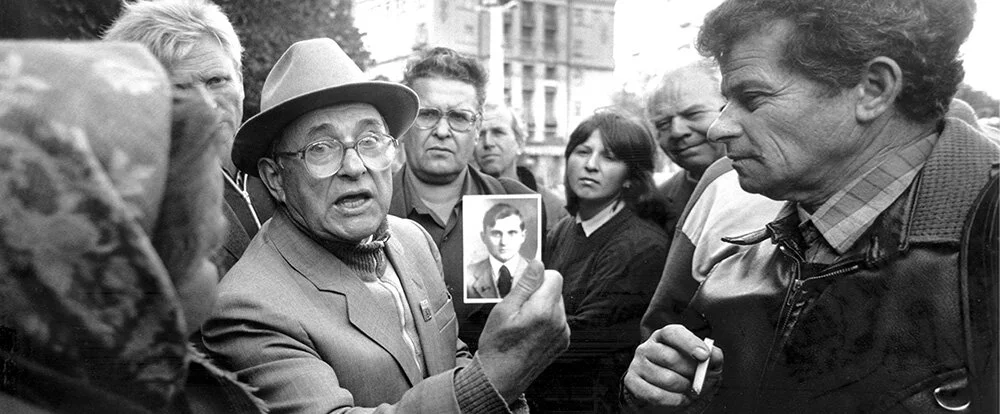
Show and tell - bringing the past to life. Image from the Oral History Society

Show and tell - bringing the past to life. Image from the Oral History Society

The first half of the training focused on how to effectively collect oral histories. Sarah explained the difference between recording an interview and recording an oral history. What it mainly comes down to is proper use of equipment and minimal input from the interviewer. Unlike a traditional interview, oral histories are not a back and forth between the interviewer and interviewee. Rather it is the responsibility of the interviewer to establish the context of the oral history (who, what, when, where, why, etc.) and to keep the interviewee on topic, but otherwise keep their verbal responses or questions to a minimum so as to not influence the way the interviewer presents their story. Any questions about expanding on interesting points can be asked at the end of the initial interview.

It is also important to make sure that the environment you are recording in is as comfortable as can be for all involved and has as little outside noise as possible. This also means that the interviewer is actively listening and making sure the interviewee is okay to keep on with the recording. Especially as recounting memories can be an emotional process, and the interviewee may need breaks.

The second half of the training focused on practical work and legal information. First we broke up into small groups and practised a simulated interview. We had to think about what background research we would need to do to prepare, where to interview, and any questions or points of interest we would like to bring up for the interviewee to answer. This  gave us a chance to work with the six key points Sarah brought up during the first half of training:

Oral History.jpeg

1. Do not interrupt,

2. Open and neutral questions,

3. Listen- fully and actively,

4. Clear, short and to the point questions,

5. Give plenty of time,

6. Know who you are interviewing

The training day ended with information about informed consent, paperwork, and legal responsibilities.

Do you know anyone who has interesting information about the history of Fulham Palace? Perhaps they lived or worked at the Palace, or have a family connection with a Bishop of London. They could be a local person, a retired volunteer, a friend… or a current volunteer! Please get in touch with Rachel (rachel.bagnall-bray@fulhampalace.org) if you know someone who could be interviewed.

The P(a)lace to be

Fulham Palace Copyright (3).jpg

This week we’re hearing from Lewis Johnston about the reasons why he loves being a volunteer here at Fulham Palace!

I’ve really enjoyed working at Fulham Palace so far.

Working in such a beautiful building filled with so much history and heritage.

Learning new facts every day about the Bishops.

August 2019 Graham Lacdao (9).jpg

It feels like the history comes alive when you’re in the palace.

You can imagine what it would be like towards the different eras and generations.

With all its wonderful facilities and staff.

Fulham Palace is the place to be.

Object of the month: Finding Private Keir

Every month we feature two blogs written by volunteers, one describes an object in the Palace and one a plant from the Garden. It is a great way to learn more about the Palace. If you would like to contribute there is no set format so please do send in your ideas.

This December we are grateful to volunteer Moyra Gardener for her research work.

*************************************

I’ve found him I cried!  

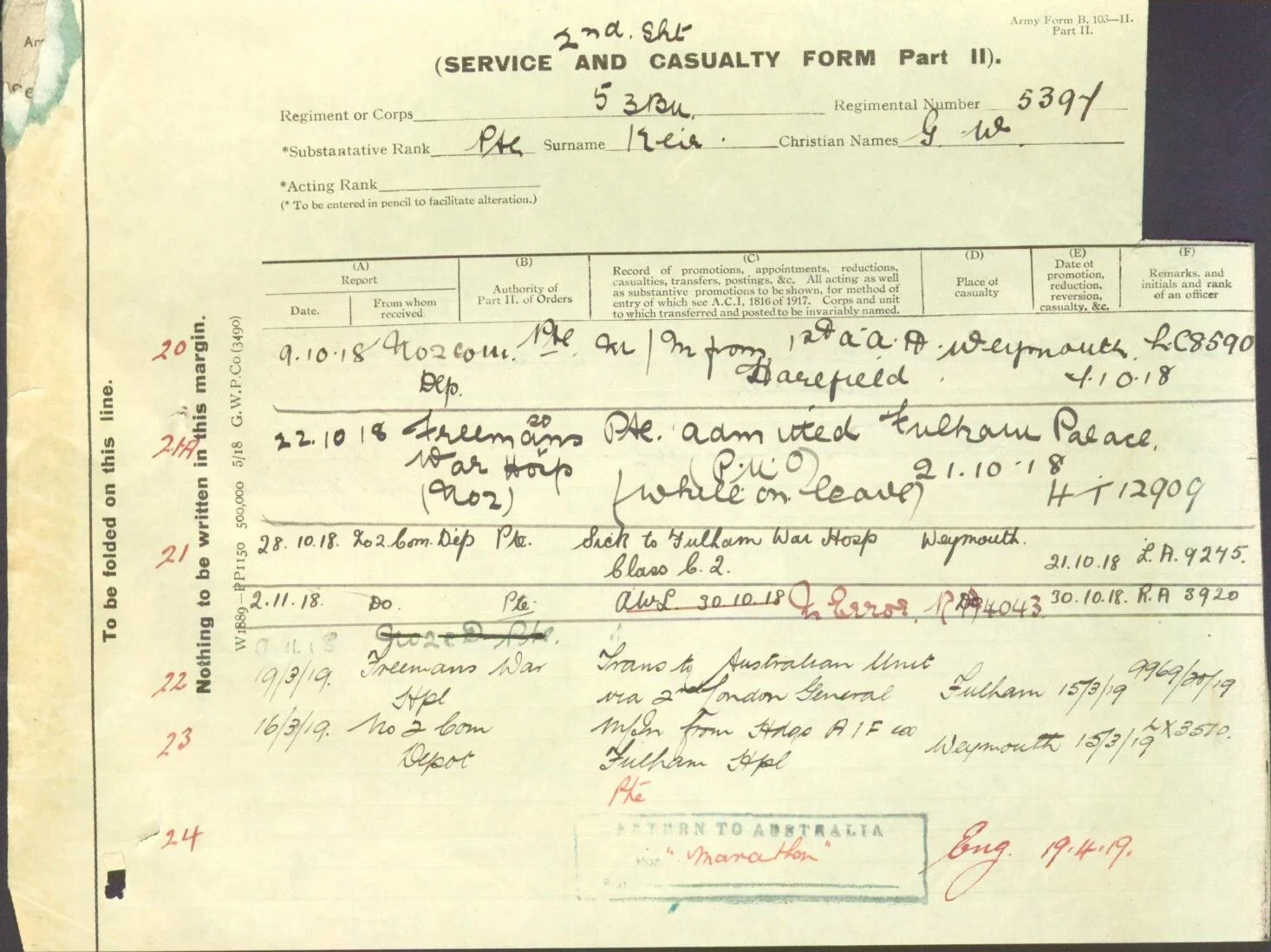
I had finally seen those special words ‘Fulham Palace’ on the Service and Casualty form of a First World War soldier named Keir. I had been searching on-line through the records of the National Archive of Australia held in Canberra.  Keir’s photograph, with just the caption Private Keir, Australia Regiment, April 1919, appears in the wonderful book known to us as Nurse Latchmore’s book. 

Keir’s Service and Casualty form

Keir’s Service and Casualty form

The book is full of photos of the men and nursing staff who were at the Palace, known as the Freemason’s No2 Hospital at the end of and after the First World War.   The book also contains drawings and poems. The real people behind those photos is the subject of research by the Palace’s Archive Research Group and I was the lucky person to find a complete (39 pages! no less) of the scanned record of Private Keir’s enlistment, service in France, injuries and finally return to Gundaroo, Australia.

Other wonderful research has been done on the nursing staff and some of the British soldiers too.  All this can inform our Family Fun Days, work with schools and a possible special exhibition in the future.  Our work is not done.  Who knows what more we may discover about Private Keir. 

Maybe his descendants are out there and would like to visit the hospital where he stayed when in London.  Who knows where this will lead us?  

Moyra Gardener, archive research and garden volunteer

Thank you to Moyra for this blog. Please send your ideas for object or specimen of the month blogs to rachel.bagnall-bray@fulhampalace.org. If you would like some help, please let me know.