Object of the month: Hadrian’s Roman Coin

Every month we feature two blogs written by volunteers, one describes an object in the Palace and one a plant from the Garden. It is a great way to learn more about the Palace. If you would like to contribute there is no set format so please do send in your ideas.

This October we are grateful to front of house volunteer Martha Heemskerk for looking into Hadrian’s Roman coin in the temporary exhibition room at the Palace.
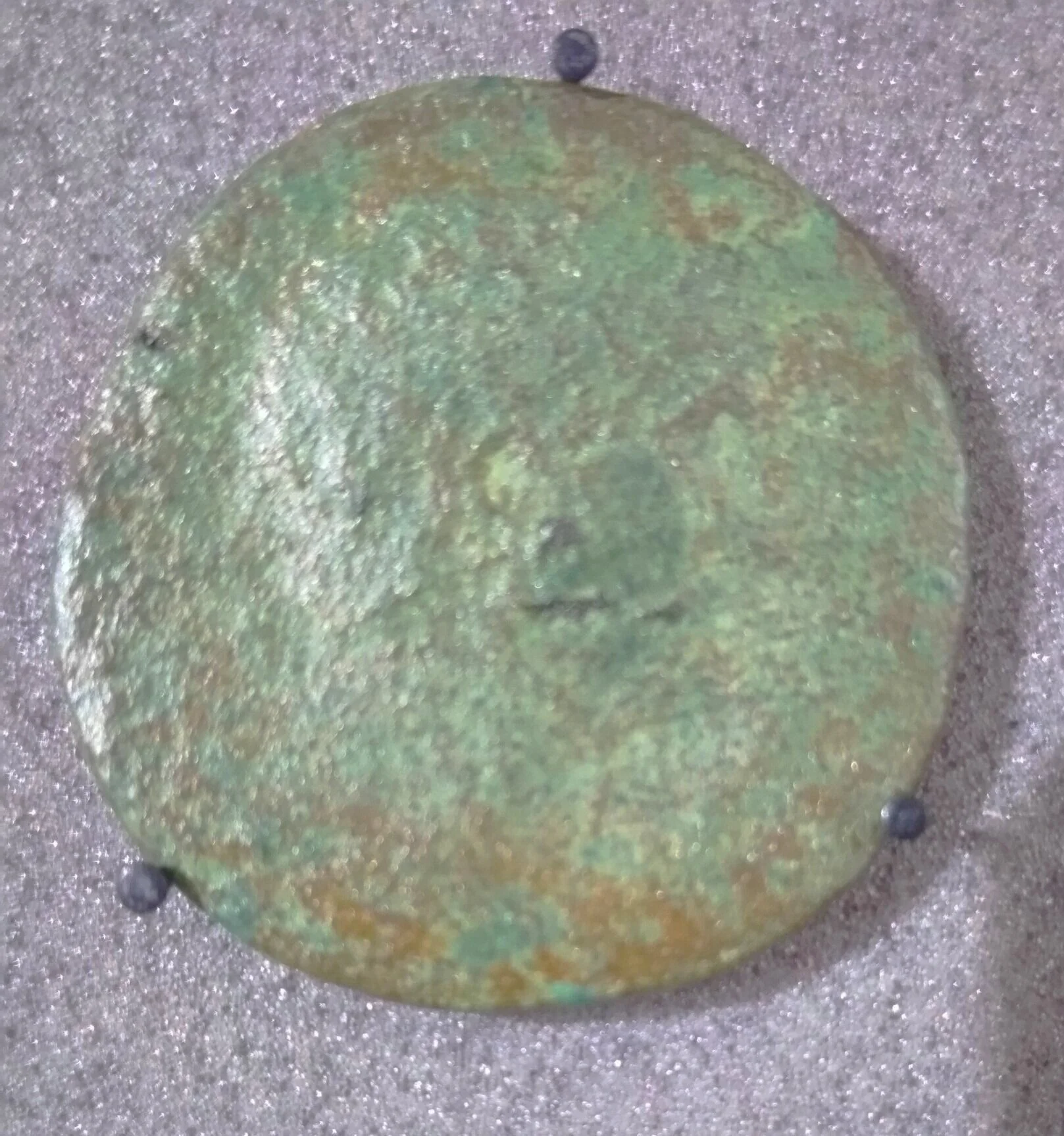
Image of the Palace’s  (very eroded) coin of Hadrian

Image of the Palace’s (very eroded) coin of Hadrian

Amongst the small collection of Roman coins in the temporary exhibition room, found in the 1972-73 archaeological dig by Fulham Archaeological Rescue Group, the coin of Hadrian particularly interests me. Of all the Roman emperors, Hadrian (A.D. 117–38) is the one whose portrait is most frequently found, from Britain to Persia, from Asia Minor to Egypt, due to his extensive travels and building projects in the provinces. Although the coin has been quite badly eroded you can just about still see his signature curly hair and beard.

Coins were extremely important in establishing the image of an emperor, as they were the only medium of portraiture which spread across the Empire and beyond and went through the hands of people at almost every level of society from the merchants to the military. Therefore the choices that were made in representation on coins were often the only image of the emperor that most of the Empire would know, especially those living on the peripheries such as Britain.
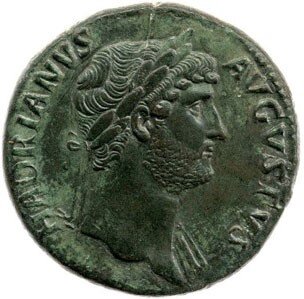
Coin of Hadrian, British Museum
Coin of Hadrian, British Museum

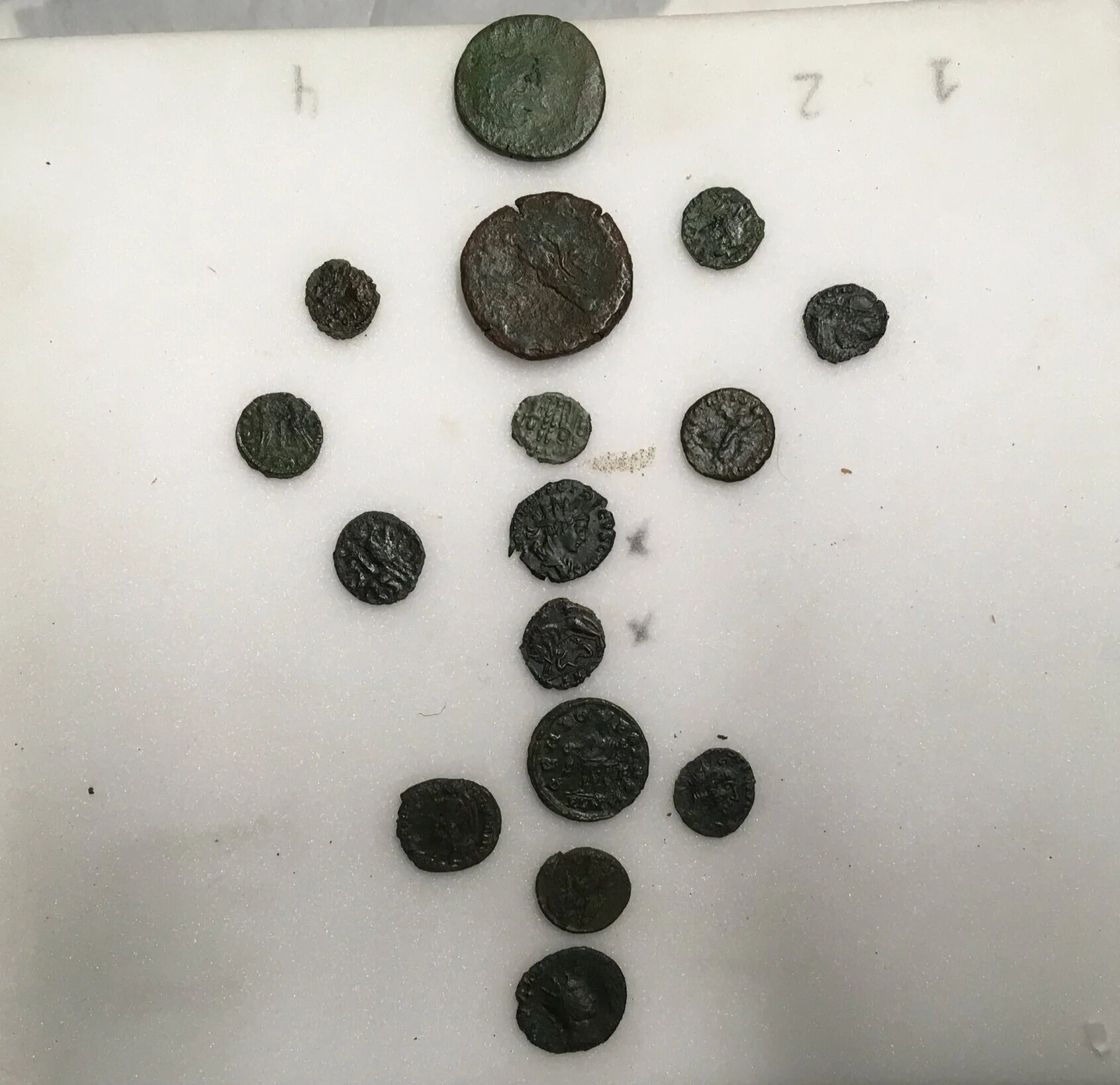
Some of Fulham Palace’s collection of Roman coins

Some of Fulham Palace’s collection of Roman coins

Returning to Hadrian and his beard, Hadrian was the first of the emperors to be depicted with any facial hair at all, let alone a full, and rather luscious, beard. Although one literary source, the Historia Augusta, claims that Hadrian wore a beard to hide blemishes on his face, the more accepted reason for his departure from Roman tradition was a devotion to Greece and Greek culture. The beard was symbolic of the Greek philosopher, which previous Romans had tried to distance themselves from. However Hadrian’s political programme favoured ‘classical learning’, an attempt to return to what he believed to be a golden age of culture and civilisation. Therefore the ‘Greek’ beard became inseparable from his public and private image, and following Hadrian's success and popularity many later emperors continued the tradition.

Whether any of this would have translated to the Roman settlers of Fulham, going about their daily lives, is another question.

Martha Heemskerk, Front of House volunteer

Thank you to Martha for this interesting object of the month blog highlighting just how many stories can be told about the objects, buildings and specimens in our collection. Please send your ideas for object / specimen of the month blogs to rachel.bagnall-bray@fulhampalace.org. I’m very happy to provide help wherever needed.
Gardening at Fulham Palace: Professor Dodi and her volunteering experience

Enjoy this wonderful blog written by Summer garden volunteer, Professor Lucetta Dodi.

After Dublin, London. A school-work alternative. In the most literal sense of the expression.

In fact, at the end of the school year, I volunteered in a wonderful walled garden in London. More exactly in Fulham, in a building that from 774 to 1973 was the residence of the Bishop of London and that over the centuries has actively contributed to the history of the city.

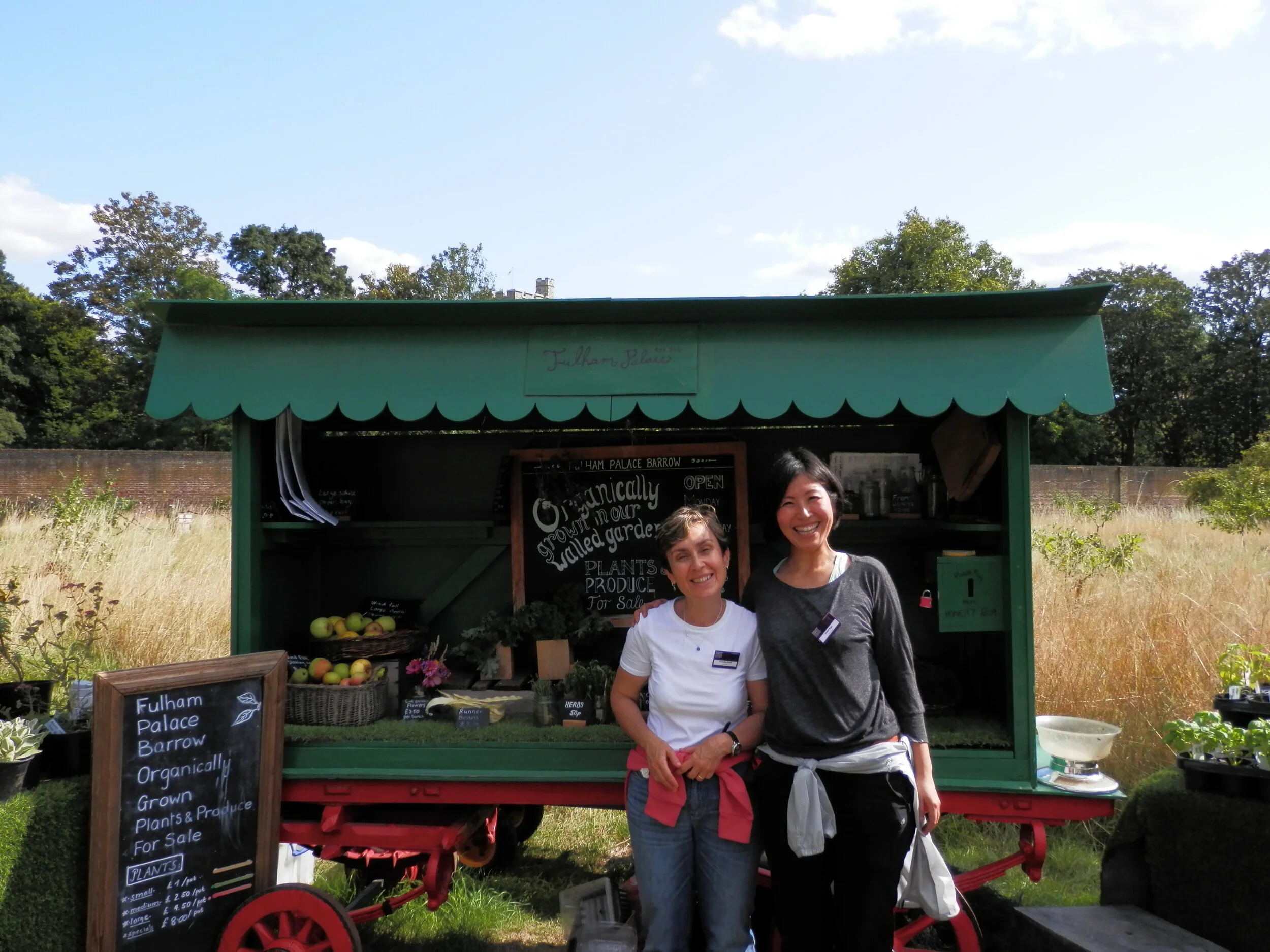
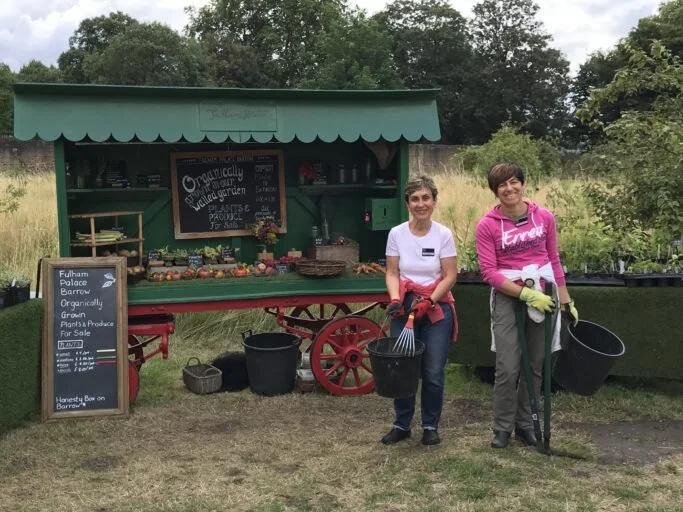
Lucetta Dodi (Left) and her friend and fellow Palace volunteer Anna Maria (right)

Lucetta Dodi (Left) and her friend and fellow Palace volunteer Anna Maria (right)

Like many other places of historical interest in the United Kingdom, Fulham Palace is also a charity that has received funds from the National Lottery and relies on the help of many volunteers.

I am one of them. I volunteered as a gardener at Fulham Palace, four days a week, from 10 - 4, for four weeks.

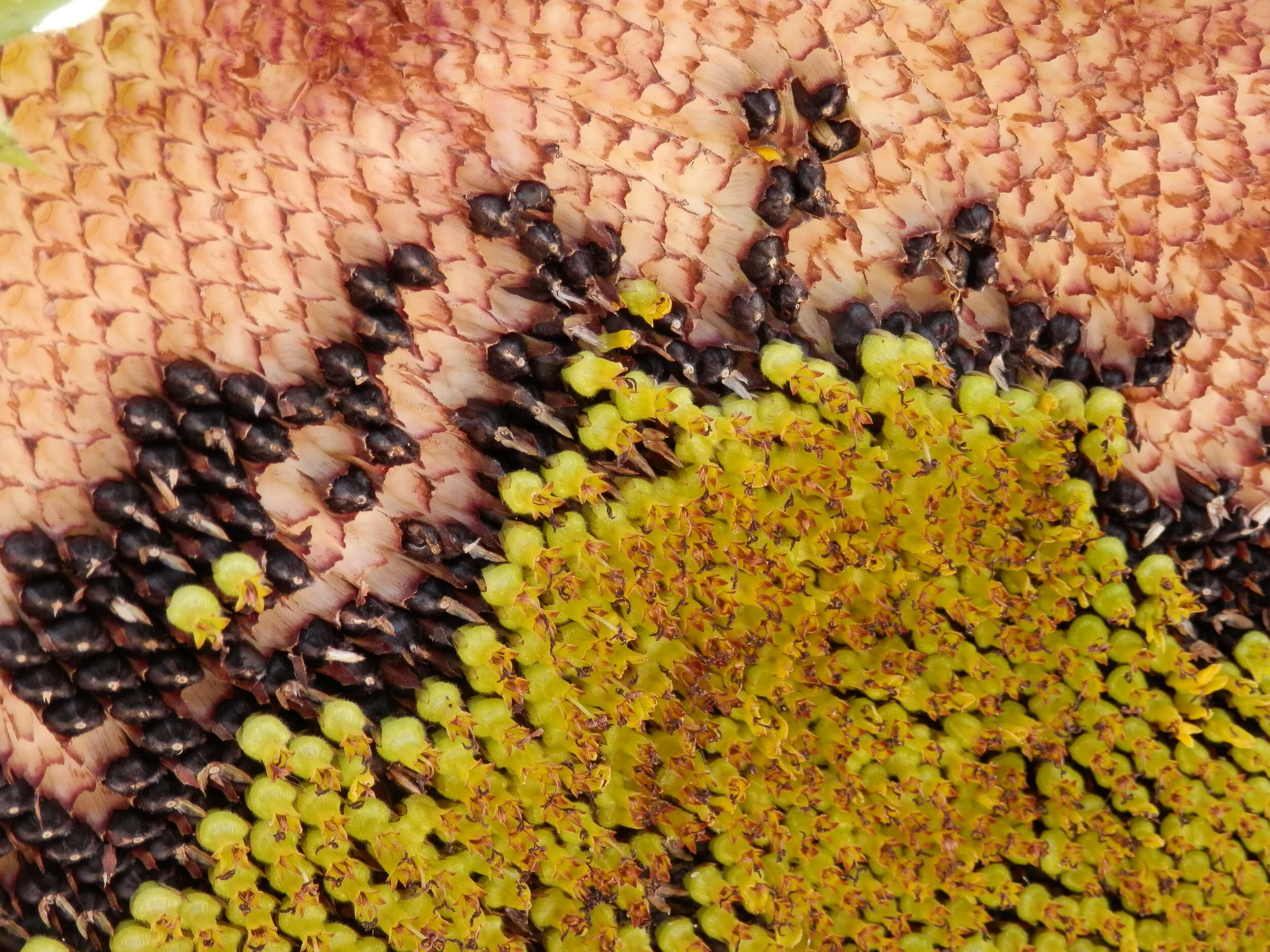
Summer sunflower, photo by Lucetta

Summer sunflower, photo by Lucetta

This place felt like a real discovery, decidedly off the beaten track compared with the traditional tourist routes and so quintessentially British as to seem almost like a fairy tale with the colours of its dahlias and its red brick walls. It feels like a secret place, known only to a few.

There were many reasons to volunteer here this summer. After many years as a Red Cross Pioneer, volunteering is part of my mental universe and London is a city that I love, even in the times of Brexit.

Furthermore this is a great way to practice spoken English and to get to know new people, who have a different life experience than I do and with whom I enjoy exchanging ideas. In my travels I have always found that among good people there are many more similarities than differences.

Gardening, on the other hand, has happened by chance and is almost oxymoronic for a woman who, like me, manages to kill even the mint plants on the balcony….!

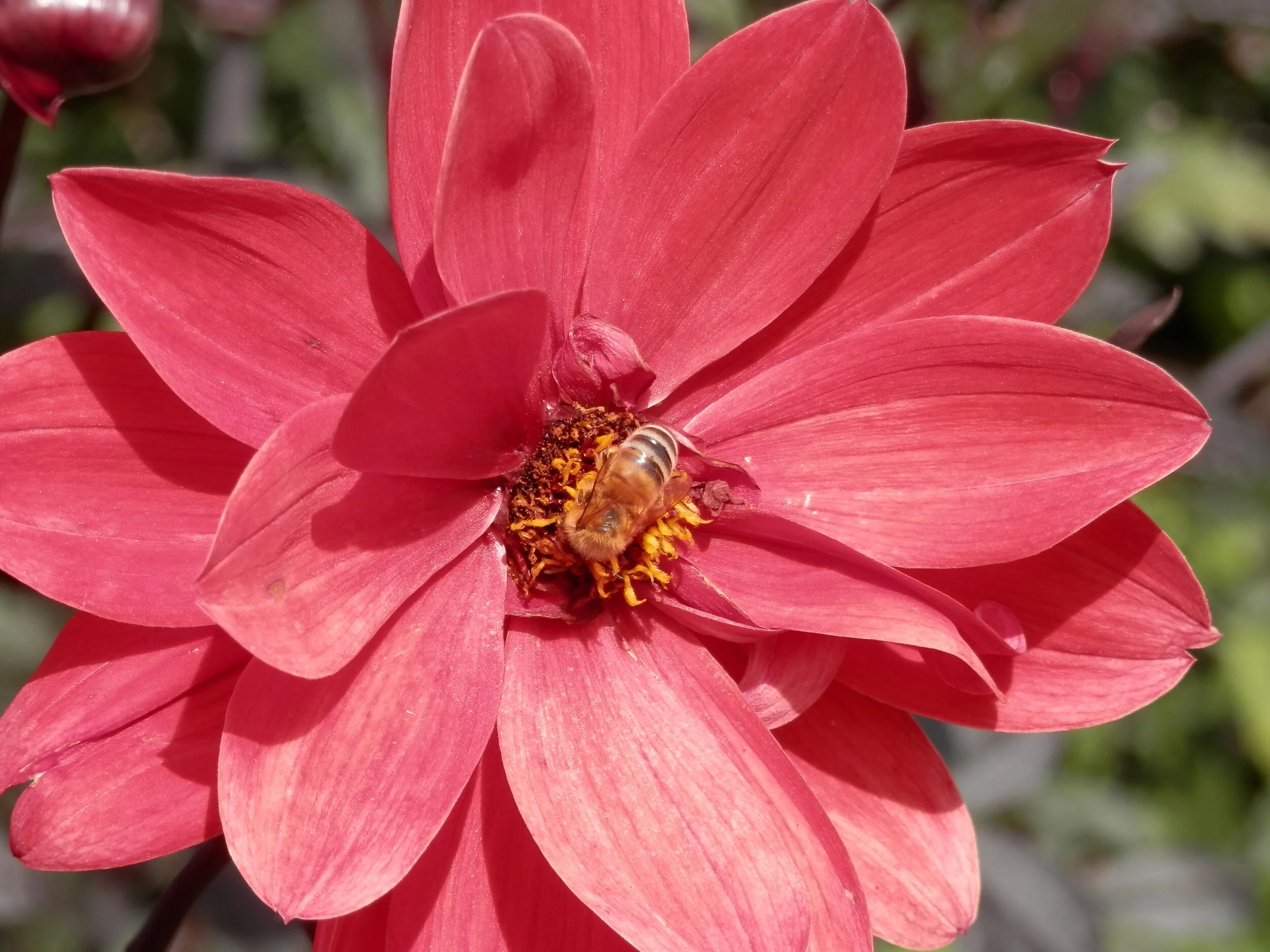
Striking photo of a dahlia and wasp captured by Lucetta

Striking photo of a dahlia and wasp captured by Lucetta

Here I received a warm welcome and, as I expected, a very meticulous Induction course on how volunteers are organised, on what behaviours to adopt and the practices to follow. A luxurious badge with my name was already ready for me, which I proudly wrote on my shirt on work days.

I had thought of picking flowers and cutting some dry twigs, as seen in the movies. I had the image of the English garden with the very green lawn that is cultivated alone and spontaneously produces flowers. The adjective "bucolic", originating from the Latin ‘bucolicus’, exists in the English language, and relates to the simple, pleasant aspects of the countryside and country life.

 It is not so. Gardening requires application, and also physical commitment, and that's why I like it even more.

Happy at work on the barrow in the summer sun, photo by Lucetta

Happy at work on the barrow in the summer sun, photo by Lucetta

Edging, deadheading, digging up potatoes, weeding, potting on plants, harvesting. These are the main activities assigned to me in the morning after the briefing with the team and the Head Gardener, Lucy Hart, always very kind and encouraging.

I used gloves, secateurs, clippers, swords, shovels, buckets, wheelbarrows, forks, rakes and various other instruments whose names I've learned, just as I have learned the names of some vegetables that are quite rare with us. Kale is not exactly cabbage and tarragon is tarragon instead.

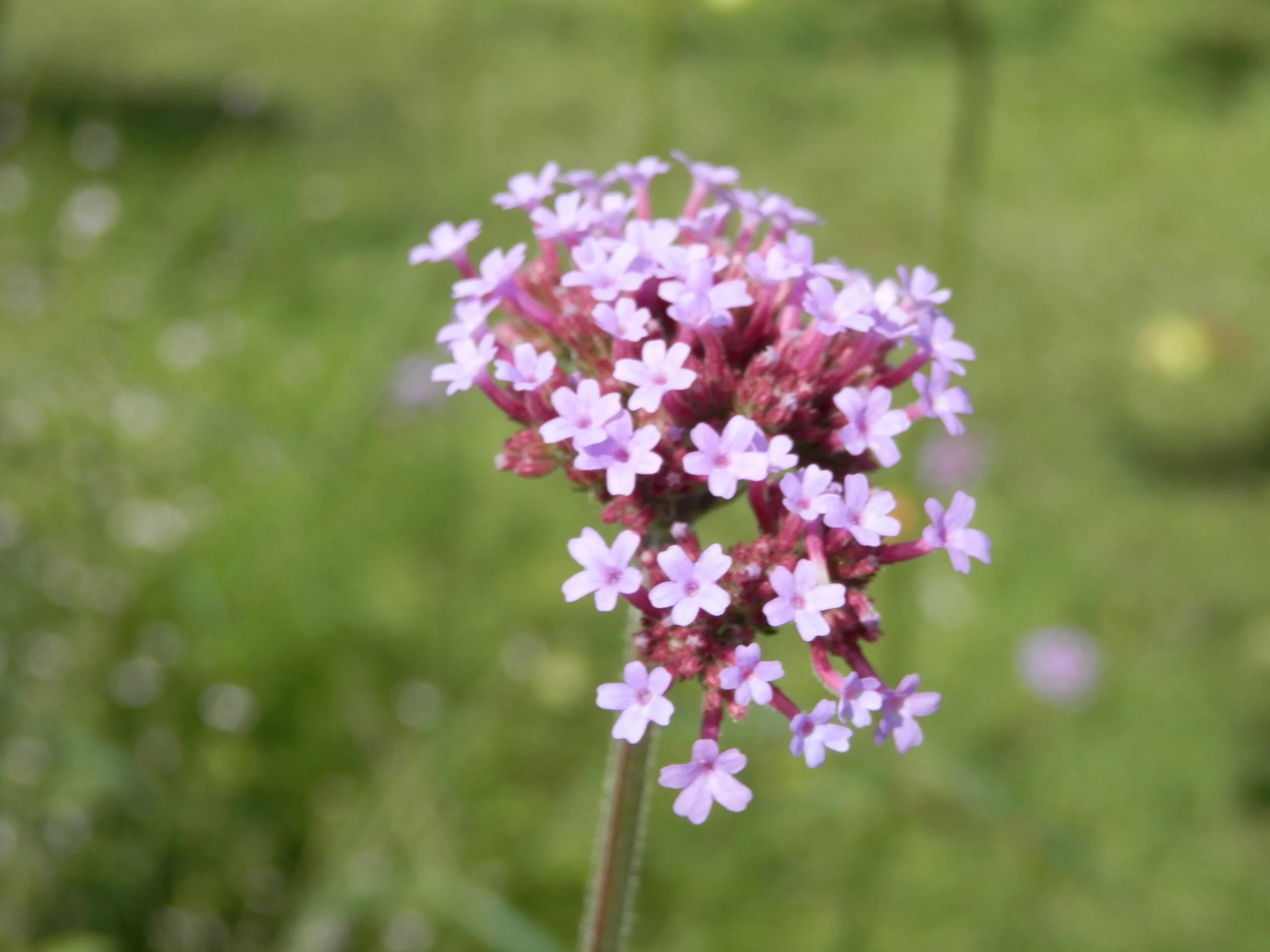
A verbena enjoying the sunshine at Fulham Palace, photo by Lucetta

A verbena enjoying the sunshine at Fulham Palace, photo by Lucetta

I have done things here that are so far removed from my daily life that at times I found myself wondering what brought me to my age to have this experience, to put myself out there in a foreign country.

Even the volunteers were rather amazed by an Italian teacher of Latin, language in which the names of flowers and plants are inscribed on special labels, taking her summer holiday gardening in Fulham. The friendly welcome fills me with happiness as we chat under a tree during lunch. They make me feel part of the team, although many of them have known each other for several years.

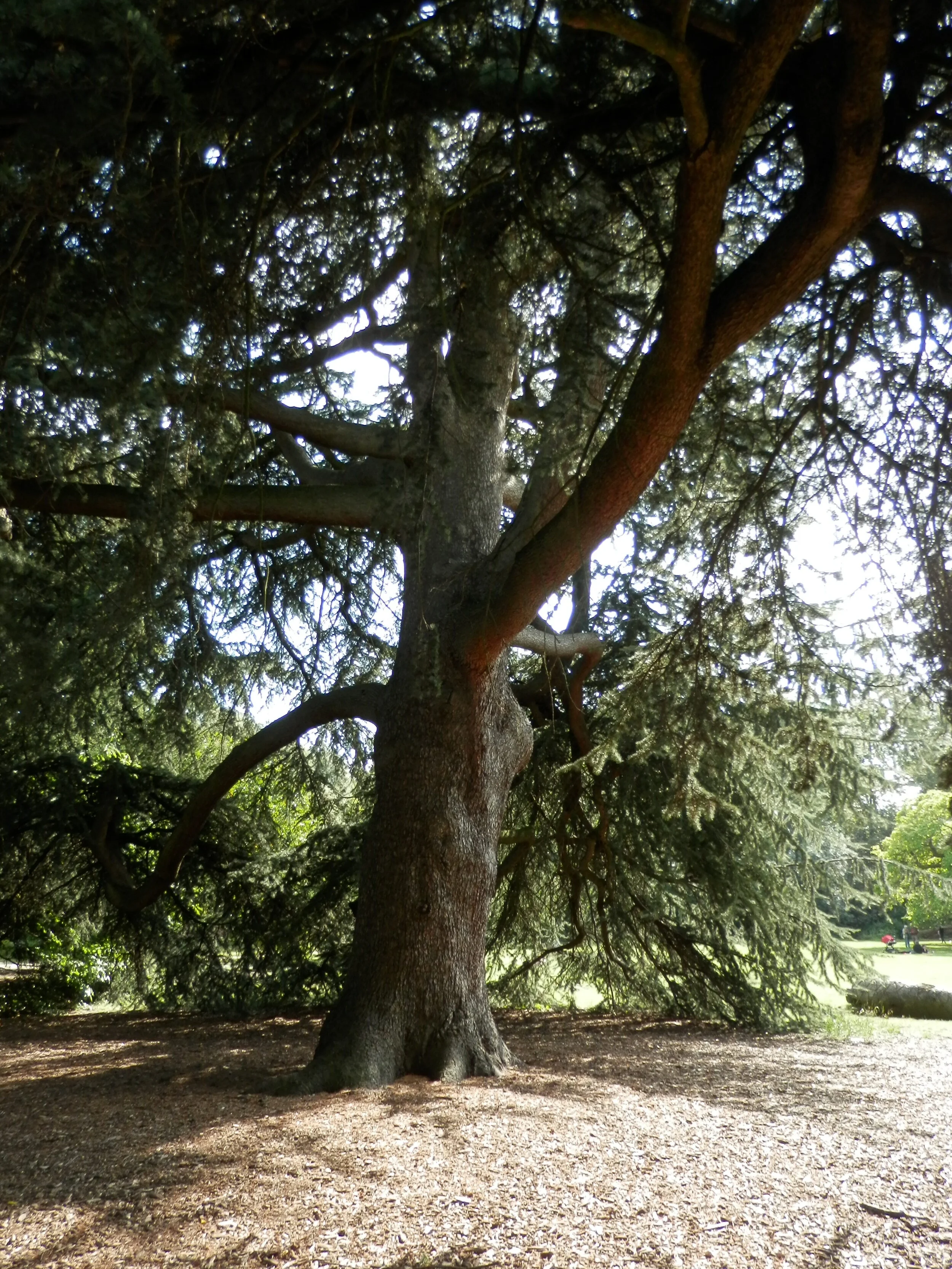
One of the many enchanting trees at Fulham Palace

One of the many enchanting trees at Fulham Palace

I engender the same wonder in the many visitors. They see me sweating using the spade, read the name on the badge and stop with curiosity to ask what brings me here. I reply with a smile to which they smile and thank me.

They do the same with Anna Maria, my friend and fellow Project Leader at Chiesi Farmaceutici who shared this adventure with me for a week. Together we compiled the application form last year, sent the requested references and completed the telephone interview that enabled us to be accepted.

In the end, deep down like they would say here, I know because I committed to this experience, what profound motivation brought me here.

Because, as in many other occasions in my life, the concept "never stop exploring" I believe is the contemporary equivalent of humanistic knowledge to which I have dedicated most of my passionate university studies. 

Do something unexpected every day, test yourself without fear of making mistakes. Leave your comfort zone every now and then.

The richness of what you will encounter will surprise you.


Lucetta Dodi

Specimen of the month: Tomatoes

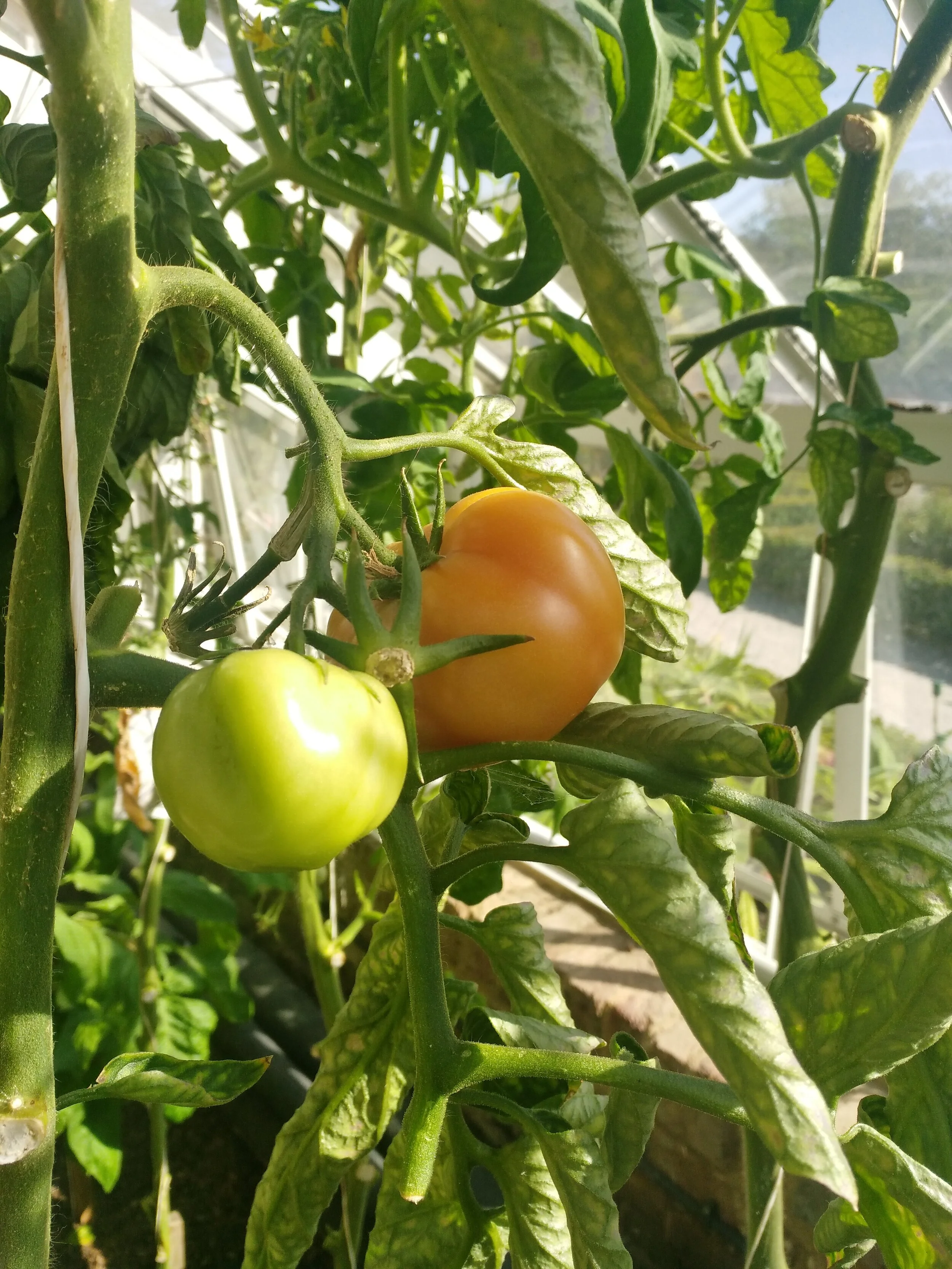
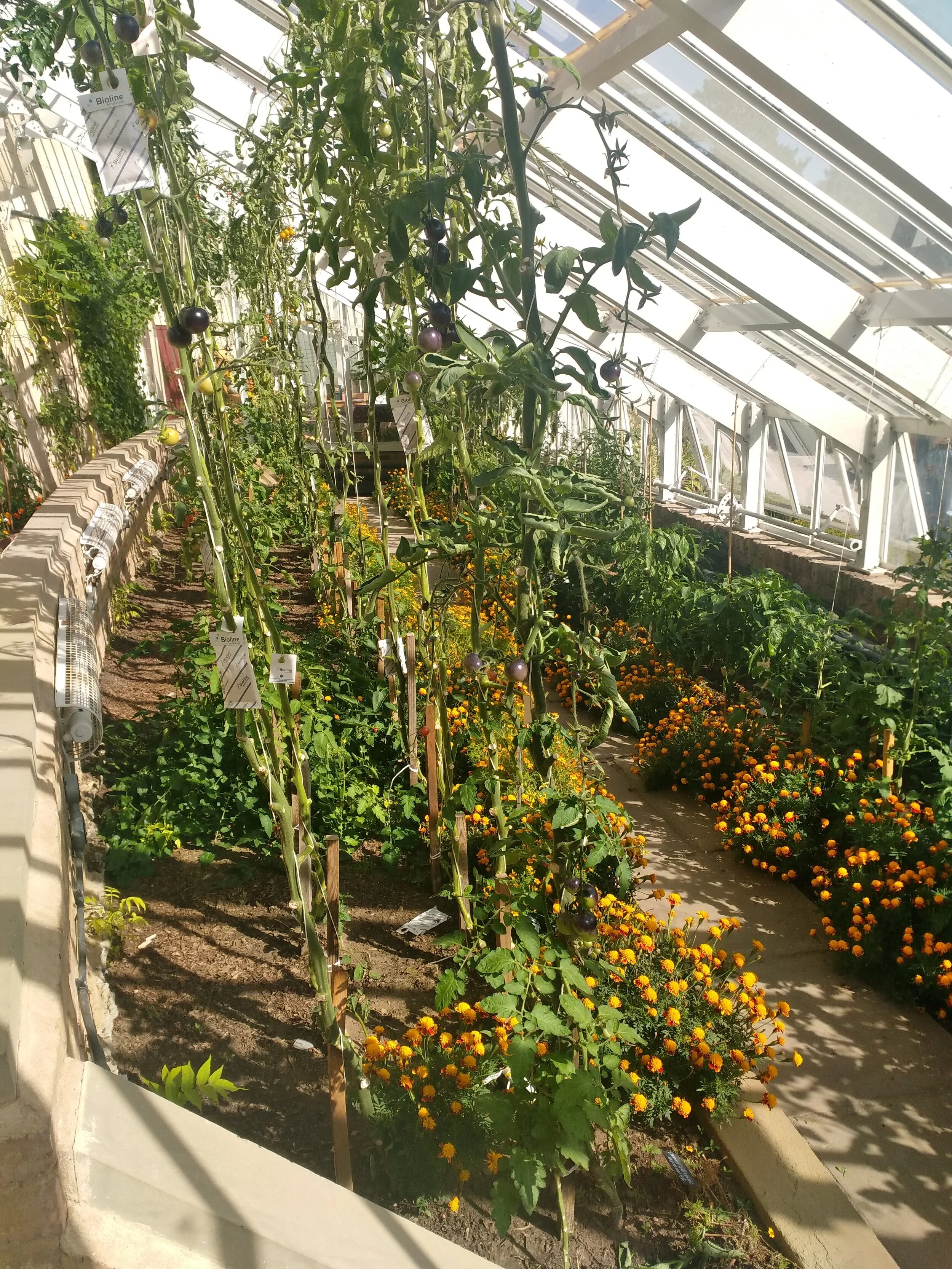
The ‘Big League’ variety of tomatoes growing in the vinery at the Palace amongst a whole host of other popular varieties.

The ‘Big League’ variety of tomatoes growing in the vinery at the Palace amongst a whole host of other popular varieties.

Every month we feature two blogs written by volunteers, one describes an object in the Palace and one a plant from the Garden. It is a great way to learn more about the Palace. If you would like to contribute there is no set format so please do send in your ideas.

This month Jemima Webb, front of house volunteer, has done a fabulous job of writing an object of the month and a specimen of month blog! The specimen of the month in question is currently growing in garden and featured in the temporary exhibition room of the new museum… the well-loved tomato plant!

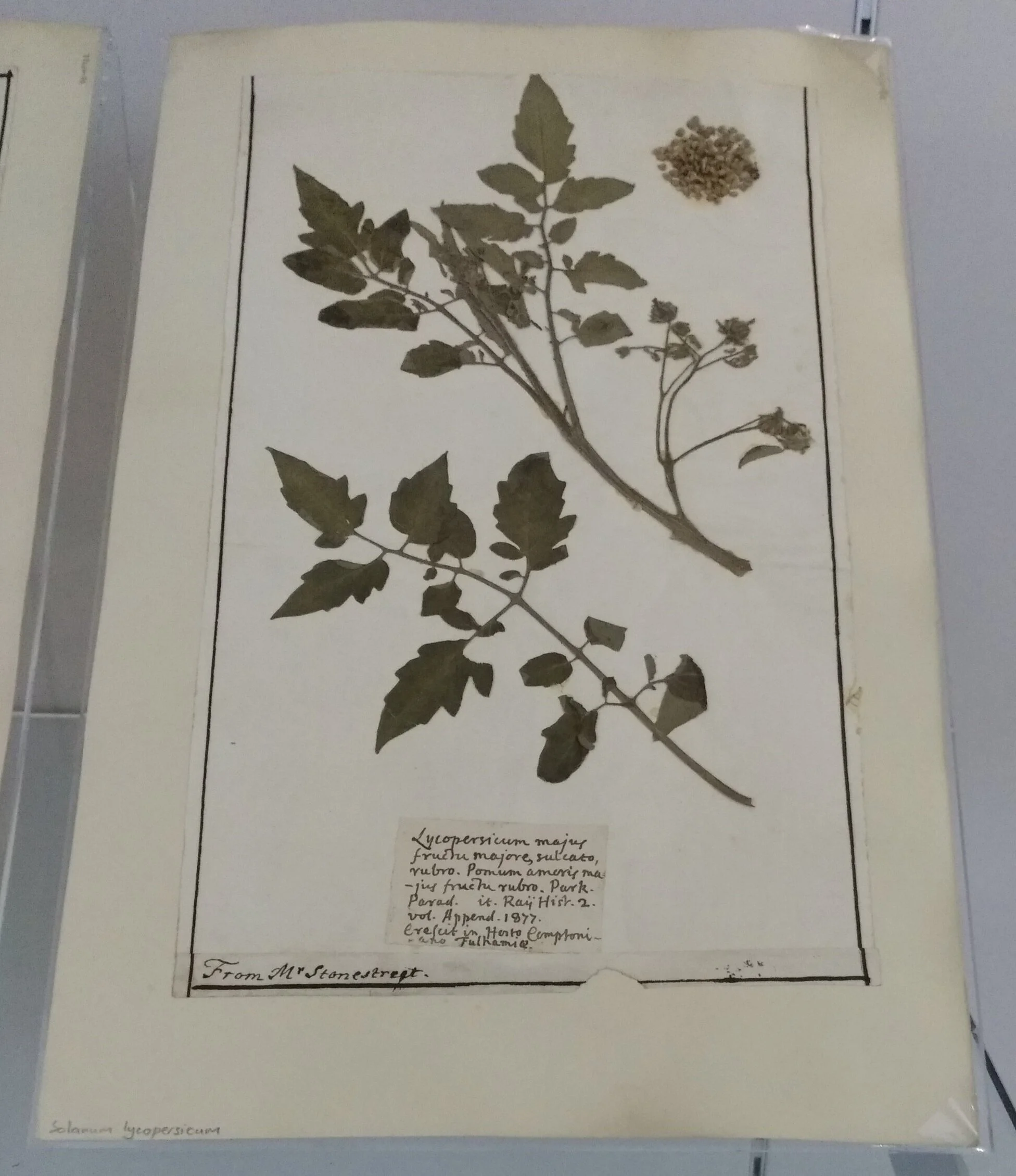
One of the plant specimens that were sourced from Bishop Compton’s garden (inscribed with ‘crevit in Horto Comptonians’ meaning ‘found growing in Bishop Compton’s garden’), is a tomato plant. Tomatoes were introduced from the Americas in the 16th century after the Spanish conquest.

A tomato (Solanum lycopersicum) from Bishop Compton’s garden at Fulham Palace.

A tomato (Solanum lycopersicum) from Bishop Compton’s garden at Fulham Palace.

Tomatoes became popular in the Mediterranean but were treated with suspicion in England after the influential botanist Gerard Herball wrote that, despite being eaten in Spain and Italy, he believed them to be poisonous. As someone who has always disliked tomatoes, I find it both gratifying and funny that I agree with the 17th century botanist, despite us both knowing that they are eaten by many happily enough!

Bishop Compton was adventurous in his eating habits, shown in how he ate the flowers of the eastern redbud and the Guinea pepper (known today as chilli pepper). So, it is quite likely that he ate the tomatoes grown in his garden as well.

Jemima Webb, Front of house volunteer

Thank you to Jemima for this blog. Please send your ideas for Object / Specimen of the month blogs to rachel.bagnall-bray@fulhampalace.org. If you would like some help, please let me know.

Tomatoes growing in the vinery at the Palace this September

Tomatoes growing in the vinery at the Palace this September

Front of house supervisor role

We are currently recruiting for a front of house supervisor so we’d love you to apply if you are interested or otherwise please pass this on to your friends and colleagues.

As part of the front of house team, this role is one of the first points of contact for our visitors, and involves providing excellent customer service, dealing with a wide variety of public enquiries and being a link to all other members of the Fulham Palace team. Working with our large front of house volunteer team is central to this interesting and varied position.

To find out more and to apply please take a look here: https://www.fulhampalace.org/get-involved/vacancies/

The closing date is Friday 27 September at 12.00.

Alisa has been a wonderful part of the Front of house team, bringing excellent front of house knowledge to the position at such a key time - she really will be missed! She has been offered a position by her former employer which is closer to home, but hope she will stay in touch and visit us often!

Best wishes,

Rachel

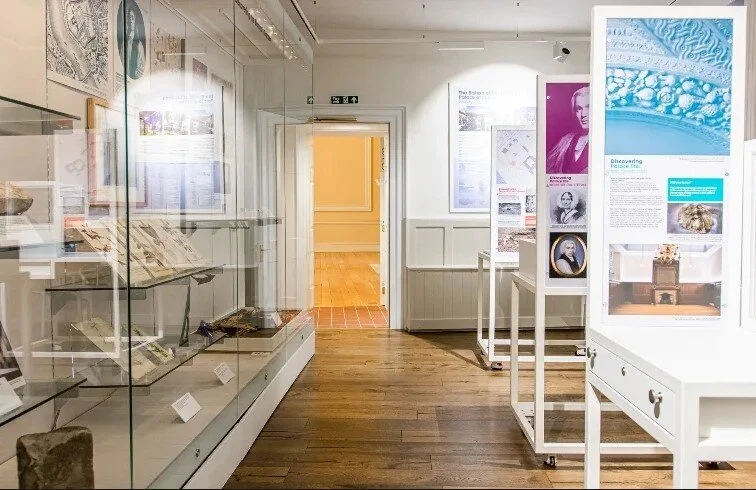
Exhibition space.jpg

Ask A Curator on Twitter... this Wednesday!

Join us on Twitter this Wed 18th Sept for Ask A Curator day! Lisa, our collections and research officer, is taking over our twitter account and welcoming questions about the Palace collection with open arms. If you have a burning question about the Palace collection then this is the perfect opportunity to get the answer! It is also a fine opportunity to learn something new about the Palace by seeing Lisa’s responses! You can find out more by clicking AskACurator

So please jot a note in your diary and get thinking of what you’d like to know about the Palace… There are no silly questions, just those not asked!

Ask a curator.jpg

Rachel, volunteer and communities manager

Object of the month: Fragments of stoneware jugs

Every month we feature two blogs written by volunteers, one describes an object in the Palace and one a plant from the Garden. It is a great way to learn more about the Palace. If you would like to contribute there is no set format so please do send in your ideas.

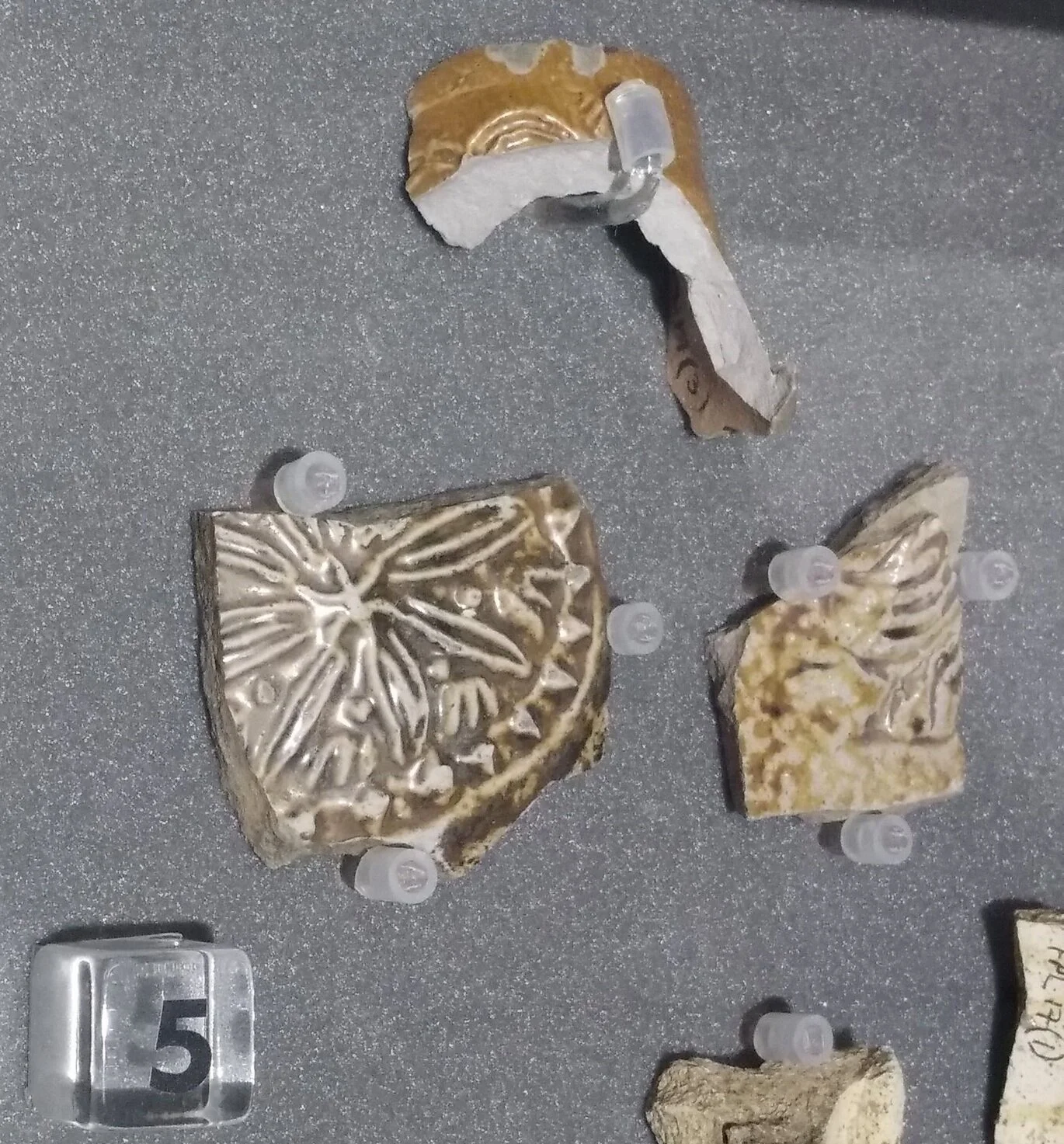
Fragments of stoneware jugs produced in Frechen, near Cologne, Germany. Pottery, 1550-1700. On display at Fulham Palace in the temporary exhibition room.

Fragments of stoneware jugs produced in Frechen, near Cologne, Germany. Pottery, 1550-1700. On display at Fulham Palace in the temporary exhibition room.

September’s objects of the month are fragments of stoneware jugs produced in Frechen, near Cologne, Germany, 1550 - 1700. These objects were found during the community archaeology ‘Dovecote dig’ at Fulham Palace in October 2017. Hear from archaeology student and front of house volunteer Jemima Webb who opens up a discussion about what these intriguing fragments can tell us about Fulham Palace in Early Modern England.

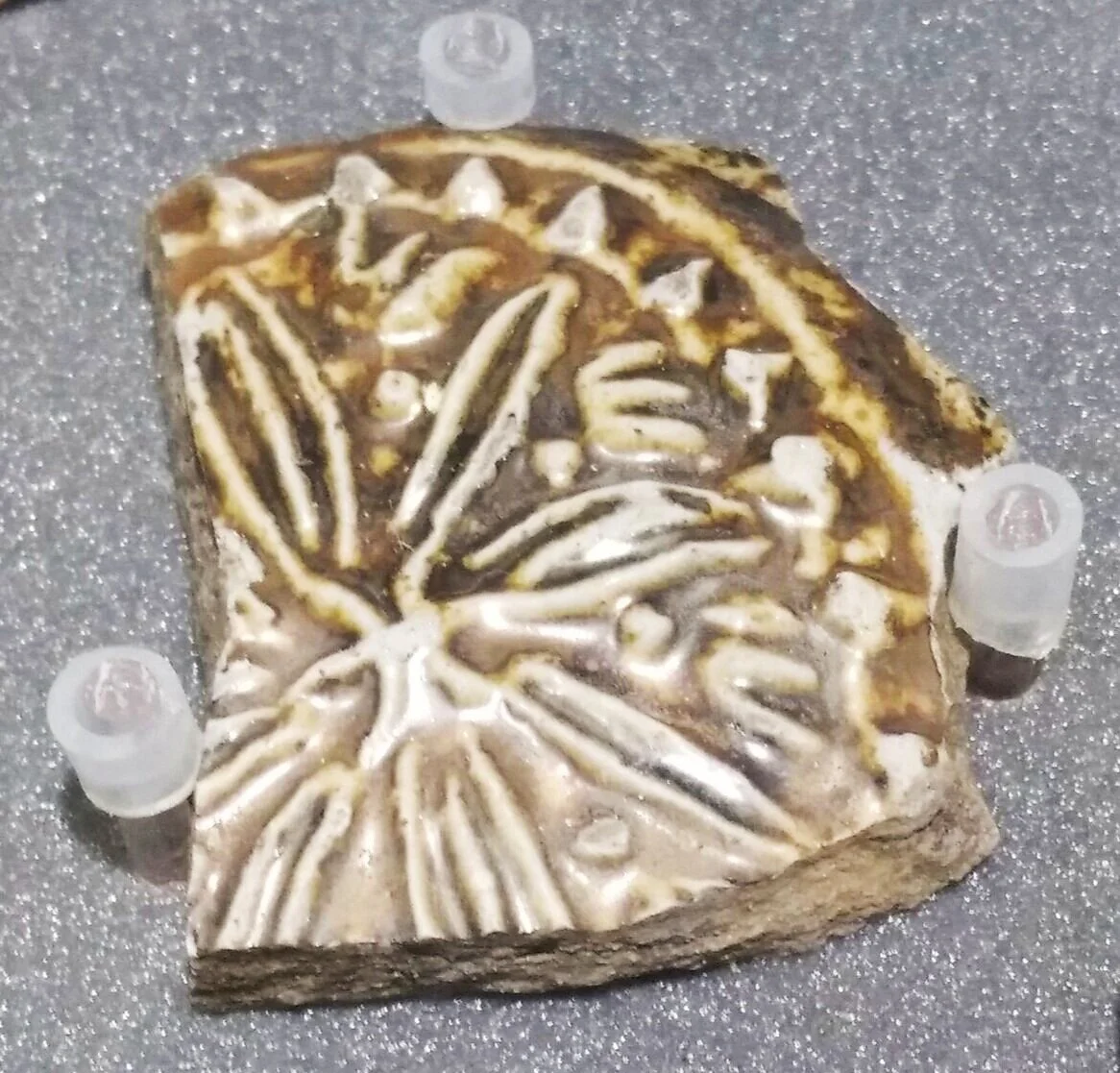
The fragments found in the display of the temporary exhibition room are a wonderful example of the Frechen stoneware jugs which were used for decanting and holding beer and wine. The fragments demonstrate the distinctive relief decoration achieved through mould techniques as well as the reddish brown colour from the brown salt glaze. Some examples of this pottery were coloured with cobalt oxide so that the relief decoration could be highlighted in a bright cobalt blue.

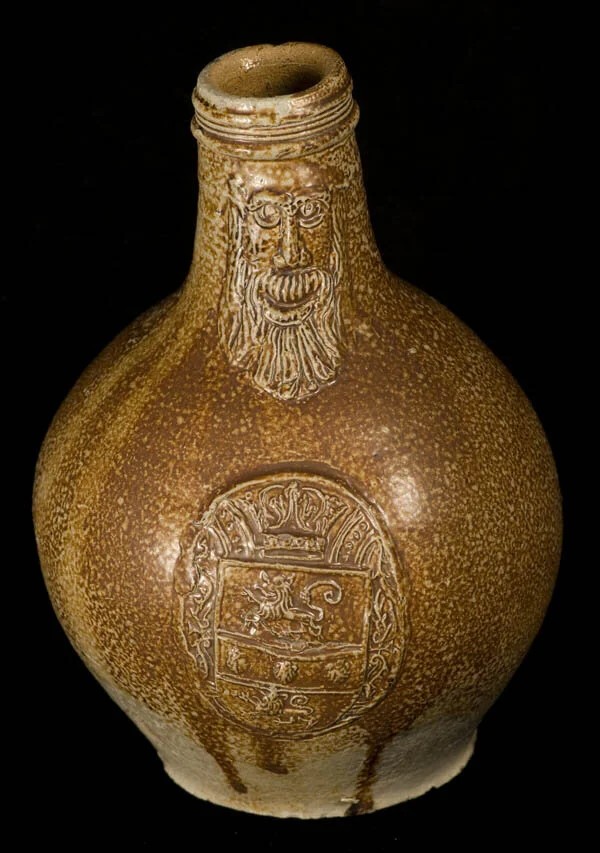
One form of this pottery is known as ‘Bartmann‘, meaning ‘bearded man‘ in German, due to a characteristic relief of a bearded man on the neck of the jug. Another name for this form, first recorded in 1634, was ‘Bellarmine‘. This is associated with Cardinal Bellarmine (1542-1621) who was a fierce opponent of Protestantism and it has been suggested that it was named as such as a form of ridicule by the Dutch and English Protestant traders.

Complete Frechen stoneware jug in the ‘Bartmann‘ form

Complete Frechen stoneware jug in the ‘Bartmann‘ form

Close-up of one piece of a stoneware jug produced in Frechen, Germany, 1550-1700. On display at Fulham Palace in the temporary exhibition room.

Close-up of one piece of a stoneware jug produced in Frechen, Germany, 1550-1700. On display at Fulham Palace in the temporary exhibition room.

The appearance of this stoneware at Fulham Palace is interesting evidence of the trade between England and Europe as it originates in Frechen, south-west of Cologne in the Rhine river valley. Then the jugs were probably shipped from Cologne to Amsterdam and Dordredcht and then onwards to England. The popularity of this style of jug is shown in the estimation of, by 1600, 100,000 pieces being imported into England annually.

Jemima Webb, Front of house volunteer

Many thanks to Jemima for this fantastic blog highlighting these interesting stoneware pieces. Please send your ideas for Object / Specimen of the month blogs to rachel.bagnall-bray@fulhampalace.org. If you would like some help, please let me know.