Volunteering Video Launch!

It's Volunteers' Week!

...and to mark it this year, Philip Carr, Filmmaker volunteer, and our Marketing Officer, Neil Hassall, have produced a fantastic 5 minute film highlighting volunteering at the Palace! It gives a snapshot of some of the wonderful things you do at the Palace (although of course with 250 of you this really is just a glimpse into all the areas you help out in)! 

Happy watching!

Rachel

Recipe of the Month - May

Unknown.jpeg

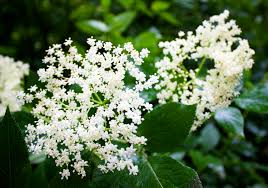
Elderflowers

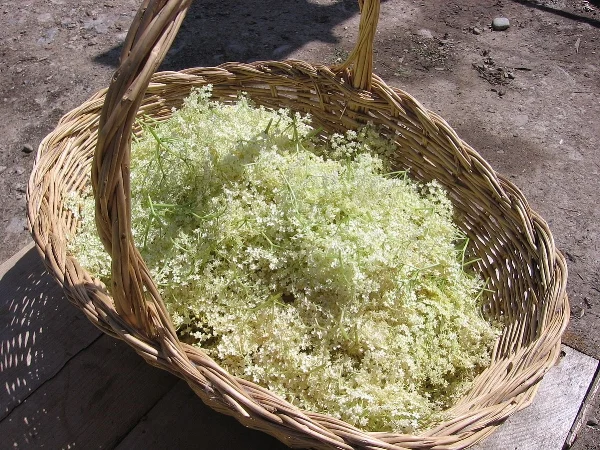
You will need to be quick with the cordial recipe as the Elderflowers are at their peak now and will soon be over. They are abundant and you need surprisingly few heads to capture the delicious Elderflower scent and taste. 


1200px-Picked_Elderflower-1.jpg

Homemade elderflower cordial

 Mix with sparkling water to create elderflower pressé, or add to wine, Prosecco or Champagne for a delicious summer party drink

  • 2½ kg white sugar, either granulated or caster
  • 2 unwaxed lemons
  • 20 fresh elderflower heads, stalks trimmed
  • 85g citric acid (from chemists)
  1. Put the sugar and 1.5 litres/2¾ pints water into the largest saucepan you have. Gently heat, without boiling, until the sugar has dissolved. Give it a stir every now and again. Pare the zest from the lemons using a potato peeler, then slice the lemons into rounds.

  2. Once the sugar has dissolved, bring the pan of syrup to the boil, then turn off the heat. Fill a washing up bowl with cold water. Give the flowers a gentle swish around to loosen any dirt or bugs. Lift flowers out, gently shake and transfer to the syrup along with the lemons, zest and citric acid, then stir well. Cover the pan and leave to infuse for 24 hrs.

  3. Line a colander with a clean tea towel, then sit it over a large bowl or pan. Ladle in the syrup – let it drip slowly through. Discard the bits left in the towel. Use a funnel and a ladle to fill sterilised bottles (run glass bottles through the dishwasher, or wash well with soapy water. Rinse, then leave to dry in a low oven). The cordial is ready to drink straight away and will keep in the fridge for up to 6 weeks. Or freeze it in plastic containers or ice cube trays and defrost as needed.

Recipe from BBC Good Food

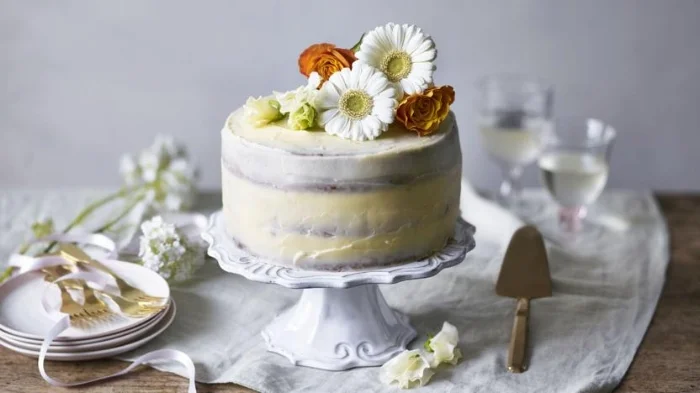
lemon_and_elderflower_15737_16x9.jpg

Lemon and Elderflower Cake

Made famous by that recent wedding, this is a lovely, delicate combination of flavours. This recipe can be made using the cordial recipe above or a good quality shop-bought cordial.

For the cake

  • 450g/1lb unsalted butter, at room temperature
  • 450g/1lb caster sugar 
  • pinch salt
  • 4 unwaxed lemons, zest only
  • 8 large free-range eggs
  • 300g/10½oz self-raising flour, sifted 
  • 20g/¾oz ground almonds
  • 4 tbsp elderflower cordial 
  • fresh flowers, to decorate
  • fresh fruit, to decorate

For the drizzle

  • 100ml/3½fl oz elderflower cordial
  • 1 unwaxed lemon juice only

For the buttercream

  • 250g/9oz unsalted butter at room temperature
  • 500g/1lb 2oz icing sugar, sifted
  • 75ml/2½fl oz double cream
  • 4 tbsp elderflower cordial

1. Preheat the oven to 200C/180C Fan/Gas 6. Grease and base-line three 20cm/8in loose-bottomed round cake tins with baking paper. 

2. Put the butter, sugar, salt and lemon zest into the bowl of a stand mixer fitted with a paddle attachment and beat until pale and fluffy. Gradually beat in the eggs, one at a time, adding a spoonful of flour occasionally to prevent the mixture from splitting.

3. Fold in the remaining flour and the ground almonds, then fold in the elderflower cordial. Divide the mixture equally between the three tins and bake for 20–25 minutes until risen and golden. To test that the cakes are cooked, insert a cocktail stick or skewer into the centre; if it comes out clean the cakes are ready.

4. Transfer the tins to a wire rack and use a cocktail stick or small skewer to prick holes all over the surface of the sponges. Mix together the elderflower cordial and lemon juice and spoon over the sponges. Leave to soak and cool in the tins for 30 minutes, then turn out and leave to cool completely. 

5. Meanwhile, to make the buttercream, beat the butter in a stand mixer fitted with a paddle attachment (or use an electric hand whisk) until soft. Gradually beat in the icing sugar until pale and fluffy, then beat in the cream and elderflower cordial. (Take care not to over-beat the mixture as it can split.)

6. Put a spoonful of buttercream onto a cake stand or serving plate, then lay one of the sponges on top (if they’ve domed slightly during baking, trim with a bread knife to flatten the tops). Spread the sponge with a little of the buttercream then lay a second sponge on top. Repeat the layering process then spoon the remaining buttercream on top of the cake. Use a palette knife to spread the buttercream over the tops and sides of the cake in an even layer. Finally turn the cake whilst holding a palette knife down the side to scrape away some of the buttercream so the sponge is visible underneath. Decorate with fruit and fresh flowers and serve.

Recipe from BBC


A celebrity in our midst...

We thought you might be interested to know that Fulham Palace's archaeologist, Alexis, was talking about the Palace on BBC Radio London earlier this week.
 
If you'd like to take a listen then please click here which will lead you to an iplayer link available for a month or so. The episode is called "Rita Coolidge and 'Round Your Manor' at Fulham", Tuesday 15th May, 1 hr 37 mins. 

Happy listening!

Object of the Month - The Queen’s Grapes

Every month we feature two blogs written by volunteers, one describes an object in the Palace and one a plant from the Garden. It is a great way for us all to learn more about the Palace, if you would like to contribute there is no set format so please do send us your ideas!

The Queen’s Grapes (from item 19 in the Porteous Library display case)

This is a story from a little 1813 book with the stirring title of “An Historical and Topographical Account of the parish of Fulham, including the Hamlet of Hammersmith”. The author was Thomas Faukner who kept a booksellers and stationers shop at the corner of Paradise Row in Chelsea. He was a self-taught man. But he taught himself several languages and a fair number of the records in the book are in the original Latin.

One of the stories in the book speaks of Bishop Grindall in 1569. Queen Elizabeth I was the monarch and of course B. Grindall would have been keen to stay in favour with her. The grapes which were grown on the Fulham Manor land were very fine because of the quality of the soil and the sheltered position.

So every year from his appointment B.Grindall used to send a present of grapes to be carried to the Queen by one of his servants. But in 1569 there was a problem in the Manor house because this was one of the years in which the plague had affected London. Some of B. Grindall’s servants had been ill. In those days health and sanitation conditions were not good in London and it was not easy to know what type of illness someone had. If they died it might be thought to be the plague but it might be dysentery or any number of other diseases. No doctor knew how any diseases were spread and the general belief was that the plague was borne on the wind.

Whatever the illness at the Manor had been thought to be, the Bishop’s grapes were sent to the Queen as usual (he would not have wanted to pass up a chance to be in QEI’s good books).

 The word obviously got around that the plague had affected B. Grindall’s manor house at the time the grapes had been sent. This would have put B. Grindall in fear. Who knows what the penalty would have been for putting the sovereign’s life at risk?  Probably a particularly grisly form of execution.

He did what he could to clear himself of blame. On 20th September 1569 he wrote to Lord Burghley the Queen’s main advisor, treasurer and enforcer. Lord Burghley was the most powerful man in the land.

I hear that some fault is found with me abroad for the sending of my servant lately to the court with grapes, saying one died of my house of the plague as they say, and three more are sick. The truth is, one died in my house the 19th of this month, who had lyen but 3 days; but he had gone abroad languishing above 20 days before that, being troubled with a flux, and thinking to bear it out, took cold, and so ended his life.

But, I thank God, there is none sick in my house. Neither would I so far have overseen myself, as to have sent to her Majesty if I had not been more assured, that my man’s sickness was not of the plague; and if I suspected any such thing now, I would not hold my household together as I do. This much I thought good also to signify unto you.

God keep you.

From Fulham, 20th Sept. 1569

Yours in Christ

This must have done the trick; B. Grindall was not arrested and brought to the Tower. But equally there is no record of a reply from Lord Burghley (there was little courtly diplomacy towards those who might have done something stupid to put the Queen at risk), B. Grindall lived out the rest of his natural life and died in his bed in 1570.

But life was perilous for all in those days. History doesn’t recount whether B. Grindall ever dared to send any more grapes for the Queen from Fulham Manor.

Roger McCarthy, volunteer

Please send your ideas for Object / Specimen of the Month blogs to rachel.bray@fulhampalace.org. If you would like some help, let us know.

The Saints of London Cope

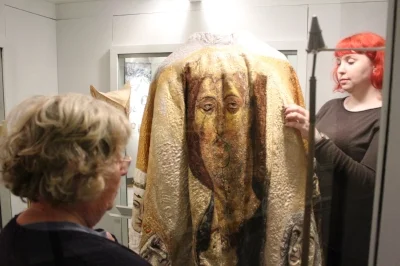
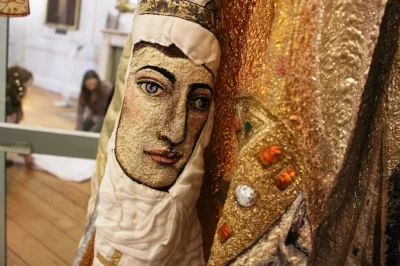
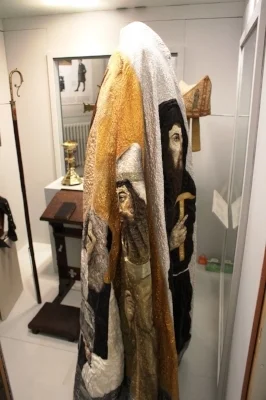
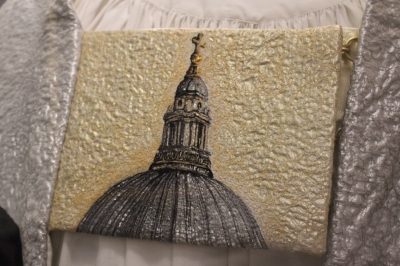
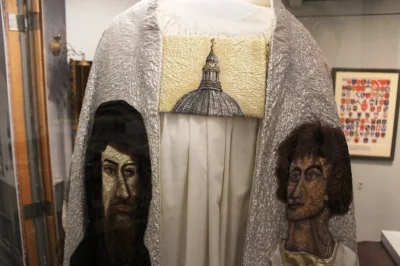
Fulham Palace are very happy to have been loaned the Saints of London Cope by the Bishop of London. Here's a bit of information about it.

The Saints of London Cope was commissioned by the Bishop of London the Right Revd and Rt Hon Richard Chartres, to mark the 1400th Anniversary of the Re-foundation of the Diocese of London under Saint Mellitus and the building of St Paul's Cathedral in 604. It was designed and made by Jacqueline Binns.

The Cope was worn for the first time on the 15th October 2004 as part of the celebration of the 1400th Anniversary, at Saint Paul’s Cathedral, London.

Volunteers Esther Dean (left) and Hannah Scully (right) straightening the Cope

Volunteers Esther Dean (left) and Hannah Scully (right) straightening the Cope

Text by Miranda Poliakoff, Images by Neil Hassall

Recipe of the Month - April

Watercress 

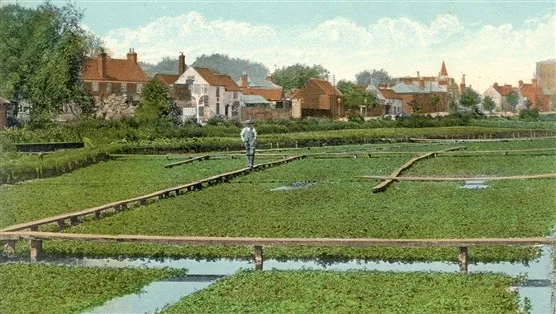
Watercress has a long cultivation and culinary history in England, it even has it's own festival in Alresford in Hampshire, the acknowledged home of watercress growing in the UK. Watercress is semi-aquatic and will grow wild on the edges of streams and rivers, it is cultivated all year round in specially created beds through which mineral-rich spring water flows.

A traditional watercress bed

A traditional watercress bed

Lots of claims are made for watercress's super-food status, it is indeed rich in vitamin C, calcium and iron, along with useful amounts of vitamins K and A. To get the full benefits it is best to eat watercress raw but cooked it is still a great source of nutrients.

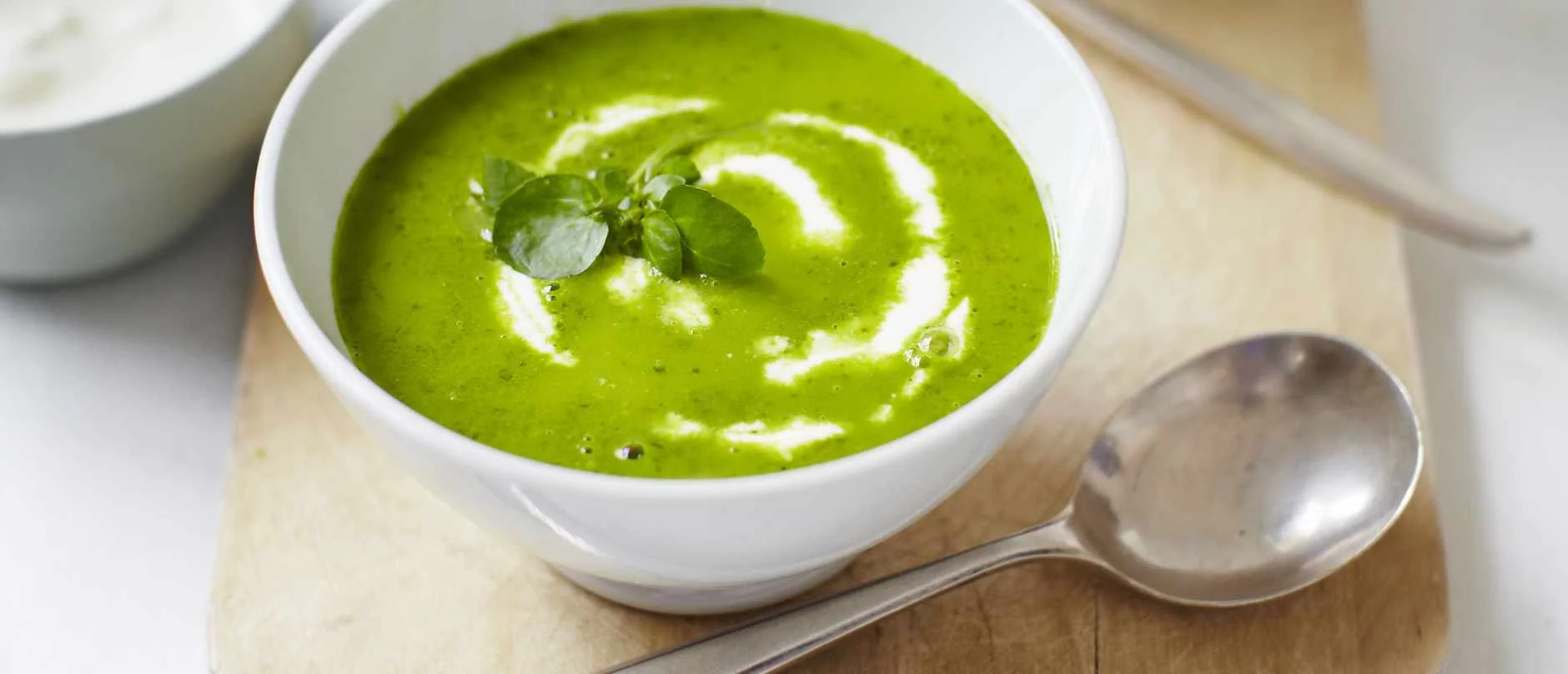
Vegan Watercress Soup with Cashew Nut Cream

Cashew nut cream is a good vegan alternative to dairy cream. This recipe is incredibly easy and very fresh-tasting. See below the soup recipe for the cashew cream recipe (note the cashews need a few hours soaking).

  • spring onions  2, sliced 
  • olive oil spray 
  • garlic  1 clove, crushed 
  • watercress  140g bag
  • rocket  100g bag
  • parsley  ½ a bunch
  • vegetable stock  400ml, hot
  • lemon  1, zested and juiced
  • STEP 1

    Fry the spring onions in a spray of olive oil until soft. Add the garlic and fry for another minute before tipping in most of the watercress, all the rocket and parsley. Stir though until wilted, then add the vegetable stock. Bring to a simmer and season well. Blend until a stick blender until smooth. Add most of the lemon zest and season with a little lemon juice.

  • STEP 2

    Divide between bowls, then add a tbsp of cashew cream to each bowl. Scatter with more lemon zest and watercress leaves to serve if you like.

Cashew Cream recipe

This recipe will make more cashew cream than needed, but it can be stored in the fridge for a few days. Or alternatively, freeze it. 

cashew nuts 200g

step 1

Put the cashew nuts in a bowl and cover with water. Cover with clingfilm and leave for 2 hours.

step 2

Strain the cashews through a sieve and tip into a liquidizer or blender. Add 200ml fresh water and blend until very smooth. Add more water a little at a time to get the consistency required. Add a pinch of salt (or honey for a sweet version) and blend again. Tip into a container and cover.

Top cashew cream tip: If your blender isn’t powerful enough to make a smooth texture, you could always let down cashew nut butter with a little water to get a softer consistency.

From Olive Magazine

11775.jpg

Baked Trout with Watercress Salsa Verde

Watercress has a special affinity with trout perhaps because they originally thrived in similar environments.

  • 1 whole trout, scaled and gutted
  • ½ bunch tarragon
  • 1 lemon, sliced
  • 150g/5½oz watercress leaves 
  • 3 tbsp chopped fresh flatleaf parsley
  • 2 large spring onions, roughly chopped
  • 1 garlic clove, roughly chopped
  • 1 lemon, zest only
  • 2 tbsp capers, rinsed and drained
  • 2 tbsp dried breadcrumbs
  • 3 tbsp extra virgin olive oil
  • salt and pepper
  1. Preheat the oven to 200C/400F/Gas 6.

  2. Stuff the cavity of the fish with the tarragon and lemon slices. Place in the oven for 20-30 minutes (depending on the size of the fish), or until cooked through.

  3. Meanwhile, bring a small pan of salted water to the boil. Add the watercress leaves and cook for a minute. Drain and refresh the watercress in ice-cold water.

  4. Transfer the watercress to a food processor, add the remaining ingredients and process to a purée. Season, to taste, with salt and freshly ground black pepper.

  5. To serve, place the whole trout on a large plate and peel back the skin. Pour over the salsa verde.

From BBC recipes

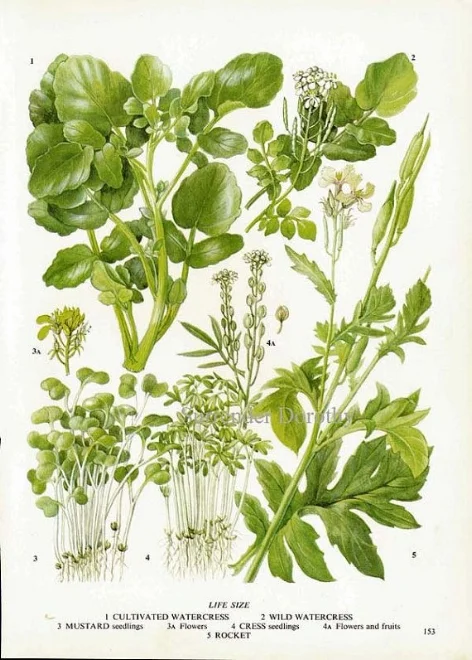
Although the Latin name for Watercress is Nasturtium officinale it is not related to the trailing flowering plants commonly known as nasturtium.

1c987a531243fa8900c49d4f24aef000.jpg

Fulham Palace Through Postcards Exhibition Extended

We’re extending the exhibition up to and including 28 May!

----

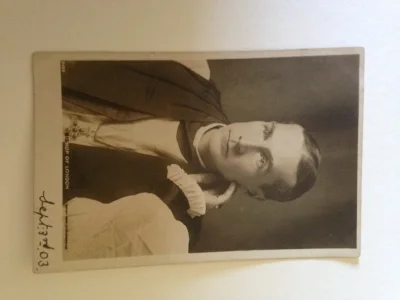
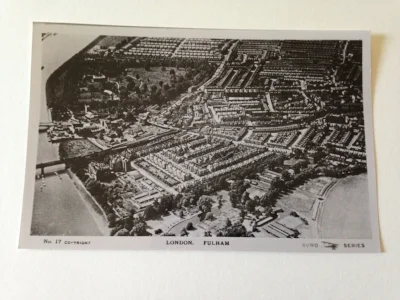
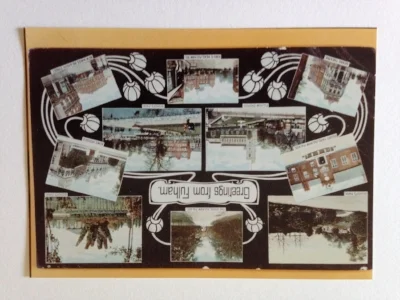
There was a national craze for postcards from 1898 to the end of the Great War in 1918, the so-called Golden Age of the Postcard.  With up to six deliveries a day postcards could be used to arrange meetings, much as we do by texting today.  Picture postcards were produced as souvenirs covering every conceivable aspect of life and death and millions were sent through the post each week.  Although Fulham Palace was a private residence, postcards were sold of the exterior, the interior and the gardens as well of the Bishop of London himself.

This exhibition surveys the variety of postcards from all periods relating to the Palace and explores what they can reveal about its history. It also includes embroidered postcards of the Palace and the garden, made by Fulham Palace volunteers, who took their inspiration from the silk cards produced during the Great War in France. 

----