Recipe of the month

Recipe of the Month - April

Watercress 

Watercress has a long cultivation and culinary history in England, it even has it's own festival in Alresford in Hampshire, the acknowledged home of watercress growing in the UK. Watercress is semi-aquatic and will grow wild on the edges of streams and rivers, it is cultivated all year round in specially created beds through which mineral-rich spring water flows.
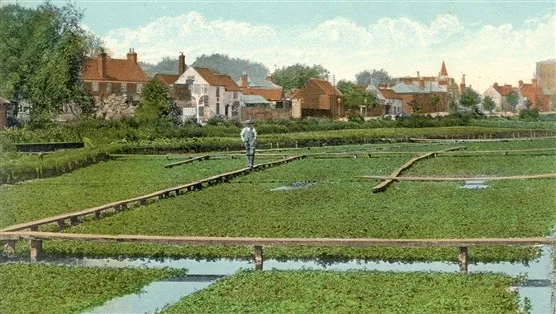
A traditional watercress bed

A traditional watercress bed

Lots of claims are made for watercress's super-food status, it is indeed rich in vitamin C, calcium and iron, along with useful amounts of vitamins K and A. To get the full benefits it is best to eat watercress raw but cooked it is still a great source of nutrients.

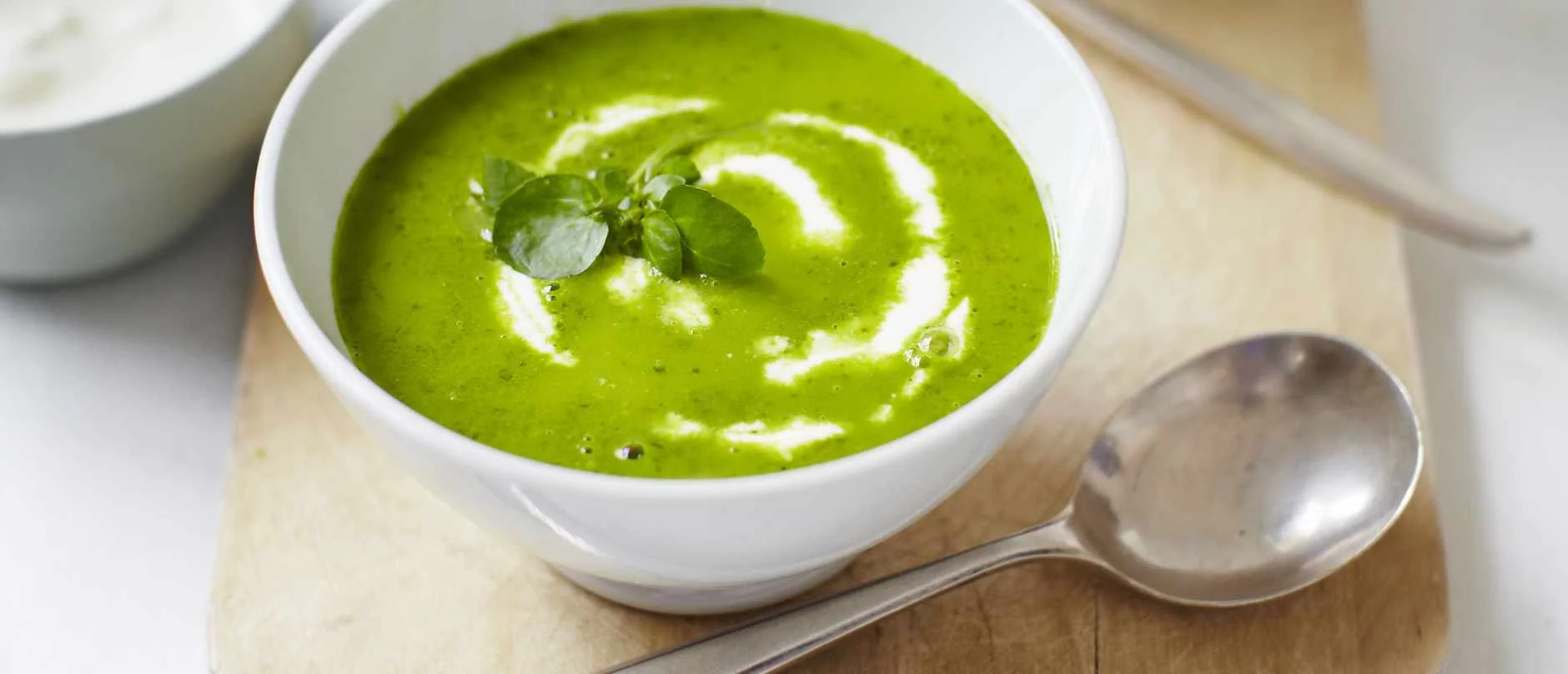
Vegan Watercress Soup with Cashew Nut Cream

Cashew nut cream is a good vegan alternative to dairy cream. This recipe is incredibly easy and very fresh-tasting. See below the soup recipe for the cashew cream recipe (note the cashews need a few hours soaking).

  • spring onions  2, sliced 
  • olive oil spray 
  • garlic  1 clove, crushed 
  • watercress  140g bag
  • rocket  100g bag
  • parsley  ½ a bunch
  • vegetable stock  400ml, hot
  • lemon  1, zested and juiced
  • STEP 1

    Fry the spring onions in a spray of olive oil until soft. Add the garlic and fry for another minute before tipping in most of the watercress, all the rocket and parsley. Stir though until wilted, then add the vegetable stock. Bring to a simmer and season well. Blend until a stick blender until smooth. Add most of the lemon zest and season with a little lemon juice.

  • STEP 2

    Divide between bowls, then add a tbsp of cashew cream to each bowl. Scatter with more lemon zest and watercress leaves to serve if you like.

Cashew Cream recipe

This recipe will make more cashew cream than needed, but it can be stored in the fridge for a few days. Or alternatively, freeze it. 

cashew nuts 200g

step 1

Put the cashew nuts in a bowl and cover with water. Cover with clingfilm and leave for 2 hours.

step 2

Strain the cashews through a sieve and tip into a liquidizer or blender. Add 200ml fresh water and blend until very smooth. Add more water a little at a time to get the consistency required. Add a pinch of salt (or honey for a sweet version) and blend again. Tip into a container and cover.

Top cashew cream tip: If your blender isn’t powerful enough to make a smooth texture, you could always let down cashew nut butter with a little water to get a softer consistency.

From Olive Magazine
11775.jpg

Baked Trout with Watercress Salsa Verde

Watercress has a special affinity with trout perhaps because they originally thrived in similar environments.

  • 1 whole trout, scaled and gutted
  • ½ bunch tarragon
  • 1 lemon, sliced
  • 150g/5½oz watercress leaves 
  • 3 tbsp chopped fresh flatleaf parsley
  • 2 large spring onions, roughly chopped
  • 1 garlic clove, roughly chopped
  • 1 lemon, zest only
  • 2 tbsp capers, rinsed and drained
  • 2 tbsp dried breadcrumbs
  • 3 tbsp extra virgin olive oil
  • salt and pepper
  1. Preheat the oven to 200C/400F/Gas 6.

  2. Stuff the cavity of the fish with the tarragon and lemon slices. Place in the oven for 20-30 minutes (depending on the size of the fish), or until cooked through.

  3. Meanwhile, bring a small pan of salted water to the boil. Add the watercress leaves and cook for a minute. Drain and refresh the watercress in ice-cold water.

  4. Transfer the watercress to a food processor, add the remaining ingredients and process to a purée. Season, to taste, with salt and freshly ground black pepper.

  5. To serve, place the whole trout on a large plate and peel back the skin. Pour over the salsa verde.

From BBC recipes

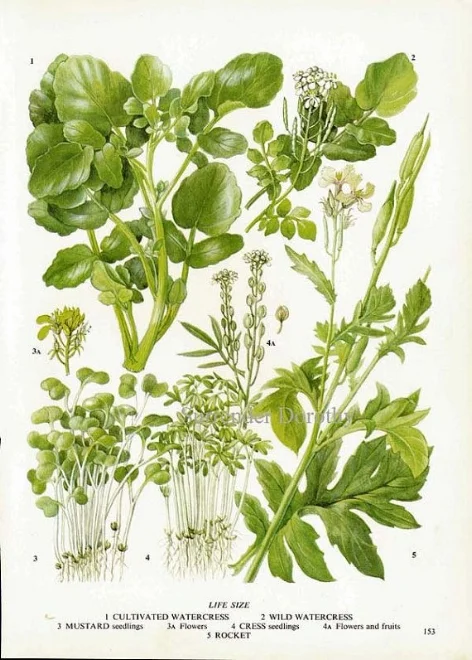
Although the Latin name for Watercress is Nasturtium officinale it is not related to the trailing flowering plants commonly known as nasturtium.
1c987a531243fa8900c49d4f24aef000.jpg

Recipe of the Month - October

Apples - some favourite, traditional recipes

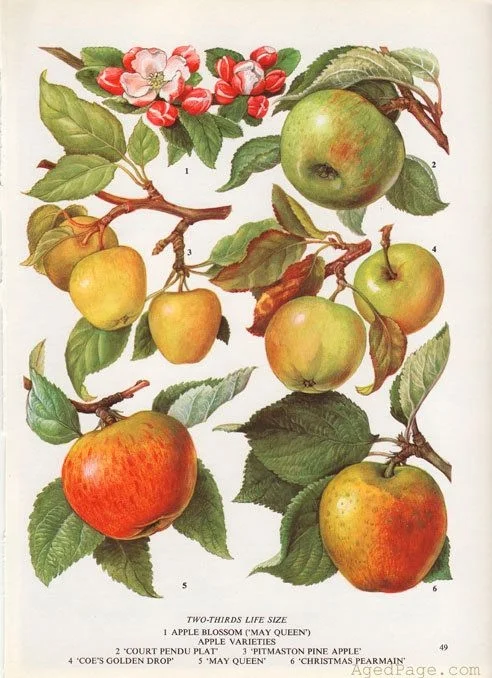
The Fulham Palace garden has an interesting mix of apple varieties, some of which are quite rare, each variety has a different quality and most have been chosen because of their links with the Palace or with former Bishops of London. Future years will see the fruit trees coming to prominence in the Walled Garden as those along the arches grow and the espaliered trees mature and become more of a feature. We can look forward to a great variety of apples available on the barrow.

47e1ee27b826edd85d2ac56620c47ce3--apple-illustration-botanical-illustration.jpg


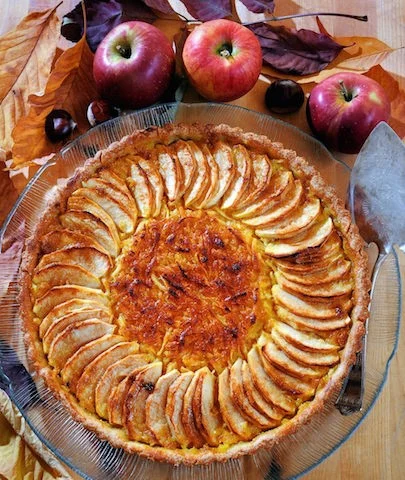
Canterbury Tart

This Tart is not as well known as many other forms of apple tart - it is slightly more complicated but is very delicious. The recipe uses both sweet and cooking apples. The history of this tart is not clear, there are those who would like to trace it back to Chaucer but there is no real evidence for that. This is a Mary Berry recipe.

Ingredients

For the pastry

  • 100g/4oz butter, cubed
  • 200g/8oz plain flour
  • 25g/1oz icing sugar, sifted
  • 1 egg, beaten
  • or a sheet of readymade dessert pastry or shortcrust pastry

For the filling

  • 4 eggs
  • 200g/8oz caster sugar
  • 2 lemons, rind and juice only, grated
  • 100g/4oz butter, melted
  • 2 large Bramley apples (about 350g/12oz in weight), peeled 
  • 2 dessert apples, peeled and thinly sliced
  • 25g/1oz demerara sugar

Method

  1. If making the pastry by hand, rub the butter into the flour and icing sugar until it resembles fine breadcrumbs.

  2. Stir in the beaten egg and bring together to form a dough. This can also be done in a food processor. 

  3. Chill for about 30 minutes. Roll the dough out on a floured surface and line a round 28cm/11in (3.5cm/1½in deep) flan tin. Form a lip around the edge. Chill for a further 30 minutes while making the filling.

  4. Preheat the oven to 200C/400F/Gas 6.

  5. To make the filling, beat the eggs, caster sugar, lemon rind and juice together in a large mixing bowl. 

  6. Stir in the warm melted butter.

  7. Coarsely grate the Bramley apples directly into the mixture and mix well.

  8. Remove the tart from the fridge and spread the runny lemon mixture over the base. 

  9. Level the surface with the back of a spoon and arrange the dessert apple slices around the edge, overlapping. 

  10. Sprinkle over the demerara sugar.

  11. Put on a heavy baking tray and bake in the oven for about 40-50 minutes until the centre feels firm to the touch and the apples are tinged brown.

  12. Serve warm with some cream, it is also good cold.

DSC_5306-nx2.jpg

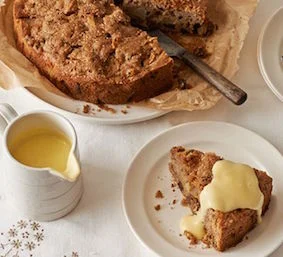
Dorset Apple Cake

This is a traditional, rustic cake with a lovely crunchy top and moist chunks of fruit in the cake, there are lots of versions of this recipe. Thin slices of apple or flaked almonds can be used to decorate the the top of the cake.

Ingredients

  • 225g self-raising flour
  • 2 tsp ground cinnamon
  • 115g unsalted butter, diced and chilled, plus extra for greasing
  • 115g light brown sugar
  • 1 large egg, beaten
  • 6-8 tbsp milk
  • 225g Bramley or Granny Smith apple, peeled, cored and diced
  • 100g sultana (optional)
  • 2 tbsp demerara sugar (optional)

Method

  1. Heat the oven to 180C/160C fan/ gas 4. Grease and line a deep 20cm cake tin with baking parchment.

  2. Mix the flour and cinnamon together in a large bowl. Add the butter and rub into the flour using your fingers, until it resembles fine breadcrumbs. Stir in the light brown sugar. Beat in the egg followed by 6 - 8 tbsp of milk – you want to achieve a smooth, thick batter.

  3. Add the apples and sultanas and mix to combine. Scrape the batter into your prepared tin and gently level out. Sprinkle over the demerara sugar and bake in the oven for 30-40 minutes or until golden and a skewer inserted into the middle comes out clean.

  4. Allow to cool in the tin for 15 minutes and then carefully turn out onto a wire rack to cool further. Best served still warm with a little custard.

dorset-apple-cake.jpg

Recipe of the Month - May

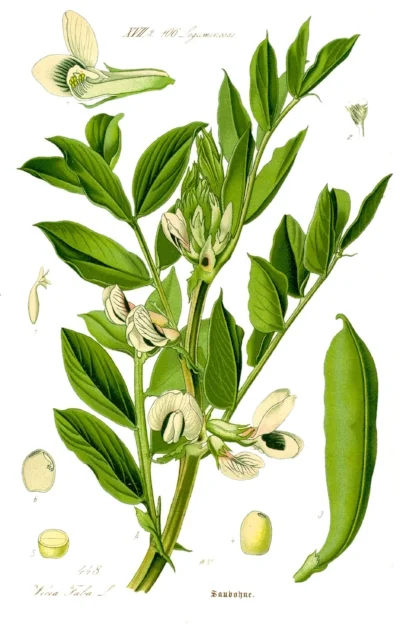
Celebrating the Broad Bean

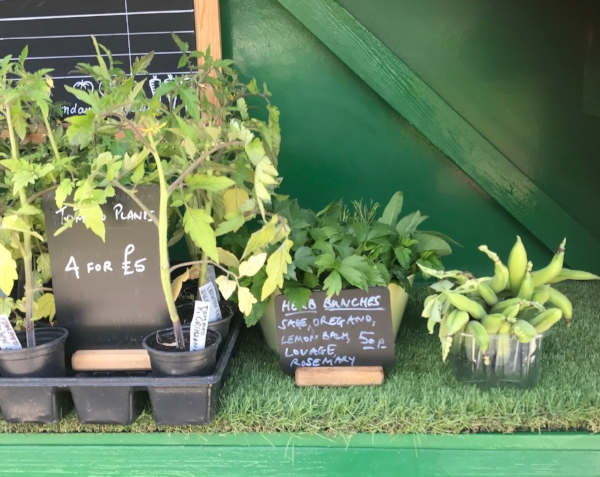
Broad beans are the first of the early summer veg to appear. They are really adaptable and are great served with fresh summer herbs, but they do need a bit of care when cooking and larger ones are definitely best cooked for a few minutes and popped out of their skin. The flavour of broad beans is quite subtle so the addition of lemon and olive oil will add a bit of zip and they marry very well with salty foods like feta, halloumi, bacon and anchovies. The hummus recipe at the end of the blog is a great way to use up larger beans that might not be so good in a salad.

Broad beans are delicious in all kinds of salads, particularly when young and tender here is one with a Moroccan feel, based on a recipe by Jamie Oliver:

Moroccan style broad bean salad

  • 4 large handfuls podded broad beans 
  • 2 lemons 
  • extra virgin olive oil 
  • sea salt 
  • freshly ground black pepper 
  • 1 handful fresh mint , leaves picked 
  • 1 small red onion , peeled and finely chopped 
  • 1 teaspoon cumin seeds , bashed 
  • 1 pinch dried chilli 
  • 1 handful stale breadcrumbs 
  • 285 ml creamy live yoghurt or soured cream

1. First of all pod the and separate beans, put the larger ones in one bowl and the smaller ones in another – they’ll need different cooking times. Blanch the beans in unsalted boiling water for a couple of minutes, giving the large ones a bit longer (don’t add salt, as this will toughen the skins). Drain them and lay them flat on a tray to cool down slightly. This salad always works best when the beans are eaten slightly warm. If you’re making it in advance, though, you could always give them a quick flash in the microwave just before serving. Remove the skins from the larger beans if necessary. Place in a bowl and dress with the juice of 1 lemon and three times as much extra virgin olive oil. Season with salt and freshly ground black pepper to taste. Add a little more lemon juice if needed and finely slice half the mint and add it to the beans while they sit and marinate for a little while.

2. In a shallow pan, on a medium heat, fry the chopped onion, cumin seeds and chilli in a little olive oil. Stir and cook until softened. As the onions start to colour, add your breadcrumbs and mix these really well into the onions. Continue to cook until the crumbs are crispy and golden, then season them to taste and put to one side. To serve, divide the yoghurt or soured cream between four plates or bowls. Give the broad beans a final toss, add the rest of the mint leaves, and divide between the plates on top of the yoghurt. Finally, sprinkle over the warm spiced crunchy bits.


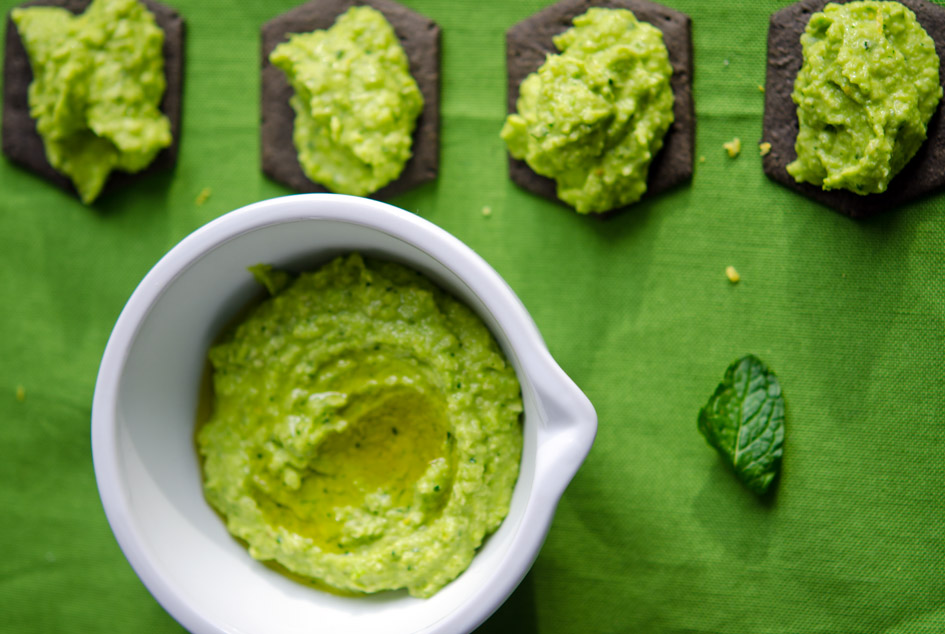
The bread bean hummus looks striking on charcoal biscuits.

The bread bean hummus looks striking on charcoal biscuits.

Broad Bean Hummus

This is an appealing, vibrant green and can be whizzed up in no time, it will also work well with frozen broad beans. This recipe is adapted from one by Nigel Slater, you can adapt it as herbs other than dill work well - mint is always a winner with broad beans, but you could try sorrel or just a mixture of soft-leafed herbs.


Serves 2-3 as a dip with bread 


shelled broad beans 400g
olive oil 4 tbsp
juice of ½ small lemon
dill a few sprigs

To serve:
soft bread or pitta

Cook the beans in boiling, lightly salted water till tender (this will take about 8-10 minutes, according to their size). Drain them, pop them out of their thin, grey-green skins, and blitz them to a thick purée in a food processor.

Pour in the olive oil, with the blender still going, adding the lemon juice and a grinding of salt. Continue until the mixture is smooth.

Finely chop the dill and stir in. Scrape into a dish then pour over a little olive oil.

Recipe of the Month - April

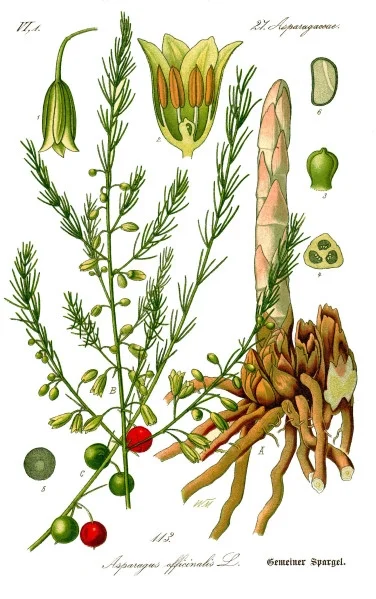
April is Asparagus time!

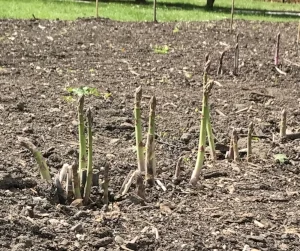
These fresh green spears are poking up through the soil in the Palace Garden, the first signs of the vegetable harvests to come. Palace grown asparagus is now being harvested and is for sale on the barrow at the moment. Traditionally the English asparagus season spans from St George’s Day (23 April) to the longest day (21 June).

First of the vegetable crops in the Palace garden.

First of the vegetable crops in the Palace garden.


Early season asparagus is a great treat but it is a delicate thing and it is easy to overcook it and end up with a sad, soggy spear. Keep cooking time short, three minutes or so if boiling or steaming should do it.

 As with many things we tend to always cook it the same way so here are some suggestions for a variety of ways of cooking this welcome spring delicacy. Fresh asparagus is so delicious that serving it in a simple way emphasises its flavour.

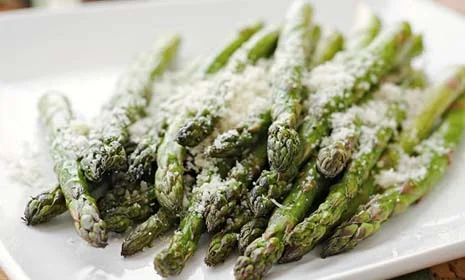
If you haven’t tried cooking asparagus on a griddle then it couldn't be easier – just heat the griddle, drizzle a little olive oil and turn the spears, the key is to char them a little as this adds a great flavour. As always with asparagus, lemon is good so squeeze over a little and serve with a nice heap of freshly grated parmesan sprinkled over.

Asparagus is best served simply.

Asparagus is best served simply.


Roasting asparagus gives it a similar, rich flavour as griddling. Heat an oven to 220 C/gas mark 7. Lay the spears on a foil-lined baking tray, drizzle with a little olive oil, tuck in a couple of cloves of garlic and some lemon zest. Roast for 20 minutes for a delicious side dish or use the tasty asparagus in a pasta dish or risotto.


The pleasure of an ingredient like asparagus is you can make something simple and delicious with minimum effort, below is a recipe that is slightly more involved but still quick and easy. It is taken from The Vegetarian Option by Simon Hopkinson

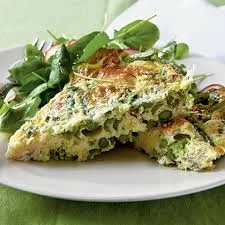
Asparagus frittata with soft cheese and chives

This is a fine dish for using asparagus spears known as "sprue", which are much thinner and consequently less expensive than more perfect specimens. Don't bother peeling them – just remove the tougher base stalks and throw the rest in the pan.

Serves 2

200g asparagus, trimmed

1 tbsp olive oil

Salt and cayenne pepper

Nutmeg, freshly grated

3 large eggs, beaten

125g soft cream cheese

30g parmesan, finely grated

2 tsp chives, chopped

Butter, for frying


1 Thinly slice the asparagus spears on the diagonal. Warm the olive oil in a nonstick frying pan, add the asparagus and season with salt, cayenne pepper and a pinch of nutmeg. Cook gently over a low heat until the asparagus is tender and lightly coloured. Tip out on to a plate, set aside and wipe out the frying pan.

2 In a mixing bowl, beat together the eggs, cream cheese, parmesan and chives until smooth. Return the frying pan to a moderate heat, add a little slice of butter and heat until it is just beginning to froth. Pour in the egg mixture, turn down the heat to low and begin bringing in the frothing edges to the liquid centre of the pan using a spatula.

3 Tip the cooked asparagus into the pan and disperse evenly. Continue to gently lift the more cooked parts of the frittata, allowing the liquid egg to slip underneath them until a happy, soft and curd-like medium has evolved. This should take around 2 minutes.

4 Slide the frittata on to a plate and allow to cool a little before serving.