Fulham Palace Start of Season Meetings Overview

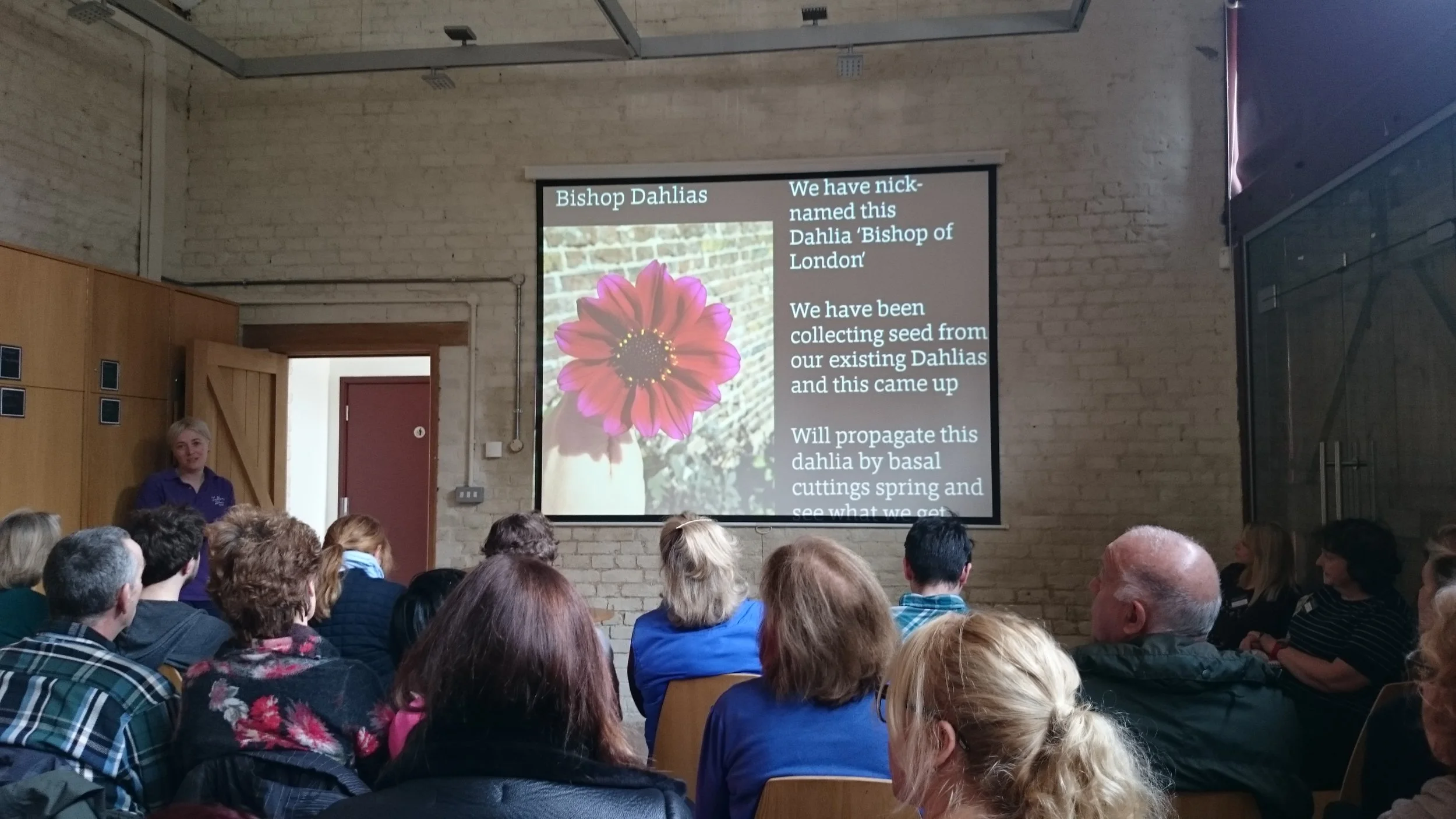
The new 'Bishop of London' Dahlia being propagated in the garden

The new 'Bishop of London' Dahlia being propagated in the garden

The Start of Season meeting revealed some interesting news for Fulham Palace volunteers, both old and new. The number of volunteers has risen to about 230 active volunteers, 80 of which are new since January 2016. There will be some new exciting volunteer roles coming up, as well as more events this year. (Approx. 7,000 people came to the largest events at Fulham Palace last year). What’s more, Fulham Palace Trust is looking for a new Chair of Trustees.

The gardeners have been busy widening the Walled Garden paths and planting for spring. The Barrow was a success last year and the bee keeping volunteers are gearing up for the next harvest of yummy honey to be sold on the Barrow.

The learning department has been hosting an increasing number of school groups and the adult learning programme is also growing. The department has a number of ongoing projects from embroidered chapel kneelers to cataloguing the handling and costume collection. Please contact Nia here should you want to get involved.

The current exhibition, The Architects and Craftsmen of Fulham Palace, has been a success, and the next one will be 1902-1918 Fulham Palace Through Postcards. An appeal was made for more postcards for this fascinating period of history. Please contact Miranda here should you like to contribute to the exhibition.

Those of you working at Reception should keep an eye out for a pop-up shop and a new illustrated map. This year Marketing will need many additional volunteers in such areas as photography, filming, PR and evaluation and reporting. Contact Beth here for more.

Volunteers are invited to email Rachel with three interesting bits of information which they would like to include in a BRAND NEW knowledge sharing document which will be included in the museum resources section of the portal.

There are about 267 individual Friends of Fulham Palace (and growing). Volunteers were reminded that if they're in work then their employer can potentially offer match funding for their volunteer hours. Clare Morley can be contacted about this here. Be sure to submit your hours on a regular basis. Time sheets can be found here if you work remotely, then please don't forget to keep your own sheet up to date and email it to Rachel every month!

Health & Safety issues were covered - specifically the causes and prevention of trips and falls, and best practice for manual handling. Charming video clips of Lucy's little ones who seemed to have mastered the art of lifting made us all laugh. More about this presentation can be found here.

Volunteer Handbooks can be found here. Don’t forget that after 100 hours volunteers are entitled to ValueYou gift vouchers. Upcoming volunteer visits can be found here. Be sure to submit any suggestions and ideas to a Volunteer Representative listed here.

More information about the “Give It A Go Day”, if you would like to learn more about another role, can be found here.

Questions raised throughout the meetings by some volunteers included:

1.    Why are renovations necessary to Fulham Palace? Renovations will make more of the Palace accessible to the public; also making it available continually, no matter what other events are going on. The gardens will also experience extensive development. The house and gardens will be open throughout the restoration project. 

2.    Where will visitors come into the Palace? As you look at the tudor courtyard entrance gate visitors will enter immediately to the left.

3.    Why are there no rubbish bins on site? Bins can create more problems, as people tend to leave even more rubbish and the bins overflow. The Palace then has to pay to have it collected. However, bins are placed onsite for the events. Visitors are asked to take away their own rubbish, which has been working well.

4.    Will the donations boxes move? Yes, next month the big donation box in the café will move to a location where it’ll be better spotted.

5.    How many new volunteer roles are really needed? Thanks to our funding received by HLF, there will be openings of around 140 new volunteer vacancies. It is a chance for current volunteers to try their hand at another role but we also wish to welcome new volunteers in our aim to expand Fulham Palace’s popularity.


What did you think about the Start of Season Meetings: 

Gwen – Volunteer Comms Assistant: As a new volunteer it was great to meet some of the more seasoned volunteers who have many years of experience at Fulham Palace and get more of an insight into the different roles they have undertaken and how they have developed a variety of skills through volunteering. It was good to hear from so many members of staff and get a sense of the breadth of the work and opportunities across Fulham Palace and what really struck me was how friendly and welcoming everybody was.

Ahou – Volunteer Comms Assistant: I was so pleased to have had the staff present their work in such an open and honest way. It made me feel like I as a volunteer am truly valued as part of the team. 
The Hammersmith and Fulham Archive and Local Studies

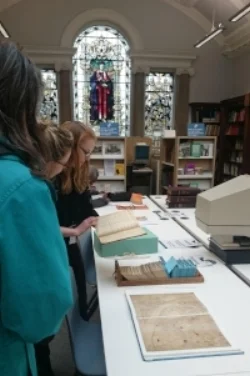
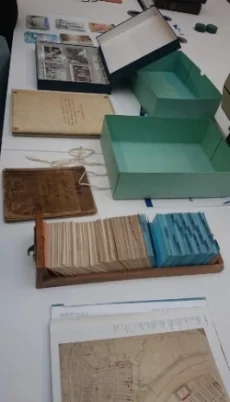
Postcards, books, maps and other items relating to Fulham Palace.

Postcards, books, maps and other items relating to Fulham Palace.

After the IT training session a few of us took the opportunity to visit the Hammersmith and Fulham Archive and Local Studies centre. The Archive is based on the first floor of the Hammersmith Library, which is a 5 minute walk from the Hammersmith underground/bus station.

This is a really useful resource for anyone researching Fulham Palace. The archive holds the local history collections for Hammersmith and Fulham including documents, books, maps, photographs and paintings, old newspapers and other sources for family and local history. These records come from the council and its predecessor bodies, local institutions such as churches and schools, and from members of the local community. Whether it’s genealogical, architectural, infrastructure or social history research, the Archivist and research volunteers are available to assist, in person or through email.

The Archive and Local Studies is open during normal library hours. Anything on display can be used, but photographs and other material held away from the Reading Room is only available during the archive opening times when the Archivist and research volunteers are there. Since a number of items are stored off-site, access to archive material is by appointment only and places are limited. You may want to allow at least a week.

The Archivist or research volunteers are available to help.

The Archivist or research volunteers are available to help.

Also, prior to going take note of the Reading Room rules (which differ from the library): no bags are allowed in the room (lockers are available), no pens can be used (only pencils), and no food or drink can be brought into the room. Some documents cannot be photocopied for preservation reasons but you can bring a camera. There is a cost of £5 cash per day to take photos.

To reserve a seat call 020 8753 3850 or email archives@lbhf.gov.uk.

Visit the Hammersmith and Fulham Archive and Local Studies webpage for opening hours and more details.


Nancy

Communications Assistant

Recipe of the Month - March

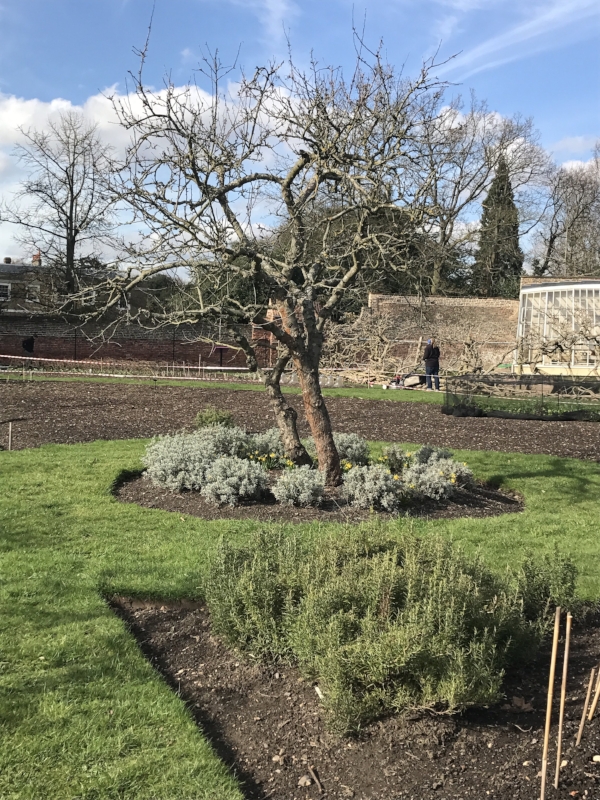
Rosemary growing in the Walled Garden.

Rosemary growing in the Walled Garden.

We are going to be featuring a recipe every month on the Volunteer Portal, the recipes will reflect the seasonal produce in the Palace's Walled Garden.

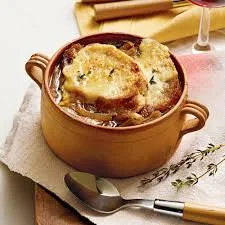
French Onion Soup

The kitchen garden is a hive of activity but there isn't much to pick at the moment. This year's onion sets have been planted in the garden and so in anticipation, for March we are going to celebrate the onion. One of the edible things that lasts throughout the winter are herbs and so this soup and its accompanying toasts make great use of winter herbs.

Traditional French Onion Soup recipes often include beef stock but this recipe is vegetarian. In order to get a good depth of flavour without using beef stock you need to cook the onions for a long time. You will need a lot of onions and to save your tears it is a good idea to use a food processor to chop them finely.

Traditional French Onion Soup

Traditional French Onion Soup

INGREDIENTS

2kg large onions, finely chopped

100g butter

1/2 teaspoon table salt, plus more as needed

1.5 litres of water, plus more as needed

1 tablespoon flour

1 sprig fresh thyme

150 ml dry white wine

1 baguette (bit stale is good)

150g Gruyere Cheese

Handful of rosemary, finely chopped

Hutter for greasing

METHOD

  1. Melt butter in a large heavy saucepan.
  2. Add the onions and 1/2 teaspoon salt, stir to coat evenly in the butter.
  3. Cover and cook for 10 minutes.
  4. Take the cover off, and cook, stirring frequently, until the onions are lightly browned and caramelised (this takes a long time - up to 90 minutes), This step can be done ahead of time, caramalised onions will freeze well.
  5. Once caramelised add the flour and cook for two minutes.
  6. Add the wine and a ladleful of water and cook for another 5 minutes before adding the rest of the water and the thyme.
  7. Continue to cook until the onions are an even dark brown colour, the soup should be dark and richly flavoured, another 20-30 minutes. Season to taste.
  8. While the soup is bubbling gently, heat the oven to 180C/350F/Gas4, slice the baguette into thick slices, smear a baking dish with butter, lay the slices flat in the dish and sprinkle with the cheese and chopped rosemary. Cook for about 15 minutes until golden and bubbling.
  9. The cheese toasts can be served on the side or you can put them on top of the soup in the traditional way.  To serve the toasts on top let them cool a little. Pour the soup into an oven-proof dish, the soup should almost fill it. Add the slightly cooled toasts and put in a very hot oven 220C/425F/Gas7 for 10 minutes or so until it is very hot and bubbly. 


Welcome: Gwen McCann, Communications Assistant

Tell us about yourself?
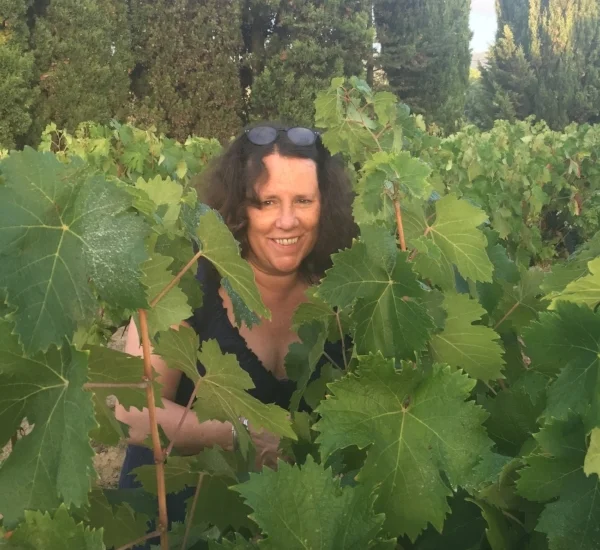
My background is pretty varied but most recently I have been running a small wine business, selling wine and running wine tastings. One of the perks of my involvement in wine is that I get to make wine in the South of France every summer (see picture!).

What brought to you the Palace as a Volunteer?
I live locally and have wandered through and round the Palace on lots of occasions and have always loved the feeling of the place.  I have been working largely by myself for several years so I liked the idea of working as part of a team, learning some new skills and being part of a place with such an interesting, rich history.

What are you looking forward to about your role and what do you hope to learn?
I am hoping to brush up some of my computer skills and learn more about the workings of a website. Being part of a team is part of the reason I have volunteered at the Palace so I look forward to getting to know volunteers and staff. I am excited by the new projects planned for the Palace and hope I can get some hands-on experience at the archaeological dig in the Autumn.

What’s your favourite thing about the Palace?
For me it’s the garden and seeing it develop both over the years and through the seasons but I look forward to learning more about the history of the Palace as I volunteer here.

A message to other volunteers?
We are always looking for content for the Volunteers Portal so any ideas for blogs or photos you have will be gratefully received. I look forward to meeting you at the Start of Season Meetings - I'll be there tomorrow!


Volunteer Visit to Westminster Archives

Last Wednesday a group of about 20 volunteers, from various departments, gathered at the Westminster Archives for a fascinating tour of these huge archives.  Alison Kenney gave us an overview of the scope of the archives and the wealth and breadth of the material they hold for Westminster, Marylebone and Paddington from Tudor times to the present day. The collection has a unique range of social history records for this very important part of London - they hold parish records, workhouse and poor law records as well as a host of legal and court records. The built environment is an important aspect of their records and attracts a lot of architects and architectural researchers with fascinating maps that chart the evolution of London streets.  The archives of notable Westminster businesses including Liberty Ltd and Waring & Gillow Ltd are also stored here.


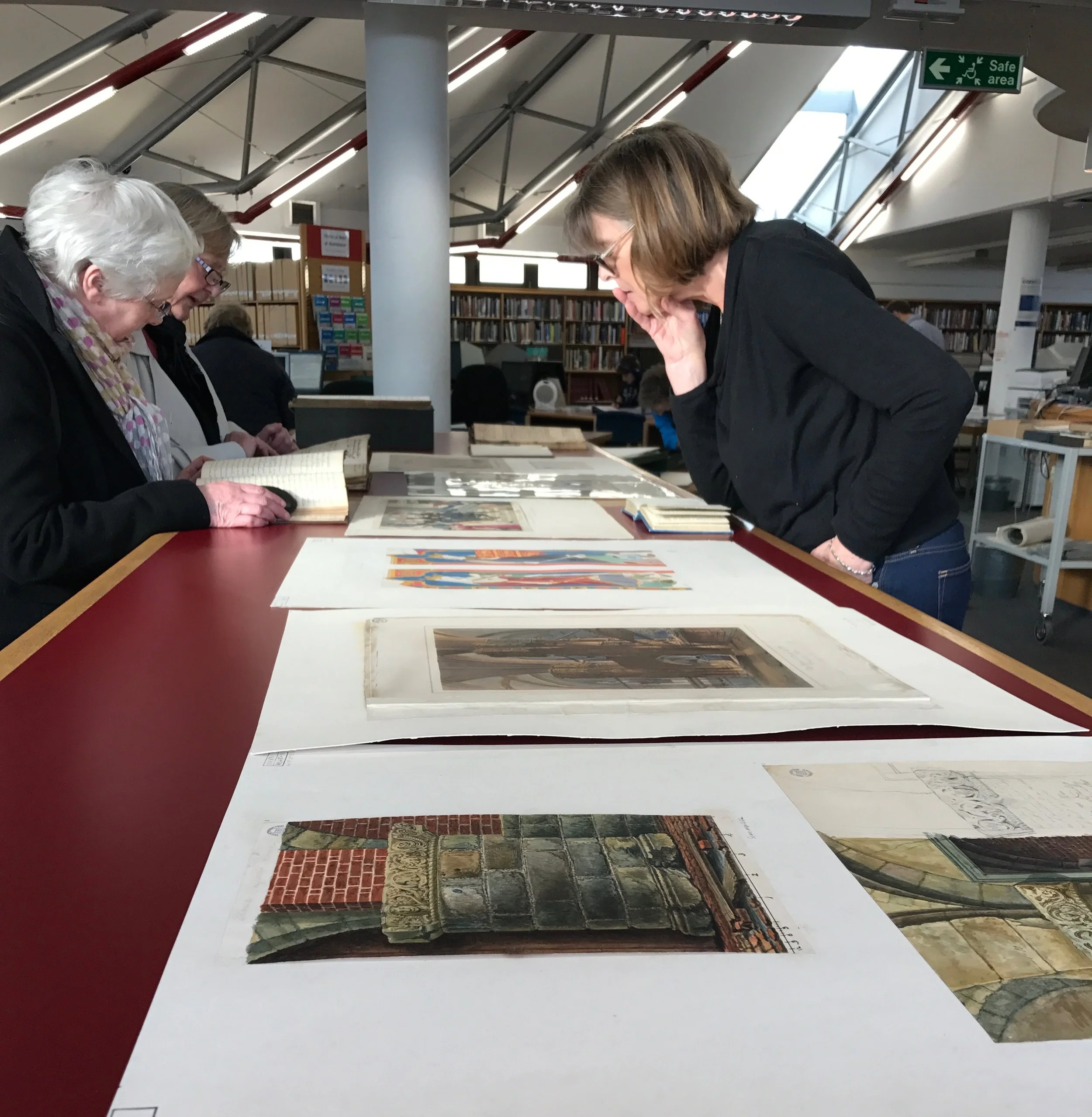
We were taken to the Searchroom on the top floor of the archives where a selection of interesting books, documents and prints were laid out for us to see and Alison helped interpret them for us. Amongst the things laid out for us were court records from the 17th Century detailing the gruesome punishment dealt out to a woman described as a 'scold' – being dragged from one side of the Thames to the other, an alternative to the ducking stool. We saw a few of the many hundreds of original cartoons they hold and a fascinating little book that detailed the names and addresses of people of fashion in late 18th century London. We saw an undertaker's book that recorded details of all the funerals they organized, including that of Charles Rennie Mackintosh’s rather grand funeral in 1928.


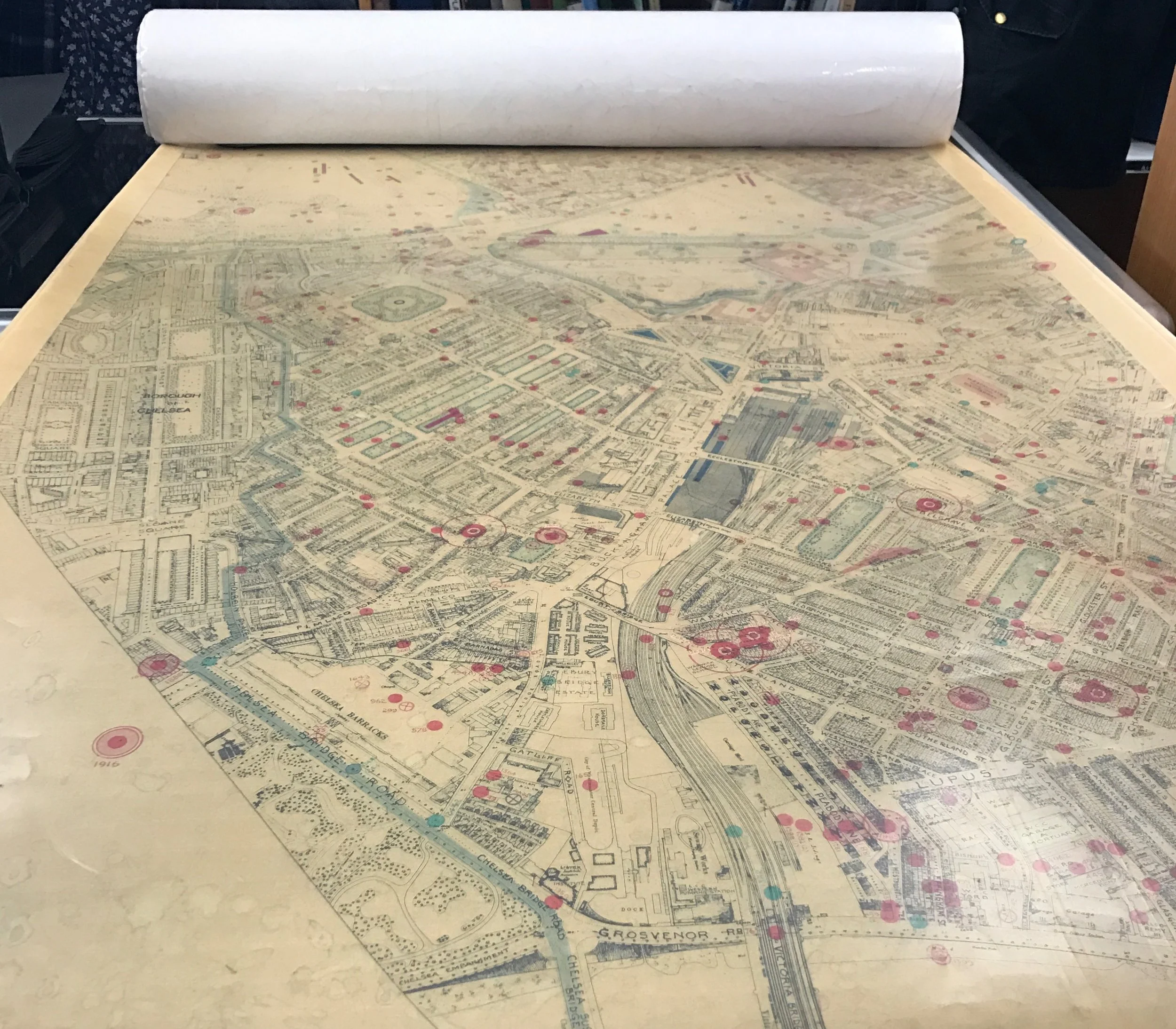
 A large bomb map from World War II detailed each bomb that had fallen within an area of Chelsea, each type of bomb had its own particular symbol. To accompany the map the archive also had a record book detailing all the emergency and support vehicles that attended each incident and an album of photographs that vividly showed the damage done by the bombs.


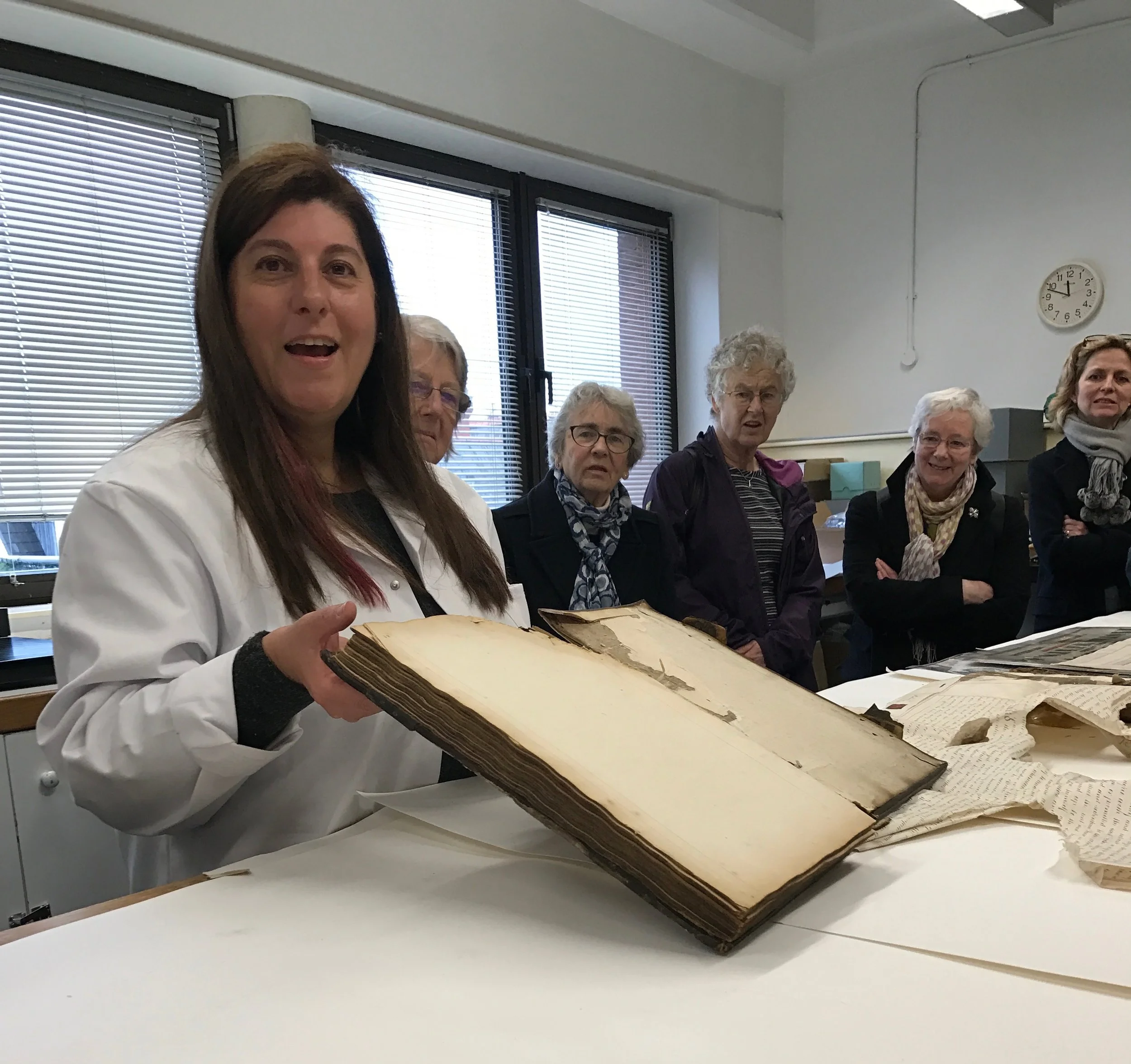
Our next stop was the Conservation room where Georgia Vossou gave us an illuminating introduction to the work of her department. We learnt the difference between preservation, conservation and restoration and that most of the work in the archives falls into the preservation (providing a stable environment) and conservation (stopping further deterioration by removing or treating things that are damaging the artefact) areas. Very little restoration is undertaken. We saw how fine hand-made Japanese tissue was applied to help strengthen and stabilise fragile paper. The archive holds a huge quantity of theatre programmes and it has been the task of conservation volunteers to work through the hundreds of boxes and carry out straightforward conservation tasks. We also saw a number of examples of books and paper that had been so badly stored that they were beyond any kind of conservation or restoration.

The visit finished in the Strong Room were Alison showed us the oldest object in the archive collection: a royal seal! 


If you would like to join us for the next volunteer visit it is on Wednesday 19th April 2017 to Two Temple Place. Two Temple Place is a magnificent Neo-Gothic mansion on London's Embankment built by the first Viscount Astor, William Waldorf Astor in the 1890s. For more details and to book a space click here.

Thanks for reading and please do comment below! 

Gwen, 

Communications Assistant

IT Training Session at the Macbeth Centre

Thank you to all who attended the IT training session, we were so pleased that you came to learn how to use the volunteers’ portal or just to spruce up your knowledge of how to “surf” the Internet! Your continued trust in us makes organising such events so worthwhile, so keep a lookout on the Calendar for future exciting events! 

Also, we are planning to upload the resources here so you'll never again forget all you learned at the training session (hopefully!).

Please let us know if the training session was helpful and if you'd like to see more training events like this for volunteers. If you have any suggestions or want to share an idea with us, drop us a line on the comment box below. We'll be happy to hear from you, we don't bite!

YOUR IT QUESTIONS ANSWERED 

Before the IT session we asked attendees to send in any questions they wanted answered and so please see below for detailed answers to these questions:

1   How do I locate files, add to them and move items into them?

When you open the main folder called ‘documents’ it gives you the option of searching within it, all you need to do is click in the white bar on the top right corner of your screen. Adding and moving items into folders is done by dragging items in and out of them, either from your desktop, or you can open two my "my documents" screens, sit them side by side and then drag and drop between the two.

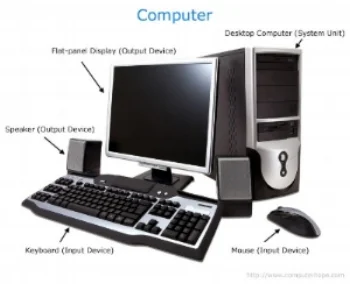
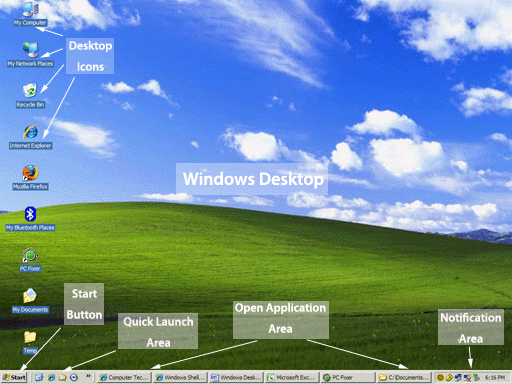
2   Which bits of the screen are called what:

3   What does "read this in your browser" mean?

Your browser is the page you open to use the Internet. So when there is an option to "read this in your browser" it means read this as a webpage rather than in your emails. It may give you a better view as it may be larger and therefore easier to read. However, this is just a personal preference, so you never need to read it in your browser, it is just if you would like to. 

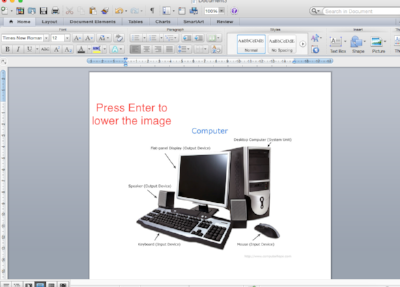
4   How do you make things print in the middle of page?

Press enter to lower the image

Or

Right click on the image, go to "wrap text" and select the drop down option "tight". You can then move the image wherever you want.

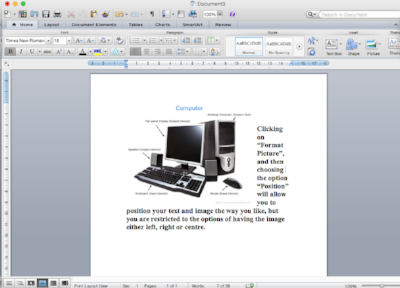
5   How do you put a photo on a specific part of the page?

You can use the above option or use the information in the screen shot below: 

6   How do you put photos into chronological order?

The best idea is to put the date of the picture on the file name. That way, your photos will automatically show up in chronological order.

7   How do you get rid of stuff on side of page which blocks your view?

You can press the red button on the top left corner of each “window” to get rid of it. Or alternatively use the Maximise square by the X button to make whatever you're reading full size.

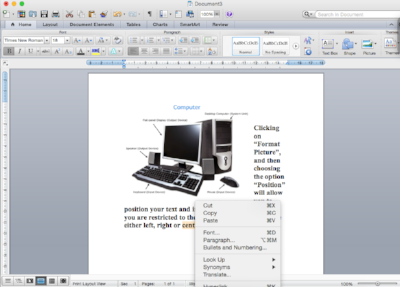
8   How do you use cut, copy and paste and also drag and drop?

Cut, copy and paste by selecting the text you would like to cut, copy or paste and then right clicking on that option (it comes up as one of the top three options). Then from the drop down options select which you'd like with your mouse.

Drag and drop by clicking on your file or image, and make sure to continue pressing the mouse button and moving it to where you want to drop your file – release the mouse button to drop.

9            Can you give some tips about file management and photos?

            As a general rule, it is always best to ensure you save a file or a photo under the most precise names you can give it. For instance, if you want to save a photo of the Putney Christmas market, it is best to include the date as well since you may take another photo at the Putney Christmas market the next year. You don’t want to replace the older photo with the new one.

You can create files in My Documents, and then whenever you log onto your laptop / PC they will always be saved in there. Within a folder you can make as many new folders as you would like to make your files easy to manage.

London Live Interview at Fulham Palace

Fulham Palace Trust CEO, Sian Harrington, and Friends of Fulham Palace Chairman Kate Groenholm, were interviewed yesterday by London Live about the HLF project and the additional money that needs to be raised. 

Watch it by clicking here!

If you'd like you can also share this video on social media to help raise the profile of the project! The options pop up after you've watched the video. Happy watching!


Best wishes,

Rachel, 

Volunteer Development Officer