The Renaissance of Fulham Palace

Miranda Poliakoff, Curator of Fulham Palace's collections will be introducing the exhibition  'Fulham Palace: From Bishop's Home to People's Palace' with a talk at 2pm on Monday 19th October. The regular ticket price is £10 but as a volunteer you can enjoy a special discounted rate of £5. Click here to buy your ticket. Please read on for an article written by Miranda Poliakoff which will give you a sneak peak of what she willing be discussing. 
© Fulham Palace. All rights reserved (2).jpg

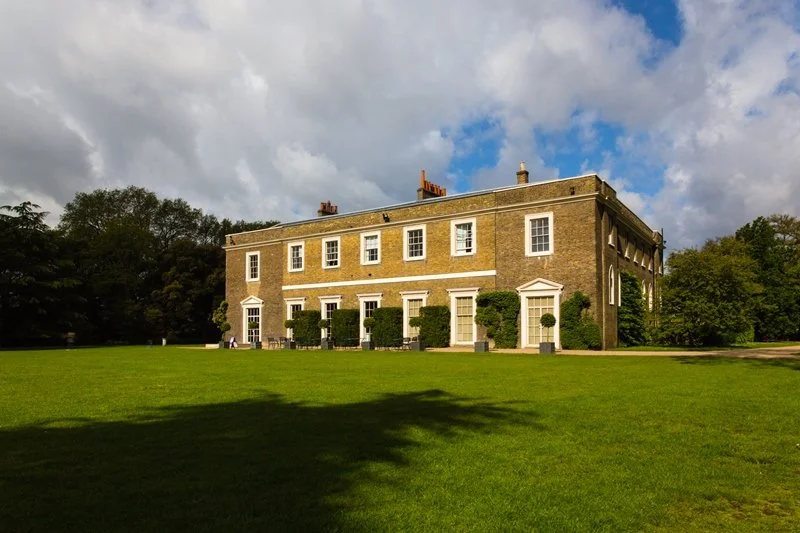
Fulham Palace is much loved by local residents; some love the peace and calm of the grounds that have been gardened for centuries and the fascinating history of the site; others enjoy the café, and the varied programme of events. The gradual restoration of this nationally important building has been watched and appreciated by many.   This exhibition tells the story of the utilisation, preservation and restoration of Fulham Palace over the last forty years since the Church Commissioners leased the site to Hammersmith and Fulham Council in 1975.  The Curator will be collecting memories and quotations from as many people as possible who remember the Palace in the recent past.  All information and photographs will be added to the Palace archive. 

Bishop Robert Stopford retired in 1973, and the controversial decision was made to abandon Fulham Palace as the Bishop of London’s main residence.  The reasons given were the high cost of maintaining an increasingly inconvenient building and the difficulty of running the diocese from Fulham rather than central London, especially with traffic congestion.  Although Hammersmith and Fulham Council were successful in “saving the Palace”, it was taken on a full repairing lease, with a third of the Palace occupied by sitting tenants.

Successive Councils tried to find an appropriate use for the Palace.  The grounds had been opened to the public in 1974, but no immediate solution was found for the building itself.   By 1980s, in a continuing climate of cuts, an attempt was made to sell the lease but local opposition led to a change of policy.  In 1986 a new Council commissioned a detailed and innovative management plan, covering all aspects of the history, archaeology and landscape history.  There was extensive public consultation and a programme of public events.  This led to the setting up of the Museum, run by an independent Trust, in 1992.  The remainder of the site continued to be run by the Council, with the building hired out for weddings and parties, but public access was limited to guided tours.  The prospect of substantial funding from the Heritage Lottery Fund meant that the Palace was no longer seen as a drain on Council resources but rather an historic site with great potential that should be preserved and restored.  

The exhibition will include recent archaeological work and the process of conservation during the two Lottery funded restoration projects as well as plans for the future. The Fulham Palace Trust, an independent charity which took over the management of the site in 2011, is currently aiming to raise £1.45m as match funding for a further Lottery project to restore the remaining third of the Palace, and open more of it to the public. 

Miranda Poliakoff

Curator
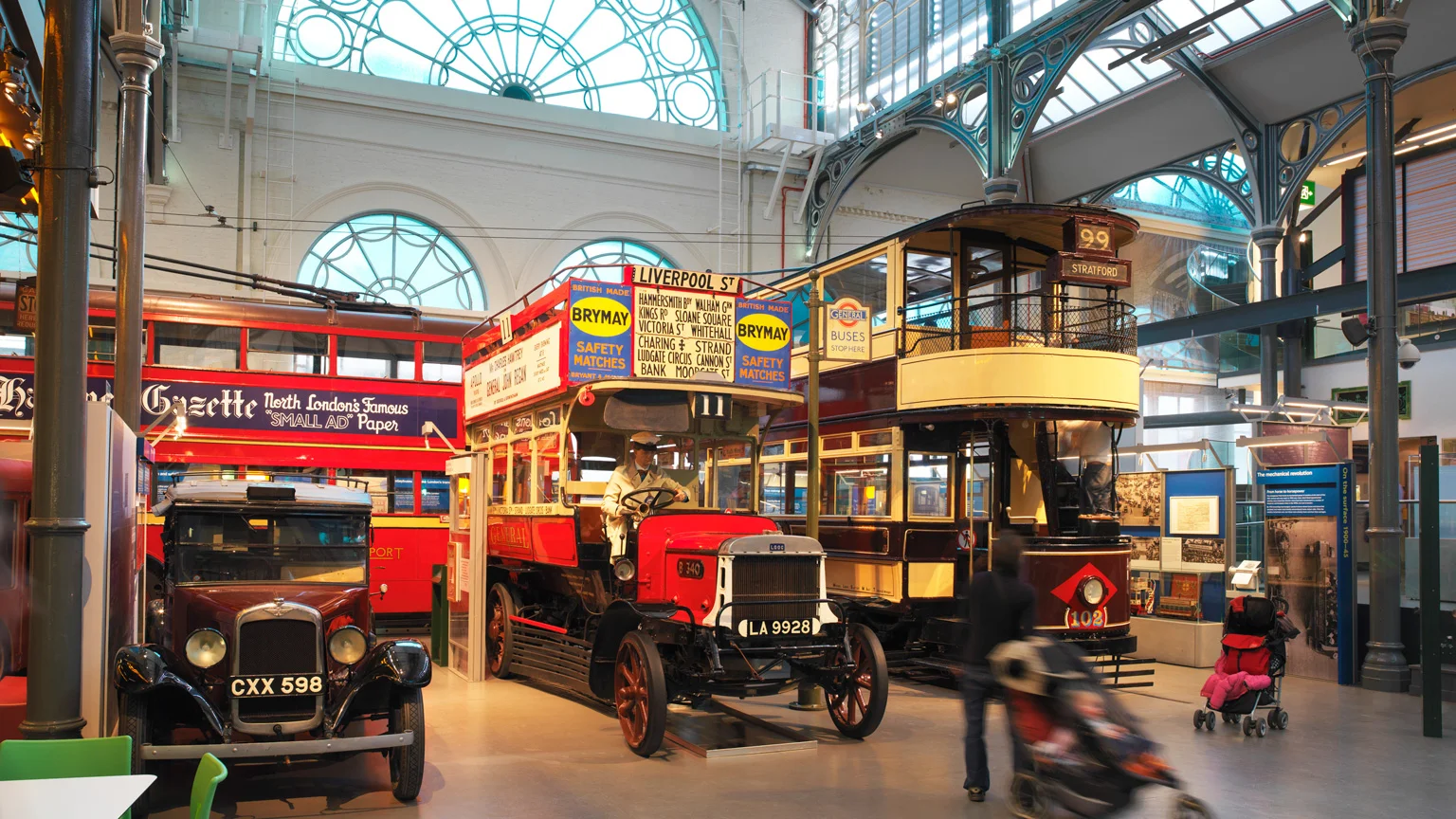
Reciprocal Visit - London Transport Museum

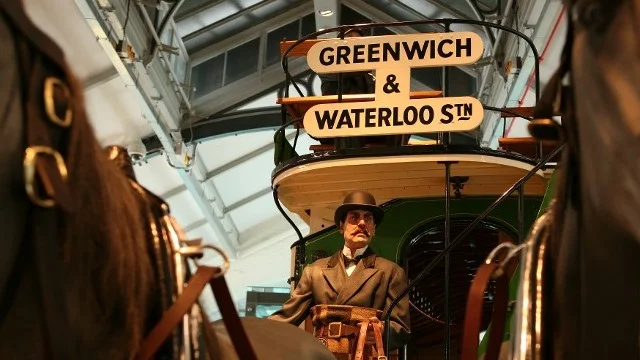
As a volunteer at Fulham Palace we offer reciprocal visits to many other museums and places of interest. On Friday 13 November you are invited to visit London Transport Museum meeting 11.00am.

'London Transport Museum explores the story of London and its transport system over the last 200 years, highlighting the powerful link between transport and the growth of modern London, culture and society since 1800. We care for over 450,000 items - preserving, researching and acquiring objects to use in our galleries, exhibitions and other activities.

As well as exploring the past, the Museum looks at present-day transport developments and concepts for urban transportation in the future, which includes a contemporary collecting policy for the benefit of future generations.' find out more here. 

We will be meeting at 11.00,  the visit will included access to the museum and a guided tour from one of their volunteer tour guides of the Depot. 

To sign up for this visit click here.

As always, do let us know if you have any comments, questions or suggestions for future reciprocal visits. 

Fran Riando

Volunteer Development Officer 

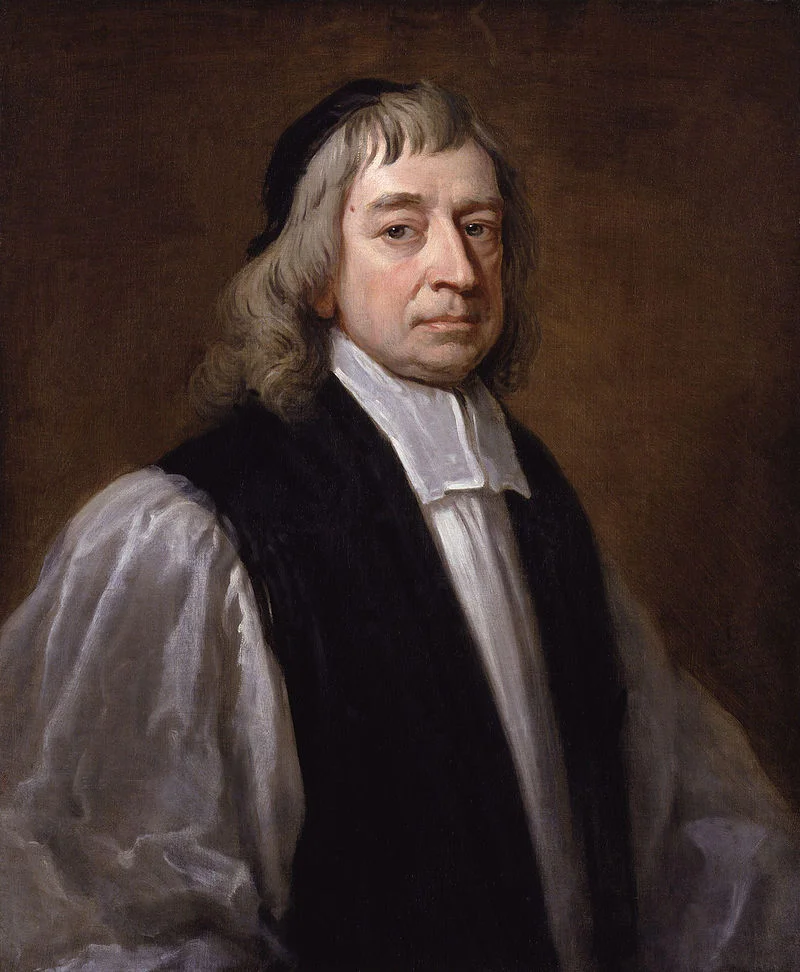
Bishop Compton and his Garden at Fulham Palace

Author, Margaret Willes in her recent talk “The Great Encourager: Bishop Compton and his Garden at Fulham Palace” filled in quite a few of the gaps in my recently acquired knowledge of the life and times of this seventeenth century “Botanising Bishop”.

BishopCompton_picture.jpg

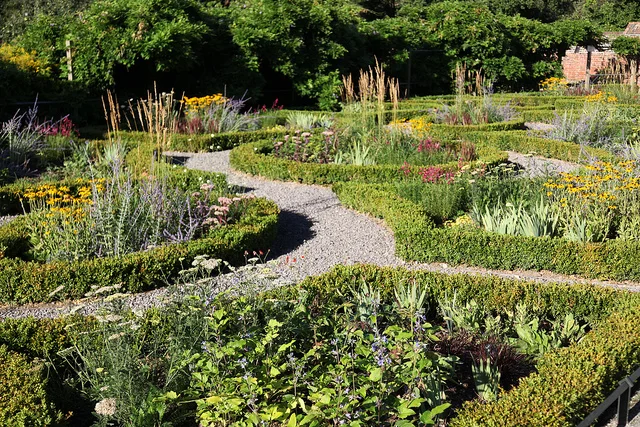
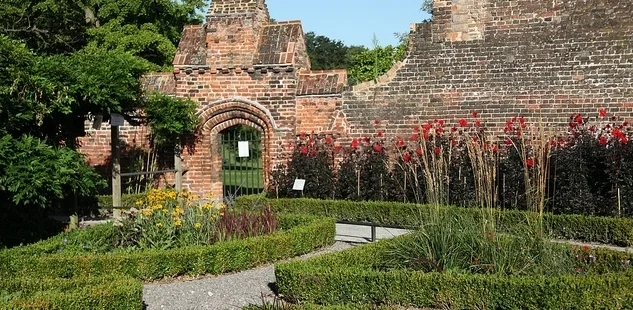
It was evident that he was a kind and generous man who revelled in his garden and loved to share it and his knowledge and the specimens sent over by the Missionary Chaplain he had appointed in Virginia, John Baptist Banister.  Banister was one of the  first university-trained naturalists in North America and among the notable specimens he sent to the Bishop were balsam fir, box elder, honey locust, liquidambar, scarlet oak and sweet bay magnolia. Today we can see some of these species which  have been replanted in more recent times in the Fulham Palace Garden.  I was interested to learn that by the 1680’s (so early into the time that Bishop Compton was in residence) that 65 Virginian trees were flourishing and a wide range of flowers too.

His travels in Europe after a brief spell in the Army and before entering the Church fuelled his interest in Botany and he was especially taken by the spectacular garden at Padua.  On becoming Bishop of Oxford he was in the perfect place to further his knowledge as it had the first garden established in the UK in 1621 with a “mission to promote learning and the Glory of God”.

A surprise and delight were the Botanical Illustrations by  Alexander Marshal (English entomologist, gardener and botanical artist) who incorporated two of Bishop Compton’s dogs into his flower illustrations.  He spent the last few years of his life until his death in 1682 at the Fulham Palace home of his friend so must have known the dogs very well.

Many thanks to Margaret Willes for opening up whole new avenues to explore around this most interesting of Bishops of London.


Jane Swithinbank

Volunteer Garden Tour Guide

gardenpicture.jpg

Volunteering at Upcoming Events

We have updated the events rota on the website, this means you are now able to sign up for event volunteering sessions directly through the website. 

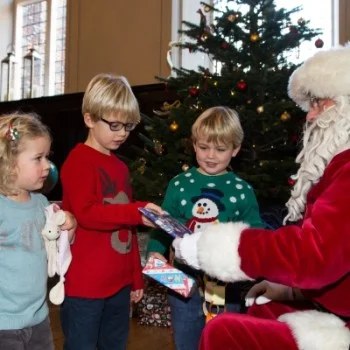
We have sessions available for: Apple Day, Father ChristmasChristmas Pantomime, Christmas Carol Concerts and in the New Year Opera at the Palace.  

If you have already put your name forward for Apple day, thank you! The sessions available are on top of our existing support, so you do not need to add your name again.

To sign up please go to the Event Assistance rota here.  You just need to add your name to the session you wish to do. Please remember if you make a mistake do not press the delete tab as this will delete the whole session.

If you have any questions or concerns please let us know.

Fran Riando

Volunteer Development Officer

New Ways of Learning

New Forum Discussion opened!

As part of the theme for September, 'Back to School', we would like to start a new conversation in our online forum about the different platforms and places we have to develop ourselves, gain some skills or just learn more about any topic of interest. Have you recently discovered any interesting courses to attend ? Do you have a particular way you like to learn new things by yourself? Do you know any websites that can help you to improve different skills?

You can share your tips in the online forum and maybe find some new ideas from others. If you are not registered for the online forum yet, you can do it in one minute, it is pretty easy! Check this guide here.

We also want to share a couple of interesting videos to think about education, not only in schools but also adult learning, and ways to improve it. We have found this TED talk run by Bill Gates, founder of Microsoft, very interesting to start our discussion. Do teachers have enough feedback and a guidance to improve themselves professionally and so offer better learning? You will find another TED talk on the forum where a 13-years-old boy admitted that after leaving the traditional school he is happier and healthier. 

Marlen Armendariz

Volunteer Communication Assistant

What's On

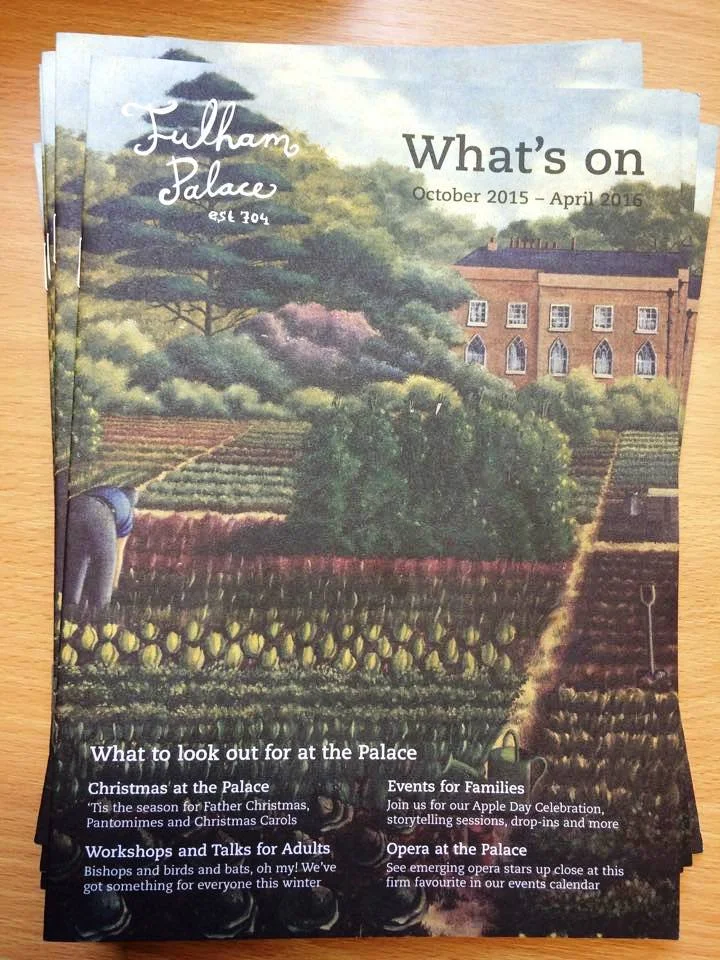
We are looking for volunteer help with the distribution of our Autumn/Winter What’s On guide.  The guide arrived on site on Friday 25 September and has already been put through lots of letterboxes in Fulham and Putney.  We would love to get them into more letterboxes and/or into local cafes, shops, hairdressers, doctors surgeries, pubs, libraries, community centres or anywhere else that would reach the local community.  We have a distribution list that we are constantly reviewing and adding to.  Does your local café have Fulham Palace information in it?  Is there a shop or gym that you go into regularly where other customers would like to hear about the events happening at Fulham Palace?

We need your help both adding to the list and delivering leaflets to Fulham and Putney areas - and further afield if you can!  Please email communications@fulhampalace.org.uk with any suggested venues or if you would be able to take some leaflets to deliver.  Leaflets and the list will be also available from reception if you prefer to pop in                                                                                                           there.

Thank you for your help spreading the word.

Arlene Fraser

General Manager

The Volunteers of Fulham Palace

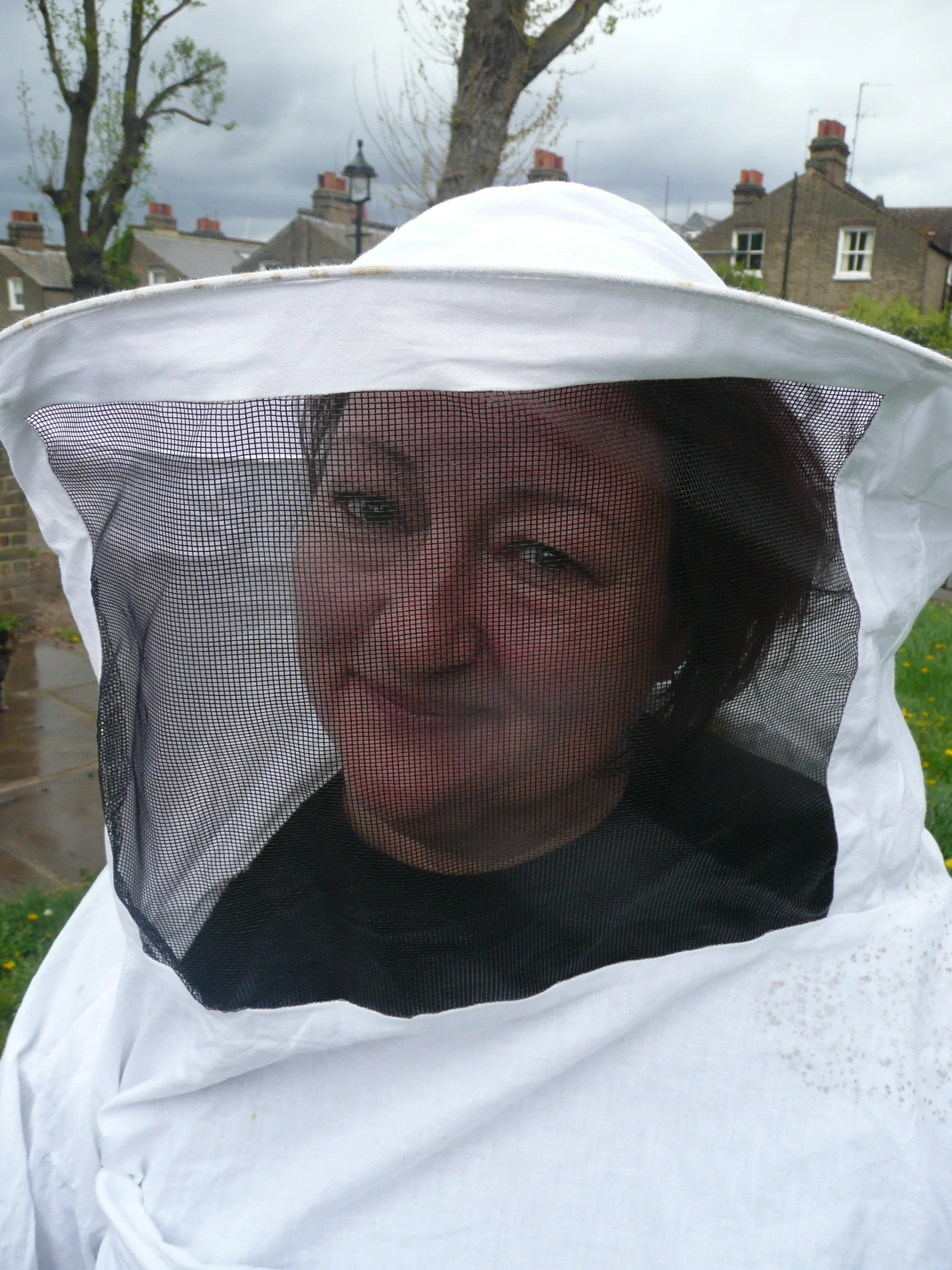
Jacky Perry - Volunteer Gardener, Beekeeper and Bodger

One of our volunteer representatives, Jacky Perry, enjoys volunteering in the garden and being surrounded by our friendly bees. But what she likes most is working along fellow volunteers, staff and visitors of Fulham Palace.

When did you first come to Fulham Palace?

I came to work on the community dig in the walled garden about 3 years ago and then joined Fulham Palace volunteers but I've been a regular visitor to Fulham Palace since I moved to Fulham 30 years ago.

What is your role and what does that involve?

I started as a volunteer gardener and now I'm a beekeeper and a bodger as well.

How often do you volunteer?

I do gardening and the hive inspection on Tuesday and I come in for bodging twice a month on Fridays. I'm also the volunteer representative for archaeology.

What is your favourite thing about Fulham Palace?

My favourite thing about Fulham Palace is the tranquility of the walled garden. Even when the flight path is busy, it's still a wonderful place to be.

What do you enjoy most about volunteering?

The people.

Would you like to share anything else about your experience?

It's been wonderful seeing Fulham Palace being brought back to life over the years and I feel very lucky to be part of it!