
Miranda Poliakoff, Curator of Fulham Palace's collections will be introducing the exhibition 'Fulham Palace: From Bishop's Home to People's Palace' with a talk at 2pm on Monday 19th October. The regular ticket price is £10 but as a volunteer you can enjoy a special discounted rate of £5. Click here to buy your ticket. Please read on for an article written by Miranda Poliakoff which will give you a sneak peak of what she willing be discussing.
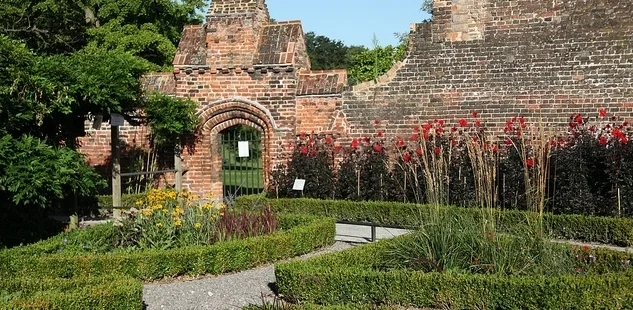
Fulham Palace is much loved by local residents; some love the peace and calm of the grounds that have been gardened for centuries and the fascinating history of the site; others enjoy the café, and the varied programme of events. The gradual restoration of this nationally important building has been watched and appreciated by many. This exhibition tells the story of the utilisation, preservation and restoration of Fulham Palace over the last forty years since the Church Commissioners leased the site to Hammersmith and Fulham Council in 1975. The Curator will be collecting memories and quotations from as many people as possible who remember the Palace in the recent past. All information and photographs will be added to the Palace archive.
Bishop Robert Stopford retired in 1973, and the controversial decision was made to abandon Fulham Palace as the Bishop of London’s main residence. The reasons given were the high cost of maintaining an increasingly inconvenient building and the difficulty of running the diocese from Fulham rather than central London, especially with traffic congestion. Although Hammersmith and Fulham Council were successful in “saving the Palace”, it was taken on a full repairing lease, with a third of the Palace occupied by sitting tenants.
Successive Councils tried to find an appropriate use for the Palace. The grounds had been opened to the public in 1974, but no immediate solution was found for the building itself. By 1980s, in a continuing climate of cuts, an attempt was made to sell the lease but local opposition led to a change of policy. In 1986 a new Council commissioned a detailed and innovative management plan, covering all aspects of the history, archaeology and landscape history. There was extensive public consultation and a programme of public events. This led to the setting up of the Museum, run by an independent Trust, in 1992. The remainder of the site continued to be run by the Council, with the building hired out for weddings and parties, but public access was limited to guided tours. The prospect of substantial funding from the Heritage Lottery Fund meant that the Palace was no longer seen as a drain on Council resources but rather an historic site with great potential that should be preserved and restored.
The exhibition will include recent archaeological work and the process of conservation during the two Lottery funded restoration projects as well as plans for the future. The Fulham Palace Trust, an independent charity which took over the management of the site in 2011, is currently aiming to raise £1.45m as match funding for a further Lottery project to restore the remaining third of the Palace, and open more of it to the public.
Miranda Poliakoff
Curator