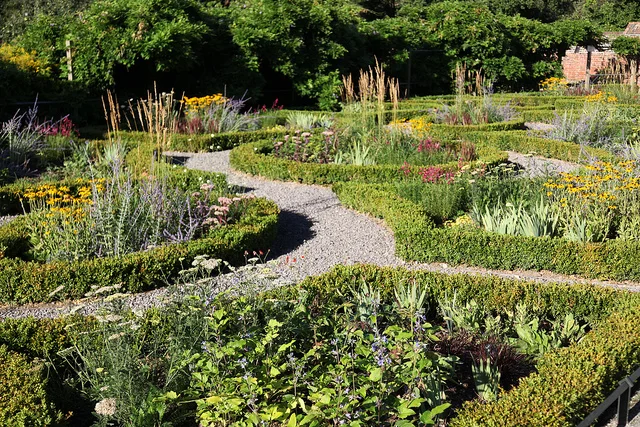
Author, Margaret Willes in her recent talk “The Great Encourager: Bishop Compton and his Garden at Fulham Palace” filled in quite a few of the gaps in my recently acquired knowledge of the life and times of this seventeenth century “Botanising Bishop”.
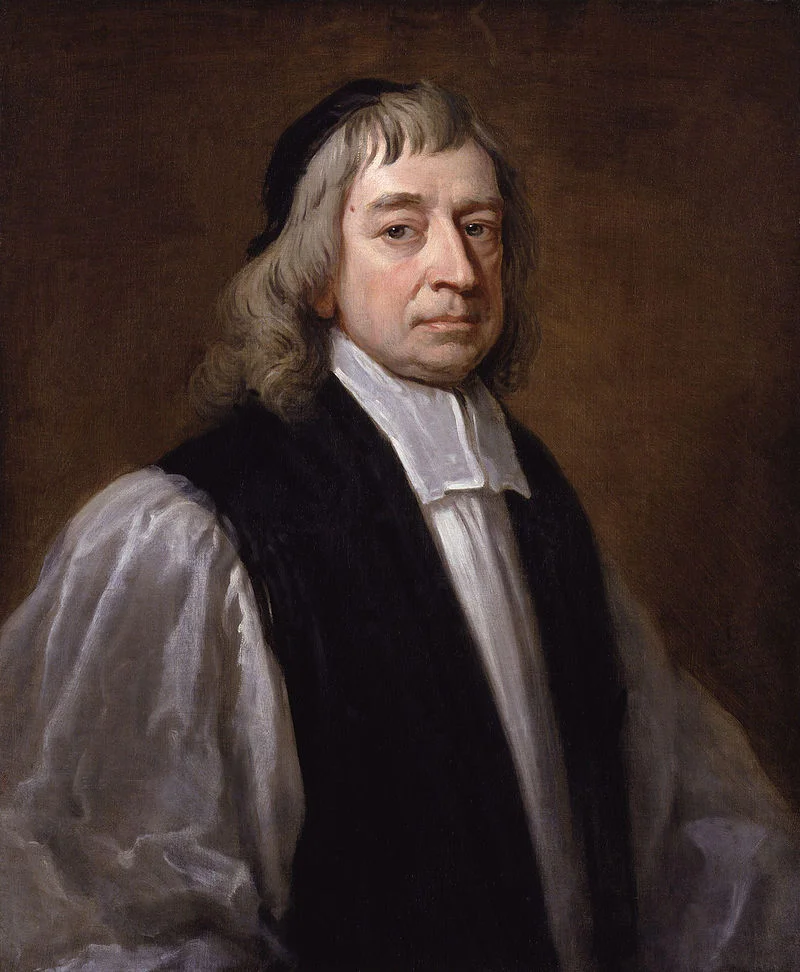
It was evident that he was a kind and generous man who revelled in his garden and loved to share it and his knowledge and the specimens sent over by the Missionary Chaplain he had appointed in Virginia, John Baptist Banister. Banister was one of the first university-trained naturalists in North America and among the notable specimens he sent to the Bishop were balsam fir, box elder, honey locust, liquidambar, scarlet oak and sweet bay magnolia. Today we can see some of these species which have been replanted in more recent times in the Fulham Palace Garden. I was interested to learn that by the 1680’s (so early into the time that Bishop Compton was in residence) that 65 Virginian trees were flourishing and a wide range of flowers too.
His travels in Europe after a brief spell in the Army and before entering the Church fuelled his interest in Botany and he was especially taken by the spectacular garden at Padua. On becoming Bishop of Oxford he was in the perfect place to further his knowledge as it had the first garden established in the UK in 1621 with a “mission to promote learning and the Glory of God”.
A surprise and delight were the Botanical Illustrations by Alexander Marshal (English entomologist, gardener and botanical artist) who incorporated two of Bishop Compton’s dogs into his flower illustrations. He spent the last few years of his life until his death in 1682 at the Fulham Palace home of his friend so must have known the dogs very well.
Many thanks to Margaret Willes for opening up whole new avenues to explore around this most interesting of Bishops of London.
Jane Swithinbank
Volunteer Garden Tour Guide