A Tudor Rose at Fulham Palace

320px-Michel_Sittow_002.jpg

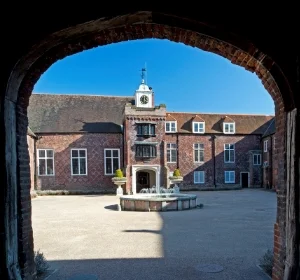
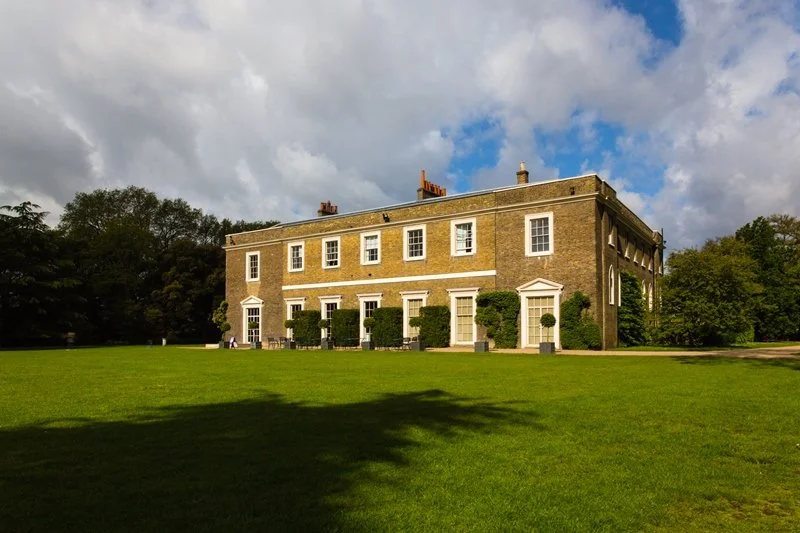
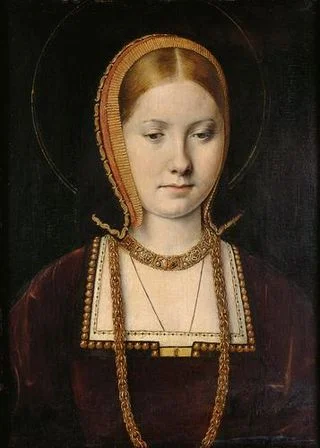
Walking into Fulham Palace through its front entry-way, its connection to England’s Tudor history is unmistakable.  Construction began on the buildings around the courtyard, now ornamented by a gently burbling fountain,  during the reign of Henry VII,  father of England’s most (in)famous king, Henry VIII.  There is an important historical link to the House of Tudor itself; before becoming the first of Henry VIII’s six wives, Katherine of Aragon resided briefly at Fulham Palace.

Unfortunately, Katherine’s time at Fulham Palace was characterized by ill-health and unhappiness. The daughter of Spanish monarchs Queen Isabella I of Castile and King Ferdinand II of Aragon, the teenaged Infanta had journeyed to England to wed Henry VII’s eldest son and heir Arthur, Prince of Wales. However, just months after the nuptials, both contracted a mysterious illness; Katherine recovered, and Arthur died. Though she’d ultimately marry Arthur’s brother Henry, 7 years elapsed before the former sister and brother in-laws wed. It was during these years of uncertainty and transition that Katherine was housed at Fulham Palace.

In 1504, Katherine was again suffering poor health. Fearing she might succumb to her sickness, she was granted total access to the Palace as a place of convalescence. Following Katherine’s recuperation, she resided either at Fulham or Henry VII’s court until, a year later, she established her household at Durham House. Katherine’s last sojourn to Fulham Palace was probably in late 1506. Henry VII’s policy towards the marriage between Arthur’s widow and his surviving son was inconsistent; initially keen, he later considered other alliances for Henry and, was also actively seeking a bride for himself. Consequently, he was troubled when the couple started to become increasingly close. To subdue the burgeoning romance, he sent Katherine back to her Fulham in 1506.  Despite these fears, the separation was brief, and she quickly returned to court. Katherine and the newly crowned Henry VIII  finally married  on 11 June 1509, less than two months after his father’s death.
Tombola Prizes needed!

Have some unwanted items left over from past Christmases or birthdays taking up space around your house?  Not sure where to donate them?  How about Fulham Palace! 

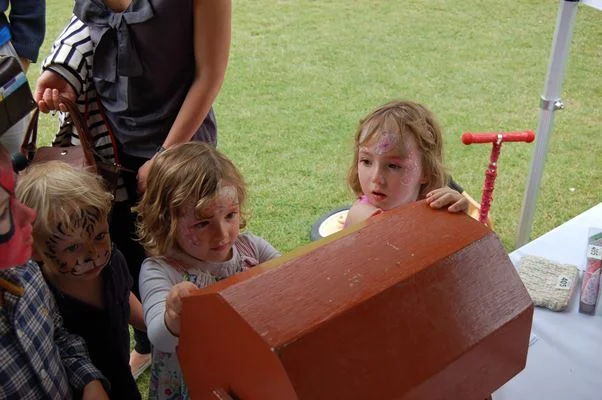
We are looking for items to give away as part of our tombola activity at the Edwardian Garden Party on 21 June.  This is always an incredibly popular activity at the Garden Party,  and we raise on average about £150 through it during this annual free event.  We are looking for new items in good condition that might appeal to adults or children.  All donations can be dropped off in reception. Thank you!

Garden Update

The garden is just starting to bloom and the team have been busy over the past few weeks with a variety of tasks. They have grafted various fruit trees, including apple from our own orchard. These may one day accompany and the cordons and espaliers which we hope to plant this autumn, which are being grown on a dwarfing rootstock to protect underlying archaeology. The team has also planted potatoes and onions in the vegetable garden and the bed at the entrance of the palace with shrubs and plants that were of specific interest to bishop Compton.
 
The Palace recently invested in a new tractor, which has come in handy when moving compost among other things, and a new shredder is arriving this week.
 
The team have got their work cut out over the next few months as they prepare for summer. The new garden apprentice Sophie says; ‘it’s all going to be hands on deck with sowing vegetable seeds outside because there is a lot to go in if you think about all the beds’. Garden apprentice Sara adds; ‘and a mown labyrinth is planned for one of the quadrant lawns as a challenge to garden visitors.
 
The composting system, which was completed in November 2014, is also working out well despite the bays initially being filled to the brim due to all the waste from the old compost heap being moved to the new one. Sara says: ‘within a space of a day we went from three empty bays to four very, very full bays. So we used everything in one and a half bays, maybe two bays, to mulch the vegetable garden, so now we’ve actually got some space again so we can use it for shredding and stuff’.
 
The team also coppiced the hazel in the woodland and then used what they coppiced to make ‘twigwams’, (inverted woven baskets), that will be supporting for climbing plants as they grow.  
 
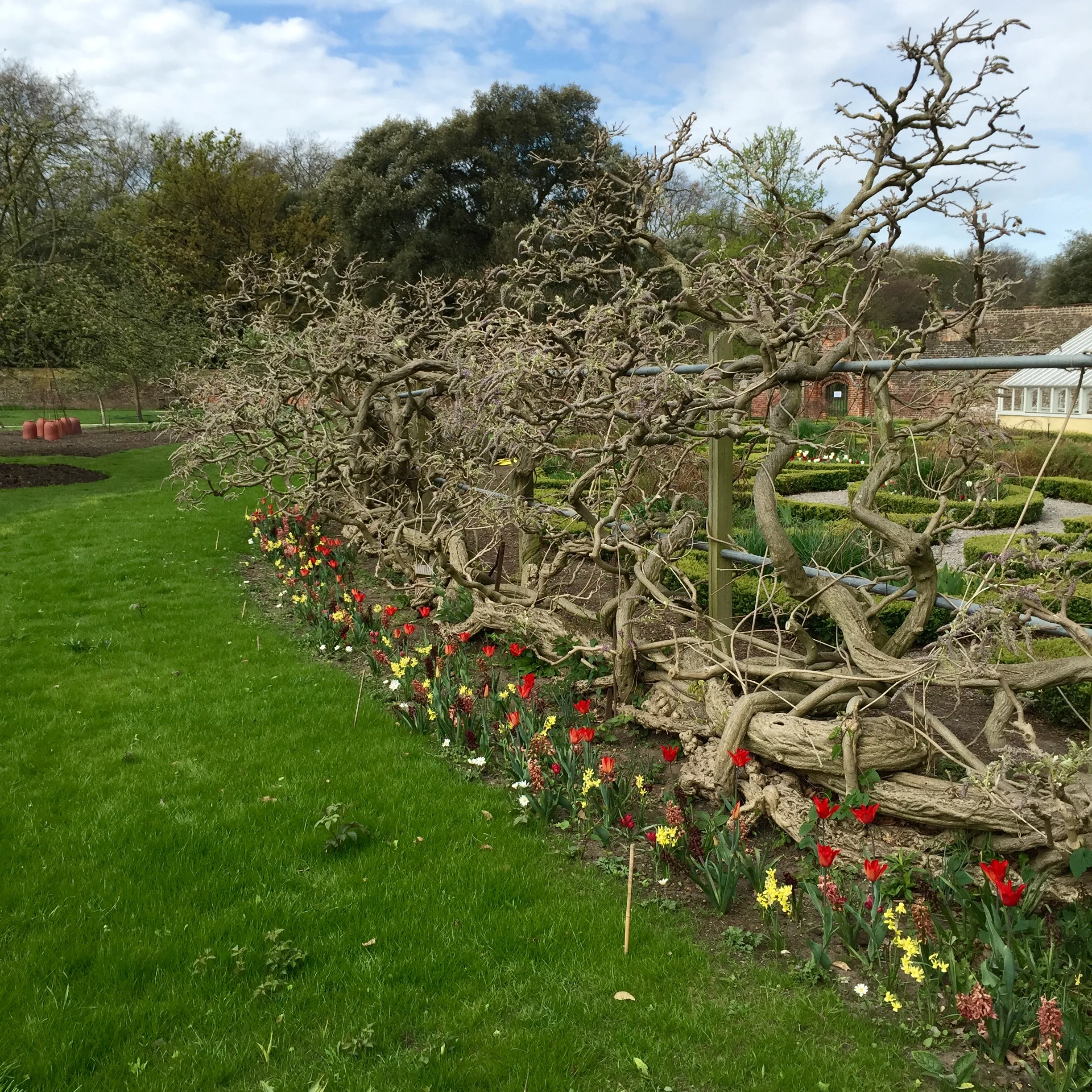
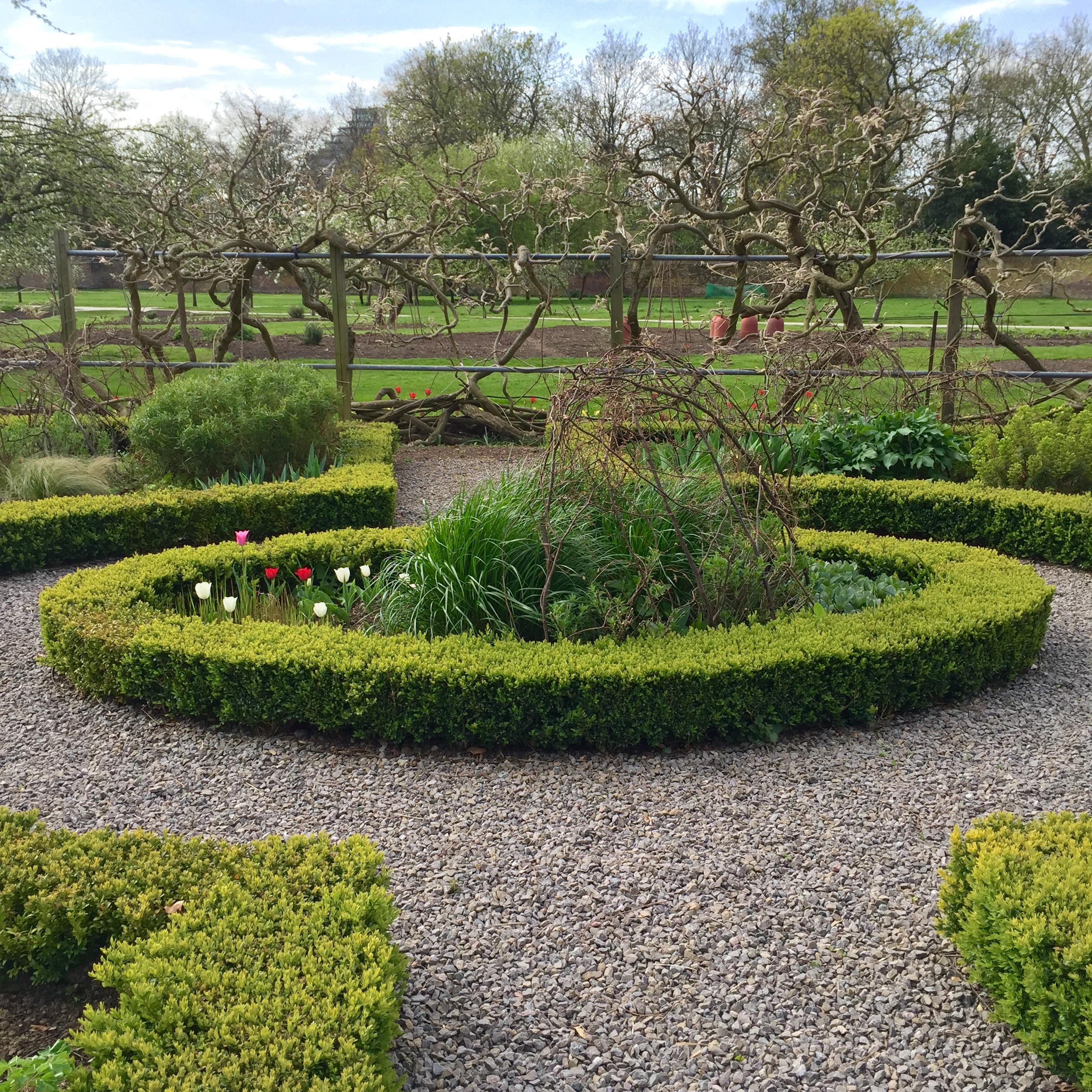
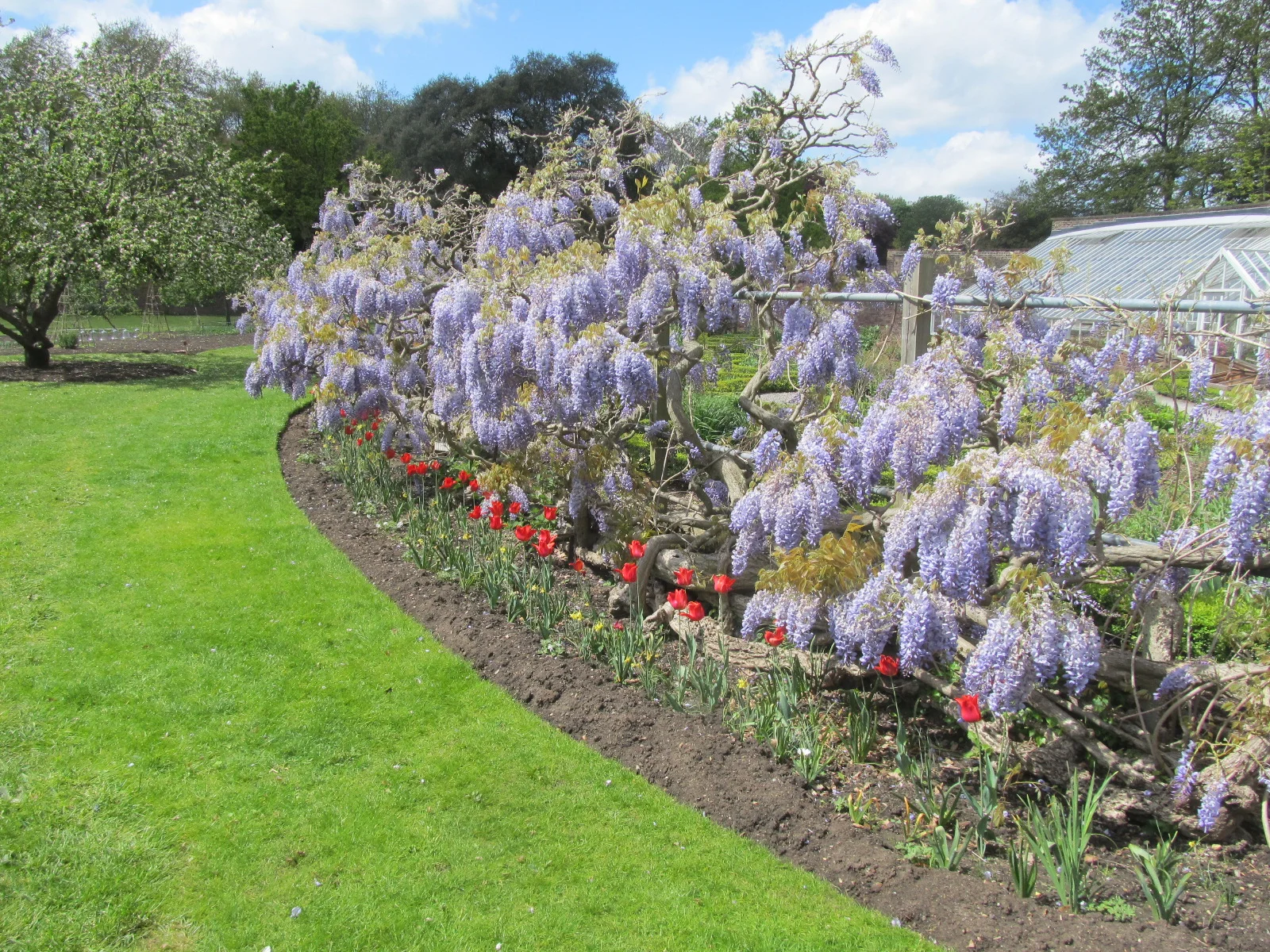
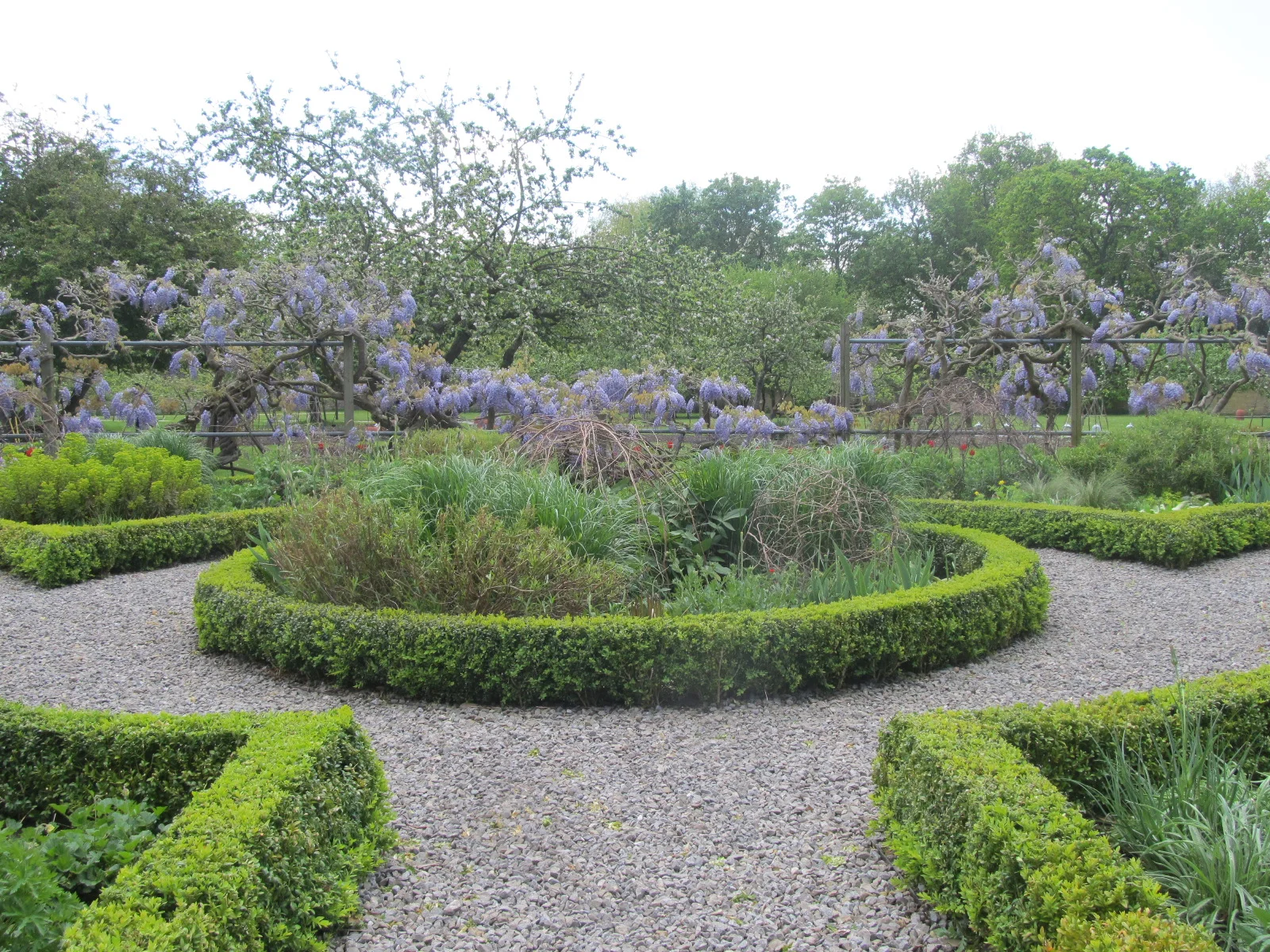
And after hours and days of pruning earlier in the year, the wisteria has just started blooming.


Launch Party for new Heritage Lottery Funded project

Last month, Fulham Palace Trust received preliminary support from the Heritage Lottery Fund for our new restoration project: Discovering the Bishop of London's Palace at Fulham

Please join us in the Great Hall from 6pm on 6 May 2015 to celebrate the good news and hear much more about our plans for the future of one of the capital’s finest heritage assets!

Click here to RSVP


A last word before going on Maternity Leave

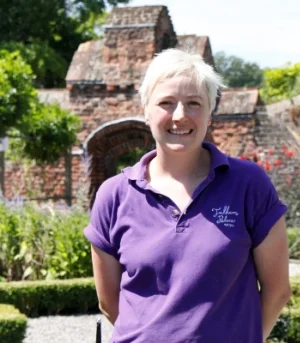
So many people have said to me early May is a lovely time to have a baby.  That I can see is very true – I have the summer months ahead, future birthday parties can be outside and its not such a problem if the heating breaks down.  What people don’t realise it's not the greatest time to go on maternity leave if you’re a Head Gardener.  There are far too many exciting things going on that I want to be involved in.  We are planting out the vegetable garden, the glasshouse is brimming with stock that we have sown, the knot garden has burst into action with spring basal cuttings to be taken, the grass has greened up and looks amazing now its had its first cut and our new venture of a mowed labyrinth is ready to be set out.  I will simply have to visit often and use Fulham Palace for the wonderful child-friendly haven that it is, as well as enjoy the horticultural developments that the Chrises (the garden supervisors) and the apprentices are getting on with.

Reflecting over the past year in the gardens we can safely say its been action packed.  We now have a fantastic composting unit that will help us manage our green waste effectively and efficiently.  We have a new orchard and have walled trained fruit trees varieties growing on in nurseries for Autumn planting as we speak.

We have our new tractor arriving that we have been able to purchase through the community’s support of our plant and produce sales.  We now have a very smart barrow to sell from based in the Walled Garden, and this project is now being run by some of our fabulous garden volunteers.

I look very forward to returning early in 2016 and planning the vegetable garden for its 4th year amongst many other things.  I’m very grateful to Jason Peters, my maternity cover, for holding the fort, leading the team and for continuing the development the Fulham Palace gardens.

Lucy Hart
Head Gardener

Portrait of a bishop

Edmund Bonner - Bishop of London 1539-1549 and 1553-1559

Edmund Bonner was born 1500 and educated at Pembroke College, Oxford. He graduated with a civil and canon law degree in 1519 and soon after started working as a chaplain for Thomas Wolsey until Wolsey’s arrest in 1529. He was subsequently transferred, possibly by the influence of Thomas Cromwell, to the service of King Henry VIII and in 1532 he was sent to Rome to block the juridical proceedings against Henry when the question of the king's divorce was raised. Over the following years he promoted “the cause of the Gospel”, asserting the royal supremacy and denying the papal, which delighted the Lutherans. His work impressed Cromwell and maybe also the King and in 1539 he was appointed Bishop of London. When the protestant Edward VI came to power however, Bonner, still fundamentally Catholic, began to doubt the change to “Royal Supremacy” when he saw to what uses it could be put by a Protestant council. He came into conflict with Edward’s government and was deprived of his bishopric by an ecclesiastical court and was sent to the Marshalsea prison.

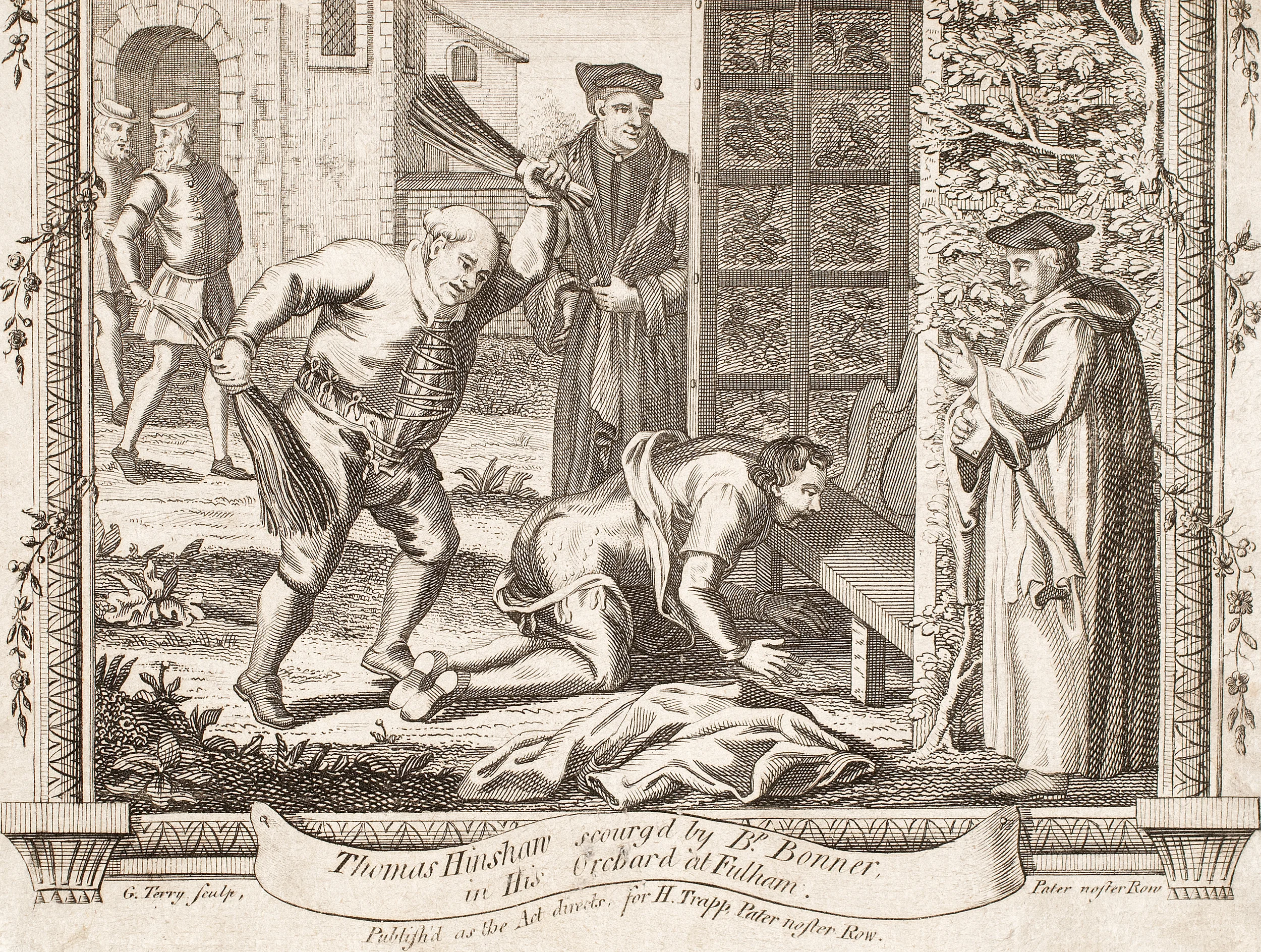
When the Catholic Queen Mary came to power he was released from prison and once again reinstated to his see. He set about restoring Roman Catholicism, a task that was met with hostility and saw frequent religious disputes. The Queen’s administration thought that the Reformers would best be dealt with by the ecclesiastical tribunals, rather than by the civil power, and Bonner was given the task of stamping out religious dissent. During this time he carried out the persecutions to which he owes his notoriety among his detractors as Bloody Bonner. Foxe in his "Book of Martyrs" summed up this view in two lines: "This cannibal in three years space three hundred martyrs slew. They were his food, he loved so blood, he sparèd none he knew." However, his defenders claim his actions were merely "official", and that "he had no control" over the fate of the accused.  Under Elizabeth I’s rule he sat and voted in the parliament and convocation of 1559. In May he refused to take the Oath of Supremacy and was once again sent to the Marshalsea. He died in the Marshalsea on the 5th of September 1569, and was buried in St George's, Southwark, at midnight to avoid the risk of a riot.

The Volunteers of Fulham Palace

Brittany King-Volunteer Communications Assistant

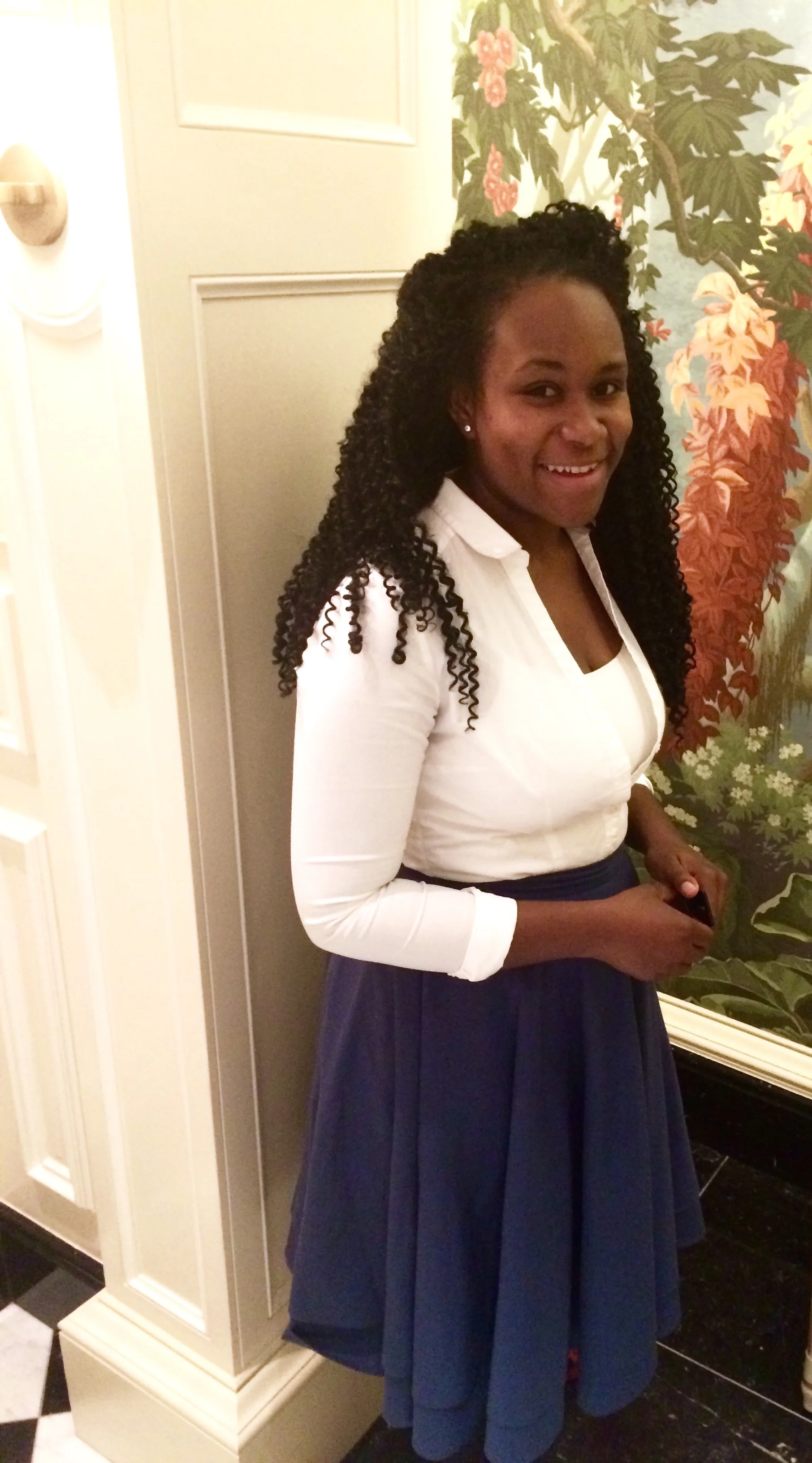
Brittany is a postgraduate student at King’s College London. She is studying World History & Cultures. Brittany started volunteering because she is interested in cultural heritage. As she enjoys history (obviously!) and writing, becoming a communications volunteer at Fulham Palace just made sense!

When did you first come to Fulham Palace?
I began as a volunteer at the end of 2014. I was    part of a group assisting with the launch of the new volunteers’ website.

What is your role as volunteer?
I am a communications volunteer. Chiefly, this entails researching and writing posts for the volunteers’ website blog. As the new website was being rolled-out to volunteers, I also co-led a training session on how to navigate the page.

How often do you volunteer? 
As a full-time postgraduate student, my availability waxes and wanes according to paper deadlines. However, my line manager has been extremely accommodating. Since blogging only requires computer access, I primarily work from home during my free-time.

What do you enjoy most about volunteering?
Volunteering at Fulham Palace, I most enjoy the opportunity to meet other volunteers and members of staff. I particularly like hearing about everyone’s various responsibilities. I am interested in pursuing a career in heritage, and volunteering has provided me the chance to discover what possible avenues may be open to me.

What is your favourite thing about Fulham Palace?
My favorite aspect of Fulham Palace is it’s rich history. Recently, I wrote a blog post, ‘America’s Lost Literary Treasure,’ about the palace’s connection to Pilgrim William Bradford. At present, I am researching and writing a post on Catherine of Aragon, who briefly stayed at Fulham Palace. Blogging for the volunteers’ website has allowed me to indulge and share my passion for history.