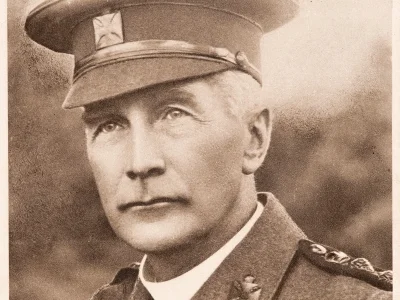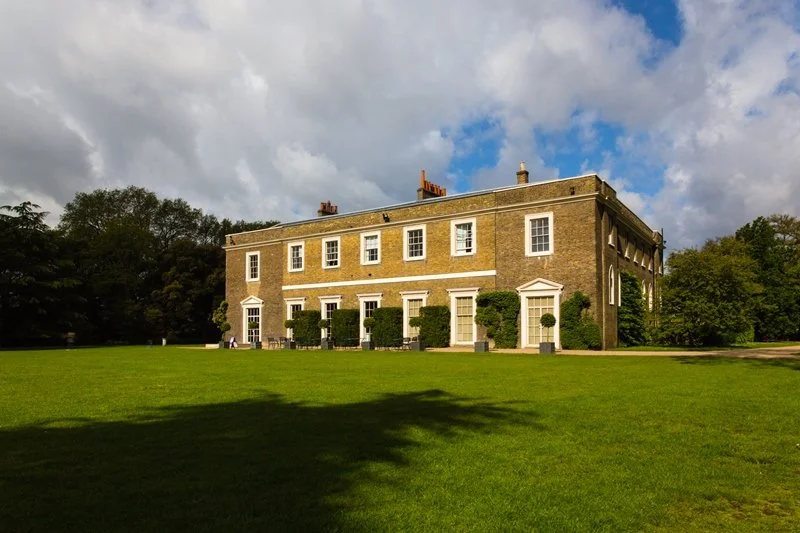
Edmund Bonner - Bishop of London 1539-1549 and 1553-1559
Edmund Bonner was born 1500 and educated at Pembroke College, Oxford. He graduated with a civil and canon law degree in 1519 and soon after started working as a chaplain for Thomas Wolsey until Wolsey’s arrest in 1529. He was subsequently transferred, possibly by the influence of Thomas Cromwell, to the service of King Henry VIII and in 1532 he was sent to Rome to block the juridical proceedings against Henry when the question of the king's divorce was raised. Over the following years he promoted “the cause of the Gospel”, asserting the royal supremacy and denying the papal, which delighted the Lutherans. His work impressed Cromwell and maybe also the King and in 1539 he was appointed Bishop of London. When the protestant Edward VI came to power however, Bonner, still fundamentally Catholic, began to doubt the change to “Royal Supremacy” when he saw to what uses it could be put by a Protestant council. He came into conflict with Edward’s government and was deprived of his bishopric by an ecclesiastical court and was sent to the Marshalsea prison.
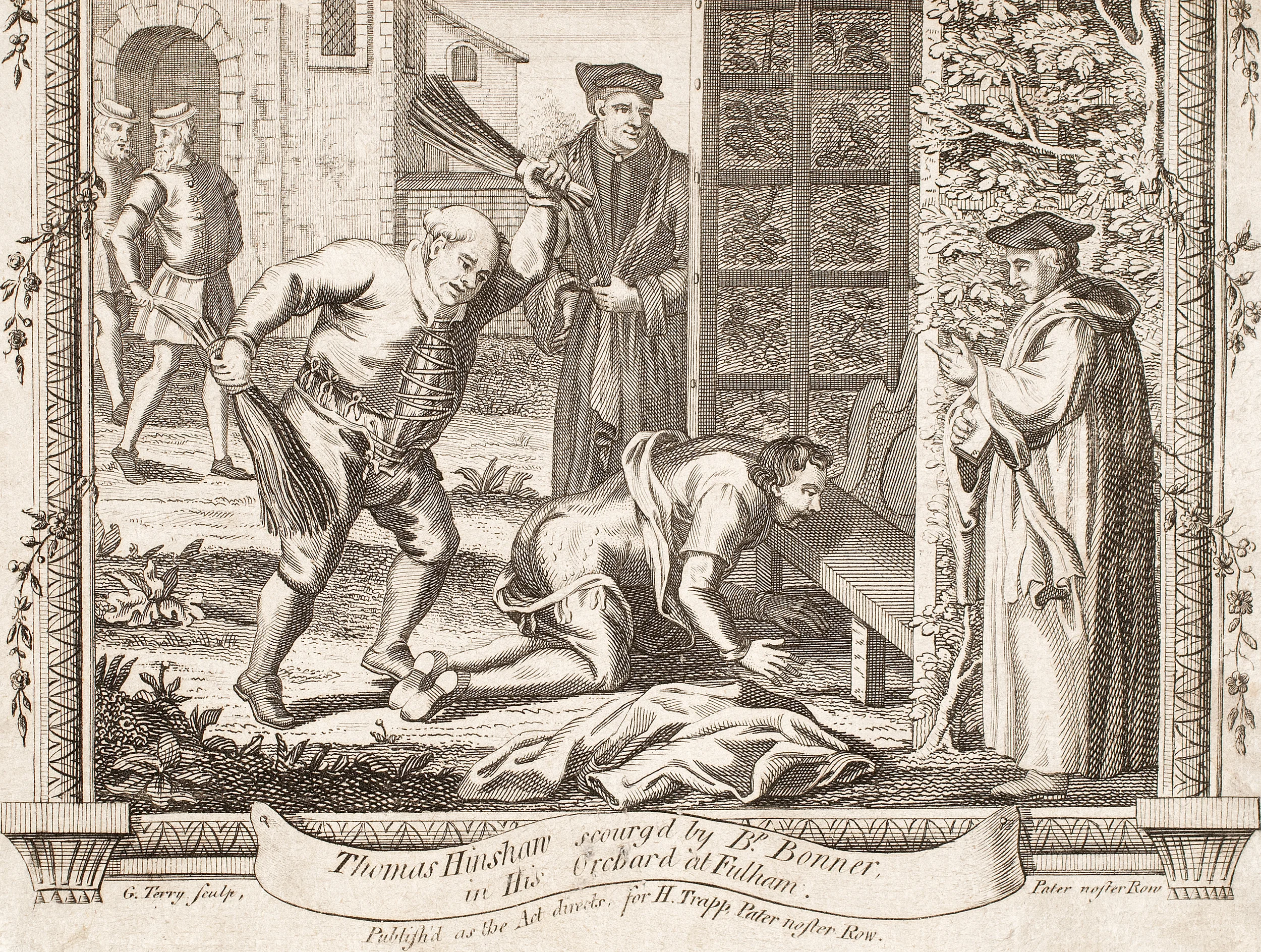
When the Catholic Queen Mary came to power he was released from prison and once again reinstated to his see. He set about restoring Roman Catholicism, a task that was met with hostility and saw frequent religious disputes. The Queen’s administration thought that the Reformers would best be dealt with by the ecclesiastical tribunals, rather than by the civil power, and Bonner was given the task of stamping out religious dissent. During this time he carried out the persecutions to which he owes his notoriety among his detractors as Bloody Bonner. Foxe in his "Book of Martyrs" summed up this view in two lines: "This cannibal in three years space three hundred martyrs slew. They were his food, he loved so blood, he sparèd none he knew." However, his defenders claim his actions were merely "official", and that "he had no control" over the fate of the accused. Under Elizabeth I’s rule he sat and voted in the parliament and convocation of 1559. In May he refused to take the Oath of Supremacy and was once again sent to the Marshalsea. He died in the Marshalsea on the 5th of September 1569, and was buried in St George's, Southwark, at midnight to avoid the risk of a riot.