
Arthur Winnington-Ingram-Bishop of London 1901-1939
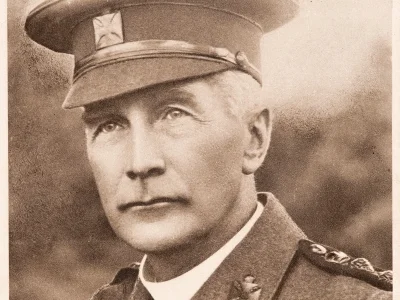
Bishop Arthur Winnington-Ingram was born in Worcestershire in 1858 and read classical moderation and literae humaniores at Keble College, Oxford. He held a number of positions before being appointed Bishop of London in 1901, a post he held for 38 years. During his time as Bishop he was very vocal about the Church’s teaching on morality and opposed what he saw as birth control propaganda and spoke out against secularists. But he also highlighted the inadequate housing of the poor and the issue of unemployment.
He is remembered today for his role during the First World War. He was Chaplain to the London Rifle Brigade and visited them in 1915 during his two weeks at the Western Front. A year later he went to the Grand Fleet to boost their morale. In 1917 he led the National Mission of Repentance and Hope, traveling through every diocese to stir up renewed enthusiasm for the war effort. His speeches were on occasion violent in tone, at times verging on xenophobia, something he was criticised for. Fulham Palace also played a part in the war; in 1918 the Palace was converted into a hospital funded by the Freemasons and run by the Red Cross. The Library and Drawing Room were used as wards and the Great hall as a canteen.