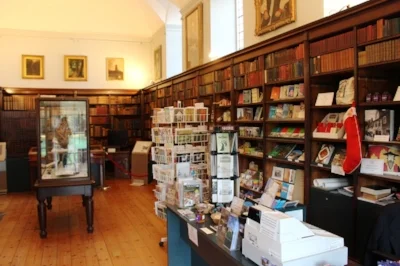
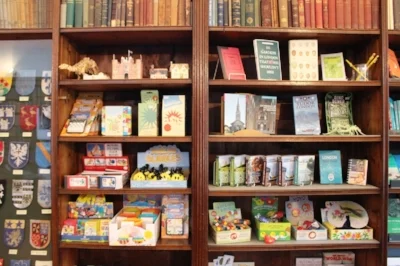
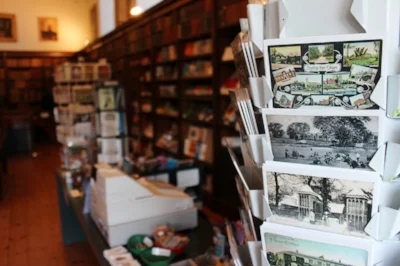
Have You Seen Our Museum Shop?

The Fulham Palace Shop

The Fulham Palace Shop

We have lots of lovely merchandise, postcards of the Palace, cards, FP honey, tote bags, books and children’s toys
 
…and volunteers get 10% discount!

The shop's opening times are:
Sunday and Bank Holiday Mondays 12pm-5pm
Monday to Thursday 12.30pm-4.30pm (summer)
Sunday 12pm-4pm, Monday to Thursday 12.30pm-3.30pm (winter)

Sponsor a Brick at Fulham Palace!

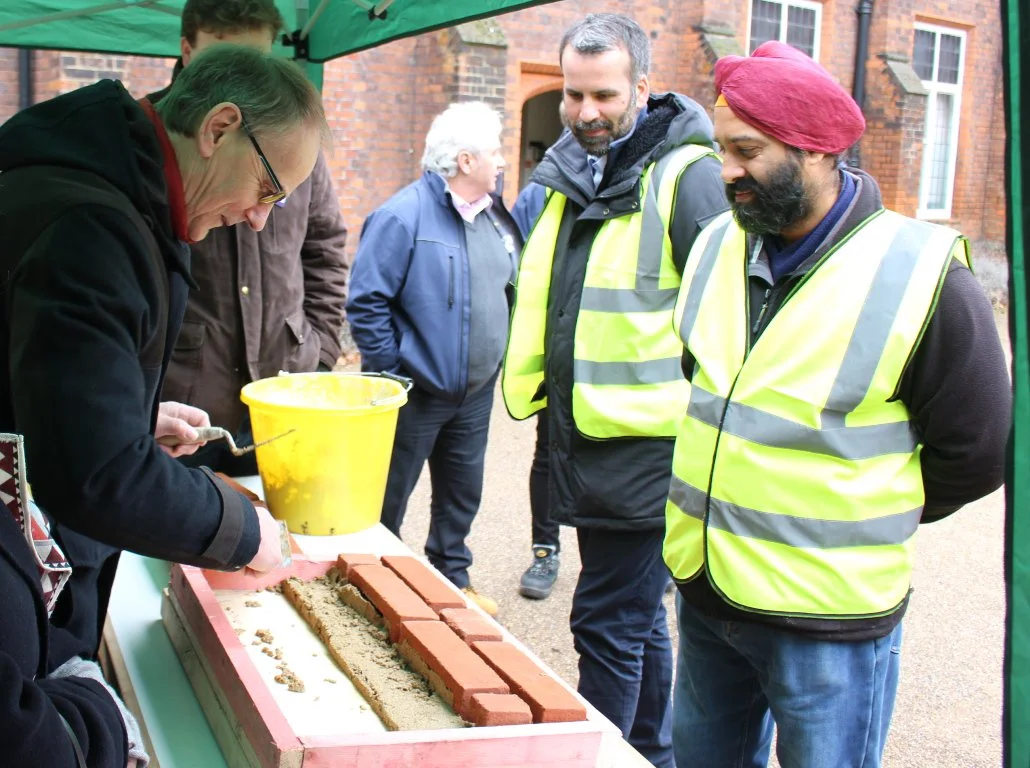
Help restore the Palace brick by brick by "sponsoring a brick" this Spring at Fulham Palace! 

Archaeology Volunteer Derek Lamden Getting Involved with Brick Work Restoration Activities at the Palace

Archaeology Volunteer Derek Lamden Getting Involved with Brick Work Restoration Activities at the Palace

Click here to find out how! 

A traditional Tudor brick is £20 (these bricks go into the Palace Walls) and a Special Limited Edition Tudor Brick is £50 (these bricks go into the archway). Each brick is made by hand and finished in a wood-fired kiln so the repairs will blend into the Palace’s historic walls.

You can also personalise your brick and meet our heritage specialists at a series of "Sponsor a Brick" events before it is placed within the walls of Fulham Palace.

Dates for your diary:

Thursday 29 March, 2 – 2:30pm – Meet the Apprentice Bricklayer

Thursday 5 April, 12 – 3pm – Brick Fest

Thursday 12 April, 12 – 3pm – Brick Fest

Thursday 19 April, 2 – 2.30pm – Meet the Apprentice Bricklayer

Thursday 26 April, 3 – 4pm – Hidden Spaces: Hard Hat Tour No. 1

*All events are free, except the Hard Hat Tours – these will be available for booking online from 30 March.

Thanks to all our volunteers for being part of our fantastic Restoration Project!

Best wishes, 

Rachel

Specimen of the Month - Contemplating the Palace Gardens this February

Every month we feature two blogs written by volunteers, one describes an object in the Palace and one a plant from the Garden. It is a great way for us all to learn more about the Palace, if you would like to contribute there is no set format so please do send us your ideas!

Snowdrops in the Walled Garden

Snowdrops in the Walled Garden

As an Archaeological volunteer who recently dug some of the holes for the apple arch, and as someone who has enjoyed working in the walled garden, I was asked to write a blog about my favourite plant or tree.
 
This is not easy in cold February, especially since prior to the interview and training for the Dovecote Archaeological Dig,  I had not heard of Fulham Palace, and my knowledge of Fulham as a whole, was limited to Stamford Bridge and Chelsea Football club!
 
I really want to reserve my judgement until I have seen the  walled garden and grounds through a full 12 month cycle. However, when looking around the garden for inspiration, I noticed a beautiful pink Camelia peaking over the wall, and hundreds of scattered snowdrops declaring that Spring is on its way. The  wonderfully fragrant smelling shrub (Edgeworthia), which was blossoming right by the entrance to the courtyard might have been favourite, but this has just been removed to safety while the conservation team work on the brickwork. I also think that the Wisteria will be a contender when it blooms.  It is currently scheduled for pruning, and looking at previous pictures on the website, it will be beautiful - I can almost smell the blossom now.

During the apple arch planting, many members of the public walking through the gardens, stopped to chat, and it was obvious that the gardens are loved by young and old alike. Some like the tranquillity of the walled garden, and the sheltered picnic benches, where you can eat sandwiches in the warmth of the early Spring sun, and watch the Robins hunting for worms. Others, have been walking through the grounds for years, and remembering  ‘the wilderness’ are enthusiastic about the improvements that the gardening team have already made and continue to make.

There is something in the grounds and gardens for everybody and they are seen along with the Palace itself, as Fulham’s hidden jewel. I for one, look forward to seeing what Spring and Summer will bring.

Ann Russell, Archaeology Volunteer

Please send your ideas for Object / Specimen of the Month blogs to rachel.bray@fulhampalace.org If you would like some help, let us know.

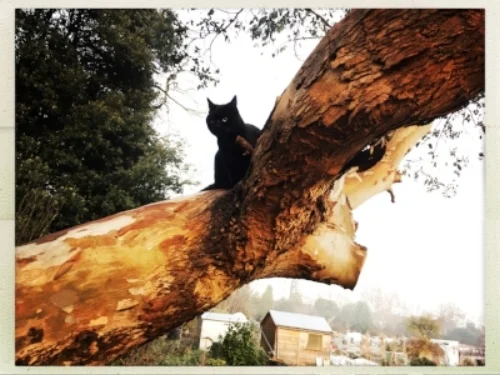
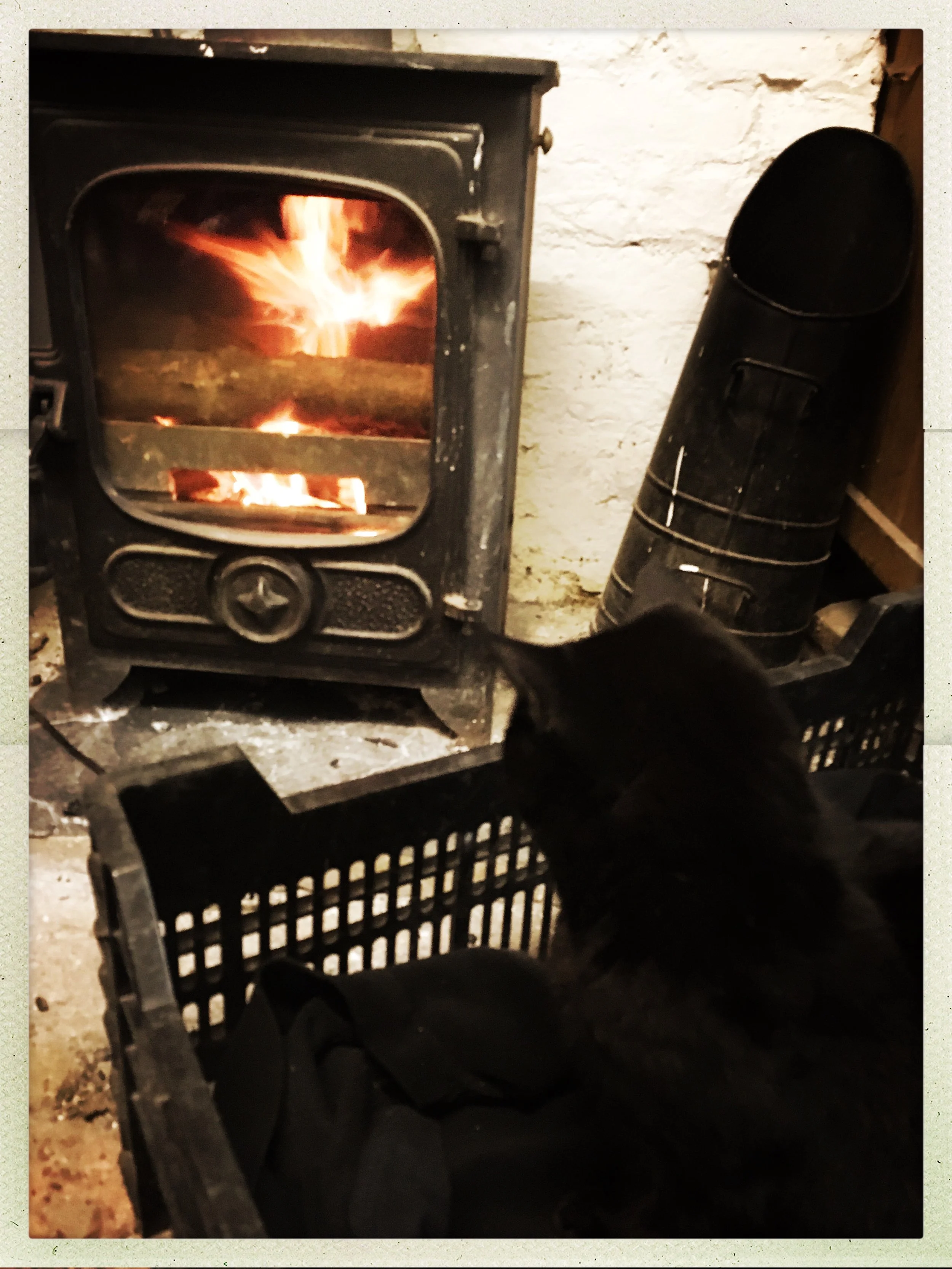
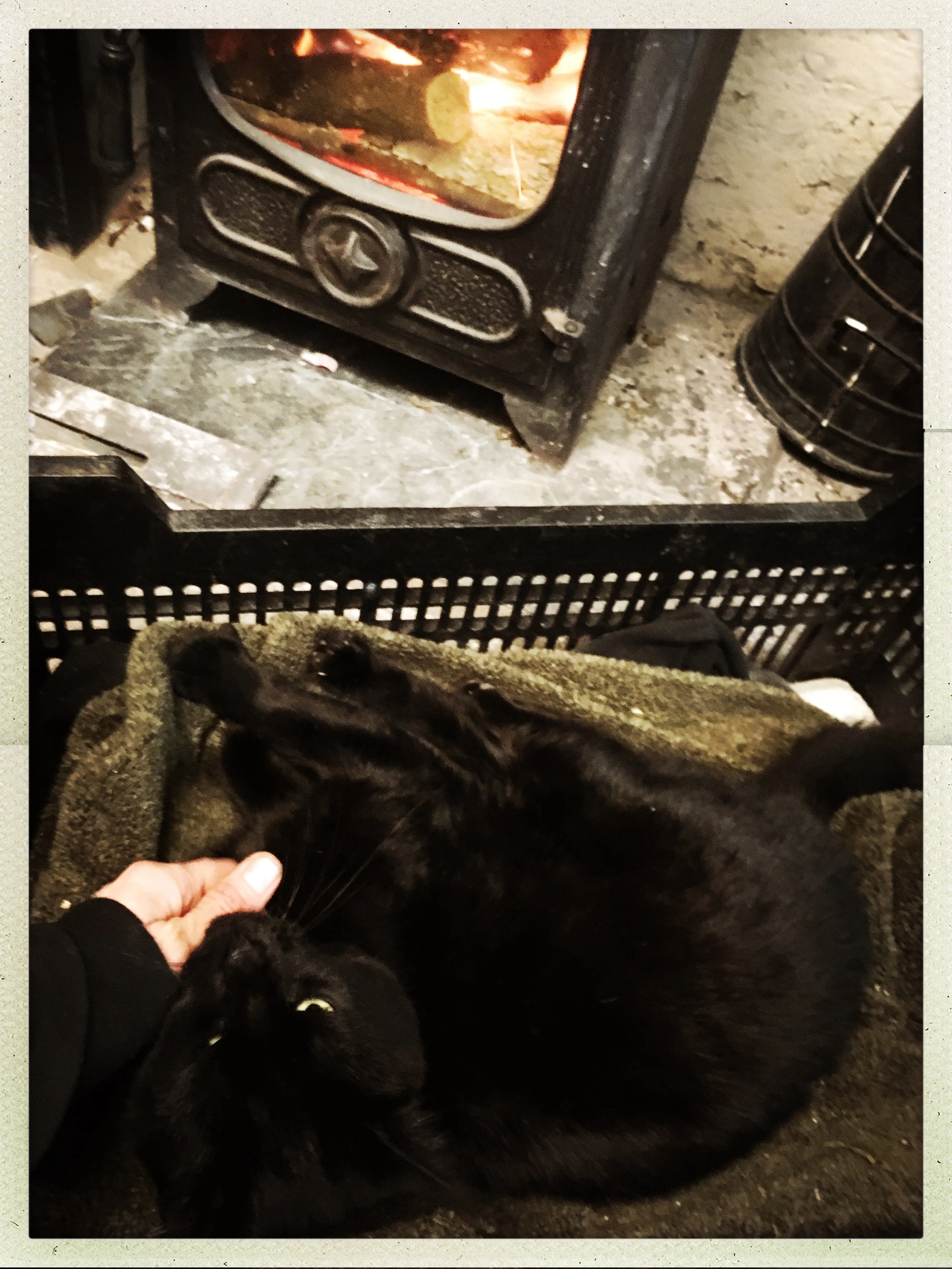
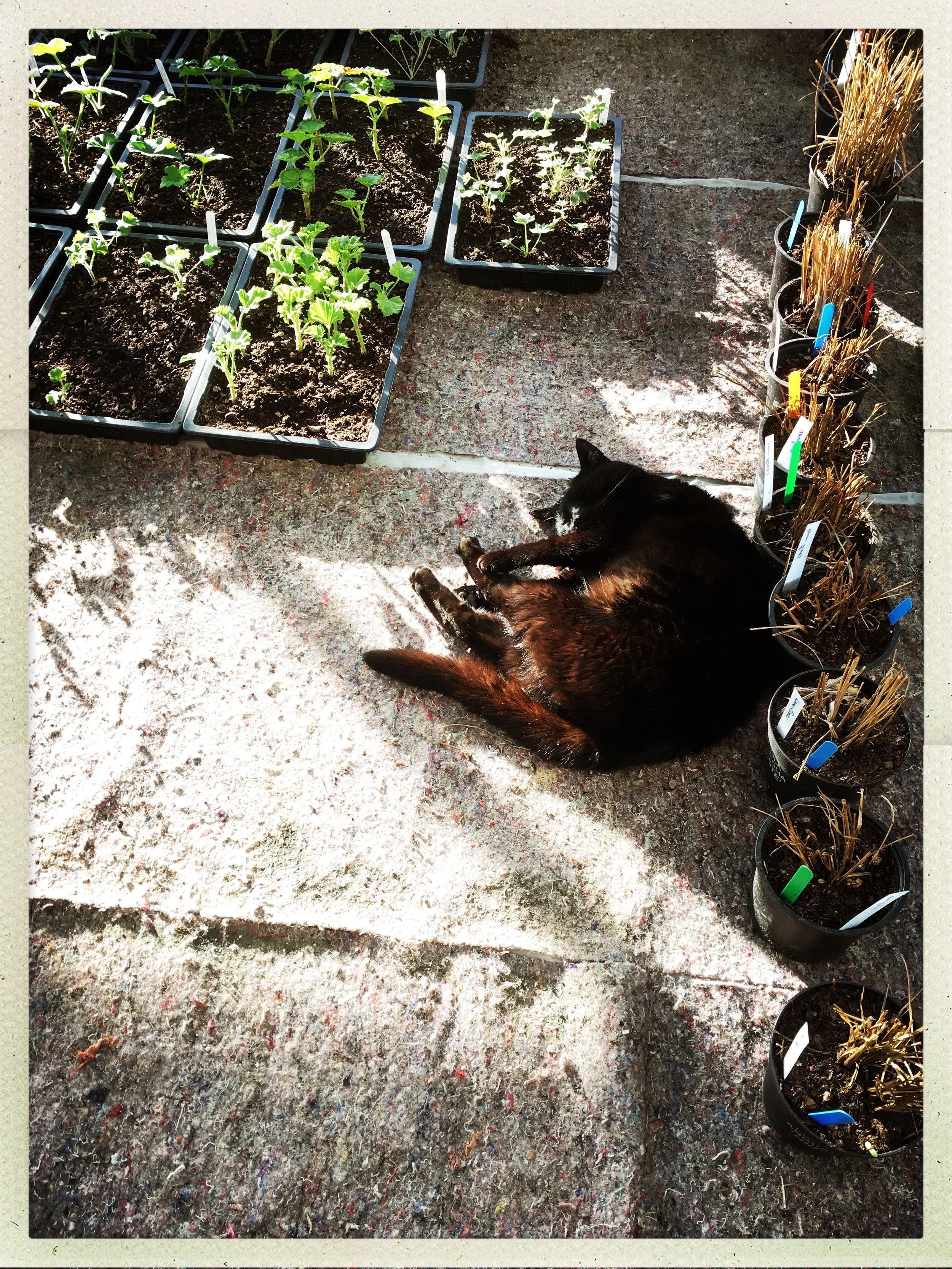
An Interview with Edmund, the Palace Cat

Edward mousing around in the Walled Garden

Edward mousing around in the Walled Garden

Name: Edmund, but you can call me Eddie

Address: Cardboard Palace SW6 CAT (exclusively at Fulham Palace)

About yourself: I catch more hearts than mice

Hobbies: I follow humans and gallop over the vegetable beds in the mornings and in the afternoons I'm a professional napper

What do you love about Fulham Palace? The fact that there are so many nooks and crannies I can squeeze into. I have taken it upon myself to find the hottest spot in the Palace. 

When you're not at Cardboard Palace, where do you like to get some shuteye? I have more beds than any human here has. One in front of the fireplace in the mess room, one in the vinery for cold nights with my very own heating mat and a high bed in the potting shed shelf for warmer summer days. The options are endless.

What's your favourite food? Fast food is the bees knees. For Christmas, human Chris R. thought he'd treat me with special cat milk and a whole mackerel - Yuck! - I'd much rather have my Whiskas.

The Victorian Comic

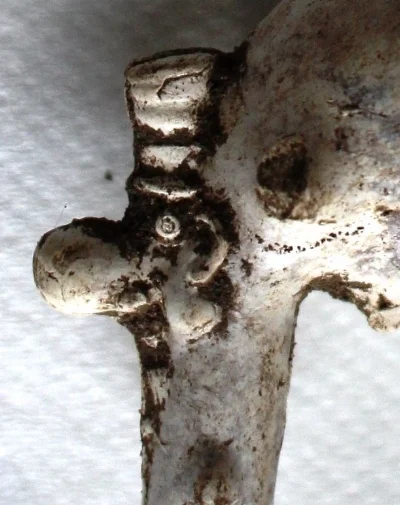
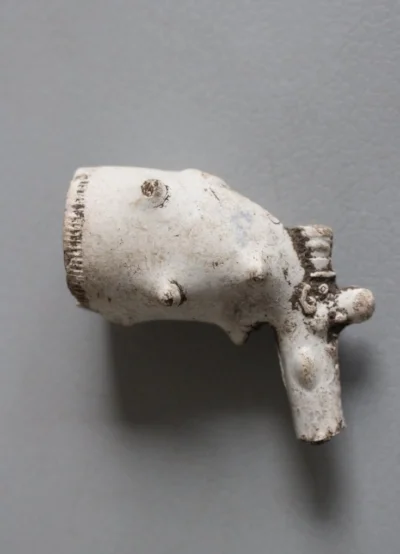
Earlier this month, we asked Twitter to help us identify a clay pipe that was found in our recent apple-arch dig. The object is a clay tobacco pipe - a pipe for smoking tobacco - and the image depicted on it is of Ally Sloper, a 19th century comic character.

Ally Sloper, a famous comic, depicted on this clay pipe

Ally Sloper, a famous comic, depicted on this clay pipe

Alexander "Ally" Sloper is the eponymous fictional character of the comic strip Ally Sloper. He is one of the earliest comic strip characters and he is regarded as the first recurring character in comics.

The derelict Ally Sloper clay pipe seen from the profile

The derelict Ally Sloper clay pipe seen from the profile

Red-nosed and blustery, an archetypal lazy schemer often found "sloping" through alleys to avoid his landlord and other creditors, he was created for the British magazine Judy by writer Charles H. Ross, and later fully illustrated by his French wife Émilie de Tessier—a rare woman comic-strip artist at the time—under the pseudonym "Marie Duval". After gaining incredible success, a spin off of his own comic, “Ally Sloper's Half Holiday” was created in 1884. Sloper’s influence even reached W. C. Fields and Charlie Chaplin, who created the character "little tramp".

The infamously red-nosed Ally Sloper comic, ca. 1884

The infamously red-nosed Ally Sloper comic, ca. 1884

The arrival of the First World War in 1914 saw severe paper rationing, and in 1916 the Half Holiday comic ceased production. Attempts after the war to revive Sloper proved short-lived, as Sloper was more of a Victorian and Edwardian comic and did not fit into the new post-war world.

Now that we know what the peculiar clay pipe depicts, we have yet to figure out how it ended up in the grounds of the Walled Garden… Any suggestions? Comment below and let us know!

The photos were taken by our marketing manager Neil Hassall.

Recipe of the Month - February

Preserving the Flavour

Although it can be busy in the garden in February getting ready for the year ahead, there is not much in the way of produce so this month the recipes are about capturing some of the flavoursome fruits, vegetables and spices available in the supermarket. Bold flavours to spice up winter eating.

February is the month when Seville oranges are in season and if you have never tried making Marmalade it's well worth it and pretty straightforward, although there is a lot of chopping. I have just used this recipe, I only made half the quantity and that made five pots, which is enough for the average Marmalade eater.


newton-and-pot-11.jpg

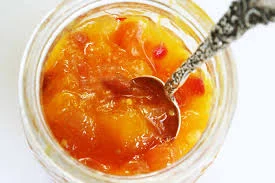
Mango Salsa Chutney

2 red peppers
500g red onions
3 tbsp olive oil
sea salt and freshly cracked black pepper
2 small garlic cloves
3 bird's-eye chillies
2 limes
30g fresh ginger
1/4 teaspoon ground cinnamon
1/2 tsp chilli flakes
250g light brown sugar
4 large mangoes
350 ml cider vinegar

(3-4 x 300ml jars)
Preheat the oven to 120C/100C (fan)/ gas 1/2

  1. Halve the red peppers, remove their stalks and seeds, then place them a baking tray and cook in the oven for at least an hour. Once soft and browned, remove from the oven, peel off their skins then finely slice and dice them.
  2. Peel and dice the onions. Heat the oil in a heavy-bottomed pan, then add the onions and a little salt and pepper and cook for about 10 minutes, until soft and transparent.
  3. Peel the garlic, deseed the chillies and finely chop them both.
  4. Zest the limes, halve them. Peel and grate the ginger. Add the garlic, chillies, lime zest and halves, ginger, cinnamon and chilli flakes to the onions and cook for another 10 minutes.
  5. Add the sugar to the pan and caramelise for 5 minutes.
  6. Peel stone and cube the mangoes. Add to the pan with the vinegar and gently bering to the boil.
  7. Simmer, stirring continuously for 20-30 minutes, until the chutney starts to thicken,  add the diced red pepper and cook for a further 10 minutes.
  8. Remove from the heat and take out the lime halves. Ladle into warm, dry sterilised jars and seal.

You can eat this one the next day but it will mature nicely for at least 4 weeks.
(Keeps for up to 6-8 months. Once opened refrigerate and use within 4 months.)

images.jpeg


Za'atar Pickled Cauliflower

Pickling is back in fashion and lightly picked vegetables make an interesting addition to salads, a great addition to couscous or quinoa or eat with a selection of other dips and pickles with cold meats. Za'atar is a middle eastern spice blend that is now widely available. (This recipe makes 6 jars so could be halved to make 3 jars.)

600g cauliflower
6 pickling onions or shallots
600 ml white wine vinegar
300 ml water
1 tsp pink peppercorns
1 tsp cumin seeds
1 1/2 tbsp sea salt
1 1/2 tsp granulated sugar
3 tsp za'atar

makes 6-7 300ml jars

  1. Trim the cauliflower and break into florets. Peel and finely slice the onions or shallots.
  2. In a medium, stainless steep pan, combine the vinegar, water, peppercorns, cumin seeds, salt and sugar, bring gently to a simmer, dissolving the salt and sugar far about 5 minutes. Remove from the heat and allow to cool completely.
  3. Put 3/4 tsp of za'atar in the bottom of each warm, dry sterilised jar then pack with the florets and sliced onions until they are 1cm from the rim.
  4. Pour in the brine, distributing the peppercorns and cumin seeds evenly and leave 5 mm between the fill level and the top of the jar.
  5. Tap the jars gently on a hard surface to remove any air bubbles and top up with more liquid if the level has dropped more then 5mm below the rim. Seal.
  6. Keep sealed in a cool dark place for at least 4 weeks to allow the florets to pickle, turning the jars intermittently to distribute the spices throughout.

Keeps for up to a year. Eat within 4 weeks once opened and keep refrigerated.

Both these recipes are from The Modern Preserver: Chutneys, Pickles, Jams and More by Kylee Newton, Vintage Publishing

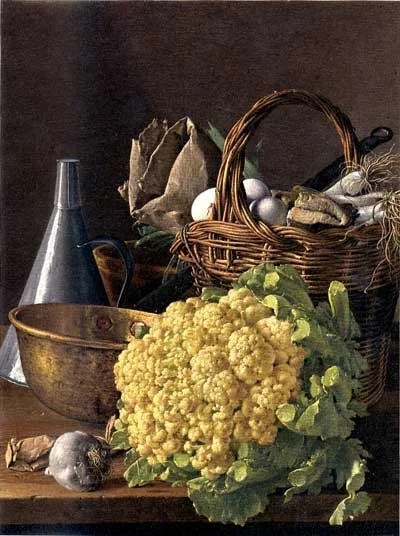
Luis Meléndez, 1715-1780, Spanish, Sill Life with Cauliflower

Luis Meléndez, 1715-1780, Spanish, Sill Life with Cauliflower


Object of the Month - Illustrations

Every month we feature two blogs written by volunteers, one describes an object in the Palace and one a plant from the Garden. It is a great way for us all to learn more about the Palace, if you would like to contribute there is no set format so please do send us your ideas!

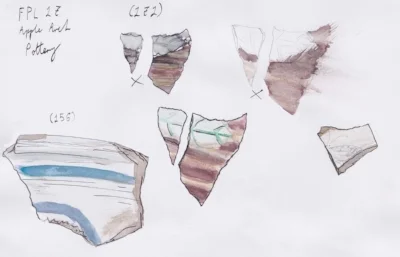
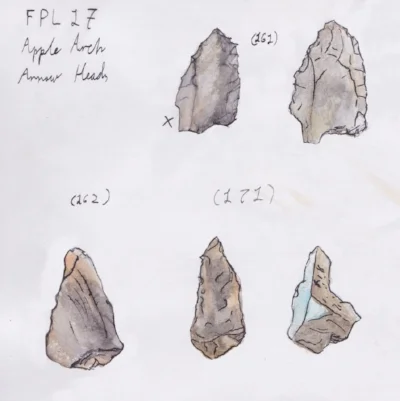
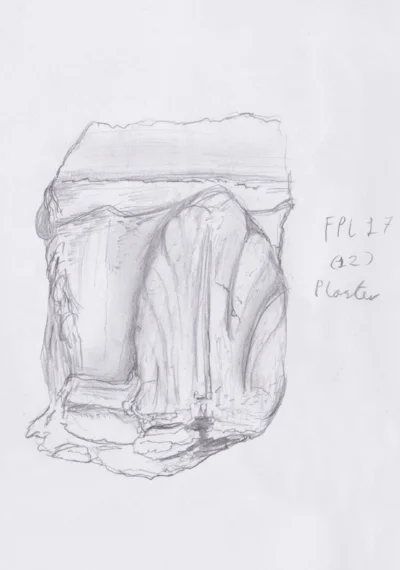
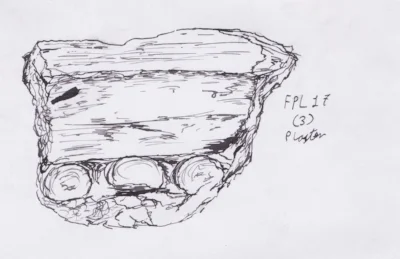
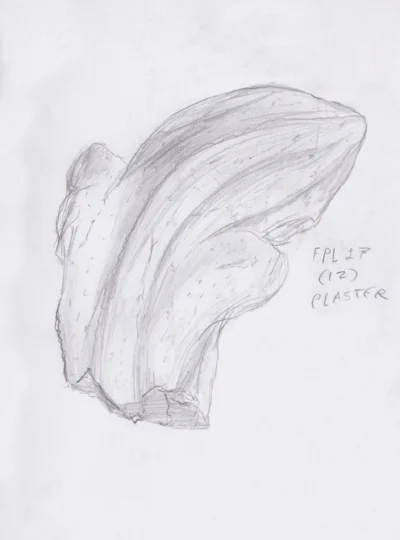
This month's object is a compilation of illustrations by archaeology volunteer Richard Sorgo who was involved in January's Apple Arch Project. Richard's dexterous illustrations of broken shards of pottery, plaster as well as an illustration of arrowheads beautifully capture the intricacies of the flints found in the dig.  

The Apple Arch Project took place in the Walled Garden and was part of the Community Archaeology Dig. The aim of the dig was to analyse a series of holes running along the central path in the Walled Garden before being planted with apple trees. 

Last month we shared archaeology volunteer Samantha Brummage's findings from the dig. In December, we shared archaeology volunteer Pauline St. Leger's blog about it too. If you haven't done so already and are looking for some background information before indulging in these illustrations, you can catch up on the blogs about the Community Archaeology Project here and  here.

Apple Archway Pottery from the dig

Apple Archway Pottery from the dig

Apple Archway Arrowheads

Apple Archway Arrowheads


Please send your ideas for Object / Specimen of the Month blogs to rachel.bray@fulhampalace.org If you would like some help, let us know.