Specimen of the Month - Wintersweet (Chimonanthus praecox)

Every month we feature two blogs written by volunteers, one describes an object in the Palace and one a plant from the Garden. It is great way for us all to learn more about the Palace, if you would like to contribute there is no set format so please do send us your ideas!

First impressions

As I approached this pretty tree-like shrub laden with flowers in mid-bloom, I was subtly saluted by a heavenly, honey aroma.  Indeed to get a good fragrance hit I did have to stick my nose among the flowers and it was well worth it. I was rewarded with an incredibly calming, uplifting and  highly fragrant scent.   
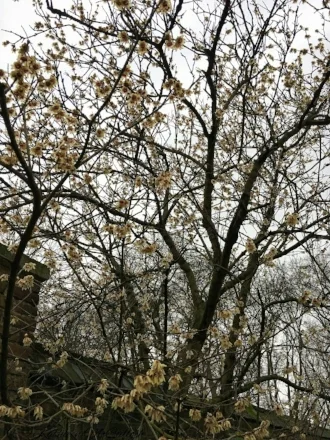
Wintersweet at Fulham Palace

Wintersweet at Fulham Palace

What is it and where is it?    

You can find this marvel outside the Chaplain’s Garden wall facing the paddock and the main entrance.  Branchy and in prime location for flowering and showcasing the small, delicate bursts of yellow flowers, Wintersweet although quite modest in the normal growing season, comes alive in the dead of winter! 
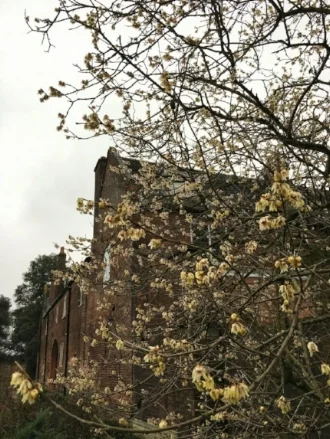
Wintersweet shrub in front of the Chaplain's Garden

Wintersweet shrub in front of the Chaplain's Garden

What does it look like? 

The butter-yellow flowers of the Wintersweet are stained purple/maroon inside and have two sets of petals which, though waxy, look like they were made from fairy fabric. These sweetly scented blooms, dangle beautifully and elegantly in small groups or solo. 
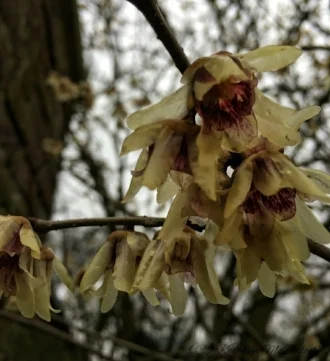
Wintersweet exude pleasant fragrance at Fulham Palace

Wintersweet exude pleasant fragrance at Fulham Palace

Anything else? 

Taking several years to flower, Wintersweet are not found in every garden.  In fact, there were once numerous shrubs bordering the Chaplain Garden’s wall.  This robust specimen is the only one which still proudly stands.  How fortunate we are to have this elegant winter-flowering shrub, with its exquisite fragrance, to appreciate. Thanks to Lucy, the head gardener and her amazing team, the Wintersweet at Fulham Palace is thriving.  So, pay it a visit.  Marvel in its display and enjoy its divine bouquet. 


Kathleen McCulloch, Garden Volunteer 

Please send your ideas for Object / Specimen of the Month blogs to rachel.bray@fulhampalace.org If you would like some help, let us know.
Recipe of the Month - January

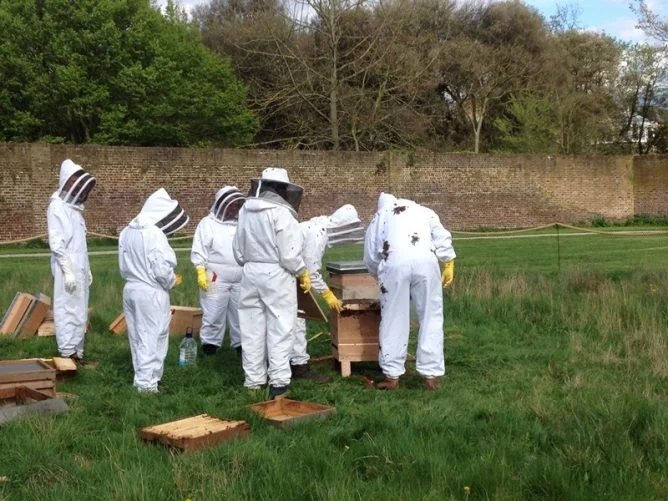
Fulham Palace Apiarists at work.

Fulham Palace Apiarists at work.

Honey

With the best will in the world there is not much in the garden in January to get the heart racing or the tastebuds tingling, so this month the recipes will feature honey.  The Fulham Palace bees excelled themselves in 2017, producing record quantities of delicious honey. All is quiet in the hives at the moment but we can enjoy the harvest. Their is an interesting blog written by Sarah Nicholl-Carn on the main Fulham Palace website describing the work of the volunteer beekeepers, read it here.

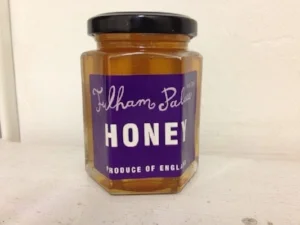
The Fulham Palace Honey is a bit too special to cook with, best enjoyed on a piece of toast!

The Fulham Palace Honey is a bit too special to cook with, best enjoyed on a piece of toast!


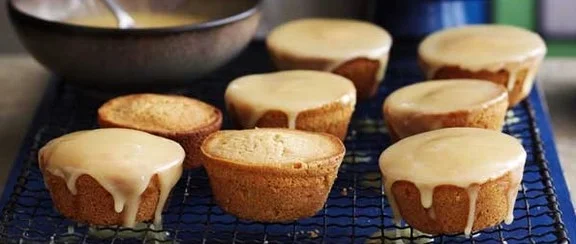
Sticky Honey Cakes

This recipe for sticky honey cakes is really easy to make and they look great. The combination of honey, lemon and ginger works really well together and they are surprisingly low in calories.


  • 125g salted butter, very soft
  • 75g light soft brown sugar 
  • 140g runny honey 
  • 2 eggs, beaten
  • 225g self-raising flour, sifted
  • 1 tbsp lemon juice 
  • 1 tsp ground ginger 

HONEY GLAZE

  • 100g salted butter
  • 70g runny honey 
  • 125g icing sugar, sifted

     
  • 1. Use 10g butter to grease either 2 × 12-mould bun tins or if you want larger cakes, 1 × 12 hole cupcake tin. Heat the oven to 180c/160c fan/gas 4.
  • 2. Beat the butter and sugar together for 2 minutes, until light. Add the honey and beat for a couple more minutes.

  • 3. Beat in the eggs, one by one, then fold in the flour and ginger, finishing with the lemon juice. Divide between the buttered moulds and bake for 20 minutes, until risen, golden and springy. Cool on wire racks for 15 minutes.
     

  •  4. To make the glaze, melt the butter in a small pan, remove from the heat and stir in the honey and icing sugar using a balloon whisk.

  • 5. Dip the tops of the honey cakes into the warm glaze or drizzle over thickly with a spoon. If the glaze gets too solid, warm it through very gently to melt. Put the glazed cakes back on the wire racks to set, iced-sides up.

    This recipe is from Olive Magazine.

6775.jpg

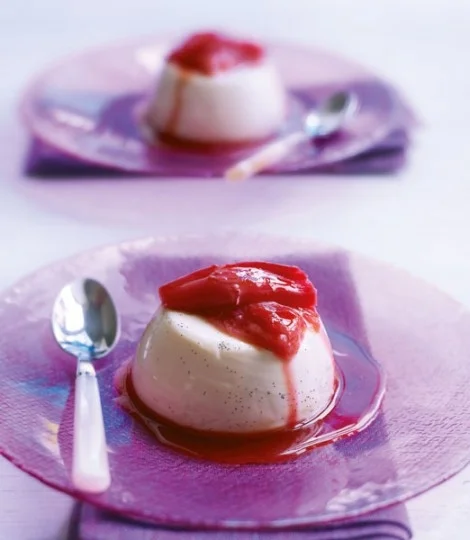
Honey pannacotta with ginger-poached rhubarb

This is an elegant, light-tasting dessert that is quite easy to make.

  • 6 fine gelatine leaves 
  • 600ml double cream
  • 200ml semi-skimmed milk
  • 75g orange-blossom honey
  • 2 vanilla pods, split lengthways and seeds scraped out

For the poached rhubarb

  • Juice of 2 blood oranges (about 200ml) or ordinary oranges
  • 75g caster sugar
  • 1 piece stem ginger, thinly sliced, plus 1 tbsp syrup from the jar (optional)
  • 600g rhubarb, trimmed and cut into 3cm chunks
  1. Soak the gelatine leaves in a bowl of cold water for 5 minutes until soft.
  2. Put the cream, milk, honey, vanilla pod and seeds into a pan and bring to the boil, then remove from the heat and discard the vanilla pod.
  3. Squeeze out the gelatine leaves, stir into the cream mixture until dissolved, then pour into a jug.
  4. Rinse 6 x 150ml metal dariole moulds with cold water but don’t dry them. Divide the mixture among them, leave to cool, then chill for 3-4 hours or overnight until set.
  5. Make the poached rhubarb. Put the orange juice, sugar, ginger and syrup in a wide, shallow pan. Simmer, stirring, for 10 minutes until syrupy.
  6. Stir in the rhubarb, then reduce the heat to low. Cover with a lid and poach for about 5 minutes until the rhubarb is tender. Remove from the heat and leave to cool a little.
  7. To serve, dip the base of the moulds in hot water for 10 seconds, loosen around the inside edge with a small palette knife, then turn out onto plates. Top each pannacotta with a little of the rhubarb and serve.

This recipe is from Delicious Magazine.


323584-1-eng-GB_4829-470x540.jpg

Object of the Month - Flint From The Community Archaeology Project

Every month we feature two blogs written by volunteers, one describes an object in the Palace and one a plant from the Garden. It is great way for us all to learn more about the Palace, if you would like to contribute there is no set format so please do send us your ideas!

Here we are in January 2018 and so far I have not been very successful at shaking off the post-Christmas lethargy!  A full-time PhD project means I’ve been leading a very sedentary life, so what better way to get outside for some much-needed fresh air and exercise than to sign up for the next community archaeology project at Fulham Palace. I can’t get involved as much as I would like, but one of the lovely aspects of this dig is that everyone gets to feel very much part of the team no matter what they can do.

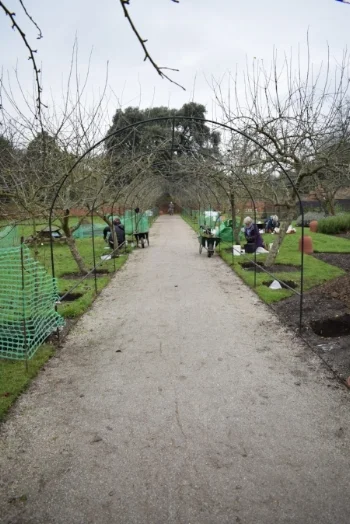
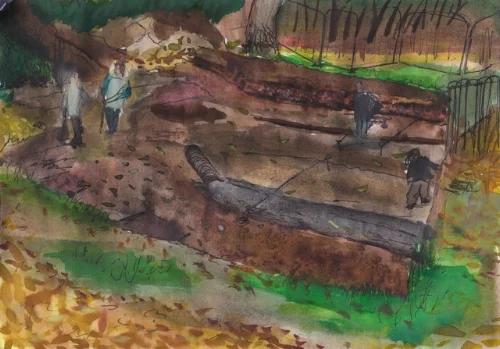
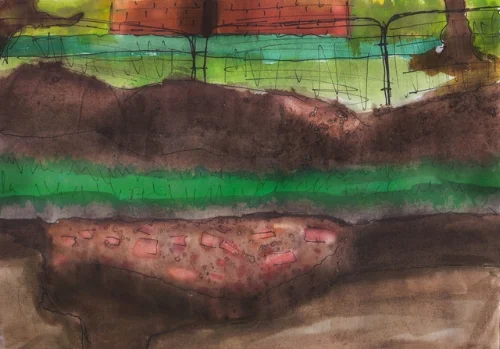
This time around we are helping the gardeners to get some pits ready for new apple trees to be planted in. They take off the first 20cm of topsoil and then we come in to take it down deeper and hopefully find places where remnants of our material past might be hiding.  And I was incredibly lucky today to do exactly that!

Apple Arch Digging Group

Apple Arch Digging Group

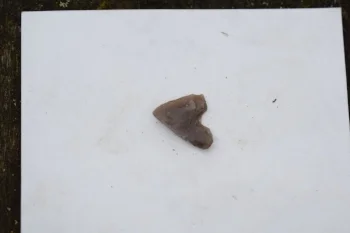
Coming in on the last day of this weeks digging, I thought it might be a case of fitting in around the other volunteers work. However, Anne very kindly gave me the chance to swap from pit 13 to one of the others further along.  For a fledgling prehistorian pit 13 really would have been unlucky as I would have missed the two lovely pieces of struck flint I found in the pit next door (although who knows what pit 13 will produce)!

A Piece Of Struck Flint Dug Up From The Pit!

A Piece Of Struck Flint Dug Up From The Pit!

Sam assisting with the Apple Arch archaeological works at Fulham Palace this January

Sam assisting with the Apple Arch archaeological works at Fulham Palace this January

What are these flints, who made them and used them and why are they here?  Our general consensus was some sort of broken arrowhead and a knifelike cutting implement. Obviously we need some real expert opinion here but Vanita seemed to be finding a fair bit of debitage in the pit opposite.  We have a lot more pits to dig next week and a lot more potential for finding our prehistoric past in the Thames gravels.  I look forward to seeing how this story unfolds.


Samantha Brummage, Archaeology Volunteer


Please send your ideas for Object / Specimen of the Month blogs to rachel.bray@fulhampalace.org If you would like some help, let us know.
Fulham Palace Road Closure at Hammersmith for Waterwork Maintenance

Please follow this link for more information regarding the part closure at the top of Fulham Palace Road in early January 2018.

There will be no access to Fulham Palace Road from the Hammersmith gyratory, except for buses and emergency vehicles, between Friday 5th January and Sunday 14th January 2018.

This will cause a disruption for some of you, as well as visitors, deliveries etc. However, the buses will be running as normal so it hopefully won't complicate your travel to the Palace too much.
 

Best wishes, 

Rachel

Recipe of the Month - December

il_570xN.373680772_qjhk.jpg

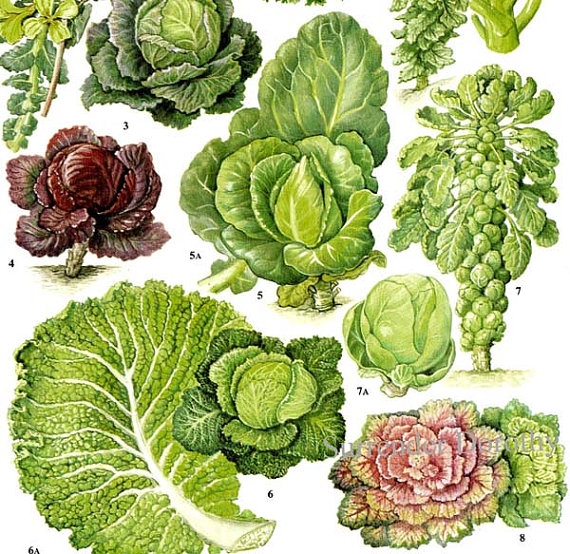
Brussel Sprouts

Brussel Sprouts have suffered an image problem for years but slowly, slowly they are becoming fashionable, every TV chef (see below) has some new twist on ways to serve the humble Brussel Sprout. Here is a round-up of ideas of ways to enjoy this quintessentially Christmas vegetable.

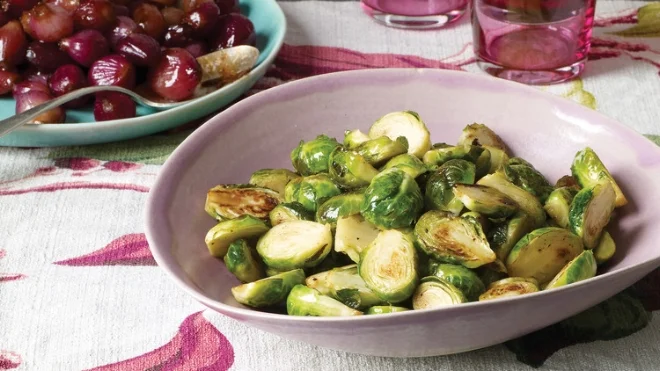
Simply Sautéed - you don't need to boil the sprouts first, just trim and chop in half and fry in some olive oil until lightly browned. Serve with a sprinkling of salt and a squeeze of lemon. Other additions could be anchovy or garlic butter alongside some fried shallots.

med105046_1109_thx_brussels_sprout_horiz.jpg

Sprouts are very often paired with pancetta and it is a great combination, sprouts and pancetta (or bacon) can just be fried together in a pan, this recipe is slightly more involved but makes the most of this great pairing.

Sprouts in blankets

Makes 20
2 litres water
1 tbsp salt
20 medium sprouts, bases trimmed flat, outer leaves removed
2 tbsp rapeseed oil
25 thin smoked pancetta slices (or dry-cured smoked streaky bacon), roughly chopped
2 tsp sherry vinegar

1 Add the water and salt to a pan and bring up to a rolling boil. Drop the sprouts in and cook for 4 minutes. Drain and plunge into iced water to cease the cooking. They should take about 5 minutes to cool – they can be drained as soon as they have returned to room temperature. Leave to dry on a couple of sheets of kitchen towel.
2 Set a medium-size frying pan on the stove with the rapeseed oil over a medium heat. Toss the pancetta into the hot pan and fry it until it is gently caramelised, all the fat has rendered and the bacon is a deep brown. This shouldn’t take too long, so it is essential to keep a close eye on the process.
3 Once ready, remove from the heat. Remove the pancetta with a fork carefully – you want to leave all the fat and cooking juices behind.
4 Place the pan back on the heat and add the sprouts. Once they begin to sizzle, add the sherry vinegar and cook for a further minute, rolling the sprouts in the fat and vinegar.
5 When the minute is up, tip the sprouts on to a plate and set aside until they are cool enough to handle.
6 Once cool, wrap the sprouts in the pancetta, secure with a cocktail stick and place on a baking tray. Bake in a preheated oven at 190C/375F/gas mark 5 for 6 minutes, or until the pancetta begins to crisp around the edges.


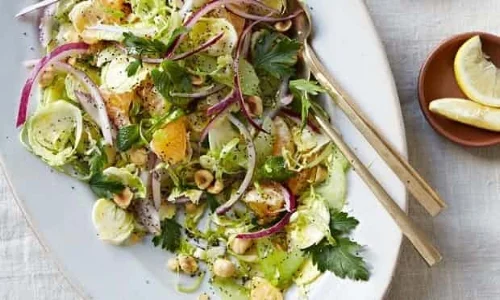
When you think salad it is unlikely that you will think sprouts but rather surprisingly sprouts make a crunchy, invigorating addition to a salad. This salad is great alongside cold ham and turkey.

10-best-Healthy-Boxing-Da-019.jpg

Healthy Boxing Day Salad

Serves 4
200g sprouts, cleaned, trimmed and finely sliced
2 satsumas, peeled and segmented
4 celery sticks, roughly sliced
1 red onion
6 sprigs mixed herbs, such as mint and parsley
50g mixed nuts and seeds, such as poppy seeds and hazelnuts
Extra virgin olive oil and a squeeze of lemon, to dress the salad

1 Combine all the ingredients. Season with a little salt and dress with the oil.


Here are some suggestions from everyone's favourite chefs:

Jamie Oliver suggests roasting sprouts in the oven with some chilli flakes and the zest of a lemon then adding some parmesan cheese 15 minutes before the end of the cooking time for a crips moreish treat. Full instructions here.

Nigel Slater has a recipe for a creamy soup that combines sprouts with blue cheese, and is finished off with chestnuts and fried sprout quarters, full instructions here.

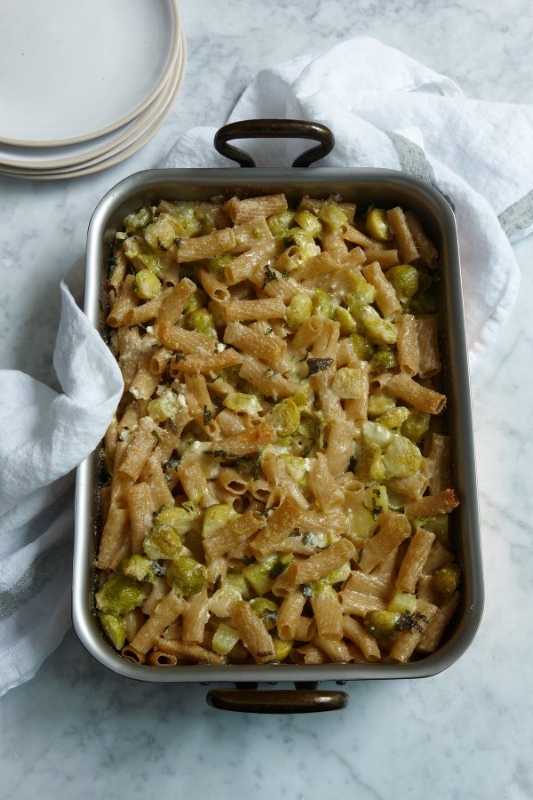
Nigella features a Hearty Wholewheat Pasta with cheese and potato - a proper winter dish perfect after a long cold walk! Based on a traditional Italian recipe it's a tasty adaptation and can be tweaked to use ingredients you have to hand. Instructions here.

hearty-wholewheat-pasta-with-b-562752374b4d8.jpg