Let the Digging Commence!

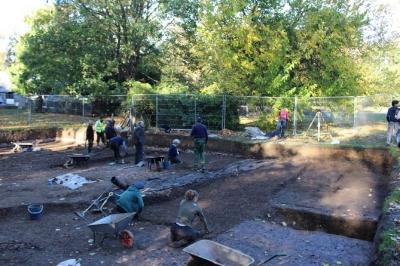
October was a busy time at Fulham Palace with the start of our Community Archaeology Dig. First the big digger moved in to take off the topsoil and open up the two sites.
Group-Digging-Shot-668x445.jpg

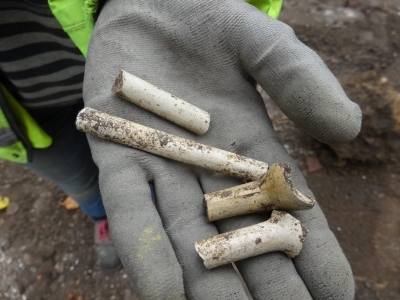
We were hoping to find a Tudor Dovecote, shown on early maps but so far elusive on the ground. What we did find was chalk remnants; could this be related to the Tudor Dovecote? Then we found tiles, bricks, decorated plaster from an earlier building, pottery, clay pipes and even some bones (including the more unusual find of a full dog’s skeleton!). We also found bits and pieces of metal, probably dating from World War I. All of these found objects tell the story of Fulham Palace; of the building itself and the past lives of those who stayed, visited and were here before.
DSC07634-668x501.jpg

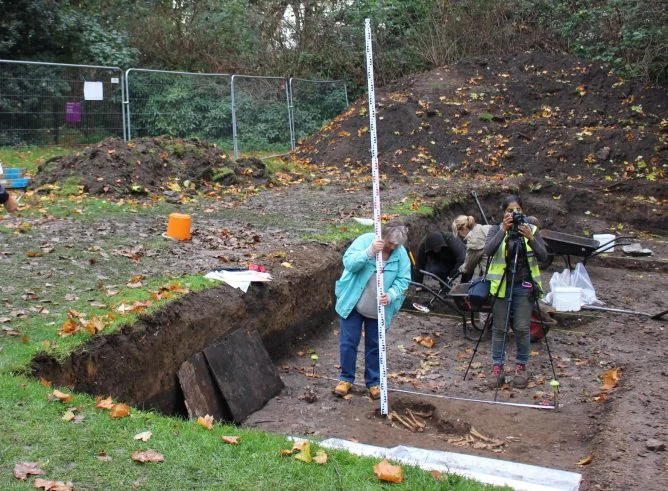
What did we learn from it? We gained plenty of practice with mattock and shovel, and new skills: recording, planning and taking levels, how to read the earth. We collaborated together to work through issues and had good companionship. I enjoyed seeing the school parties getting involved, and having hands-on opportunities to handle the finds and feel the past.
Paul-668x445.jpg

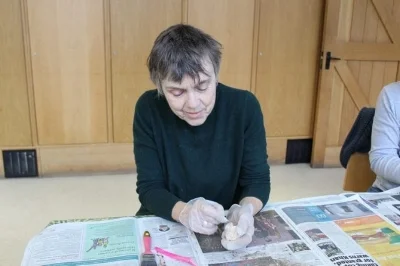
Our next step – figuring out what we have found, what does it mean? It’s like a jigsaw, figuring out how the pieces fit together to tell a story. We feel like detectives telling a story, learning how to interpret the evidence (a whodunit!). Digging is not just about the items that are found, but also about the people who made and used them. We’ll keep you posted!

Pauline St. Leger, Archaeology Volunteer
The Barrow's Christmas Song

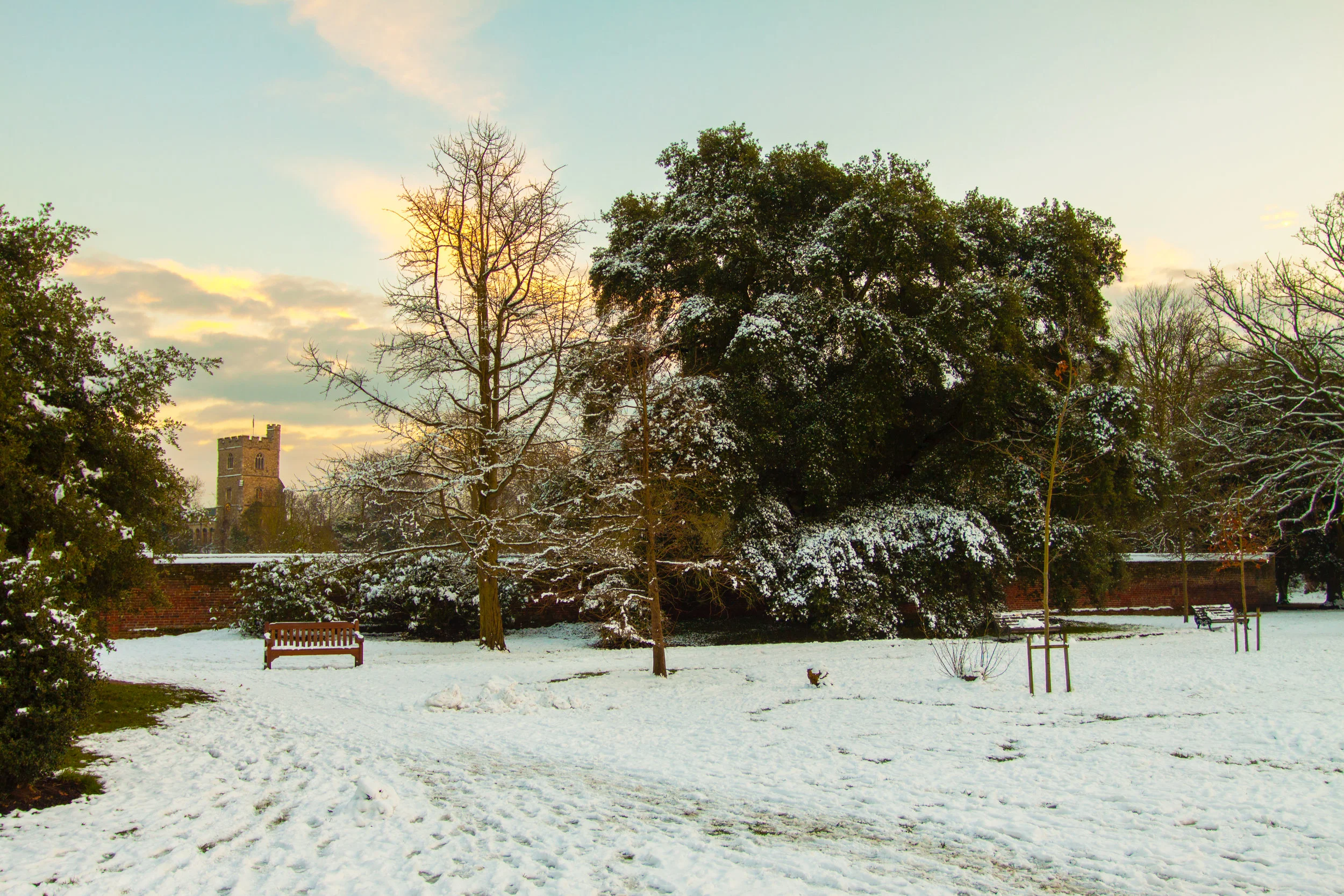
We're all very festive here at the Palace and hope you're feeling the Christmas spirit too! Many thanks to Jamie Atwell for this fantastic little ditty....

IMG_2860.jpg

On the first day of Christmas the volunteers put on me,

A jar of Snozcumber Chutney.


On the second day of Christmas the volunteers put on me,

Two foxgloves and

A jar of Snozcumber Chutney.


On the third day of Christmas the volunteers put on me

Three courgettes, two foxgloves and

A jar of Snozcumber Chutney.


On the fourth day of Christmas the volunteers put on me

Four kohl-rabi, three courgettes, two foxgloves and

A jar of Snozcumber Chutney.


On the fifth day of Christmas the volunteers put on me

Five broad beans! Four kohl-rabi, three courgettes, two foxgloves and

A jar of Snozcumber Chutney.


On the sixth day of Christmas the volunteers put on me

Six bishop dahlias, five broad beans! four kohl-rabi, three courgettes, two foxgloves and

A jar of Snozcumber Chutney.


On the seventh day of Christmas the volunteers put on me

Seven cucamelons, six bishop dahlias, five broad beans! four kohl-rabi, three courgettes, two foxgloves and

A jar of Snozcumber chutney


On the eighth day of Christmas the volunteers put on me

Eight giant sunflowers, seven cucamelons, six bishop dahlias, five broad beans!

Four kohl-rabi, three courgettes, two foxgloves and

A jar of Snozcumber Chutney.


On the ninth day of Christmas the volunteers put on me

Nine types of basil, eight giant sunflowers, seven cucamelons, six bishop dahlias, five broad beans!

Four kohl-rabi, three courgettes, two foxgloves and

A jar of Snozcumber Chutney.


On the tenth day of Christmas the volunteers put on me

Ten penstemon garnet, nine types of basil, eight giant sunflowers, seven cucamelons, six bishop dahlias, five broad beans!

Four kohl-rabi, three courgettes, two foxgloves and

A jar of Snozcumber Chutney.


On the eleventh day of Christmas the volunteers put on me

Eleven chilli peppers, ten penstemon garnet, nine types of basil, eight giant sunflowers, seven cucamelons, six bishop dahlias, five broad beans!

Four kohl-rabi, three courgettes, two foxgloves and

A jar of Snozcumber Chutney.


On the twelfth day of Christmas the volunteers put on me

Twelve lavender posies, eleven chilli peppers, ten penstemon garnet, nine types of basil, eight giant sunflowers, seven cucamelons, six bishop dahlias, five broad beans!

Four kohl-rabi, three courgettes, two foxgloves and

A jar of Snozcumber Chutney !


Blog by Garden Volunteer and Head Gardener's Admin Assistant Jamie Atwell

Object of the Month: William III Painting

Every month we feature two blogs written by volunteers, one describes an object in the Palace and one a plant from the Garden. It is great way for us all to learn more about the Palace, if you would like to contribute there is no set format so please do send us your ideas!

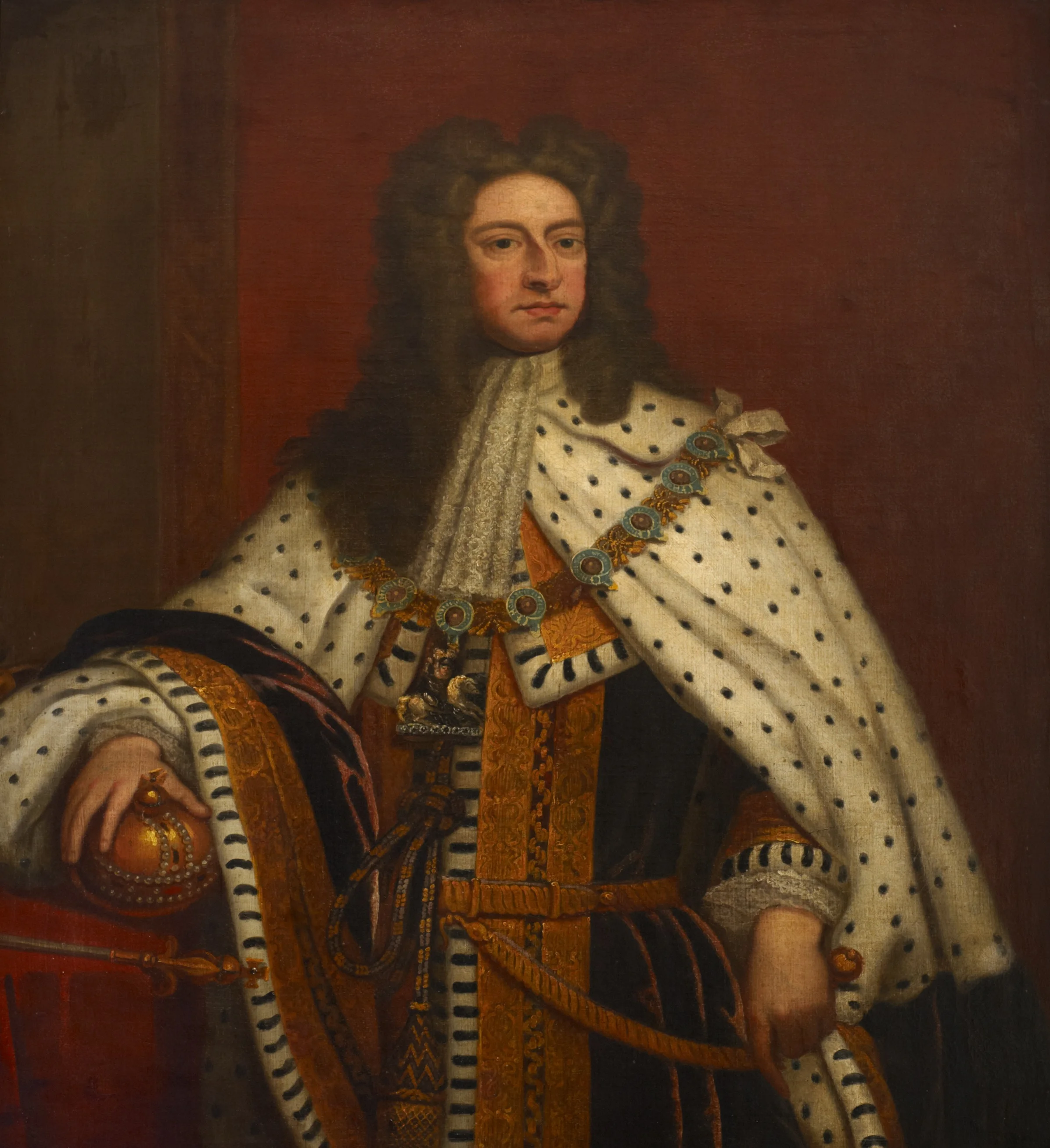
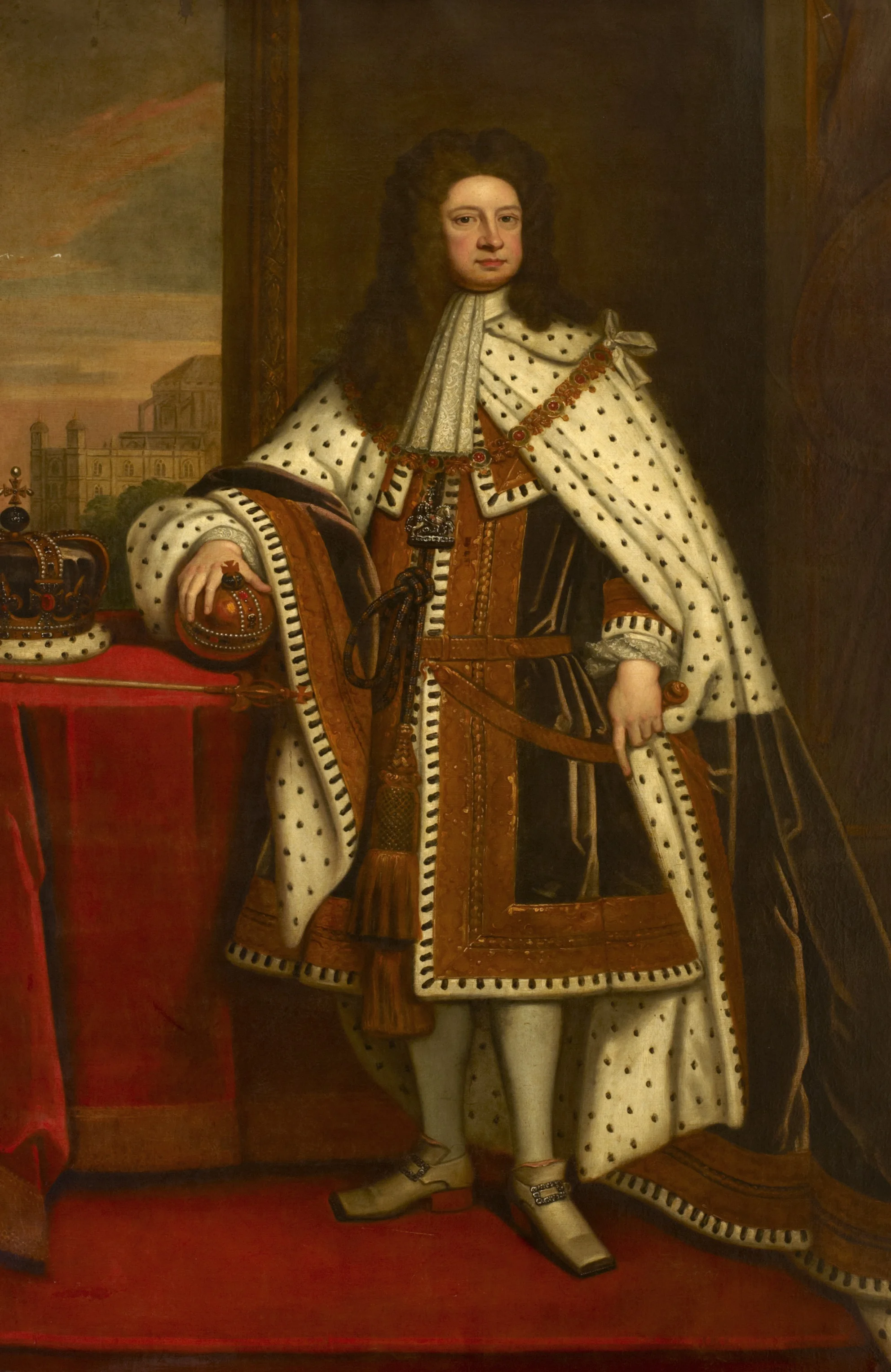
This fine portrait of William lll hangs above the entrance door to Bishop Howley’s dining room. The artist is unknown, but the painting is considered to be in the style of Godfrey Kneller, who was the Court artist during the Stuart Reign.


The link between William lll and Fulham Palace is an interesting one. The Bishop of London at the time of William of Orange’s ascension to the British throne in 1689 was Henry Compton.

LW_FPAC_CC5.jpg

In 1675, during the reign of Charles ll, Henry Compton had been appointed Bishop of London; Dean of the Chapel Royal and as a member of the Privy Council was entrusted with the education of the 2 Stuart Princesses - Mary (married at age 15 to William) and her sister Anne.
However, after the death of Charles ll, Bishop Compton’s strong opposition to Catholicism did not sit well with the new Catholic King James ll; he lost his seat in the Privy Council and his position as Dean of the Chapel Royal.


Henry Compton was a staunch Protestant, and like many influential British political and religious leaders - as well as the Protestant majority in Britain at the time - was fearful of a great revival of Catholicism under James ll.


After the birth of the Catholic male heir James Francis Edward Stuart in June 1688; a letter - the ‘Invitation to William’ - was sent to William of Orange, inviting him to invade England with the assurance of full support from the letter signatories and their allies. Henry Compton was one of the 7 signatories of this letter; later they became known as the ‘Immortal Seven’.


William accepted their invitation - culminating in the Glorious Revolution of 1688. James ll was deposed; William of Orange and Mary Stuart became joint sovereigns.


As the Archbishop of Canterbury, William Sancroft refused to recognise James’s removal; the Coronation Ceremony was performed by the Bishop of London, Henry Compton. William and Mary were crowned together at Westminster Abbey on 11th April 1689.

LW_FPAC_CC4.jpg


Under William lll, Henry Compton’s old positions were restored to him, he later remained a member of the Privy Council under Queen Anne, and was one of the commissioners appointed to arrange the terms of union of England and Scotland. 


Henry Compton’s claims to the Primacy were twice passed over - though his possible regret at not becoming Archbishop of Canterbury was certainly Fulham Palace’s gain, with the botanical garden being his great legacy. He remained Bishop of London until his death in 1713 and is buried at All Saints Church, Fulham.

Lisa Ward, 

Fulham Palace Visitor Reception Assistant Volunteer

Please send your ideas for Object / Specimen of the Month blogs to rachel.bray@fulhampalace.org If you would like some help, let us know.

A Celebration of Christmas (Past & Present)

In light of the festive season approaching us, I wanted to share with you an excerpt of our curator Miranda Poliakoff's historical tale of past Christmas parties at the Palace and to invite you to our own Volunteers' Christmas Party on 5 December 2017. 

"Bishop and Mrs Creighton lived at Fulham Palace from 1897 until the Bishop’s sudden death in 1901.  Mrs Creighton wrote “It was a great delight to have so large a house that it was always possible to take in anybody we wanted. Christmas was a great family gathering… we danced a great deal in the big hall, which had a good floor… sometimes the servants were fetched in to dance with us.” She also wrote of family expeditions to London to see the sights, something we might take for granted now, but a novelty for the Bishop’s family to be with their busy father.  He was a public figure much in demand, receiving 10,000 letters a year, all of which were replied to without the help of a secretary.

Bishop Winnington-Ingram was the next bishop to occupy the Palace. He was a bachelor, and the highlight of his Christmas was the annual party he gave just after Christmas for the children (aged between ten and seventeen) of the clergy of London, and the choir boys of St Paul's. This meant 300 young guests and 150 mothers. One of the Bishop’s relatives wrote: “The poverty of some of those clergy families had to be seen to be believed”. The Bishop gave this party every year for 38 years, and they were lavish events; in 1903 the party cost £92, about £7,000 in today’s money." 

If you want to learn more about past Christmas parties at Fulham Palace, and to hear Miranda recount the story of someone who remembers attending one, please register here for Miranda's guided tour "A Celebration of Christmas Past" on 7 December 2017. As a volunteer you get to enjoy a large discount on your ticket. Price includes a glass of mulled wine at the end of the tour! 

And last but not least, beloved volunteers, our very own annual Volunteers' Christmas Party will take place on 5 December 2017 from 2:30pm to 4:30pm. Expect fun games, nice people and delicious food! Booking is essential, so please register here. Guest tickets are £5 and will be sold at the door.

A.Celebration.of_.Christmas.Past_-350x350.jpg

Wishing everyone happy Holidays!

Ahou - Vol comms assistant

November Specimen of the Month - Cucumber

Every month we are going to feature two blogs written by volunteers, one will describe an object in the Palace and one a plant from the Garden. It is great way for us all to learn more about the Palace, if you would like to contribute there is no set format so send us your ideas!

This month we’re indebted to Gardens and Archive Volunteer Moyra Gardener who has unearthed this fantastic piece about the Fulham Palace Gardens in a horticultural magazine.

The Gardener’s Chronicle London, April 3rd 1841, p. 215:

The Gardener’s Chronicle London, April 3rd 1841, p. 215:

The Palace Gardens Fulham. The forcing department is extensive; Cucumbers have been produced since the 7th of January.  The pit is constructed with hollow walls pigeon-holed at bottom, by which the heat from the linings is communicated to the bed, and also ascends in the hollow walls from which a regular warmth is obtained with little expense in the dull days of winter. The cucumber plants are now strong, healthy and hardy, air being admitted every fine day, and with attention to pruning, promise to bear well until September or October. Kidney beans are prolific and strong, placed on a tan pit, where they are found to do much better than on flues or in other spare places.  The Melons are in a forward and healthy state of growth.  The foliage of that majestic and ancient specimen of the Cork tree, Quercus Suber, has suffered by the last frosty wind, but the Hickory, Acacia, Pinus, Pinaster and other old tenants of the soil seem determined to live forever.   W.K.

Gardeners Chronicle.png

Thank you Moyra!

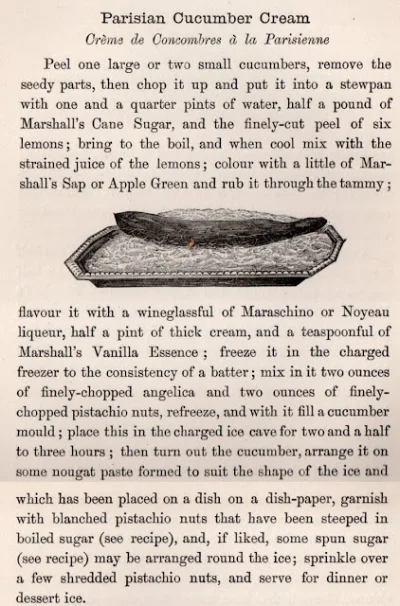
We'll finish off with this Victorian cucumber cream recipe, which will be a unique addition to any dinner table this festive season! 

Agnes Marshall's Parisian Cucumber Cream

Agnes Marshall's Parisian Cucumber Cream

Please send your ideas for blogs to rachel.bray@fulhampalace.org If you would like some help, let us know.

Dig The History – Sarah Lamden’s Experience

Standing in a hole in the ground, boots weighed down in mud and taking a break from wielding a mattock (pickaxe), I wondered how I had got into this situation. It had been forty years since I last scrapped soil with a trowel so when I responded to the request for volunteers to ‘dig’ at Fulham Palace, I did so by stating my useful involvement would be  pot washing and recording finds. Why then was I in a world of hard graft loosening impacted historic building rubble, shovelling up broken bricks and pushing heavy wheel barrows up slopes?

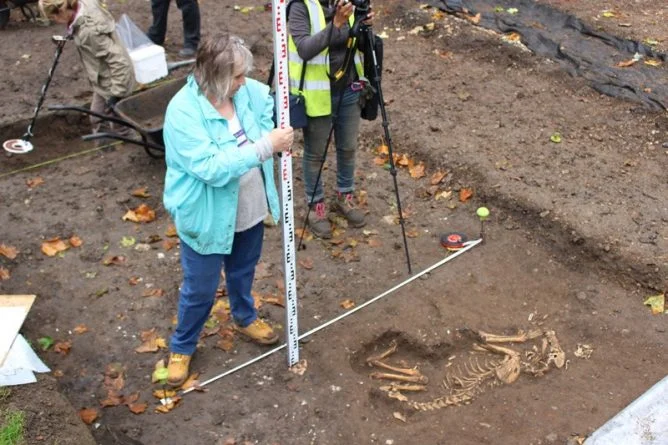
Sarah and Natasha measuring the dog skeleton unearthedduring the Dovecote Dig

Sarah and Natasha measuring the dog skeleton unearthedduring the Dovecote Dig

Curiosity was the key; what could be discovered from this mud and rubble, why was the soil different colours and could I physically rise to the task?  The finds started to emerge and as we began to touch the past, the love of history was rekindled. There was guidance from both the professional archaeologists and experienced ‘diggers,’ so techniques were learnt and the introductory class information started to become even clearer when put into practice.

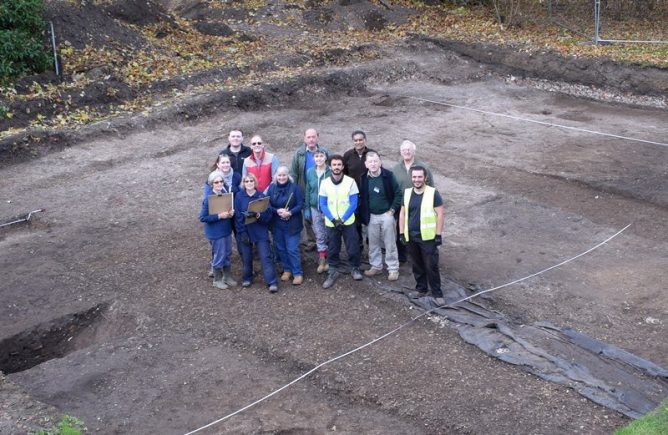
A collection of the fantastic Archaeology Volunteers during the dig

A collection of the fantastic Archaeology Volunteers during the dig

Just as I was (literally) getting into the swing of it, I found myself entrusted with recording the full skeletal remains of a dog.  To create a scaled drawing ‘in the field’ was another new experience. Gone were my drawing board, set square and scale ruler. This became a matter of counting squares on slippery graph paper. No sitting in a warm drawing office, this was damp earth and drawing from an oblique angle. Who could believe (other than a vet) that a dog had so many bones?

What were the best moments? Going home with a sense of achievement in a new skill learnt and sharing the excitement of a find with a really great group of people are the best of memories. Would I do it again? Of course I would!


by Sarah Lamden, Archaeology Volunteer

Sarah at work measuring the dog skeleton - one of the most fascinating finds of the dig

Sarah at work measuring the dog skeleton - one of the most fascinating finds of the dig

Recipe of the Month - November

il_570xN.373680830_a83u.jpg

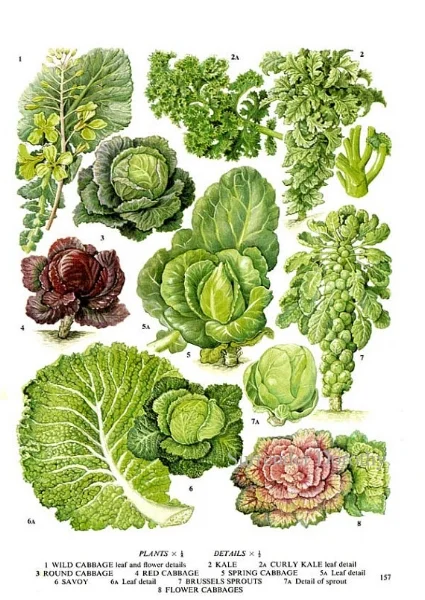
Kale - a Super Vegetable

Not so long ago Kale was considered good for cattle but not much else, now it is flavour of the month! It's very popular in smoothies amongst the 'clean-eaters' but it can be a bit daunting not to say bitter in that form and there are more palatable ways to enjoy the benefits of Kale. It is notable for being both high in iron and calcium.

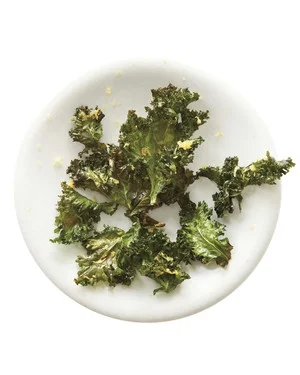
kale-chips-1011mbd107664_vert.jpg


Kale crisps with lemon and cumin

These are really worth a try, a great lower calorie snack option and good used with dips. This version uses cumin seeds as a flavouring but you could just use salt and paprika and some lemon zest is a good addition.

Makes 400g (enough for 6-8)
1 tsp cumin seeds
1 tsp sea salt flakes
A bunch of kale (roughly 1kg), washed and dried thoroughly
Rapeseed oil, for drizzling
Zest of 1 lemon

1 Preheat the oven to 160C/325F/gas mark 3, then make the cumin salt. Toast the cumin seeds in a dry frying pan, giving the pan a shake as you go, until the seeds start to turn darker, and the aroma deepens and gets nuttier. Remove from the pan and blend with the sea salt, either in a spice grinder or a pestle and mortar. 

2 Now the kale. Strip the kale leaves from the stalks, taking care to keep them in large pieces, ideally a few centimetres wide. Toss gently, but thoroughly, in a large bowl with a good drizzle of rapeseed oil, making sure every leaf is just coated with the slightest sheen of oil. Place in a single layer on a flat baking tray and cook for 6 minutes (do this in batches if you need to). You will find that they crisp up as they cool, so don’t be alarmed if they still seem a little soft when they’re first removed from the oven. 

3 Season with the cumin salt and a grating of fresh lemon zest, and serve.


Nicholas Balfe, Salon, salonbrixton.co.uk

6AOvX2Uy4NhBDQe_XyA4uc.jpg

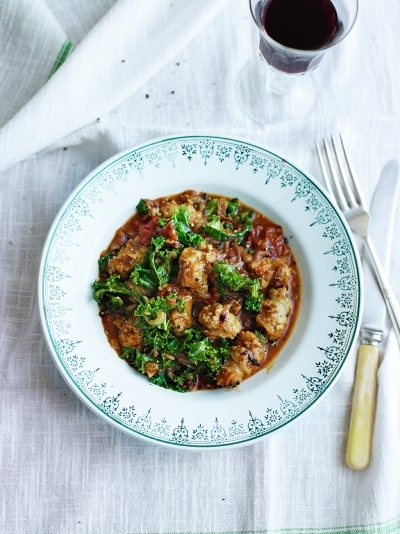
Kale and Sausage Stew

This is perfect Autumn eating and a recipe that is easy to scale up to feed a crowd - this recipe is enough for 4. Thank you to Jamie Oliver for this one.

olive oil
1 onion
2 cloves of garlic
1 lemon
1 teaspoon fennel seeds
½ teaspoon crushed chillies
1 fresh bay leaf
6 sausages
1½ tablespoons plain flour
1 x 400 g tin chopped tomatoes
500 ml organic vegetable stock
1 large handful of kale

  1. Peel and slice the onion, then add to a pan with 1 tablespoon of oil. Fry for 5 to 7 minutes, or until softened. 
  2. Peel, finely slice and add the garlic, then peel 3 strips of zest from the lemon. Add to the pan along with the spices and bay leaf. Cook for 1 to 2 minutes. 
  3. Chop the sausages and toss with the flour, then add to the pan and cook until browned all over. 
  4. Pour in the tomatoes and stock, and bring to a simmer. Let it bubble away for 20 minutes, chop and add the kale and cook for 5 minutes, then serve.