
Every month we feature two blogs written by volunteers, one describes an object in the Palace and one a plant from the Garden. It is great way for us all to learn more about the Palace, if you would like to contribute there is no set format so please do send us your ideas!
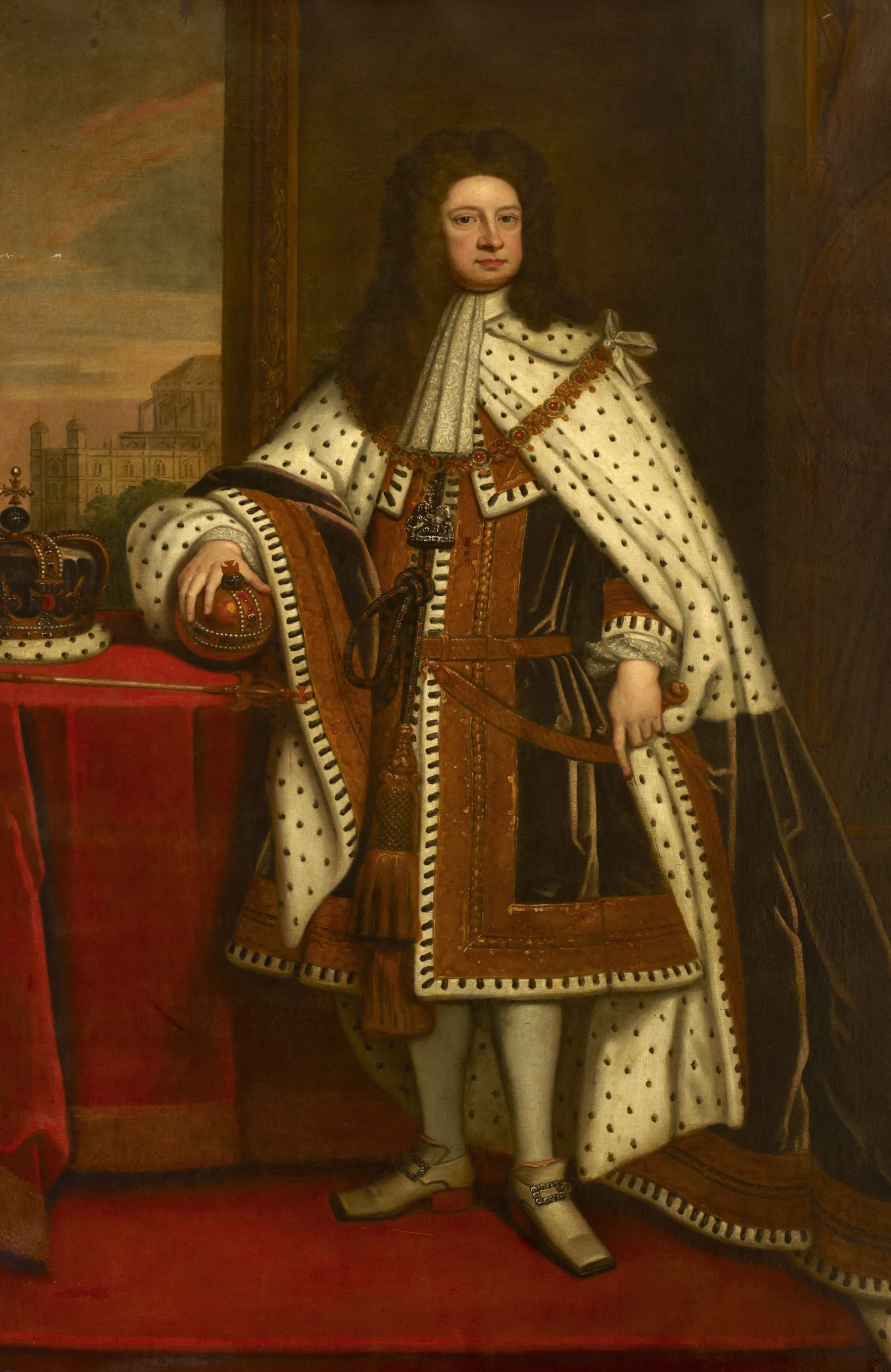
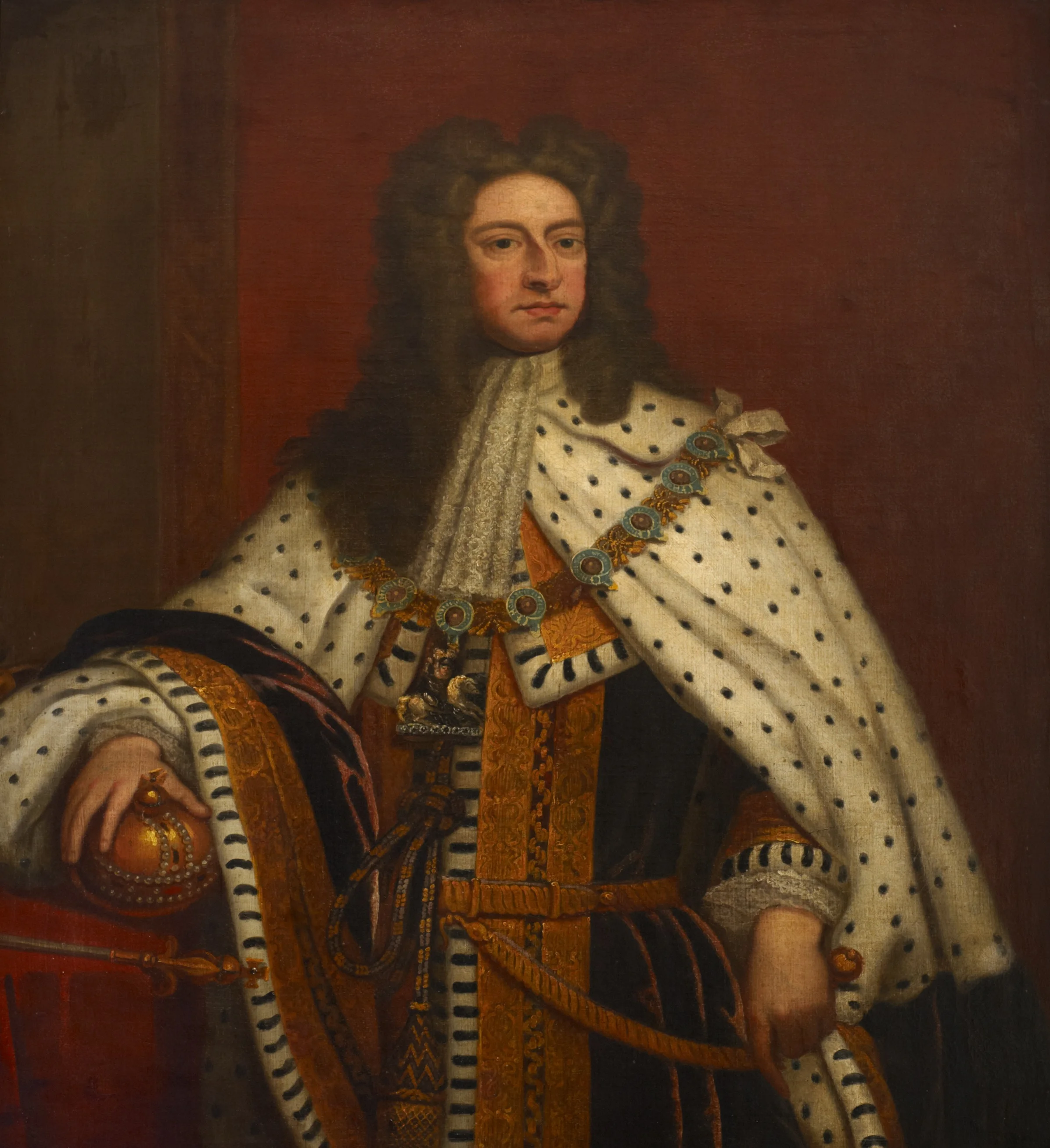
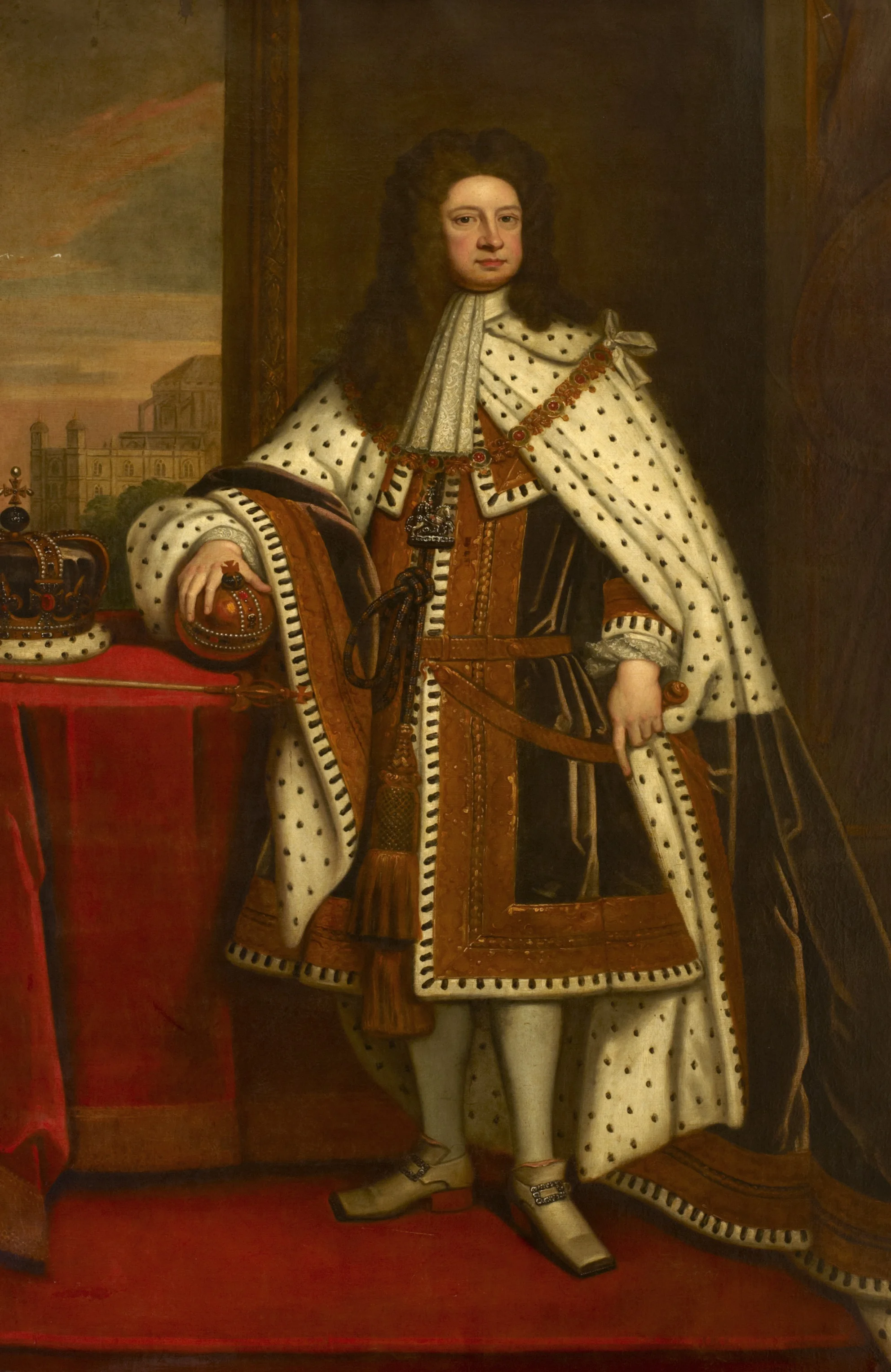
This fine portrait of William lll hangs above the entrance door to Bishop Howley’s dining room. The artist is unknown, but the painting is considered to be in the style of Godfrey Kneller, who was the Court artist during the Stuart Reign.
The link between William lll and Fulham Palace is an interesting one. The Bishop of London at the time of William of Orange’s ascension to the British throne in 1689 was Henry Compton.
In 1675, during the reign of Charles ll, Henry Compton had been appointed Bishop of London; Dean of the Chapel Royal and as a member of the Privy Council was entrusted with the education of the 2 Stuart Princesses - Mary (married at age 15 to William) and her sister Anne.
However, after the death of Charles ll, Bishop Compton’s strong opposition to Catholicism did not sit well with the new Catholic King James ll; he lost his seat in the Privy Council and his position as Dean of the Chapel Royal.
Henry Compton was a staunch Protestant, and like many influential British political and religious leaders - as well as the Protestant majority in Britain at the time - was fearful of a great revival of Catholicism under James ll.
After the birth of the Catholic male heir James Francis Edward Stuart in June 1688; a letter - the ‘Invitation to William’ - was sent to William of Orange, inviting him to invade England with the assurance of full support from the letter signatories and their allies. Henry Compton was one of the 7 signatories of this letter; later they became known as the ‘Immortal Seven’.
William accepted their invitation - culminating in the Glorious Revolution of 1688. James ll was deposed; William of Orange and Mary Stuart became joint sovereigns.
As the Archbishop of Canterbury, William Sancroft refused to recognise James’s removal; the Coronation Ceremony was performed by the Bishop of London, Henry Compton. William and Mary were crowned together at Westminster Abbey on 11th April 1689.
Under William lll, Henry Compton’s old positions were restored to him, he later remained a member of the Privy Council under Queen Anne, and was one of the commissioners appointed to arrange the terms of union of England and Scotland.
Henry Compton’s claims to the Primacy were twice passed over - though his possible regret at not becoming Archbishop of Canterbury was certainly Fulham Palace’s gain, with the botanical garden being his great legacy. He remained Bishop of London until his death in 1713 and is buried at All Saints Church, Fulham.
Lisa Ward,
Fulham Palace Visitor Reception Assistant Volunteer
Please send your ideas for Object / Specimen of the Month blogs to rachel.bray@fulhampalace.org If you would like some help, let us know.