September Specimen of the Month - Lavender

Every month we feature two blogs written by volunteers, one describes an object in the Palace and one a plant from the Garden. It is great way for us all to learn more about the Palace, if you would like to contribute there is no set format so please do send us your blogs / ideas!

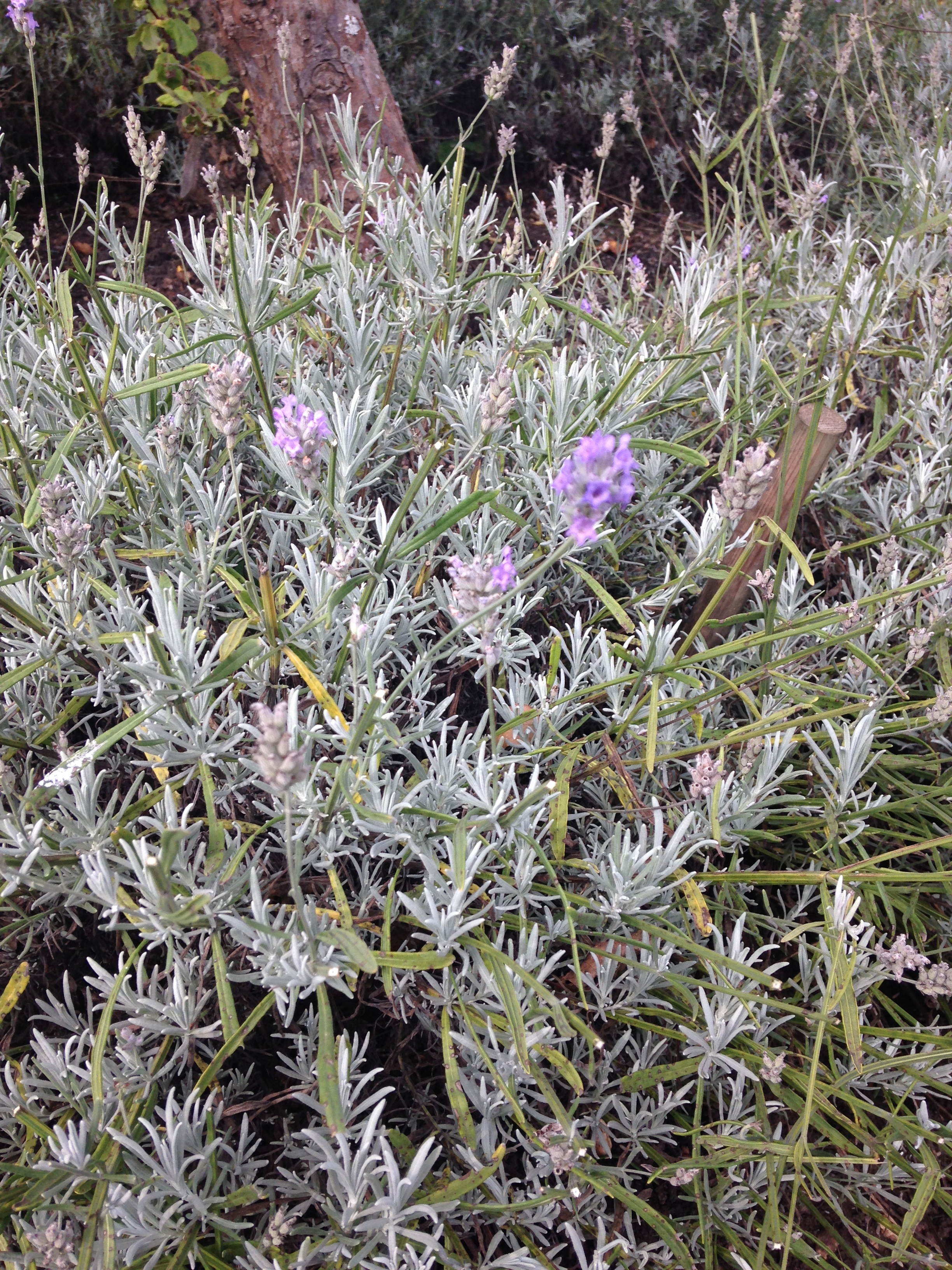
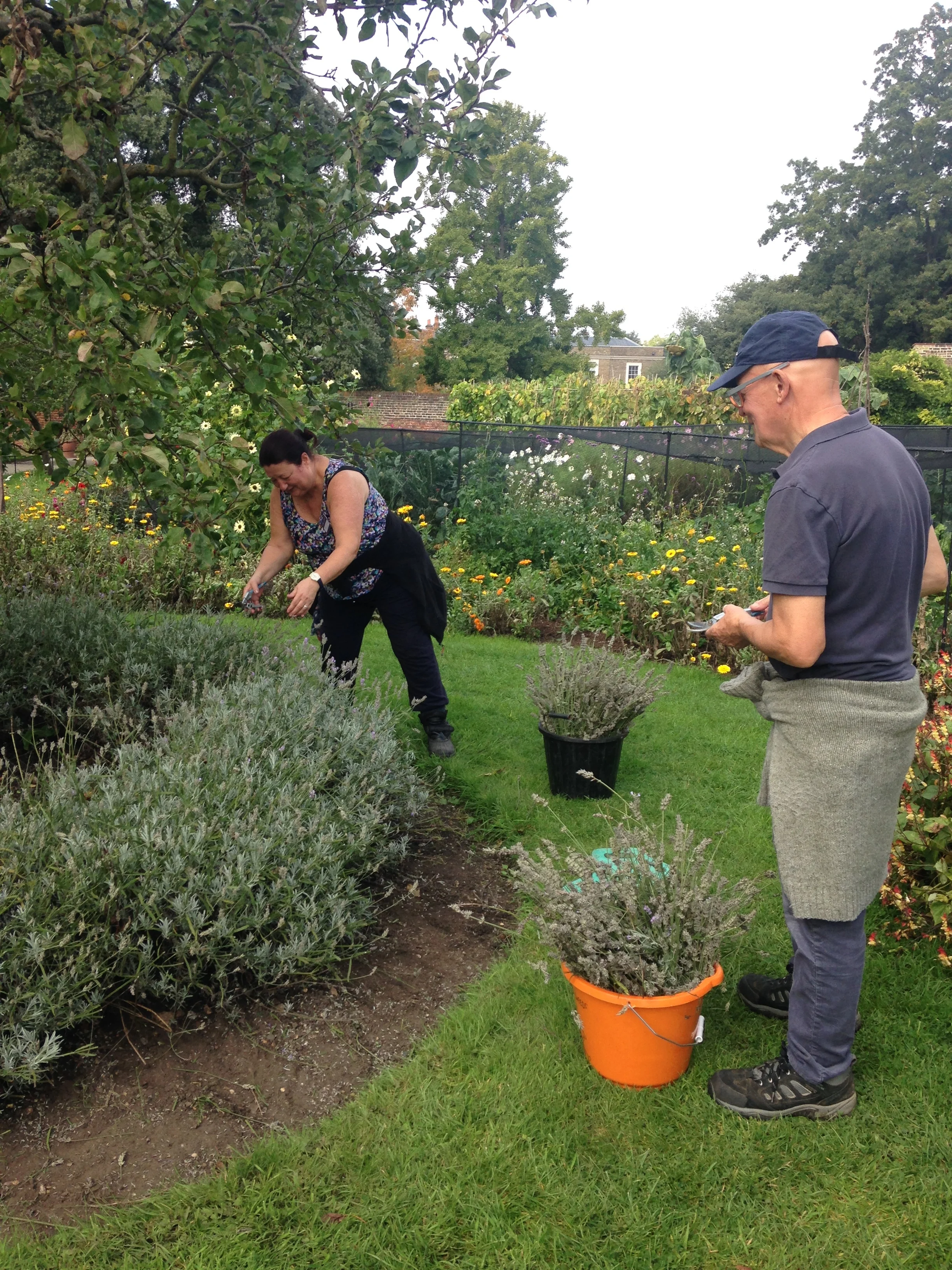
On a beautiful Tuesday morning in the Walled Garden Mike Wooller and Jacky Perry were harvesting lavender from a lovely circular boarder surrounding one of our apple trees. They were making it look like very enjoyable work, and seemed to be having a fantastic time, resulting in lots of visitors approaching them and making use of their extensive knowledge of the gardens!! Mike Wooller tells us more about this beautifully fragrant evergreen shrub. 
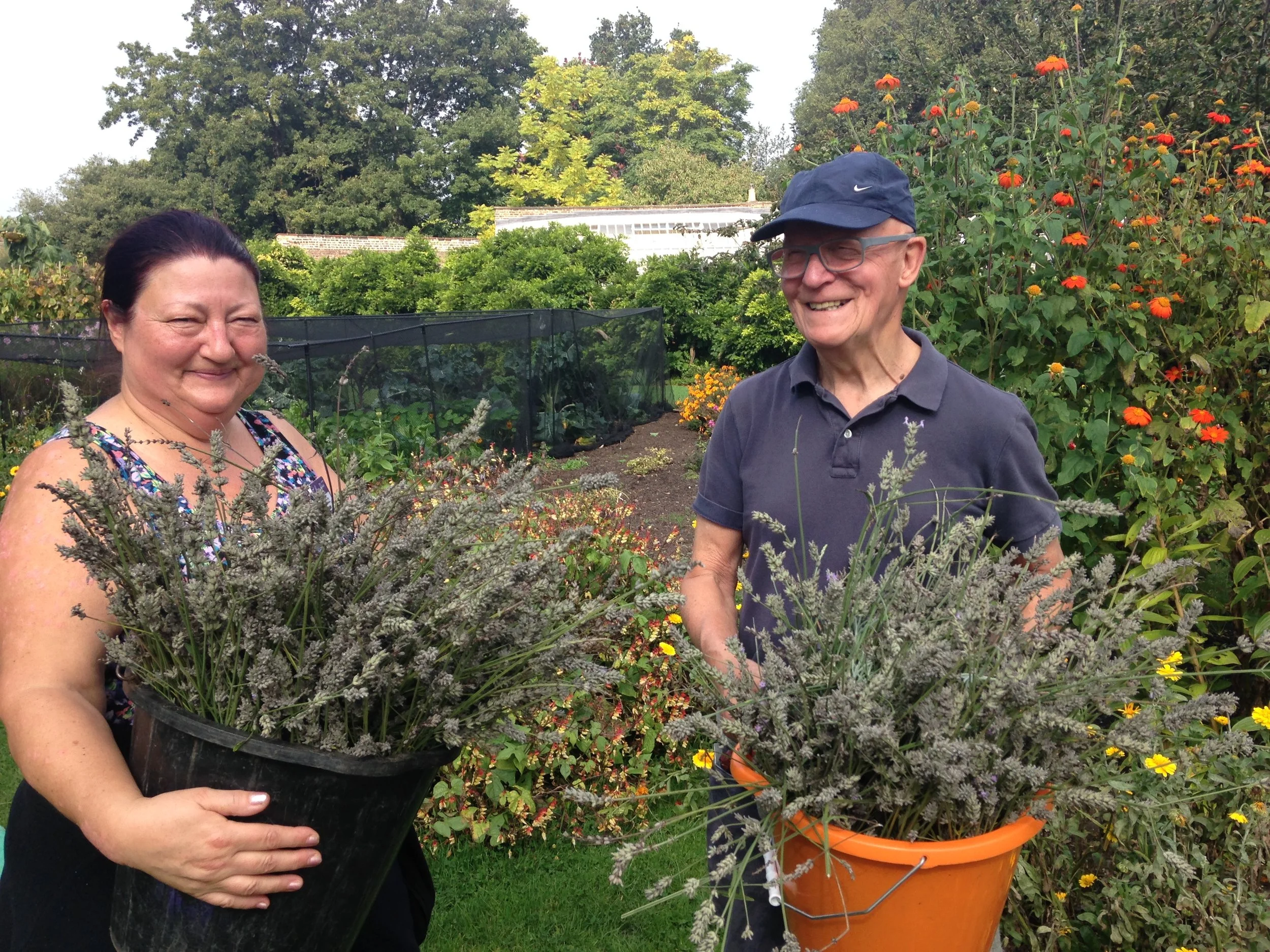
Tuesday Garden Volunteers Jacky Perry and Mike Wooller harvesting lavender to be made into lovely lavender bags
Tuesday Garden Volunteers Jacky Perry and Mike Wooller harvesting lavender to be made into lovely lavender bags

IMG_1184.JPG

A Household Favourite

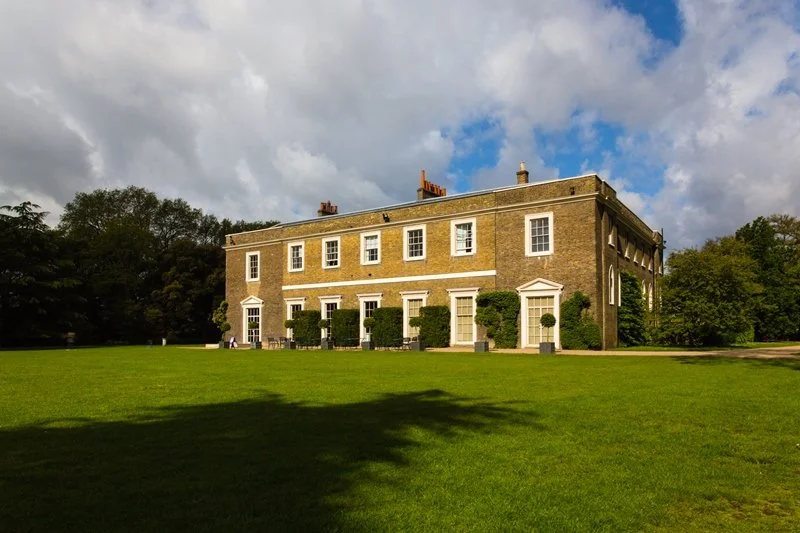
This cottage herb is familiar to many of us and our visitors to the Palace. It is a firm favourite in the Tudor Courtyard and is often associated with country gardens... perhaps one of the many reasons people think of us as an out of London retreat!

One of the most distinctive features of lavender is it's beautiful aroma which absolutely filled the Walled Garden during it's harvesting.

Lavender is associated with relaxation and is commonly known to be sleep inducing. While there is very little scientific evidence to back-up its use as a sleep aid, it is very commonly used as a pillow and room spray, candle scent and sniffing salt!
IMG_1185.JPG

Bountiful benefits

Lavender is not only aesthetically appealing, but has many decorative, culinary, household, medicinal and cosmetic uses!

Honey bees love lavender and therefore it is fantastic for pollination; however, Mike was hoping the African hornets would stay away for the time being...!!

In a figurative sense, this herb is reputed to be one of the plants most loved by the Virgin Mary as it was viewed to symbolise purity, cleanliness and virtue. Historically churches were decorated with lavender on Saint Barnabas Day - pretty apt then for Fulham Palace!

Mike and Jackie were harvesting the lavender to make lavender bags for sale at Apple Day and in the Palace shop. Apple Day, Sunday 8th October 2017, 11-3pm,  is a popular annual festival celebrating the Walled Garden apple orchard. Expect beautiful pumpkin displays and apple tastings, live music, bee keeping and wood turning demonstrations, a hotly anticipated baking competition, children’s activities, storytelling, refreshments and much more! The family event is free and there is no need to book.

Content by Mike Wooller, Tuesday Garden Volunteer, and edited by Rachel Bray, Volunteer Development Officer

Please send your ideas for blogs to rachel.bray@fulhampalace.org - if you would like some help, let us know.
September Object of the Month - Portrait

Every month we are going to feature two blogs written by volunteers, one will describe an object in the Palace and one a plant from the Garden. It is great way for us all to learn more about the Palace, if you would like to contribute there is no set format so send us your ideas!

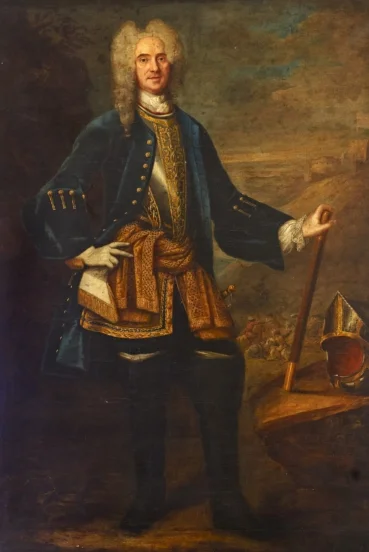
Field Marshal George Wade (1673-1748)

Field Marshal George Wade (1673-1748)

Field Marshal George Wade may be the odd one out in Bishop Sherlock’s Room of Portraits, but the more I discover about his life the more fascinated I become. He has a huge list of achievements, including building over 250 roads and around 30 bridges in the Highland of Scotland.

I have recently visited Westminster Abbey, where he is buried, and there is a large monument in the nave, in his memory.

-Barry Leach, Museum Steward and Visitor Reception Assistant

Please send your ideas for blogs to commsvolunteer@fulhampalace.org If you would like some help, let us know.
Crowdfunding Update - 10 Days to Go & 75% Raised

A 'Dig' thanks to everyone who helped us so far with our first ever Crowdfunding campaign. As of today (Wednesday 20 September), we are an incredible three quarters (75%) of the way to our target, with the remaining 25% (£4000) still to be raised in…

A 'Dig' thanks to everyone who helped us so far with our first ever Crowdfunding campaign. As of today (Wednesday 20 September), we are an incredible three quarters (75%) of the way to our target, with the remaining 25% (£4000) still to be raised in the next 10 days.

As well as promoting our Community Archaeology Dig and fundraising efforts at upcoming events such as the Luna Cinema screenings and the Hands-On Archaeology day, we'll be continuing to promote the campaign as much as possible and to other organisations, along with providing regular updates.

Please continue to spread the word wherever possible, in order for us to reach our £15,000 goal. How many other people can you encourage to support this exciting project? 

For a full list of the pledge rewards available, along with more information about the campaign, click here .


A Sweet History: Ice Cream and Fulham Palace

Did you know that Fulham Palace was once the revered host of lavish garden parties, famously serving strawberry ice cream? Our very own Miranda Poliakoff leads us in to the historical social affair…

Catharine Tait started the garden parties around 1860 and by the late 19th Century there were 4000 guests. There are references to the Fulham Palace garden parties dating back to circa 1885, revealing the abundance of lemonade, cakes and ices served at the Bishop of London’s. In particular, there is a reference to strawberry ice cream as far back as Bishop Jackson (1869-85). Even Vanity Fair mentions the “ices” at the garden parties in an 1886 issue. In the biography of Edward Marsh by Christopher Hassall, the Victorian is said to have annually frequented the garden parties: “There Eddie first discovered strawberry ices, which he thought a special invention of the Bishop of London, and was much put out when later found them being sold…”  

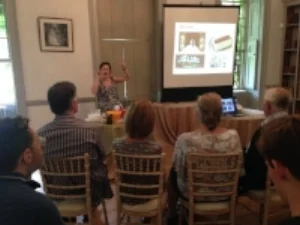
Annie Gray, food historian, talking at the Palace, http://www.anniegray.co.uk/

Annie Gray, food historian, talking at the Palace, http://www.anniegray.co.uk/

Were the cream and the strawberries locally sourced?

Of course they had the cream on hand with the cows in the home farm (although they might have had to buy more in) and the 1869 inventory refers to 288 strawberry plants so they had the strawberries on hand as well.

The “ice-house”, where the strawberries grew, is visible on the 1906 map. Later marked by a circle of paving stones, it is not known if this is still there or whether it has overgrown.

As a means to measure what it would cost to produce so many quarts of ice cream, Miranda found that one article suggested quantities for a party of 100 with 10 quarts of ices at 5s to add up to £2 or if home-made, 2s per quart.

When was ice cream served?

Many references indicate “ices” being served at the garden parties in June or July. However, Bishop Winnington-Ingram had it served at his Christmas parties for all the teenage children of the clergy and their mothers. There were usually around 350-400 guests. The Christmas parties took place on Holy Innocents Day (28 December) each year. Reminiscences of these events by different people include references to the unlimited “ices” served all evening.

In Carpenter’s biography of W-I, he includes the following overheard in a Vicarage:

“Pig!”

“Pig! I like that. Who ate seven ices at the Bishop of London’s Party?”

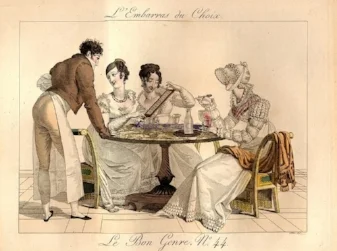
A lavish depiction of an 1800s tea party

A lavish depiction of an 1800s tea party

-Content by Miranda Poliakoff, edited by Ahou

Crowdfunding update!

As well as an amazing £5,155 in online pledges, we have also received an incredible £4,785 in offline donations to date. This brings our current total to £9,940 which is 66% of our target!

Learn more about the campaign and donate by clicking here.

We're getting excited about the Community Dig coming up in just a few weeks! Hear from the Fulham Palace team about some of the skills and experiences our volunteers will gain during the three week excavation...

Fulham Palace: Dig the History

Support our Community Archaeology Dig and help unearth Fulham Palace's exciting past.

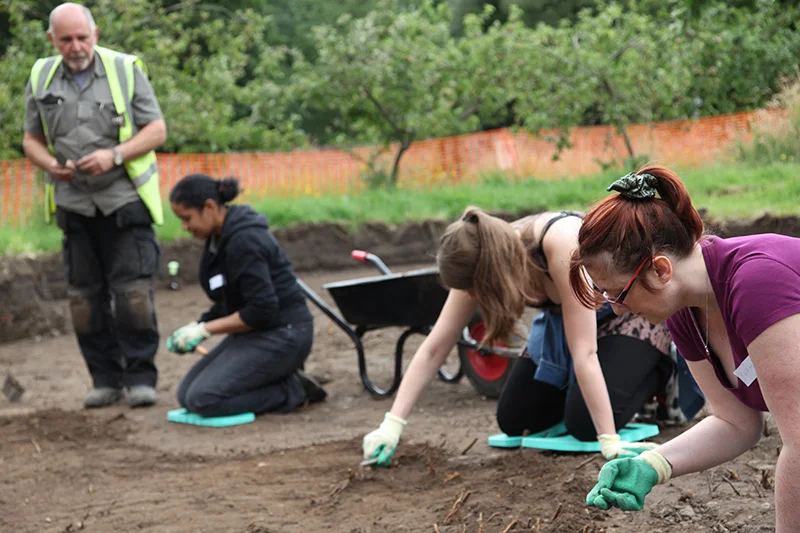
This October we're planning to undertake a three week Community Archaeology Dig.  With evidence that the ancient site of Fulham Palace has been used for up to 11,000 years, we're anticipating some exciting discoveries!

To help fund the dig, we have launched our first crowdfunding campaign.  And the countdown is on to raise £15,000 in just 30 days.

Click here to learn more and donate!

Your generous donation will help ensure the dig goes ahead as planned and has a real, lasting impact.  We want as many people as possible to get hands-on with this project, from visitors and volunteers to families and school groups.

The money raised will be used to buy tools and materials, health and safety equipment, specialist training from professional archaeologists and resources for learning activities and public events.

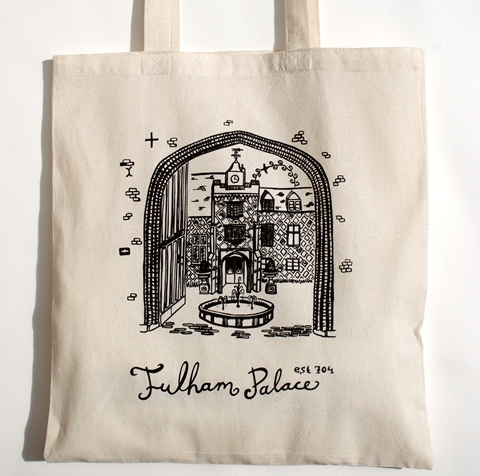
The Fulham Palace tote bag!

Get Rewarded!

Donate between £10 and £1,000 and get your hands on one of our exciting rewards, which include a Fulham Palace tote bag, an aerial photograph of the Fulham Palace site, a personalised WHS trowel, and a place on one of our hard-hat tours. Some of the rewards are limited so grab yours while you can!

Check out the fantastic rewards on offer


Let's celebrate! 

Join us on Tuesday, 5 September from 5.30pm to 8pm for an evening of free fun and food!

Drop in to the Drawing Room Café with your friends and family to enjoy light refreshments and...

  • Get your hands on some of our past archaeological finds
  • Take a mini archaeology tour with our community archaeologist
  • Try on period costumes and channel your inner Tudor courtier
  • Peruse the exciting rewards for donating to the campaign
  • Explore the museum and learn more about the site's long history
  • Talk with staff and trustees about the dig and restoration project

RSVP for this fun, FREE event

This Community Archaeology Dig is an integral part of our £3.8 million restoration project, Discovering the Bishop of London’s Palace at Fulham.  The restoration is supported by the Heritage Lottery Fund, who has awarded the Fulham Palace Trust just under £2 million.

Thanks to the generous support of a number of trusts, foundations and individuals, we are now only £245,000 away from raising all of the match funding needed for the restoration project to go ahead as planned. The donations raised through this crowdfunding campaign will help us get even closer to that goal.

Keep up with all the campaign and dig news! Follow us on Facebook, Twitter and Instagram.

F: @fulhampalacetrust
T: @fulham_palace
I:  @fulhampalace

Meyer Homes.png

Crowdfunding campaign support by:


Recipe of the Month - August

recipe-image-legacy-id--560712_12.jpg

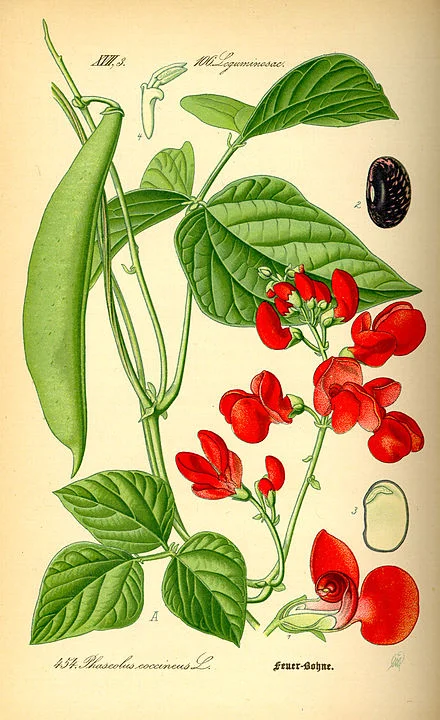
Runner Beans

There seems to be something very English about Runner Beans - you don’t often come across them when travelling in Europe.  In fact they have been growing in South America for over 2,000 years.

They can be a bit coarser in texture than other beans and so need proper preparation and should be eaten as fresh as possible.

Top, tail and string runner beans by carefully sliding the knife into the top of the bean without cutting right through it; if a thick thread comes away, the beans will need to be stringed. The beans can then be sliced horizontally.


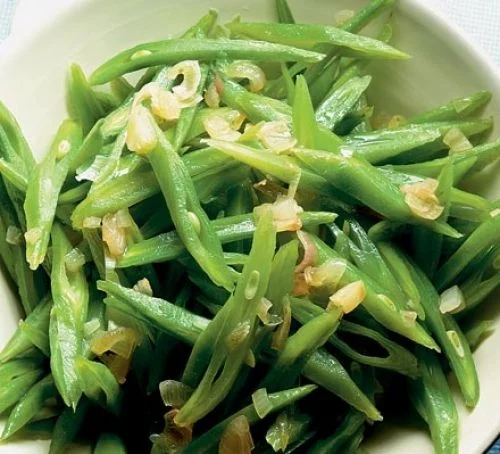
Runner Beans and Shallot Butter


A tasty side dish, easy to prepare – great served alongside a good pie!

500g English runner beans

25g butter

1tbsp olive oil

1 banana shallot (or 2 small shallots)

1tsp golden caster sugar

1tbsp white wine vinegar


Top, tail and remove the strings from the runner beans, then cut them diagonally into elongated diamond shapes.

Melt the butter and oil in a frying pan over a low to medium heat. Fry the shallots gently until soft and slightly coloured.

Boil a saucepan of salted water, cook the beans for 3-4 minutes until just tender and drain.

Turn up the heat in the frying pan add the sugar and vinegar to the shallots and cook for a few minutes. Toss the beans and shallots together and serve in a warmed dish


French beans with feta, walnuts and mint

This simple, tasty salad works with runner beans, too.

280g french beans, trimmed

3 tbsp extra-virgin olive oil

Juice of ½ small lemon

Small handful of mint leaves, tough stalks removed, and chopped

1 small handful dill, tough stalks removed, half the fronds chopped, the rest reserved to garnish the dish

Flaky sea salt and freshly ground black pepper

150g feta

50g walnuts, toasted and roughly chopped

Bring a pan of salted water to the boil and cook the beans until just tender, about three to six minutes, then drain and refresh in cold water. Dress the beans in the olive oil, lemon juice, mint, some of the dill, salt and pepper. Serve topped with crumbled feta cheese, walnuts and the remaining dill fronds scattered over the top.

440px-Illustration_Phaseolus_coccineus0.jpg