
Anne Connaughton bring us a follow-up piece on public baths and wash-houses in Fulham
My previous blog highlighted the campaign to promote public baths and washhouses for use by “the labouring classes”. Once the Public Baths and Wash-houses Act 1846 became law, northern cities such as Liverpool and Manchester, having already set the pace, continued to build public washing establishments. The London Metropolitan Borough of Fulham had formed its Baths and Wash-houses Committee (B&WC) in the late 19th century. Cleanliness; godliness and pervading views on hygiene and disease, where it concerned the “burgeoning ranks of the urban poor “, continued to shape public policy. However, by now, political priorities had firmly entered the mix. The work of the Fulham B&WC became part of the wider pattern of municipal provision of facilities, including recreational facilities.
The Committee’s brief overlapped with conclusions drawn by the researcher Charles Booth, who identified relatively low levels of poverty in Fulham, but where existing poverty was “extremely concentrated.” Booth fears that parts of Fulham “were becoming a dumping ground for the poor.” A contemporary report from the Medical Officer of Health for Fulham revealed that 25% of its population lived in poverty. Infant mortality stood at 116.3 per thousand births, the tenth highest figure in London. These factors, along with encroaching suburbanisation, created the requirement for better coordinated and more responsive public services.
The Fulham B&WC first met in July 1899. Its early mission was to search for suitable local premises, and to bring to life plans for a public bath(s) and wash-house. By November 1896, a site in Lillie Road was under consideration. The Committee eventually agreed upon a site for the baths in in Melmoth Place. As a public enquiry followed, the sale proceeded and a loan was secured with the London County Council.
Fulham Public Baths and Wash-house scheduled a special opening for 14th April, 1902, when the programme included high diving; water polo and life saving. The B&WC had agreed that the Baths would feature “excellently contrived slipper baths for ladies.....all modern contrivances for the comfort of those who wished to swim”. Facilities in public baths were graded and priced accordingly. Fulham’s “magnificent first class swimming bath” was more than 100’ long, and about 40’ wide – giving us some idea of what customers could expect for their money, and especially if they could afford the higher charges.
The wash-house, which entrance was in Hartismere Road, would supply paying customers with “stalls for 66 washers and a like number of drying horses and four hydro extractors “. In the large ironing room, the floor “will be of concrete, finished with wood blocks, while the walls would be salt-glazed and plastered”.
The type of washing machine used in many washhouses would have been based on an updated design from 1851, including a drum and manually operated turner.
All baths and wash-houses came under the authority of a Superintendent and a Matron. That day, over 2,000 people attended the Fulham establishment.
Useful sources and italicised extracts include:
Baths and Wash-houses Historical Archive.
Metropolitan Borough of Fulham : minutes of The Baths and Wash-houses Committee, c. 1900-1910 (Hammersmith & Fulham Local History Archives).
Public Baths and Wash-houses : An Idea Whose Time Had Come (Victorian Web)
Taylor and Francis Online: Investigating Manchester’s Public Baths and Wash-houses (2021)
The Wellcome Collection
The West London Observer and Fulham Chronicle (British Newspaper Archive)
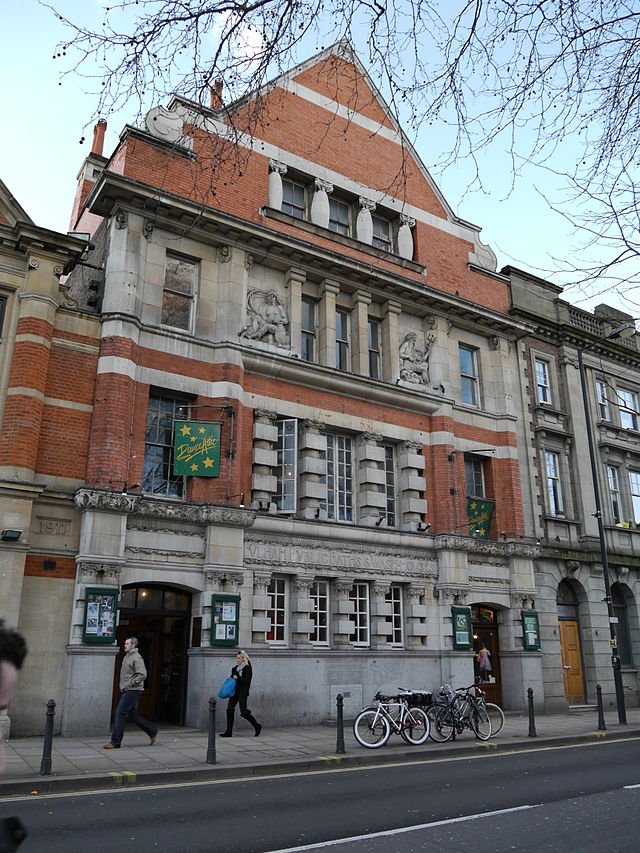
Fulham Public Baths & Wash-houses