
Anne Connaughton, front of house volunteer, has provided us with another well-researched and fascinating blog but this time on the campaign for public baths and wash-houses.
Many readers will know the old Fulham Public Baths and Wash-houses (now a grade 2 listed building) and the Hammersmith Public Baths and Wash-House in Lime Grove (now the site of supported housing). Visualise how, after they opened to the public in the early 1900s, paying customers could do their laundry, or take a bath (soap included in the price). Similar establishments were built throughout the country, under the aegis of local authorities. Their origins lie in an earlier campaign rooted in the mid-19th century, which reflected concern about the sanitary conditions of the “labouring classes “. As a sitting member of the House of Lords, Bishop Blomfield cultivated a high profile in highlighting the widespread support “which all classes of society are giving to the cleanliness movement”. Such reforms concerned the “moral as well as the physical welfare of the humbler classes of the population”. Here is the story of the cleanliness debate and the wider campaign for sanitary reform as the driving force behind some progressive - for the time - legislation.
The provision of public baths and wash houses was deemed an affordable and immediate remedy to poor standards of cleanliness. The clergy and medical practitioners, variously described as “the only members of the middle and higher classes who really know how the poor live”, were convinced of the potential for cleanliness as “a most decided influence over the moral and intellectual state of the poor .“ Among objections to the campaign for public washing establishments was that “crowds of the wives of the poor ought not be allowed to mix together in large numbers “. Other observers criticised how the programme for sanitary reform “took legal measures to enforce cleanliness for the protection of health, while they pertinaceously refused to prevent the diseases and deaths generated by their own miserable administration in starving their workhouse victims and refusing outdoor relief.” (The Times 25 November). Bishop Blomfield’s stint as a Poor Law Commissioner; the subsequent ban on outdoor relief and the requirement to enter the workhouse in order to claim relief, had not been forgotten!
The campaign gathered pace when reformers pinpointed the lack of cheap baths and laundry facilities as an impediment to better health. A public meeting held at the Mansion House in October 1844, proposed the formation of The Association for The Establishment of Baths and Wash-houses for the Labouring Classes. As its figurehead, and with the influential backing of bankers; city merchants; the London Dock Company and several parochial clergyman, Bishop Blomfield presented several petitions to the House of Lords, advocating “increased facilities for cleanliness available among the masses.” The result was the Public Baths and Wash-houses Act (1846). The expectation was that these establishments would neither impinge upon the municipal purse, nor be “for the exclusive use of the poor”.
Public baths and wash-houses were very successful, although during their earliest years, the soap tax made soap an unaffordable luxury for poorer patrons. The tax was abolished in 1853. The respective establishments closed in 1980 (Lime Grove) and 1981 (Fulham).
Sources for this blog, and the italicized extracts, include:-
British Newspaper Archive; Hansard (1846); *The Lancet (1844); *“Baths and Wash-houses for The Labouring Classes “: Daly, Price Pritchard (1852); *The Social History of Medicine (Volume 13, No.1 April 2000); “The Public Bath and Wash-house as a Focus for Victorian Social Reform “ (The Victorian Web)
(*The Wellcome Collection)
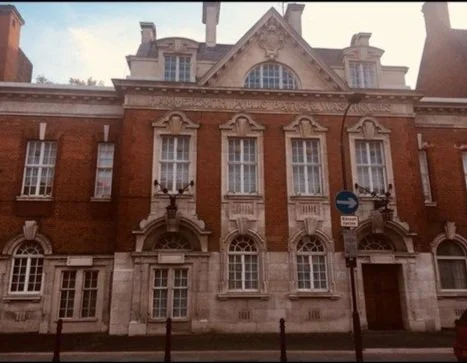
Hammersmith Public Bath and Wash Houses
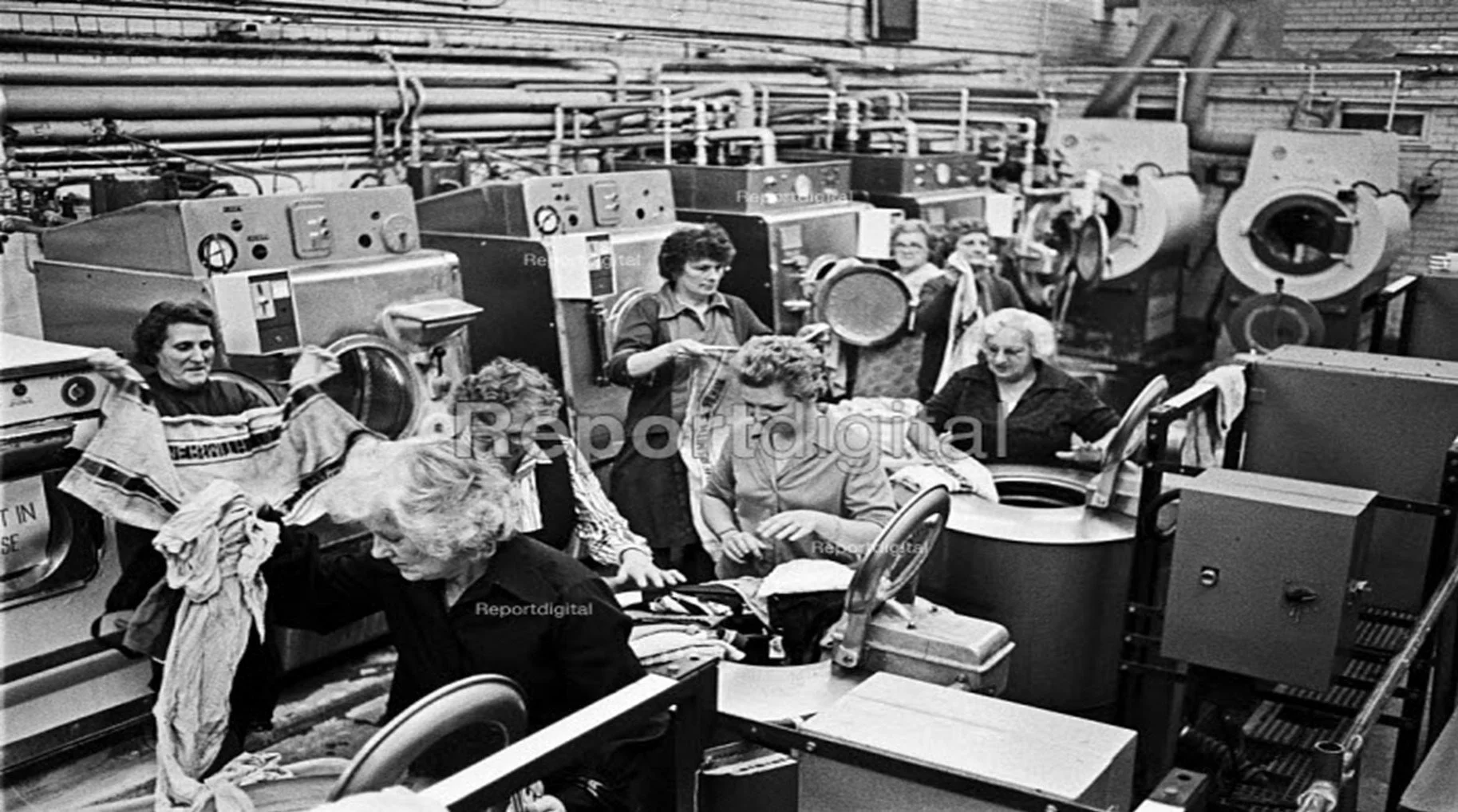
Women in the wash-house at Fulham, circa 1980