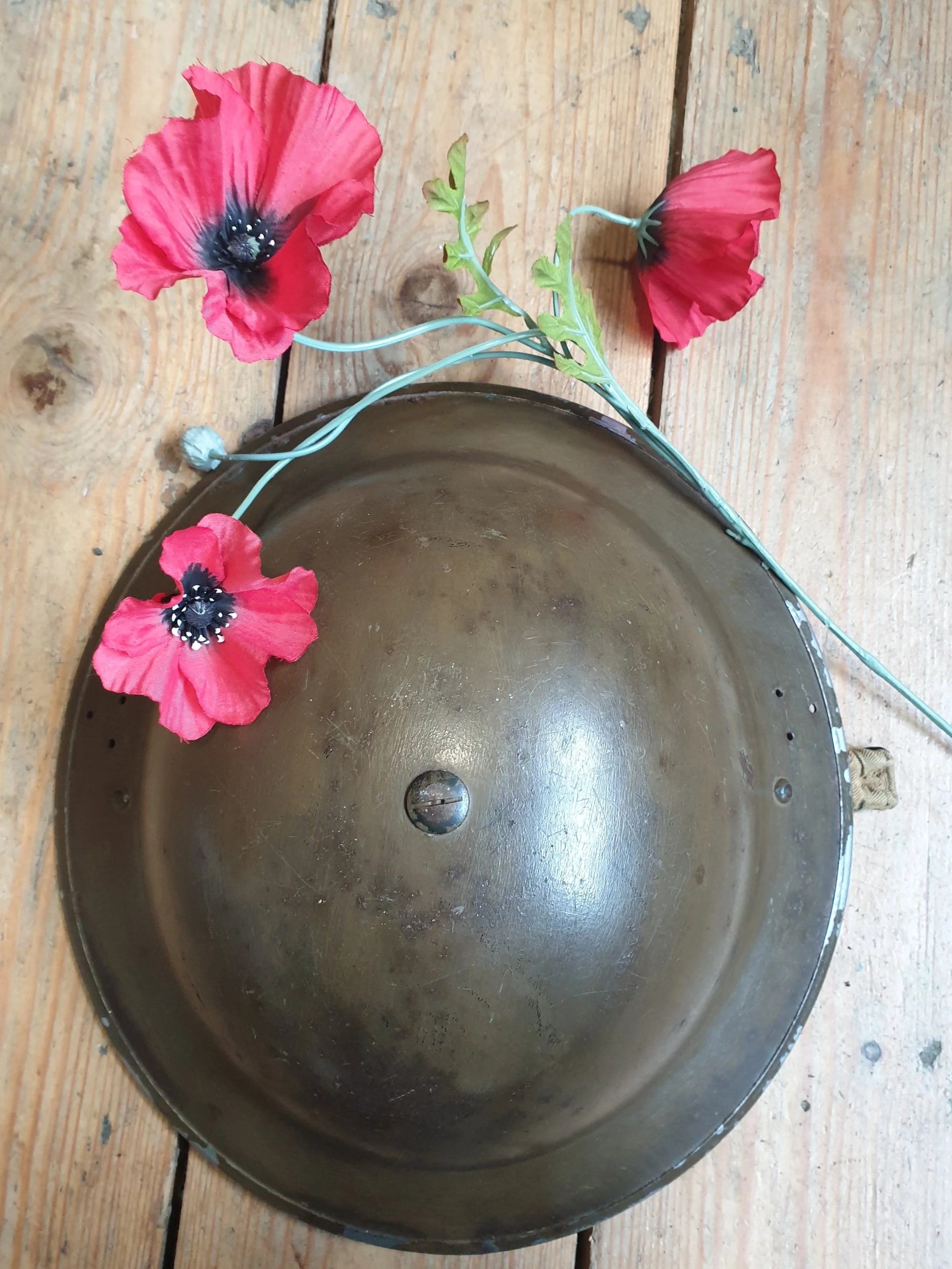
A thought about remembrance day by volunteer development officer, Sharda Rozena.
In 1914 when the First World War started, most people thought it would be short-lived and very few soldiers had any idea of the reality of trench warfare until years into the war when the term ‘shell shock’ was coined to describe the post-traumatic stress disorders that many suffered. We often celebrate war heroes with commemorative statues but its equally important to remember all those who had to live through those apprehensive times and did suffer physically, mentally and economically.
Many women supported the front line as nurses, doctors, ambulance drivers and translators; they joined manufacturing factories and managed agricultural work. For some women this was the first time they were allowed to join the workforce but when the war ended in 1918 many were told to leave. Indeed it was only after the war in 1918 that women over 30 and who owned property were allowed to vote for the first time. But it was not until 1928 that women had equal suffrage to that of men.
Of course, Fulham Palace was one of thousands of places that played its part in the First World War. The Palace was formally opened as the Freemasons Hospital No. 2 on the 31 May 1918. The hospital was able to house 100 patients, mostly convalescing from injuries. The great hall was used as the dining room and the drawing room (now café) was one of the wards. You can learn lots more about Fulham Palace and the First World War by watching community archaeologist Alexis’s brilliant lecture, ‘Freemasons hospital no. 2 at Fulham Palace’ here: https://www.youtube.com/watch?v=uqrjjg-gVTo.
Being my birthday, the 11 November is a celebratory day for me, but I will take a moment to remember the resilience, bravery and hard work of all those who lived and fought during the First World War.