This blog was kindly written by Lee Copeland, one of our Front of House volunteers, Events assistants and Front of house rep.
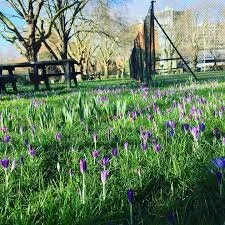
During May when we are all enjoying the start of Spring and the First-Ever Green Meet Day was held at the Palace, at which we enjoyed many mentions of Bishop Compton and his great collection of over 1000 species of plants, the fascinating talks from the speakers on the day, from the, When, Where and best way to plant trees to Biodiversity and how we can get involved, to all things Bees, and learning we lead the way in Rooftop meadows, it led me to think how many of the Bishops of London before played their part in our green open spaces. How the past compares to the current Pandemic and why Green Spaces have always played an important role in our lives during Crisis.
We know Bishop Tait is responsible for the William Butterfield designed Chapel at Fulham Palace. He suffered much sadness in his life and lost many family members In 1856, within five weeks, five of his nine children died due to virulent scarlet fever. Two were spared and in time they were joined by another two siblings. His translation to Canterbury in 1868 (he had refused the archbishopric of York in 1862) constituted recognition of his work. His last years were interrupted by illness and saddened by the death in 1878 of his only son, Craufurd (1848–1878), and of his wife, Catharine née Spooner (1819–1878).
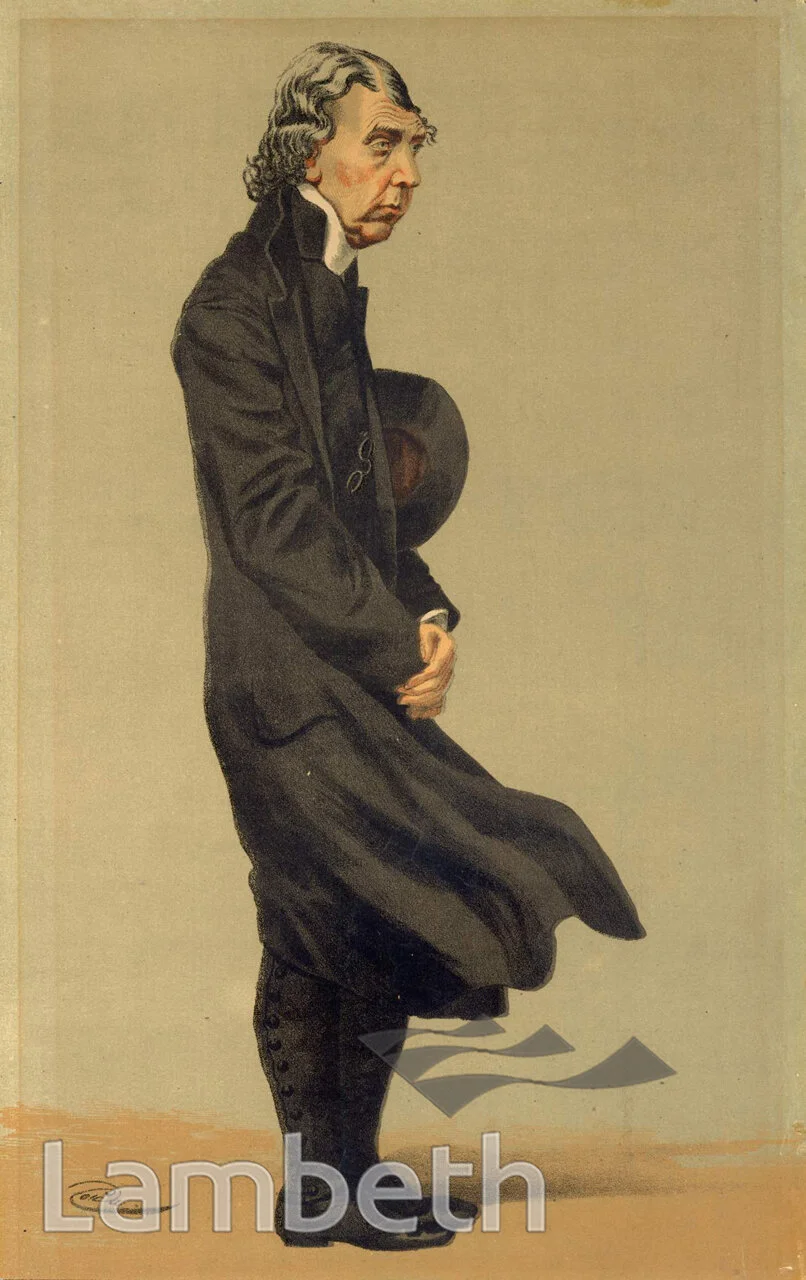
Bishop Tait
Scarlet Fever, which took many lives, is a disease resulting from a group A streptococcus (group A strep) infection, also known as Streptococcus pyogenes. The signs and symptoms include a sore throat, fever, headaches, swollen lymph nodes, and a characteristic rash. The rash is red and feels like sandpaper and the tongue may be red and bumpy. It most commonly affects children between five and 15 years of age.
Prevention is by frequent handwashing, not sharing personal items, and staying away from other people when sick. The disease is treatable with antibiotics, which prevent most complications. Outcomes with scarlet fever are typically good if treated. Long-term complications as a result of scarlet fever include kidney disease, rheumatic heart disease, and arthritis. In the early 20th century, before antibiotics were available, it was a leading cause of death in children. An antitoxin was produced before antibiotics; however, it was never made in sufficient quantities, and could not be used to treat any other disease as antibiotics can.
How interesting to compare our need for Green Open spaces today with the time of Bishop Tait and Scarlet fever and when he became Archbishop of Canterbury in 1869 and moved to what is now Lambeth Palace which has been the London residence of the Archbishops of Canterbury since the 13th-century. The Bishop of Carlisle held adjacent land that was then incorporated into Lambeth Palace.
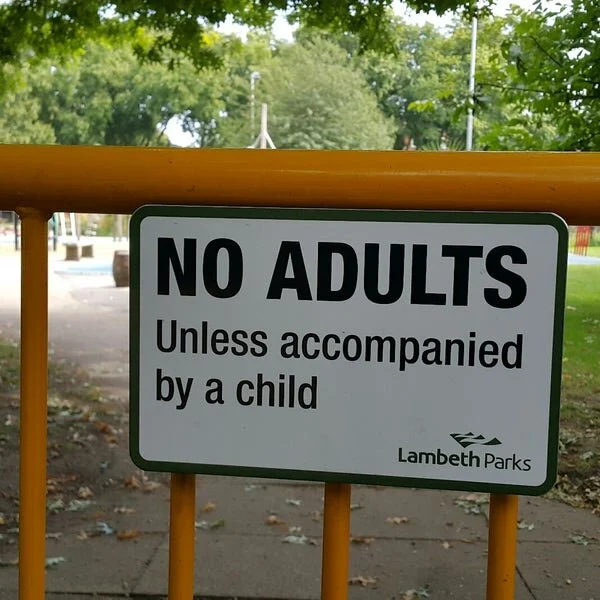
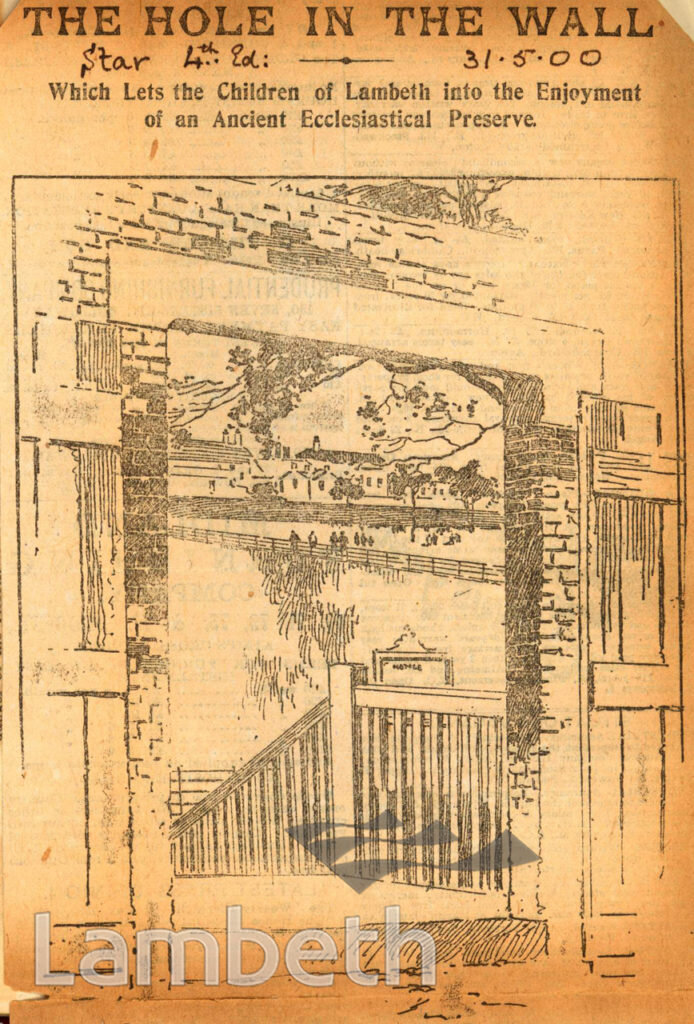
When Archibald Campbell Tait became Archbishop he was greatly concerned about the welfare of the poor in London and opened some 9 acres of the palace gardens (being the land formerly owned by the Bishop of Carlisle) for the benefit of the local poor. That area of land became known as Lambeth Palace Field. It continued to be used by the public after Tait's death in 1882, but without any permanent rights to do so. A permanent public park was first proposed in 1898 by Lt-Col Charles Ford, a Progressive member of the London County Council (1892-1901). In 1900 the Metropolitan Public Gardens Association then led a campaign for the permanent and unrestricted opening of Lambeth Palace Field. This was successful, and Archbishop's Park was laid out with lawns, a playground and sports fields, surrounded by boundary trees, and was opened in 1901.
In response to the concern that the area was now densely populated yet had no formal recreation grounds, Archbishop Temple gifted much of the Lambeth Palace parkland to the people of Lambeth. And in 1904 Archbishop Temple’s Secondary School opened.
Just as during Archbishop Tait's time of crisis when he understood the need for fresh air, green open spaces for health and wellbeing, we also understand and campaign for our Green Open Spaces during this time of crisis, to safeguard them for future generations.