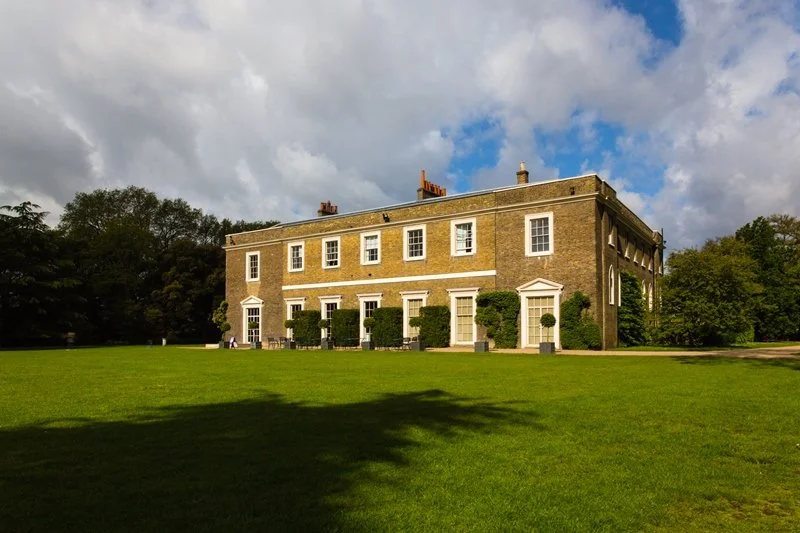
Object of the Month - A Plasterwork Discovery!

Every month we feature two blogs written by volunteers, one describes an object in the Palace and one a plant from the Garden. It is a great way for us all to learn more about the Palace. If you would like to contribute there is no set format so please do send us your ideas!

Dig the History - An Excavation at Fulham Palace

     In October 2017, an excavation was started in the grounds of Fulham Palace. Based on some geophysics results and remarks in the Palace records, it was thought that we might find a Tudor Dovecote in an area in front of the Palace. After initial machining we came down onto what appeared to be a destruction or rubble layer consisting mainly of bricks at first. Then we invited the local Brownies in to try their hand at archaeology and they found decorated plaster, looking a bit like this:
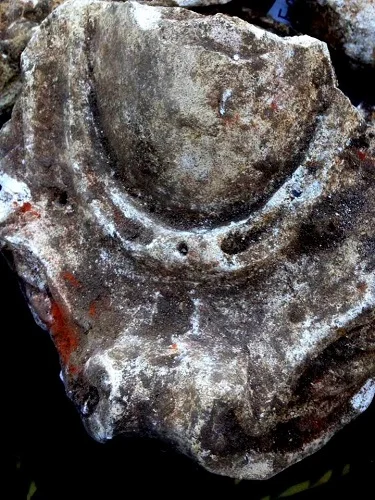
Decorated plaster resembling Tudor moulded plasterwork, found by local Brownies at Fulham Palace

Decorated plaster resembling Tudor moulded plasterwork, found by local Brownies at Fulham Palace

This was interesting, as it resembled Tudor moulded plaster work found both indoors and also outside on for example, Henry VIII's palace of Nonsuch. Though it was quickly realised that this was a) later and b) interior, as we found beading which suggested interior work. Obviously at some stage there had been a change in fashion and the house had been modernised, the now redundant plasterwork buried in a dump in the garden.

         The fact that there were bricks on the top of the layer made me wonder if we had discovered the remains of a more than usually fancy dovecote, but I think this theory can be discounted !

          Plasterwork continued to emerge from the trenches for the next few days, mainly mouldings which might be found on ceilings or round windows and fireplaces, but one day some one found a face:
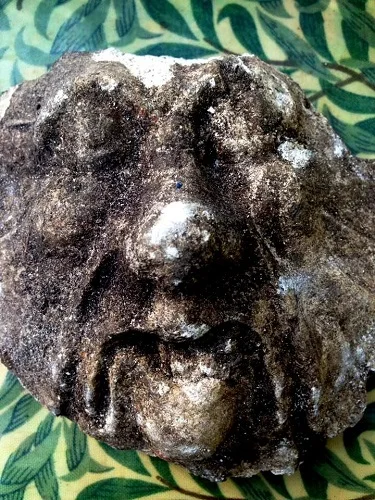
Plasterwork mask with a moulded face, thought to be the 'Green Man',  found by an Archaeology Volunteer at Fulham Palace.

Plasterwork mask with a moulded face, thought to be the 'Green Man',  found by an Archaeology Volunteer at Fulham Palace.

       Earthy and jolly, it is the Green Man himself, the spirit of place, found carved in English Churches, and on Tudor furniture and interior decoration as decorative bosses. I was enchanted by this Mask, which had been found by someone else, I thought 'lucky them' and went back to my digging. I was using a mattock to clear back a layer, mainly of brick which was degraded and crumbling at the edges, when I saw familiar streaks of white and a roundish shape. I realised that the mattock was maybe not appropriate, so now I worked carefully round it with a trowel. I was delighted to see that I had uncovered another Green Man! (Although a bit chagrined to see what had happened to the tip of his nose).
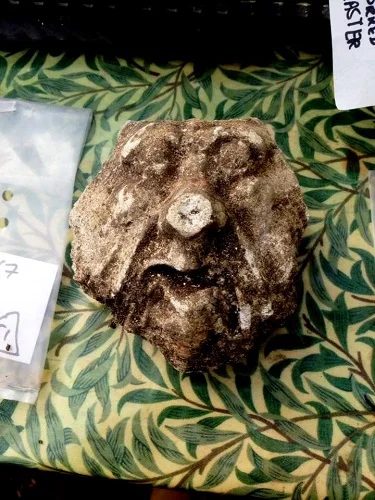
A second 'Green Man' mask uncovered by Jan Drew herself!

A second 'Green Man' mask uncovered by Jan Drew herself!

     I have puzzled over whether or not these two mouldings were different from each other. Certainly in the photograph they appear to be different, even allowing for the fact that one has had his nose foreshortened by digging. But I seem to remember that when they are side by side in front of you, the mouths are the same not different, must be a trick of the light! It was very exciting to come across such iconic pieces, so evocative of the era. Of course the plasterwork is fragile and needs different conservation techniques to ordinary stonework, it has to be wrapped in acid-free tissue to be archived, but it is amazing that something so fragile and vulnerable is going to be saved from posterity by Fulham Palace.

By Jan Drew, Archaeology Volunteer at Fulham Palace
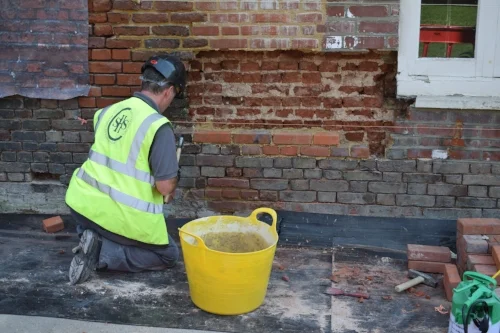
Restoration Brickwork at Fulham Palace
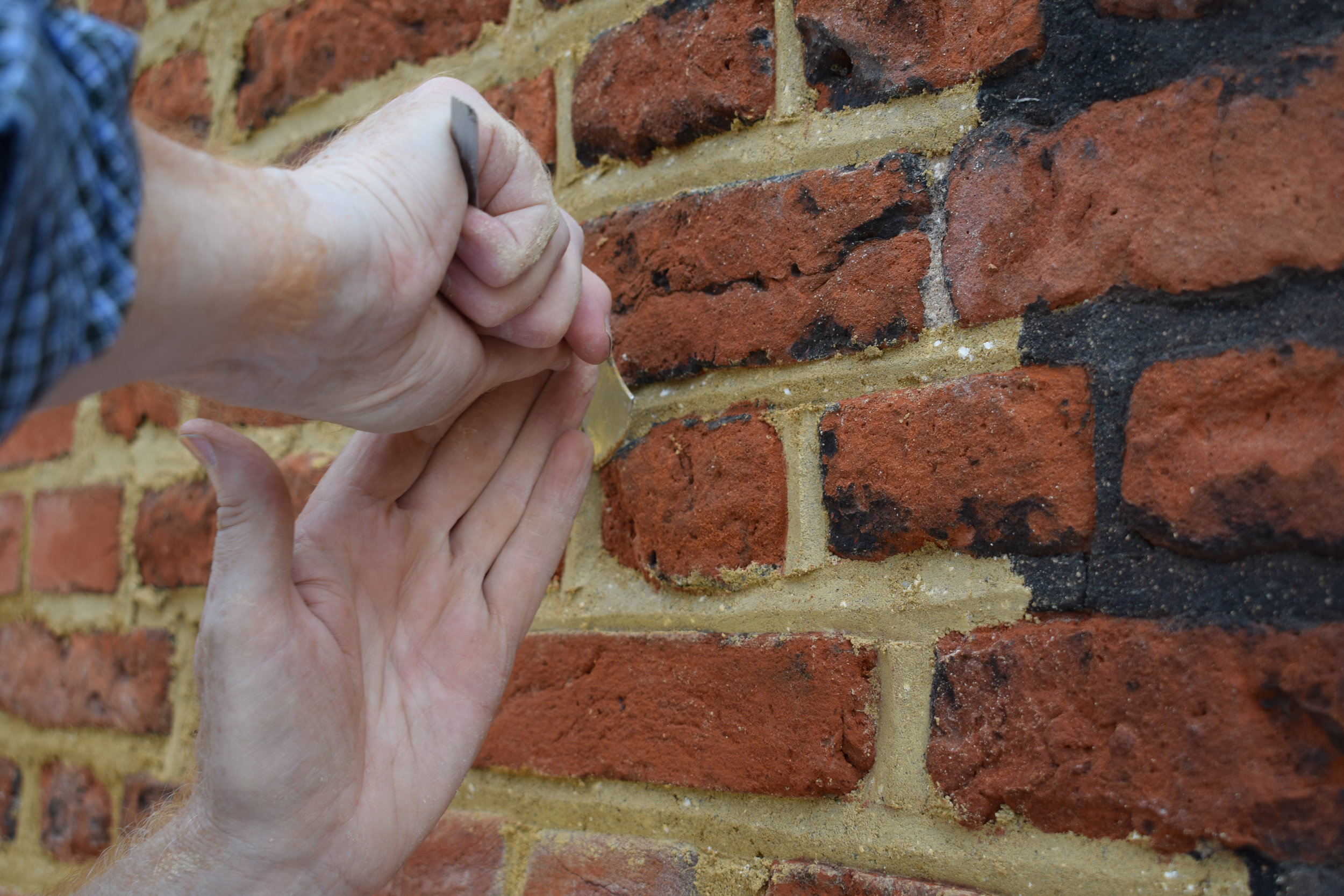
One of the SSH Conservationist carrying out the Palace's brick restoration

One of the SSH Conservationist carrying out the Palace's brick restoration

When I first arrived at the Palace in 2011 from the National Trust, I noticed how poor the quality of brick repairs had been. This wasn’t just historic repairs from the last 100 years or so, but also restoration projects within the last 10 years.  For example, the replacement brick and pointing on the exterior walls of Bishop Sherlock’s room (Georgian brickwork).

Heritage bond test panel by Gerard Lynch

Heritage bond test panel by Gerard Lynch

I had come across Dr Gerard Lynch, renowned master brickmason and historic brickwork consultant, in a previous job and in 2013 I contacted him to do a talk for us and to give us some advice on repairs to the walled garden walls.  
 
Our walled garden is actually scheduled as an ancient monument, as well as being listed. This is probably a historic anomaly in the listing but it means that the scheduling takes precedence over the listing.  Our Historic England representative for the scheduling is Jane Sidell, Inspector of Ancient Monuments.  She is also an enthusiast of bricks and good brick repair.  The process for doing repairs to a scheduled monument is pretty rigorous, and there is a specification that we must use for brick repairs in the walled garden. We also need to gain scheduled monument consent for any repairs.  
 
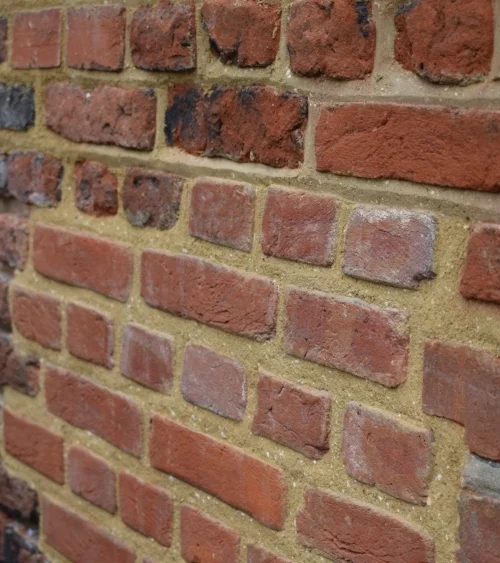
So I think a combination of working with Gerard, working with Jane, and my own obsession with getting brick repairs done properly, led us to undertaking a very thorough repair of some of the walled garden walls and the walled garden Tudor archway in Spring 2015.  This repair was managed by Catharine Bull, our building surveyor, (SPAB Lethaby scholar) with Gerard as consultant. The contractor was Stewart Truman Brickwork.  Gerard had the existing original mortar analysed so that he could draw up a detailed specification of the hot-lime mortar mix we would be using, and he also advised us to have bricks made for the repairs to the walled garden gate as we were unable to secure replacements.  We went to H G Matthews to have the bricks made for us.   The mortar joint used for the walled garden was the traditional ‘heritage’ joint, i.e. flat. 

Test panel showing double struck and heritage bond mortars side by side

Test panel showing double struck and heritage bond mortars side by side


Knowing that we were planning a large scale repair of the Tudor Quadrangle, Gerard also did an analysis of the mortar there, and measured the bricks.  So we had a few thousand bricks made at that stage, some for the walled garden repairs, but some ready for when they would be needed for the Tudor Quadrangle works.
 
We appointed Purcell as our conservation architect and lead consultant for our major restoration project in October 2015 following a tender process.  One of the reasons that the Purcell team won the contract was the presence of David Hills, architect, who had a passion for the restoration of historic brickwork.  Purcell worked with the rest of the design team on the detailed designs for the project and the repair of the brickwork, taking advice from Gerard Lynch and liaising with Paul Goodacre, Head of Urban Design & Conservation, London Borough of Hammersmith and Fulham.  

Our round two lottery bid was approved in November 2016, and we were given permission to start the project in February 2017.  We then started the tender process for the main contractor.  Because of the poor quality brickwork repair by main contractors at the Palace in the past, we were determined to have more influence this time round.  We decided that the best way forward was not only to provide a very detailed specification (including specifying the hot lime method), but to require the contractor to appoint a specialist sub-contractor to undertake the brick work repairs.  We then approached several conservation brick repair companies and interviewed them, before putting forward a shortlist of 4 companies in the main contractor tender documents.  Following the tender process we chose Sykes & Son Ltd as our main contractor, and they chose SSH Conservation as the brick work sub-contractor.
 

Double struck mortar by Gerard Lynch

Double struck mortar by Gerard Lynch

In the meantime we had asked Gerard Lynch and his son Liam Lynch to prepare a sample of the brick replacement and pointing in order to discharge our listed building consent.  It was when Gerard was on site that he suggested a trial of the double struck pointing as well as the flat heritage joint.  David Hills, myself and Paul Goodacre liked the double struck joint.  It seemed to suit the Tudor brick better, drawing your eye to the bricks, rather than the mortar.  We all agreed to go ahead with the double struck joint. 

There is a great debate in the heritage world regarding the joint profile on Tudor buildings. Some experts say that while the double struck joint is known to have been used in the Tudor period, you shouldn’t use it if there is no evidence it was used on the building in question.  However, there is also an argument that it is unlikely that any 500 year old mortar joints will survive intact so we may never know on some buildings.  At the Palace we have no evidence of the final finish of the joint profile in the Tudor Quadrangle due to the application of black ash mortar in the Victorian period.  However, we feel that the double struck joint does suit the brick work.  First impressions of the work underway is very positive.


Sian Harrington, CEO
 

Volunteer Garden Party

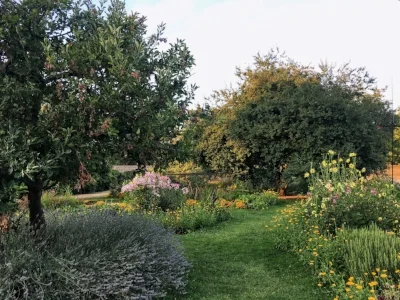
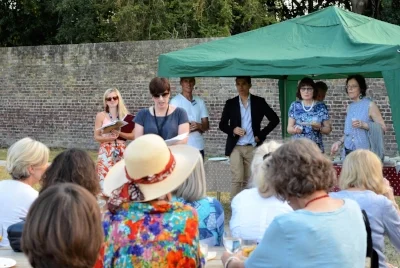
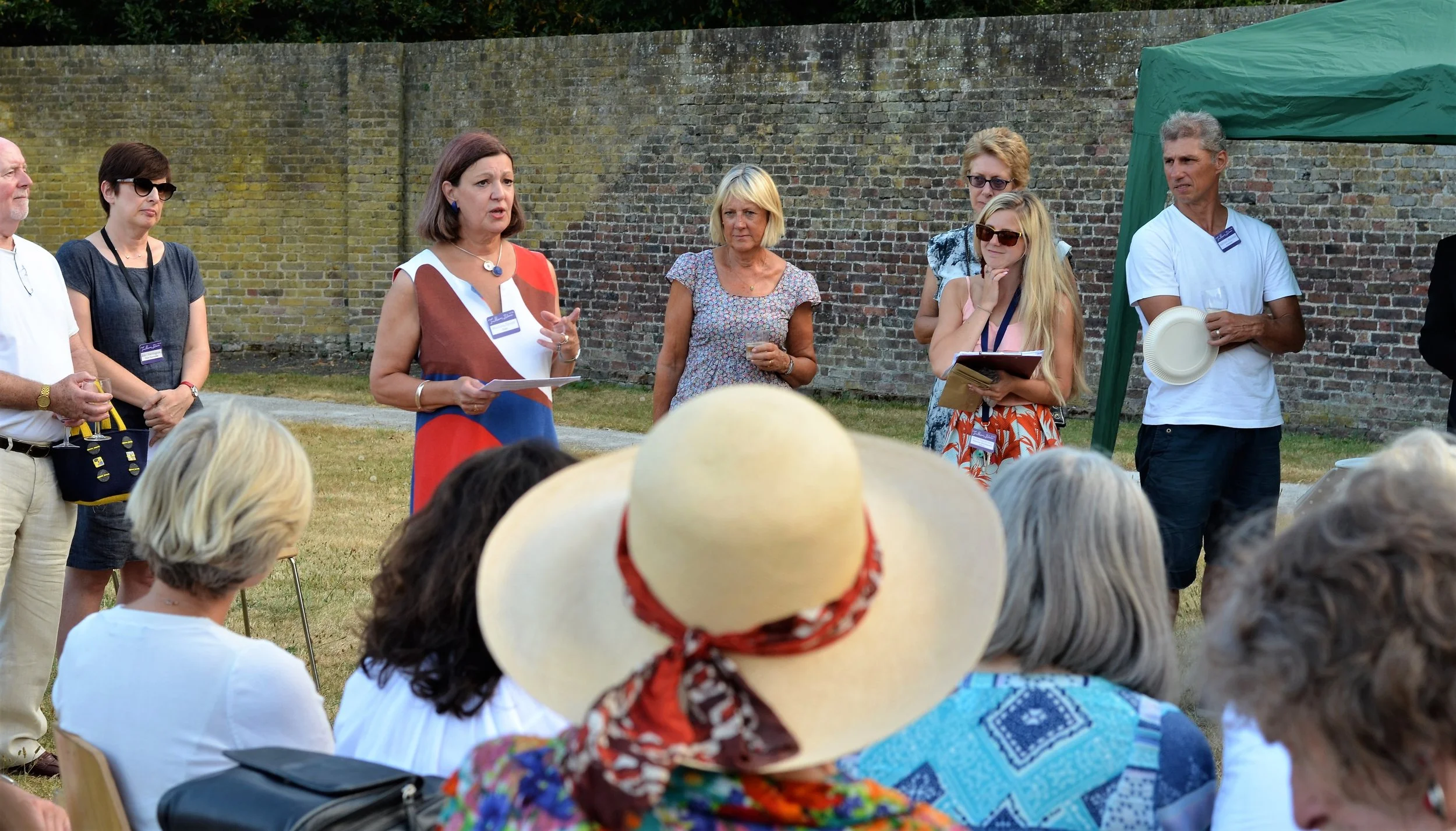
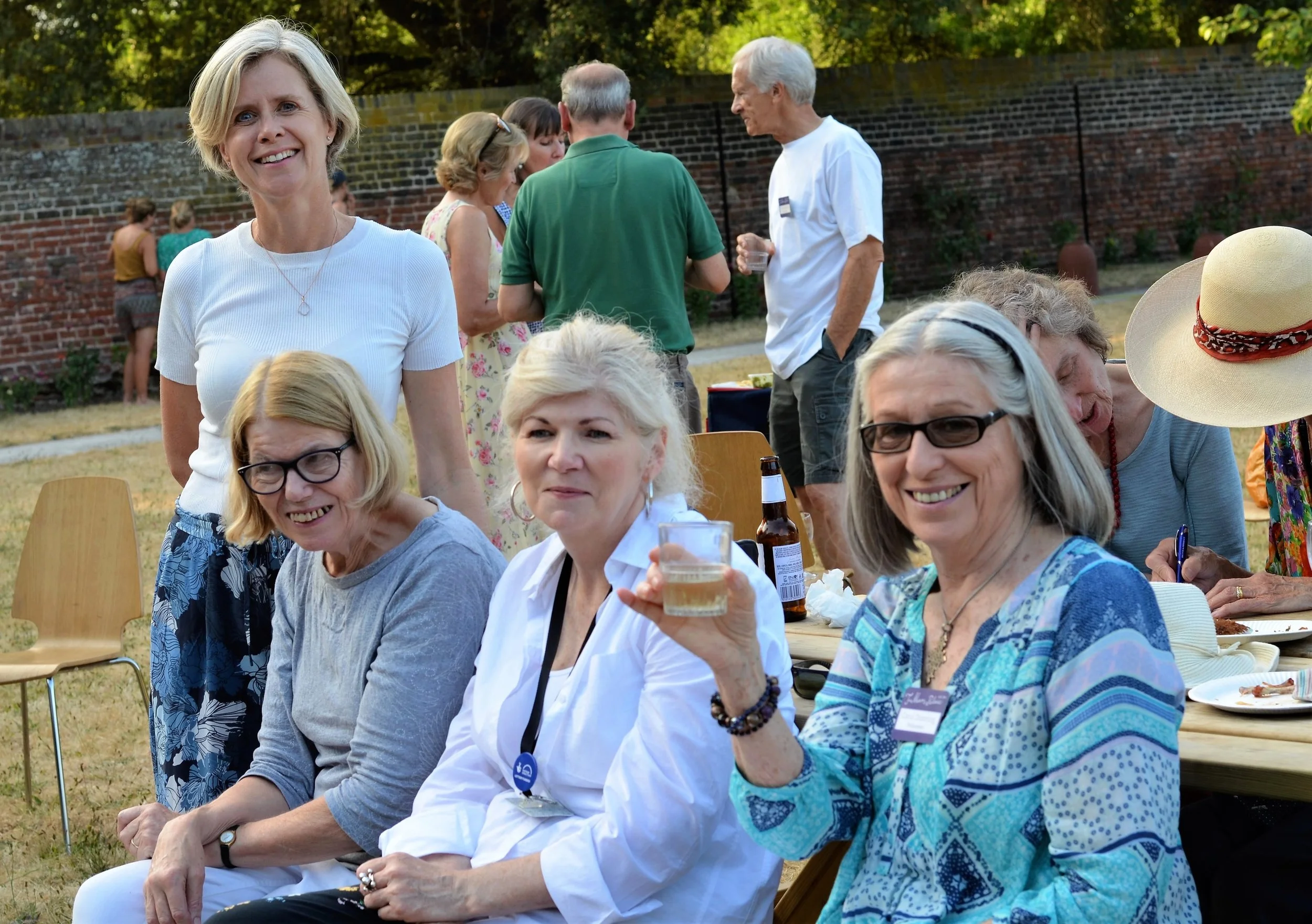
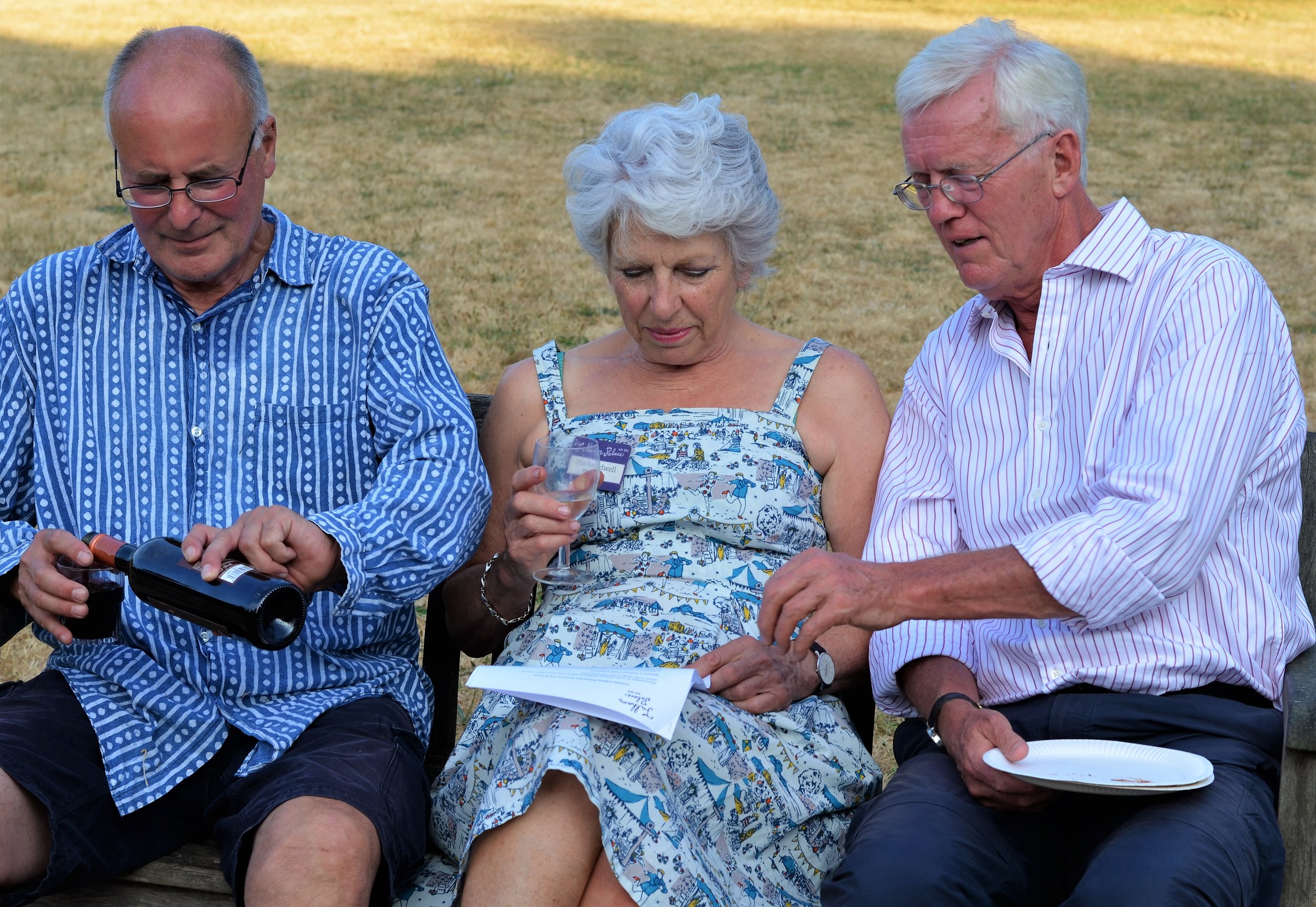
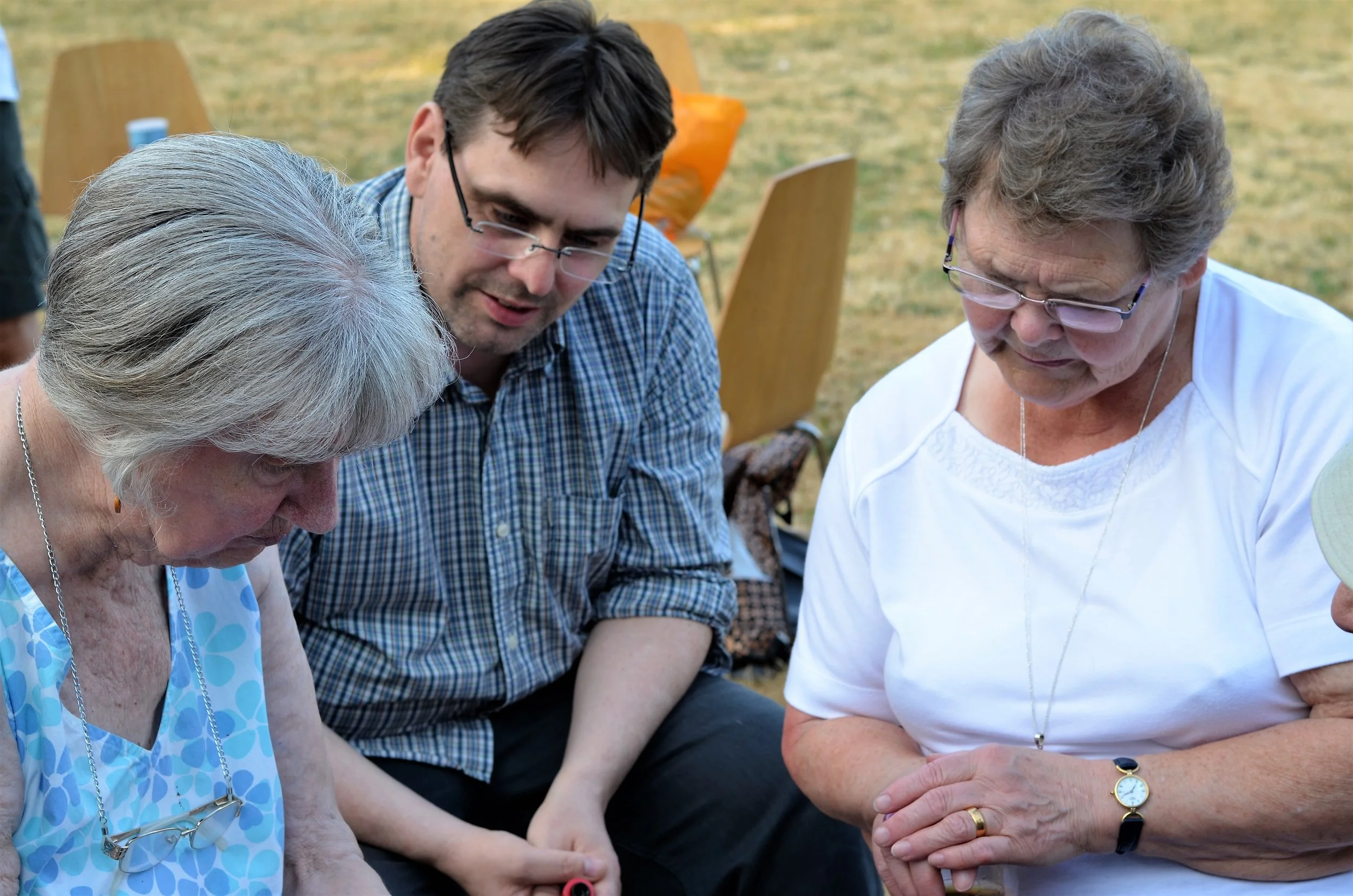
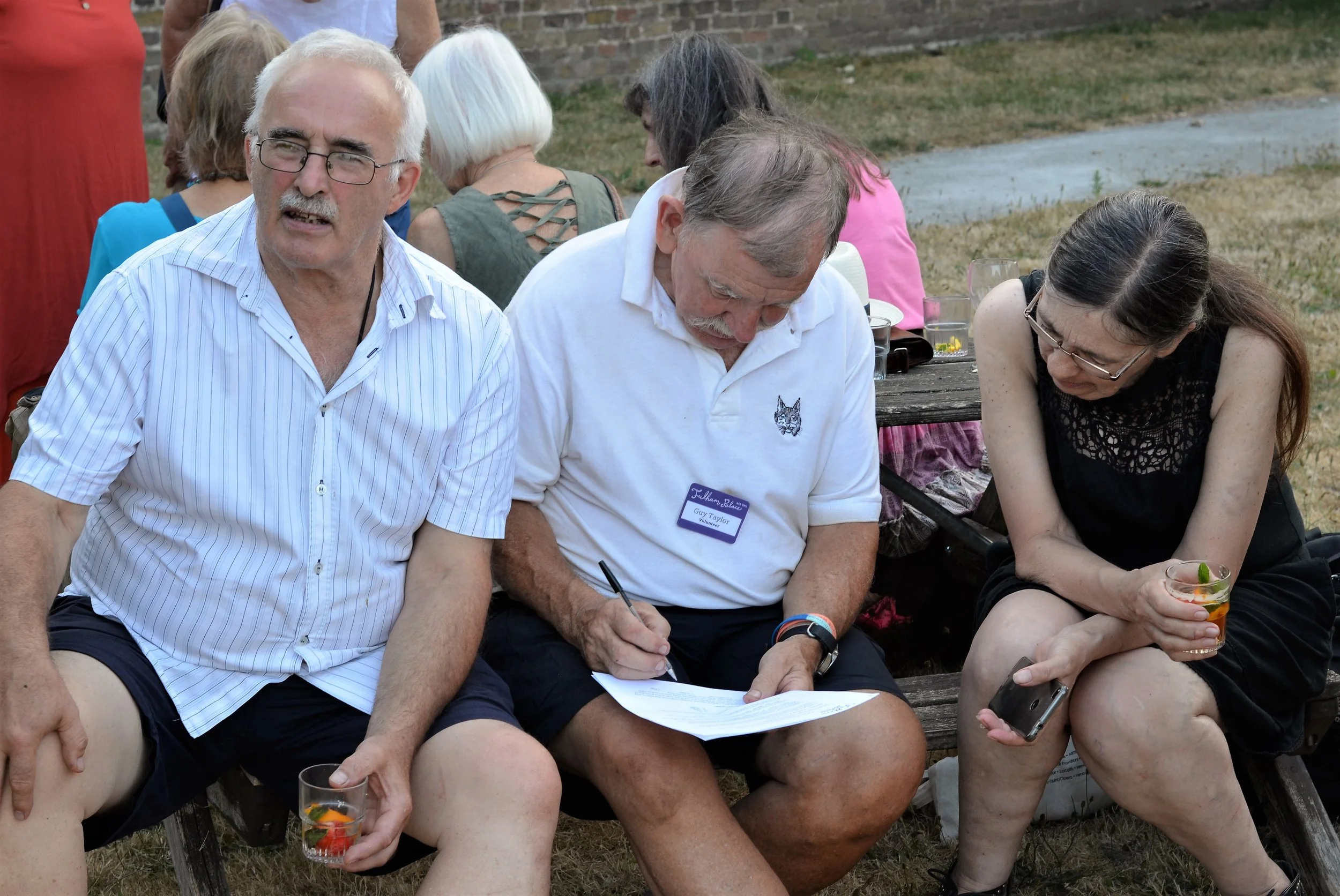
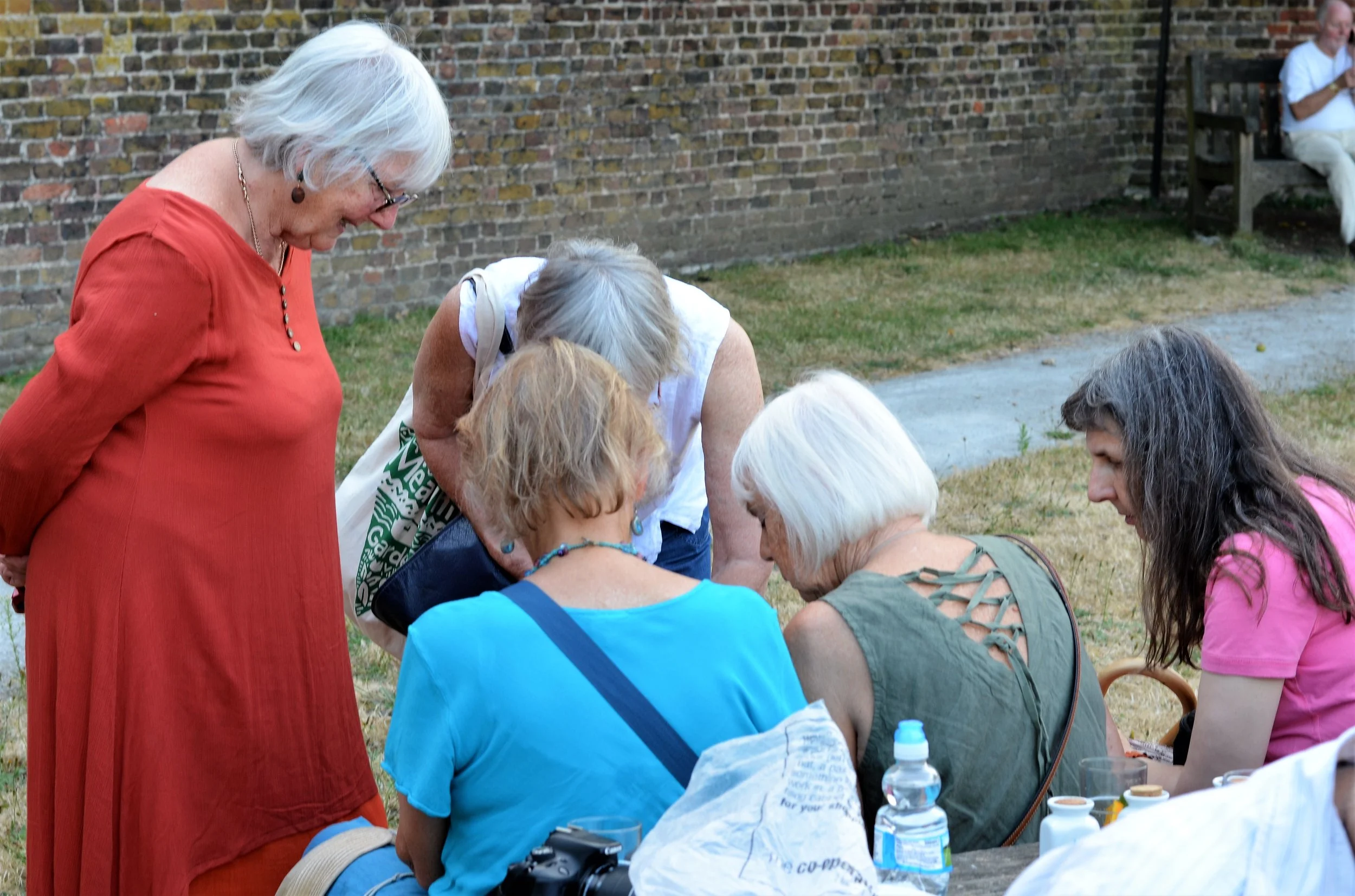
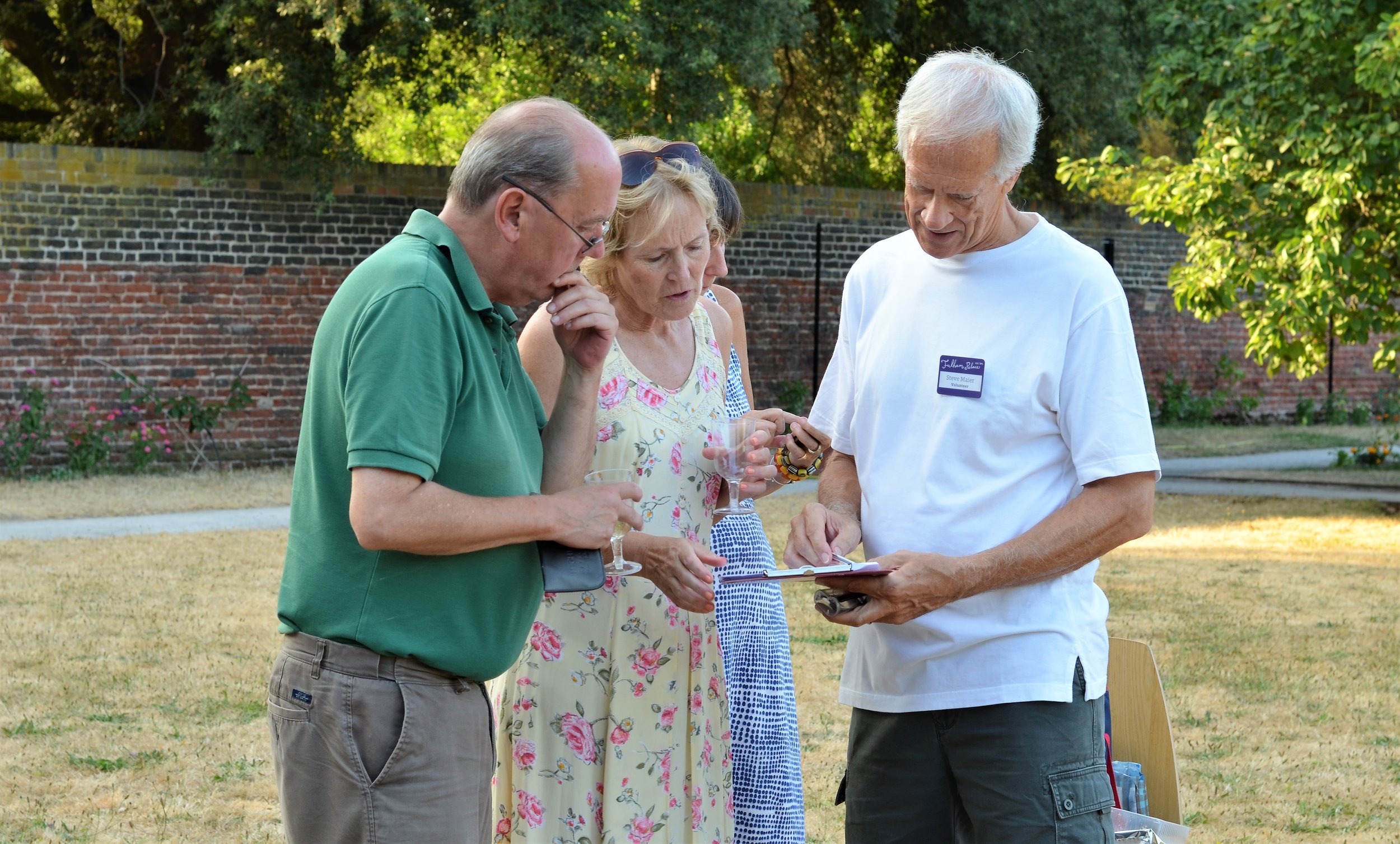
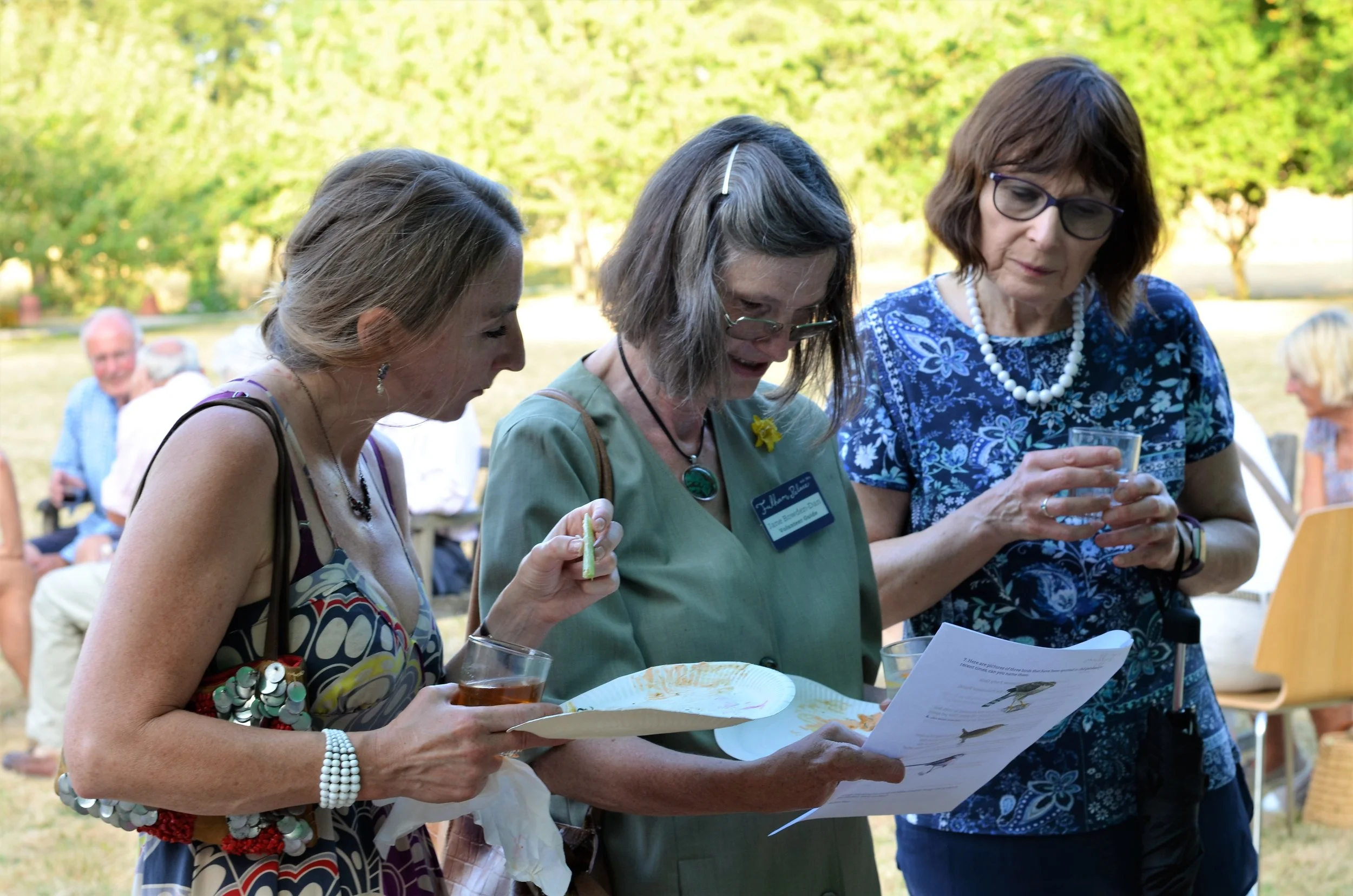
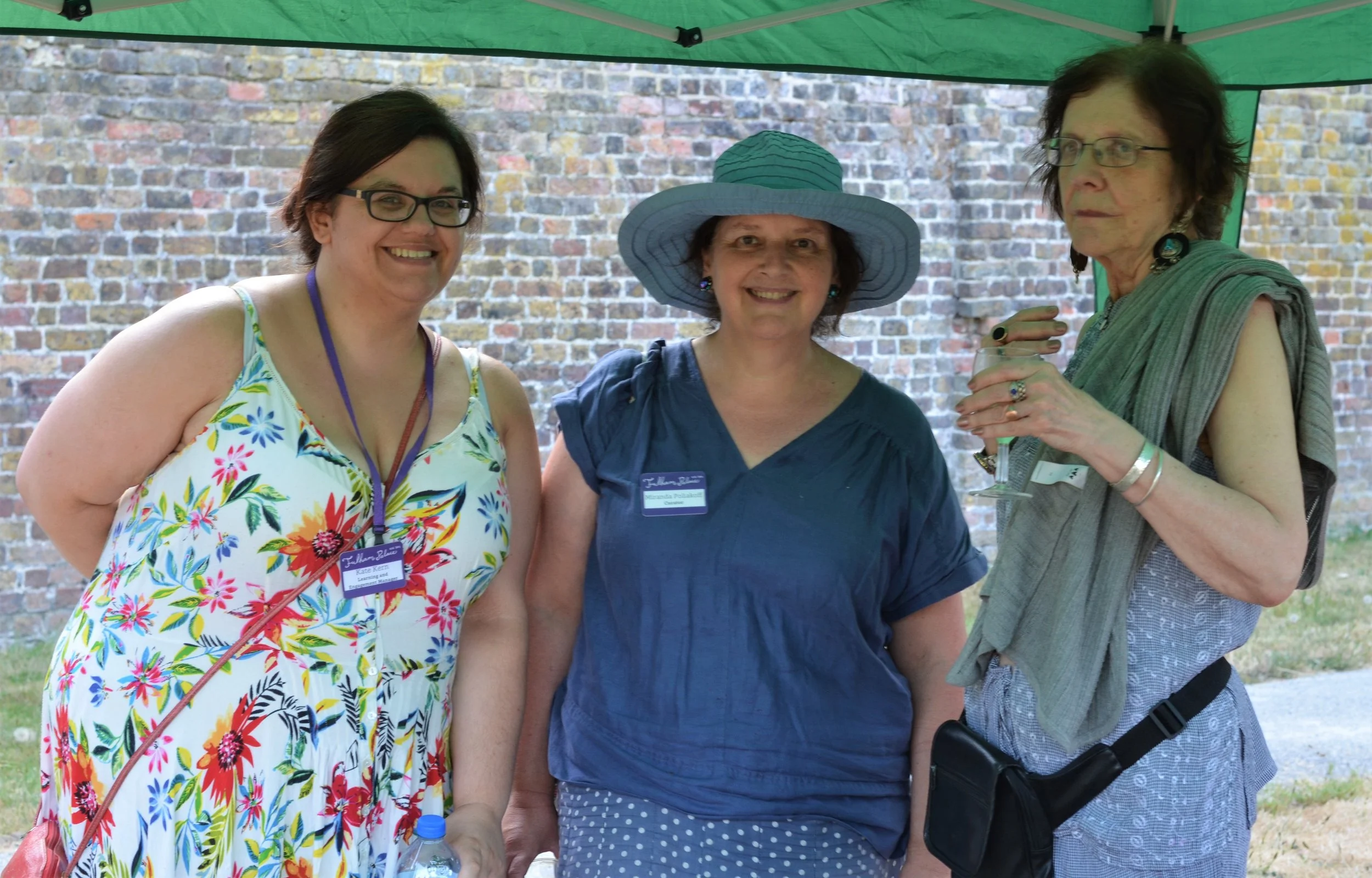
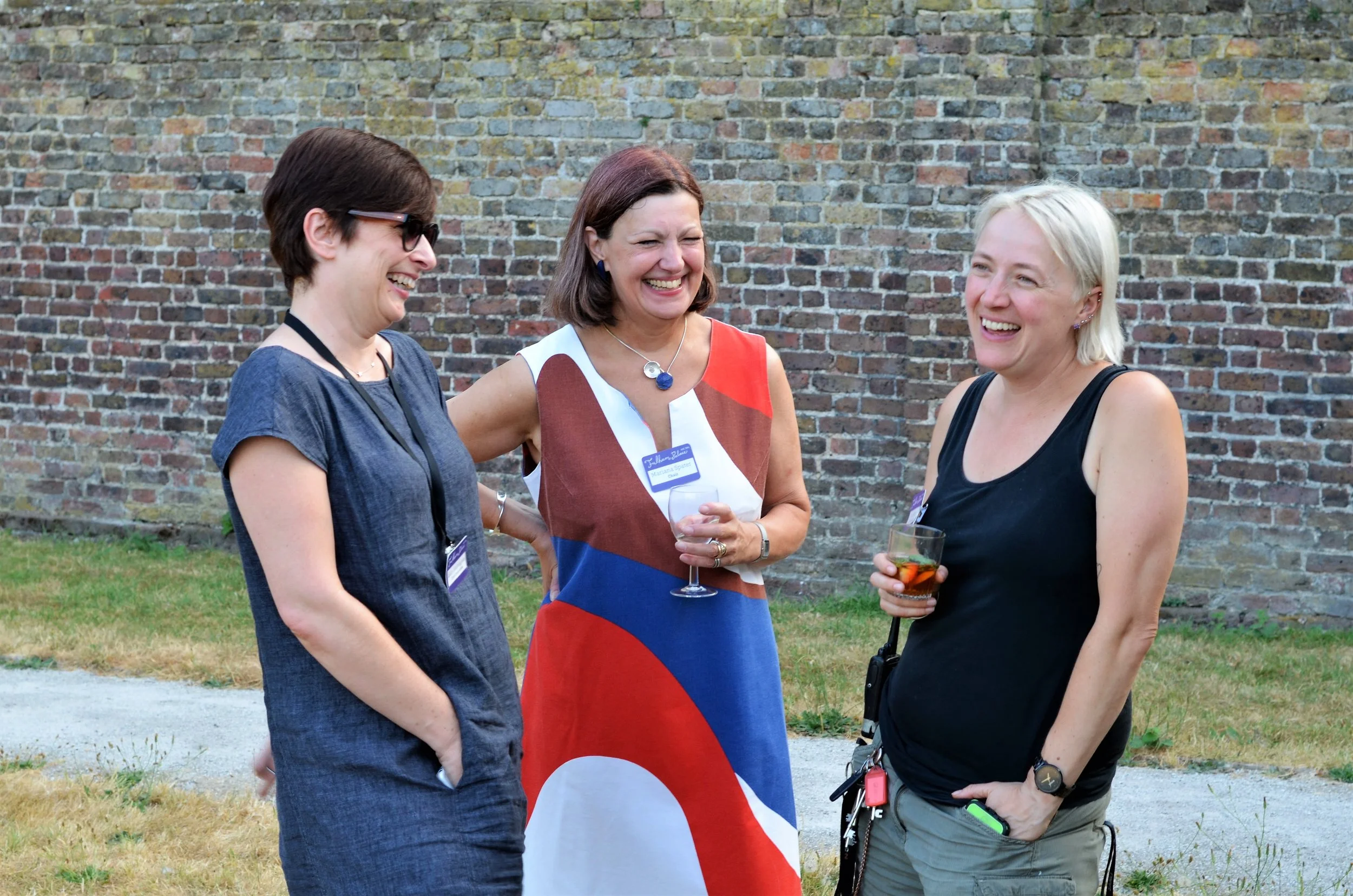
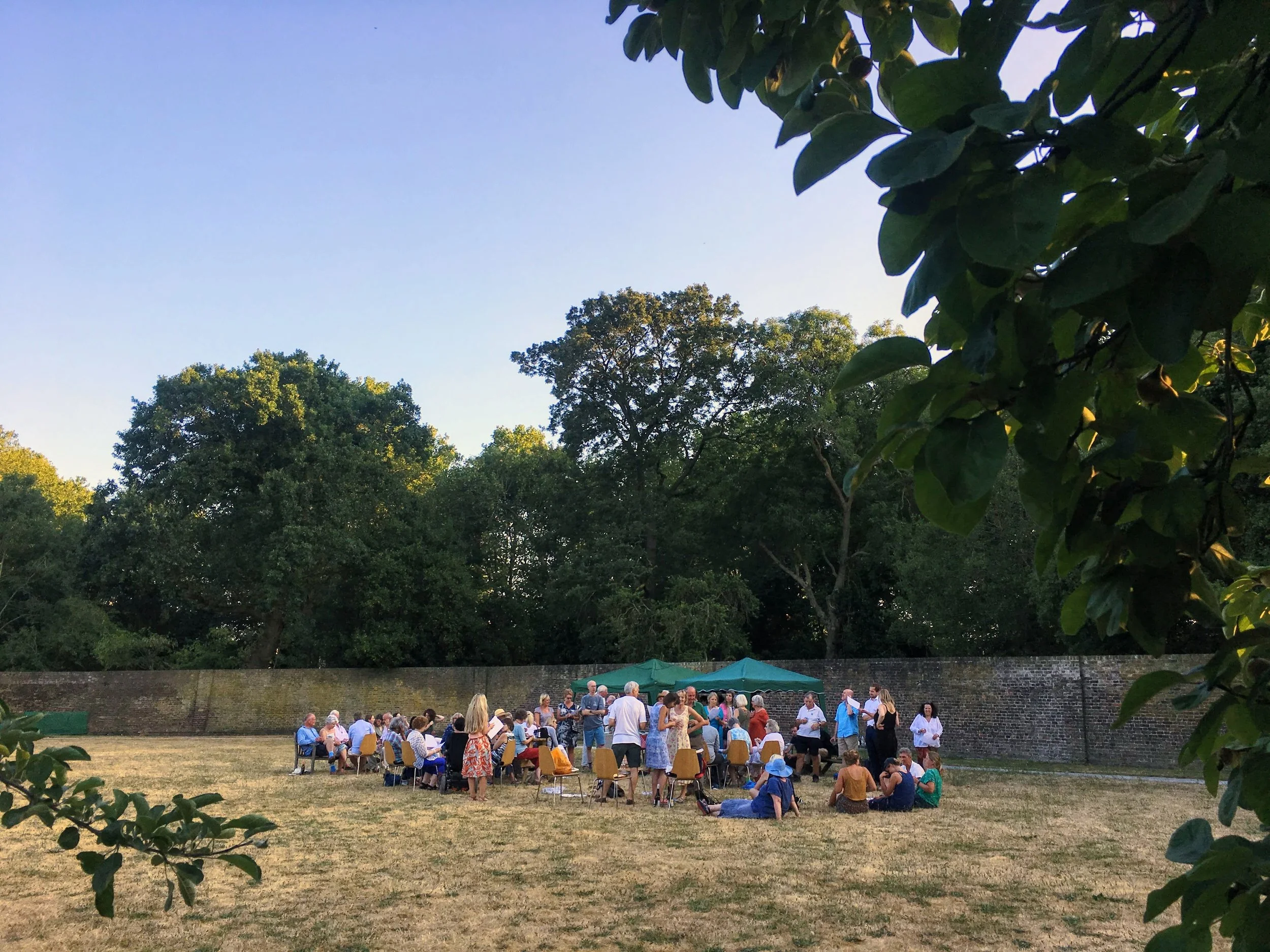
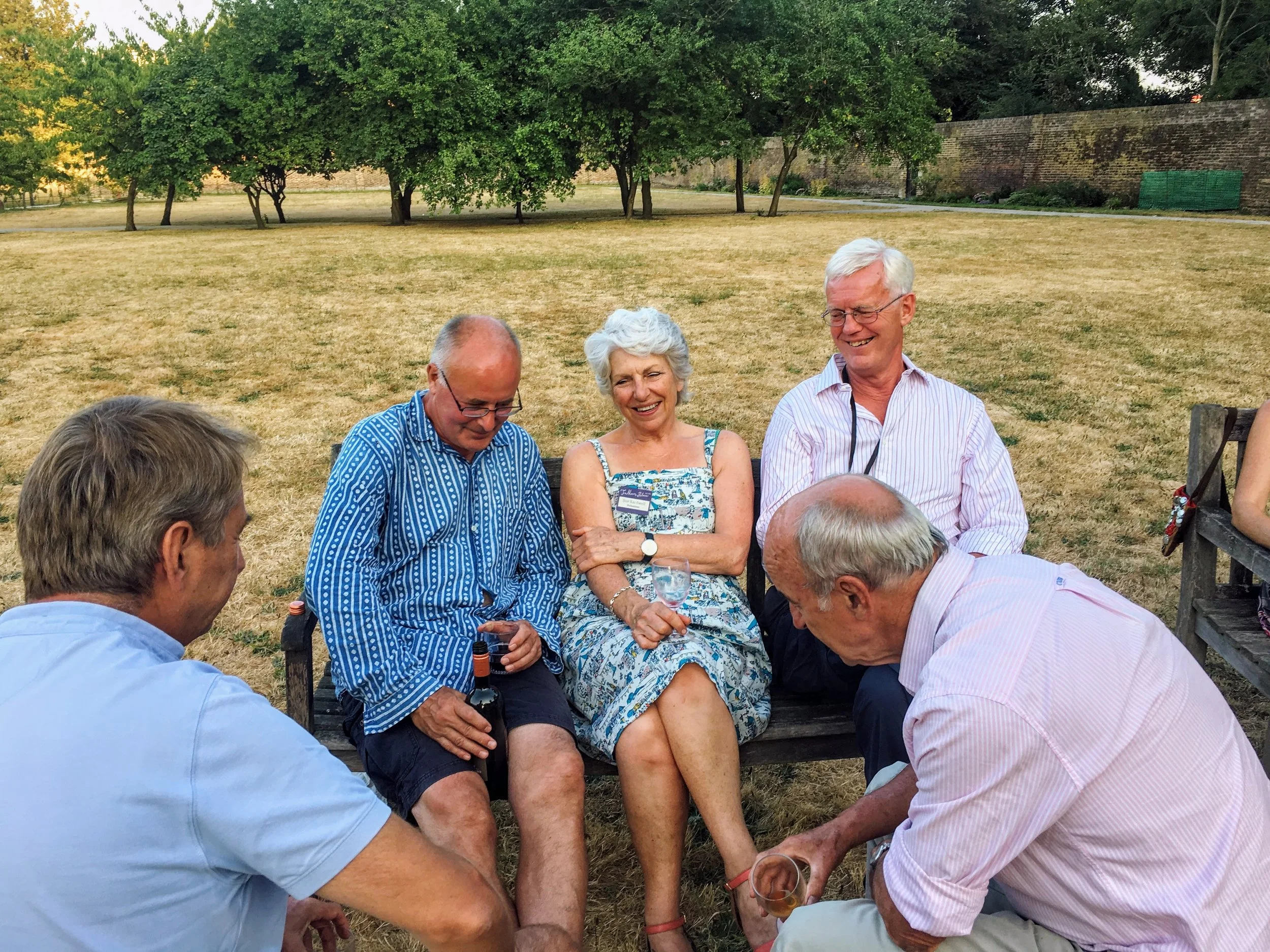
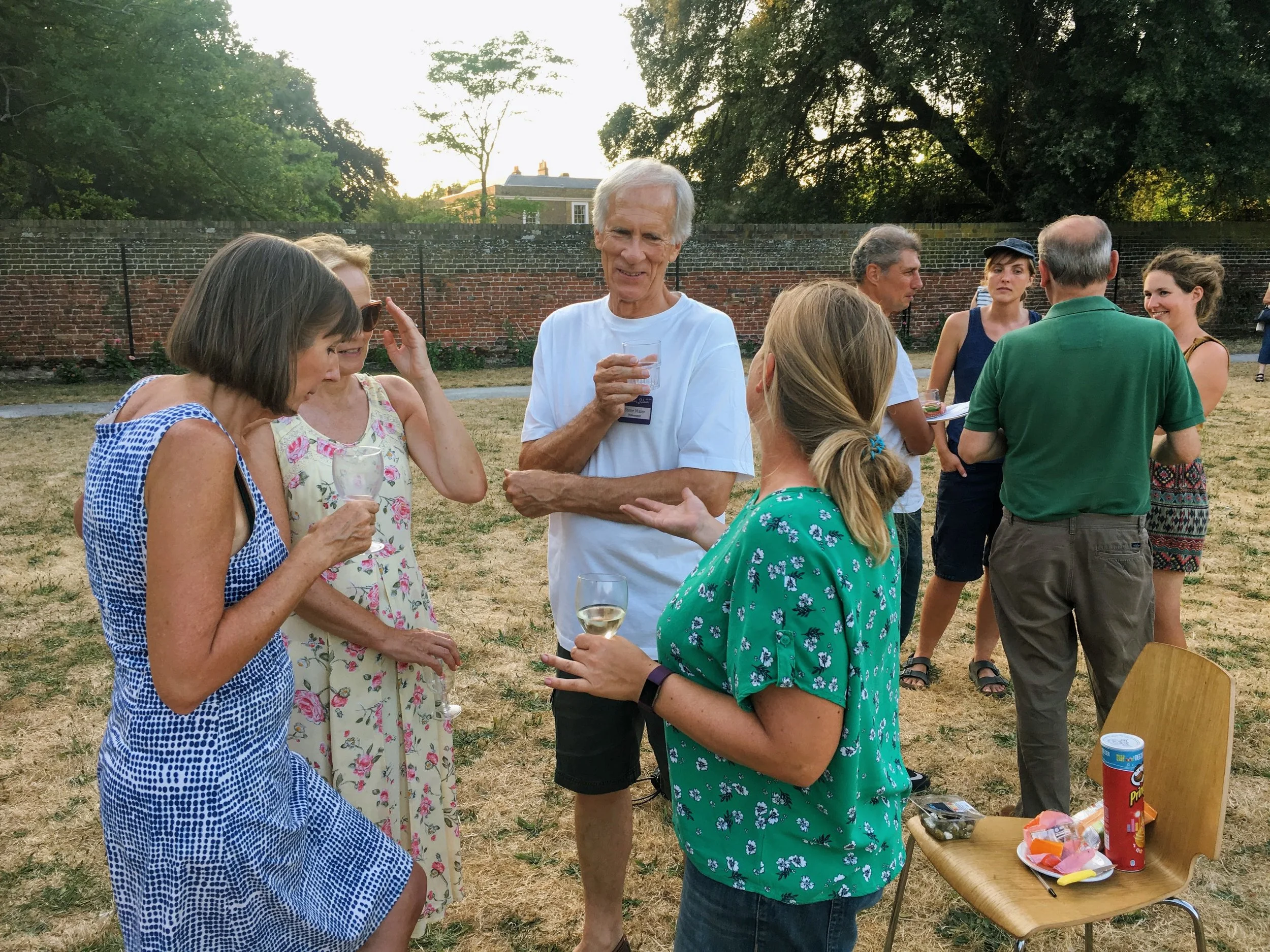
There was an excellent turn out at the recent Volunteer Garden Party on Tuesday July 24. Our beautiful Walled-Garden was the perfect setting for this enjoyable event and the weather played nicely too. There was an eclectic mix of volunteers which led to wonderful opportunities to mingle.

Volunteer Summer Garden Party Pics 2018_K McCulloch (27).JPG

Two informative and key updates were given by Sian Harrington our Chief Executive and Mariana Spater, our Chair. Also, ‘Long Service Awards’ were presented. Huge congratulations to all the recipients!

Volunteer Summer Garden Party Pics 2018_K McCulloch (4).jpg

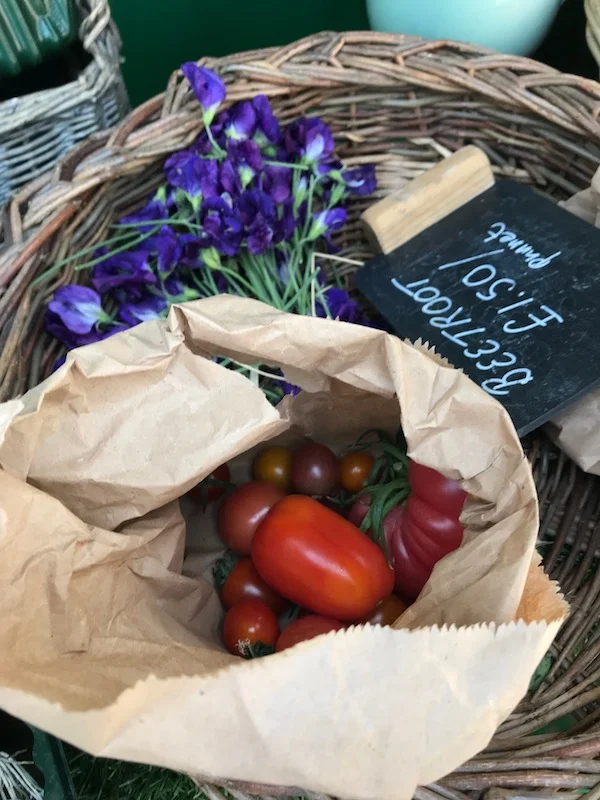
Delicious food and drinks were abound and in particular the delectable Sungold and Rossela cherry tomatoes- straight from our kitchen garden! Our splendid barrow was also open for the duration. And the display of divine produce was accompanied by the prettiest bouquet of Sweet peas.

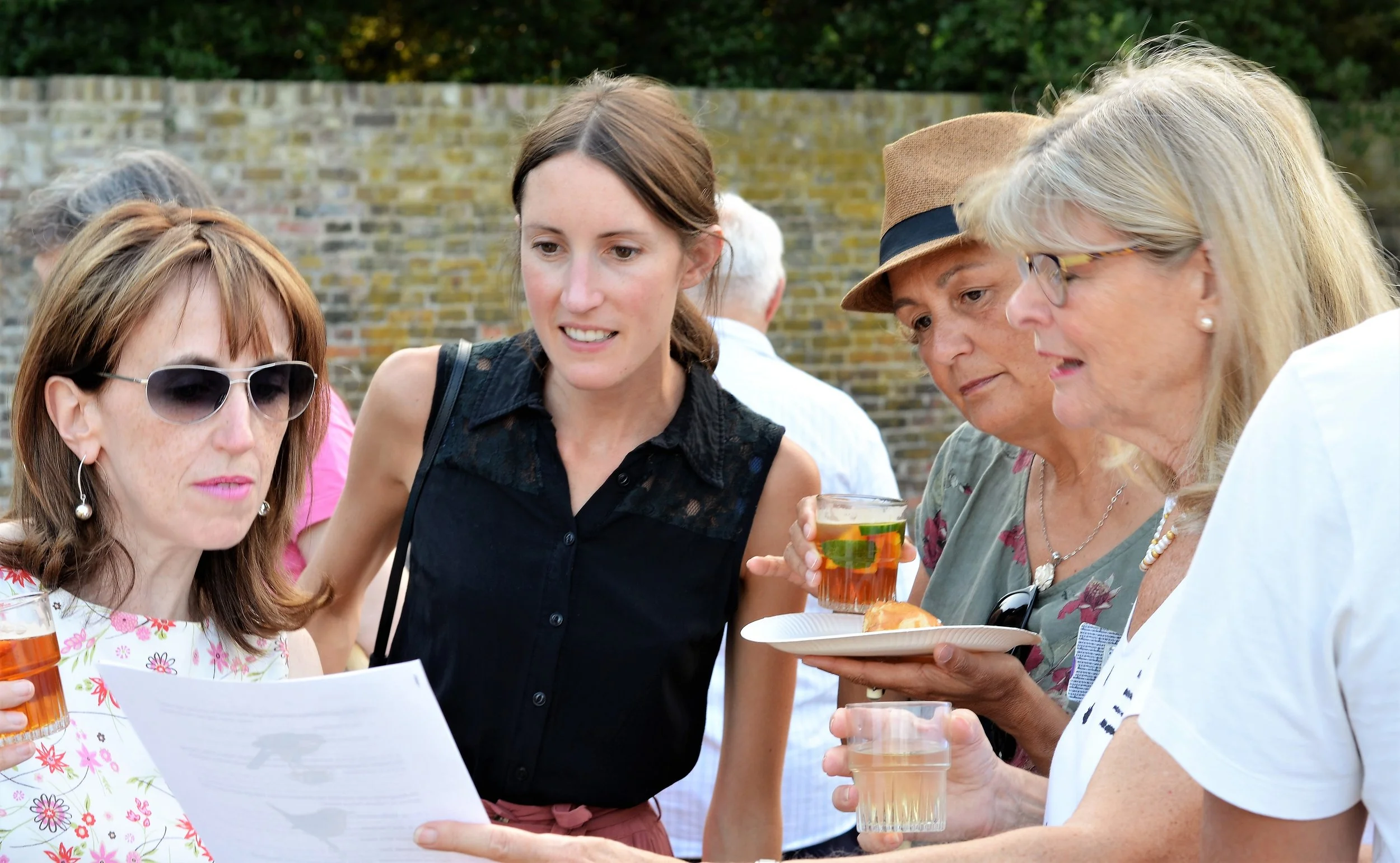
Rachel and volunteer Gwen McCann produced a fabulously entertaining Summer Party quiz which contained interesting questions about Fulham Palace, the Walled Garden and its incredible yields. Lots of laughter and friendly debating could be heard as teams did their best. Head Gardener Lucy supplied excellent samples of fragrances, which teams had to guess and the lemongrass stumped even our amazing apprentices! Well done to the winners!

It was a delightful event with lots of laughter and merriment on a gorgeous summer’s eve!

Images and text by Kathleen McCulloch, Volunteer

Recipe of the Month - July

Cherry Tomatoes 

We have had some tomato recipes on the blog in the past but this year is proving a bumper year for tomatoes as they enjoy the heat,  so here are some more tomato recipes to help you make the most of them.

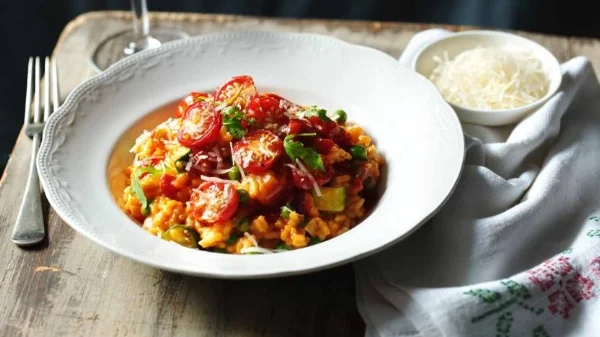
tomatorisotto_92965_16x9.jpg

Tomato Risotto

This is a lovely summery recipe from Raymond Blanc and uses two other Walled Garden favourites, fennel and courgette.

  • 2 tbsp olive oil, plus extra for drizzling
  • ½ onion finely chopped
  • ¼ garlic clove, crushed
  • 200g/7oz risotto rice, such as carnaroli
  • Salt and freshly ground black pepper
  • 150g/5oz butternut squash peeled and cut into 1cm/½in cubes
  • 300ml/10½fl oz water
  • 300ml/10½fl oz passata
  • 10 cherry tomatoes, halved
  • 2 baby courgettes, halved lengthways and sliced into 1cm/½in thick pieces
  • 1 baby fennel, sliced
  • ½ tsp coriander seeds, lightly crushed
  • 80g/3oz peas
  • 2 tbsp mascarpone cheese
  • 4 tsp freshly grated parmesan, plus extra for sprinkling
  • 4 tbsp baby salad leaves
  • Preheat the oven to 200C/180C Fan/Gas 6.

  • Heat a pan over a medium heat, add the olive oil and gently fry the onion for 3–4 minutes, or until tender. Add the garlic and fry for a further minute. 

  • Add the rice, stirring well to coat in the olive oil. Fry for 1–2 minutes, or until the rice is translucent. Season with salt and freshly ground black pepper. 

  • Add the butternut squash to the pan and mix well. Add the water and half of the passata then bring to a gentle simmer. Cover with a lid and cook for 15 minutes.

  • Place the remaining passata into a saucepan and warm through.

  • Meanwhile, place the halved cherry tomatoes onto a baking tray, drizzle with a little olive oil and season with salt and freshly ground black pepper. Roast in the oven for 5–6 minutes, or until the tomatoes are just tender and collapsed slightly. 

  • By now, the rice should have absorbed all of the liquid. Remove the lid and stir well. Add the courgettes, baby fennel and coriander seeds and cook for a couple of minutes. Add the peas, mascarpone and parmesan and stir well, adding a little extra passata if the risotto is too dry. 

  • To serve, spoon the risotto into a small serving bowl. Top with a few roasted tomatoes, a little sprinkling of parmesan and some micro leaves. Spoon over the warmed tomato essence.

Raymond Blanc, BBC website

IMG_5449.jpg

Cherry Tomato Salad

 A recipe for tomato salad seems a bit unnecessary but a couple of tips to get the most from delicious sweet cherry tomatoes, never put them in the fridge and for this recipe allow the tomatoes to marinade for a few hours and they will be particularly flavoursome.

  • 1kg (2lbs) cherry tomatoes, washed and halved
  • Handful of basil and flat leaf parsley, finely chopped
  • 60ml (4 tbsp) extra virgin olive oil
  • 30ml (2 tbsp) white wine vinegar
  • 2.5ml (½ tsp) salt
  • 15ml (1 tbsp) caster sugar
  1. Place the tomatoes and herbs in a large serving bowl.
  2. Pour the oil, vinegar, salt and sugar in a smaller bowl, mixing the ingredients thoroughly.
  3. Mix the salad dressing with the tomatoes and allow to marinate for a couple of hours


Smashed Tomato Butter

I've made this twice this week - simple but really tasty and can be used on pasta or warmed pitta, or whatever takes your fancy.

* Olive oil
* 200g cherry vine tomatoes
* 1 clove of garlic
* 50g salted butter
* Sweet smoked paprika

Heat the olive oil in a pan and add the tomatoes and garlic. Smash the tomatoes with the back of a spoon or a potato masher and cook for 5-10 minutes. The juice should become thick and syrupy.

Add the butter and the smoked paprika, melt the butter and then take off the heat. This is good warm or cold.

Matt Tebbutt in the Sunday Times Magazine
 

69f4b9171c564a4fe93d903e7d5e8ca2.jpg