Every month we feature two blogs written by volunteers, one describes an object in the Palace and one a plant from the Garden. It is a great way for us all to learn more about the Palace, if you would like to contribute there is no set format so please do send us your ideas!
Almost as much mystery surrounds the tale of William Laud’s tortoise as Edmund Bonner’s ghost, though this time there are one or two ‘nearly’ first hand accounts.
The tale re-surfaced in 2017 when a display at the Garden History museum included the alleged shell of said tortoise. This normally resides at the adjacent Lambeth Palace, where reports claim that the tortoise died in the 1750s.
Whoa, those who follow dates might say, Laud was around in the mid 17th century?! Yes, but tortoises are famously long-lived. One at Peterborough cathedral lived until the age of 220. William Laud’s apparently survived for more than century after it’s master was executed in 1645, four years before the king he served, Charles I.
But the story begins much earlier, in the Middle Ages, when exotic animals were among goods conveyed along various trade routes. Everything from lions and elephants to monkeys entered privileged households, often as gifts — they were important ‘status-enhancing’ accessories.
Henry VIII famously had an African grey parrot that talked, Thomas More and Samuel Pepys both had pet monkeys. Anne Boleyn refused the gift of a monkey, according to Jane Grigson (Menagerie 2015).
There are however, no other reports of tortoises being kept until one was acquired by William Laud around the time he became Bishop of London and, soon after, Chancellor of Oxford University — so in the late 1620s. Some reports say it was a gift from Laud’s Oxford College, St Johns though St Johns has no record.
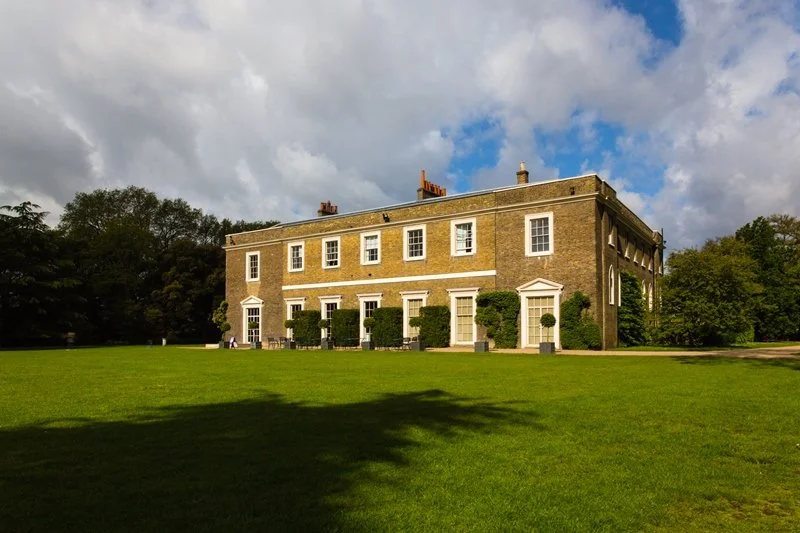
We can imagine the tortoise enjoying the lovely grounds of Fulham Palace, when the bishop’s household decamped from the City for the summer months. But there are no actual reports. In fact the closest we get to this tortoise is via descriptions of its death. And even that has elements of mystery. The one ‘fact’ is that it was by now living at Lambeth Palace.
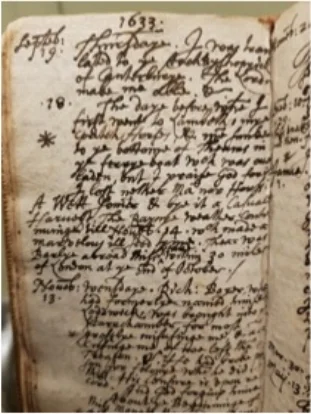
In 1633 William Laud was translated to Archbishop. A much quoted entry in his diary for 18 September that year reports that his coach, horses and men were loaded onto a ferry-boat for the journey across the river north bank to south.